sac state arts and humanities

.jfif)
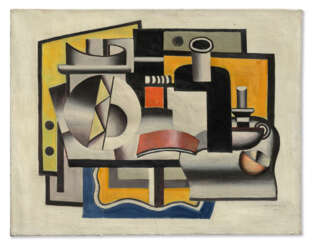
Joseph Fernand Henri Léger was a French artist renowned for his innovative approach to Cubism and his transition towards a figurative, populist style. Born in Argentan, Orne, Lower Normandy, Léger's early career was marked by a stint as an architectural draftsman and a series of educational pursuits that eventually led him to Paris, where he embraced painting seriously. His artistic journey was significantly influenced by the bold abstractions of Cubism, characterized by geometric shapes and a vibrant palette, distinguishing his work from his contemporaries with what came to be known as "Tubism".
Léger's service in World War I profoundly impacted his artistic direction, leading him to adopt a 'mechanical' style that depicted the modern industrial world with sleek, tubular forms. This period saw creations like "Soldier with a Pipe" and "The Card Players," reflecting his war experiences and the mechanical aesthetics of the time. The post-war era encouraged Léger to explore the mechanical style further, evident in works like "The Bargeman" and "Mechanical Elements," highlighting the pace of technological advancement.
Throughout his career, Léger's work evolved, notably in the 1920s, where he aligned with Purist ideas, blending classicism with modernity. This phase is exemplified in "Woman with a Cat," showcasing a classical form with a modern, polished finish. By the 1930s, Léger's art took a more figurative, populist turn, aiming to democratize contemporary art and make it more accessible. His commitment to art education, especially for the common worker, underscored his belief in the social role of art.
For those intrigued by Joseph Fernand Henri Léger's groundbreaking contributions to modern art, his works can be found in prestigious museums worldwide. His legacy continues to inspire art collectors and enthusiasts alike. To stay updated on exhibitions and auction events featuring Léger's work, sign up for updates and embrace the unique opportunity to explore the richness of his artistic endeavors.
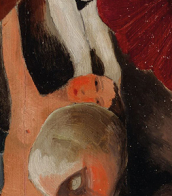




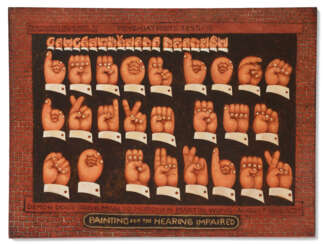

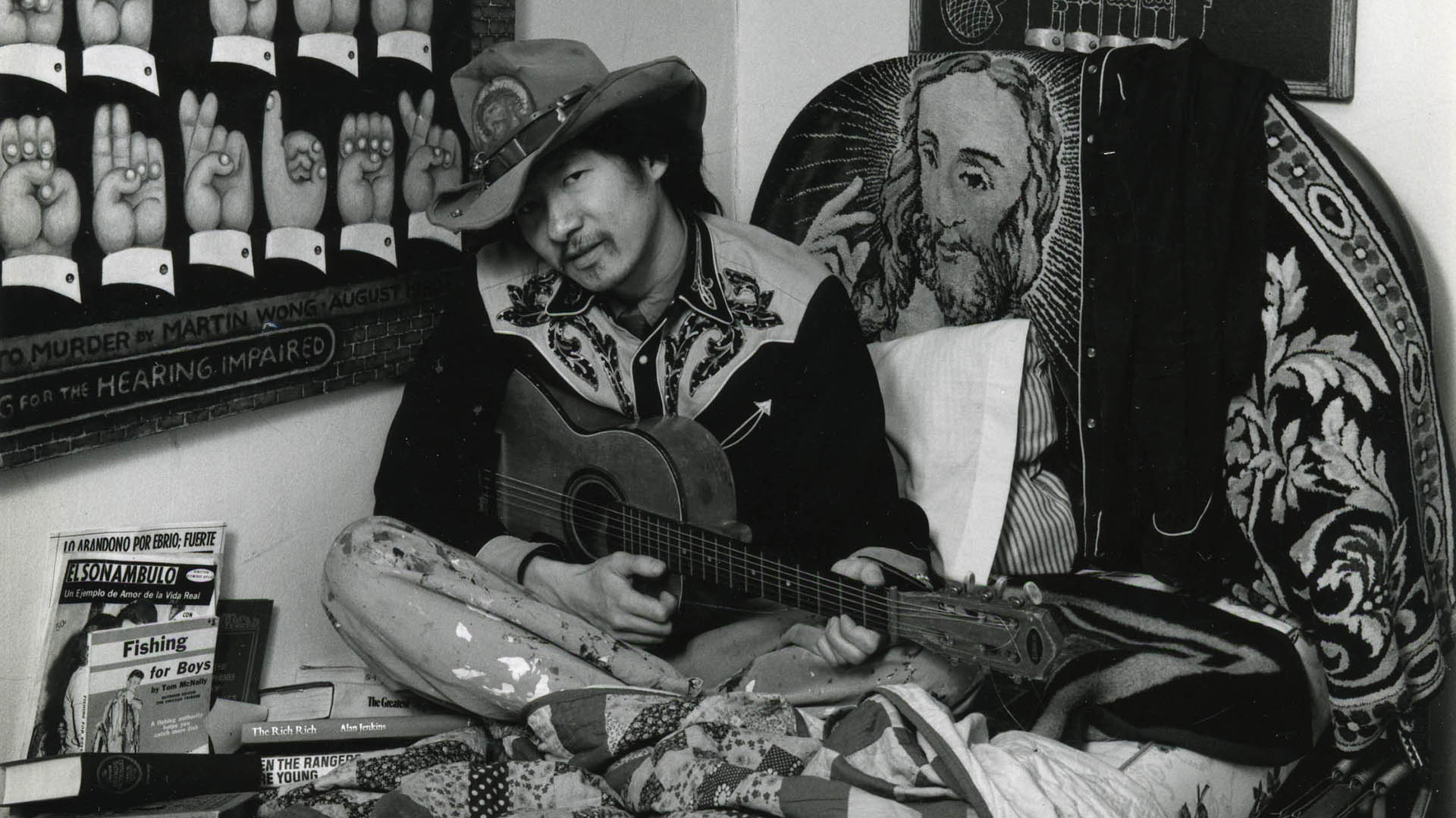
Martin Wong was a Chinese-American painter of the late 20th century. His work has been described as a meticulous blend of social realism and visionary art styles. Wong's paintings often explored multiple ethnic and racial identities, exhibited cross-cultural elements, demonstrated multilingualism, and celebrated his queer sexuality.

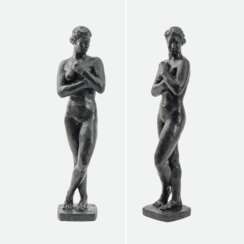

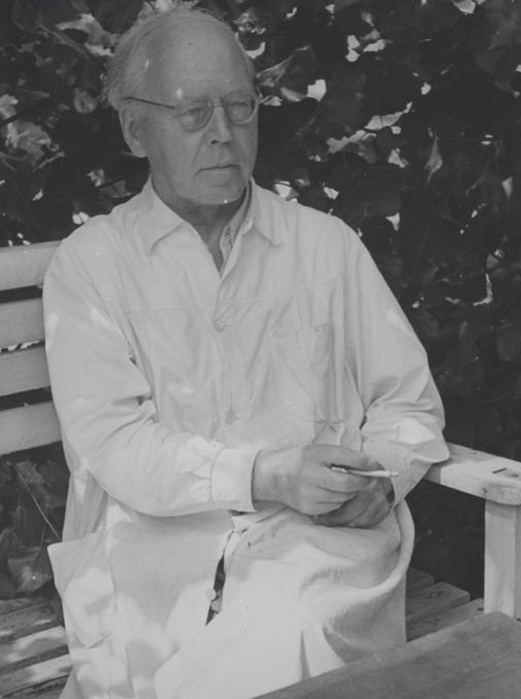
Georg Kolbe was a German sculptor of the first half of the twentieth century. He is known as a master of Classicism and Symbolism. Throughout most of his professional career he was an artist in demand by various German authorities.
Georg Kolbe, despite the strong influence of the Expressionists, managed to develop his own unique style. He left a notable mark not only in sculpture, his artistic legacy includes a large number of drawings and hundreds of engravings.
His biography is closely connected with Berlin, where he lived for more than 40 years. Kolbe is named for the prize awarded by the Artists' Union of Berlin. The artist's former studio now houses a museum with permanent solo exhibitions of works by renowned sculptors of modern art.


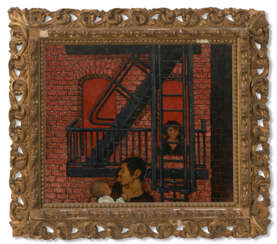

Martin Wong was a Chinese-American painter of the late 20th century. His work has been described as a meticulous blend of social realism and visionary art styles. Wong's paintings often explored multiple ethnic and racial identities, exhibited cross-cultural elements, demonstrated multilingualism, and celebrated his queer sexuality.
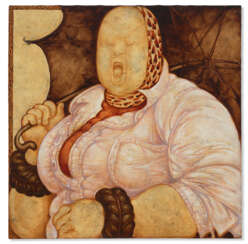

Martin Wong was a Chinese-American painter of the late 20th century. His work has been described as a meticulous blend of social realism and visionary art styles. Wong's paintings often explored multiple ethnic and racial identities, exhibited cross-cultural elements, demonstrated multilingualism, and celebrated his queer sexuality.
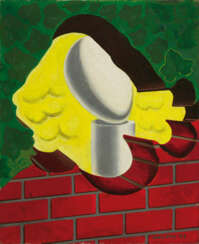

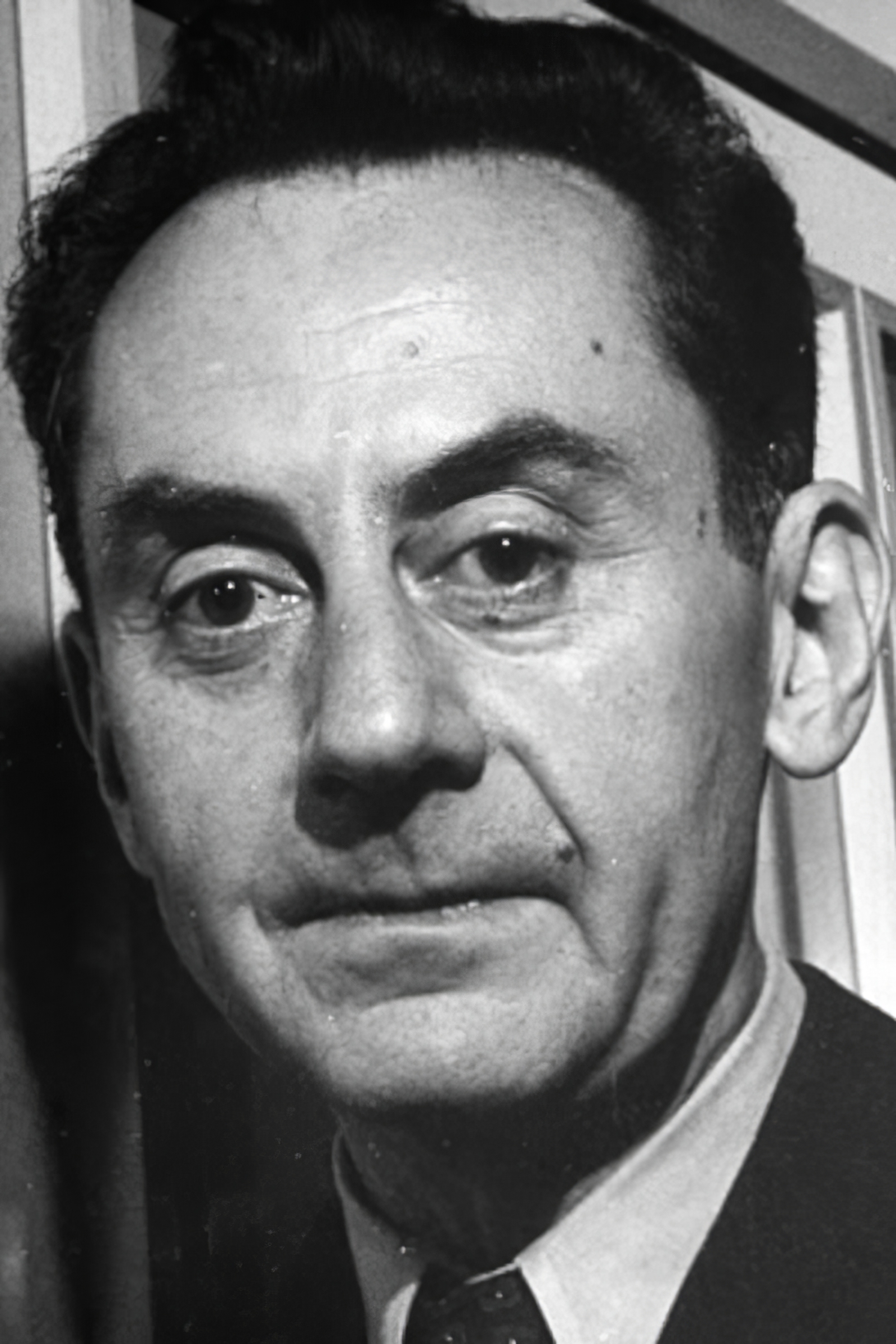
Man Ray, born Emmanuel Radnitzky, was an American visual artist who played a significant role in the Dada and Surrealist movements. His pioneering efforts in photography, alongside his work in painting and sculpture, have cemented his place as a major figure in modern art. Known for his innovative techniques and the ability to convey complex ideas through simple, striking visuals, Man Ray's contribution to the art world is profound.
Throughout his career, Man Ray was celebrated for his avant-garde approach and his ability to transcend traditional boundaries between different artistic mediums. His photography, characterized by experimental techniques such as solarization and rayographs (cameraless photographs), challenged conventional perceptions of photography as merely a means of representation. These artistic innovations made him a central figure in both Parisian and American art circles.
Man Ray's works are housed in some of the world's most prestigious museums and galleries, including the Museum of Modern Art in New York and the Centre Pompidou in Paris. His pieces, such as "Le Violon d'Ingres" and "Noire et Blanche," are iconic images that continue to influence artists today. His ability to blend the abstract with the realistic, and the humorous with the serious, has left a lasting legacy in the world of art.
For collectors and experts in art and antiques, the work of Man Ray offers a glimpse into the revolutionary changes that shaped the visual arts in the 20th century. His unique perspective and pioneering techniques continue to inspire and challenge those interested in the boundaries of creativity and expression.
If you're passionate about the avant-garde, or simply wish to explore the fascinating world of Man Ray further, sign up for our updates. You'll receive alerts on new product sales and auction events related to Man Ray, ensuring you never miss an opportunity to engage with the legacy of this extraordinary artist.
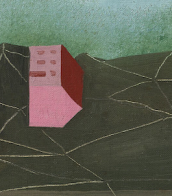


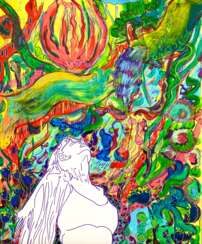



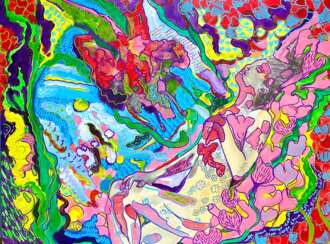



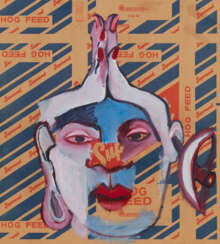

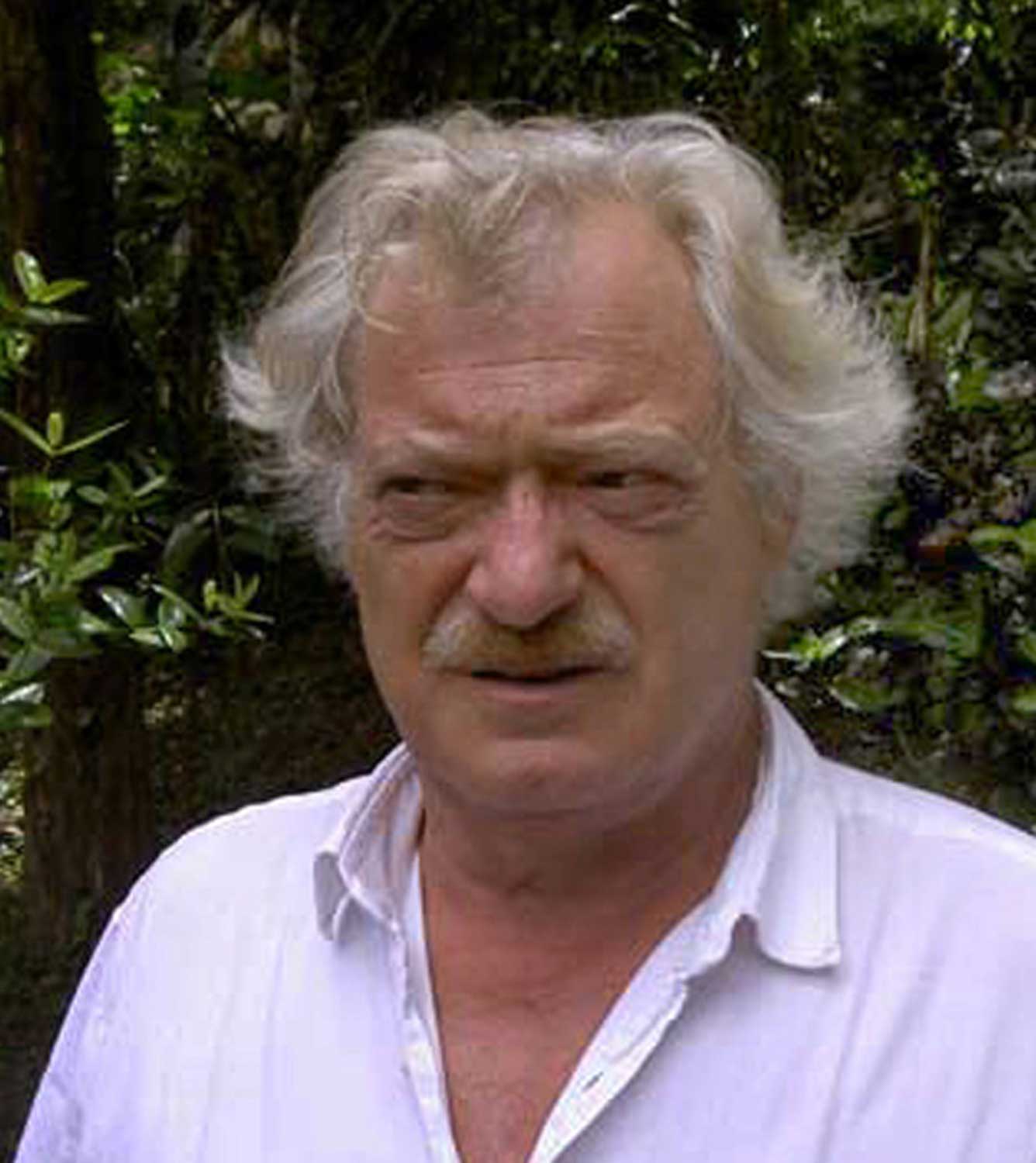
Lambert Maria Wintersberger was a German artist.
With other artists such as Markus Lüpertz, Karl Horst Hödicke, and Bernd Koberling, he helped found the Gallery "Großgörschen 35" in Berlin.
Lambert Maria Wintersberger was the laureate of the Centre Européen d'Actions Artistique Contemporaines in Strasbourg in 1992, and in 2005 and 2006, he was the guest artist at the Majolika Ceramic Factory in Karlsruhe.
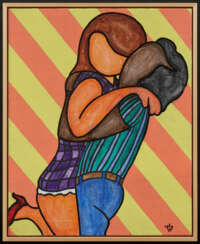

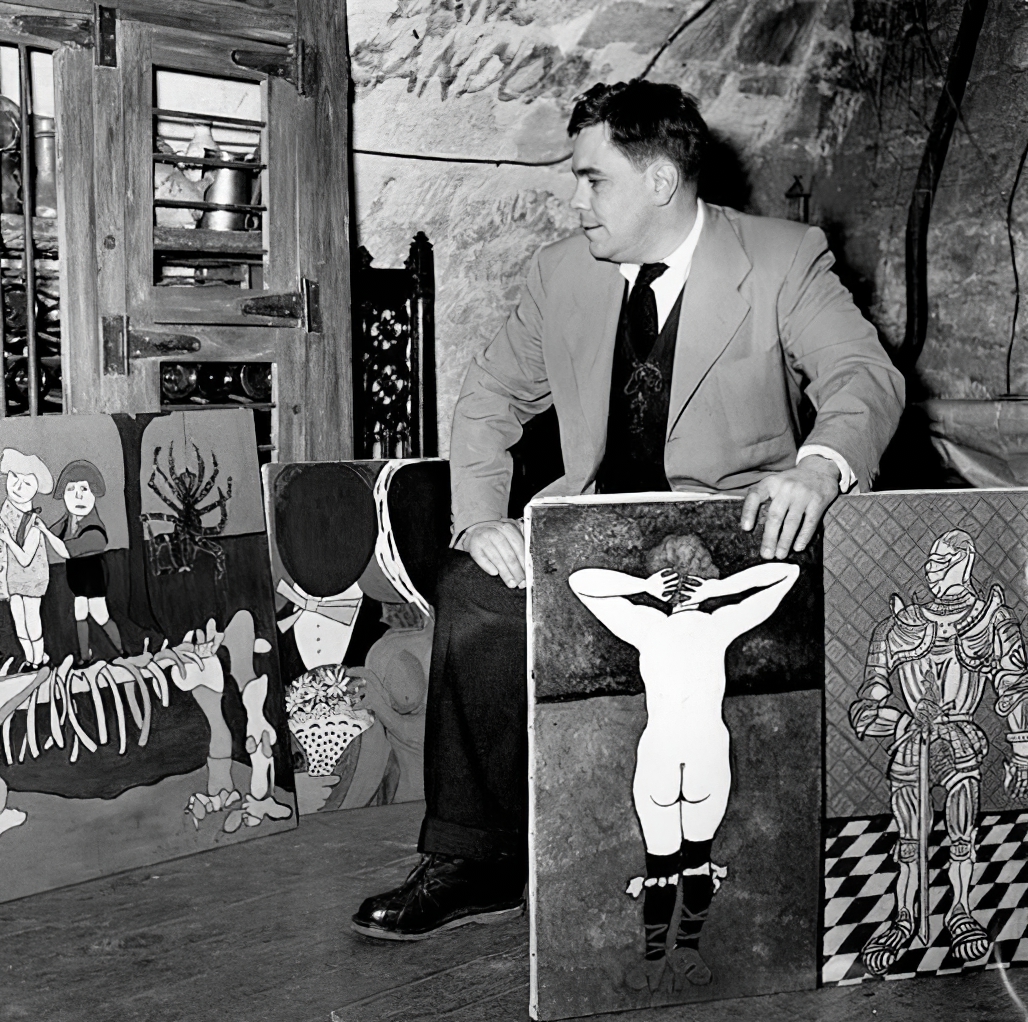
William Nelson Copley was an American painter, writer, gallerist, collector, patron, publisher and art entrepreneur. His works as an artist have been classified as late Surrealist and precursory to Pop Art.