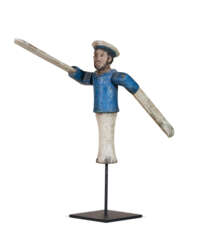
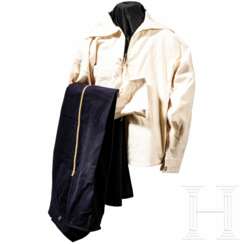
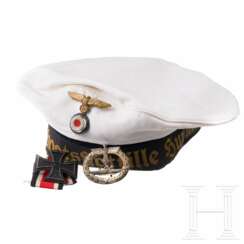
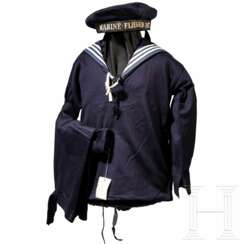
sailor

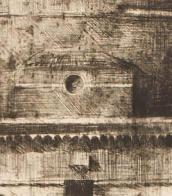
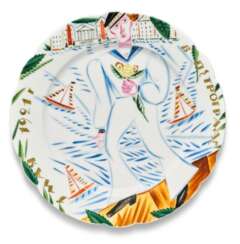



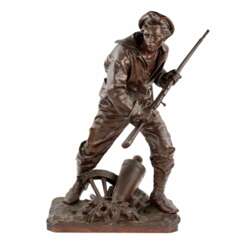





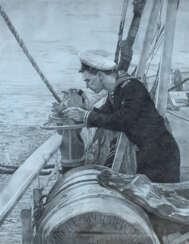


Georgy Konstantinovich Guryanov was a Soviet and Russian rock musician and artist. In 1984-1990 he was the drummer, arranger, author of some bass parts and backing vocalist of the rock band Kino. He also participated in the Pop Mechanics project. From 1990 to 2013 he worked as an artist; since 1993 he has been an honorary professor at St Petersburg's New Academy of Fine Arts.
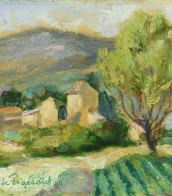
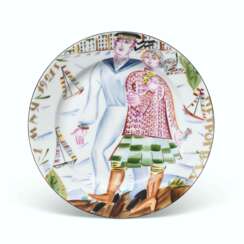

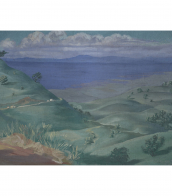






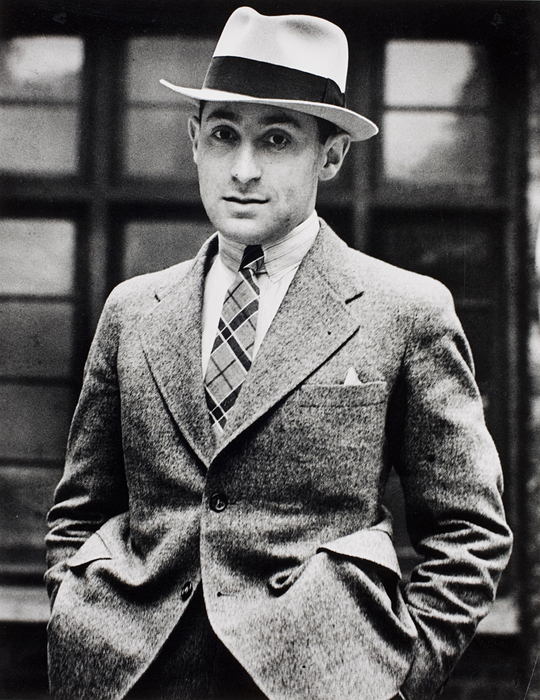
Alfred Eisenstaedt was a German-born American photographer and photojournalist. He is best known for his work as a staff photographer for Life magazine, where he captured iconic images of celebrities, politicians, and everyday people.
Eisenstaedt began his career as a photographer in Germany, working for the Pacific and Atlantic Photos agency in Berlin in the 1920s. He emigrated to the United States in 1935 and joined the staff of Life magazine in 1936, where he remained until the magazine ceased publication in 1972.
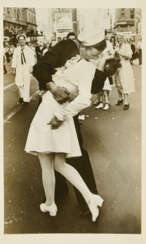
Eisenstaedt's images are notable for their candid, spontaneous feel and their ability to capture the essence of his subjects. He is perhaps best known for his photograph "V-J Day in Times Square," which depicts a sailor kissing a nurse in celebration of the end of World War II. The image has become one of the most iconic photographs of the 20th century.
Throughout his career, Eisenstaedt photographed many of the most famous and influential people of his time, including Marilyn Monroe, Albert Einstein, Winston Churchill, and John F. Kennedy. His work has been exhibited in major museums around the world, and he received numerous awards and honors for his contributions to the field of photography.




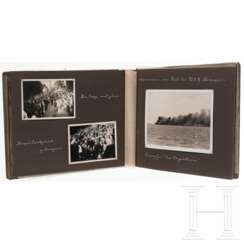



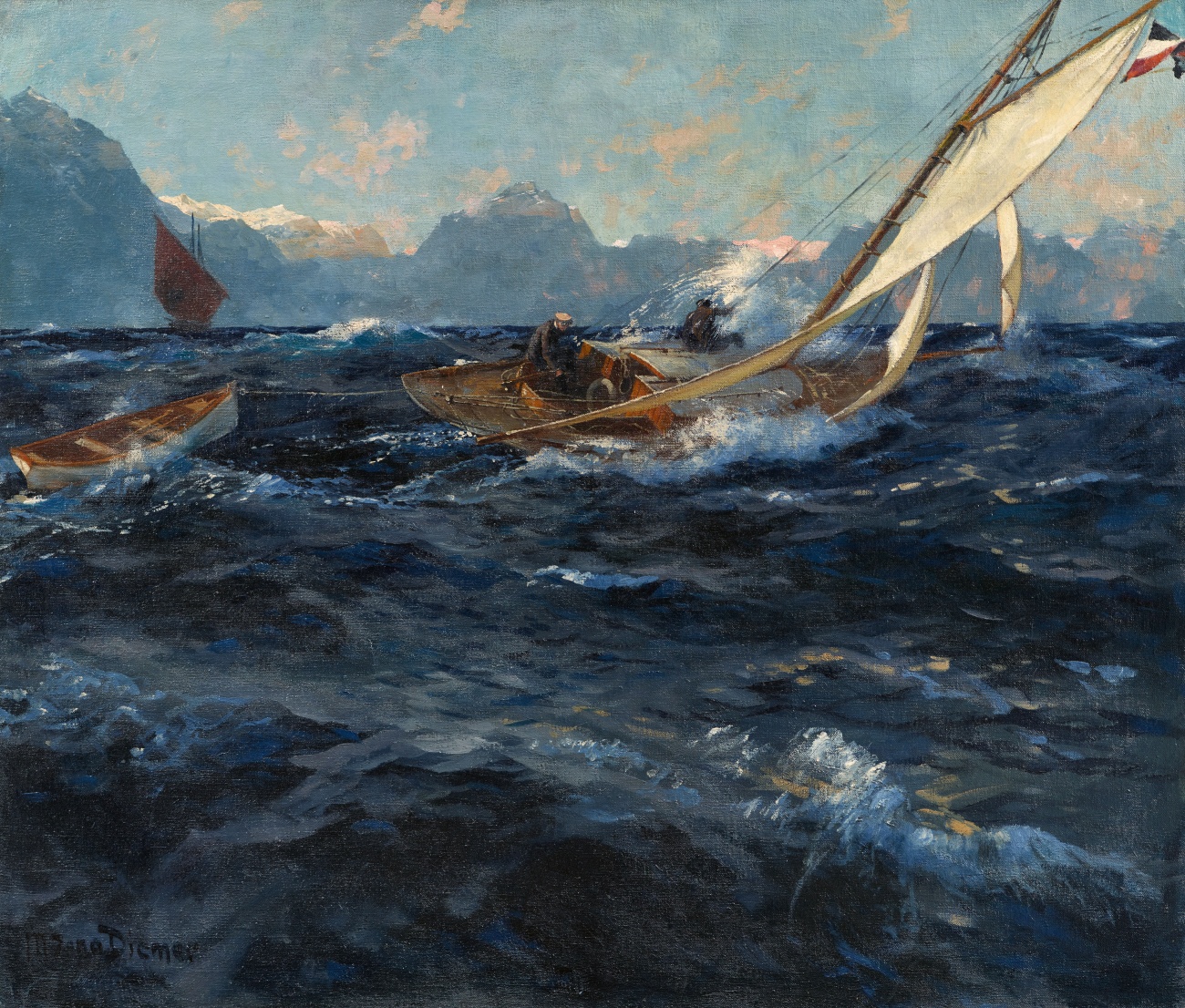
Michael Zeno Diemer was a German painter. Now known primarily for his marine paintings and postcard designs, he was initially famous for his panoramic paintings of battles.
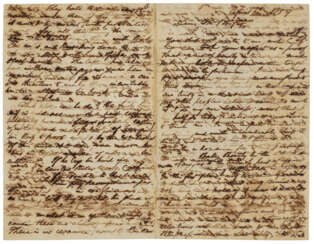

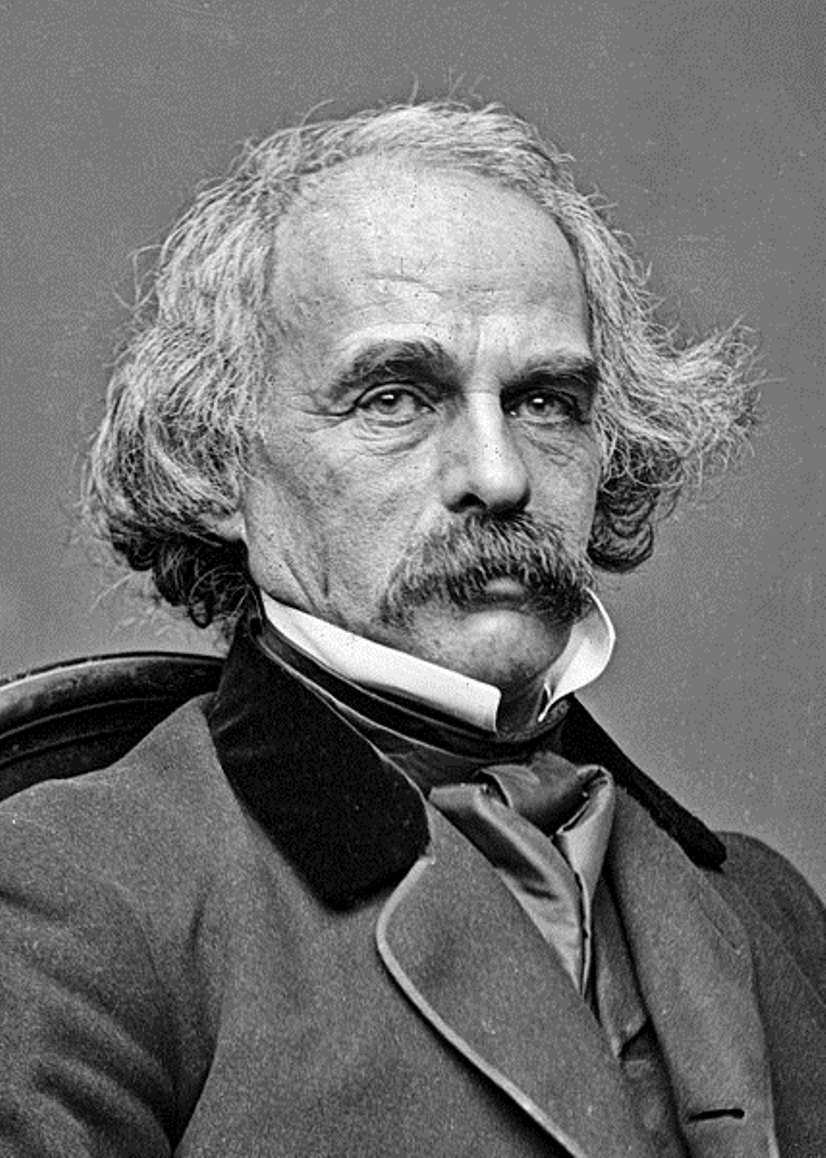
Nathaniel Hawthorne is an American writer and author.
Hawthorne is a recognized short story writer and a master of allegorical and symbolic narrative. One of the first fiction writers in American literature, he is best known for his works The Scarlet Letter (1850) and The House of Seven Gables (1851). Hawthorne's artistic works are considered part of the American Romantic movement and, in particular, of so-called dark Romanticism, a popular mid-19th-century fascination with the irrational, the demonic, and the grotesque.

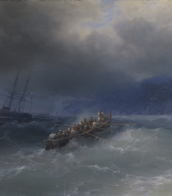
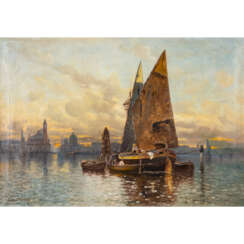



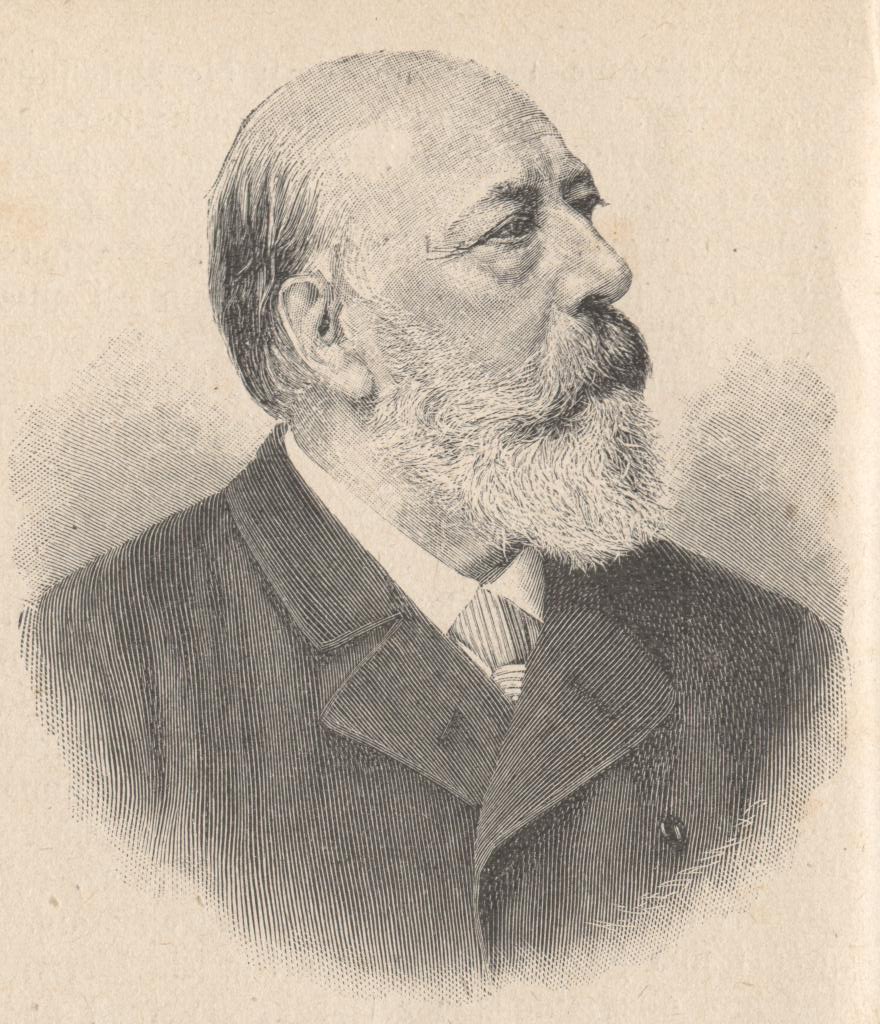
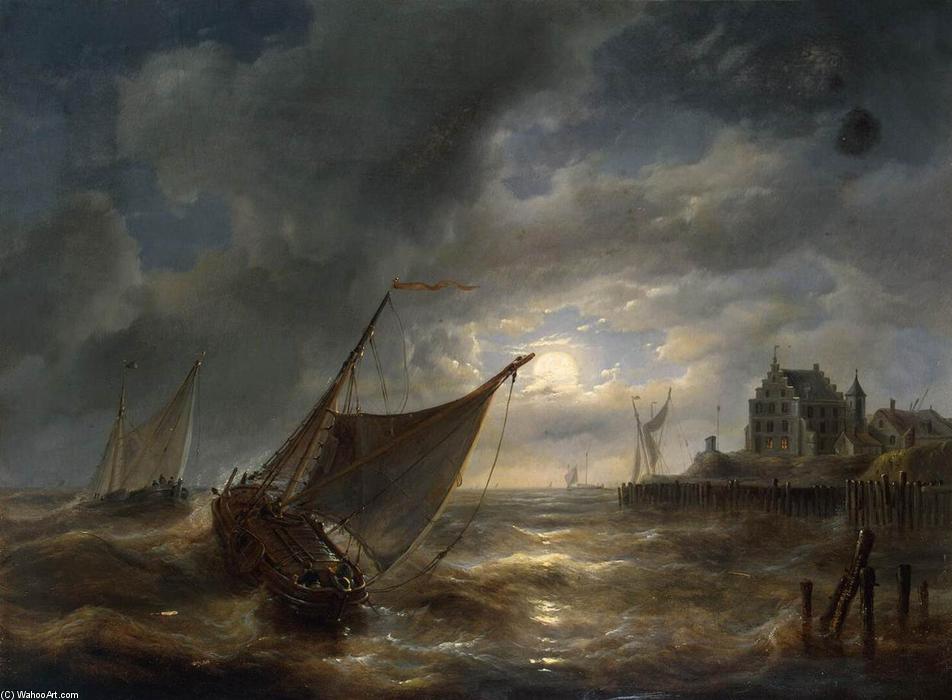
Andreas Achenbach was a German landscape and seascape painter in the Romantic style. He is considered to be one of the founders of the Düsseldorf School.[citation needed] His brother, Oswald, was also a well known landscape painter. Together, based on their initials, they were known as the "Alpha and Omega" of landscape painters.
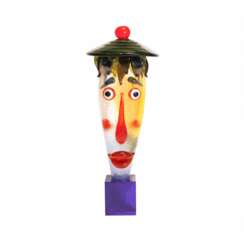


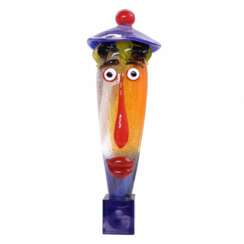

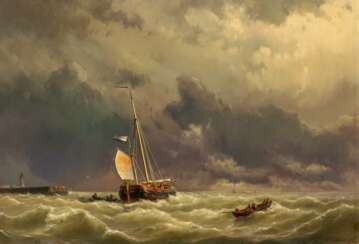

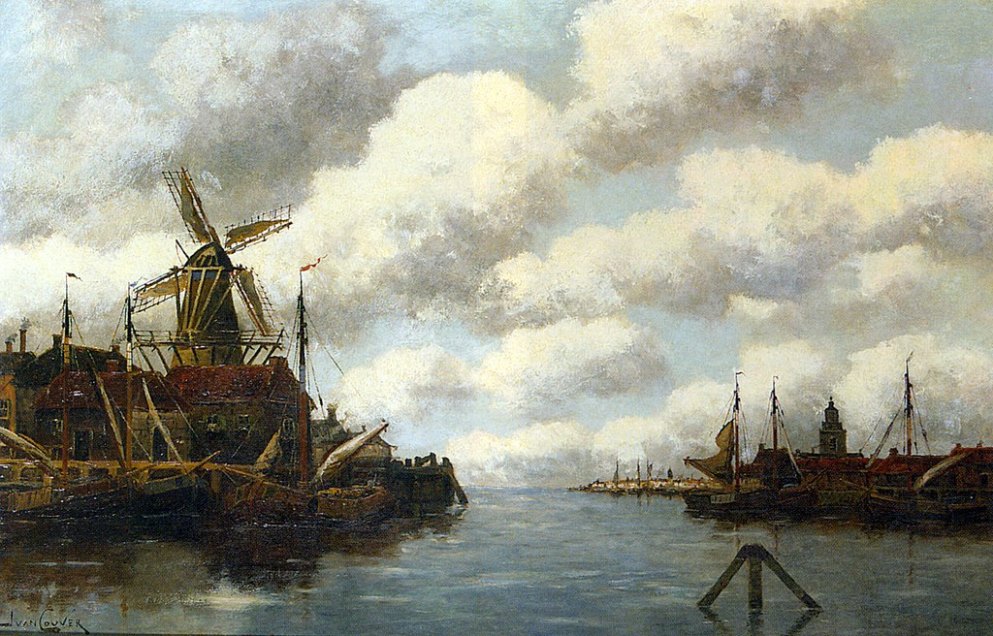




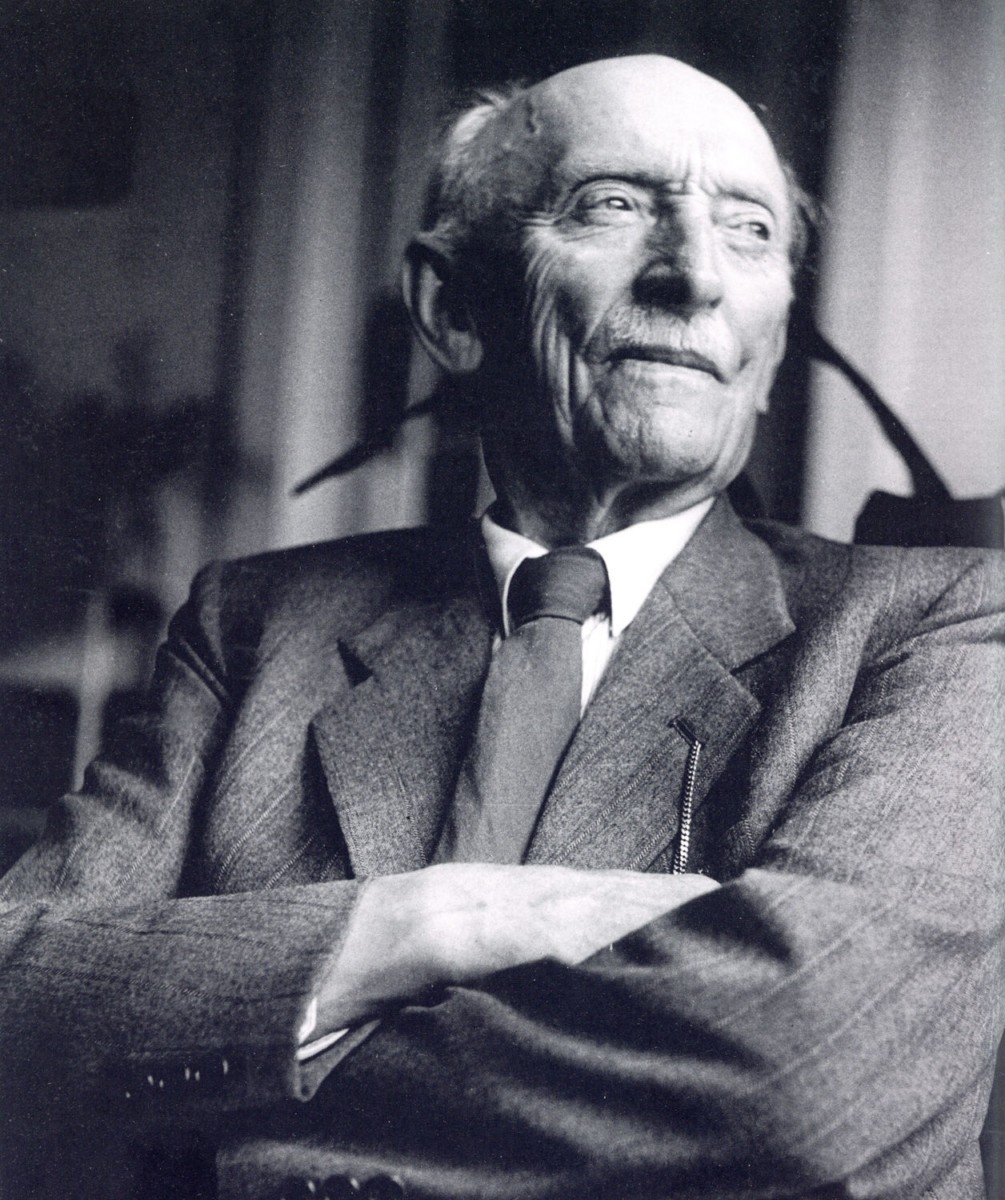
Emil Nolde, a German-Danish artist, stands out as a pivotal figure in the Expressionist movement, celebrated for his vibrant use of color and dynamic brushwork. Born on August 7, 1867, Nolde was initially self-taught, developing a style that later became synonymous with expressive use of color and form. His early work included religious themes and landscapes, characterized by their emotional intensity and innovative color palette. Nolde's contributions to art were not limited to painting; he also excelled in printmaking, creating a significant body of work that includes etchings, woodcuts, and lithographs.
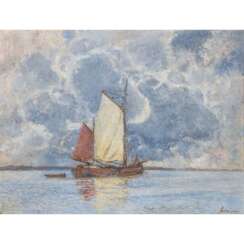
One of Nolde's most noteworthy periods was his time spent on the Baltic Sea island of Alsen from 1903 to 1916, where he produced seascapes that captured the natural world's dynamic essence. His painting "Meer Bei Alsen" (Sea Off Alsen) is a testament to this period, showcasing his ability to convey movement and emotion through color. Furthermore, Nolde's fascination with religious and mythological themes is evident in works like "Dance Around the Golden Calf," where he employs vivid colors and expressive figures to explore complex narratives.
Despite his artistic achievements, Nolde's life was not without controversy. During the Nazi regime, his work was labeled "degenerate," and he faced significant professional and personal challenges. Nonetheless, Nolde continued to create, producing a series of watercolors known as the "Unpainted Pictures" during this time. After World War II, Nolde's reputation was rehabilitated, and he was once again celebrated as a leading figure in modern art.
Nolde's legacy is preserved at the Nolde Foundation Seebüll, a museum dedicated to his life and work, established in the year of his death, 1956. His influence on the field of modern art, particularly within Expressionism, is undeniable, with his bold approach to color and form inspiring subsequent generations of artists.
For art collectors and experts, Nolde's work offers a compelling study in the evolution of modern art, reflecting the tumultuous times he lived through and his unyielding dedication to artistic expression. His ability to capture the essence of his subjects, from the natural beauty of the sea to the depths of human emotion, makes his work a valuable addition to any collection.
To stay updated on sales and auction events related to Emil Nolde's work, signing up for updates is recommended. This subscription service ensures you're informed about the latest opportunities to acquire pieces by this influential artist.