sculptures, plastics and bronzes






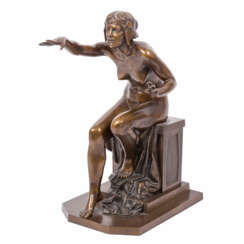





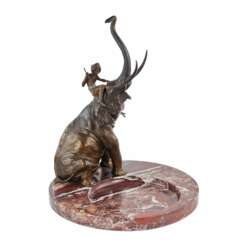





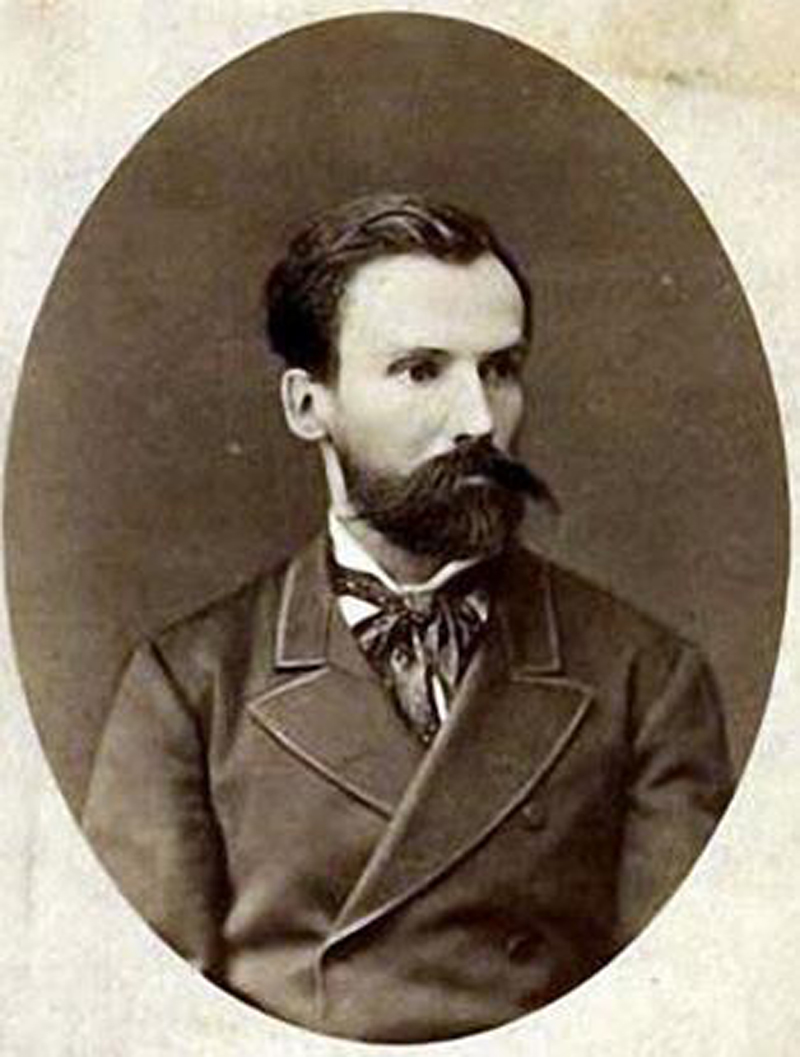
Yevgeny Alexandrovich Lanceray (Russian: Евгений Александрович Лансере) was a Russian sculptor born in 1848, renowned for his detailed bronze sculptures that often depicted historical and ethnographic themes. His works, celebrated for capturing the essence of 19th-century Russian life, include statues such as "Young Ossetian Sitting" and "Royal Falconer" which demonstrate his skill in portraying both human figures and animals with remarkable realism and emotion.
Lanceray's artistic journey began in St. Petersburg, where he was deeply influenced by his surroundings and the vibrant artistic community. He trained under the tutelage of prominent artists and developed a unique style that made substantial contributions to Russian art. His sculptures were widely appreciated for their dynamic representation of subjects and meticulous attention to detail.
Lanceray's legacy extends beyond his sculptures, as his works are featured in major galleries and are highly sought after by collectors. His dedication to art and his ability to portray Russian culture have left an indelible mark on the art world, making his pieces revered collectibles in auctions and exhibitions globally.
For collectors and experts interested in Lanceray's work, staying informed about upcoming auctions and exhibitions can be highly rewarding. To receive updates and exclusive information on Yevgeny Alexandrovich Lanceray, sign up for our newsletter, ensuring you never miss out on the opportunity to add a piece of this master sculptor’s legacy to your collection.


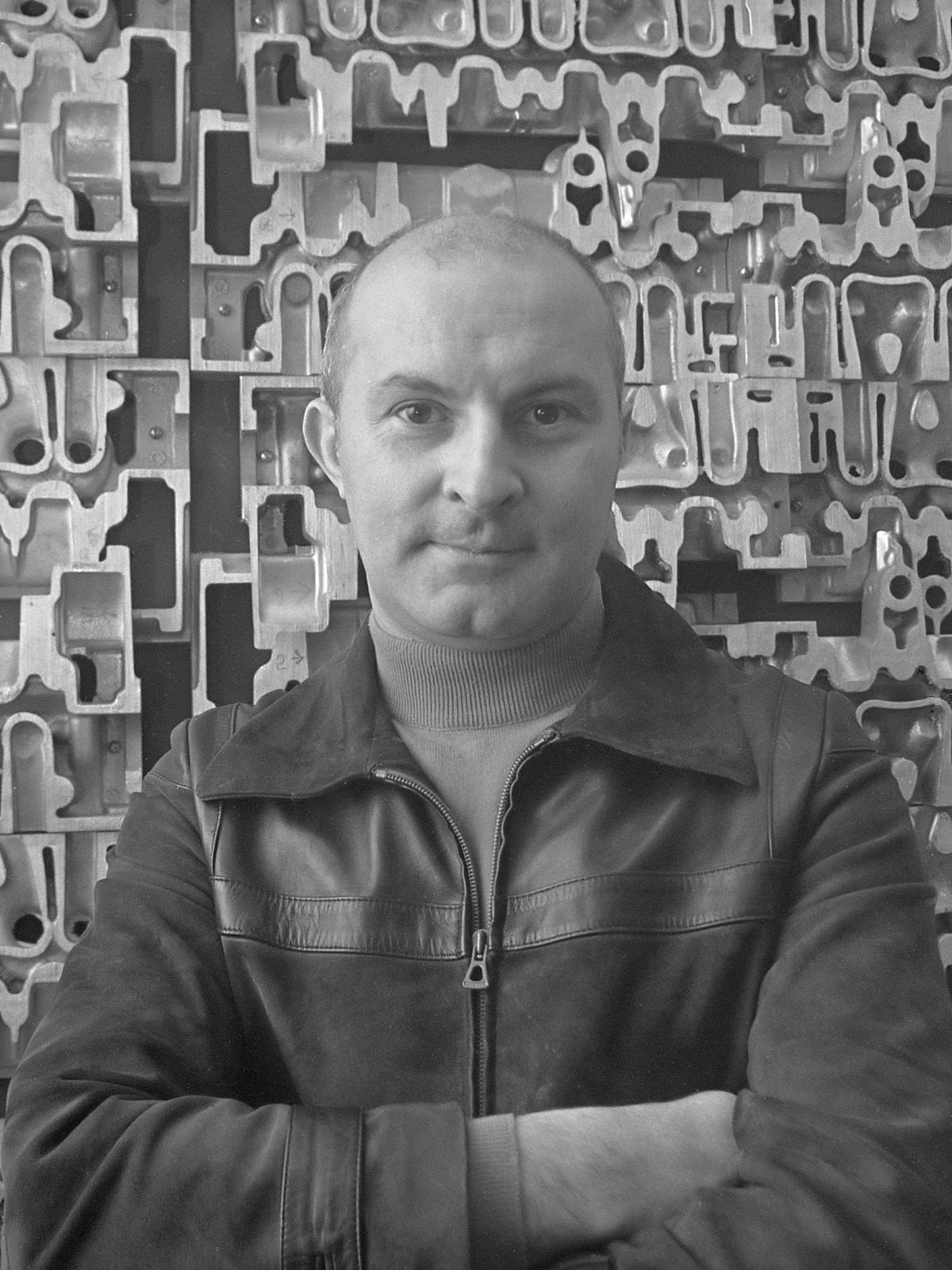
Armand Pierre Fernandez, widely known by his mononym Arman, was a French-born American artist celebrated for his innovative contributions to the Nouveau Réalisme movement and his radical use of everyday objects in art. Born in Nice, France, on November 17, 1928, Arman's early exposure to art came from his father, an antiques dealer and amateur artist, which deeply influenced his later artistic endeavors.
Arman moved beyond traditional painting techniques early in his career, instead creating his signature "Accumulations" and "Poubelles" (trash) sculptures. These works involved assembling and compacting everyday items like watches, clocks, and even automobiles, embedding these objects in layers of concrete or encasing them in Plexiglas. One of his most notable large-scale works is "Long Term Parking," a 60-foot high sculpture made of concrete-encased cars, situated in Jouy-en-Josas, France.
His work is an essential bridge between European and American trends in Pop art and has been widely exhibited in major institutions like the Metropolitan Museum of Art in New York, the Tate Gallery in London, and the Centre Pompidou in Paris. Arman's innovative techniques and philosophical approach to materials challenged conventional categorizations of art and inspired future generations of artists.
For collectors and enthusiasts interested in staying updated on exhibitions and sales related to Arman's work, signing up for updates can provide essential insights and opportunities related to this influential artist. Join our community to ensure you don't miss out on new discoveries and auction events associated with Arman's legacy.


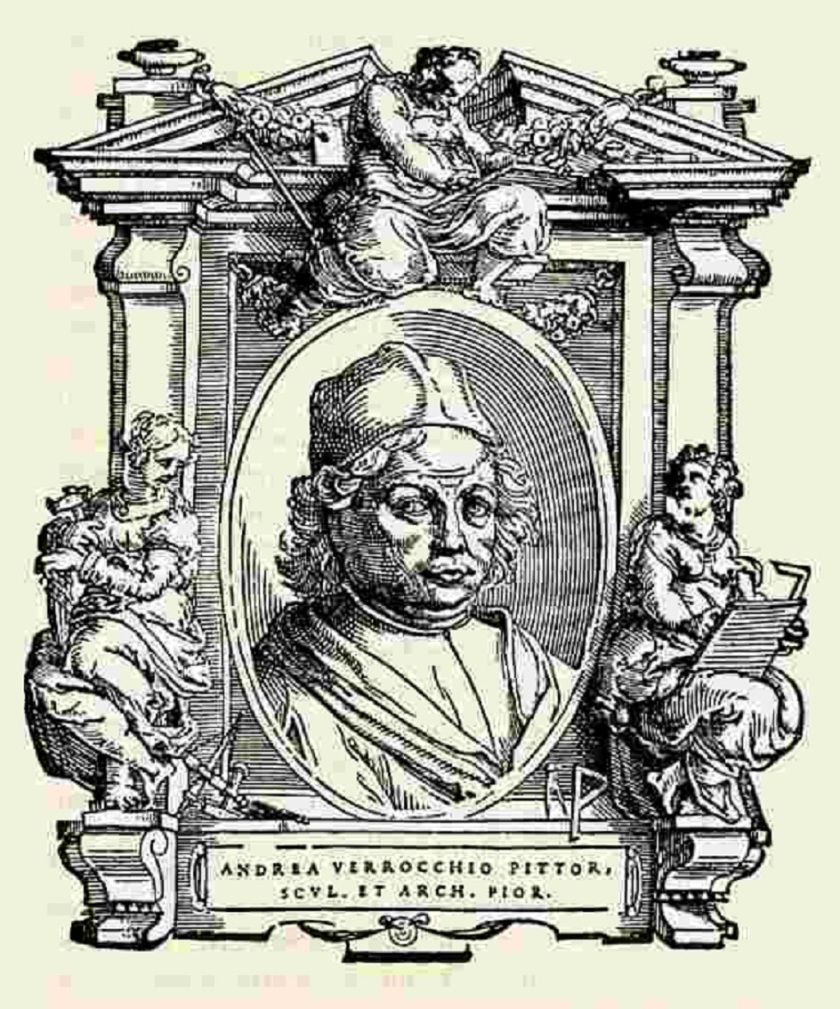
Andrea del Verrocchio, a prominent figure of the Italian Renaissance, was a master of multiple disciplines including sculpture, painting, and goldsmithing. Born in Florence around 1435, Verrocchio was a versatile artist whose influence extended far beyond his own creations, most notably as the mentor to Leonardo da Vinci. His works span a range of media, showcasing his expertise in both the sculptural and painterly aspects of Renaissance art.
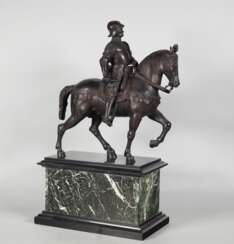
Verrocchio's studio was a fertile ground for the incubation of Renaissance artistic talent. Among his most celebrated works is the bronze statue of David, commissioned by the Medici, which displays a youthful victor standing over Goliath, emblematic of Florence's civic pride and cultural ambition. This piece, alongside his equestrian statue of Bartolomeo Colleoni in Venice, exemplifies Verrocchio's skill in capturing dynamic figures and his innovative approach to bronze casting.
In painting, Verrocchio's contributions, though fewer in number, are significant for their exploration of depth and perspective, hallmarks of Renaissance artistry. His Baptism of Christ, for example, is notable not only for its own merits but also for Leonardo da Vinci's participation, which, according to legend, led Verrocchio to never paint again, outshone by his pupil's talent. However, this story is often considered apocryphal.
Verrocchio's legacy is cemented by the breadth of his work and the generations of artists he influenced. His adeptness across multiple forms—sculpture, painting, and goldsmithing—places him among the Renaissance's most versatile and influential figures. His sculptures and paintings remain pivotal in understanding the evolution of Renaissance art, characterized by a deep understanding of human anatomy, a mastery over materials, and an innovative approach to traditional themes.
For collectors and experts in art and antiques, Verrocchio's works offer a fascinating insight into the mastery and creativity of the Renaissance period. His influence on subsequent generations of artists underscores the enduring value and appeal of his creations.
For those interested in staying informed about upcoming sales and auction events featuring works by Andrea del Verrocchio, signing up for updates can provide exclusive access to the latest offerings in this realm. This ensures that enthusiasts and collectors alike remain connected to the vibrant market for Renaissance art, celebrating the legacy of one of its most distinguished masters.



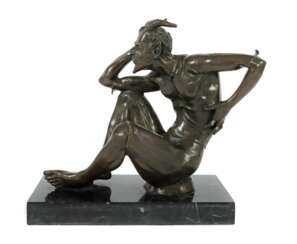

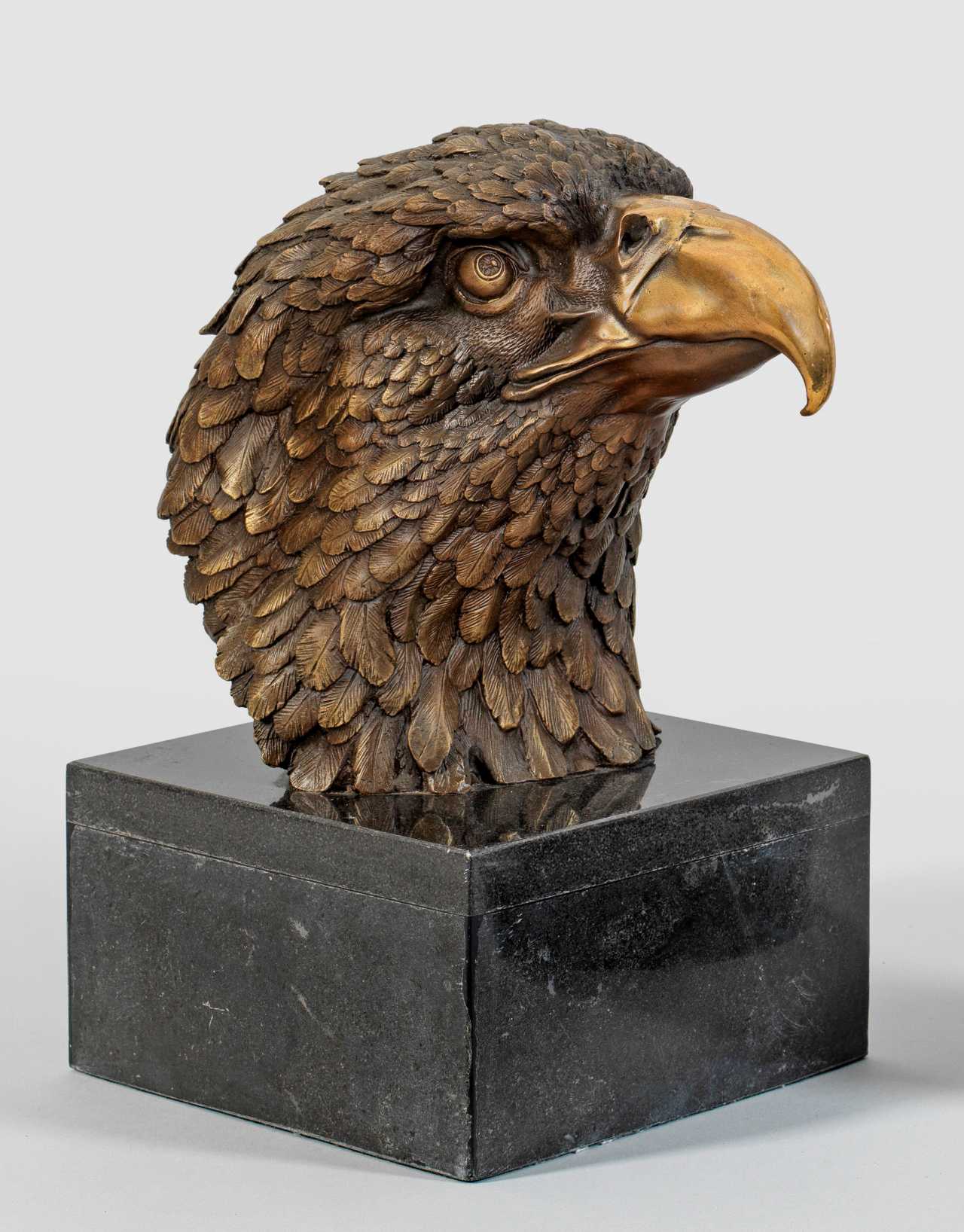
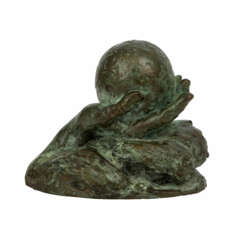
Miguel Fernando Lopez, known in professional circles as Milo, is a contemporary Portuguese painter and sculptor.

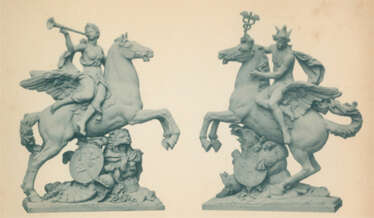



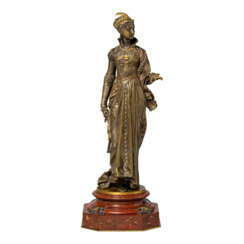

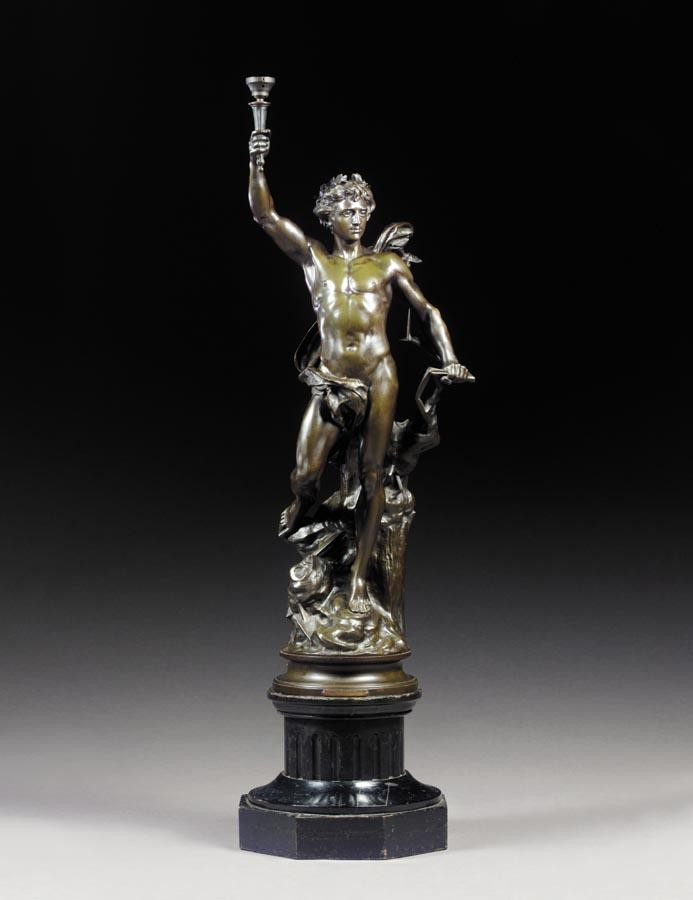
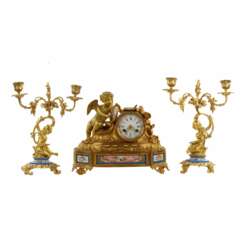
Adrien Étienne Gaudez was a 19th century French sculptor. He studied sculpture under François Joffroy at the Ecole des Beaux-Arts in Paris.
Adrien Étienne Gaudez is known for his monumental figures cast in bronze.













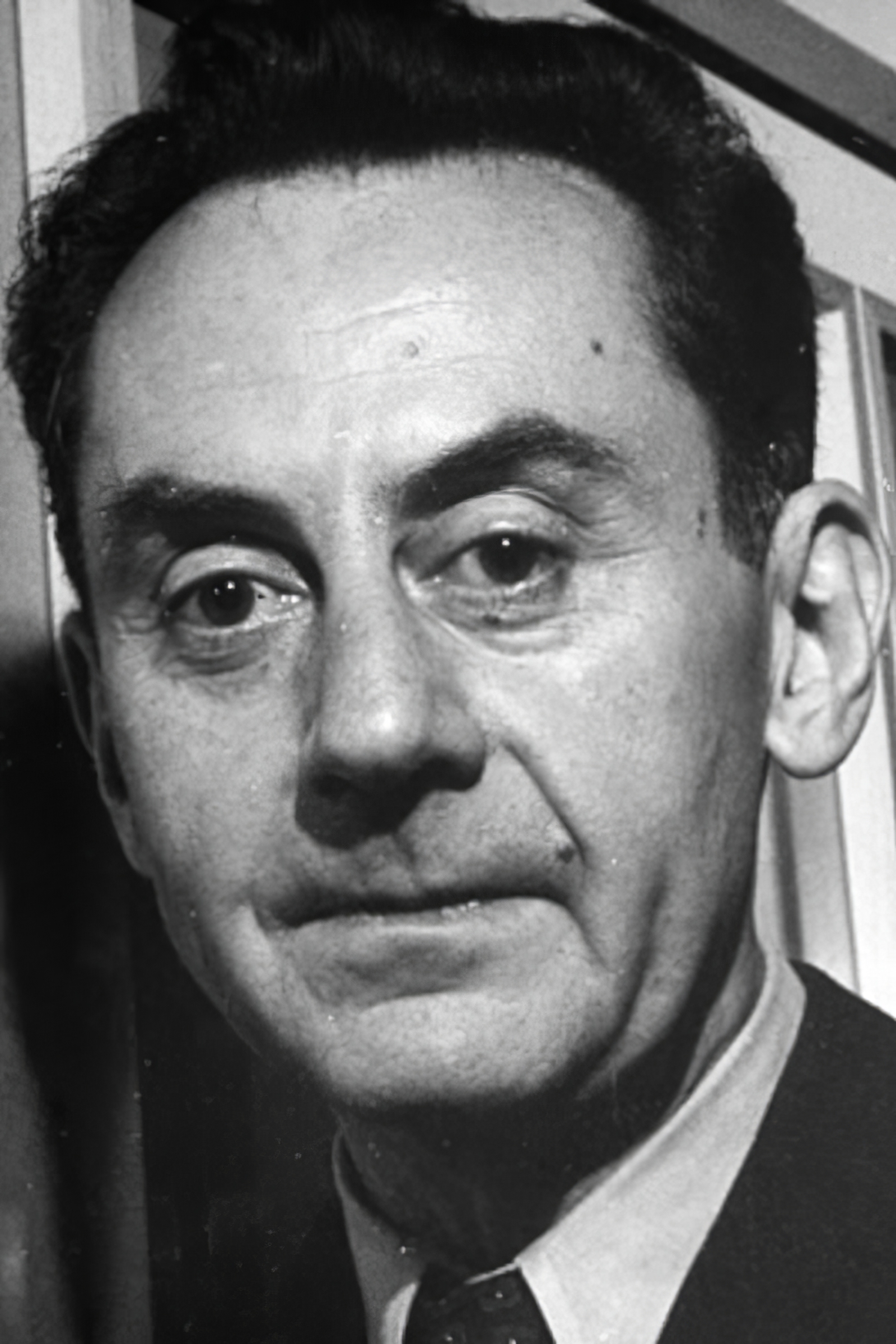
Man Ray, born Emmanuel Radnitzky, was an American visual artist who played a significant role in the Dada and Surrealist movements. His pioneering efforts in photography, alongside his work in painting and sculpture, have cemented his place as a major figure in modern art. Known for his innovative techniques and the ability to convey complex ideas through simple, striking visuals, Man Ray's contribution to the art world is profound.
Throughout his career, Man Ray was celebrated for his avant-garde approach and his ability to transcend traditional boundaries between different artistic mediums. His photography, characterized by experimental techniques such as solarization and rayographs (cameraless photographs), challenged conventional perceptions of photography as merely a means of representation. These artistic innovations made him a central figure in both Parisian and American art circles.
Man Ray's works are housed in some of the world's most prestigious museums and galleries, including the Museum of Modern Art in New York and the Centre Pompidou in Paris. His pieces, such as "Le Violon d'Ingres" and "Noire et Blanche," are iconic images that continue to influence artists today. His ability to blend the abstract with the realistic, and the humorous with the serious, has left a lasting legacy in the world of art.
For collectors and experts in art and antiques, the work of Man Ray offers a glimpse into the revolutionary changes that shaped the visual arts in the 20th century. His unique perspective and pioneering techniques continue to inspire and challenge those interested in the boundaries of creativity and expression.
If you're passionate about the avant-garde, or simply wish to explore the fascinating world of Man Ray further, sign up for our updates. You'll receive alerts on new product sales and auction events related to Man Ray, ensuring you never miss an opportunity to engage with the legacy of this extraordinary artist.