

see you again
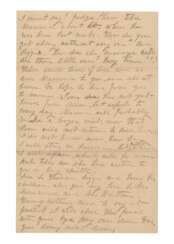

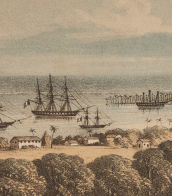
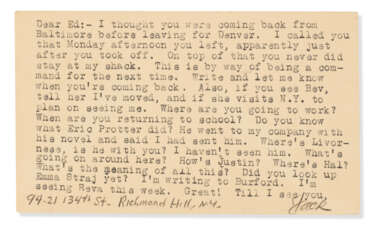





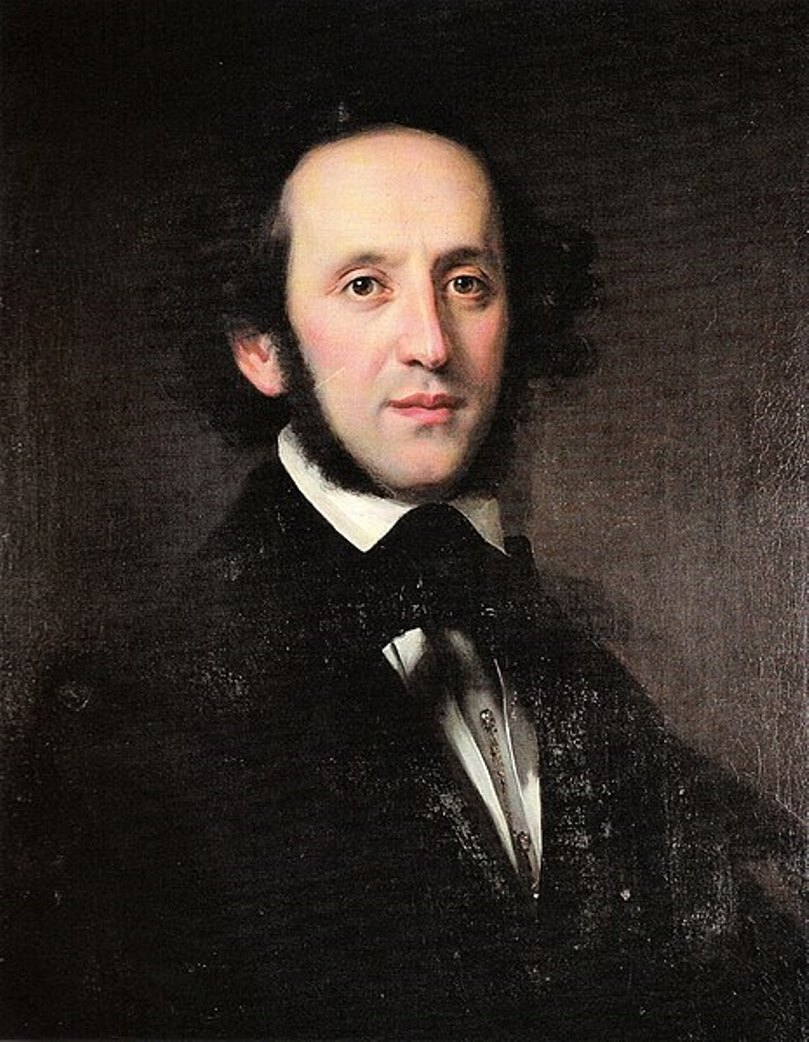
Felix Mendelssohn (full name Jakob Ludwig Felix Mendelssohn Bartholdy) was a German composer, pianist, conductor, teacher, and one of the greatest representatives of Romanticism in music.
Felix was born into a Jewish musical family that later converted to Christianity. He received a versatile education and already as a child wrote many musical compositions, including 5 operas, 11 symphonies for string orchestra, concertos, sonatas and fugues. Mendelssohn's first public performance took place in Berlin in 1818, when he was nine years old. In 1821 Mendelssohn was introduced to J.W. von Goethe, for whom he performed works by J.S. Bach and Mozart and to whom he dedicated his Piano Quartet No. 3 in B minor. A friendship developed between the famous wise poet and the 12-year-old musician.
A few years later, the talented musician began conducting in various orchestras in Europe, and became acquainted with Carl Weber. In England, where Mendelssohn visited very often, by the middle of the 19th century his music had become very popular, even with Queen Victoria he was the most favorite composer. He dedicated his Symphony No. 3 in A minor major (Scottish Symphony) to the Queen.
Among Mendelssohn's most famous works are A Midsummer Night's Dream (1826), the Italian Symphony (1833), a violin concerto (1844), two piano concertos (1831, 1837), the oratorio Elijah (1846) and several chamber pieces. The tradition of playing the "Wedding March" from A Midsummer Night's Dream in wedding processions dates back to its performance at the wedding of a royal princess in 1858, already after Mendelssohn's death.
In 1843, Mendelssohn founded a conservatory in Leipzig, where he taught composition with Schumann. Mendelssohn was one of the first great Romantic composers of the nineteenth century.

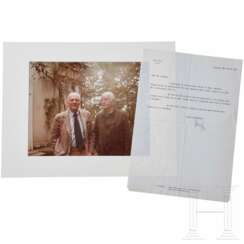














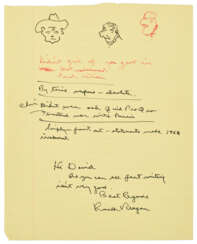

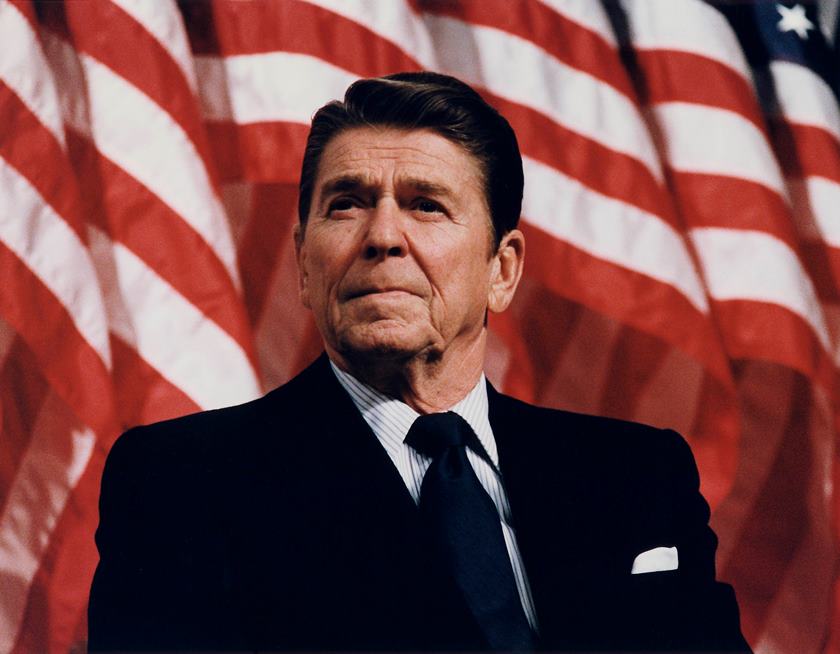
Ronald Wilson Reagan was an American statesman and politician, the 40th President of the United States of America (1981-1989).

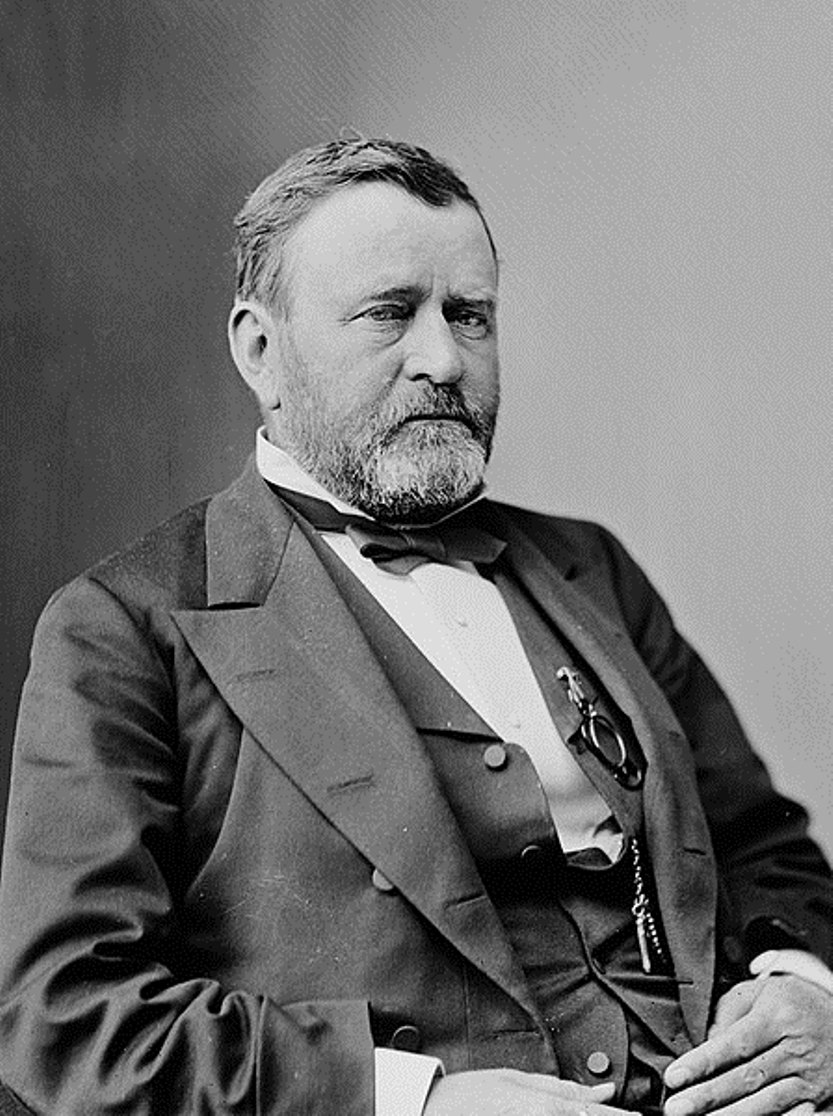
Ulysses S. Grant, born Hiram Ulysses Grant, was an American politician and military leader who was the 18th President of the United States (March 4, 1869 - March 4, 1877).
Grant's father was a tanner and enrolled his son in the United States Military Academy at West Point, New York. Ulysses Grant distinguished himself in the Mexican-American War, then fought in the Civil War, was a brigadier general, and was given command of the District of Southeast Missouri. In March, 1864, Grant became lieutenant general and was given command of all the armies of the United States. In 1866, he was promoted to the newly established rank of general in the U.S. Army.
Grant continued as commander-in-chief after Lincoln's assassination and during the administration of U.S. President Andrew Johnson. However, the situation was such that Ulysses Grant won the next presidential election and became the 18th President of the United States on March 4, 1869. He was politically inexperienced and personally clean, but his time as president was marked by corruption and scandals. During his two presidential terms, Grant worked hard to re-unite the North and South, opposing the nascent Ku Klux Klan.
In 1877, after leaving the presidency, Grant traveled around the world with his wife, and everywhere he was received with glee. Then his attempts at business led to complete bankruptcy. Ulysses Grant spent the last years of his life writing his memoirs while battling poverty and throat cancer. With the help of writer Mark Twain, his two-volume work was published in 1885, two months before the author's death.



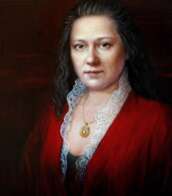


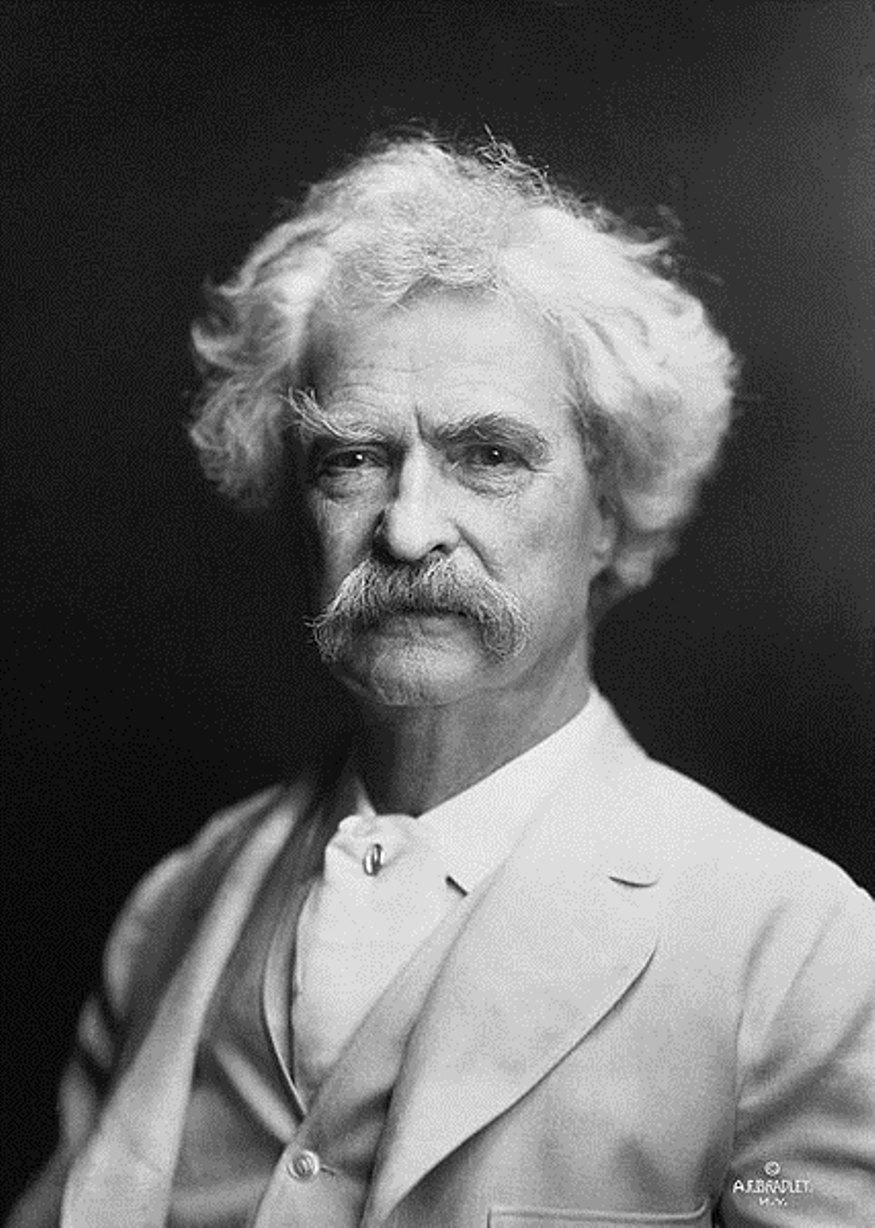
Mark Twain, real name Samuel Langhorne Clemens, was an American humanist writer, journalist, and social activist.
As a young man, Samuel worked in the printing press and in the gold mines, then went on a steamboat trip to Europe and the "Holy Land". His travel letters, full of vivid descriptions and ironic observations, were very well received by the public and were later revised into his first book, Innocents Abroad, published in 1869.
The pseudonym "Mark Twain" first appeared in 1863 under one of Samuel Clemens' short stories, and since then all his significant works have been signed by that name.
A talented storyteller, a peculiar humorist and moralist, Twain knew and loved his many diverse characters. His scandalizers and dreamers, caring aunts and ambitious politicians, grumpy widows and lying aristocrats, cunning but generous slaves, sentimental moralists, brave and naive children - all these types of American people Twain gave voice to thanks to his masterful command of colloquial language, slang and jargon. Twain wrote a lot and in a variety of genres: humor and satire, philosophical fiction and journalism and others, but he always stood on the position of humanist and democrat.
Mark Twain became world famous for his travel stories and adventure novels about his childhood, these are "The Adventures of Tom Sawyer" (1876) and "The Adventures of Huckleberry Finn" (1885). Twain is still one of America's, and indeed the world's, best and most beloved writers. His works have been and are still being published in many languages around the world.

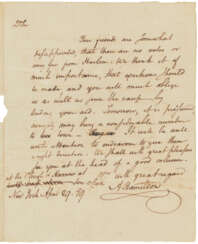

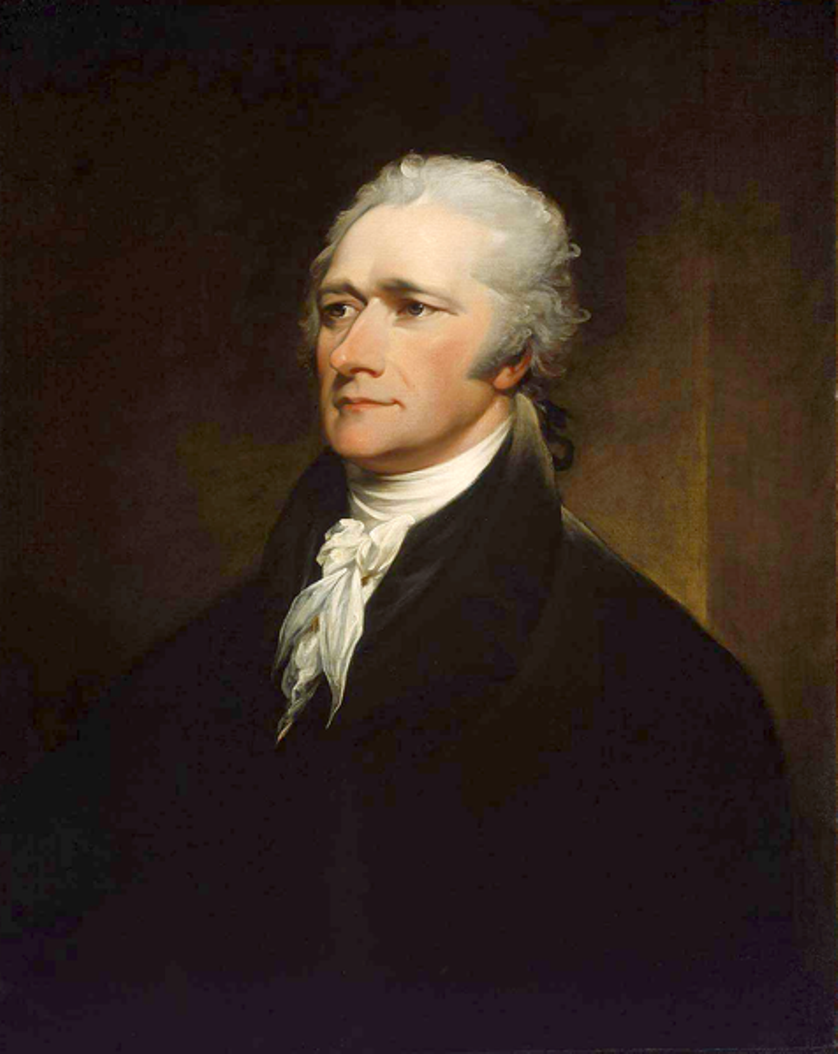
Alexander Hamilton was an American politician and statesman, the founder of the American financial system.
A native of Great Britain, Hamilton arrived in continental America in late 1772 and enrolled at King's College in New York. He became captain of an artillery company in 1776 and fought in the battles of Kips Bay, White Plains, Trenton, and Princeton during the American War of Independence. For four years he served on George Washington's staff as adjutant with the rank of lieutenant colonel. And in 1782, Hamilton was chosen by New York as a delegate to the Confederate Congress.
Alexander Hamilton was also one of New York's delegates to the Constitutional Convention in Philadelphia in 1787. He was a passionate advocate of the Constitution and, along with future President James Madison and John Jay, contributed to the famous book The Federalist (1788), writing most of the essays for it. After George Washington was elected the nation's first president in 1789, he appointed Hamilton Secretary of the Treasury. As the first Secretary of the Treasury (1789-1795), Hamilton developed plans to finance the national debt, secure federal credit, encourage the expansion of manufacturing, and organize a federal bank. In 1801, Hamilton founded the New York Evening Post newspaper.
On July 11, 1804, Hamilton was mortally wounded in a duel with his personal and political rival, Vice President Aaron Burr. Today, Alexander Hamilton is revered as one of the founding fathers of the United States, he is known for his role in creating America's financial system, and his portrait is on the ten dollar bill.

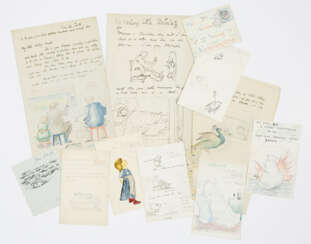

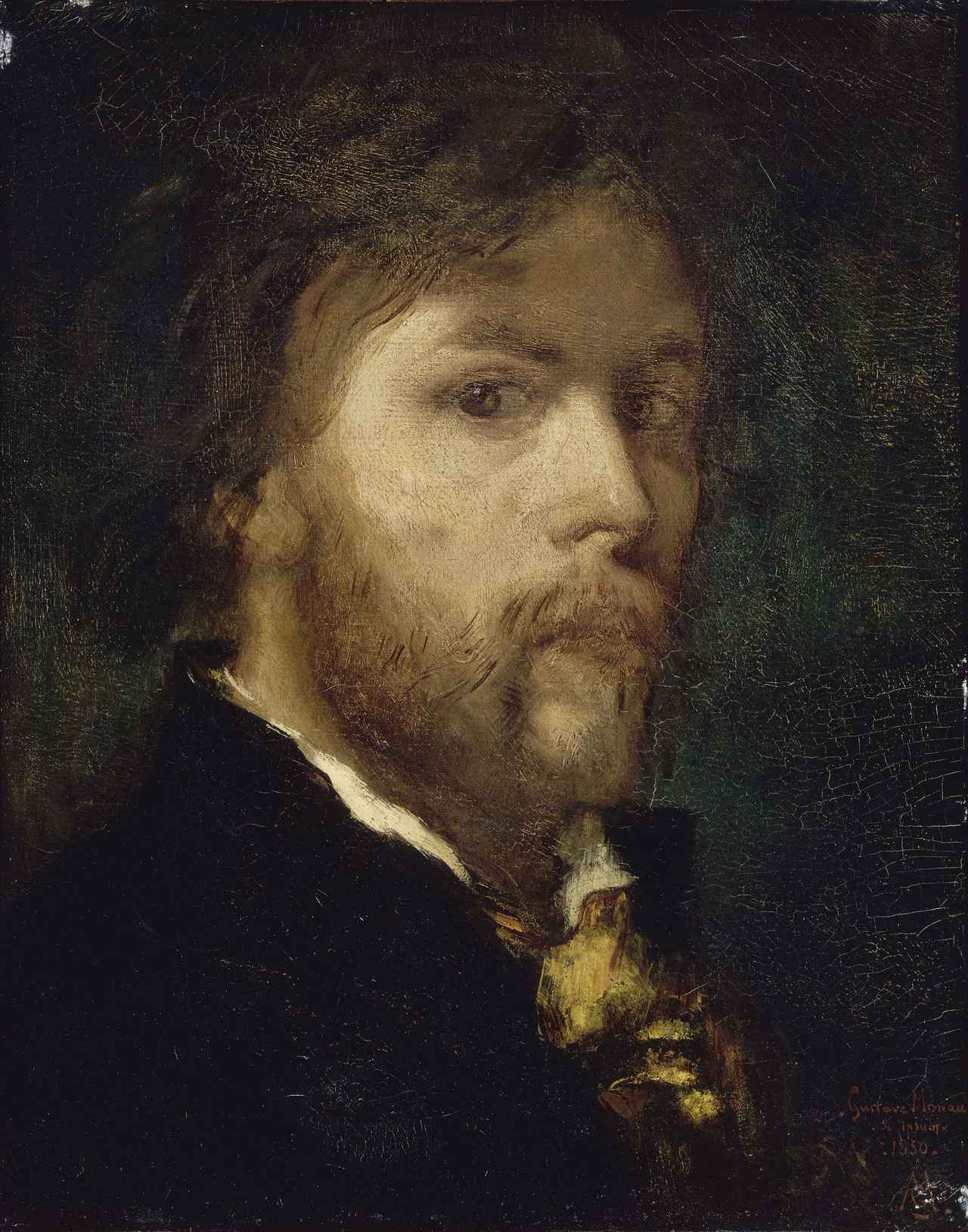
Gustave Moreau was a French artist and an important figure in the Symbolist movement. Jean Cassou called him "the Symbolist painter par excellence". He was an influential forerunner of symbolism in the visual arts in the 1860s, and at the height of the symbolist movement in the 1890s, he was among the most significant painters.


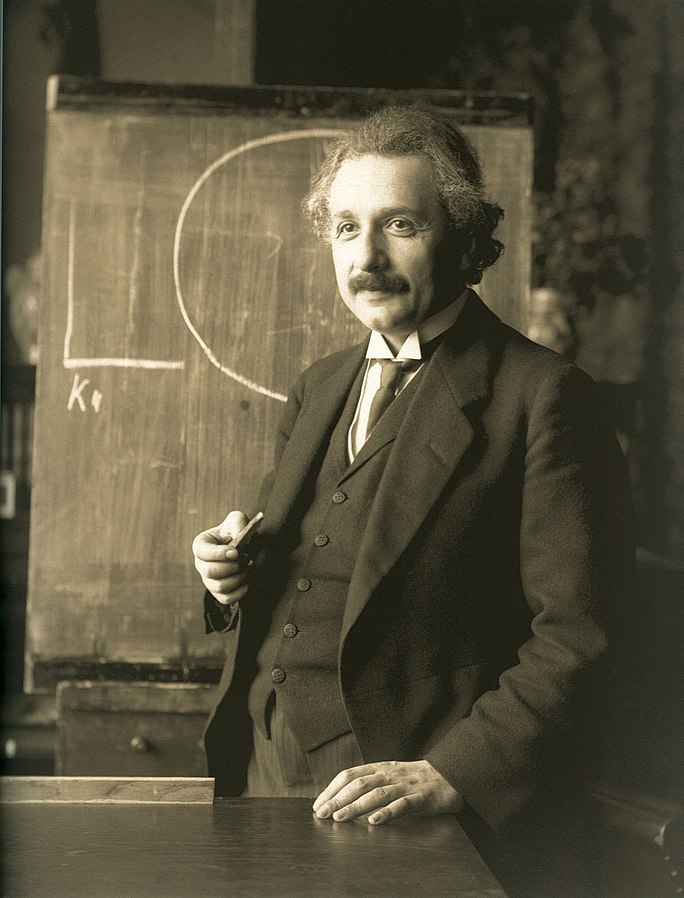
Albert Einstein was a German-born theoretical physicist, widely acknowledged to be one of the greatest and most influential physicists of all time. Einstein is best known for developing the theory of relativity, but he also made important contributions to the development of the theory of quantum mechanics. Relativity and quantum mechanics are together the two pillars of modern physics. His mass–energy equivalence formula E = mc2, which arises from relativity theory, has been dubbed "the world's most famous equation". His work is also known for its influence on the philosophy of science. He received the 1921 Nobel Prize in Physics "for his services to theoretical physics, and especially for his discovery of the law of the photoelectric effect", a pivotal step in the development of quantum theory. His intellectual achievements and originality resulted in "Einstein" becoming synonymous with "genius".



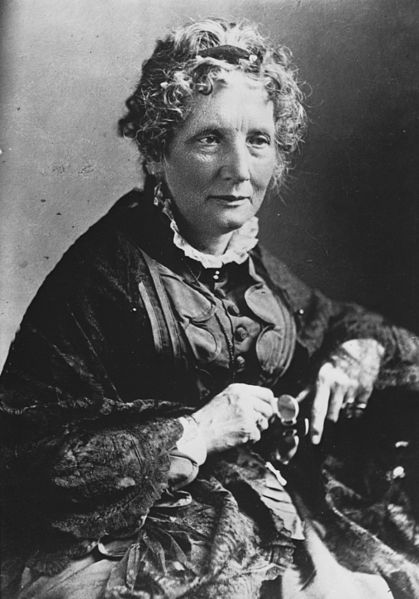
Harriet Beecher Stowe, full name Harriet Elisabeth Beecher Stowe, was an American writer and poet, an activist for the eradication of slavery in the country.
Beecher Stowe is the author of the world-famous novel Uncle Tom's Cabin. Published first in a newspaper and first published as a book in 1852, it aroused widespread anger in the country and galvanized the fight against slavery in the southern United States. This novel was later reprinted many times in all languages of the world and has been screened more than once.
In her youth, Beecher Stowe received an academic education, wrote poetry, notes and essays on social topics. In addition to "The Shack", she wrote several other novels and was engaged in teaching.

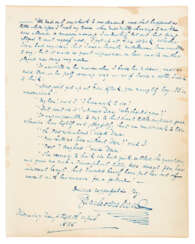

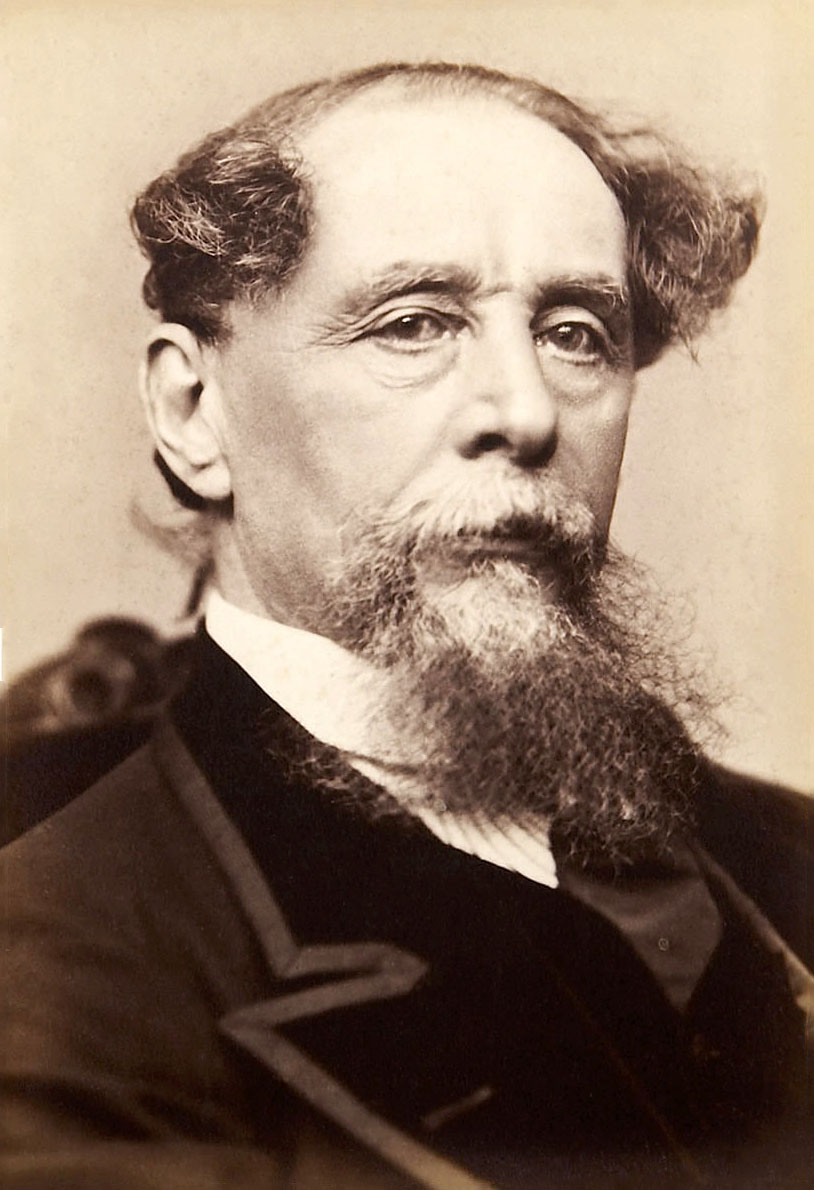
Charles Dickens, full name Charles John Huffam Dickens, is the most famous British writer of the Victorian era, a classic of world literature.
From childhood the future writer learned all the hardships of life in poverty: his father in prison for debts, hard work in a factory. Then service stenographer in court and reporter developed in him a strong attachment to journalism and contempt for both the law and parliament.
Dickens had many talents: in addition to literary work, he was an actor, published periodicals, arranged numerous literary readings, where he reveled in the admiration and love of the public. Fecund and versatile, Charles Dickens wrote many brilliant and often comic works. His novels cover a wide range of social, moral, emotional and other aspects. As a subtle psychologist, he is also very interested in the most ordinary people, but also the eccentric, the flawed, and even the insane.
Dickens was immensely popular around the world during his lifetime. His intellect, worldview, and deep reflections on society and its faults enriched his novels and made him one of the great figures of nineteenth-century literature, an influential spokesman for the conscience of his time.
Dickens' best-known and most popular novels are The Pickwick Club Posthumous Notes, Oliver Twist, Nicholas Nickleby, David Copperfield, Cold House, A Tale of Two Cities, Our Mutual Friend, Great Expectations, and The Mystery of Edwin Drood.
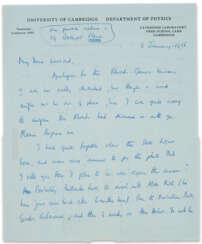

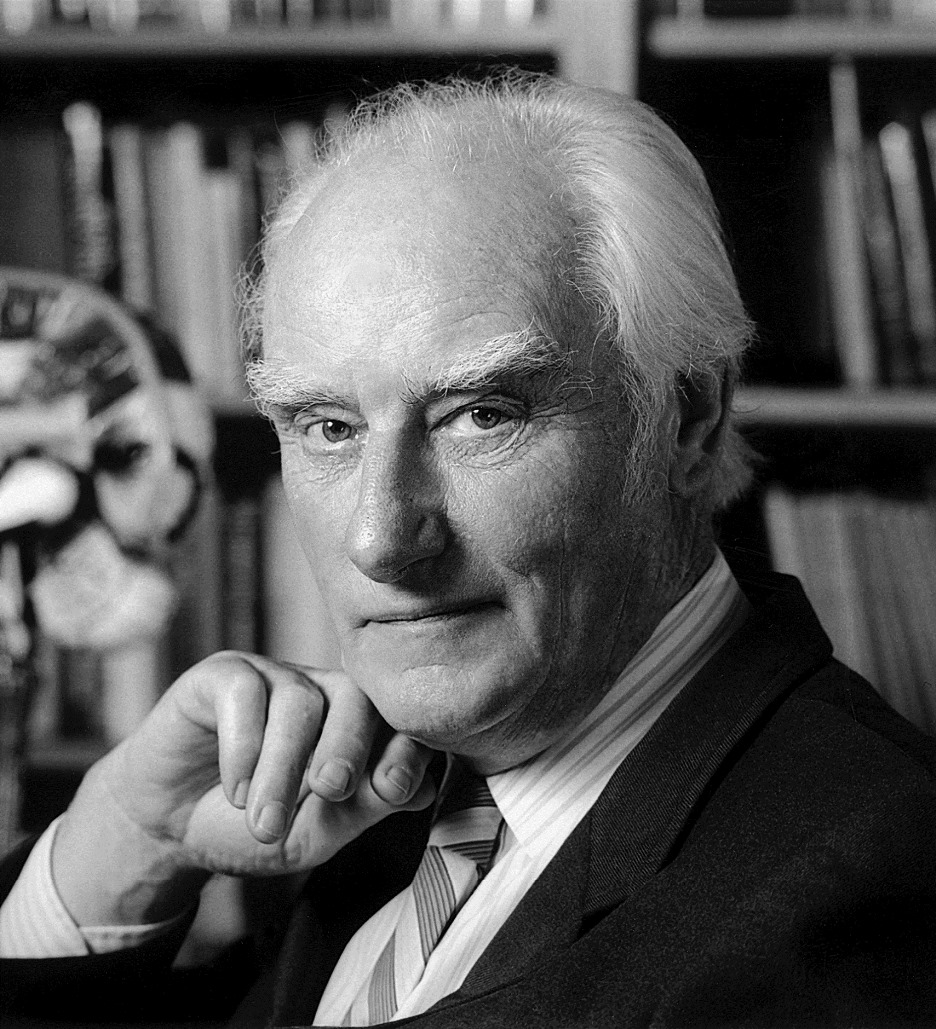
Francis Harry Compton Crick was a British molecular biologist, biophysicist and neuroscientist. He won the Nobel Prize in Physiology and Medicine in 1962.
During World War II he had to work on developments for the military, and in 1947 he turned to biology at the Strangeways Research Laboratory, University of Cambridge. In 1949 he moved to the University Medical Research Council at Cavendish Laboratories. Using X-ray diffraction studies of DNA by biophysicist Maurice Wilkins (1916-2004) and X-ray diffraction images taken by Rosalind Franklin, biophysicist James Watson and Crick were able to construct a molecular model consistent with the known physical and chemical properties of DNA.
This achievement became a cornerstone of genetics and was regarded as one of the most important discoveries of 20th century biology. In 1962, Francis Crick, along with James Watson and Maurice Wilkins, won the Nobel Prize in Physiology or Medicine for determining the molecular structure of deoxyribonucleic acid (DNA), the chemical ultimately responsible for the hereditary control of life functions.
From 1977 until the end of his life, Crick served as professor emeritus at the Salk Institute for Biological Studies in San Diego, California, where he conducted research on the neurological basis of consciousness. He also wrote several books. In 1991, Francis Crick received the Order of Merit.



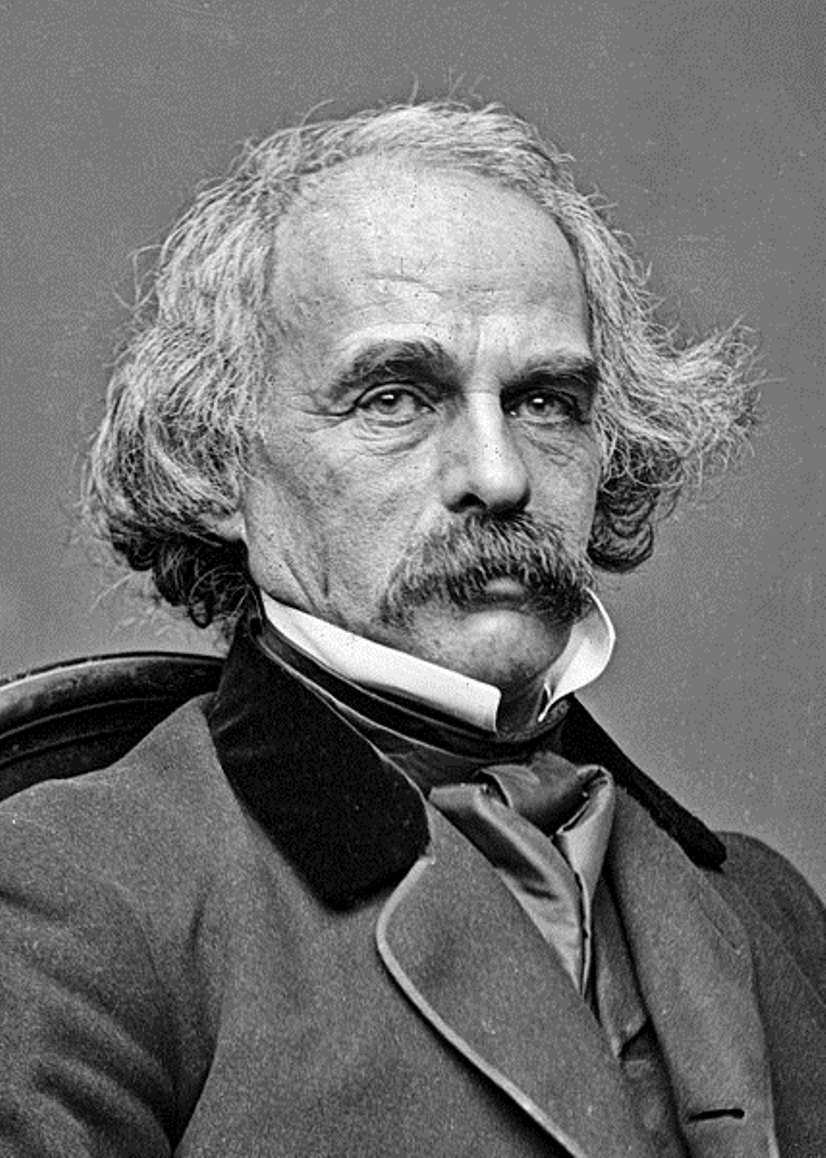
Nathaniel Hawthorne is an American writer and author.
Hawthorne is a recognized short story writer and a master of allegorical and symbolic narrative. One of the first fiction writers in American literature, he is best known for his works The Scarlet Letter (1850) and The House of Seven Gables (1851). Hawthorne's artistic works are considered part of the American Romantic movement and, in particular, of so-called dark Romanticism, a popular mid-19th-century fascination with the irrational, the demonic, and the grotesque.