soir




















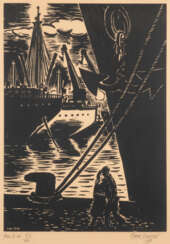

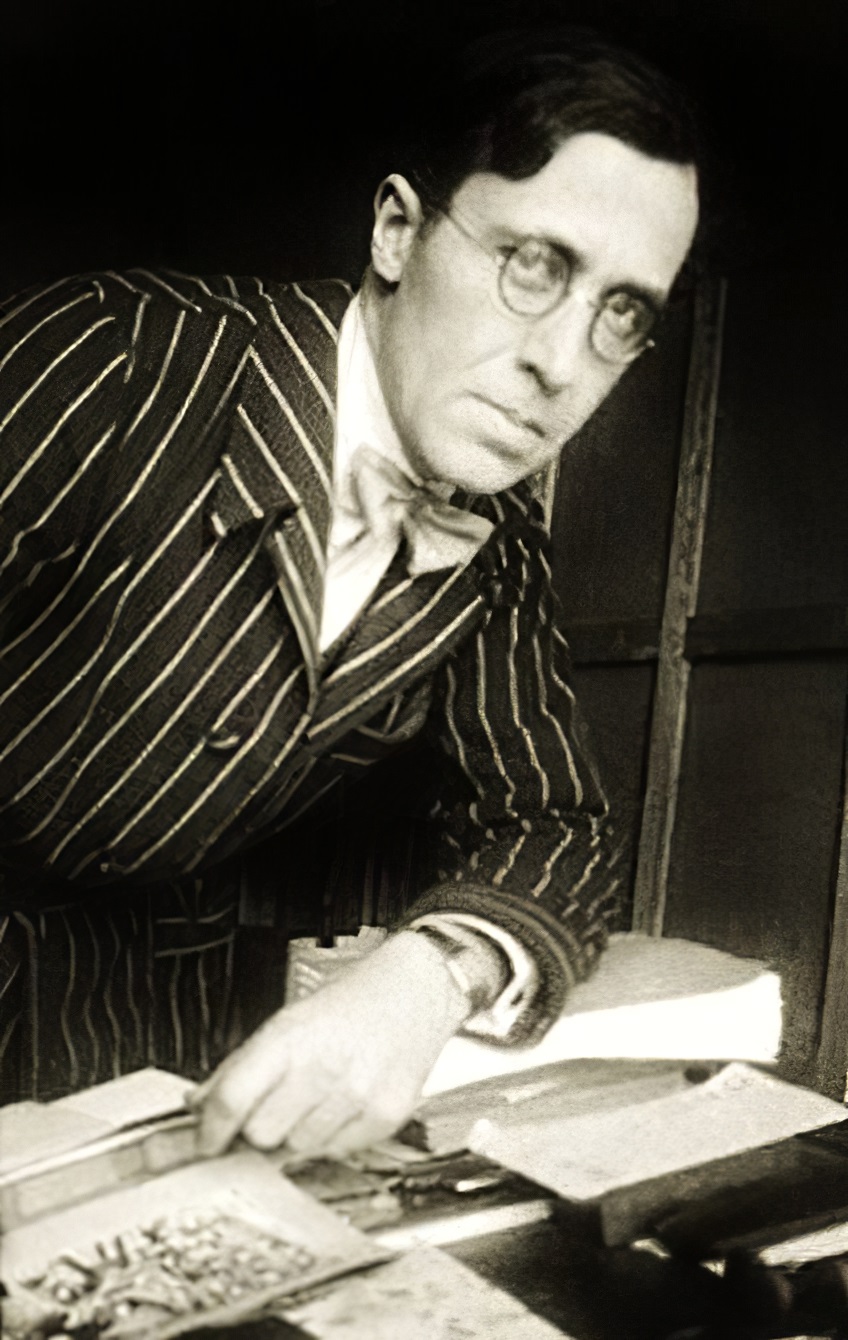
Frans Masereel was a Flemish painter and graphic artist who worked mainly in France, known especially for his woodcuts focused on political and social issues, such as war and capitalism. He completed over 40 wordless novels in his career, and among these, his greatest is generally said to be Passionate Journey.
Masereel's woodcuts influenced Lynd Ward and later graphic artists such as Clifford Harper, Eric Drooker, and Otto Nückel.
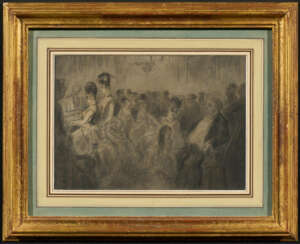

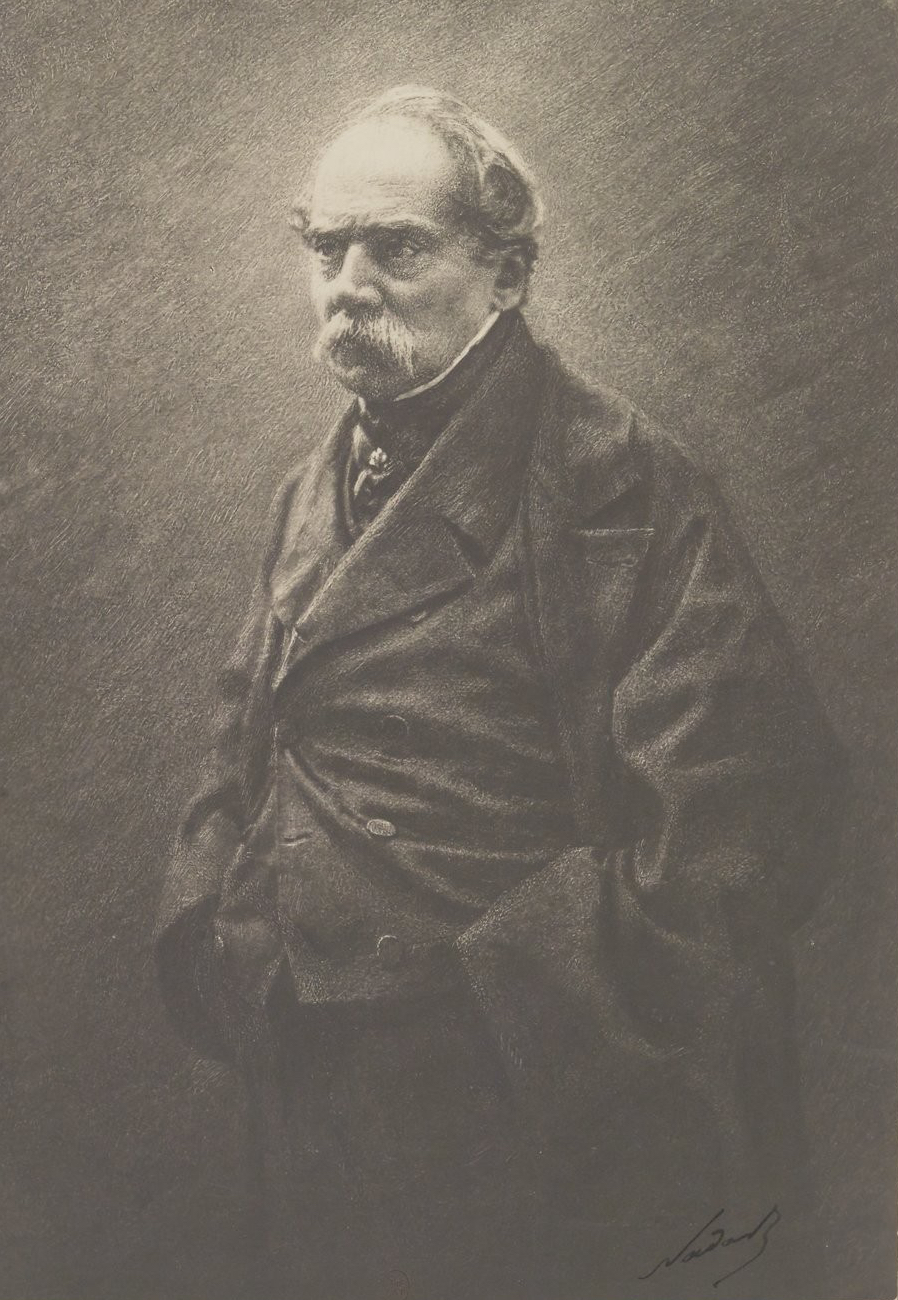
Constantin Guys (Ernest-Adolphe-Hyacinthe-Constantin Guys) was a Dutch-born French Crimean War correspondent, water color painter and illustrator for British and French newspapers.





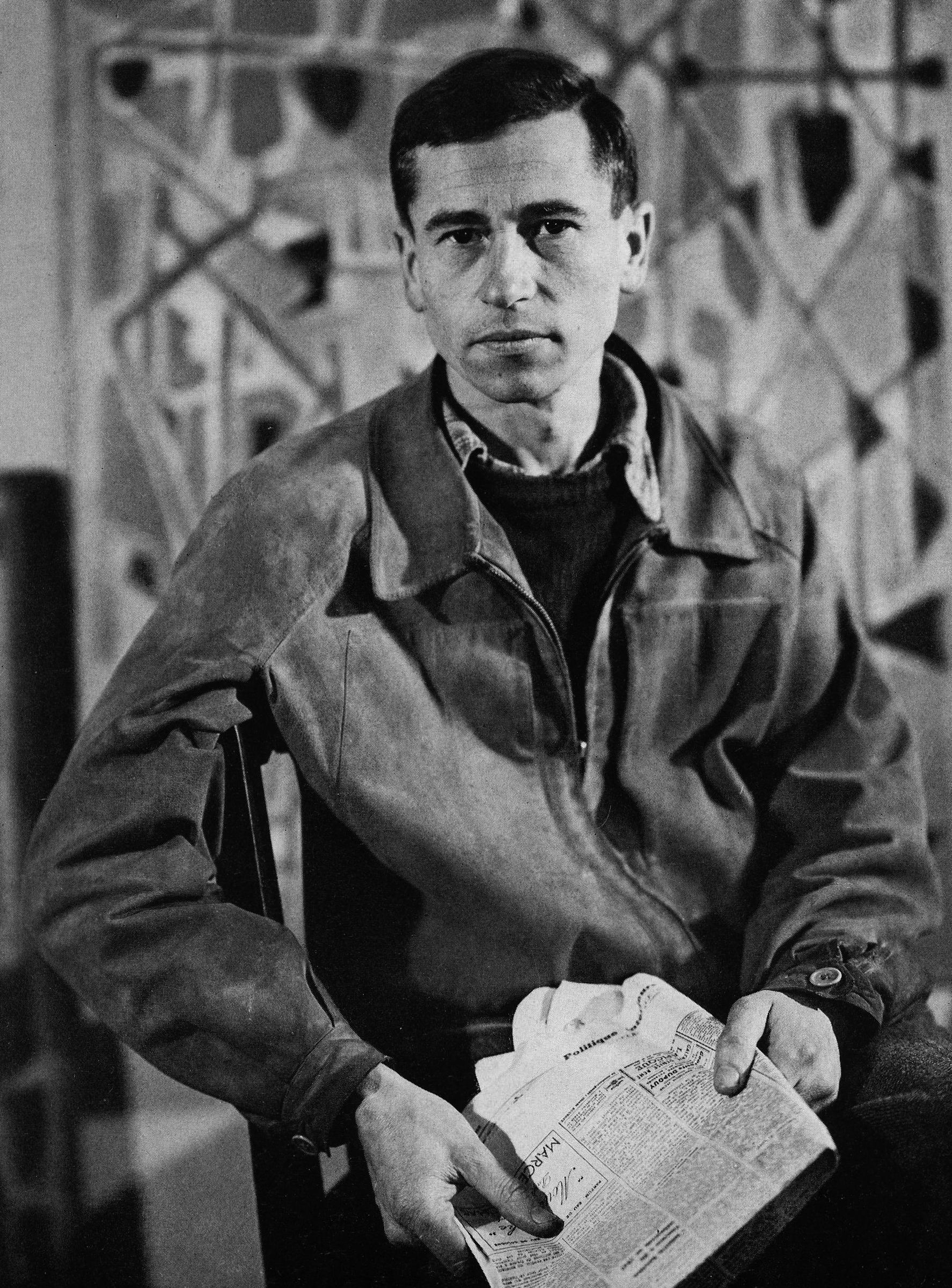
Alfred Manessier was a French painter and graphic artist, a representative of the New Paris School and the Salon de May.
He was educated at the Ecole Nationale Supérieure des Beaux-Arts in Paris and was fascinated by Cubism, Surrealism, Fauvism, like many artists of that generation. But at the same time he studied with the old masters and with the coryphaei of Impressionism. In the middle of his life, Manassier reconsidered his views and turned to religious subjects and landscapes with sea views. He became involved in stained glass and tapestry art.
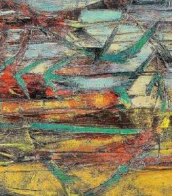













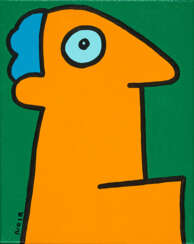

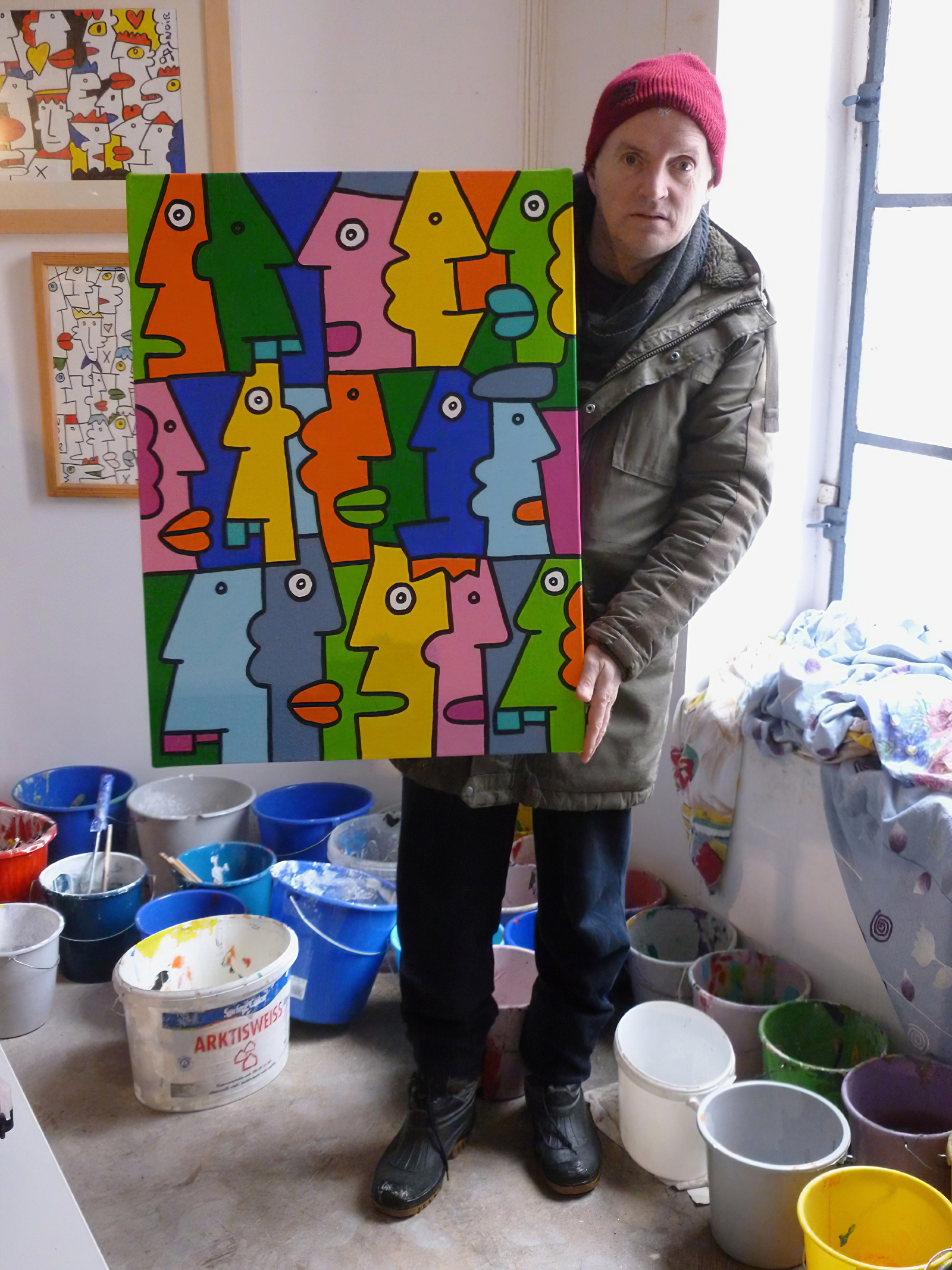
Thierry Noir is a French artist and muralist based in Berlin. He is considered the first artist to paint the Berlin Wall in the 1980s. He created brightly-colored paintings across large spans of the Berlin Wall and some of these original paintings can still be seen on surviving segments of the Wall in art collections and on the East Side Gallery. Noir's work and style are now considered iconic, and Noir is also regarded as one of the forerunners of the street art movement as a whole. He continues to create murals worldwide in cities including London, Los Angeles, and Sydney.
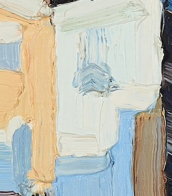
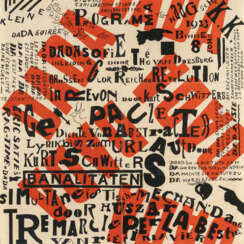

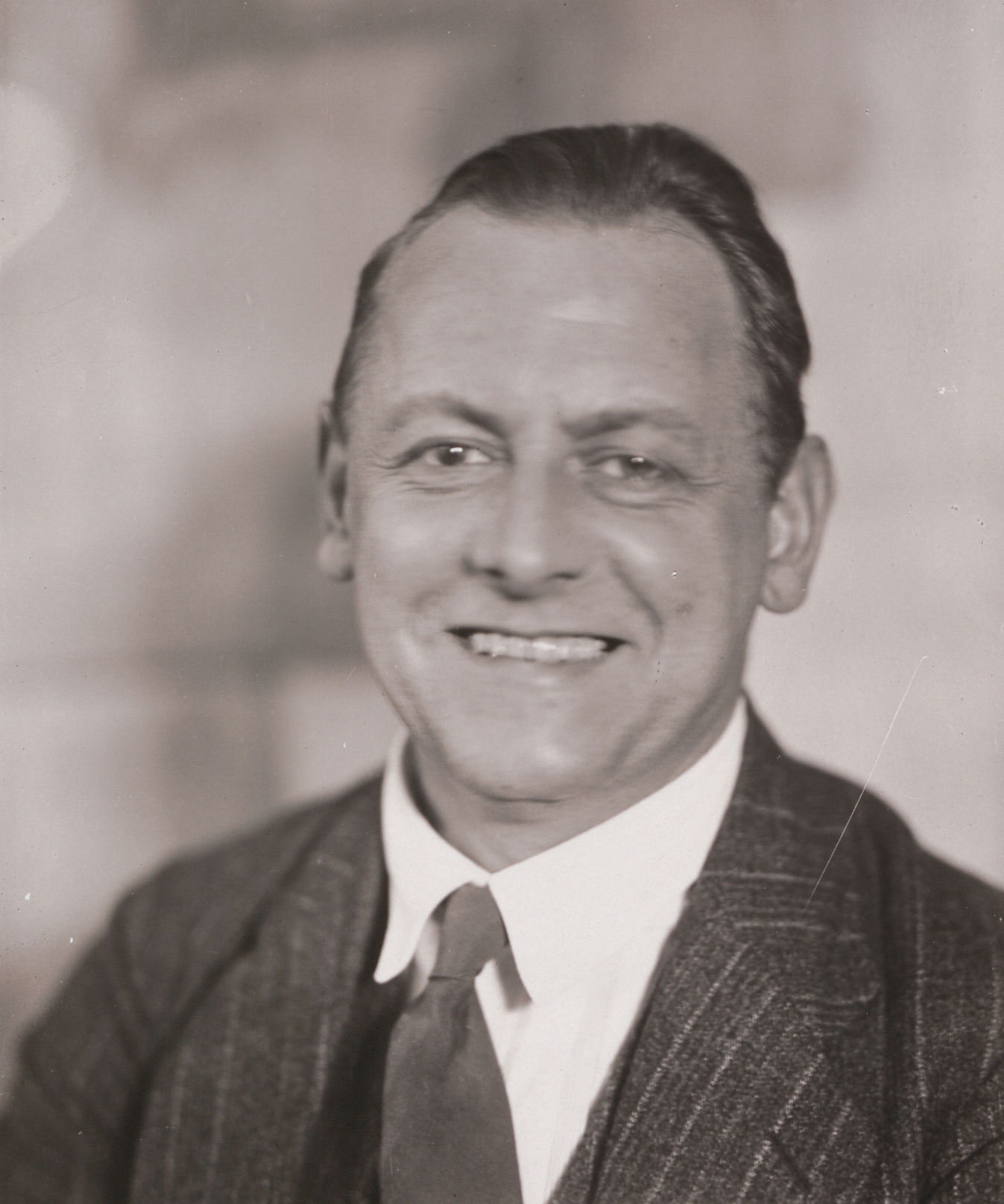
Kurt Schwitters (1887–1948) was a German artist renowned for his multifaceted contributions to modern art, encompassing painting, poetry, graphic design, and installation art. Born in Hanover, Germany, Schwitters developed a unique artistic vision that led to the creation of "Merz," a term he coined to describe his one-of-a-kind approach to art.
The concept of Merz originated from a fragment of the word "Kommerz" (commerce), which Schwitters incorporated into his early collages. This term came to represent his artistic philosophy, characterized by the assemblage of found objects and everyday materials into cohesive compositions. Through Merz, Schwitters sought to blur the boundaries between traditional art forms, integrating elements of Dadaism, Constructivism, and Surrealism.
One of Schwitters' most significant projects was the "Merzbau," an ambitious, evolving installation within his Hanover home. This project began around 1923 and transformed his living space into a labyrinthine structure filled with collages, sculptures, and found objects. The Merzbau was a physical manifestation of his Merz philosophy, embodying the synthesis of art and life. Unfortunately, the original Merzbau was destroyed during a British air raid in 1943.
In addition to his visual art, Schwitters made notable contributions to literature and sound art. His poem "An Anna Blume," published in 1919, is a seminal work that exemplifies his playful use of language and nonsensical style, aligning with the Dada movement's principles. Moreover, his "Ursonate," a sound poem composed between 1922 and 1932, showcases his innovative exploration of phonetic expression and rhythm, pushing the boundaries of traditional poetry.
The rise of the Nazi regime in Germany had a profound impact on Schwitters' life and work. Classified as a "degenerate" artist by the Nazis, he fled to Norway in 1937 to escape persecution. Following the German invasion of Norway in 1940, he sought refuge in the United Kingdom. During his internment at the Hutchinson Internment Camp on the Isle of Man, Schwitters continued to create art, producing over 200 works during his 16 months of confinement.
After his release, Schwitters settled in the Lake District of England, where he embarked on a new Merz construction known as the "Merzbarn." Although he was unable to complete this project due to his death in 1948, the Merzbarn stands as a testament to his unwavering commitment to his artistic vision. Today, Kurt Schwitters is celebrated as a pioneer of modern art, whose innovative techniques and ideas have left an indelible mark on the art world.