stone island

















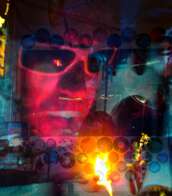



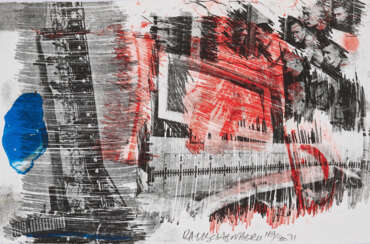

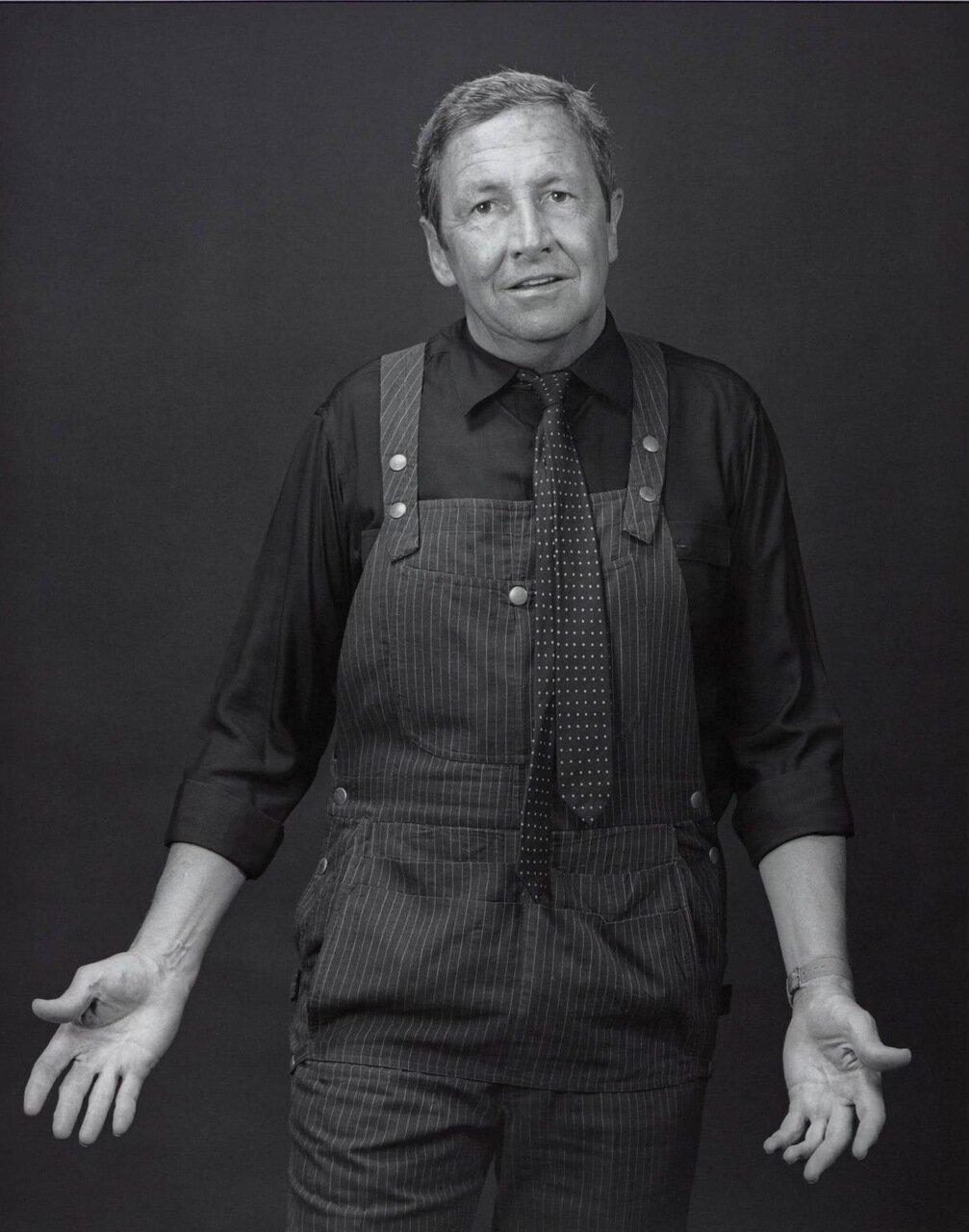
Robert Milton Ernest Rauschenberg was an American artist renowned for his pioneering work that blurred the boundaries between painting and sculpture, thereby anticipating the Pop art movement. From his early days at the Art Students League of New York to his experiments at Black Mountain College, Rauschenberg's career was marked by innovation and collaboration. His "Neo-Dadaist" approach, shared with contemporaries like Jasper Johns, questioned traditional distinctions between art objects and everyday items, drawing inspiration from Marcel Duchamp's Dadaist principles.
Rauschenberg's most notable works, such as "Erased de Kooning Drawing" and his "Combines," utilized found materials and images to create new art forms that challenged viewers' perceptions. His use of non-traditional materials like twine, soil, and even taxidermied animals, alongside traditional canvas and paint, set new precedents for what could be considered art. His groundbreaking silkscreen paintings incorporated found images, further cementing his role in the evolution toward Pop art.
The artist's work is represented in major museums and galleries worldwide, reflecting his significant impact on contemporary art. His pieces like "Canyon" and "Monogram" are celebrated for their innovative integration of sculpture and painting, while "Signs" captures the tumultuous spirit of the 1960s through its collage of cultural figures and events, housed in institutions like the Museum of Contemporary Art, San Diego, and The Minneapolis Institute of Arts.
For collectors and experts in art and antiques, Rauschenberg's oeuvre represents a critical junction in the history of modern art, where the lines between different media and disciplines were explored and often erased. His legacy is not just in the objects he created but in his bold reimagining of the art-making process itself, encouraging a dialogue between art and life that continues to inspire artists today.
For updates on new product sales and auction events related to Robert Milton Ernest Rauschenberg, consider signing up for our newsletter. This subscription service is tailored specifically for enthusiasts eager to stay informed about the latest opportunities to acquire works by or related to this transformative artist.













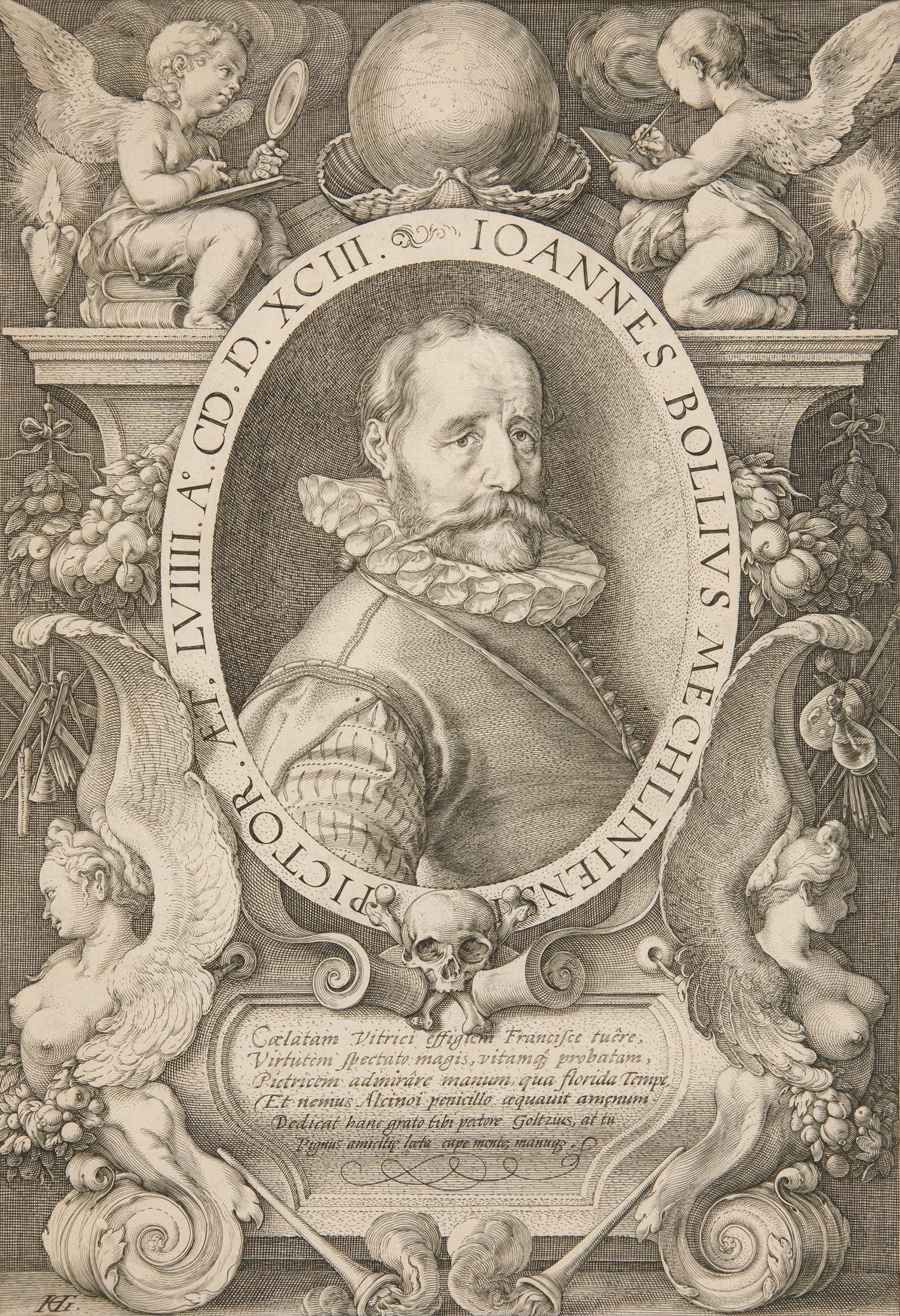
Hans Bol was a Flemish artist renowned for his miniature paintings and prints. Born in Mechelen, Bol was a pivotal figure in the transition from the world landscape tradition to a more realistic portrayal of nature. His early works as a 'water-verwer' offered affordable wall decorations but were susceptible to copying. This led him to create intricate miniatures on parchment, a medium less easily replicated.
Bol's influence on landscape art in the Low Countries is significant. His realistic landscapes, often featuring biblical scenes or daily life, showed a departure from imaginary landscapes, which was common at the time. This shift was partly due to the influence of Pieter Bruegel the Elder. Bol's completion of the Four Seasons series, initially started by Bruegel, established him as a master of landscape art, blending detailed observation with imaginative elements.
Notably, Bol's works are present in prestigious institutions such as the Metropolitan Museum of Art, where pieces like "The Prodigal Son" and various landscapes reflect his mastery of pen, ink, and wash. His artworks, like the "Landscape with a View of Antwerp," stand testament to his skill in capturing the essence of the Dutch landscape, influencing a generation of Dutch painters.
For collectors, auctioneers, and art connoisseurs, Hans Bol's legacy offers a glimpse into the evolution of landscape painting. His works not only adorned the homes of the affluent during his time but continue to be celebrated for their historical and artistic value.
To stay informed about sales and auction events featuring Hans Bol's masterpieces, sign up for updates. By subscribing, you will receive notifications only for new product sales and auction events related to this eminent artist, ensuring you don't miss the opportunity to own a piece of art history.