

technique mixte sur sérigraphie
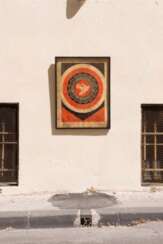





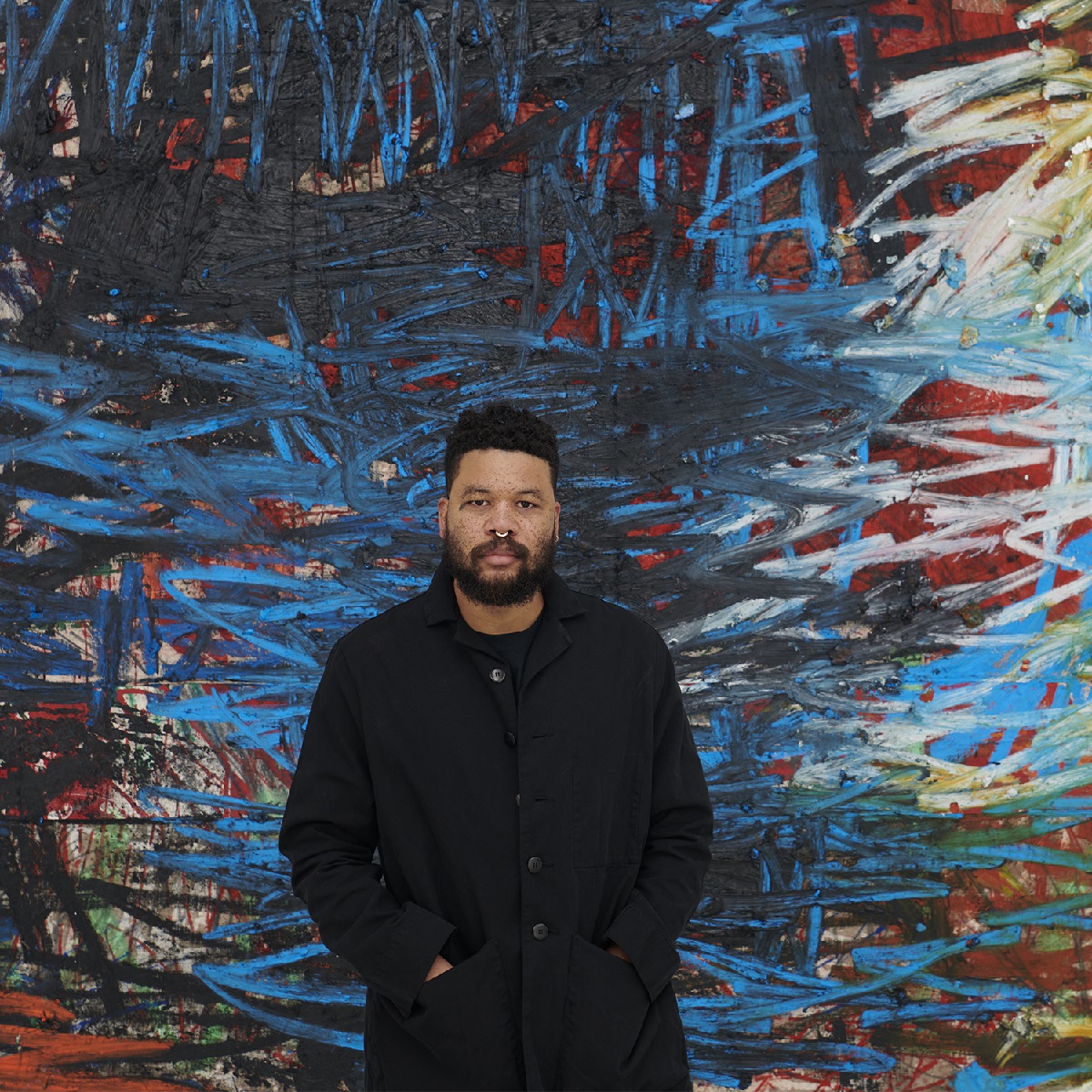
Oscar Murillo is an artist working within the painting tradition. He currently lives and works in various locations.
In 2019, he co-won the Turner Prize after requesting with his fellow nominees (Tai Shani, Helen Cammock, and Lawrence Abu Hamdan) that the jury award the prize for the first time to all four nominated artists.
Oscar Murillo works across painting, installation, and performance, often using draped black canvases, large-scale paintings composed of stitched-together fragments, and metal structures evoking autopsy tables and rock-like sculptures formed of corn and clay. His practice can be understood as a sustained and evolving investigation of community, informed by his cross-cultural personal ties between Colombia and the UK.
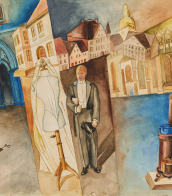
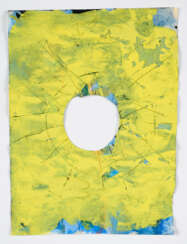

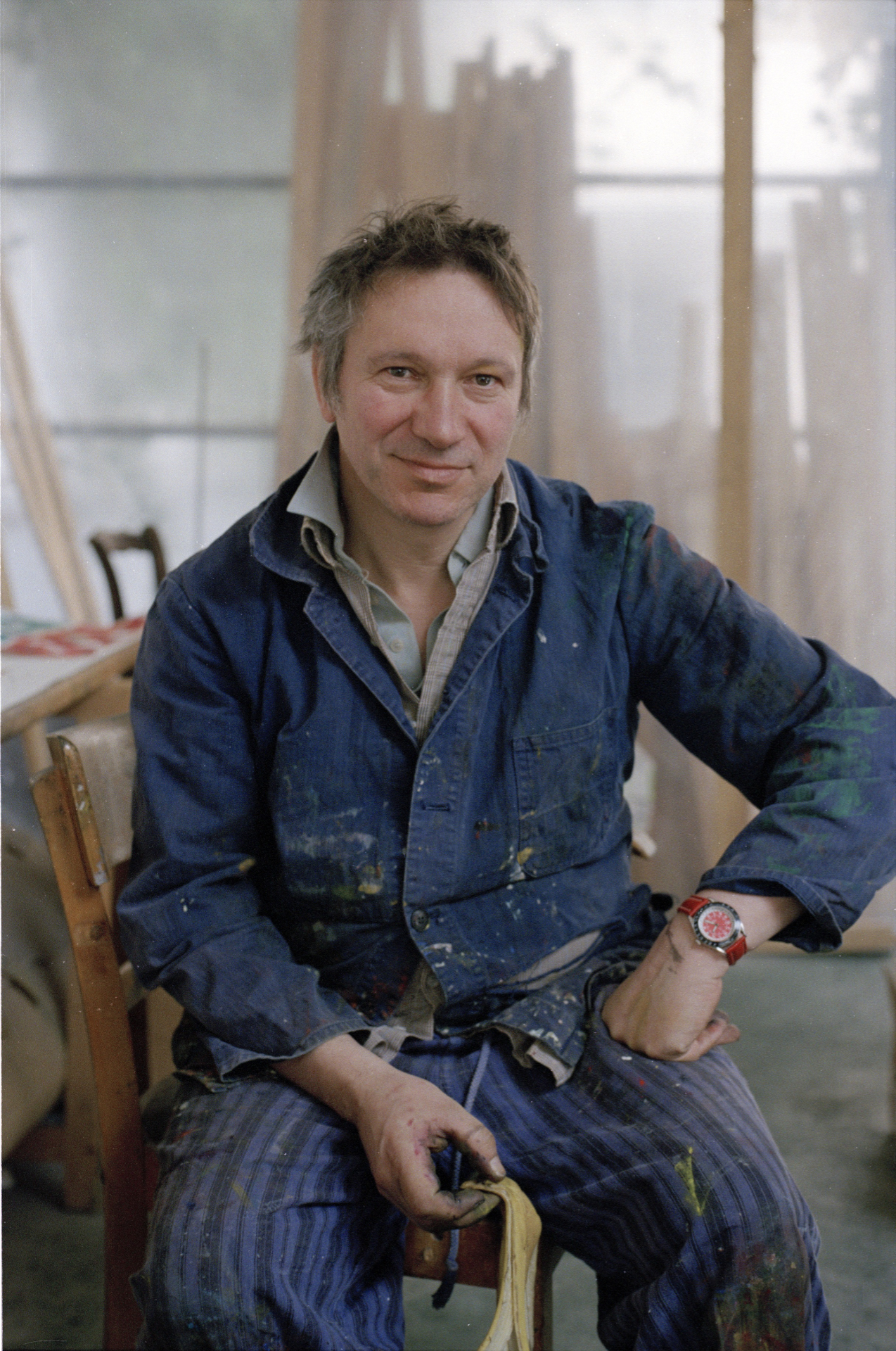
Norbert Prangenberg was an abstract painter, sculptor, and engraver. Though he had no formal training and did not fully engage with art until his 30s, Prangenberg did finally come up with a style that was uniquely his own, not fitting comfortably into the neo-expressionist or neo-geo movements of his time, in the 1970s and 1980s. At this time, he was considered a major figure in contemporary German art. Though he got his start with abstract paintings, he also became known for making sculptures of all sizes; and while his work initially appears abstract, the titles given sometimes allude to the human body or a landscape. As a trained gold- and silversmith, as well as a glassblower, he always showed an attention to materials and how they could be physically engaged with. He was interested in how his own two hands could affect the painting or sculpture's surface. Traces of the artist's hand appear literally throughout his entire oeuvre, before he lost the battle with liver cancer in 2012.
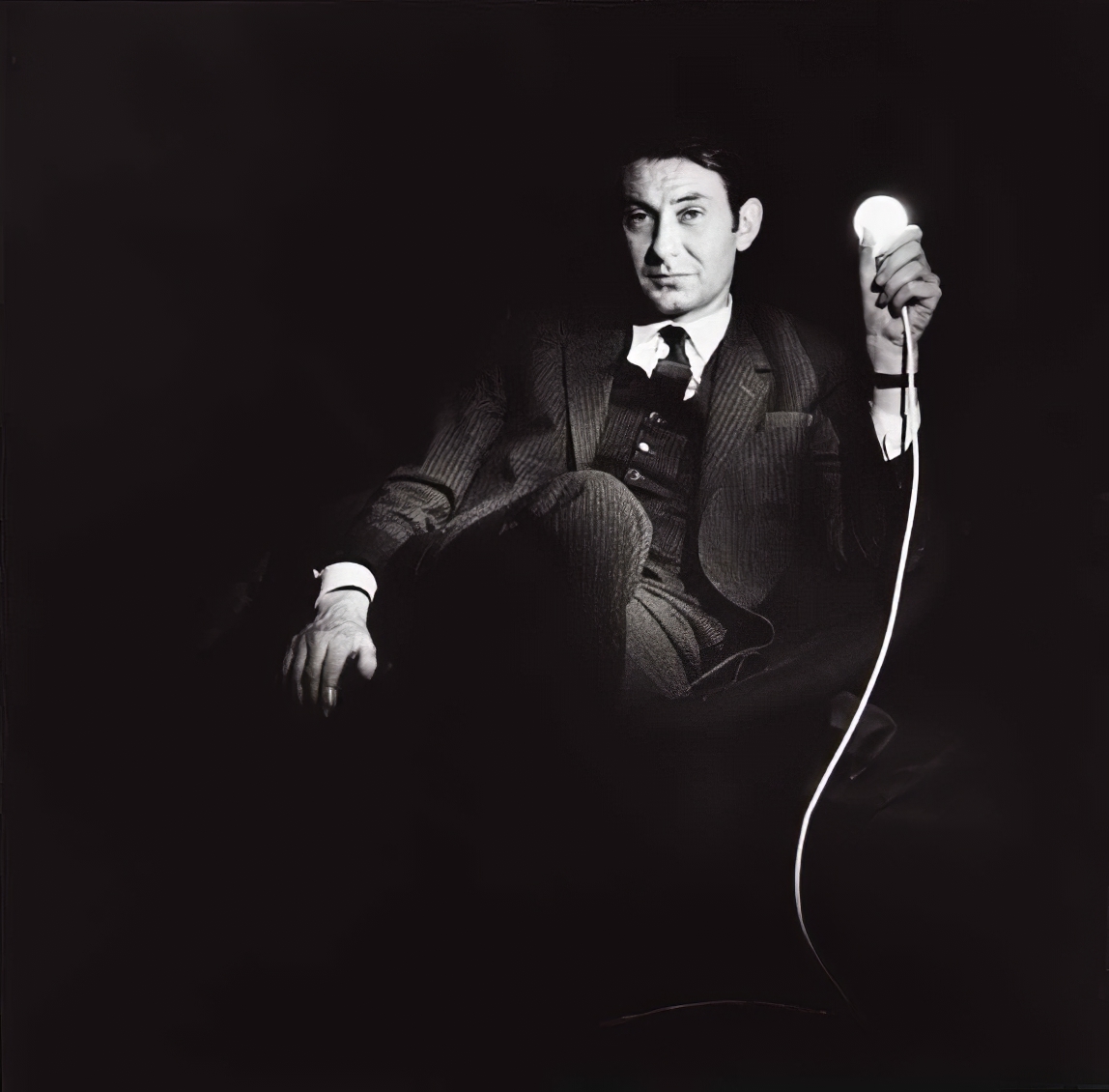
Otto Piene was a German-American artist specializing in kinetic and technology-based art, often working collaboratively.
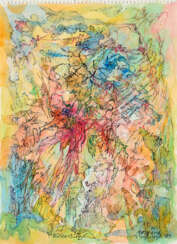

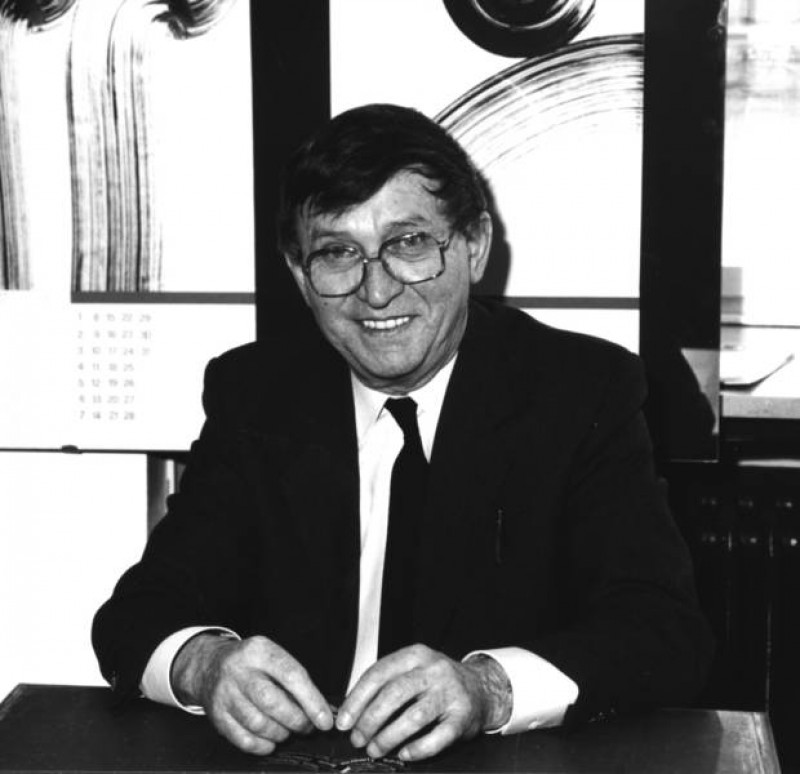
Oskar Holweck was a German painter and sculptor on paper.
After World War II, in which he went to the front and into captivity, Holweck studied applied art at the Paris Academy of Fine Arts, worked as a teacher, and was a member of the German Artists Association.
Since the 1960s, Holweck has created artworks almost exclusively with his own paper technique. Through various manipulations with this material, the artist actually created sculptures.
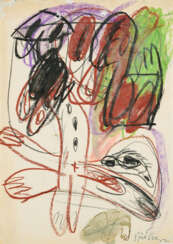

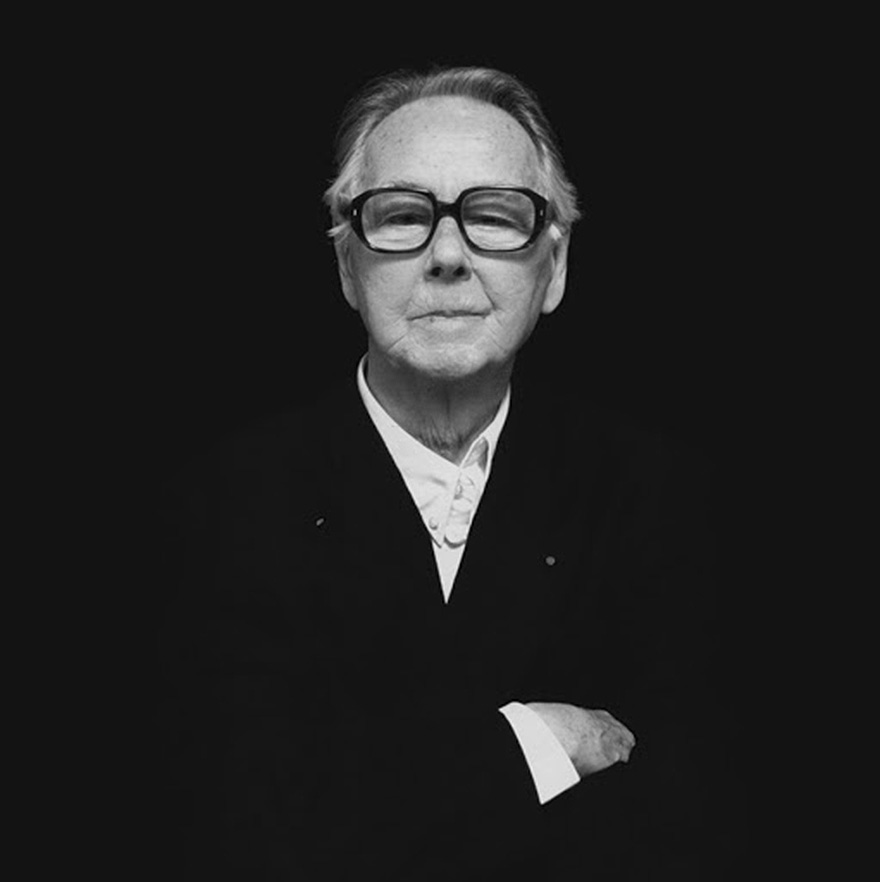
Victor Vasarely, a seminal figure in the Op art movement, was a Hungarian-French artist celebrated for his pioneering contributions to geometric abstract art. Born Győző Vásárhelyi in Pécs, Hungary, in 1906, Vasarely's artistic journey led him to Paris, where he honed a distinctive style marked by optical illusions and kinetic art. By the late 1940s, he had developed his iconic approach, utilizing geometric shapes and a limited color palette to create artworks that seemed to move and vibrate. His work "Zebra," created in 1937, is often cited as one of the earliest examples of Op art, showcasing his fascination with creating the illusion of depth and movement on a flat surface.
Throughout the 1950s and 1960s, Vasarely's exploration into optical effects deepened, leading to significant series like his "Vega" works. These pieces are characterized by their illusionary three-dimensional space, seemingly pushing and pulling the viewer into the canvas. His dedication to optical and geometric abstraction was not just a pursuit of aesthetic innovation but also an exploration of the viewer's perception, making the observer an integral part of the artwork.
Vasarely's influence extended beyond the canvas, impacting architecture, sculpture, and even space exploration. In 1970, he founded the first museum dedicated to his works in Gordes, followed by the establishment of the Fondation Vasarely in Aix-en-Provence in 1976, showcasing his vision of integrating art with the environment. His artworks have found homes in prestigious institutions like the Museum of Modern Art and have been celebrated in exhibitions worldwide.
For collectors and experts in art and antiques, Vasarely's works offer a mesmerizing blend of scientific precision and artistic expression, encapsulating a moment in art history where the boundaries between viewer and artwork blurred. His legacy is a testament to the power of visual perception and the endless possibilities of abstract art.
For those interested in delving deeper into Victor Vasarely's visionary world and perhaps acquiring a piece of this history, signing up for updates on new product sales and auction events related to Vasarely's works is highly recommended. Stay informed and embrace the opportunity to own a part of the optical and geometric abstraction movement that Vasarely so brilliantly pioneered.