udonöger


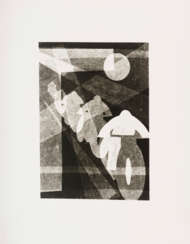

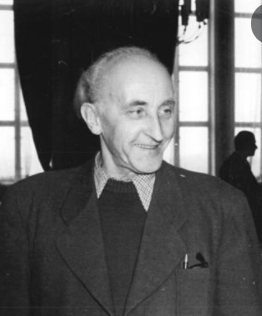
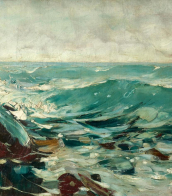
Oskar Nerlinger, born on March 23, 1893, in Straubenhardt, Germany, was a notable German painter whose career spanned the early to mid-20th century. His work was part of the painting event in the art competition at the 1932 Summer Olympics, highlighting his recognition in both the art and sports communities. He also worked under the pseudonym Nilgreen.
Nerlinger's art primarily focused on painting, and he became known for his unique style and contributions to the art world during a time of significant cultural and political change in Germany. His artworks reflected the trends and movements of his era, capturing the essence of the period in which he lived and worked.
While specific details about Nerlinger's most famous works or their presence in museums and galleries are not readily available, his participation in the 1932 Summer Olympics art competition suggests that his work received considerable recognition. This would be of particular interest to collectors, auctioneers, and experts in art and antiques, especially those with a focus on early 20th-century German art.
For those interested in exploring more about Oskar Nerlinger's life, work, and impact on the art world, further research and exploration into art history sources and museum collections that feature German art from this period would be beneficial.






![[BÉRANGER, Pierre-Jean de].](/assets/image/picture_2501252/c5fd2/aefdb7d5ab8afe97985b90de6999dbb41667984400jpg__fix_374_244.jpeg)
![[BÉRANGER, Pierre-Jean de].](https://veryimportantlot.com/assets/image/picture_2501252/c5fd2/aefdb7d5ab8afe97985b90de6999dbb41667984400jpg__fix_374_244.jpeg)






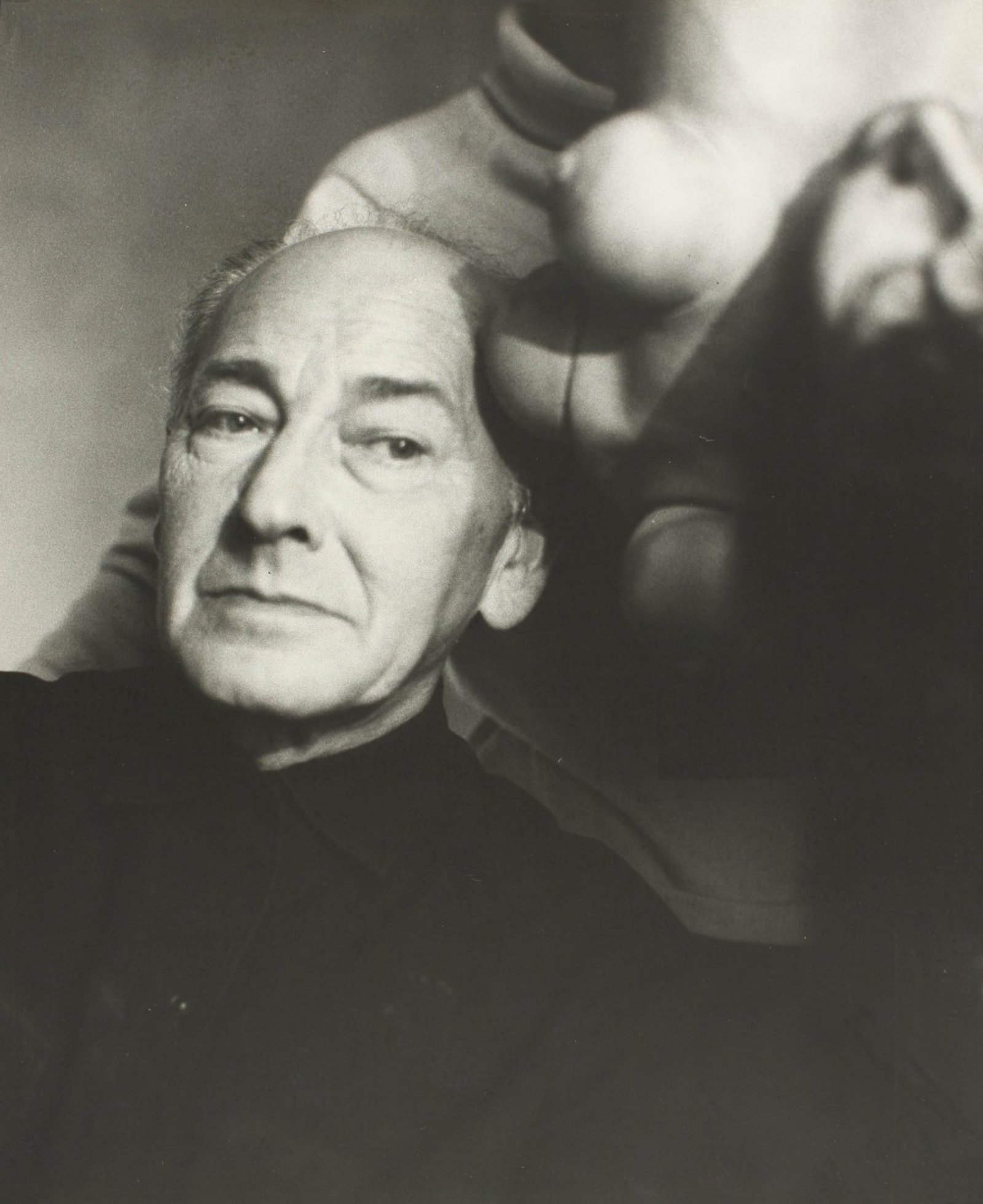
Hans Bellmer was a German graphic artist, sculptor, photographic artist, illustrator, and writer who spent most of his life in France.
In the 1930s Bellmer began working on the eroticized image of the deformed doll, contrasting it with the aesthetics of the "classical" body in Hitler's Germany. His graphic and literary explorations focus on the dismemberment and liberation of bodies. Bellmer's surrealist works are violent and provocative: they include puppet sculptures composed of the bodies of nude models, photographs, and prints.
In 1934, 18 photographs of dolls were published in the Parisian surrealist magazine Minotaur, and the Nazi regime declared Bellmer's art degenerate. In 1938, Bellmer emigrated to France.
After the end of the war, the artist continued his work, adding poetry to painting. He also authored illustrations for many works, particularly on erotic themes.

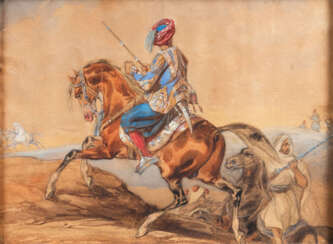




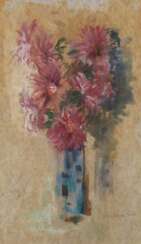

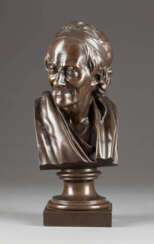

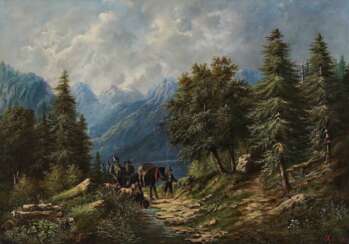



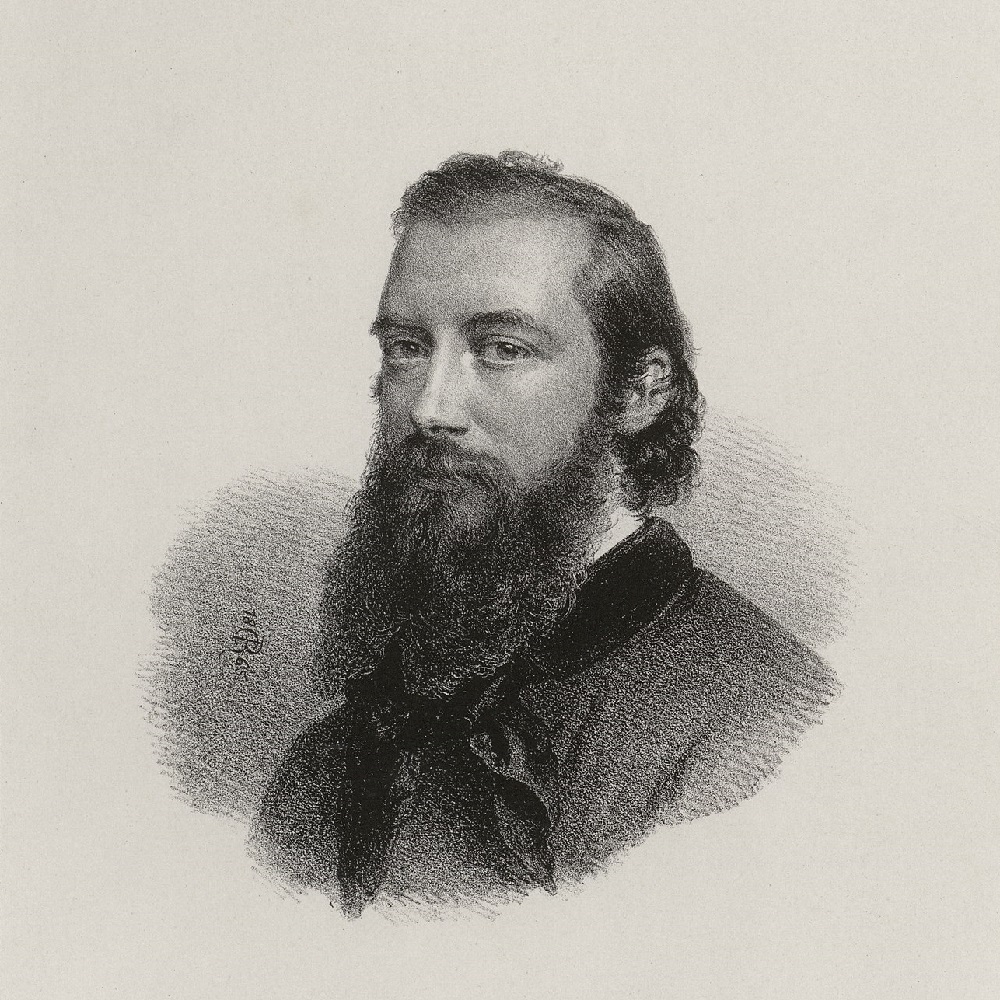
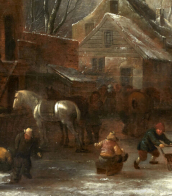
Karl Reichert was an Austrian animal painter.






![[ARTE NUCLEARE] - Registratore nucleare. Milano: Galleria Schwarz, s.d. [1962] - TRISTAN SAUVAGE (pseudonimo di Arturo Schwarz). Nuclear Art. N.Y.: Maestro, 1962.](/assets/image/picture_1242590/b4975/upizrszditwku966ojqowh6akx8rt9optkqfyi5ukd0kyajzermpsd81zoneam51608651687jpg__fix_374_244.jpeg)
![[ARTE NUCLEARE] - Registratore nucleare. Milano: Galleria Schwarz, s.d. [1962] - TRISTAN SAUVAGE (pseudonimo di Arturo Schwarz). Nuclear Art. N.Y.: Maestro, 1962.](https://veryimportantlot.com/assets/image/picture_1242590/b4975/upizrszditwku966ojqowh6akx8rt9optkqfyi5ukd0kyajzermpsd81zoneam51608651687jpg__fix_374_244.jpeg)