

untitled


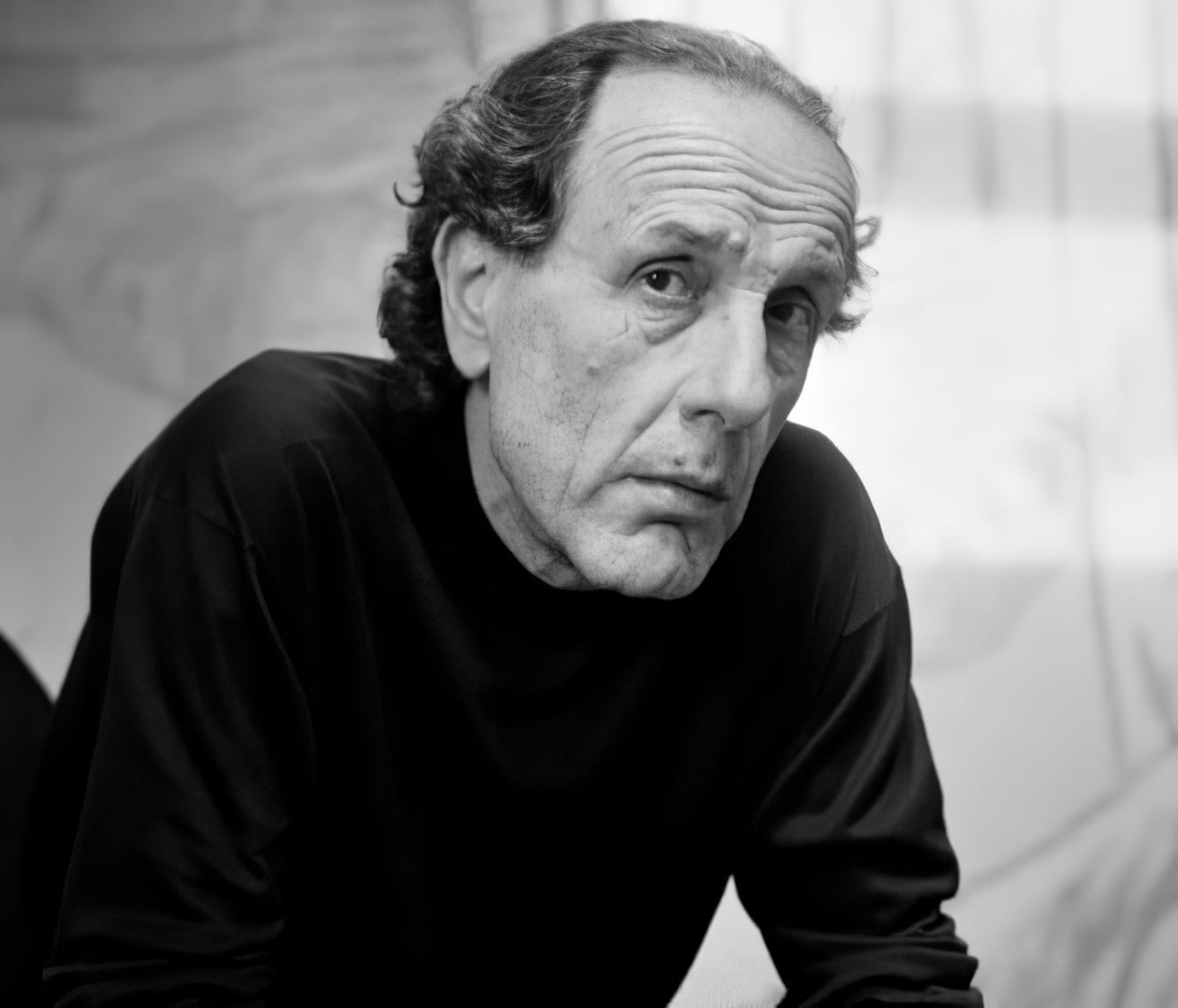
Enzo Cucchi is an Italian painter. He was a key member of the Italian Transavanguardia movement, along with his countrymen Francesco Clemente, Mimmo Paladino, Nicola De Maria, and Sandro Chia. The movement was at its peak during the 1980s and was part of the worldwide movement of Neo-Expressionist painters.
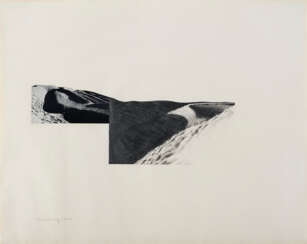

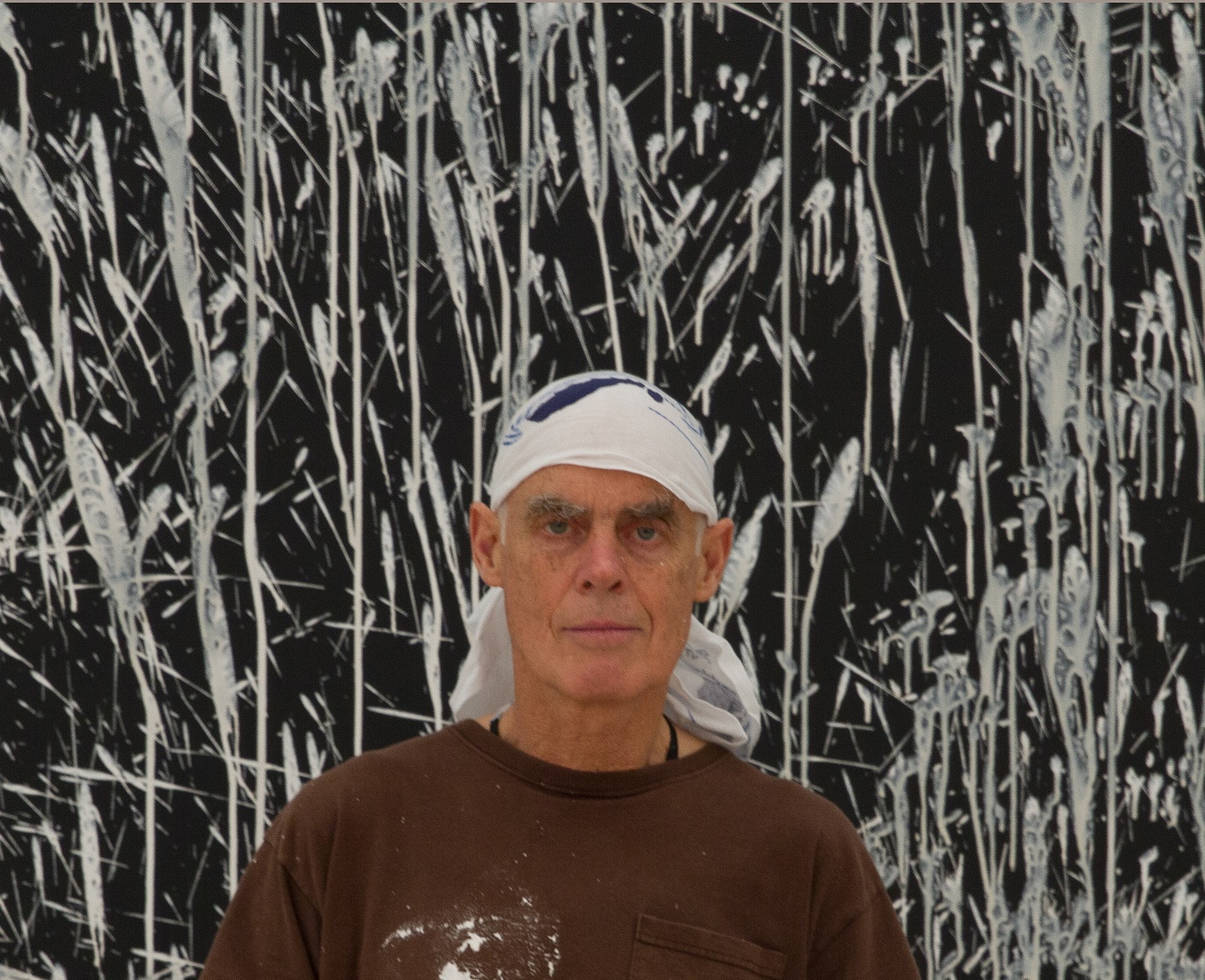
Richard Julian Long is an English sculptor and one of the best-known British land artists.
Long is the only artist to have been short-listed four times for the Turner Prize. He was nominated in 1984, 1987 and 1988, and then won the award in 1989 for White Water Line.


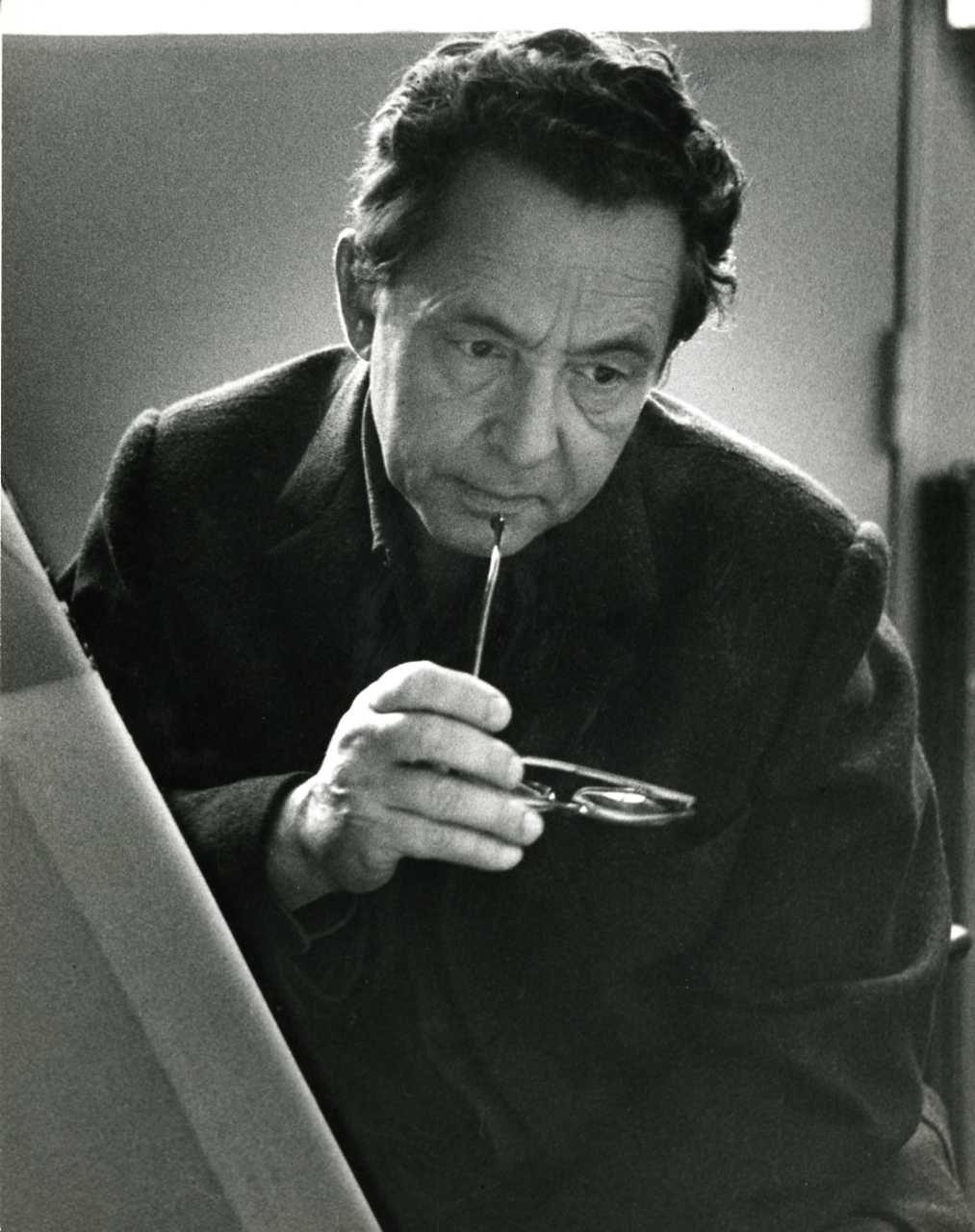
Hans Hartung was a German-French painter, known for his gestural abstract style. He was also a decorated World War II veteran of the Legion d'honneur.
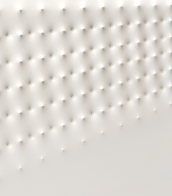


Antoni Tàpies i Puig, 1st Marquess of Tàpies was a Catalan Spanish painter, sculptor and art theorist, who became one of the most famous European artists of his generation.


.jfif)
Cy Twombly, birth name Edwin Parker Twombly, was an American artist renowned for his contributions to painting, sculpture, and photography. Embracing a unique blend of classical references and graffiti-like elements, Twombly's work stands out in the art world for its distinctive, emotive scribbles and use of historical and literary themes. His art, often categorized within the realms of Abstract Expressionism and minimalism, diverges significantly in its lyrical sensitivity and intellectual depth, making it a subject of fascination and study among art collectors and experts.
Twombly's career, which spanned over six decades, was marked by a relentless pursuit of innovation and an intimate engagement with the materials of his art. His paintings, characterized by their gestural brushstrokes and cryptic symbols, evoke a range of emotions and ideas, bridging the gap between the personal and the universal. Notable works such as "Fifty Days at Iliam" displayed at the Philadelphia Museum of Art, and his series inspired by the seasons, showcase his ability to transform classical narratives into contemporary masterpieces. These pieces not only reflect Twombly's profound understanding of history and literature but also his capacity to reinterpret them within a modern context.
Furthermore, Twombly's sculptures, often overlooked next to his paintings, provide a tangible connection to the ancient world through their use of classical forms and unconventional materials. His work in this medium further emphasizes his fascination with the past, while simultaneously asserting the relevance of historical themes in contemporary art.
For collectors and experts in art and antiques, Cy Twombly's oeuvre represents an intriguing blend of poetic grace and intellectual rigor. His works, found in major museums and galleries worldwide, continue to inspire and challenge audiences with their enigmatic beauty and depth.
To stay informed about new product sales and auction events related to Cy Twombly's work, we invite you to sign up for updates. This subscription is an excellent opportunity for enthusiasts and collectors to remain connected to the evolving market of Twombly's art.


.jfif)
Samuel Lewis Francis, an American painter and printmaker, was known for his pivotal role in postwar American painting and his contributions to the Abstract Expressionism and Color Field painting movements. Born in San Mateo, California, Francis' early life was marked by a deep personal loss and a significant injury during his service in the Army Air Corps, which led him to pursue painting while recovering in a hospital. His work, characterized by splashes of bright contrasting colors against expansive white canvases, drew international acclaim, particularly in Europe and Japan, underscoring his influence on the global art scene.
Francis' art evolved through various phases, from monochromatic works to vibrant, large-scale pieces, and was deeply influenced by his time in Paris and Japan, reflecting elements of Tachisme and possibly Zen Buddhism. Notable for creating large murals and his "Edge" series, Francis also founded The Lapis Press, further contributing to the art community by producing visually compelling texts. Despite facing health challenges towards the end of his life, he remained prolific, leaving behind a legacy celebrated through the Sam Francis Foundation, which aims to perpetuate his creative legacy.
Francis' artworks are held in prestigious collections worldwide, including The Metropolitan Museum of Art, The Museum of Modern Art, New York, and the Centre Pompidou-Musee National d'Art Moderne, Paris, highlighting his enduring influence on contemporary art. His auction records and continued recognition in solo exhibitions posthumously underscore the lasting impact of his work on both collectors and the art community.
For those passionate about modern art and its history, staying informed about Samuel Lewis Francis' contributions and the ongoing exhibitions of his works can be enriching. Sign up for updates related to Francis to ensure you don't miss out on new sales and auction events showcasing his vibrant legacy.
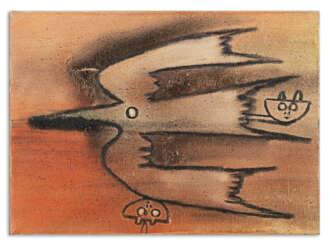

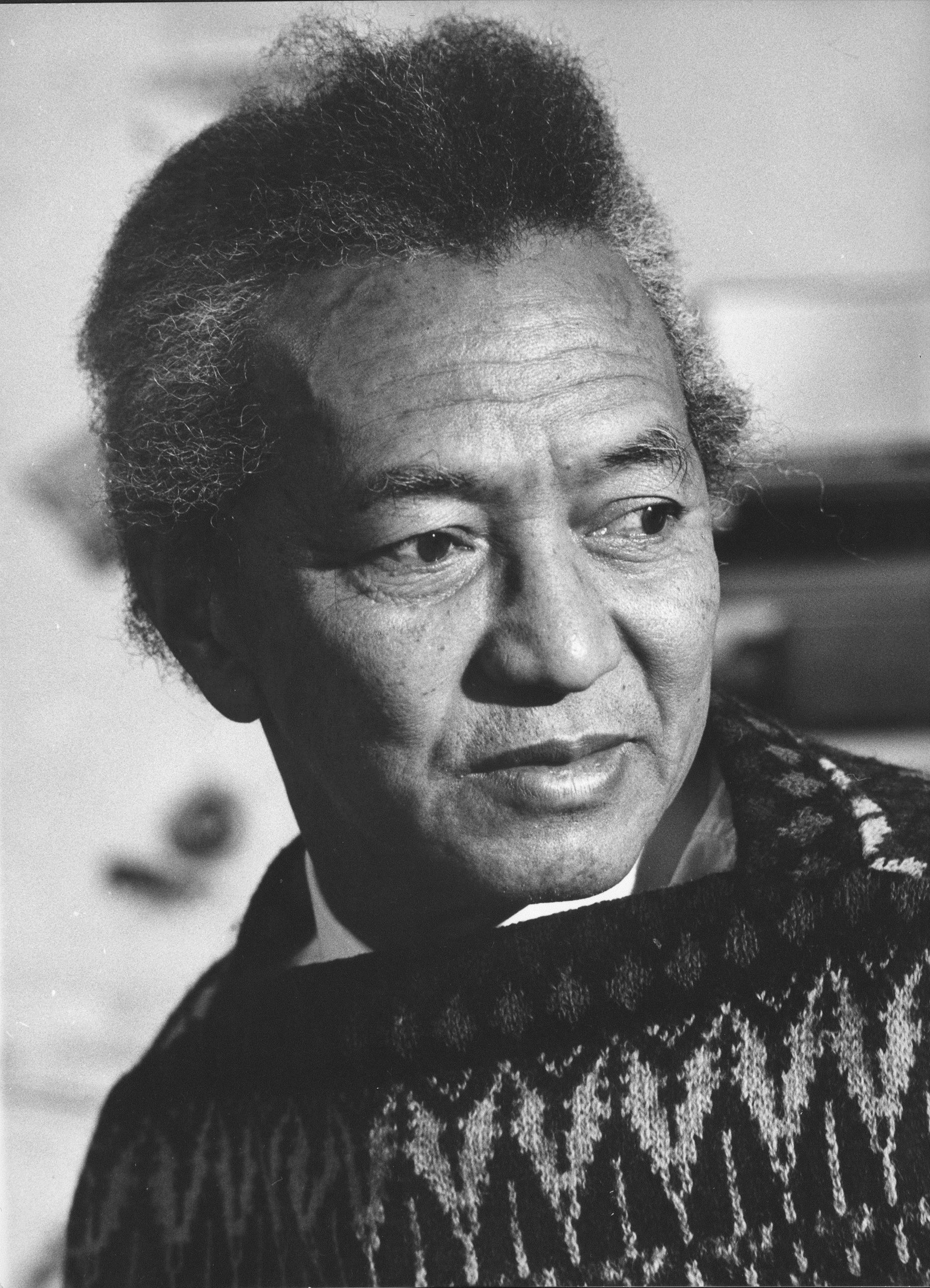
Wifredo Óscar de la Concepción Lam y Castilla, better known as Wifredo Lam, was a Cuban artist who sought to portray and revive the enduring Afro-Cuban spirit and culture. Inspired by and in contact with some of the most renowned artists of the 20th century, including Pablo Picasso, Henri Matisse, Frida Kahlo and Diego Rivera, Lam melded his influences and created a unique style, which was ultimately characterized by the prominence of hybrid figures. This distinctive visual style of his also influences many artists. Though he was predominantly a painter, he also worked with sculpture, ceramics and printmaking in his later life.



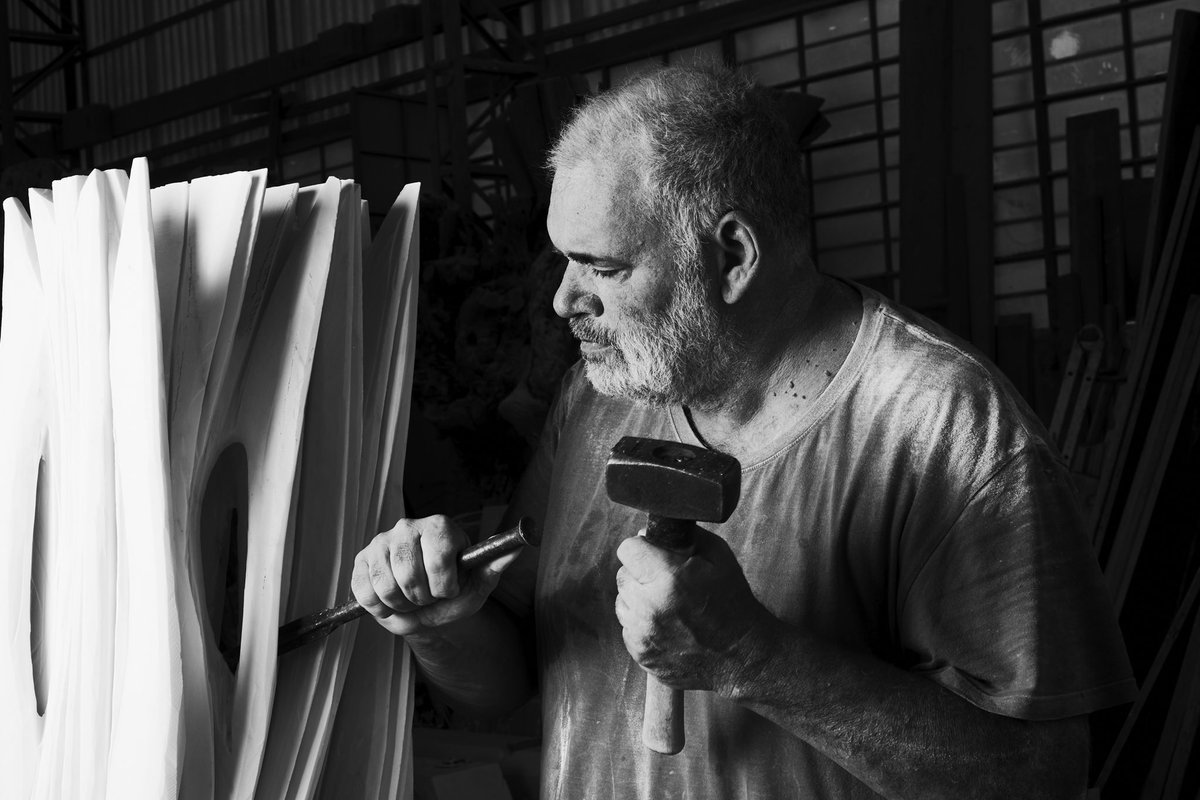
Pablo Atchugarry is a Uruguayan artist, best known for his abstract sculptural art. His works are included in many major collections, both private and public, and he has held more than one hundred solo and collective exhibitions worldwide.
For each sculpture, Atchugarry personally selects an appropriate block and is actively involved in carving it, with minimal help from assistants. He works with white Carrara marble from Tuscany, gray stone from Bardiglio, black from Belgium, and pink from Portugal. Aside from working with stone, he utilizes bronze finished in various patinas, ceramic, and, more rarely, various types of wood.


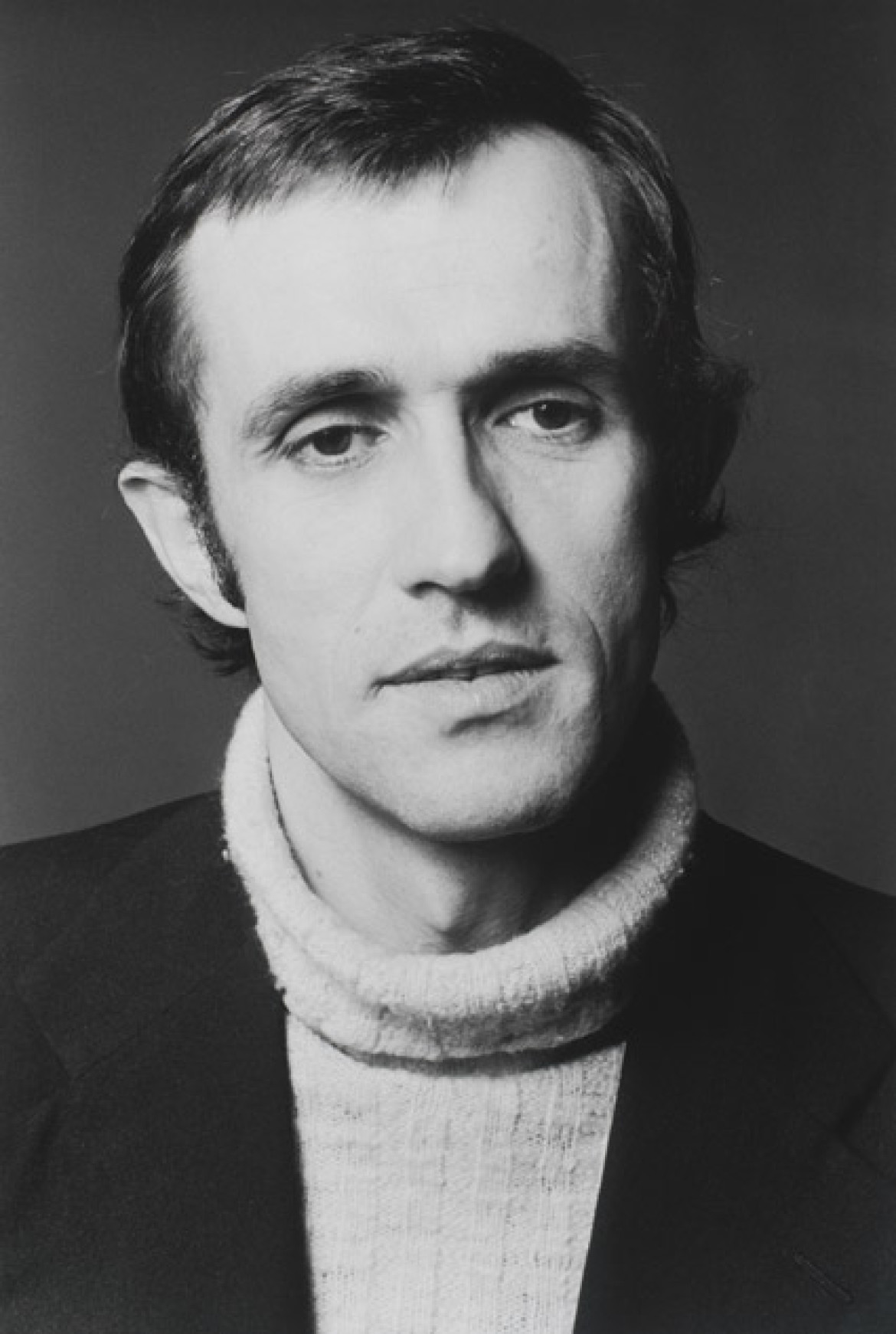
Alighiero Fabrizio Boetti, known as Alighiero e Boetti, was an Italian conceptual artist, considered to be a member of the art movement Arte Povera.
Perhaps best known is Boetti's series of large embroidered maps of the world, called simply Mappa.
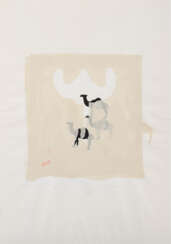

Alighiero Fabrizio Boetti, known as Alighiero e Boetti, was an Italian conceptual artist, considered to be a member of the art movement Arte Povera.
Perhaps best known is Boetti's series of large embroidered maps of the world, called simply Mappa.


Alighiero Fabrizio Boetti, known as Alighiero e Boetti, was an Italian conceptual artist, considered to be a member of the art movement Arte Povera.
Perhaps best known is Boetti's series of large embroidered maps of the world, called simply Mappa.
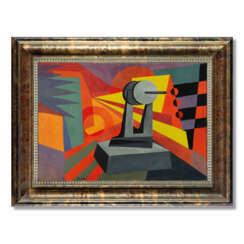

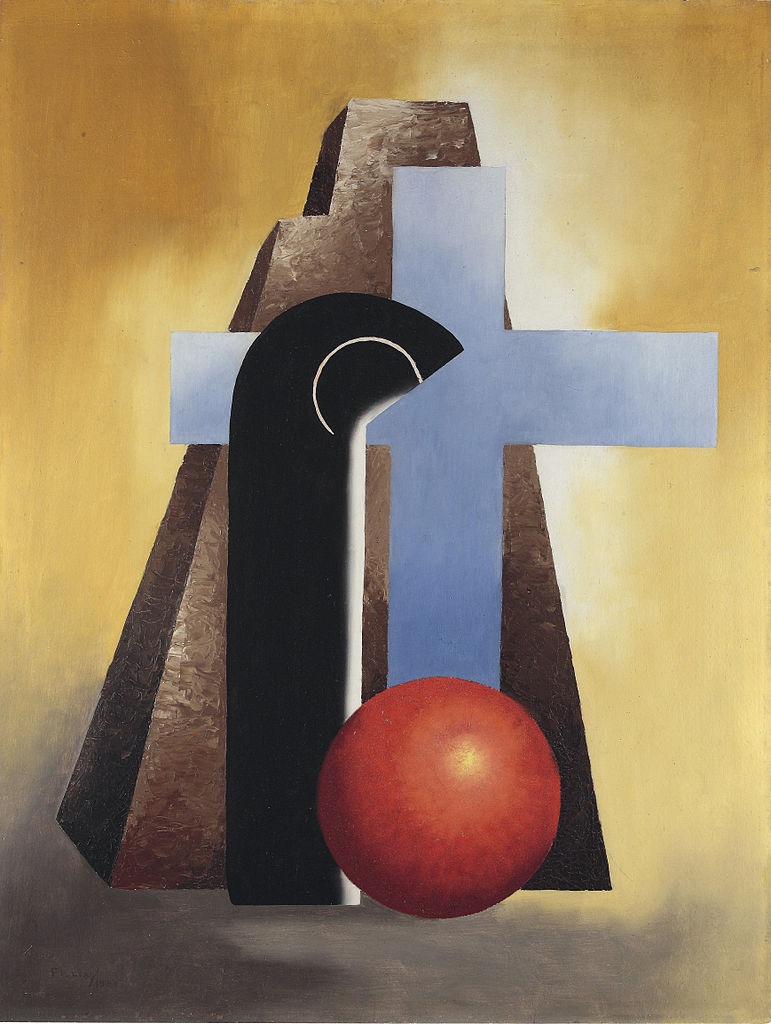
Fillìa is the name adopted by Luigi Colombo, an Italian artist associated with the second generation of Futurism. In addition to painting, his work included interior design, architecture, furniture and decorative objects.
Fillia became a representative of L' Aeropittura (Aeropainting), the dominant futurist style of the 1930s, in which the experience of flight was applied to depicting the landscape from the air; the world was no longer seen from a human perspective on the ground, but as if from an aircraft.


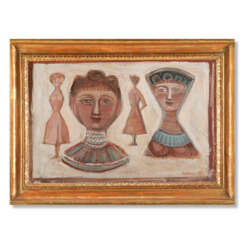

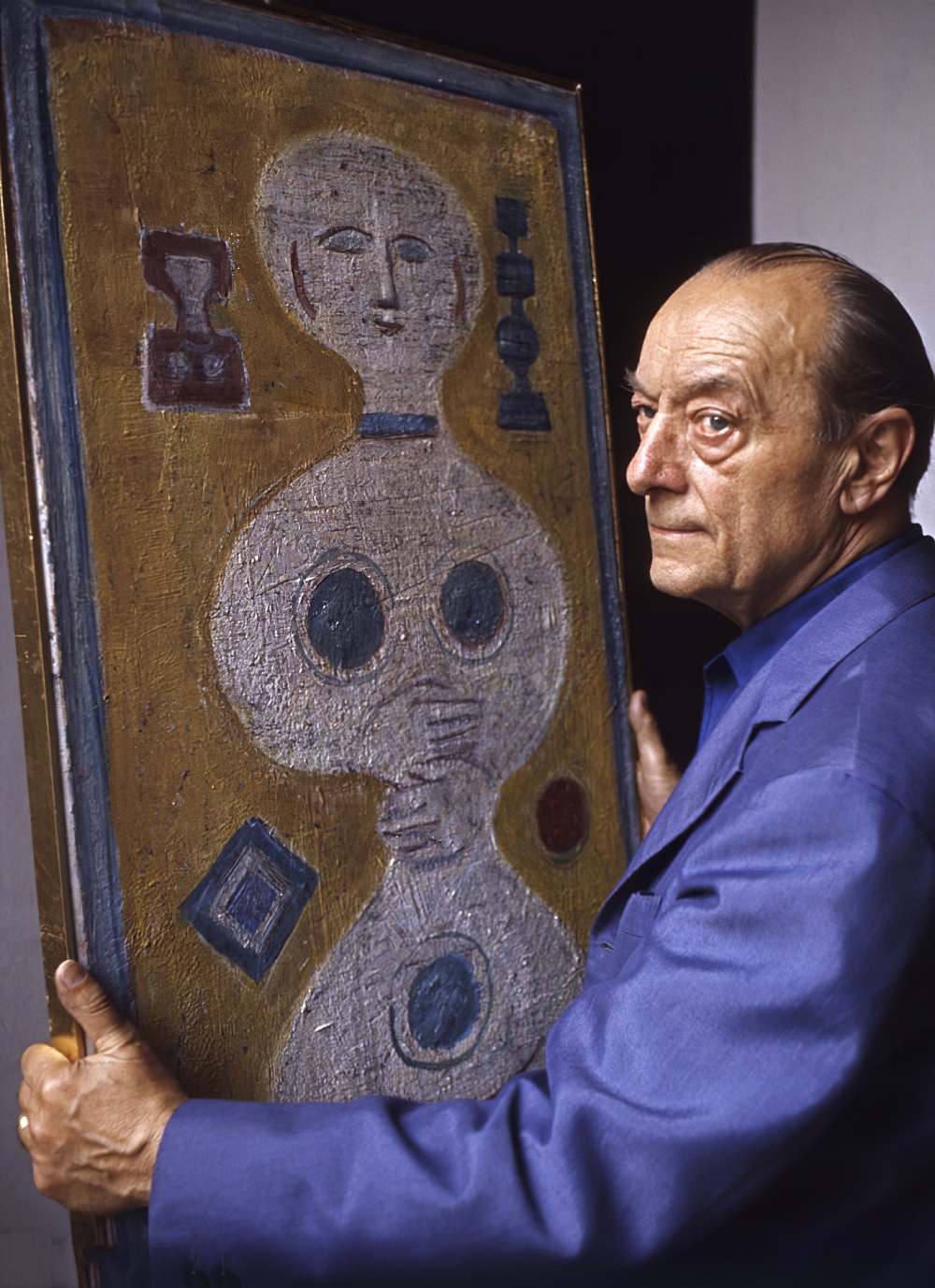
Massimo Campigli was an Italian painter and writer. He was studied art in Florence and Paris.
Campigli's art was heavily influenced by the Cubist and Surrealist movements, and his paintings often featured bold, geometric shapes and stylized figures. He was known for his use of bright colors and flat planes of color, which gave his work a sense of depth and dimension.
In addition to his art, Campigli was also a writer, and published several books and essays on art and literature throughout his career. He was a member of the Italian Communist Party, and his political beliefs often informed his work.
Campigli's art was widely exhibited throughout Europe and the United States during his lifetime, and he received numerous awards and honors for his contributions to the arts.
Today, Campigli is considered one of the most important Italian painters of the 20th century, and his work continues to be studied and exhibited around the world. His legacy has had a significant impact on the development of modern and contemporary art.
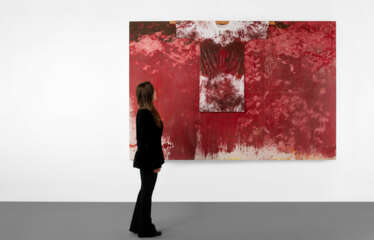

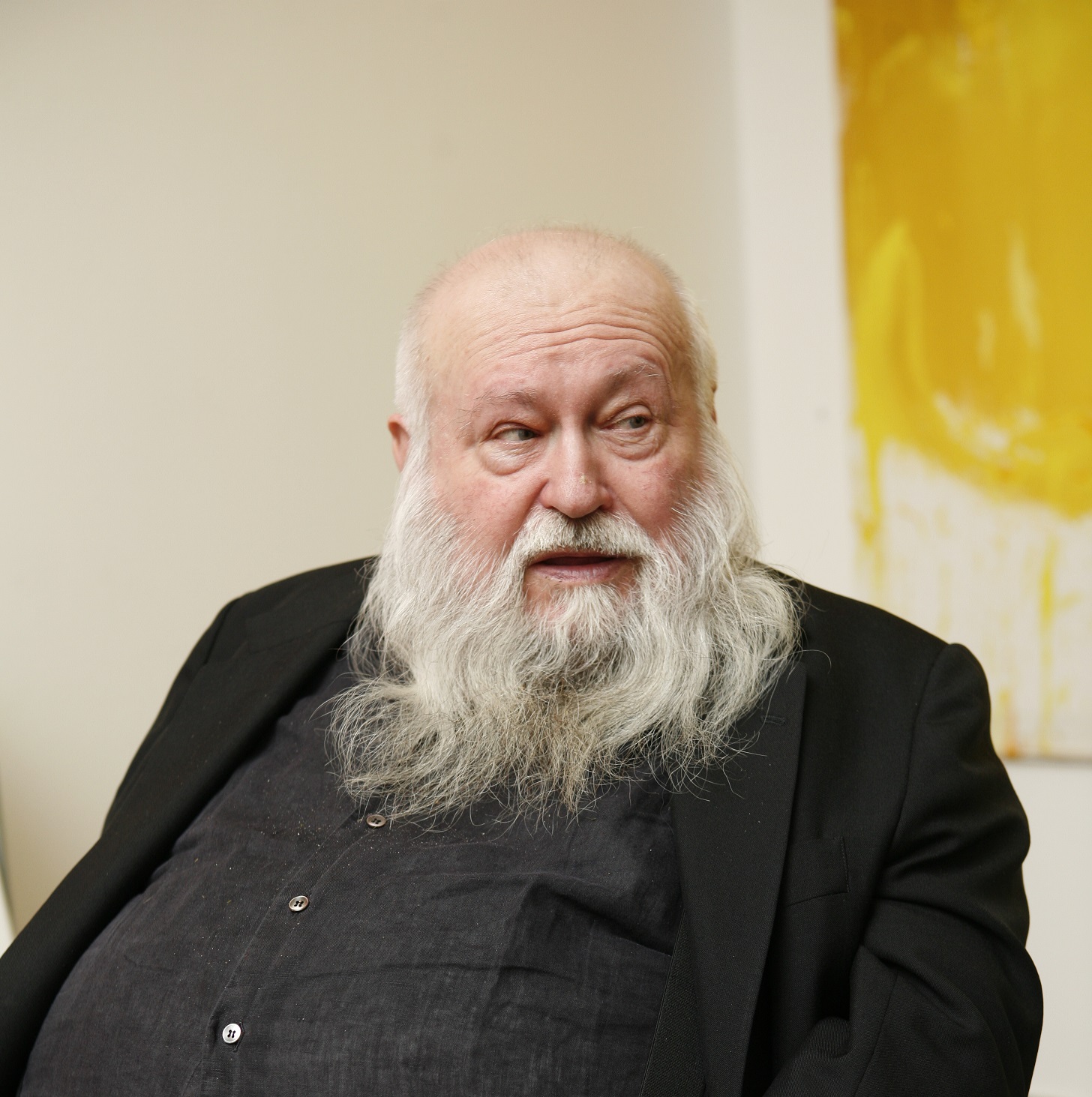
Hermann Nitsch was an Austrian contemporary artist and composer. His art encompassed wide-scale performances incorporating theater, multimedia, rituals and acted violence. He was a leading figure of Viennese Actionism.
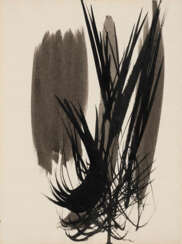

Hans Hartung was a German-French painter, known for his gestural abstract style. He was also a decorated World War II veteran of the Legion d'honneur.


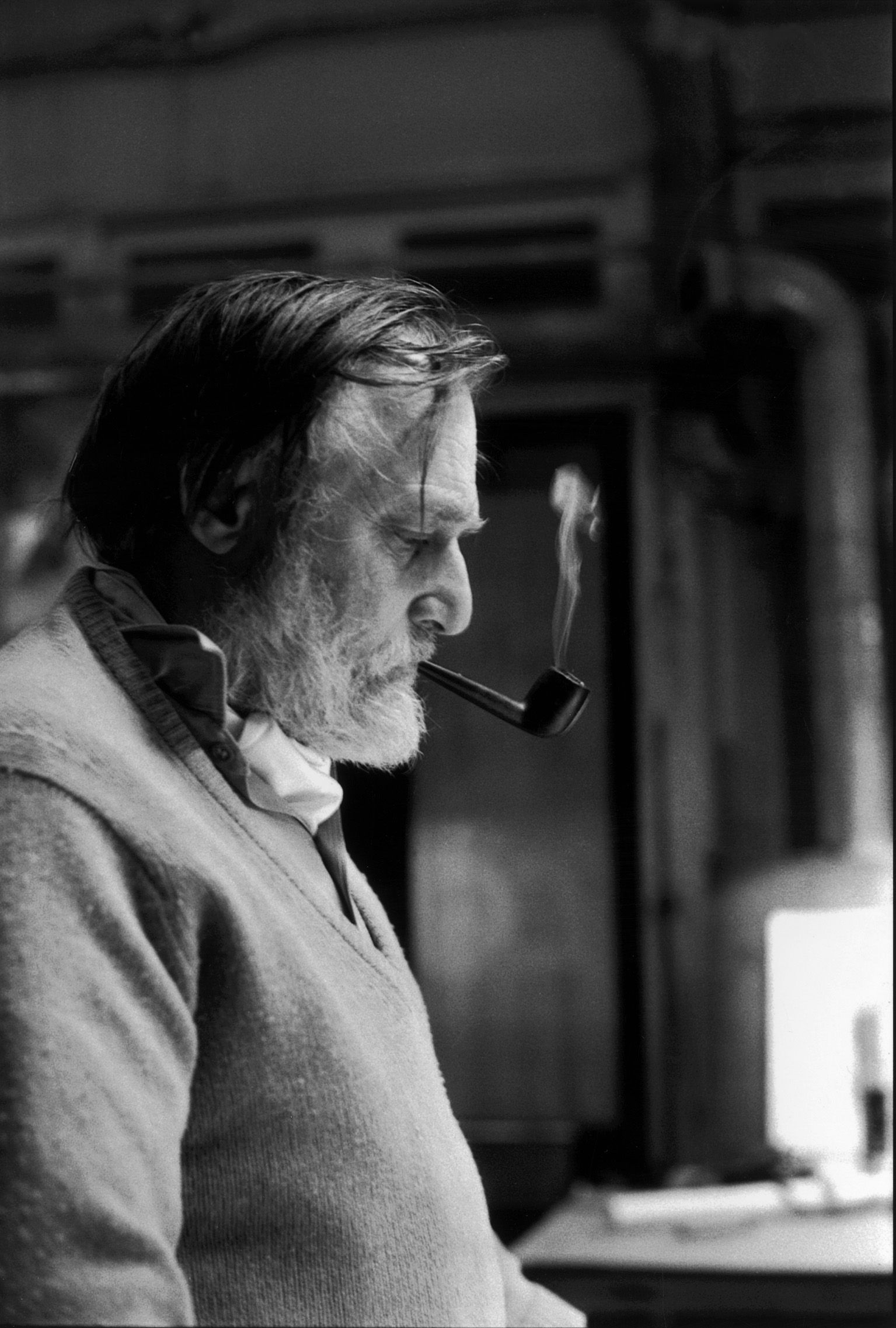
Asger Oluf Jorn was a Danish painter, sculptor, ceramic artist, and author. He was a founding member of the avant-garde movement CoBrA and the Situationist International.


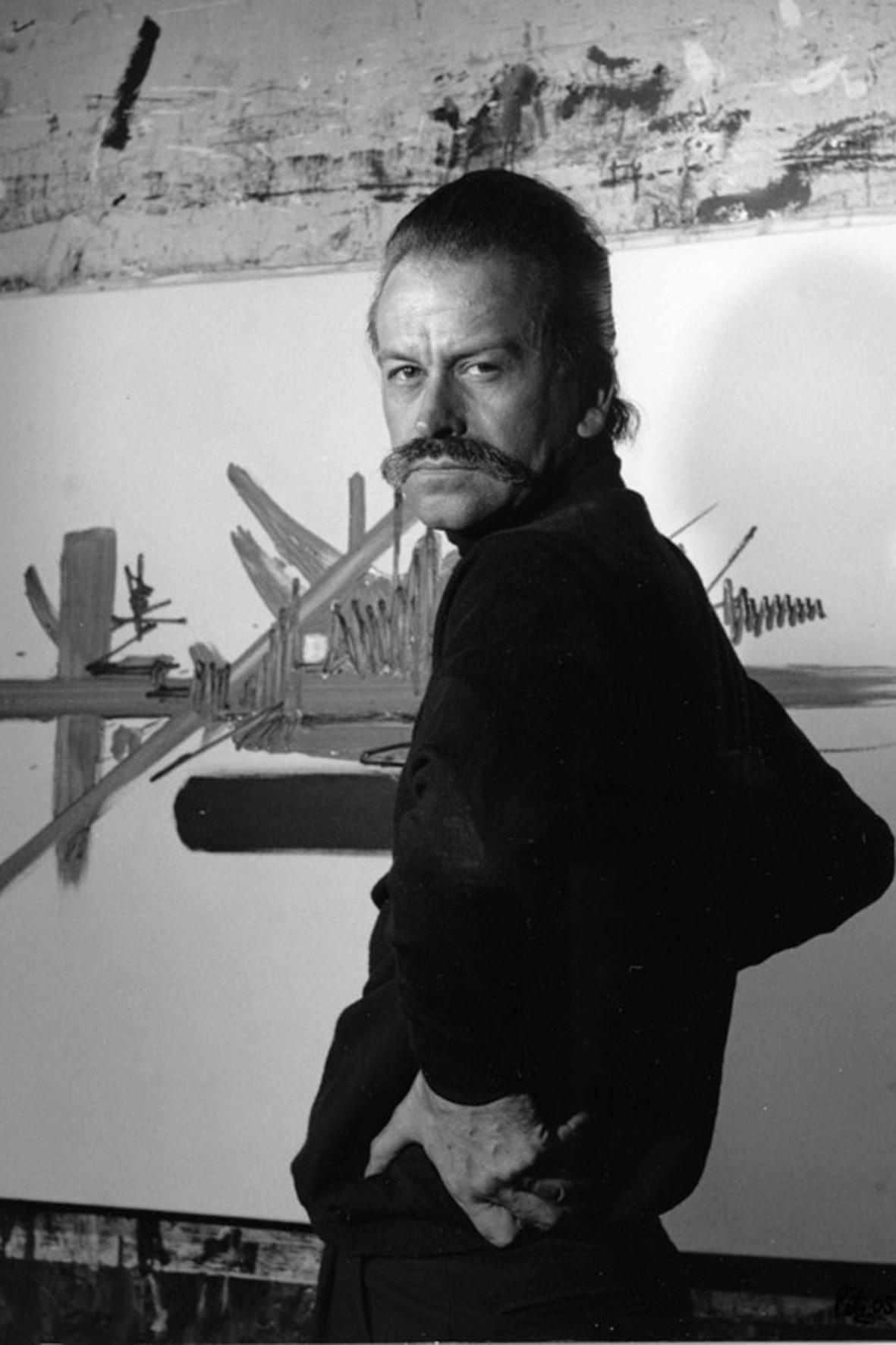
Georges Mathieu was a French abstract painter, art theorist, and member of the Académie des Beaux-Arts in Paris. He is considered one of the fathers of European lyrical abstraction, a trend of informalism.

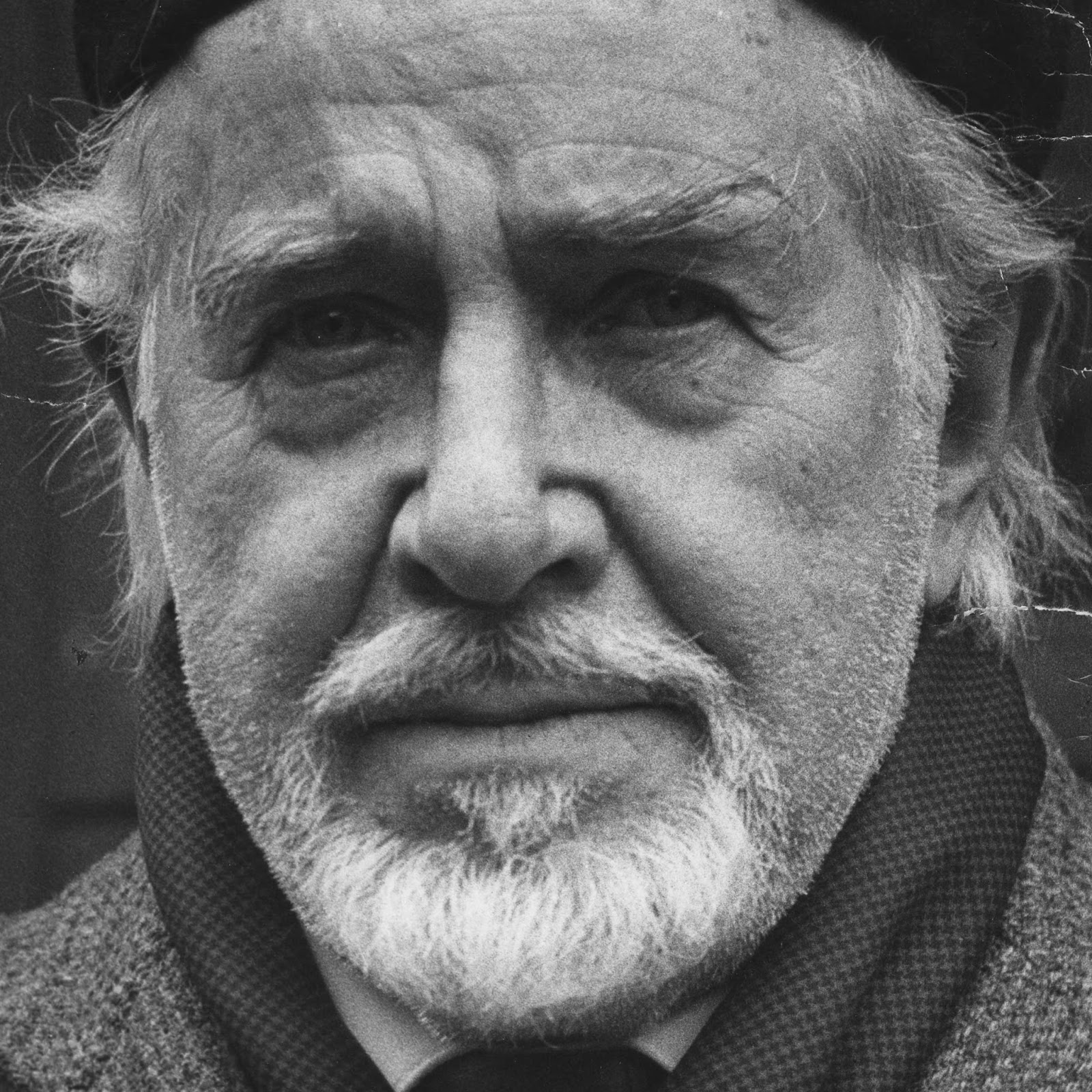
Mark Tobey was an American painter. His densely structured compositions, inspired by Asian calligraphy, resemble Abstract expressionism, although the motives for his compositions differ philosophically from most Abstract Expressionist painters. His work was widely recognized throughout the United States and Europe. Along with Guy Anderson, Kenneth Callahan, Morris Graves, and William Cumming, Tobey was a founder of the Northwest School. Senior in age and experience, he had a strong influence on the others; friend and mentor, Tobey shared their interest in philosophy and Eastern religions. Similar to others of the Northwest School, Tobey was mostly self-taught after early studies at the Art Institute of Chicago. In 1921, Tobey founded the art department at The Cornish School in Seattle, Washington.


Samuel Lewis Francis, an American painter and printmaker, was known for his pivotal role in postwar American painting and his contributions to the Abstract Expressionism and Color Field painting movements. Born in San Mateo, California, Francis' early life was marked by a deep personal loss and a significant injury during his service in the Army Air Corps, which led him to pursue painting while recovering in a hospital. His work, characterized by splashes of bright contrasting colors against expansive white canvases, drew international acclaim, particularly in Europe and Japan, underscoring his influence on the global art scene.
Francis' art evolved through various phases, from monochromatic works to vibrant, large-scale pieces, and was deeply influenced by his time in Paris and Japan, reflecting elements of Tachisme and possibly Zen Buddhism. Notable for creating large murals and his "Edge" series, Francis also founded The Lapis Press, further contributing to the art community by producing visually compelling texts. Despite facing health challenges towards the end of his life, he remained prolific, leaving behind a legacy celebrated through the Sam Francis Foundation, which aims to perpetuate his creative legacy.
Francis' artworks are held in prestigious collections worldwide, including The Metropolitan Museum of Art, The Museum of Modern Art, New York, and the Centre Pompidou-Musee National d'Art Moderne, Paris, highlighting his enduring influence on contemporary art. His auction records and continued recognition in solo exhibitions posthumously underscore the lasting impact of his work on both collectors and the art community.
For those passionate about modern art and its history, staying informed about Samuel Lewis Francis' contributions and the ongoing exhibitions of his works can be enriching. Sign up for updates related to Francis to ensure you don't miss out on new sales and auction events showcasing his vibrant legacy.


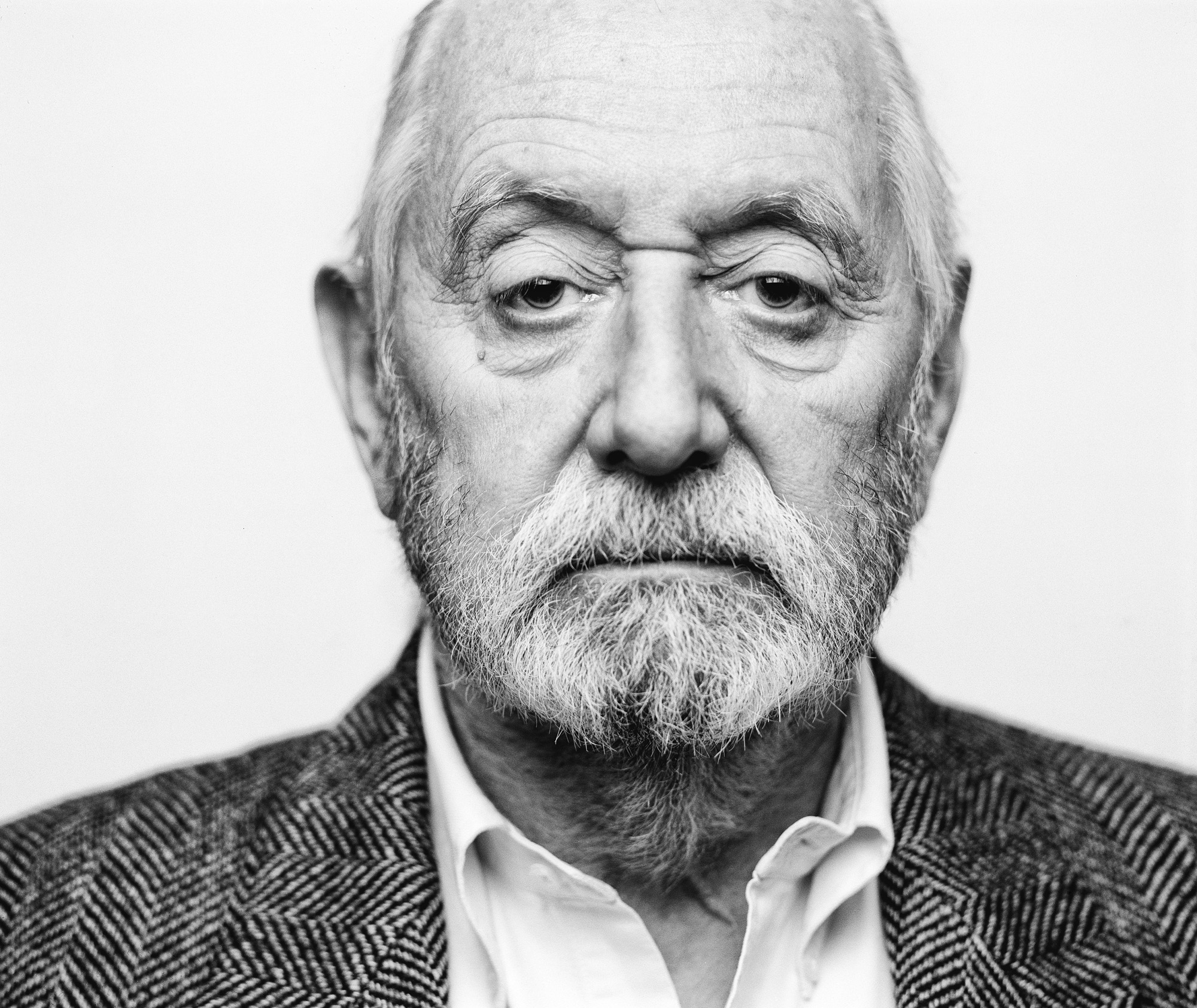
Ettore Sottsass was a 20th century Italian architect, noted for also designing furniture, jewellery, glass, lighting, home and office wares, as well as numerous buildings and interiors — often defined by bold colours.



Pablo Atchugarry is a Uruguayan artist, best known for his abstract sculptural art. His works are included in many major collections, both private and public, and he has held more than one hundred solo and collective exhibitions worldwide.
For each sculpture, Atchugarry personally selects an appropriate block and is actively involved in carving it, with minimal help from assistants. He works with white Carrara marble from Tuscany, gray stone from Bardiglio, black from Belgium, and pink from Portugal. Aside from working with stone, he utilizes bronze finished in various patinas, ceramic, and, more rarely, various types of wood.

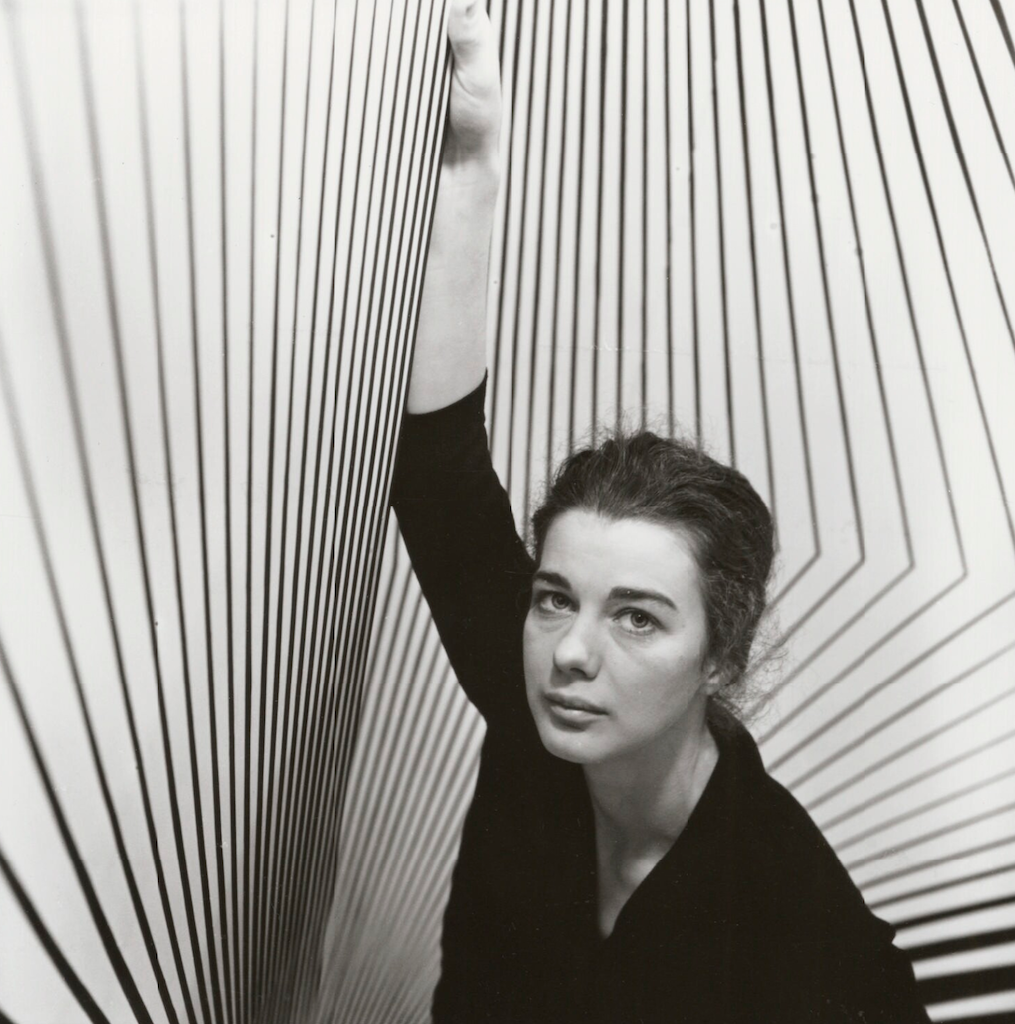
Bridget Louise Riley, an eminent English painter, has captivated the art world with her pioneering contributions to the Op Art movement. Born in London in 1931, Riley's early works were characterized by a figurative, semi-impressionist style. However, her artistic trajectory took a significant turn in the late 1950s and early 1960s when she began experimenting with optical illusions, leading to the development of her signature Op Art style. These works, utilizing geometric patterns in black and white, explored the dynamics of perception, creating disorienting effects and sensations of movement or color in the viewer.
Riley's exploration into color, which commenced in 1967, marked a new phase in her career. Her visit to Egypt in the early 1980s further enriched her palette, leading to the creation of works that reflected the vibrant hues of the Egyptian landscape. This period also saw the introduction of her 'Egyptian palette', which captured both the spirit of ancient and modern Egypt. Notable among her colorful works is "Cataract 3", where Riley utilized the contrast between warm and cold colors to produce a shifting, dynamic effect on the canvas, a testament to her continuous exploration of the interaction between form, color, and human perception.
Riley's work extends beyond canvas, with significant contributions to public art through murals. Her installations at prestigious institutions like the Tate, the Musée d'Art Moderne de la Ville de Paris, and the National Gallery, as well as a large-scale mural for the Chinati Foundation in Marfa, Texas, demonstrate her versatility and commitment to engaging with a broader public audience.
For collectors and experts in art and antiques, Riley's work represents a fascinating intersection of art, science, and perception, offering a unique visual experience that challenges and delights. Her dedication to expanding the boundaries of visual art ensures her place as a central figure in contemporary art discourse.
Sign up for updates related to Bridget Louise Riley to stay informed about new product sales and auction events showcasing her groundbreaking work. Join us in celebrating the legacy and ongoing journey of one of the foremost exponents of optical art.


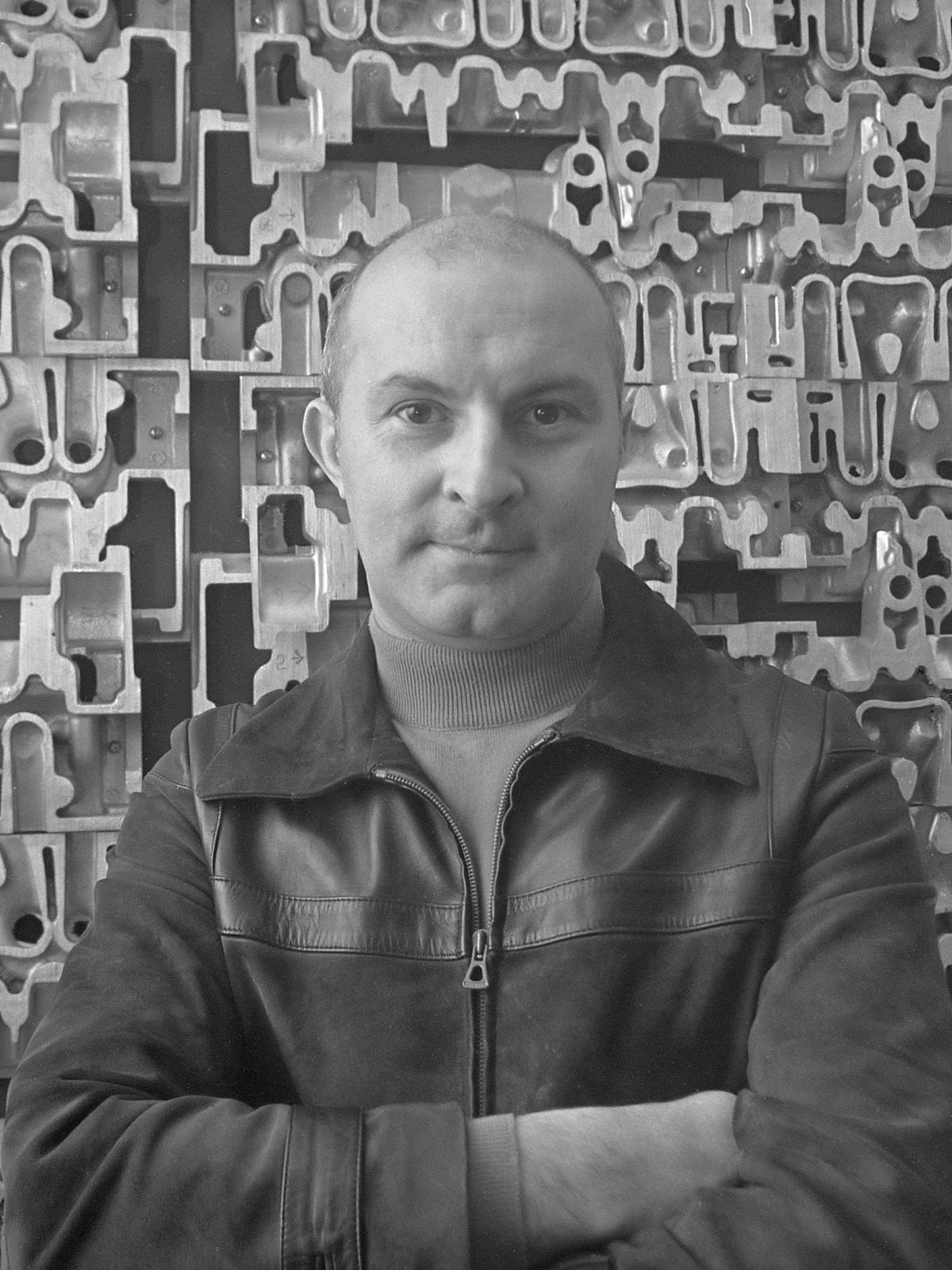
Armand Pierre Fernandez, widely known by his mononym Arman, was a French-born American artist celebrated for his innovative contributions to the Nouveau Réalisme movement and his radical use of everyday objects in art. Born in Nice, France, on November 17, 1928, Arman's early exposure to art came from his father, an antiques dealer and amateur artist, which deeply influenced his later artistic endeavors.
Arman moved beyond traditional painting techniques early in his career, instead creating his signature "Accumulations" and "Poubelles" (trash) sculptures. These works involved assembling and compacting everyday items like watches, clocks, and even automobiles, embedding these objects in layers of concrete or encasing them in Plexiglas. One of his most notable large-scale works is "Long Term Parking," a 60-foot high sculpture made of concrete-encased cars, situated in Jouy-en-Josas, France.
His work is an essential bridge between European and American trends in Pop art and has been widely exhibited in major institutions like the Metropolitan Museum of Art in New York, the Tate Gallery in London, and the Centre Pompidou in Paris. Arman's innovative techniques and philosophical approach to materials challenged conventional categorizations of art and inspired future generations of artists.
For collectors and enthusiasts interested in staying updated on exhibitions and sales related to Arman's work, signing up for updates can provide essential insights and opportunities related to this influential artist. Join our community to ensure you don't miss out on new discoveries and auction events associated with Arman's legacy.


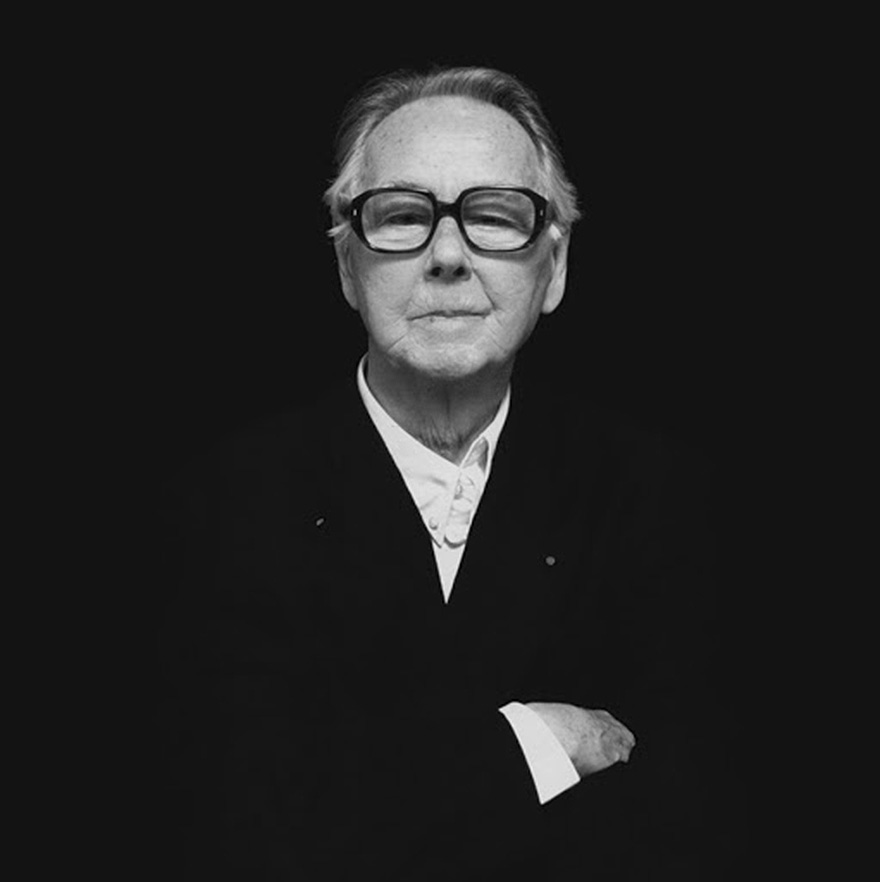
Victor Vasarely, a seminal figure in the Op art movement, was a Hungarian-French artist celebrated for his pioneering contributions to geometric abstract art. Born Győző Vásárhelyi in Pécs, Hungary, in 1906, Vasarely's artistic journey led him to Paris, where he honed a distinctive style marked by optical illusions and kinetic art. By the late 1940s, he had developed his iconic approach, utilizing geometric shapes and a limited color palette to create artworks that seemed to move and vibrate. His work "Zebra," created in 1937, is often cited as one of the earliest examples of Op art, showcasing his fascination with creating the illusion of depth and movement on a flat surface.
Throughout the 1950s and 1960s, Vasarely's exploration into optical effects deepened, leading to significant series like his "Vega" works. These pieces are characterized by their illusionary three-dimensional space, seemingly pushing and pulling the viewer into the canvas. His dedication to optical and geometric abstraction was not just a pursuit of aesthetic innovation but also an exploration of the viewer's perception, making the observer an integral part of the artwork.
Vasarely's influence extended beyond the canvas, impacting architecture, sculpture, and even space exploration. In 1970, he founded the first museum dedicated to his works in Gordes, followed by the establishment of the Fondation Vasarely in Aix-en-Provence in 1976, showcasing his vision of integrating art with the environment. His artworks have found homes in prestigious institutions like the Museum of Modern Art and have been celebrated in exhibitions worldwide.
For collectors and experts in art and antiques, Vasarely's works offer a mesmerizing blend of scientific precision and artistic expression, encapsulating a moment in art history where the boundaries between viewer and artwork blurred. His legacy is a testament to the power of visual perception and the endless possibilities of abstract art.
For those interested in delving deeper into Victor Vasarely's visionary world and perhaps acquiring a piece of this history, signing up for updates on new product sales and auction events related to Vasarely's works is highly recommended. Stay informed and embrace the opportunity to own a part of the optical and geometric abstraction movement that Vasarely so brilliantly pioneered.


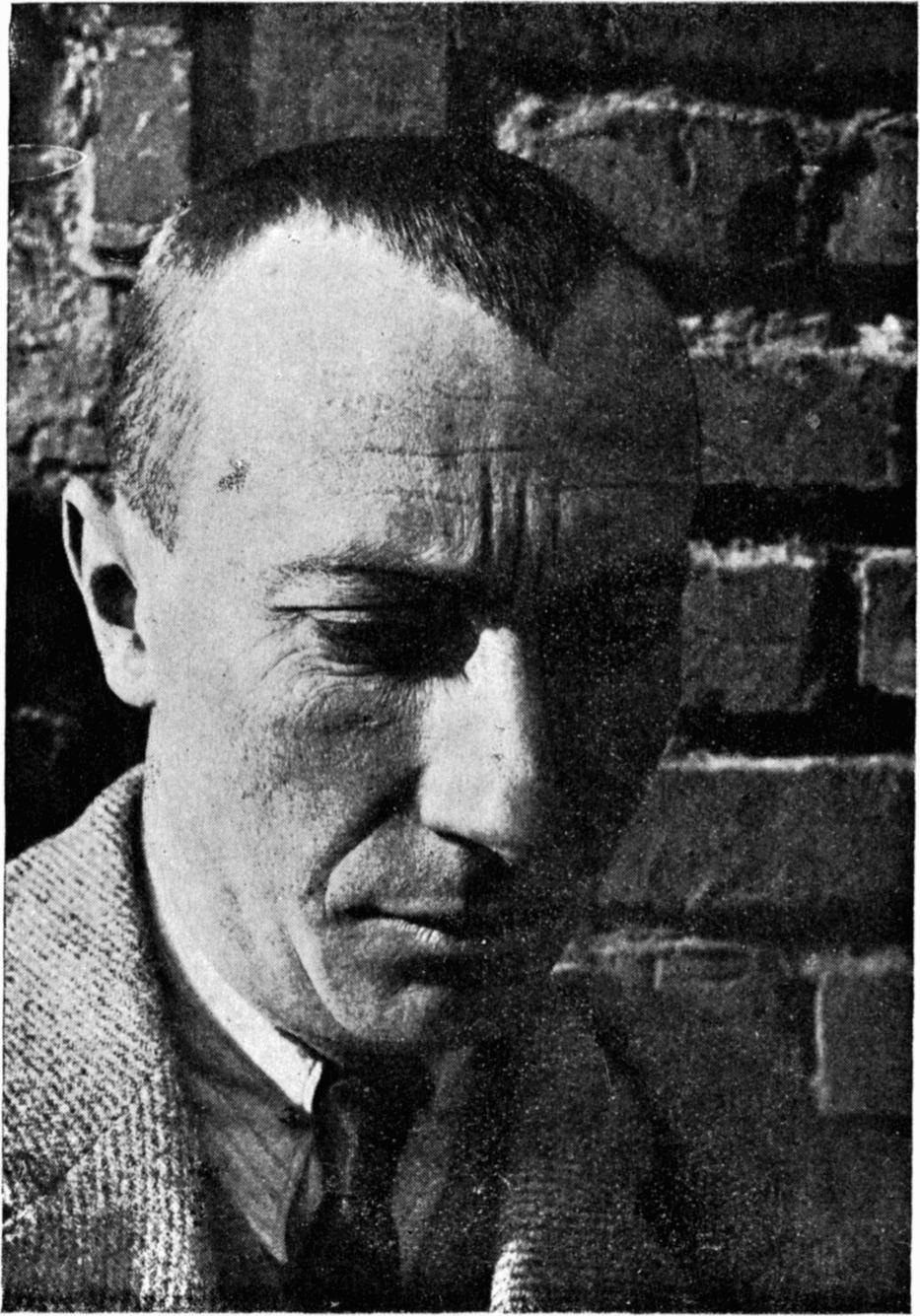
Jean Arp, born Hans Peter Wilhelm Arp, was a German and French poet, painter, graphic artist and sculptor. one of the founders of the Dada movement in Zurich.
Arp used abstract forms in his work and experimented with different materials such as wood, metal and stone. He was also known for his poetic works, in which he applied a method of randomly selecting words, called the "clutter method". Arp believed that this method helped him express his thoughts more precisely and originally. Arp's influence on the arts is still significant today.


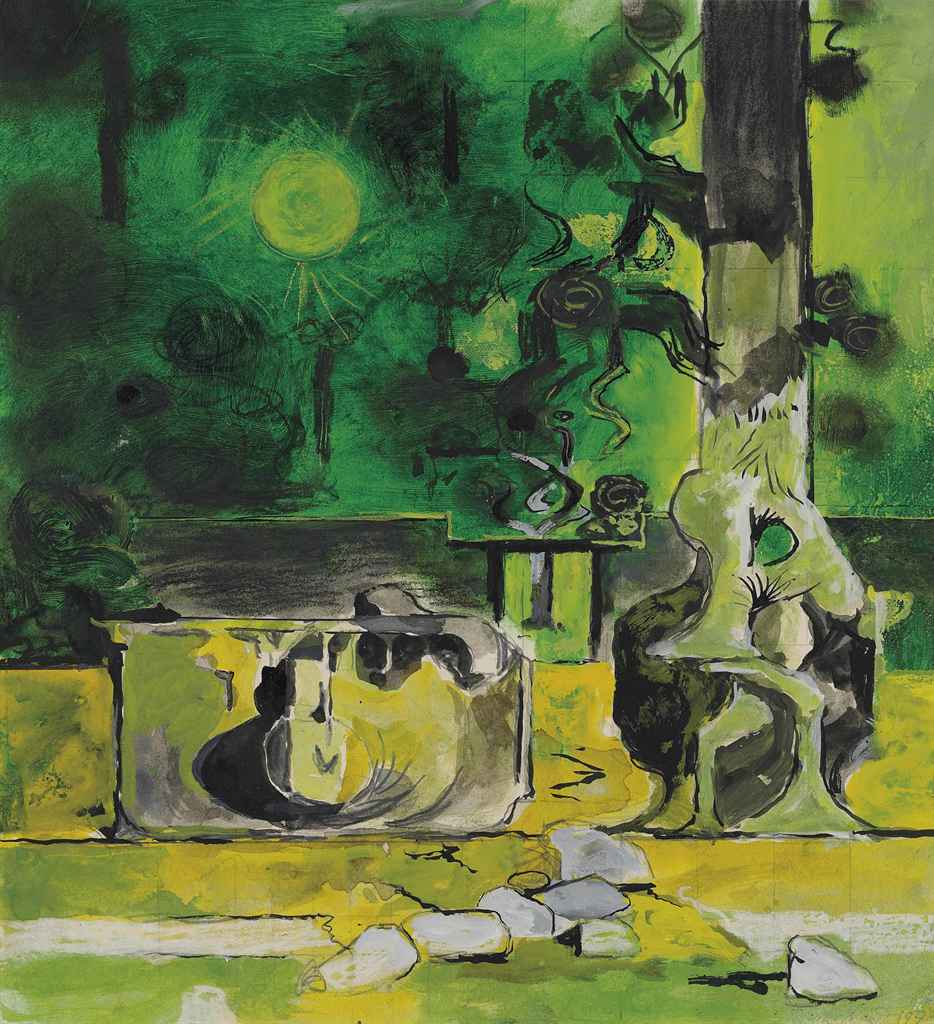
Graham Vivian Sutherland was a prolific English artist. Notable for his paintings of abstract landscapes and for his portraits of public figures, Sutherland also worked in other media, including printmaking, tapestry and glass design.


Wifredo Óscar de la Concepción Lam y Castilla, better known as Wifredo Lam, was a Cuban artist who sought to portray and revive the enduring Afro-Cuban spirit and culture. Inspired by and in contact with some of the most renowned artists of the 20th century, including Pablo Picasso, Henri Matisse, Frida Kahlo and Diego Rivera, Lam melded his influences and created a unique style, which was ultimately characterized by the prominence of hybrid figures. This distinctive visual style of his also influences many artists. Though he was predominantly a painter, he also worked with sculpture, ceramics and printmaking in his later life.