veduta
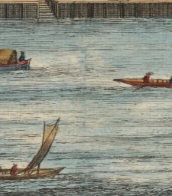
![[VENEZIA] - Veduta a volo d'uccello di Venezia. [Venice: ca. 1850/60].](/assets/image/picture_1242358/6f06d/cljnh9sy1toy3wg-3nxt6i-4h84jrpagi0mhttulo1qn1wka5laxhsdrz7hyfo1608651686jpg__fix_374_244.jpeg)
![[VENEZIA] - Veduta a volo d'uccello di Venezia. [Venice: ca. 1850/60].](https://veryimportantlot.com/assets/image/picture_1242358/6f06d/cljnh9sy1toy3wg-3nxt6i-4h84jrpagi0mhttulo1qn1wka5laxhsdrz7hyfo1608651686jpg__fix_374_244.jpeg)

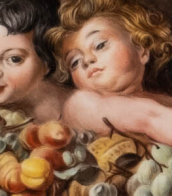



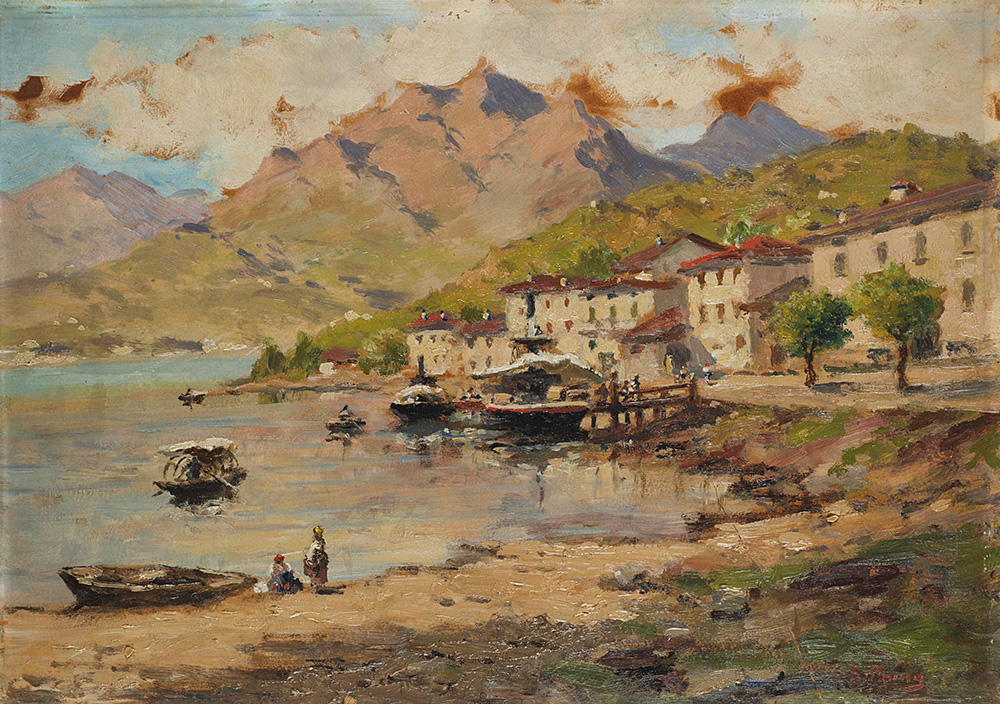
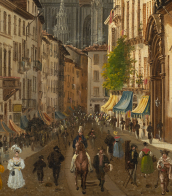


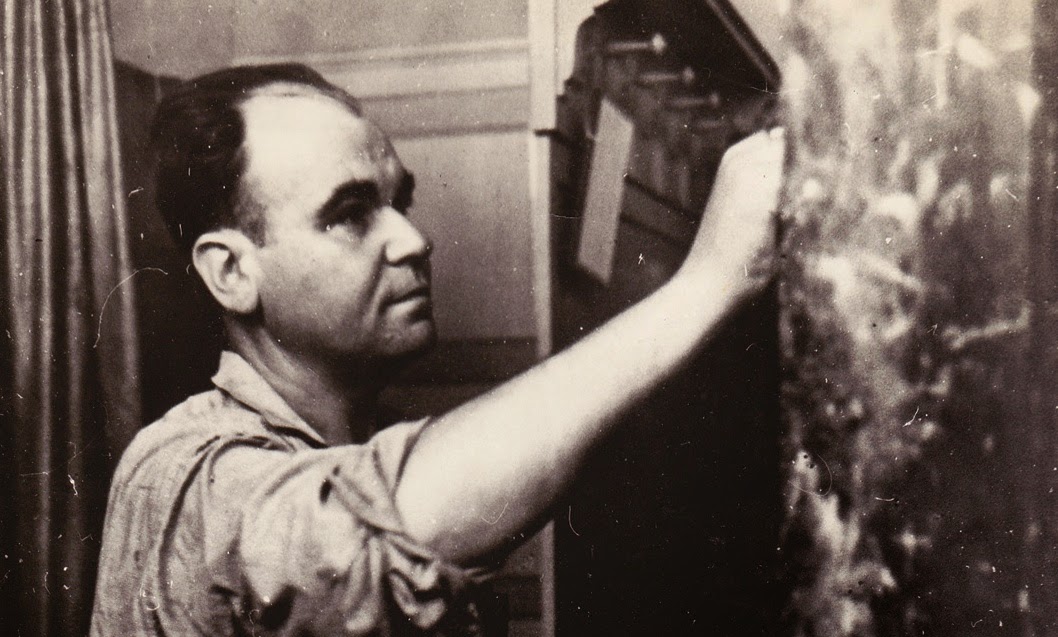
Filippo de Pisis, actually Luigi Filippo Tibertelli was an Italian painter, graphic artist, writer and poet close to the school of metaphysical painting. From 1914 he studied at the University of Bologna, where he studied literature and philosophy.
Filippo de Pisis was a painter of the Italian Novecento. He is considered a representative of Italian futurism in painting. His work is post-impressionist and partly expressive.


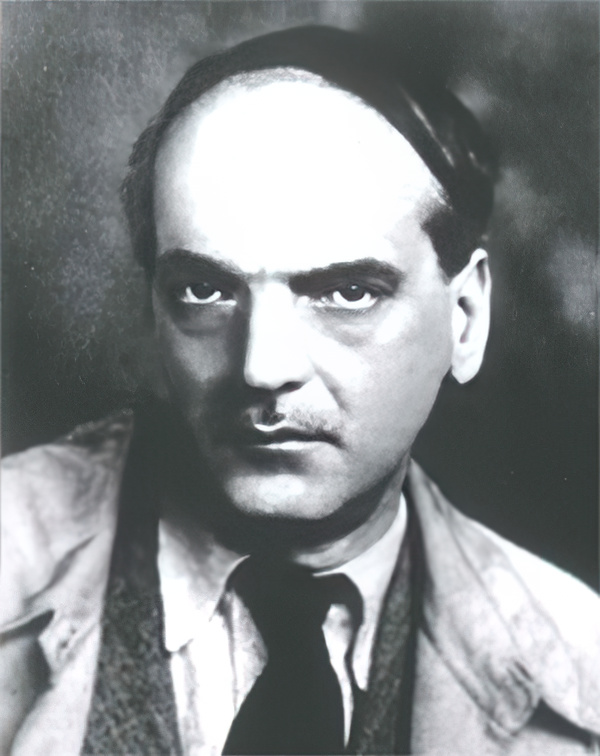
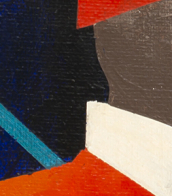
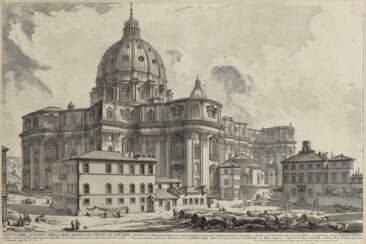

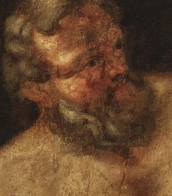
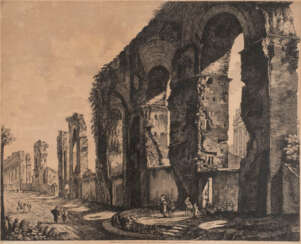



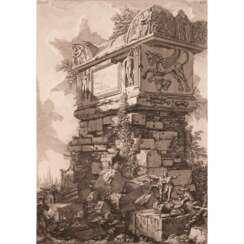

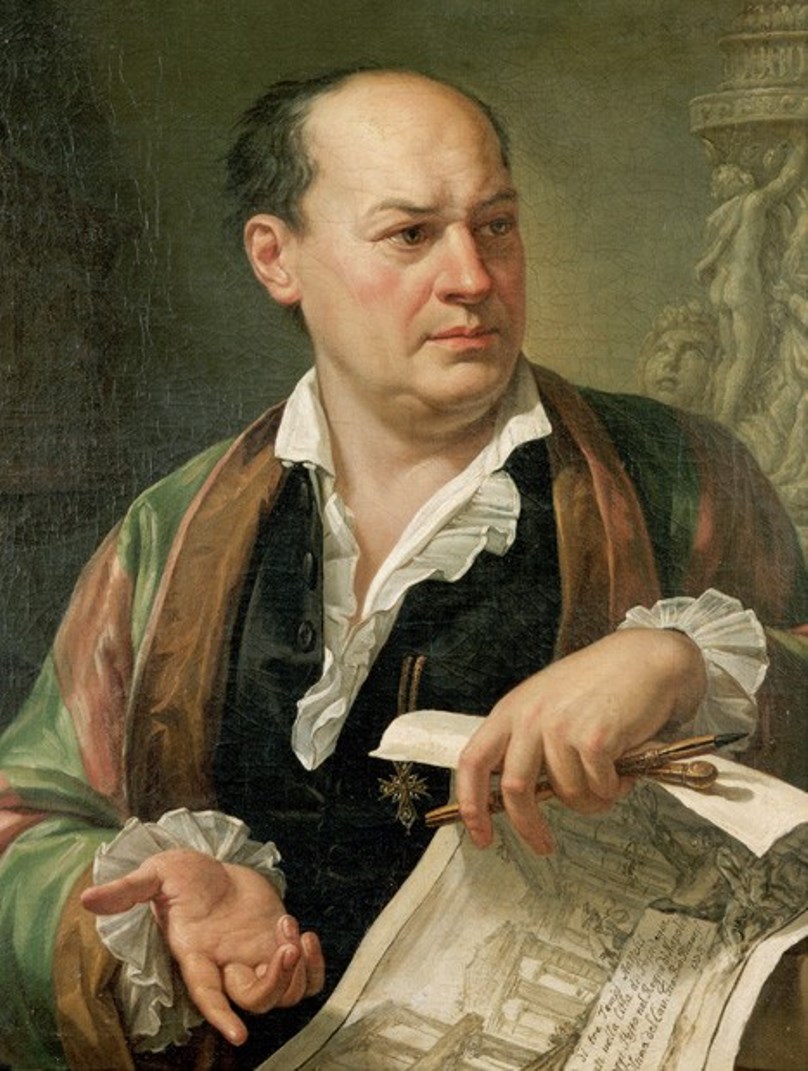
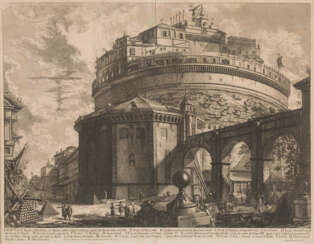
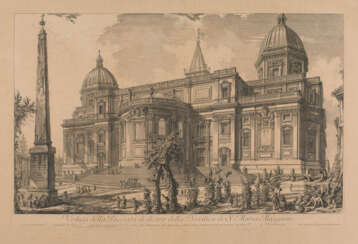
Giovanni Battista Piranesi was an 18th-century Italian painter, engraver, architect, and archaeologist who represented Neoclassicism and Romanticism. He was famous for creating a lot of original etchings with images of antique architecture monuments.
Giovanni Piranesi created hundreds of drawings and drafts in which he depicted the reconstructed ruins of ancient Roman buildings. His works are still used as teaching aids in the education of architectural students in many prestigious European universities. Piranesi periodically printed voluminous books with dozens of his own engravings depicting modified ancient architectural masterpieces - "graphic fantasies". His works were in demand among professional architects, who borrowed Piranesi's original ideas for their designs.
The peak of Piranesi's career came in the 1760s when, in recognition of his merits, he became an honorary member of the Guild of St. Luke and received from the Pope the title of Knight of the Golden Spur.
More than 700 of the master's original etchings have survived, printed in scholarly works.
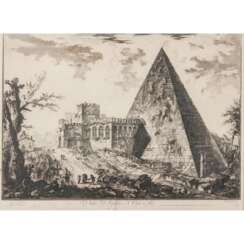

Giovanni Battista Piranesi was an 18th-century Italian painter, engraver, architect, and archaeologist who represented Neoclassicism and Romanticism. He was famous for creating a lot of original etchings with images of antique architecture monuments.
Giovanni Piranesi created hundreds of drawings and drafts in which he depicted the reconstructed ruins of ancient Roman buildings. His works are still used as teaching aids in the education of architectural students in many prestigious European universities. Piranesi periodically printed voluminous books with dozens of his own engravings depicting modified ancient architectural masterpieces - "graphic fantasies". His works were in demand among professional architects, who borrowed Piranesi's original ideas for their designs.
The peak of Piranesi's career came in the 1760s when, in recognition of his merits, he became an honorary member of the Guild of St. Luke and received from the Pope the title of Knight of the Golden Spur.
More than 700 of the master's original etchings have survived, printed in scholarly works.
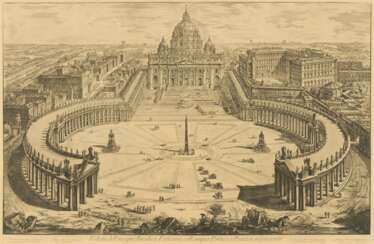

Giovanni Battista Piranesi was an 18th-century Italian painter, engraver, architect, and archaeologist who represented Neoclassicism and Romanticism. He was famous for creating a lot of original etchings with images of antique architecture monuments.
Giovanni Piranesi created hundreds of drawings and drafts in which he depicted the reconstructed ruins of ancient Roman buildings. His works are still used as teaching aids in the education of architectural students in many prestigious European universities. Piranesi periodically printed voluminous books with dozens of his own engravings depicting modified ancient architectural masterpieces - "graphic fantasies". His works were in demand among professional architects, who borrowed Piranesi's original ideas for their designs.
The peak of Piranesi's career came in the 1760s when, in recognition of his merits, he became an honorary member of the Guild of St. Luke and received from the Pope the title of Knight of the Golden Spur.
More than 700 of the master's original etchings have survived, printed in scholarly works.


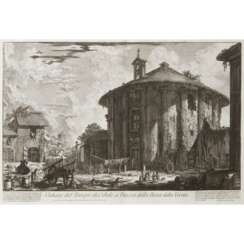

Giovanni Battista Piranesi was an 18th-century Italian painter, engraver, architect, and archaeologist who represented Neoclassicism and Romanticism. He was famous for creating a lot of original etchings with images of antique architecture monuments.
Giovanni Piranesi created hundreds of drawings and drafts in which he depicted the reconstructed ruins of ancient Roman buildings. His works are still used as teaching aids in the education of architectural students in many prestigious European universities. Piranesi periodically printed voluminous books with dozens of his own engravings depicting modified ancient architectural masterpieces - "graphic fantasies". His works were in demand among professional architects, who borrowed Piranesi's original ideas for their designs.
The peak of Piranesi's career came in the 1760s when, in recognition of his merits, he became an honorary member of the Guild of St. Luke and received from the Pope the title of Knight of the Golden Spur.
More than 700 of the master's original etchings have survived, printed in scholarly works.
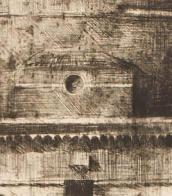




Giovanni Battista Piranesi was an 18th-century Italian painter, engraver, architect, and archaeologist who represented Neoclassicism and Romanticism. He was famous for creating a lot of original etchings with images of antique architecture monuments.
Giovanni Piranesi created hundreds of drawings and drafts in which he depicted the reconstructed ruins of ancient Roman buildings. His works are still used as teaching aids in the education of architectural students in many prestigious European universities. Piranesi periodically printed voluminous books with dozens of his own engravings depicting modified ancient architectural masterpieces - "graphic fantasies". His works were in demand among professional architects, who borrowed Piranesi's original ideas for their designs.
The peak of Piranesi's career came in the 1760s when, in recognition of his merits, he became an honorary member of the Guild of St. Luke and received from the Pope the title of Knight of the Golden Spur.
More than 700 of the master's original etchings have survived, printed in scholarly works.



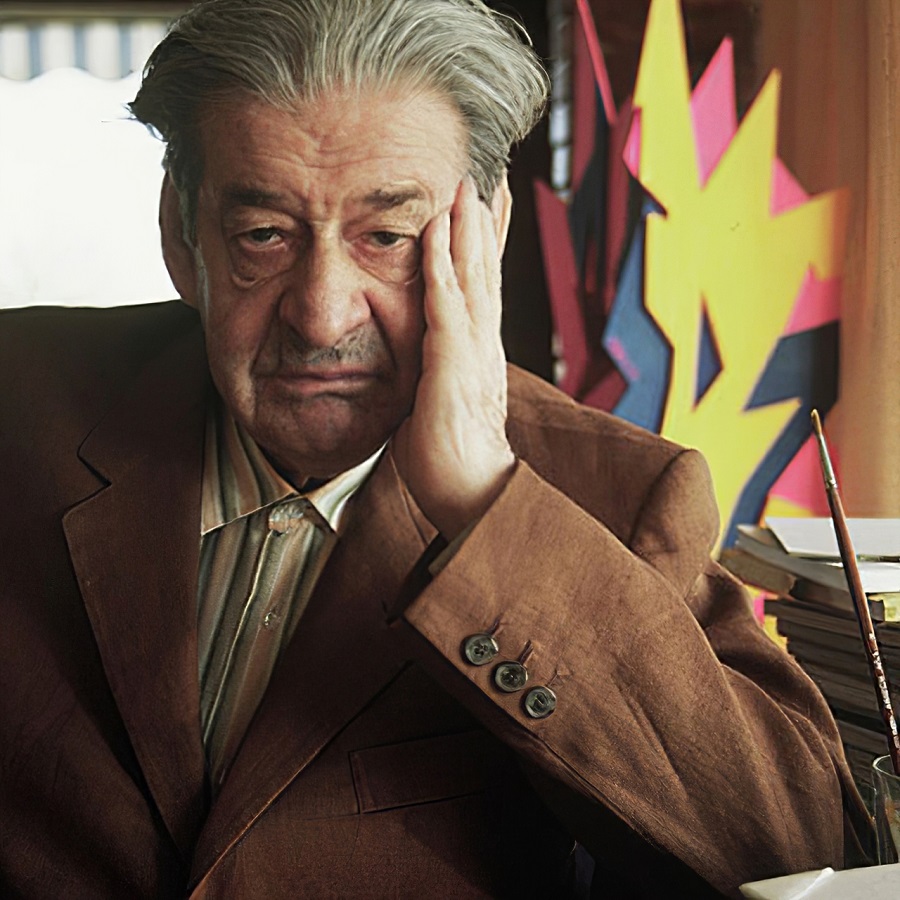
Giulio Turcato was an influential Italian painter, recognized for his contributions to both figurative and abstract expressionist art. Born in Mantua in 1912, Turcato's early artistic journey led him to the Accademia di Belle Arti di Venezia. His career path took him through various Italian cities, culminating in a significant move to Rome in 1943, where he immersed himself in the Resistance and the Communist Party.
Giulio Turcato's work, characterized by a unique blend of political engagement and artistic innovation, stood at the crossroads of critical movements and artistic groups of his time. He was a key member of Forma 1, a group advocating Marxist-leaning abstract art, and the Fronte Nuovo delle Arti. His reluctance to fully embrace either politically engaged art or formalist abstraction marked him as a distinctive voice in the Italian art scene.
His artistic oeuvre includes participating in the Venice Biennale and showcasing his work at prominent venues such as the MoMA in New York and the Staatsgalerie Moderner Kunst in Munich. Turcato's exploration of materials, evident in his "Lunar Surfaces" series, showcased his innovative approach, incorporating elements like sand and foam to create textured, dynamic compositions.
For art collectors and enthusiasts, Giulio Turcato's work offers a deep dive into a pivotal moment in Italian art history, reflecting a complex interplay of political, social, and artistic narratives. To stay updated on new sales and auction events related to Giulio Turcato's art, consider signing up for updates, ensuring you remain informed about opportunities to engage with the legacy of this pivotal artist.


Giulio Turcato was an influential Italian painter, recognized for his contributions to both figurative and abstract expressionist art. Born in Mantua in 1912, Turcato's early artistic journey led him to the Accademia di Belle Arti di Venezia. His career path took him through various Italian cities, culminating in a significant move to Rome in 1943, where he immersed himself in the Resistance and the Communist Party.
Giulio Turcato's work, characterized by a unique blend of political engagement and artistic innovation, stood at the crossroads of critical movements and artistic groups of his time. He was a key member of Forma 1, a group advocating Marxist-leaning abstract art, and the Fronte Nuovo delle Arti. His reluctance to fully embrace either politically engaged art or formalist abstraction marked him as a distinctive voice in the Italian art scene.
His artistic oeuvre includes participating in the Venice Biennale and showcasing his work at prominent venues such as the MoMA in New York and the Staatsgalerie Moderner Kunst in Munich. Turcato's exploration of materials, evident in his "Lunar Surfaces" series, showcased his innovative approach, incorporating elements like sand and foam to create textured, dynamic compositions.
For art collectors and enthusiasts, Giulio Turcato's work offers a deep dive into a pivotal moment in Italian art history, reflecting a complex interplay of political, social, and artistic narratives. To stay updated on new sales and auction events related to Giulio Turcato's art, consider signing up for updates, ensuring you remain informed about opportunities to engage with the legacy of this pivotal artist.



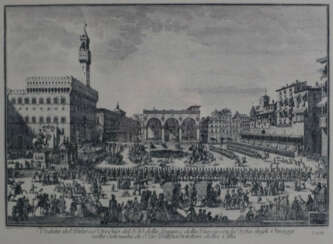

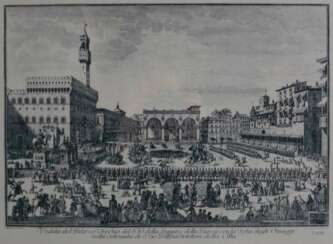


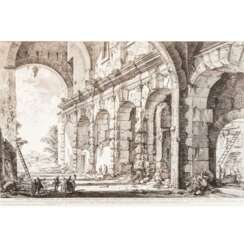

Giovanni Battista Piranesi was an 18th-century Italian painter, engraver, architect, and archaeologist who represented Neoclassicism and Romanticism. He was famous for creating a lot of original etchings with images of antique architecture monuments.
Giovanni Piranesi created hundreds of drawings and drafts in which he depicted the reconstructed ruins of ancient Roman buildings. His works are still used as teaching aids in the education of architectural students in many prestigious European universities. Piranesi periodically printed voluminous books with dozens of his own engravings depicting modified ancient architectural masterpieces - "graphic fantasies". His works were in demand among professional architects, who borrowed Piranesi's original ideas for their designs.
The peak of Piranesi's career came in the 1760s when, in recognition of his merits, he became an honorary member of the Guild of St. Luke and received from the Pope the title of Knight of the Golden Spur.
More than 700 of the master's original etchings have survived, printed in scholarly works.
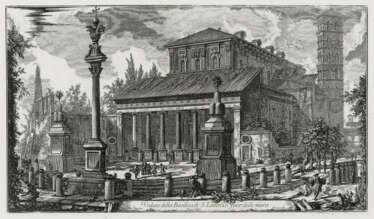

Giovanni Battista Piranesi was an 18th-century Italian painter, engraver, architect, and archaeologist who represented Neoclassicism and Romanticism. He was famous for creating a lot of original etchings with images of antique architecture monuments.
Giovanni Piranesi created hundreds of drawings and drafts in which he depicted the reconstructed ruins of ancient Roman buildings. His works are still used as teaching aids in the education of architectural students in many prestigious European universities. Piranesi periodically printed voluminous books with dozens of his own engravings depicting modified ancient architectural masterpieces - "graphic fantasies". His works were in demand among professional architects, who borrowed Piranesi's original ideas for their designs.
The peak of Piranesi's career came in the 1760s when, in recognition of his merits, he became an honorary member of the Guild of St. Luke and received from the Pope the title of Knight of the Golden Spur.
More than 700 of the master's original etchings have survived, printed in scholarly works.
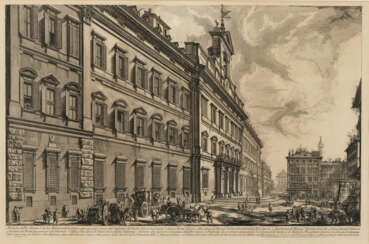

Giovanni Battista Piranesi was an 18th-century Italian painter, engraver, architect, and archaeologist who represented Neoclassicism and Romanticism. He was famous for creating a lot of original etchings with images of antique architecture monuments.
Giovanni Piranesi created hundreds of drawings and drafts in which he depicted the reconstructed ruins of ancient Roman buildings. His works are still used as teaching aids in the education of architectural students in many prestigious European universities. Piranesi periodically printed voluminous books with dozens of his own engravings depicting modified ancient architectural masterpieces - "graphic fantasies". His works were in demand among professional architects, who borrowed Piranesi's original ideas for their designs.
The peak of Piranesi's career came in the 1760s when, in recognition of his merits, he became an honorary member of the Guild of St. Luke and received from the Pope the title of Knight of the Golden Spur.
More than 700 of the master's original etchings have survived, printed in scholarly works.