vegetables





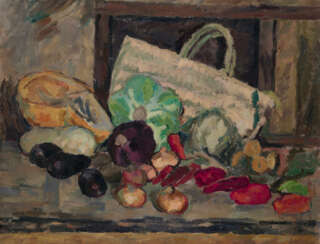

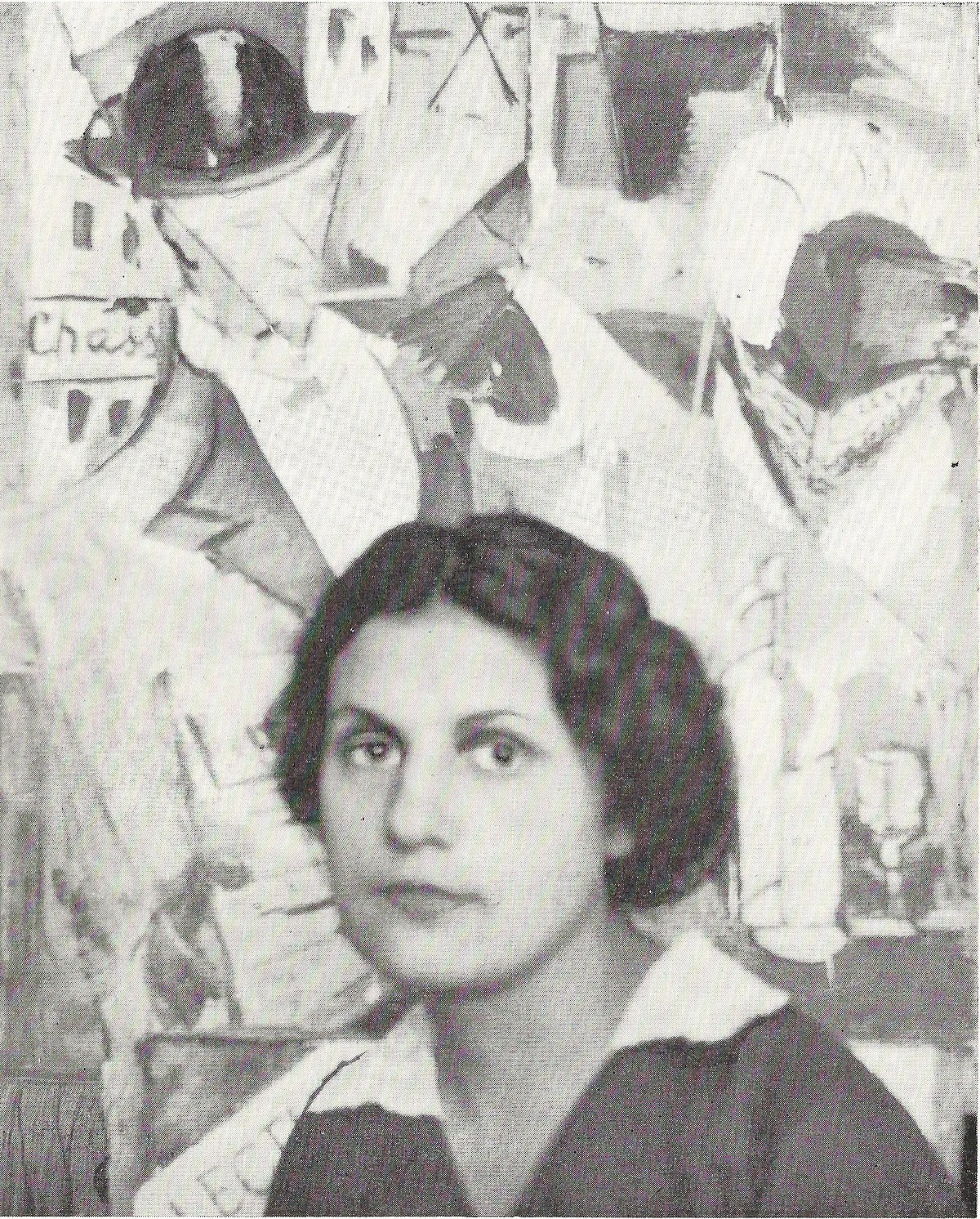
Nadezhda Andreevna Udaltsova (Russian: Наде́жда Андре́евна Удальцо́ва) was a Russian avant-garde artist known for her contributions to Cubism and Suprematism and her participation in the avant-garde movement of pre-revolutionary Russia. Udaltsova was born into an officer's family in Orel, western Russia, on December 29, 1886, and died on January 25, 1961, in Moscow, USSR. Udaltsova was deeply influenced by French Cubism, which she encountered in the art collection of Sergei Shchukin. This encounter was a decisive turning point in her artistic path, leading her to post-impressionism and then to avant-garde art forms.
After the 1917 revolution, her art was recognized by the new regime. Udaltsova played a significant role in education, as a professor and senior lecturer at VKhUTEMAS, the Higher Art and Technical Workshops, and a member of the Institute of Artistic Culture (Inhuk). Despite hardships, including the NKVD's execution of her husband Alexander Drevin in 1938, and becoming persona non grata in Soviet art circles, she continued her artistic endeavors, holding a solo exhibition in 1945 and participating in a group exhibition in 1958.
Udaltsova's legacy is remarkable not only for her artistic achievements, but also for the challenges she overcame. Her work is in prestigious collections, including the Museum of Modern Art (MoMA), attesting to her indelible impact on the art world.
For those interested in learning more about Nadezhda Andreevna Udaltsova's work and life, it will be helpful to visit the museums that house her works or subscribe to our newsletters about exhibitions and auctions featuring her art. This will allow a deeper understanding of this remarkable artist's contribution to the avant-garde movement and the art world in general.









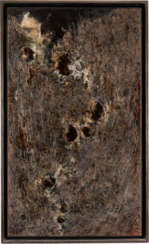



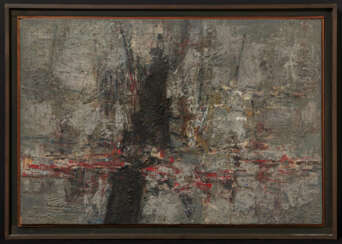

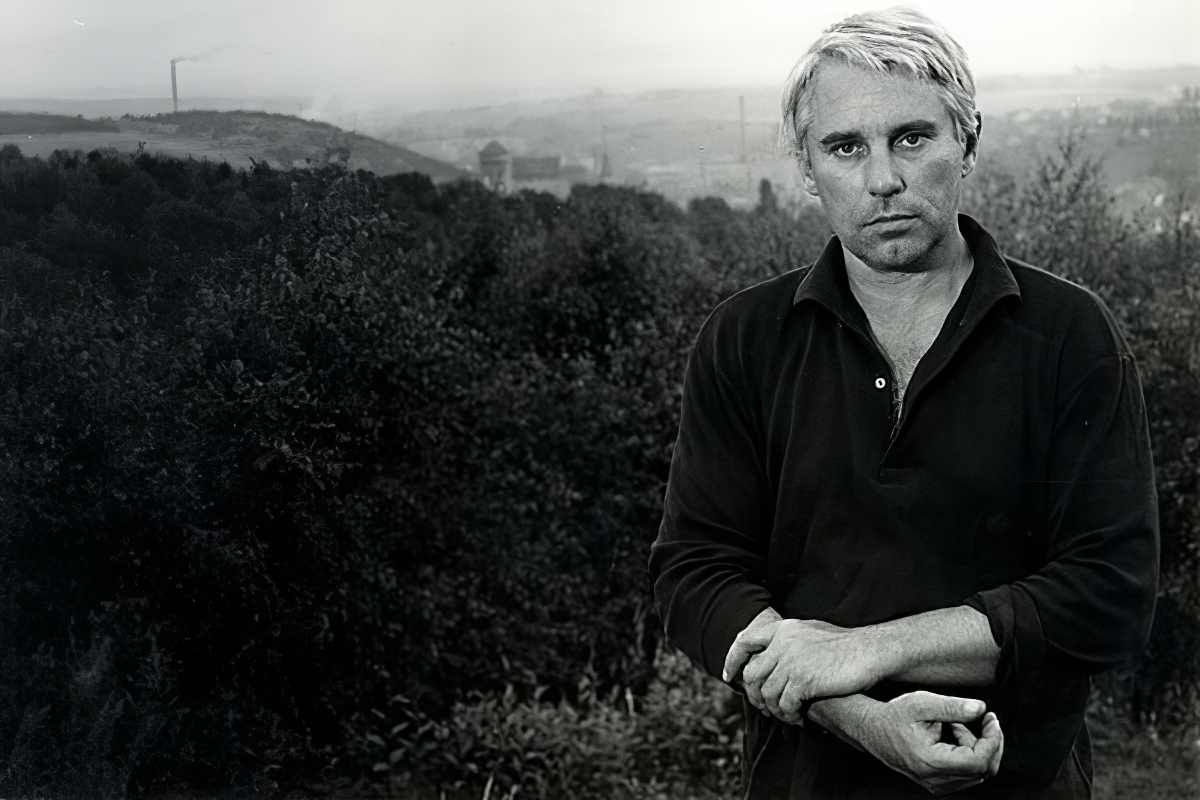
Karl Fred Dahmen is a German artist, one of the most important representatives of German post-war art and the Informel movement. In 1967 he took up the post of Professor of Fine Arts at the Munich Academy.
He painted expressive abstract pictures with a tectonic structure, and since the mid-1950s, relief paintings and collages on the damage to the local landscape caused by open-pit mining. Later in Dahmen's oeuvre, glazed object boxes appear, recounting the impressions of his daily working life.









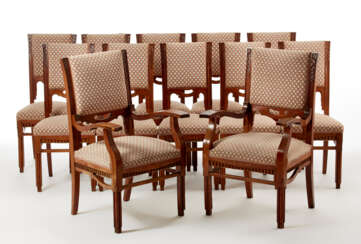







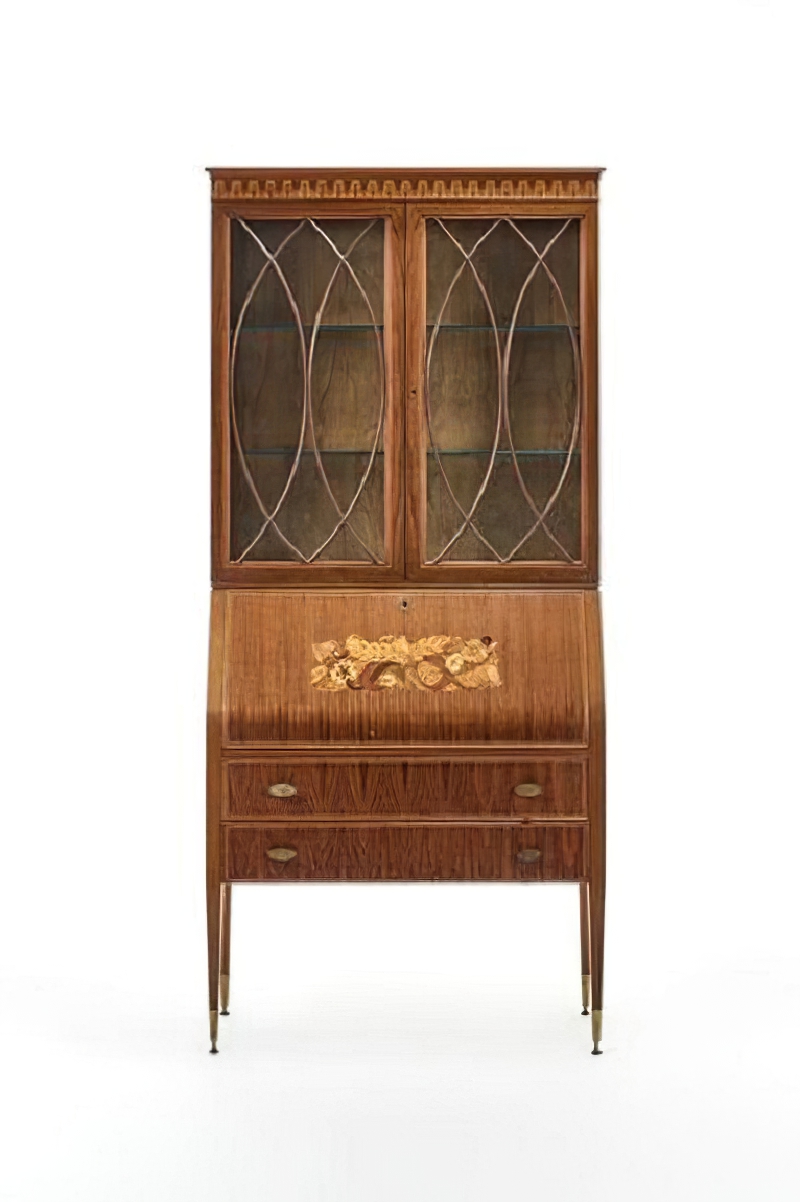
Paolo Buffa was an Italian architect and furniture designer.