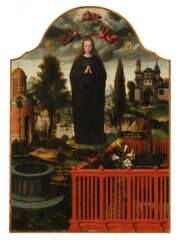
virgin
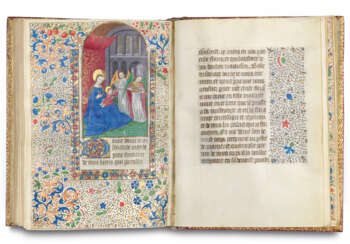

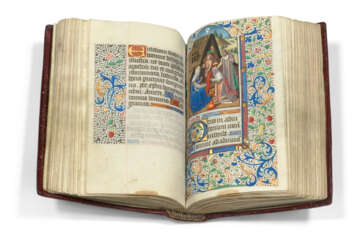

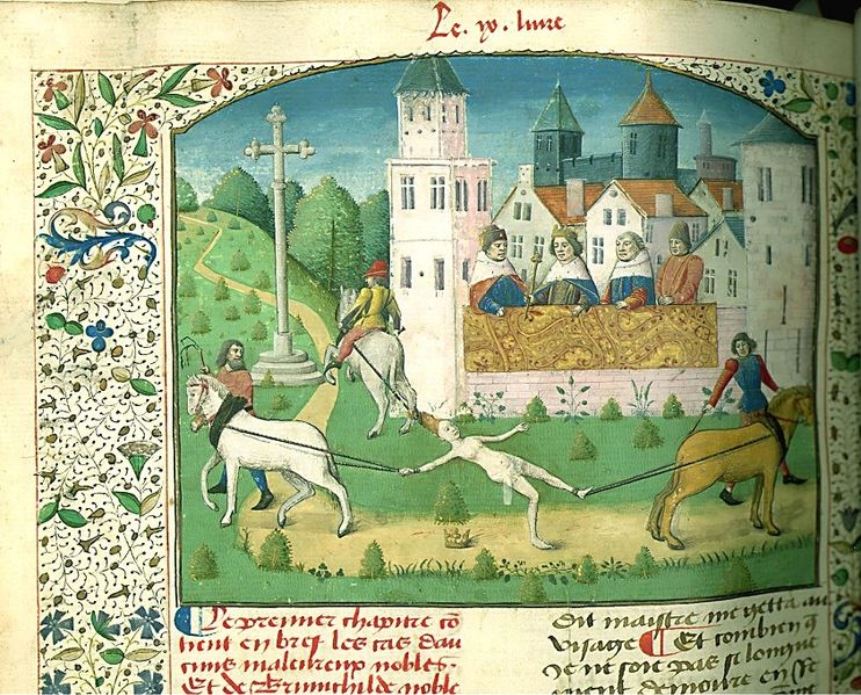
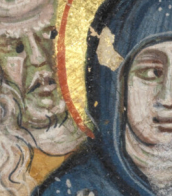
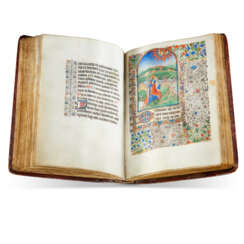
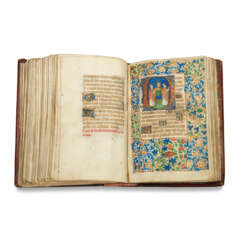
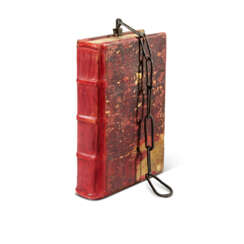
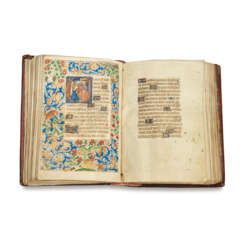
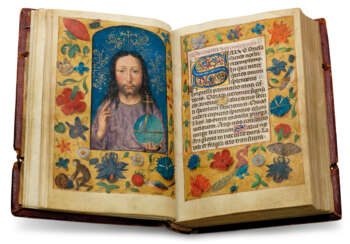
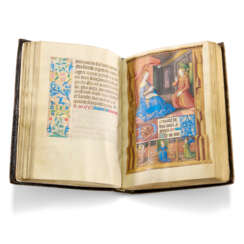
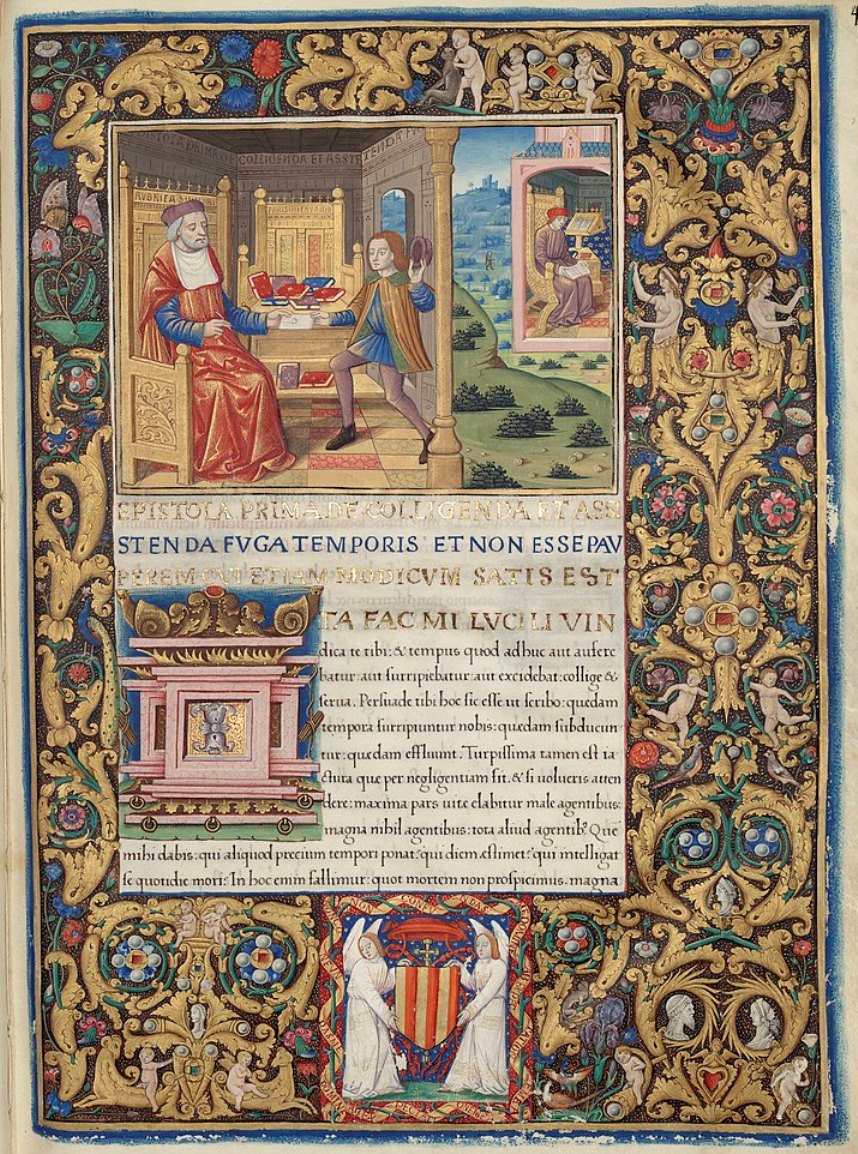
Maître François was a French illustrator who worked in Paris in the 1460s-1480s.
The identity of Maître François as an artist is first mentioned in a letter written by Robert Gauguin in 1473. Most of the prestigious commissions from the court and leading ecclesiastical figures of the time were carried out in François' studio. In Paris in the second half of the fifteenth century, one can trace the predominant style of illumination by the works of Master Jean Rolin, Maître François, and Master Jacques de Besançon. Bibliophiles close to the royal court encouraged the work of miniaturists through private commissions. In particular, Jacques d'Armagnac owned six manuscripts of Maitre Francois and his entourage.
Boccaccio's De casibus virorum illustrium was very popular in the 15th century, where the author retells the fates and downfalls of famous personalities from the Bible, antiquity and medieval history, ending with Boccaccio's own contemporaries in 14th-century Florence. For a long time this book was even more famous and successful than Boccaccio's Decameron. The text was translated into French in 1409 for Jean, Duke de Berry, by his secretary Laurent Premieffe. And the illustrations for the book were later created in the workshop of the then respected Maître François.
















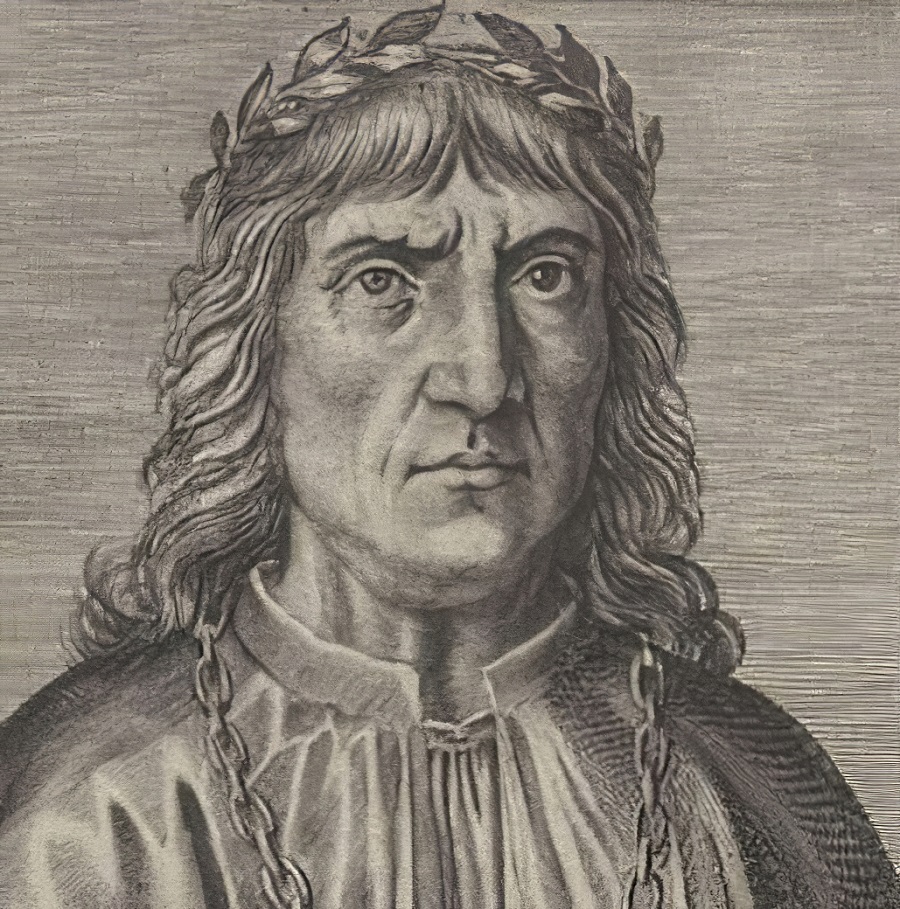
Andrea Mantegna was an Italian painter and engraver, celebrated as the first fully Renaissance artist of northern Italy. Born in 1431 near Vicenza, Mantegna emerged from Francesco Squarcione's Paduan school, distinguishing himself early on with his mastery in painting and his innovative use of perspective. His departure from Squarcione's workshop at a young age to establish his own marked the beginning of a prolific career that would influence the course of Renaissance art.
Mantegna's work is renowned for its dramatic use of perspective and detail, which he applied with meticulous care to both religious subjects and classical themes. His groundbreaking fresco cycle in the Ovetari Chapel, though largely destroyed during WWII, showcased his early mastery of perspective, a technique that would become a hallmark of his style. This early work helped establish his reputation, leading to significant commissions such as the Camera degli Sposi in Mantua's Ducal Palace, completed in 1474, which delighted visitors with its illusionistic space and detailed portraits of the Gonzaga family.
One of his most famous works, the Triumph of Caesar, consists of a series of nine canvases that depict Julius Caesar's victorious return to Rome. These panels, celebrated for their detailed portrayal of the Roman triumph, are now housed in Hampton Court Palace in London. Mantegna's meticulous attention to classical detail and his ability to convey narrative through art have made these works stand out in the history of Renaissance painting.
His exploration of perspective reached a zenith in works such as the Lamentation of Christ, where the use of foreshortening to depict Christ's body laid out for the viewer demonstrated Mantegna's skill in manipulating visual perception for dramatic effect. This piece, along with other later works like the Madonna of Victory and the paintings for Isabella d'Este's private chambers, showcase Mantegna's continuous evolution as an artist and his influence on subsequent generations.
Mantegna's legacy extends beyond his paintings; his engravings were highly valued for their detail and technical execution, influencing artists such as Albrecht Dürer. His draughtsmanship and innovative compositions in both painting and engraving marked a significant contribution to the Italian Renaissance, blending classical themes with the emerging humanist philosophy of the time.
For collectors and experts in art and antiques, Mantegna's works offer a fascinating insight into the transition from medieval to Renaissance art, characterized by an increased emphasis on humanism, perspective, and a revival of classical antiquity. His paintings and engravings not only depict the cultural and intellectual zeitgeist of his era but also demonstrate his technical prowess and creative vision.
To stay informed about new discoveries and upcoming auction events related to Andrea Mantegna's works, signing up for updates is highly recommended. This subscription ensures that enthusiasts are always in the loop regarding sales and exhibitions featuring the magnificent works of this Renaissance master.
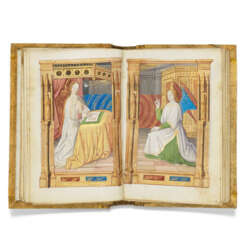

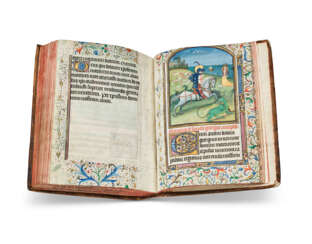
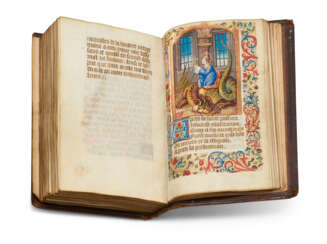
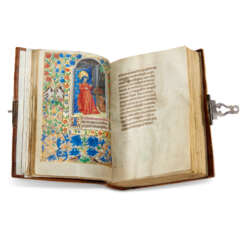
Robert Boyvin was a French illuminator who worked in Rouen between 1480 and 1536.
Robert came from the Boyvin family of booksellers, known since the early 15th century. He was part of a group of illuminators along with Jean Pichord, Jean Serpen, Etienne du Monstier and Nicolas Hisse.
Boyvin produced more than 80 surviving manuscripts, most of which were books of hours, and his style had a great influence on the Rouen workshops. From 1530, Boyvin also made some jewelry for Cardinal Georges d'Amboise.

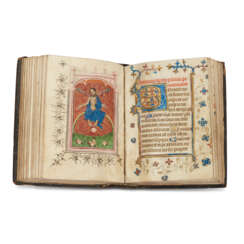

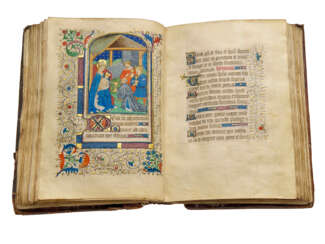




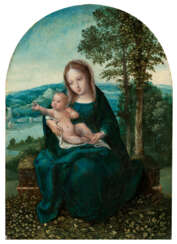

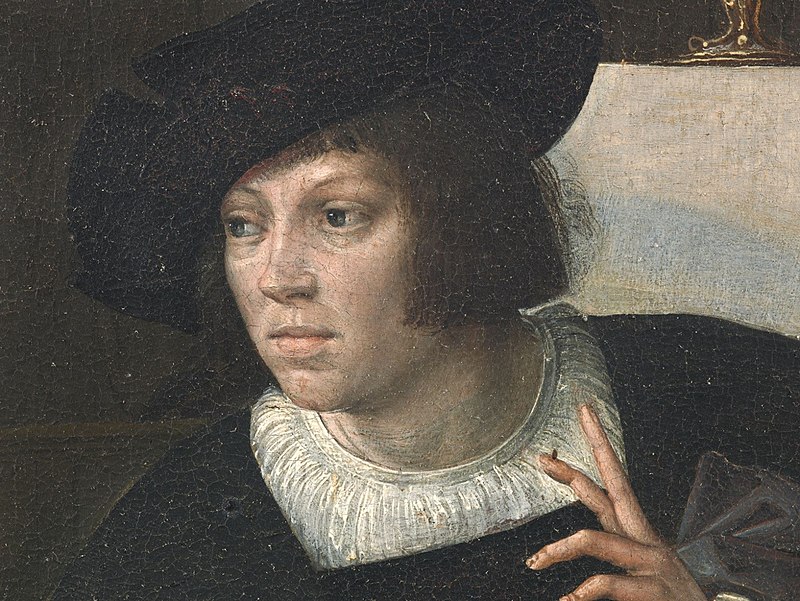
Bernard van Orley was a versatile Flemish artist and representative of Dutch and Flemish Renaissance painting, who was equally active as a designer of tapestries and, at the end of his life, stained glass. Although he never visited Italy, he belongs to the group of Italianizing Flemish painters called the Romanists, who were influenced by Italian Renaissance painting, in his case especially by Raphael.

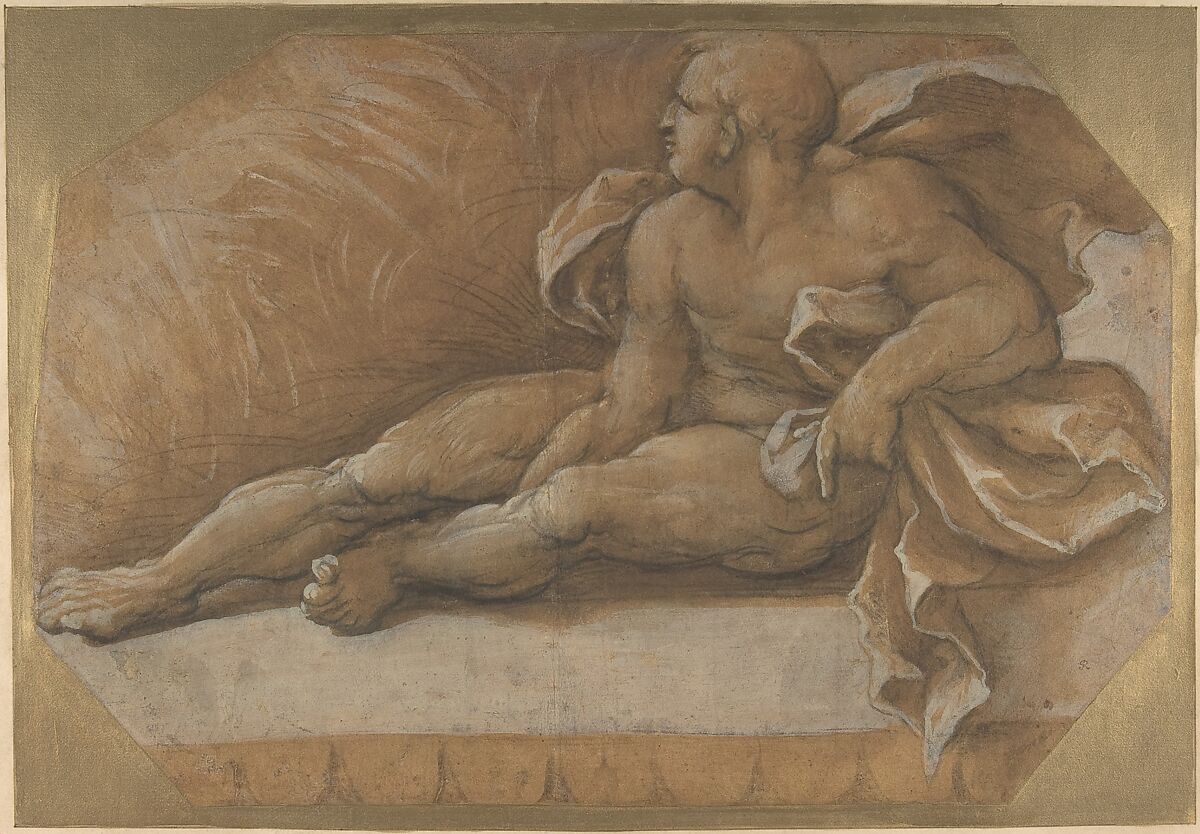
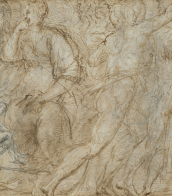
Amico Aspertini was an Italian Renaissance painter, draughtsman, and sculptor, considered one of the leading representatives of the Bolognese school of painting.
He was trained in the family workshop and was influenced by the artists of the Ferrara school, Ercole de'Roberti, Lorenzo Costa, and Francesco Francia. He worked as a painter and sculptor, and was also an excellent draughtsman, as evidenced by his many surviving drawings and sketches. Contemporaries marveled at his complex and impulsive character and noted that he worked with both hands simultaneously.
Aspertini painted splendid portraits as well as numerous frescoes and altarpiece paintings in chapels and churches in Italy. Many of his works are eccentric and eclectic, even whimsically fantastical, his complex style anticipating Mannerism.