what is a patsy
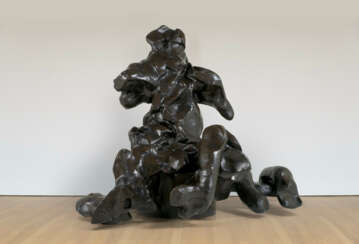

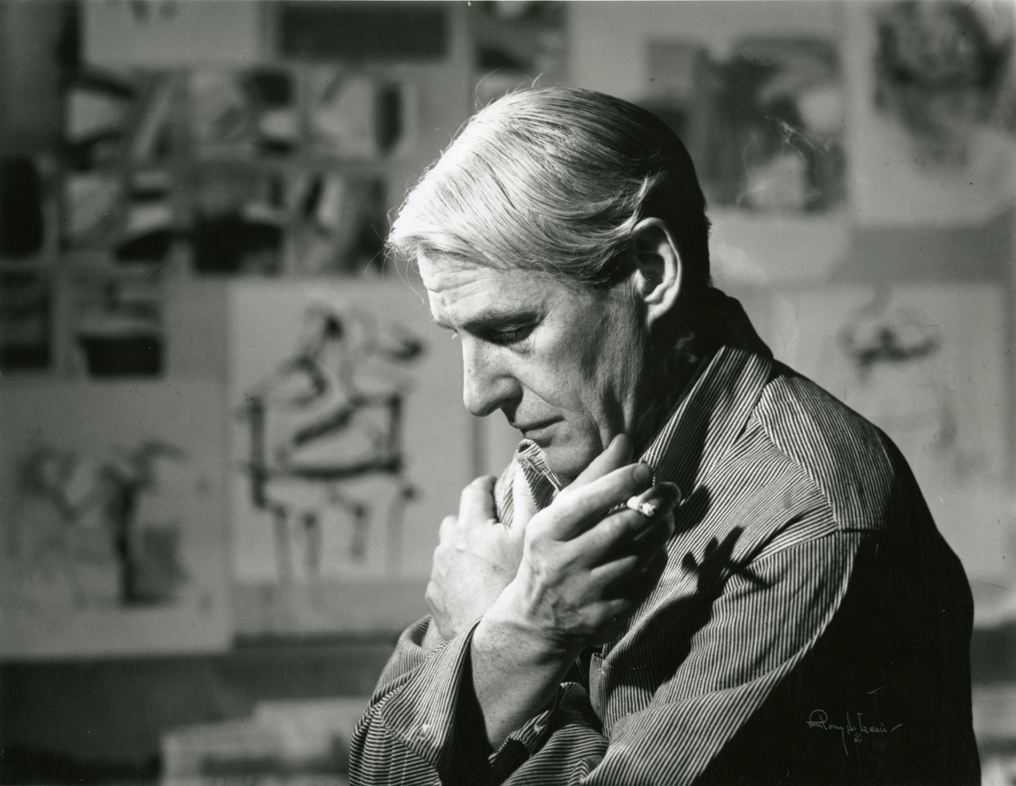
Willem de Kooning was a Dutch-American abstract expressionist painter. Born in Rotterdam, Netherlands, he moved to the United States in 1926, becoming a U.S. citizen in 1962. He was a leading figure in the Abstract Expressionism movement, known for his dramatic and often energetic style. He gained prominence between 1948 and 1953, creating some of his most iconic works, including the Woman series.
De Kooning's paintings combined abstraction with elements of Cubism, Surrealism, and Expressionism. His style evolved over time, with works that ranged from figurative to more abstract pieces. Among his most notable works are "Woman I" (1950-52) and "Excavation" (1950), which reflect his unique approach to painting, characterized by vigorous brushstrokes, bold colors, and complex textures.
Despite his success, de Kooning faced challenges, including personal struggles with alcoholism and deteriorating health due to Alzheimer's disease in his later years. His artwork has had a lasting impact on modern art, and his pieces can be found in major museums and galleries worldwide, such as the Museum of Modern Art (MoMA) and the Smithsonian American Art Museum.
Stay updated on new releases and auction events featuring works by Willem de Kooning by signing up for our exclusive email notifications. Get insider information and never miss a chance to add to your art collection.
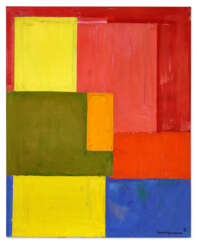

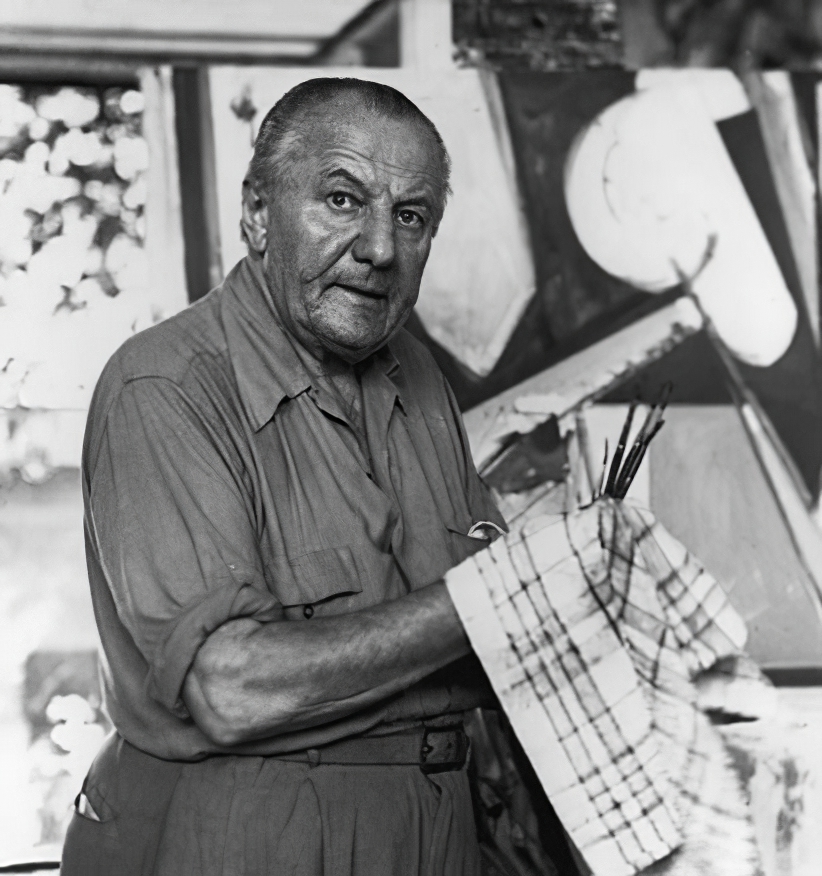
Hans Hofmann, a German-American painter, stands as a towering figure in the 20th-century art world, celebrated for his vibrant contributions to abstract expressionism. Born in Germany in 1880, Hofmann's journey in art took him across continents, from Europe to the United States, where his innovative teaching methods and bold, color-filled canvases left an indelible mark on generations of artists. His unique approach to painting, characterized by a dynamic interplay of color and form, helped bridge the gap between the European modernist traditions and the emerging American abstract art scene.
Hofmann's work is distinguished by its intense color palettes and the technique he termed "push and pull," which refers to the careful balance of color and shape to create depth and movement within the canvas. This technique not only showcased his mastery over the medium but also influenced the development of abstract expressionism, making Hofmann a pivotal figure among his contemporaries. His paintings, such as "The Gate" (1959-60), exemplify this approach and are celebrated in prestigious museums worldwide, including the Museum of Modern Art in New York and the San Francisco Museum of Modern Art.
Beyond his personal contributions as an artist, Hofmann was an esteemed educator, guiding the next generation of artists through his schools in New York and Provincetown. His teaching philosophy emphasized the importance of understanding the fundamental elements of art—color, form, and space—and their interrelation, which he believed was key to achieving harmony and expression in painting.
For collectors and experts in art and antiques, Hans Hofmann's works represent not just significant artistic achievements but also valuable pieces of cultural history. His paintings and teachings continue to inspire and influence the art world, making his pieces highly sought after in galleries and auctions.
We invite you to sign up for updates on new product sales and auction events related to Hans Hofmann. This subscription is your gateway to owning a piece of art history, ensuring you're informed of the latest opportunities to add to your collection. Join us in celebrating the legacy of a master whose work transcends time and continues to dazzle the art world.