what is app










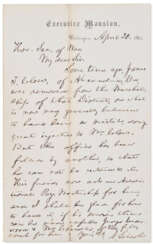

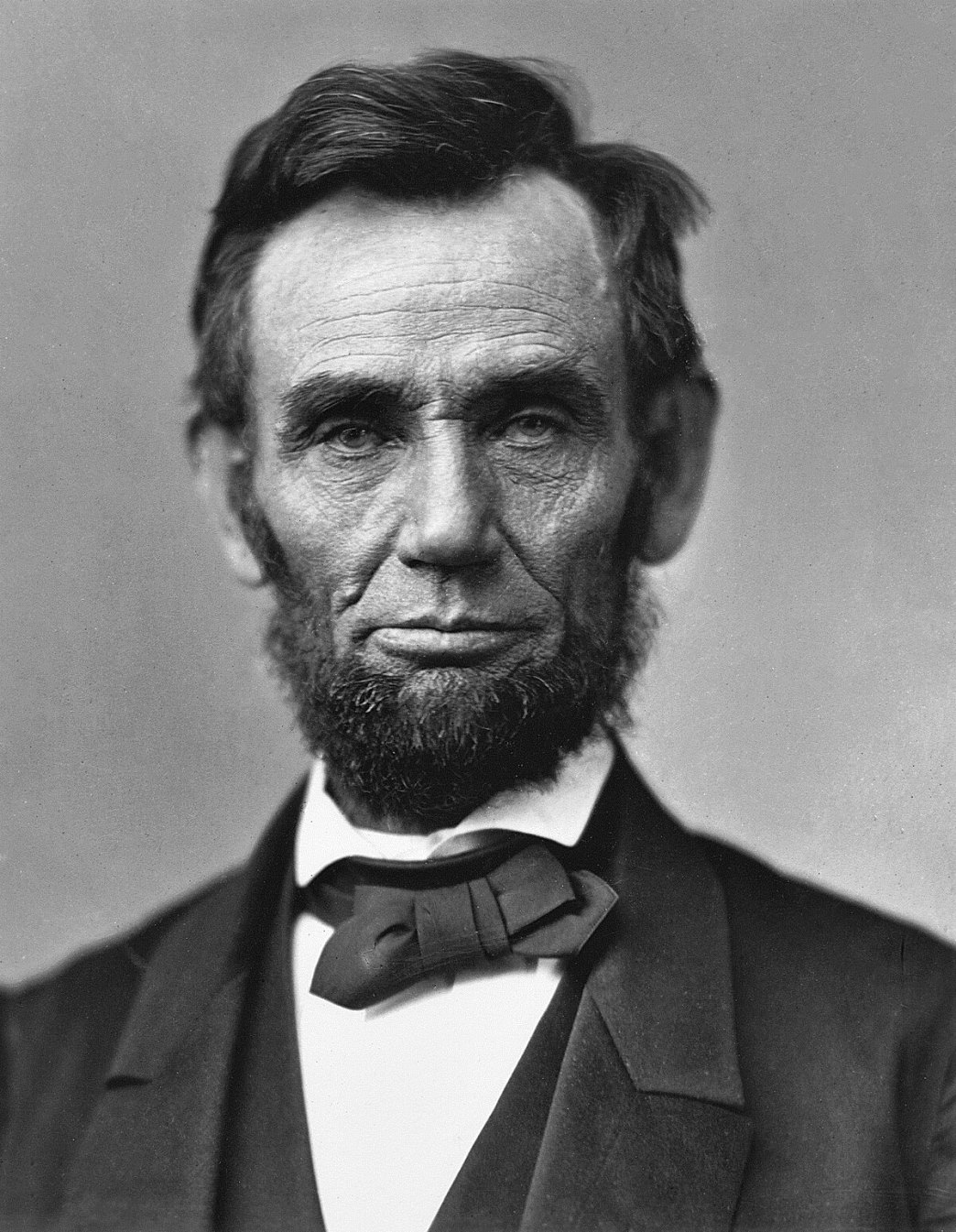
Abraham Lincoln was an American statesman and politician, the 16th President of the United States (March 4, 1861 - April 15, 1865).
The son of a frontiersman and a Kentucky farmer, Lincoln worked hard from an early age and struggled to learn. He was a militiaman in the Indian War, practiced law, and sat in the Illinois legislature for eight years. He was an opponent of slavery and gradually gained a national reputation that earned him victory in the 1860 presidential election.
After becoming the 16th president of the United States, Abraham Lincoln turned the Republican Party into a strong national organization. In addition, he drew most Northern Democrats to the Union side. On January 1, 1863, he issued the Emancipation Proclamation, which declared permanently free those slaves who were in Confederate territory. Lincoln considered secession illegal and was prepared to use force to defend federal law and the Union. Four more slave states joined the Confederacy, but four remained in the Union, and the Civil War of 1861-1865 began.
Lincoln personally directed the military action that led to victory over the Confederacy. Abraham Lincoln was reelected in 1864, and on April 14, 1865, he was fatally shot at Ford's Theatre in Washington, D.C. by actor John Wilkes Booth.
Abraham Lincoln is a national hero of the American people, he is considered one of the best and most famous presidents of the United States until today.



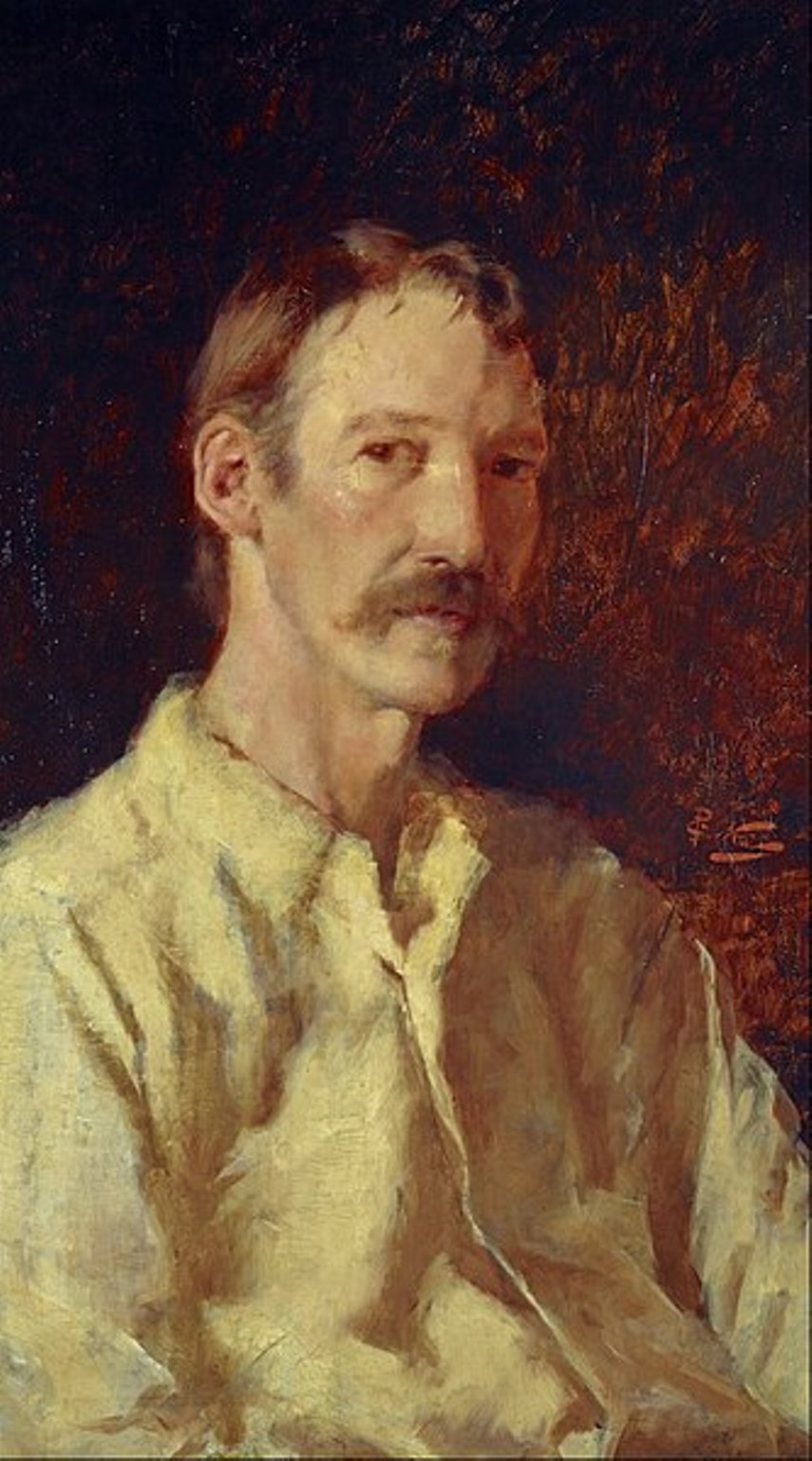
Robert Louis Stevenson, born Robert Lewis Balfour Stevenson, was a Scottish poet and writer, a major exponent of Neo-Romanticism.
He began studying engineering at the University of Edinburgh, but later began to study law. However, he was fascinated by literature, and already during his studies the student printed in periodicals. Stevenson was an avid traveler and also published several books about his travels. In 1881, he began serializing pirate stories, which were formalized into a book, Treasure Island, in 1883. The book became an instant bestseller. Next were adventure novels "Kidnapped" (1886), "The Strange Case of Dr. Jekyll and Mr. Hyde" (1886), "The Master of Ballantrae" (1889) and others, as well as many novels and short stories, ballads.
Robert Lewis Stevenson was very sickly from early childhood, and readers would not have guessed that he wrote his most exciting adventures while nearly bedridden. He died at the age of 44 from a cerebral hemorrhage. And Treasure Island remains one of the greatest and most popular adventure novels in the English language. It has been translated, reprinted and screened around the world many times.



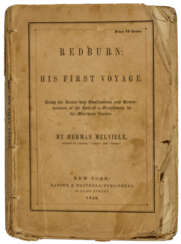

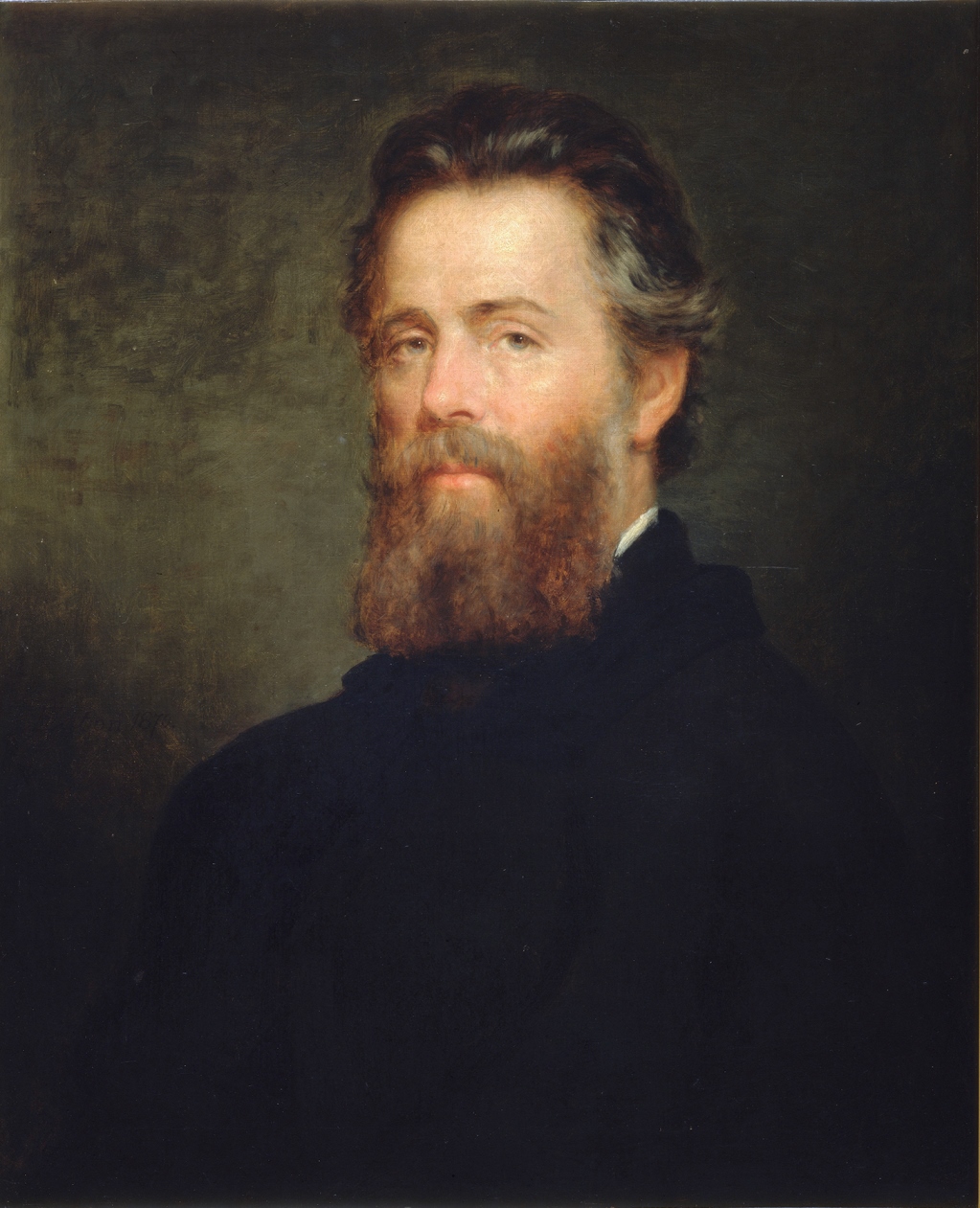
Herman Melville was an American writer, poet, and sailor.
Melville's hardship-filled youth ended on a whaling ship. He returned from his adventures in the South Seas in October 1844, and wrote "Taipi" the following spring. The book was based on the events surrounding Melville's desertion from the whaling ship Acushnet in 1842 and subsequent adventures in the Marquesas Islands.
Melville wrote several other novels and short stories and many poems, but during his lifetime his works were little appreciated by his contemporaries. Only in the 1920s began to rethink Melville, and he was recognized as a classic of world literature. World fame Melville already in the 20th century brought irrational novel "Moby Dick".









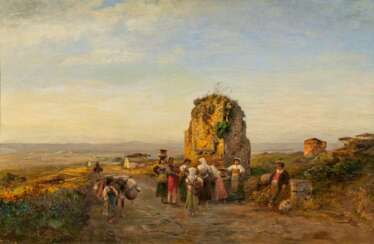

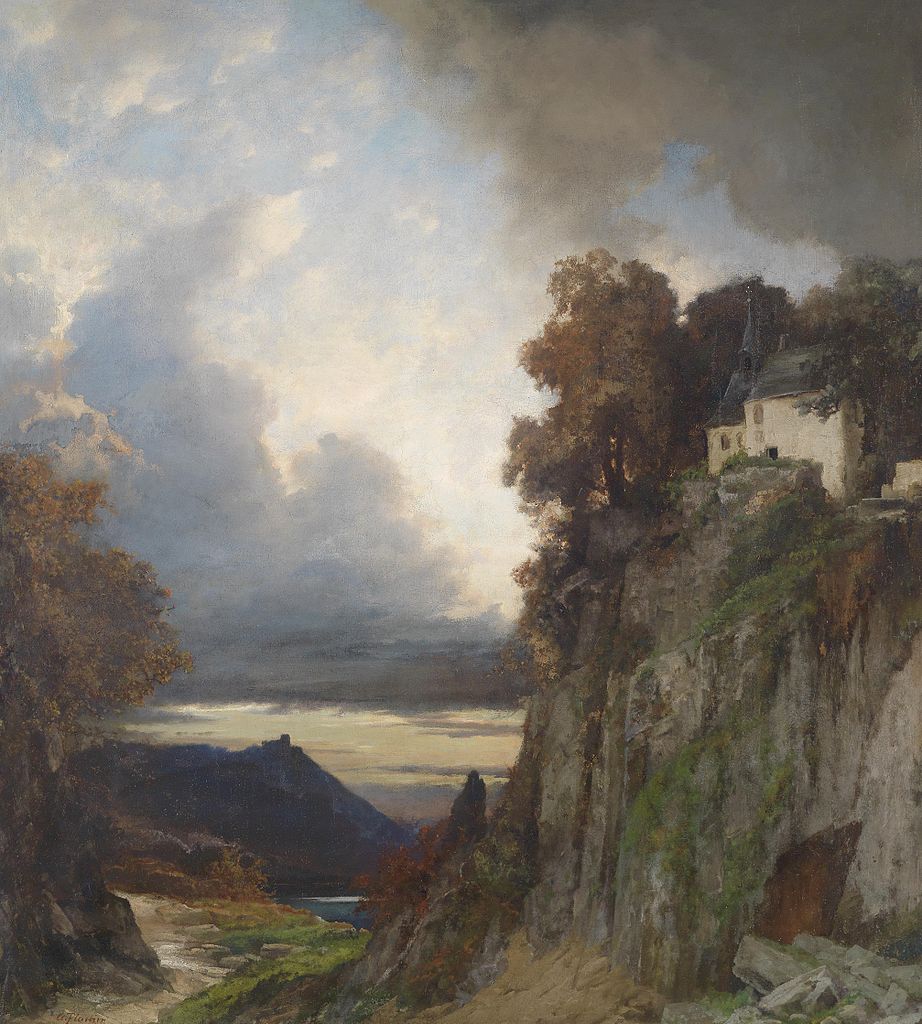
Albert Flamm was a German artist of the Düsseldorf school. He studied architecture at the Dusseldorf Academy of Art and in Antwerp. In 1841 he turned to painting and became a pupil of Andreas Achenbach. In 1848 Flamm became one of the founders of the Malkasten artists' association.
Albert Flamm painted mainly Italian landscapes, recognised for their truthfulness of nature, their vivid colours and their virtuosic treatments. He often chose an elevated viewing position to be able to create wide panoramic perspectives in warm, bright sunlight and with finely rendered detail.

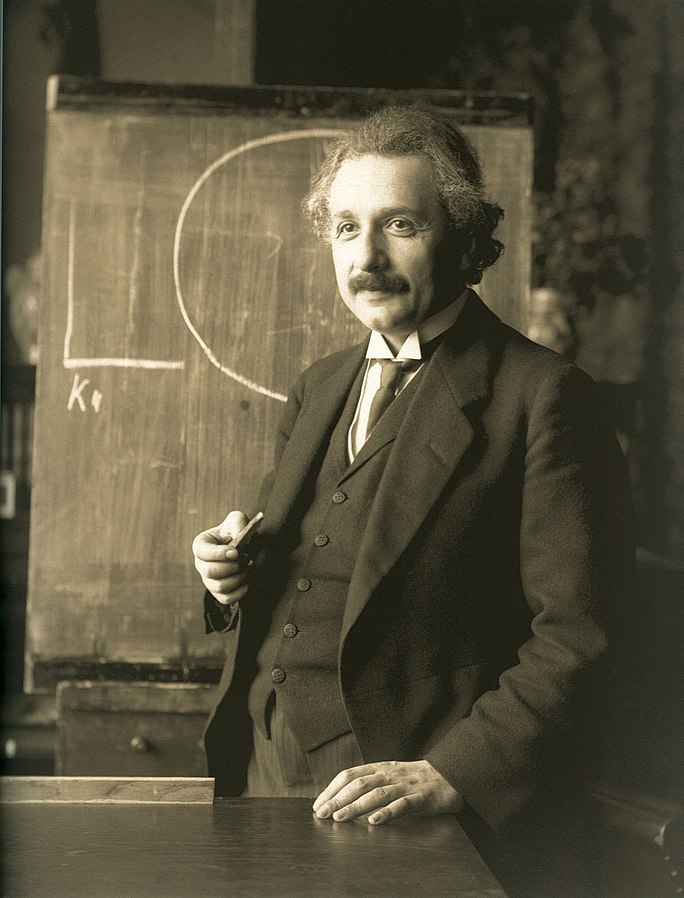
Albert Einstein was a German-born theoretical physicist, widely acknowledged to be one of the greatest and most influential physicists of all time. Einstein is best known for developing the theory of relativity, but he also made important contributions to the development of the theory of quantum mechanics. Relativity and quantum mechanics are together the two pillars of modern physics. His mass–energy equivalence formula E = mc2, which arises from relativity theory, has been dubbed "the world's most famous equation". His work is also known for its influence on the philosophy of science. He received the 1921 Nobel Prize in Physics "for his services to theoretical physics, and especially for his discovery of the law of the photoelectric effect", a pivotal step in the development of quantum theory. His intellectual achievements and originality resulted in "Einstein" becoming synonymous with "genius".