what is crux


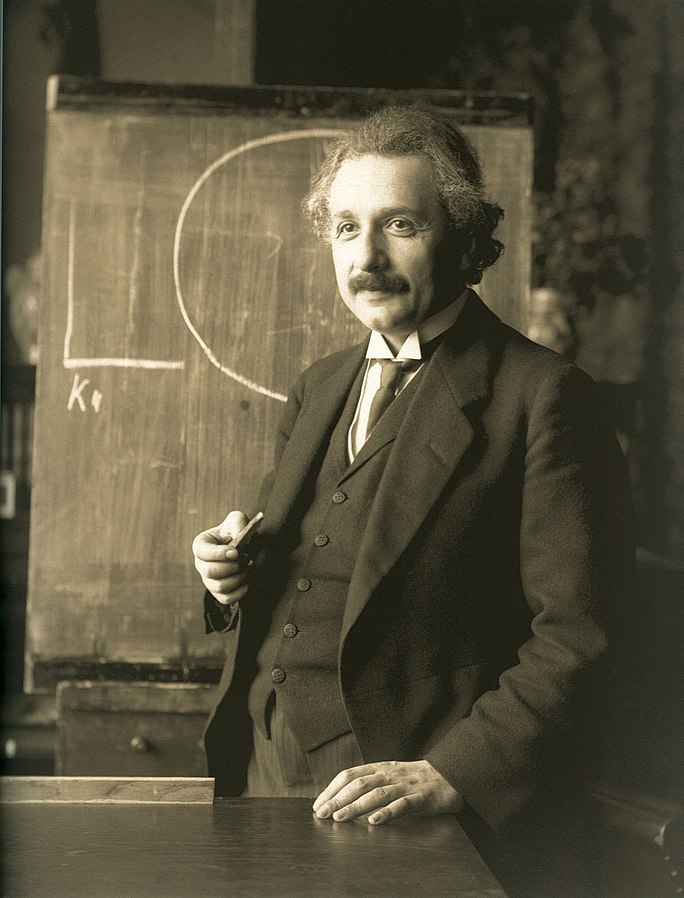
Albert Einstein was a German-born theoretical physicist, widely acknowledged to be one of the greatest and most influential physicists of all time. Einstein is best known for developing the theory of relativity, but he also made important contributions to the development of the theory of quantum mechanics. Relativity and quantum mechanics are together the two pillars of modern physics. His mass–energy equivalence formula E = mc2, which arises from relativity theory, has been dubbed "the world's most famous equation". His work is also known for its influence on the philosophy of science. He received the 1921 Nobel Prize in Physics "for his services to theoretical physics, and especially for his discovery of the law of the photoelectric effect", a pivotal step in the development of quantum theory. His intellectual achievements and originality resulted in "Einstein" becoming synonymous with "genius".

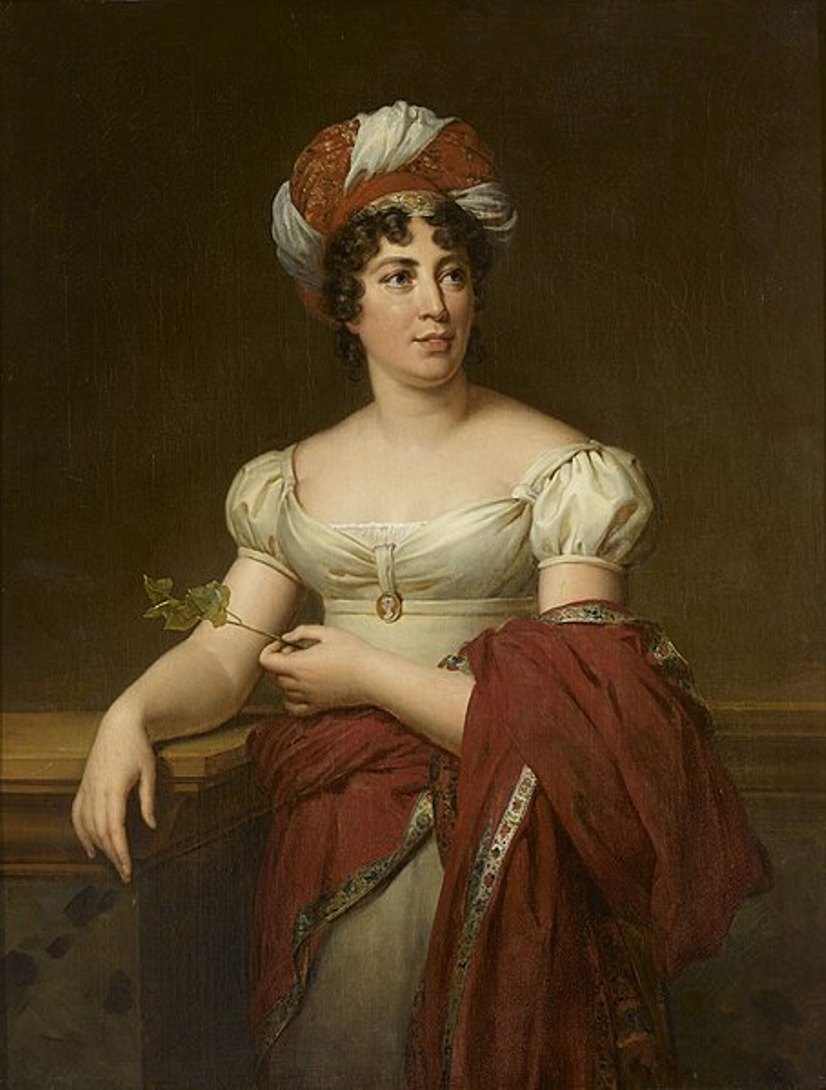
Anne-Louise-Germaine Necker, Baroness of Staël-Holstein, known as Madame de Staël, was a French writer, literary theorist, and publicist.
She was born into a Swiss family where her father was a banker and then finance minister to King Louis XVI, and her mother ran a brilliant literary and political salon in Paris where Voltaire, Diderot, and Hume frequented. Young Necker received a brilliant education, she absorbed the intellectual environment with great curiosity, becoming a witty and well-read conversationalist.
In 1786, she married the Swedish ambassador to Paris, Baron Eric de Staël-Holstein. It was a marriage of convenience, which ended in 1797 formal divorce.
Madame de Staël became known not only for her stunning and versatile works, but also for her enormous influence on the intellectual climate of that 19th century. During her lifetime she was known as a novelist, but she became much more famous as a political philosopher, literary critic, and theorist of Romanticism. Madame de Staël was an implacable opponent of Napoleon I and traveled around Europe for a decade during his reign from 1803. In 1810, the writer published one of her most famous and influential works, On Germany. She returned to Paris in 1814, after the fall of Napoleon, and wrote "Reflections on the Principal Events of the French Revolution."
In her travels, Madame de Staël met many politicians, artists and writers and was known for her cosmopolitanism and feminism. Madame de Staël epitomized the European culture of her time, combining ideas from neoclassicism to romanticism in her glittering salon for leading intellectuals.