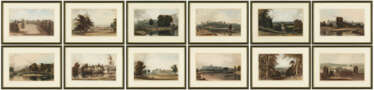
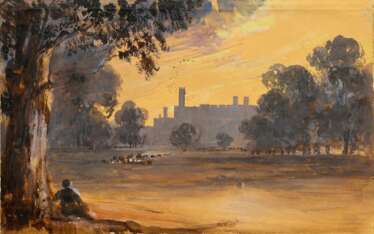
windsor park


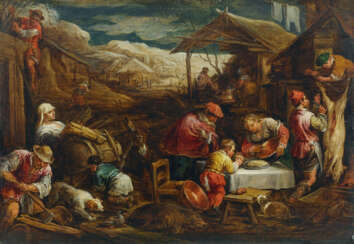

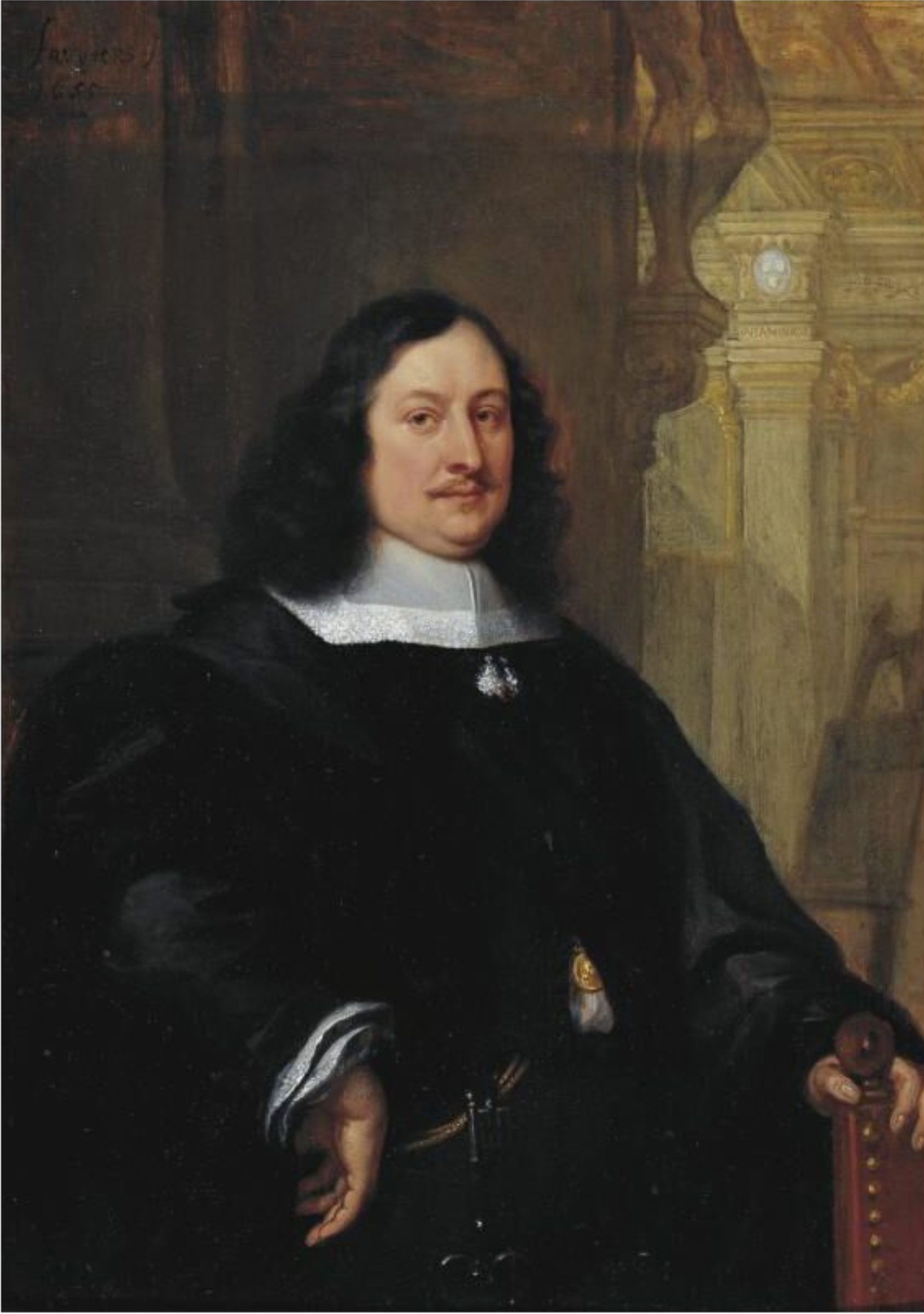
David Teniers the Younger was a Flemish Baroque painter, printmaker, draughtsman, miniaturist painter, staffage painter, copyist and art curator. He was an extremely versatile artist known for his prolific output. He was an innovator in a wide range of genres such as history painting, genre painting, landscape painting, portrait and still life. He is now best remembered as the leading Flemish genre painter of his day. Teniers is particularly known for developing the peasant genre, the tavern scene, pictures of collections and scenes with alchemists and physicians.
He was court painter and the curator of the collection of Archduke Leopold Wilhelm, the art-loving Governor General of the Habsburg Netherlands. He created a printed catalogue of the collections of the Archduke. He was the founder of the Antwerp Academy, where young artists were trained to draw and sculpt in the hope of reviving Flemish art after its decline following the death of the leading Flemish artists Rubens and Anthony van Dyck in the early 1640s. He influenced the next generation of Northern genre painters as well as French Rococo painters such as Antoine Watteau.
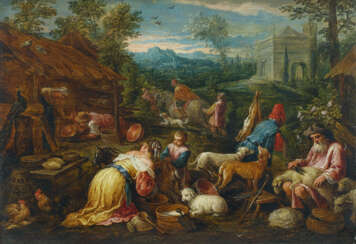

David Teniers the Younger was a Flemish Baroque painter, printmaker, draughtsman, miniaturist painter, staffage painter, copyist and art curator. He was an extremely versatile artist known for his prolific output. He was an innovator in a wide range of genres such as history painting, genre painting, landscape painting, portrait and still life. He is now best remembered as the leading Flemish genre painter of his day. Teniers is particularly known for developing the peasant genre, the tavern scene, pictures of collections and scenes with alchemists and physicians.
He was court painter and the curator of the collection of Archduke Leopold Wilhelm, the art-loving Governor General of the Habsburg Netherlands. He created a printed catalogue of the collections of the Archduke. He was the founder of the Antwerp Academy, where young artists were trained to draw and sculpt in the hope of reviving Flemish art after its decline following the death of the leading Flemish artists Rubens and Anthony van Dyck in the early 1640s. He influenced the next generation of Northern genre painters as well as French Rococo painters such as Antoine Watteau.






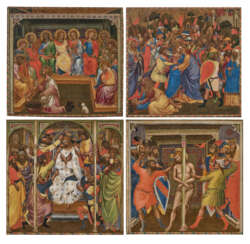

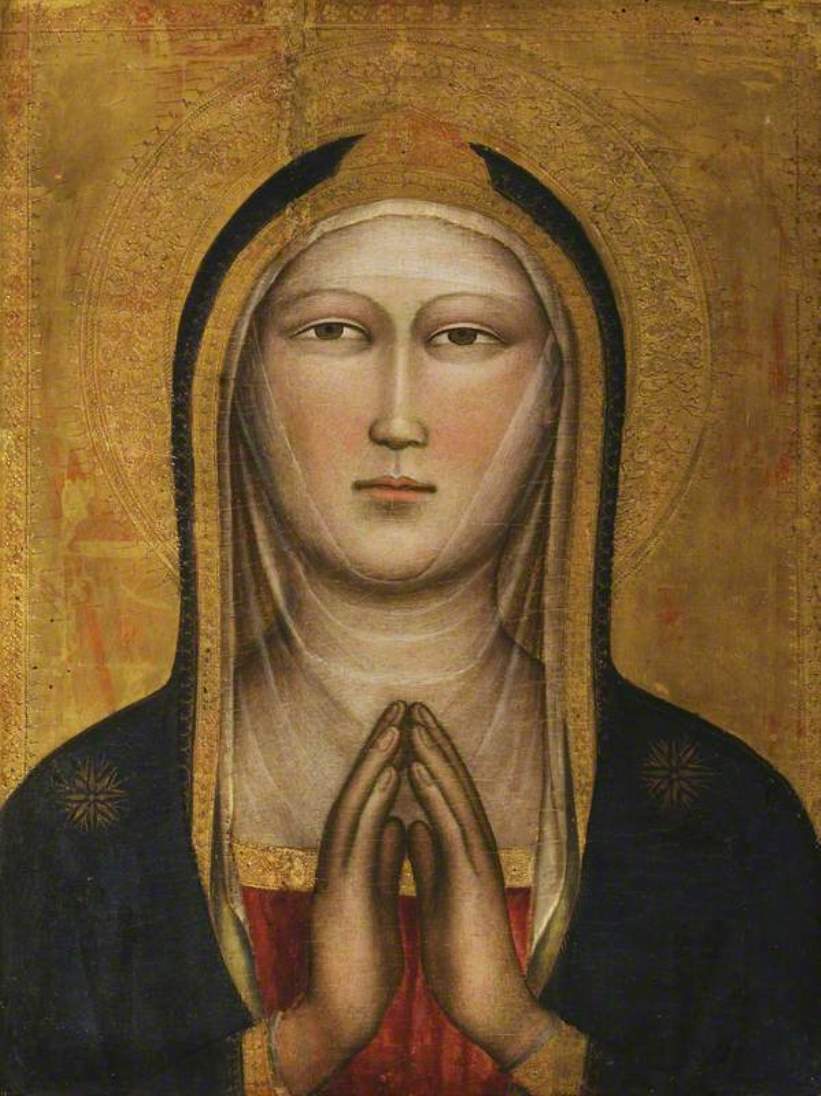
Niccolò di Pietro Gerini was a pivotal figure in the Italian art scene of the late Gothic period, celebrated for his contributions that spanned from the late 14th to the early 15th century. Born in Florence around 1340, Gerini's artistry flourished within the walls of his native city, although his talent also led him to work in Pisa and Prato. Unlike the innovative currents that swept through the art world during his time, Gerini remained faithful to traditional compositions, favoring stiff and dramatic movements in his figures.
Gerini's education and career were deeply intertwined with the artistic guilds of Florence. His father's membership in the Guild of Saint Luke in 1339 paved the way for Gerini's own entry into the Arte dei Medici e Speziali Guild by 1368, a testament to his early involvement in the city's artistic fabric. His works, marked by their large chins, sloping foreheads, and sharp noses, bore the influence of Gothic depictions, aligning him with the schools of Giotto di Bondone, Andrea di Orcagna, and Taddeo Gaddi.
Throughout his career, Gerini collaborated with notable artists like Jacopo di Cione, contributing to frescoes for the Guild hall of the Judges and Notaries in Florence and working on significant projects such as the altarpiece for the Coronation of the Virgin at San Pier Maggiore, Florence. His ability to blend architectural design with his painting skill is evident in these collaborations.
Gerini's paintings, including the triptych from 1387 housed in the National Gallery, London, and the Crucifixion, showcase his mastery over egg tempera on wood, a medium through which he conveyed religious narratives with profound solemnity and intricate detail. His works are preserved in prestigious collections, including The Hermitage, St. Petersburg, and the Alte Pinakothek, Munich, reflecting his enduring legacy in the annals of art history.
For collectors and experts in art and antiques, Gerini's oeuvre offers a rich exploration of late Gothic artistry, characterized by its adherence to traditional values while simultaneously capturing the spiritual and cultural nuances of his time. To stay informed on new discoveries and auction events related to Niccolò di Pietro Gerini, signing up for updates is a valuable resource for enthusiasts keen on this remarkable period of art history.



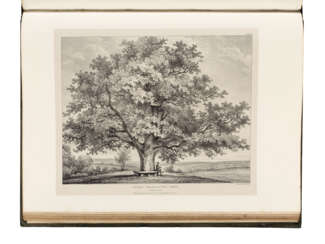

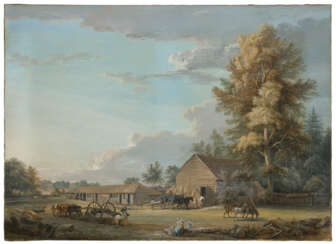

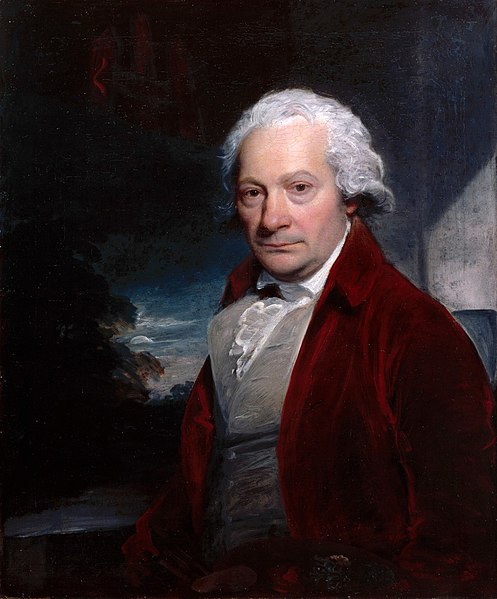
Paul Sandby was a British watercolorist, draughtsman and printmaker, and a founder member of the Royal Academy.
Sandby first worked as a draughtsman and cartographer before painting his first paintings, watercolors of bridges, fortifications and Scottish landscapes, as well as views of Windsor. These works eventually made him a sought-after artist. Sandby also painted many caricatures and skillfully documented eighteenth-century British social life.
In 1768, Sandby, his brother Thomas Sandby and 27 other artists became founding members of the Royal Academy in London. He is now considered one of the founders of English watercolor.