words by steve
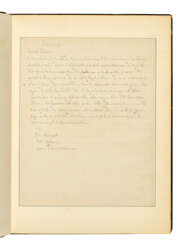

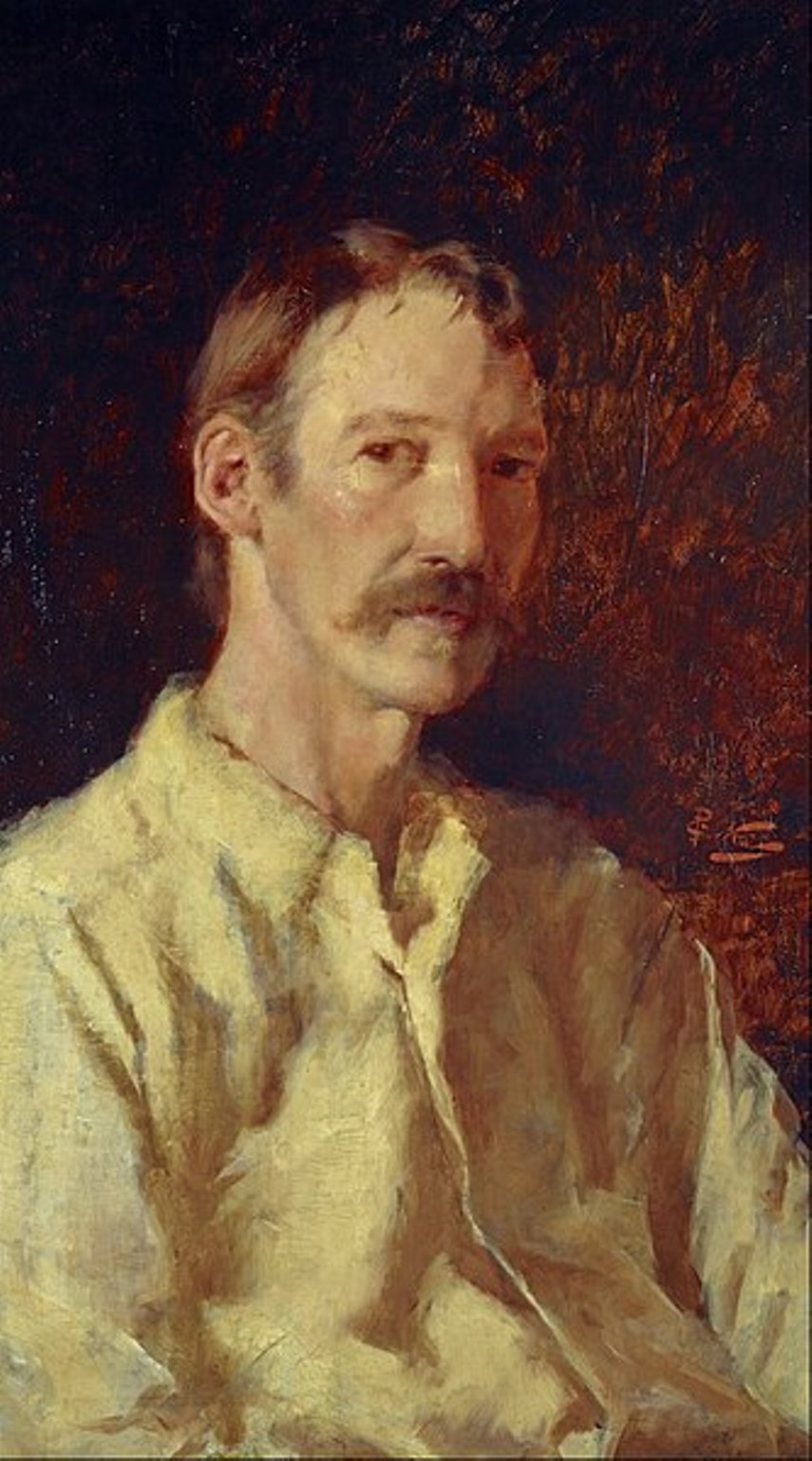
Robert Louis Stevenson, born Robert Lewis Balfour Stevenson, was a Scottish poet and writer, a major exponent of Neo-Romanticism.
He began studying engineering at the University of Edinburgh, but later began to study law. However, he was fascinated by literature, and already during his studies the student printed in periodicals. Stevenson was an avid traveler and also published several books about his travels. In 1881, he began serializing pirate stories, which were formalized into a book, Treasure Island, in 1883. The book became an instant bestseller. Next were adventure novels "Kidnapped" (1886), "The Strange Case of Dr. Jekyll and Mr. Hyde" (1886), "The Master of Ballantrae" (1889) and others, as well as many novels and short stories, ballads.
Robert Lewis Stevenson was very sickly from early childhood, and readers would not have guessed that he wrote his most exciting adventures while nearly bedridden. He died at the age of 44 from a cerebral hemorrhage. And Treasure Island remains one of the greatest and most popular adventure novels in the English language. It has been translated, reprinted and screened around the world many times.
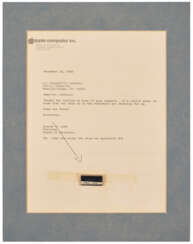


Steve Jobs, full name Steven Paul Jobs, birth name Abdul Latif Jandali, is an American entrepreneur, inventor and industrial designer who pioneered the information technology era.
Jobs grew up in foster care, took a job at Atari Corporation as a video game designer in early 1974, then traveled to India, comprehending Zen Buddhism. At the same time, Jobs met former classmate Steven Wozniak (b. 1950), and together they developed one of the first personal computers and in 1976 founded Apple, which was the beginning of the personal computer revolution of the 1970s and 1980s.
In 1985, Jobs left Apple and founded NeXT, a company that developed a computer platform for universities and businesses. By 1997, Jobs had regained control of Apple by leading the corporation. Under his leadership, the company was saved from bankruptcy and began turning a profit a year later. Over the next decade, Jobs oversaw the development of the iMac, iTunes, iPod, iPhone, and iPad, as well as the development of the Apple Store, iTunes Store, App Store, and iBookstore. In 2011, Apple was recognized as the world's most valuable publicly traded company.
Steve Jobs passed away after a long illness at the age of 56. In July 2022, Jobs was posthumously awarded the Presidential Medal of Freedom, the highest U.S. civilian honor, for his invaluable contributions to the music, film, and computer industries.




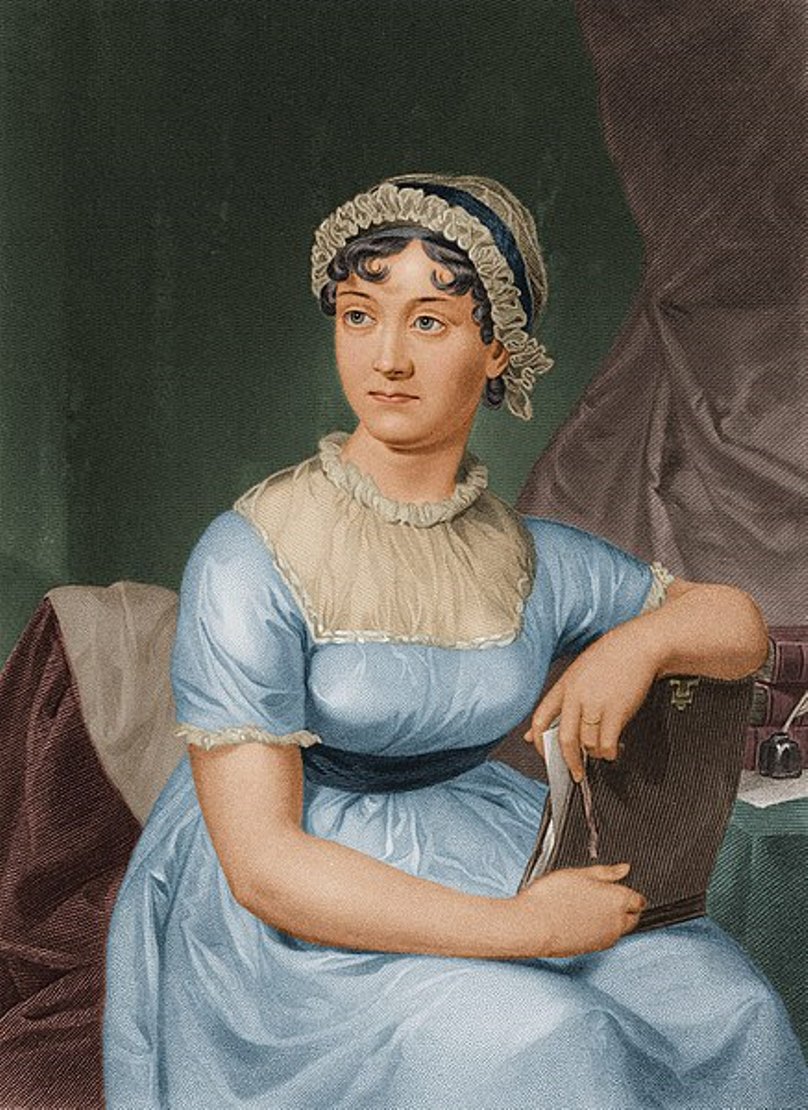
![[AUSTEN, Jane (1775-1817)]](/assets/image/picture_4361392/0e7a8/66754ff546eb291575cff71cd0cb43db1733871600jpg__fix_374_244.jpeg)
![[AUSTEN, Jane (1775-1817)]](https://veryimportantlot.com/assets/image/picture_4361392/0e7a8/66754ff546eb291575cff71cd0cb43db1733871600jpg__fix_374_244.jpeg)


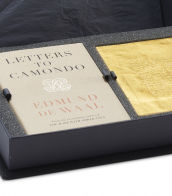


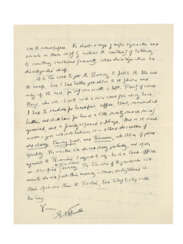

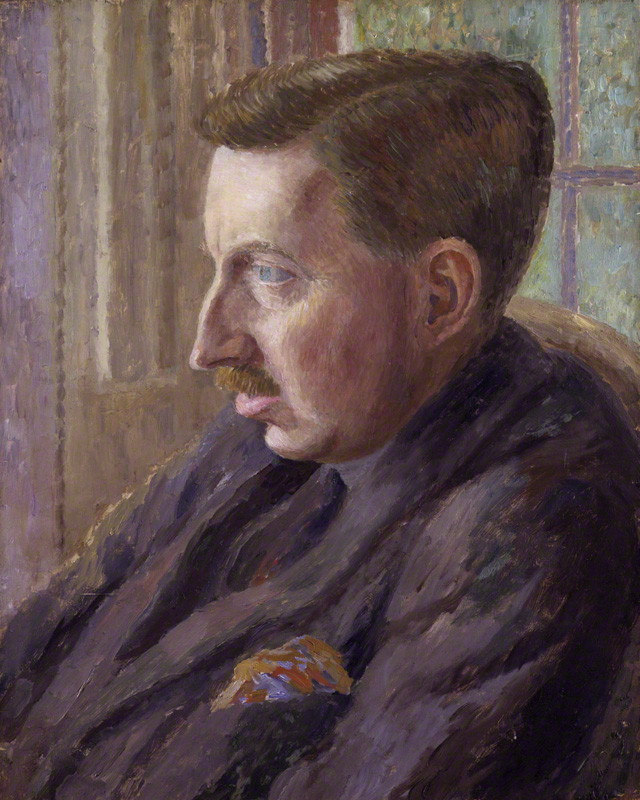
Edward Morgan Forster, English novelist, essayist, and critic, was a prominent literary figure of the early twentieth century. Born on 1 January 1879 in London and died on 7 June 1970 in Coventry, Forster's work was celebrated for its profound critique of social conventions, class distinctions and hypocrisy in British society. A member of the influential Bloomsbury group, Forster did not confine himself to novels, but also wrote essays, gave speeches and hosted programmes.
E. M. Forster was characterised by wit and a fine sense of irony. His novels, particularly A Room with a View, Howards End and A Passage to India, were recognised for their well-crafted plots and insightful social commentary. Not only have these works earned them a place in literature, but they have also been nominated for the Nobel Prize for Literature. The films A Room with a View and Howards End won Academy Awards and have been recognised and celebrated in film archives and retrospectives by film institutions.
Edward Morgan Forster's novels serve as critical social commentary of their time and remain relevant to this day. Those interested in the intersection of literary art and its influence on film can look to first editions of his works or objects associated with acclaimed film adaptations to add to their collections.

Edward Morgan Forster, English novelist, essayist, and critic, was a prominent literary figure of the early twentieth century. Born on 1 January 1879 in London and died on 7 June 1970 in Coventry, Forster's work was celebrated for its profound critique of social conventions, class distinctions and hypocrisy in British society. A member of the influential Bloomsbury group, Forster did not confine himself to novels, but also wrote essays, gave speeches and hosted programmes.
E. M. Forster was characterised by wit and a fine sense of irony. His novels, particularly A Room with a View, Howards End and A Passage to India, were recognised for their well-crafted plots and insightful social commentary. Not only have these works earned them a place in literature, but they have also been nominated for the Nobel Prize for Literature. The films A Room with a View and Howards End won Academy Awards and have been recognised and celebrated in film archives and retrospectives by film institutions.
Edward Morgan Forster's novels serve as critical social commentary of their time and remain relevant to this day. Those interested in the intersection of literary art and its influence on film can look to first editions of his works or objects associated with acclaimed film adaptations to add to their collections.

Edward Morgan Forster, English novelist, essayist, and critic, was a prominent literary figure of the early twentieth century. Born on 1 January 1879 in London and died on 7 June 1970 in Coventry, Forster's work was celebrated for its profound critique of social conventions, class distinctions and hypocrisy in British society. A member of the influential Bloomsbury group, Forster did not confine himself to novels, but also wrote essays, gave speeches and hosted programmes.
E. M. Forster was characterised by wit and a fine sense of irony. His novels, particularly A Room with a View, Howards End and A Passage to India, were recognised for their well-crafted plots and insightful social commentary. Not only have these works earned them a place in literature, but they have also been nominated for the Nobel Prize for Literature. The films A Room with a View and Howards End won Academy Awards and have been recognised and celebrated in film archives and retrospectives by film institutions.
Edward Morgan Forster's novels serve as critical social commentary of their time and remain relevant to this day. Those interested in the intersection of literary art and its influence on film can look to first editions of his works or objects associated with acclaimed film adaptations to add to their collections.
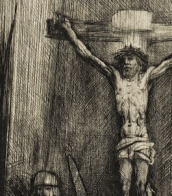
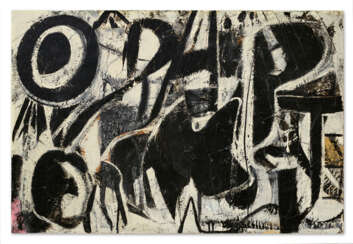

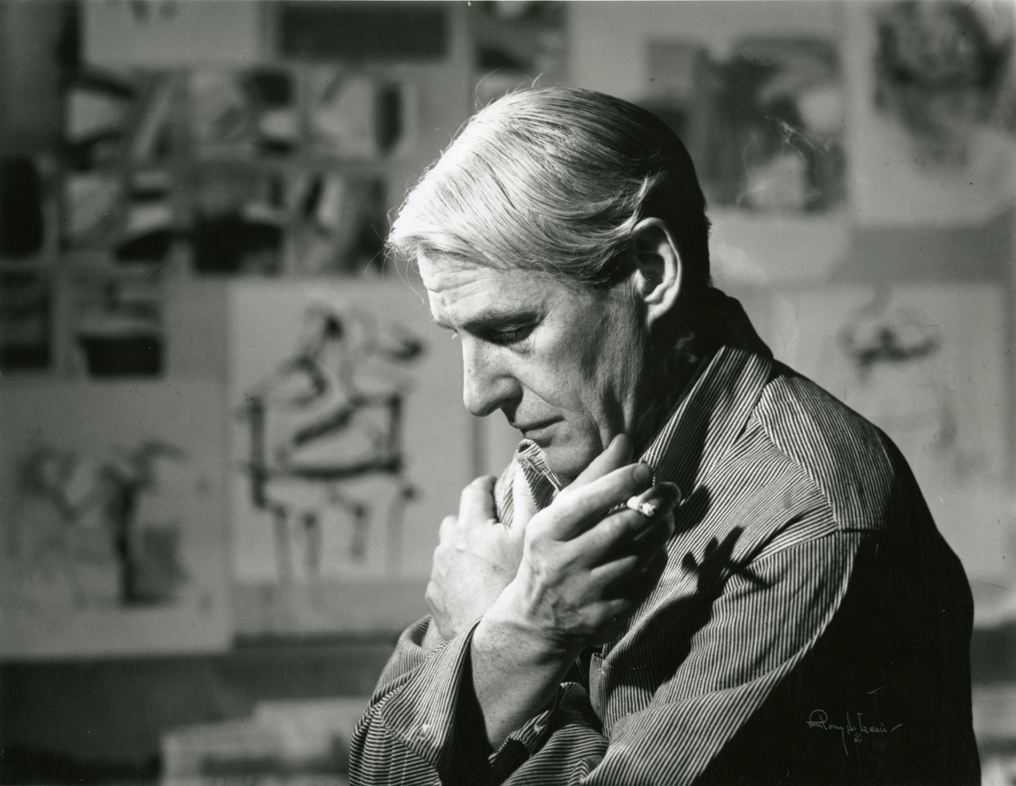
Willem de Kooning was a Dutch-American abstract expressionist painter. Born in Rotterdam, Netherlands, he moved to the United States in 1926, becoming a U.S. citizen in 1962. He was a leading figure in the Abstract Expressionism movement, known for his dramatic and often energetic style. He gained prominence between 1948 and 1953, creating some of his most iconic works, including the Woman series.
De Kooning's paintings combined abstraction with elements of Cubism, Surrealism, and Expressionism. His style evolved over time, with works that ranged from figurative to more abstract pieces. Among his most notable works are "Woman I" (1950-52) and "Excavation" (1950), which reflect his unique approach to painting, characterized by vigorous brushstrokes, bold colors, and complex textures.
Despite his success, de Kooning faced challenges, including personal struggles with alcoholism and deteriorating health due to Alzheimer's disease in his later years. His artwork has had a lasting impact on modern art, and his pieces can be found in major museums and galleries worldwide, such as the Museum of Modern Art (MoMA) and the Smithsonian American Art Museum.
Stay updated on new releases and auction events featuring works by Willem de Kooning by signing up for our exclusive email notifications. Get insider information and never miss a chance to add to your art collection.