x-men evolution episodes
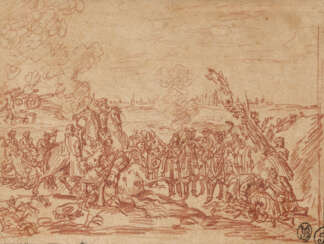

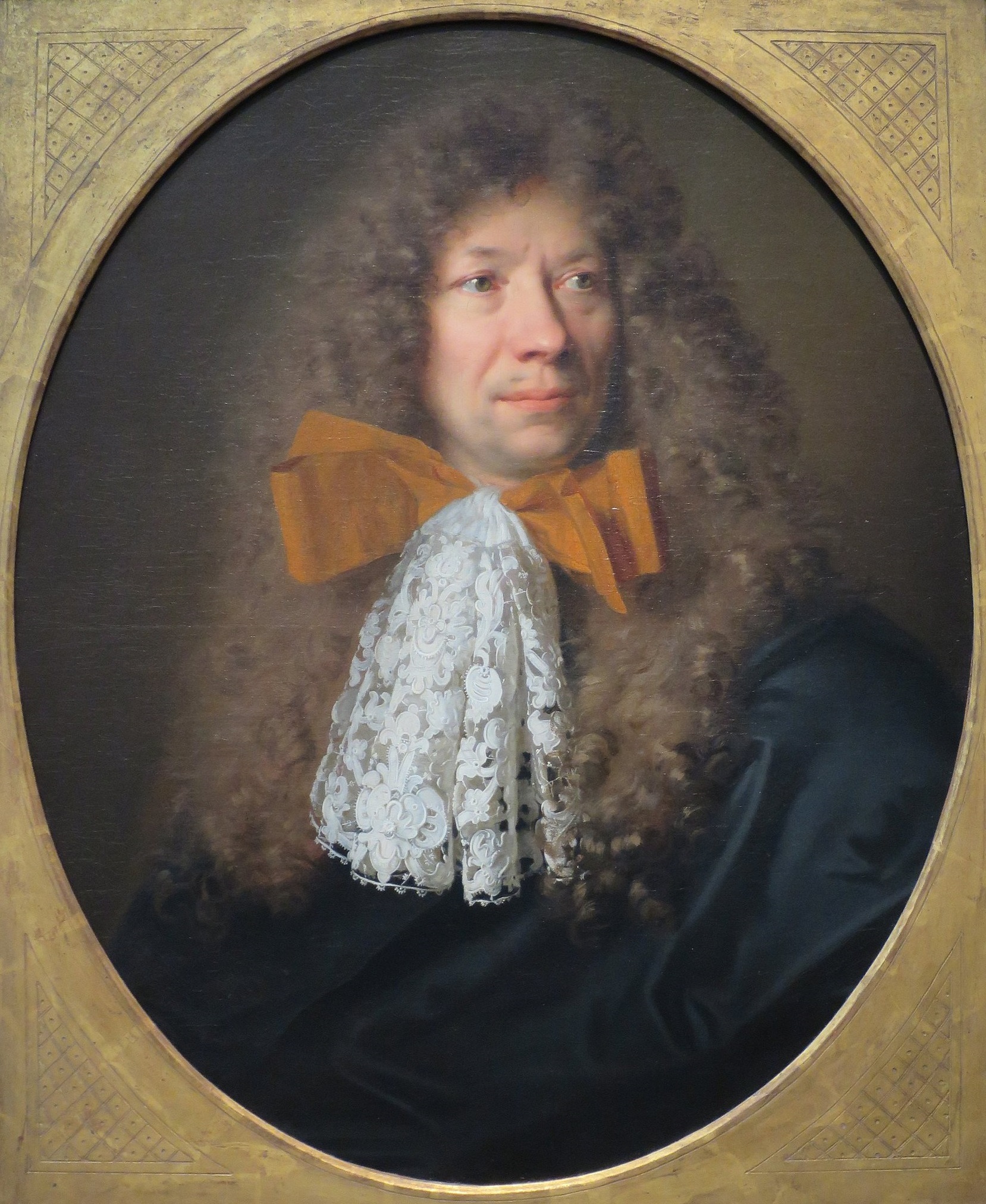
Adam Frans van der Meulen was a Flemish painter and draughtsman who was particularly known for his scenes of military campaigns and conquests. Van der Meulen also painted portraits, hunting scenes, paintings of chateaux and landscapes. He created designs for prints and cartoons for tapestries.
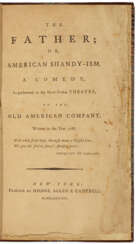

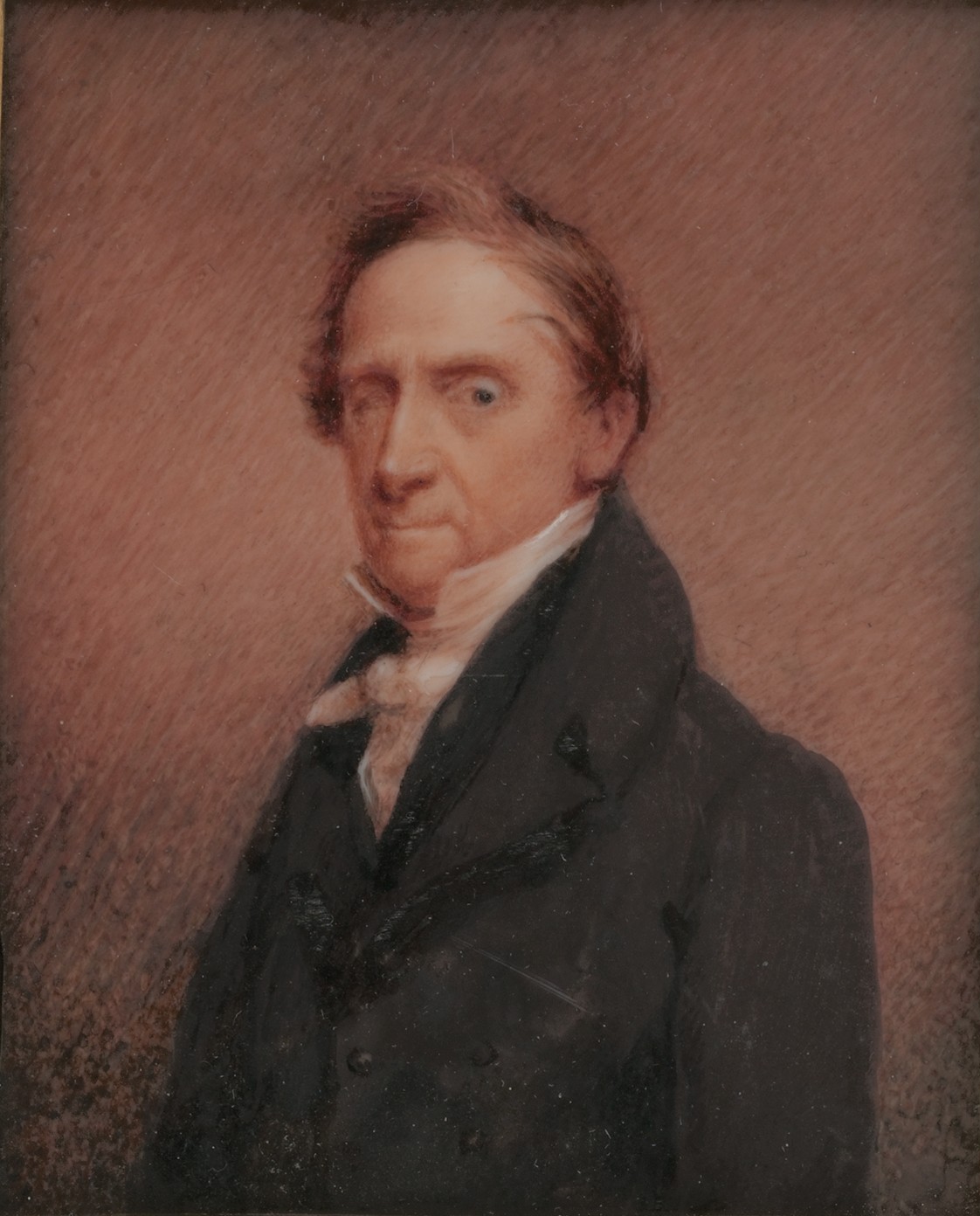
William Dunlap was an American playwright, theater director, artist, and historian.
William Dunlap was a pioneer of the young country's theater. He directed two of New York City's earliest and most famous theaters, the John Street Theater and the Theater in the Park. During his lifetime he directed over sixty plays, most of which were adaptations or translations of French and German works. But among them were some original ones based on American themes with American characters.
In 1832 Dunlap published A History of the American Theater in two volumes. In 1825, Dunlap co-founded the National Academy of Design and taught at its school. Even today, Dunlap is best known for his encyclopedic three-volume History of the Origin and Progress of the Art of Design in the United States. The book was published in 1834 and is now an invaluable source of information about artists, collecting, and artistic endeavors in the country of that historical period.

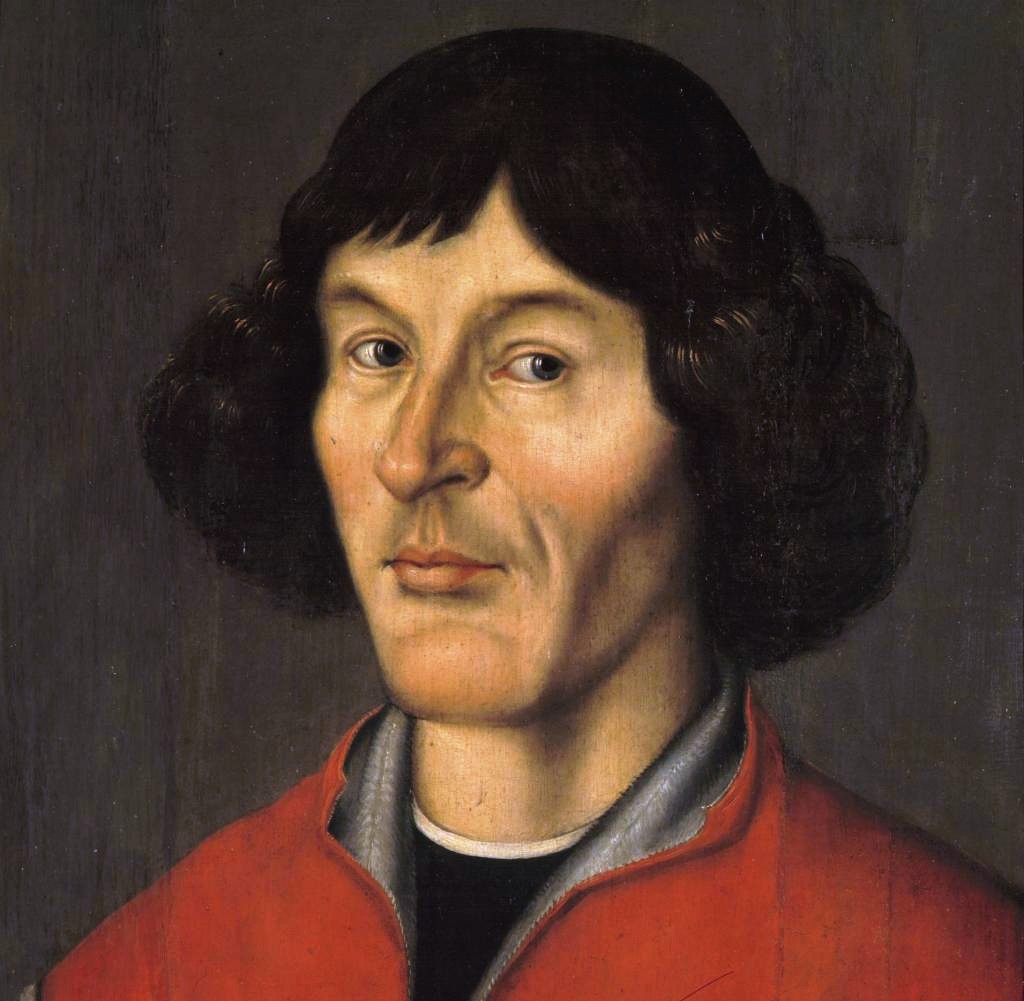
Nicolaus Copernicus (Polish: Mikołaj Kopernik) was a Polish and German scientist, astronomer, mathematician, mechanic, economist, and Renaissance canonist. He was the author of the heliocentric system of the world, which initiated the first scientific revolution.
Copernicus studied the humanities, including astronomy and astrology, at the University of Krakow and at the University of Bologna in Italy. Together with other astronomers, including Domenico Maria de Novara (1454-1504), he was engaged in observing the stars and planets, recording their movements and eclipses. At the time, medicine was closely related to astrology, as the stars were believed to influence the human body, and Copernicus also studied medicine at the University of Padua between 1501 and 1503.
Nicolaus Copernicus, based on his knowledge and observations, was the first to suggest that the Earth is a planet that not only revolves around the sun every year, but also rotates once a day on its axis. This was in the early 16th century when people believed the Earth to be the center of the universe. The scientist also suggested that the Earth's rotation explained the rising and setting of the Sun, the movement of the stars, and that the cycle of the seasons was caused by the Earth's rotation around itself. Finally, he correctly concluded that the Earth's motion in space causes the planets to move backwards across the night sky, the so-called retrograde direction.
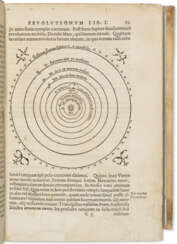
Although Copernicus' model was not completely correct, it laid a solid foundation for future scientists, such as Galileo, who developed and improved mankind's understanding of the motion of celestial bodies. Copernicus completed the first manuscript of his book De Revolutionibus Orbium Coelestium (On the Rotation of the Celestial Spheres) in 1532. In it, the astronomer outlined his model of the solar system and the paths of the planets. However, he published the book only in 1543, just two months before his death, and dedicated it to Pope Paul III. Perhaps for this reason, and also because the subject matter was too difficult to understand, but the church did not finally ban the book until 1616.