

Painters Realism
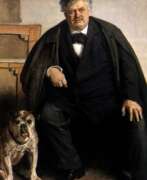

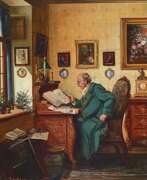

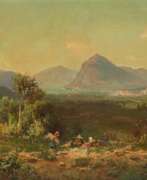

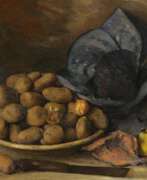

Wilhelm Schmurr was a German painter and co-founder of the Sonderbund in Düsseldorf. His style, characterized by clear expression, was influenced by the Pre-Raphaelites, Symbolists, and Realists. He received several awards and medals for his work and was a member of various art associations. Schmurr taught at the Kunstakademie Düsseldorf and inspired by the farmers after the war, he created scenes of simple life and still lifes. He was awarded the Karl-Ernst-Osthaus-Preis and the Bundesverdienstkreuz erster Klasse and became an honorary member of various artist associations.
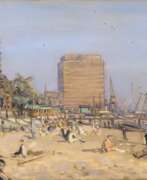

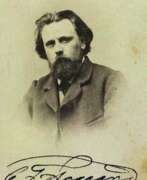

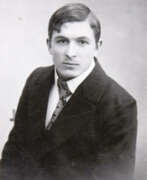

Wäinö Waldemar Aaltonen was a Finnish artist and sculptor, celebrated for his contributions to the cultural landscape of Finland, particularly during the early years of the nation's independence. Born in 1894, Aaltonen's works are distinguished by their nationalist themes and monumental scale, often reflecting the spirit and identity of Finland. His artistic journey was notably influenced by a trip to Italy in 1923, where he encountered cubist and futurist art, elements of which he integrated into his own work.
Aaltonen's sculptures are key features in Finland's public spaces, including the well-known statues in the House of Parliament and numerous works in Turku, such as the "Lily of Turku" and a statue of the runner Paavo Nurmi. His mastery is also showcased at the Wäinö Aaltonen Museum of Art in Turku, which houses a significant collection of his sculptures, paintings, and drawings. This museum not only celebrates his legacy but also serves as a central repository for his extensive works, donated by Aaltonen himself.
For those interested in exploring Aaltonen's work and the impact of Finnish sculpture, a visit to the Wäinö Aaltonen Museum of Art is invaluable. The museum provides a comprehensive view of his artistic evolution and contributions to Finnish art. For updates on exhibitions and events related to Wäinö Aaltonen, consider signing up for notifications through the museum's mailing list, ensuring you stay informed about new insights and offerings related to this pivotal artist.
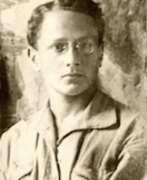

Pavel Efimovich Ab (Russian: Павел Ефимович Аб) was a Russian Soviet artist, born on November 22, 1902, in Orel. He is renowned for his contributions to painting and graphic arts, having studied under notable mentors such as Kuzma Petrov-Vodkin and A. I. Savinov at the VKhUTEIN in Leningrad during the years 1923 to 1929.
Ab's career was deeply influenced by his experiences during the Great Patriotic War, where he served in the 21st Rifle Division of the NKVD on the Leningrad Front. His war-time sketches of city defenders and subsequent military honors played a significant role in his artistic expression. After the war, he continued to actively participate in the creative community, producing notable works like "Pavlov in Koltushi" and "Speech of V. I. Lenin at the Admiralty Shipyards".
His artworks, which often depicted military and historical themes, are preserved in various museums and private collections in Russia and abroad. Ab's commitment to the Leningrad Union of Artists until his death in 1974 ensured that his legacy would influence future generations of artists.
For enthusiasts and collectors keen on exploring Russian Soviet art, staying updated on exhibitions and sales featuring Pavel Efimovich Ab's works can be enriching. Sign up here for updates related to new product sales and auction events concerning Ab's art.
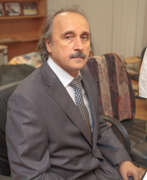

Sultan Shamsutdinovich Abaev (Russian: Султан Шамсутдинович Абаев), a Chechen and Russian artist born on November 1, 1954, in Khaidarkan, Soviet Union, is celebrated for his distinctive contributions to landscape art. A member of the Artists Unions of Saint Petersburg and the Chechen Republic, Abaev's work exemplifies his profound connection to his cultural roots and the rich landscapes that inspire him.
Educated at the prestigious Repin Institute of Painting, Sculpture, and Architecture in Saint Petersburg, Abaev has been honored multiple times for his artistic achievements, including receiving the title of Honored Artist of the Russian Federation. His works have been internationally recognized, finding places in private collections across countries such as Germany, the United States, and Japan.
Abaev's career also includes time spent abroad in Sri Lanka and South Korea from 1991 to 1993, where he expanded his artistic horizons and produced a series of paintings influenced by these experiences. Today, his works are sought after by collectors, especially those interested in landscapes and cultural narratives embedded in art.
Stay updated on exhibitions and sales related to Sultan Shamsutdinovich Abaev's enchanting landscapes by signing up for our exclusive alerts. These updates are essential for collectors and art connoisseurs interested in owning a piece of Chechen and Russian art history.
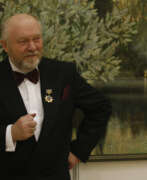

Mikhail Georgievich Abakumov (Russian: Михаил Георгиевич Абакумов) was a Russian artist, celebrated for his diverse artistic contributions and his deep connection to his homeland, Kolomna. Born in 1948, Abakumov became a prominent figure in the Russian art scene, recognized as a People's Artist of Russia and a dedicated teacher and community leader in Kolomna.
Abakumov's artistic oeuvre includes industrial and genre canvases, evocative landscapes, and intimate portraits, which are held in high esteem across Russia and in private collections worldwide. Notable works like "Metallurg" (1974) and "Spring Morning" (1996) showcase his ability to capture the essence of Russian life and landscapes. His art has been exhibited extensively within Russia and internationally, including over thirty solo exhibitions since 1979, contributing significantly to the cultural tapestry of the Soviet and post-Soviet periods.
His works are part of prestigious collections, including the State Tretyakov Gallery, and have been featured in various museums across cities like Moscow, St. Petersburg, and internationally.
For those interested in exploring Russian art and the legacy of Mikhail Georgievich Abakumov, signing up for updates on exhibitions and sales of his artworks can provide valuable insights and opportunities. Join our community to stay informed about events and auctions featuring Abakumov's remarkable works.
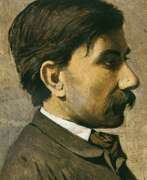

Giuseppe Abbati was an Italian artist, renowned for his role in the Macchiaioli movement. Born on January 13, 1836, in Naples, Abbati's early exposure to art came from his father Vincenzo, who specialized in painting architectural interiors. This foundational experience deeply influenced his initial works, which were primarily interiors. However, Abbati's artistic journey took a significant turn after losing his right eye in the Battle of Capua during Garibaldi's 1860 campaign. This event marked a period of transformation, leading him to Florence where he engaged deeply with the Macchiaioli group at Caffè Michelangiolo.
Abbati's contribution to the Macchiaioli movement was profound, characterized by a bold treatment of light and shadow, a technique he mastered by painting en plein air. His landscapes, such as the "View from the Wine Cellar of Diego Martelli" (1866), exemplify his skill in capturing the interplay of light, offering viewers a luminous landscape scene glimpsed through the doorway of a darkened interior. His works are celebrated for their unique perspective and are housed in prestigious collections, including several museums across Italy.
Tragically, Abbati's promising career was cut short at the age of 32, when he died in Florence from rabies, a consequence of a dog bite. Despite his brief life, his artistic legacy endures, influencing generations of painters who admire his innovative approach to natural light and landscape.
For enthusiasts and collectors keen on exploring Giuseppe Abbati's work further or acquiring pieces associated with him, subscribing to updates on new sales and auction events is highly recommended. Stay informed on opportunities to own a piece of this remarkable artist's legacy. Subscribe today for exclusive updates.
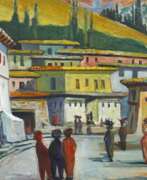


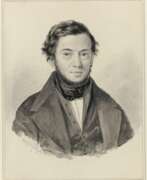

Jacobus Theodorus "Jacob" Abels was a Dutch painter. He was a pupil of the animal painter Jan van Ravenswaay. In 1826 Abels had visited Germany, and on his return settled at the Hague. He was especially noted for his paintings of moonlit landscapes. The Museum at Haarlem has works painted by him.


Anna Adelaïde Abrahams was a Dutch still life painter. Beginning in 1882 Abrahams showed her work in Levende Meesters (Living Masters) exhibitions throughout the Netherlands. She exhibited in Europe in Paris, Berlin, Düsseldorf and Brussels. She exhibited her work at the Palace of Fine Arts at the 1893 World's Columbian Exposition in Chicago, Illinois. Abrahams was a member of the art association Ons Doel Is Schoonheid (Our Goal Is Beauty) and was on the board of the Pulchri Studio.
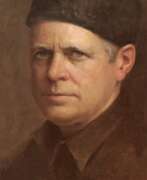

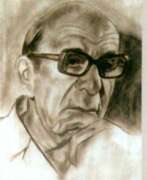

Memet Abselyamovich Abselyamov (Russian: Мемет Абселямович Абселямов) was a mid-20th century Soviet artist of Crimean Tatar origin. He is known as a landscape painter.
Memet Abselyamov became famous in 1935 with his genre painting "Kolkhoznitsy Udarnitsy", which was awarded the All-Russian prize and acquired by the Moscow Museum of Folk Art. During his life in Tajikistan, where he came after the deportation of the Crimean Tatars, the artist created mainly landscapes, including the paintings "Night in the Crimea", "Crimean Cypresses", "Gurzuf. Where A. Pushkin visited", "Sunny Day", "Spring in Tajikistan", "The Last Ray" and others.
He was a member of such creative associations as "Krymkhudozhnik", the Union of Artists of the USSR, the Union of Artists of the Tajik SSR.
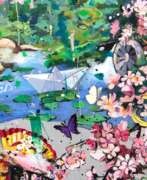

Angelo Accardi is a contemporary Italian artist. He grew up surrounded by both modern and traditional art. Although he studied fine art at the Art Academy of Naples, he never completed his training. Angelo Accardi illustrates surreal visions of everyday life under realistic backdrops of urban and natural landscapes. There is never a single meaning, but a whole story behind each painting. Ironic, striking, and playful, Accardi’s unique perspective and avant-garde style is a result of his diverse inspirations.
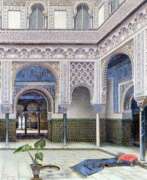

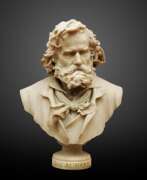

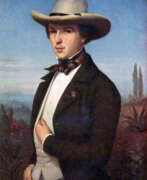

Oswald Achenbach was a German painter associated with the Düsseldorf school of painting. Though little known today, during his lifetime he was counted among the most important landscape painters of Europe. Through his teaching activities, he influenced the Kunstakademie Düsseldorf. His brother, Andreas Achenbach, who was twelve years older, was also among the most important German landscape painters of the 19th century. The two brothers were humorously called "the A and O of Landscapes" (a reference to their initials matching a common German reference to the Alpha and Omega).
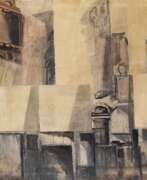

Peter Ackermann was a German painter and graphic artist. He became known for his alienation of architectural subjects. Ackermann was a representative of fantastic realism. The preferred subject of his work was classical Italian architecture, which he drew on site. He put together columns, portals and walls with machine parts, ruins and desolate parts of the city, which were piled up threateningly and thus alienated. In his etchings he showed references to the techniques of the old masters, his pictorial conception is compared with that of Giovanni Battista Piranesi and Canaletto.
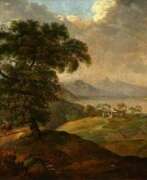

Johann Adam Ackermann was a German landscape painter of the early 19th century. His best-known works are his winter landscapes and watercolours. Johann Ackermann was the brother of Georg Friedrich Ackermann, who also painted landscapes but with less success.


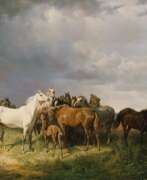

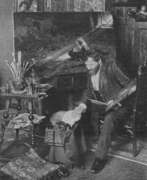

Julius Anton Adam was a German genre painter and animalist who specialised in the depiction of cats and was a member of an influential family of Munich painters.
Julius Anton Adam was a pupil of Professor Michael Echter and later Wilhelm von Dietz at the Munich Academy of Art. He later became a professor himself.
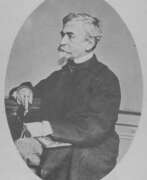

Benno Rafael Adam is a German animalist painter.
He began his fine art studies under the tutelage of his father, the balloonist painter Albrecht Adam. He masterfully depicted hunting dogs and horses, especially scenes of hunting wild animals. Benno Adam also illustrated several textbooks and manuals on livestock breeding.
Benno's son Emil Adam also became an artist.
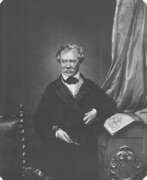

Albrecht Adam was a Bavarian painter of the first half of the 19th century. He is best known for the fact that as a member of Napoleon's Grand Army he took part in the campaign against Russia in 1812 as the official artist of the headquarters of the IV (Italian) Corps. Throughout the campaign, the artist made sketches and drawings, capturing many of the important events of the campaign. Later, many of these sketches became the basis for full-fledged paintings, and to subjects from the Napoleonic wars, which he witnessed, Adam addressed until the end of his very long life.
Albrecht Adam was also the author of memoirs, in which he described in detail the Battle of Borodino and a number of other key events of the War of 1812.
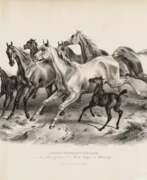

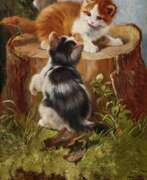

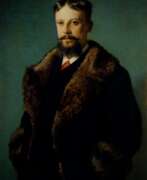

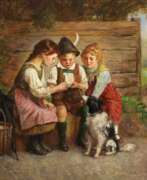

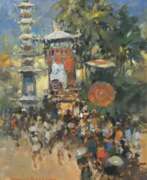

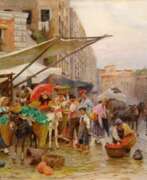

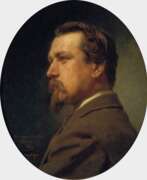

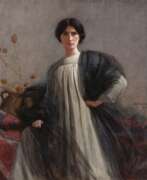

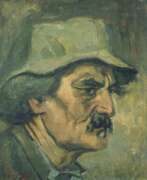

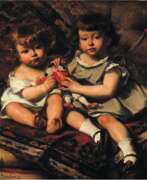

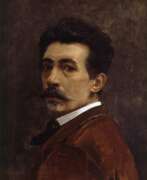

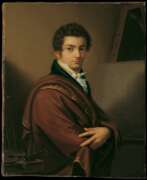

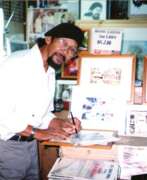

Abdul Ghani Ahmad is a contemporary Malaysian artist. He is known as a watercolorist working in the styles of realism and abstraction.
Abdul Ghani Ahmad creates landscape and rural landscapes as well as abstractions. His work is characterized by photographic precision and detail. Some of the artist's best known works include the Pristine Nature, Journey and Flora of Malaysia series. He has also produced a series of postcards with views of Malaysia.
Ahmad is a member of various art organizations including the Asian Watercolorists Confederation and the Malaysian Artists Union.
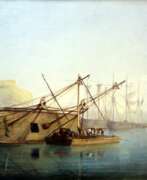


Ivan Konstantinovich Aivazovsky (Russian: Иван Константинович Айвазовский) was a Russian-Armenian painter, celebrated for his mastery in depicting seascapes. Born in 1817 in Feodosia, Crimea, Aivazovsky became one of the most renowned Russian artists of his time, with a career spanning over 60 years during which he created more than 6,000 paintings. His work is characterized by a profound understanding of the play of light on water, capturing the essence of the sea like no other artist of his era.
Aivazovsky's paintings stand out for their dramatic intensity and the emotional depth they evoke. He was particularly adept at illustrating the sea's many moods, from calm, serene waters to tumultuous storms. His ability to depict light, whether it be the tranquil glow of the moon on the water's surface or the fierce blaze of the sun setting over the ocean, was unparalleled. Among his most celebrated works are "The Ninth Wave" and "Among the Waves," both of which showcase his skill in portraying the sea's power and beauty. These masterpieces can be found in prestigious museums and galleries worldwide, including the State Russian Museum in Saint Petersburg and the Tretyakov Gallery in Moscow.
For collectors and experts in the realms of art and antiques, Aivazovsky's oeuvre represents a pinnacle of romantic landscape painting. His works are not only aesthetically magnificent but also embody a rich cultural and historical narrative, making them highly sought after in the art market. If you are passionate about the fusion of culture, art, and history embodied in painting, Ivan Konstantinovich Aivazovsky's works are a testament to the enduring allure of the sea and its many faces.
To stay informed about new product sales and auction events related to Ivan Konstantinovich Aivazovsky, we invite you to sign up for our updates. This subscription ensures you're always in the know about opportunities to add a piece of this legendary artist's legacy to your collection.
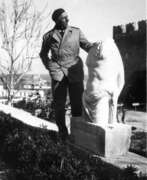

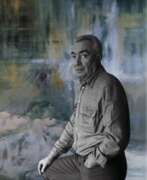

Giuseppe Ajmone was an Italian painter and printmaker.
He studied painting at the Brera Academy of Fine Arts in Milan and in 1946 was one of the signatories of the Realist Manifesto, also known as "Oltre Guernica.
Ajmone painted both landscapes and still lifes as well as semi-abstract figures.
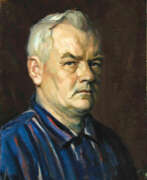

Ivan Osipovich Akhremchik (Russian: Ива́н О́сипович Ахре́мчик) was a twentieth-century Belarusian Soviet artist. He is known as a painter and teacher.
Ivan Akhremchik worked in the genres of portrait, thematic painting, landscape and monumental art. He was one of the first Belarusian artists turned in his work to the theme of the establishment of Soviet power and socialist construction in Belarus. As a muralist, the artist participated in the creation of several pictorial panels for exhibitions and cultural institutions of Belarus.
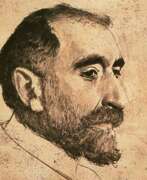

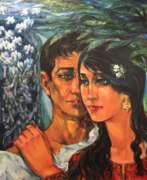

Tamam Al-Akhal is a Palestinian artist and educator living in Jordan. She studied at the Fine Arts College in Cairo. From 1957 to 1960, she taught art at the Makassed Girls College in Beirut. In 1959, she married Ismail Shammout. Al-Akhal has exhibited in Egypt, Lebanon, Jerusalem, Jordan, the United States, Kuwait, England, China, Morocco, Berlin, Paris, Rome, and Vienna. She gave a series of lectures at the Jordan National Gallery of Fine Arts in 2009. Her art appeared on more than a dozen covers of Palestinian Affairs, a magazine published by the Palestine Liberation Organization. She was also head of the PLO's Arts and Heritage section. With her husband, she painted a series of large murals known as "Palestine: The Exodus and the Odyssey."
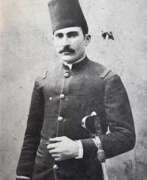

Abdul Qadir Al Rassam was an Iraqi painter of the first half of the twentieth century. He is known as a painter and graphic artist and is considered the founder of modern Iraqi painting.
Al Rassam, a military officer by training, studied drawing at the Military College in Istanbul. Returning to Iraq, he created landscapes, portraits and murals. His work is characterized by historical and ethnographic accuracy. The master, according to critics, contributed to the influence of the European academic school on the Iraqi art scene.
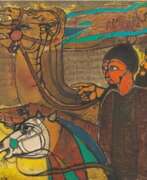

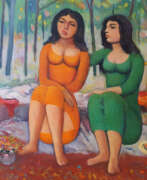

Ismail Al-Sheikhly is a contemporary Iraqui artist. He belonged to one of the first art groups to appear in Iraq, 'La Societe Primitive', founded in 1950. The group later changed its name to 'The Pioneers' and kept it into the 1970s. Some of his works are influenced by Cubism, a movement which grew in popularity throughout the 1950s, and was the preferred artistic style of one of Al-Sheikhly's important contemporaries, Hafiz Drubi. Al Sheikhly’s early works are inspired by the Iraqi village life, though his later works are more focused on abstracted colour combinations and obscured backgrounds. Women feature highly as a central theme in his work. Painted in groups quite often, Al Sheikhly’s women are streamlined with oval faces and generic bodies and seem to always be in states of coming and going, whether that be to the mosque, to the souks, or to do some domestic task.
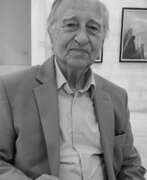

Saad Al-Tai is a contemporary Iraqi artist. He participated in several exhibitions in Baghdad and abroad. Al-Tai was a member of the Iraqi Impressionists Group. Despite the name of the group, Al-Tai was not categorically an impressionist, rather his style lent more towards cubist realism. For him, the colour of the painting was determined by its subject matter. Al-Tai is an award winning artist who, amongst other things, received Italian knighthood in 2005 in recognition for his efforts in fostering Iraqi-Italian cultural dialogue including founding and heading the Italian Language Department in 2002 at the College of Languages, Baghdad University.
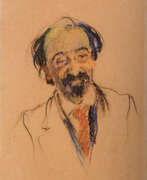

Manuel Khristoforovich Alajalov (Russian: Мануил Христофорович Аладжалов) was a prominent Russian and Soviet landscape painter and educator, born in 1862 in Nakhichevan-on-Don. Alajalov's work is distinguished by his exquisite landscapes that capture the essence of the Russian countryside. His paintings are noted for their masterful use of light and shadow, bringing a serene and lifelike quality to his depictions of nature.
Alajalov's career was marked by a deep commitment to portraying the natural world with authenticity and emotion. His art reflects a profound appreciation for the tranquility and beauty of rural Russia, making him a significant figure in the history of Russian art. Alajalov's legacy as a teacher also influenced many aspiring artists of his time, further cementing his place in the artistic community.
Alajalov's works are showcased in several major Russian museums, including the State Tretyakov Gallery, where art enthusiasts can experience his contribution to landscape painting. His paintings continue to be celebrated for their technical excellence and emotional depth, attracting collectors and admirers from around the world.
For updates on new product sales and auction events related to Manuel Khristoforovich Alajalov, sign up for our newsletter. Stay informed about exclusive opportunities to own a piece of this celebrated artist's legacy.
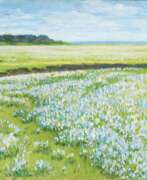

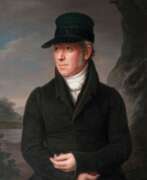

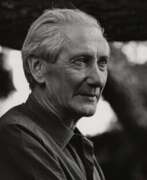

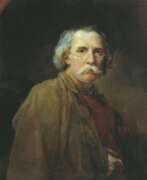

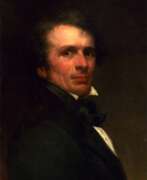

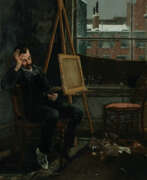

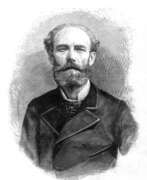

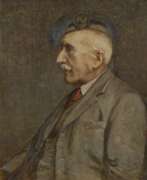

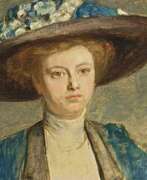

August Allebé was an artist and teacher from the Northern Netherlands. His early paintings were in a romantic style, but in his later work he was an exponent of realism and impressionism. He was a major initiator and promoter of Amsterdam Impressionism, the artist's association St. Lucas, and the movement of the Amsterdamse Joffers. Amsterdam Impressionism – sometimes referred to by art historians as the School of Allebé – was the counterflow to the very strong Hague School in the movement of Dutch Impressionism. As a professor at the Royal Academy of Amsterdam (Rijksakademie van beeldende kunsten) he fostered a cosmopolitan attitude toward art and the promotion and motivation of his students, and provided a significant stimulus to developments in modern art.
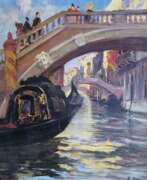

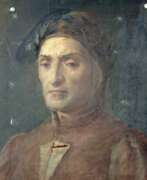

William Herbert Allen was an English landscape watercolour artist whose career spanned more than 50 years from the 1880s to the 1940s. He was invariably referred to as «W. H.» rather than by his given name. He produced several thousand watercolours, chalk and pencil sketches mainly of the landscapes, traditions and people of West Surrey and North-east Hampshire. In addition, he produced scenes of other parts of the British Isles and various parts of continental Europe. These works included commissions in Italy for the Victoria and Albert Museum, Dublin, Edinburgh and Preston museums. He was made a member of the Royal Watercolour Society in 1903 and the Royal Society of British Artists in 1904 and his work was exhibited at the Royal Academy in 1927.
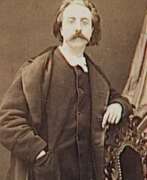

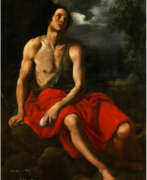

Cristofano Allori was an Italian painter of the late Florentine Mannerist school, painting mostly portraits and religious subjects. Allori received his first lessons in painting from his father, Alessandro Allori, but becoming dissatisfied with the hard anatomical drawing and cold coloring of the latter, he entered the studio of Gregorio Pagani. When still young he became a court portraitist for the Medicis, though many of his commissions were replicas of portraits by his predecessor Bronzino, or had participation by others.[citation needed. His pictures are distinguished by their close adherence to nature and the delicacy and technical perfection of their execution. His most famous work, in his own day and now, is Judith with the Head of Holofernes.


Darren James Almond is an English artist, based in London. He was nominated for the 2005 Turner Prize. He works in a variety of media including photography and film, which he uses to explore the effects of time on the individual.[3] He uses "sculpture, film and photography to produce work that harnesses the symbolic and emotional potential of objects, places and situations, producing works which have universal as well as personal resonances"
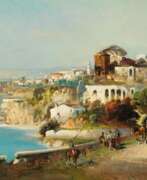

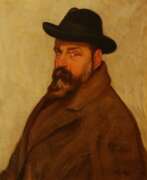




Wilhelm Amberg was a German genre painter. He was educated by the painters Carl Joseph Begas in Berlin and Léon Cogniet in Paris (1845). After this he spent a couple of years in Rome. His paintings are characterized by humour and a poetic atmosphere.
Wilhelm Amberg has won many awards and from 1886 was a Member of the Senate of the Prussian Academy of Arts, Berlin.
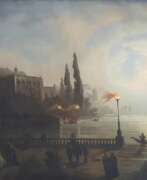

Gustav Adolf Amberger was a German painter and graphic artist. He lived in Rome for two years and learned the painting trade from Peter von Cornelius. One of his first works was the painting The Oceanides. Amberger worked as a designer in the ribbon factory founded by Philipp Trüdinger. Around 1870 he was the court painter to the Landgrave of Hesse. In Antwerp he was a pupil of Joseph van Lerius and made numerous copies, of which Les deux voies is the best known.
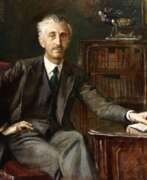

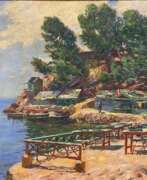


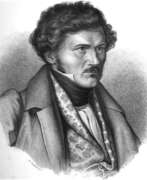

Samuel Amsler is a Swiss engraver. He studied his art under Johan Heinrich Lips and Karl Ernst Hess, at Munich, and from 1816 pursued it in Italy, and chiefly at Rome, till in 1829 he succeeded his former master Hess as professor of engraving in the Munich academy. The works he designed and engraved are remarkable for the grace of the figures, and for the wonderful skill with which he retains and expresses the characteristics of the original paintings and statues. He was a passionate admirer of Raphael, and had great success in reproducing his works.
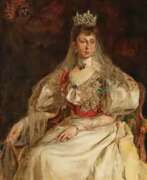

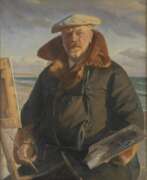

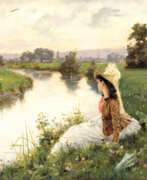


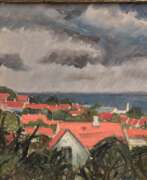

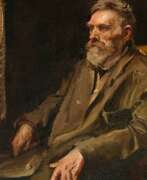

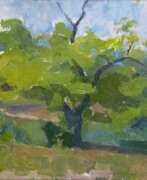


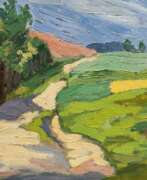

Louise Elisabeth Andrae was a German Post-Impressionist landscape painter and watercolorist. She studied with two landscape painters; Gustav Adolf Thamm in Dresden and Hans von Volkmann in Karlsruhe. She settled in Dresden, but spent long periods on the island of Hiddensee. There, she helped organize a group known as the Hiddensoer Künstlerinnenbund, an association of women artists that included Clara Arnheim, Elisabeth Büchsel, Käthe Loewenthal and Katharina Bamberg. They were regular exhibitors at an art venue known as the Blaue Scheune (Blue Barn), established in 1920 by Henni Lehmann. She also exhibited frequently with a group known as the Kunstkaten in Ahrenshoop.Wikipedia
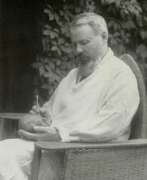

Nikolay Andreyevich Andreyev (Russian: Николай Андреевич Андреев) was a distinguished Russian sculptor, graphic artist, and stage designer, whose works have significantly contributed to the artistic landscape of early 20th-century Russia. Born into the rich cultural milieu of Moscow in 1873, Andreyev emerged as a pivotal figure associated with the Peredvizhniki group, a movement that sought realism and social critique through art. His early education under Sergey Volnukhin paved the way for a career that spanned various forms of artistic expression, including sculpture and graphic design.
Andreyev's works are known for their dynamic representation of figures and profound social commentary. Perhaps his most famous creation is the bronze statue of the celebrated writer Nikolai Gogol, unveiled in 1909. This statue, surrounded by bronze friezes depicting Gogol's characters, initially stood on Gogol Boulevard in Moscow. Its impressionistic style, however, attracted criticism, leading to its relocation in 1952. Another notable work, the "Woman reaper with a child," showcases Andreyev's adeptness at capturing the essence of Russian cultural symbols through sculpture. Cast in bronze, this work reflects Andreyev's ability to convey complex themes such as motherhood and labor with sensitivity and depth.
In his later years, Andreyev's artistic direction veered towards Socialist Realism, producing a prolific array of Leniniana - sculptures and graphic works of Vladimir Lenin. His commitment to this genre was profound, with around 100 sculptures and 200 graphic works dedicated to Lenin, marking a significant contribution to Soviet artistic propaganda. Additionally, his portrait of Lev Tolstoy stands as a testament to his versatility and depth as an artist, capturing the essence of the literary giant with striking realism.
Andreyev's legacy extends beyond his artistic achievements, with his works residing in prestigious collections such as the Tretyakov Gallery. His death in 1932 marked the end of a vibrant chapter in Russian art history, but his contributions continue to be celebrated for their artistic merit and historical significance.
For collectors and experts in art and antiques, the works of Nikolay Andreyevich Andreyev offer a unique glimpse into the cultural and political nuances of Russia during a transformative era. His sculptures not only stand as remarkable feats of artistic expression but also as enduring symbols of Russia's rich cultural heritage.
If you're intrigued by Andreyev's profound contributions to art and wish to explore his works further, consider signing up for updates. This subscription will keep you informed about new product sales and auction events related to Nikolay Andreyevich Andreyev, offering exclusive insights into the world of art and antiques.

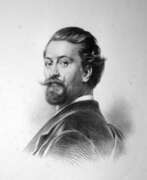

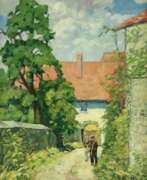

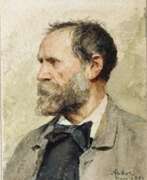

Albert Samuel Anker was a Swiss painter, gesture painter and graphic artist.
Albert studied at the École Nationale Supérieure des Beaux-Arts in Paris and exhibited his work at the Paris Salons, where he was awarded a gold medal in 1866. Anker painted many realistic portraits and genre scenes of ordinary Swiss life. In many of them he depicted children, including his own. Thanks to his paintings, Albert Anker was the most popular genre painter of 19th century Switzerland. He also decorated more than 500 earthenware plates for the Alsatian ceramicist Theodor Deck.
Anker was a member of the Grand Council of the Canton of Bern, initiated the creation of the city museum, and held the rank of officer of the Legion of Honor.
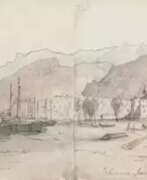

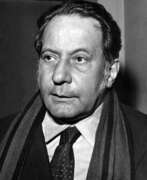

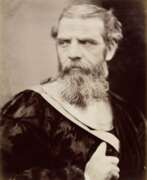

Richard Ansdell was a British painter of animals and genre scenes.
Ansdell's subject matter was compared to that of Edwin Landseer, though critical opinion was that, though popular, his works lacked the latter's emotional impact. His reputation was as a hardworking but occasionally over-proud artist; for instance, he received no royal commissions after refusing to paint Queen Victoria's dogs unless they were brought to his studio.
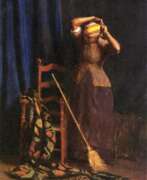

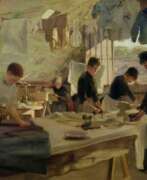

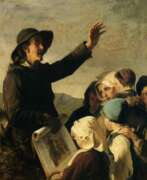

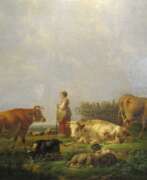




Emilia Appelgren was a Finnish artist, one of the first female landscape painters of 19th century Finland.
Emilia Appelgren was also a good copyist and illustrator. After the establishment of the Finnish Society of Artists in 1846, she studied at art schools at home and abroad.

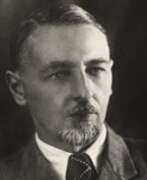

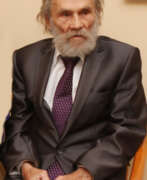

Boris Vladimirovich Arakcheyev (Russian: Борис Владимирович Аракчеев) was a Soviet and Belarusian artist of the second half of the twentieth and early twenty-first centuries. He is known as a painter and teacher.
Boris Arakcheyev worked in easel painting in the genres of landscape, still life, thematic paintings and battle scenes. A series of portraits of contemporaries and famous people occupies a special place in his creative heritage. He also worked in monumental painting - he was one of the creators of the diorama "Minsk Cauldron" in the Museum of the History of the Great Patriotic War of Belarus.
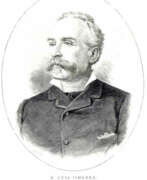

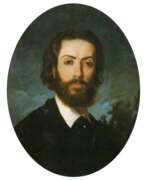


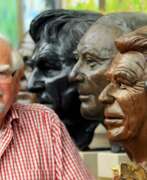

Kurt Emil Hugo Arentz was a German artist and sculptor, known for his numerous works in the different districts of the city of Leverkusen. Some of his works can also be found in the Nörvenich Castle in the Museum of European Art.
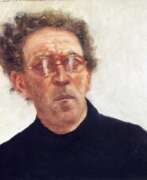

Avigdor Arikha (Hebrew: אביגדור אריכא) was a Romanian-born French–Israeli artist, printmaker and art historian.
Arikha painted directly from the subject in natural light only, using no preliminary drawing, finishing a painting, pastel, print, ink, or drawing in one session. His profound knowledge of art techniques and masterly draughtsmanship enabled him to abide by this principle of immediacy, partly inspired by Chinese brush painting.
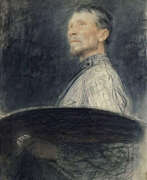

Abram Efimovich Arkhipov (Russian: Абра́м Ефи́мович Архи́пов) was a distinguished Russian realist artist, celebrated for his profound contributions to the world of art through his depictions of Russian peasantry and rural landscapes. Born in the village of Yegorovo, Ryazan Oblast, in 1862, Arkhipov's early life in a peasant family deeply influenced his thematic focus and artistic direction. His education at the Moscow School of Painting, Sculpture and Architecture, and later at the Imperial Academy of Arts, under the tutelage of prominent Russian artists such as Vasily Perov, Vasily Polenov, and Vladimir Makovsky, honed his skills and shaped his artistic vision.
Arkhipov's membership in the art collective The Wanderers and the Union of Russian Artists underscored his commitment to exploring the lives and struggles of Russian women and peasants, themes that recur throughout his work. His realist paintings often depicted the grim realities faced by these subjects, yet he also celebrated their resilience and spirit, as seen in his vibrant portrayals of peasant women in traditional dresses. Furthermore, Arkhipov's dedication to plein air painting allowed him to capture the essence of rural Russia and the northern landscapes with authenticity and emotional depth.
His notable works, such as "The Washer Women" and "Spring Holiday," are celebrated for their intricate depiction of Russian life and culture, providing viewers with a window into the soul of the Russian people. These masterpieces, along with others, have earned places in prestigious museums and galleries, including The Metropolitan Museum of Art, where his work "Ivan Rodin" from 1928 is part of their collection, symbolizing his enduring legacy in the world of art.
For collectors and experts in art and antiques, Arkhipov's works represent not only significant artistic achievements but also important cultural artifacts that offer insights into the historical and social contexts of his time. His paintings are a testament to his skill, sensitivity, and unique perspective on the Russian way of life, making him a pivotal figure in the Russian realist movement.
To stay updated on new product sales, auction events, and more insights into the world of Abram Yefimovich Arkhipov, consider signing up for updates. This subscription is a gateway to exploring the rich tapestry of Russian culture and art, as seen through the eyes of one of its most poignant chroniclers.


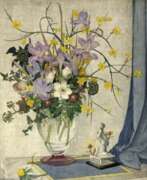

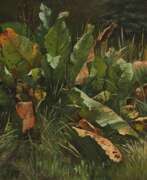

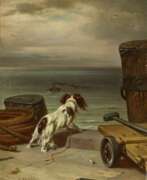

Carl Johann Arnold was a German painter, draftsman, and graphic artist.
He was the son and pupil of the designer and wallpaper maker, landscape and portrait painter, lithographer, and decorator Carl Heinrich Arnold (1793-1874).
He first studied at the Academy in Kassel and then went to Berlin. Carl Johann Arnold painted pictures of animals, canvases on historical events, and numerous portraits. In particular, he created many portraits of the German Emperor Wilhelm II, for which he was apparently appointed royal Prussian court painter. Arnold also produced drawings, etchings, and lithographs that were published in the popular magazines of the time.
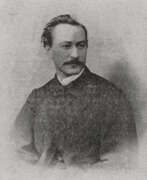

Albert Arnz was a German landscape painter of the Düsseldorf school. He studied painting from 1854 to 1860 at the Dusseldorf Academy of Art, where his two teachers were Andreas and Oswald Achenbach. Arntz painted atmospheric landscapes in Germany, Italy and Switzerland.
Albert Arntz was a member of the Malkasten Art Society and participated in their "living paintings" from 1875 onwards.
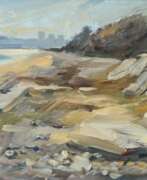

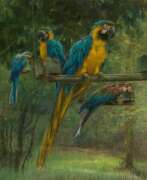

Berthe Constance Ursule Art was a Belgian still life painter. She was trained by Alfred Stevens and advised by Franz Binjé. Berthe Art exhibited her work at the Palace of Fine Arts and The Woman's Building at the 1893 World's Columbian Exposition in Chicago, Illinois. She became a member of the Brussels-based club called Cercle des Femmes Peintres which was active 1888–1893. They were the Belgian equivalent of the French Union des Femmes Peintres et Sculpteurs. She began a Brussels gallery in 1911 together with some friends from the (by then defunct) Circle of Women Painters. The gallery was called the Galerie Lyceum.

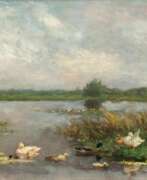

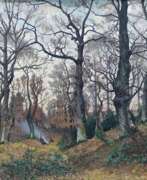

Alphonse Asselbergs was a Belgian painter, primarily of landscapes and forest scenes. Much of his training in art came from Huberti, and he would travel with him in the area around Namur. It was there he befriended Théodore T'Scharner, a student of Ferdinand Marinus, with whom he would go on painting expeditions in the Ardennes. In the summer of 1866, he took an extended trip with Huberti, to the artists' colony at Anseremme, where he was first exposed to the concept of painting en plein aire. In 1867 year he joined the painters at the artists' colony in Tervuren, where he stayed regularly until 1871. The Tervuren Schhol later became known as the Belgian equivalent of the Barbizon School. By 1868, he was receiving good reviews at the salon in Ghent. That same year, he became one of the co-founders of the Société Libre des Beaux-Arts. By 1869, he was exhibiting in Brussels. From 1873 to 1874, he visited Algeria with the watercolorist, Arthur Bouvier. This resulted in a number of Orientalist canvases.