Poland — Auction price
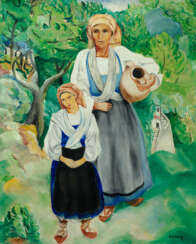

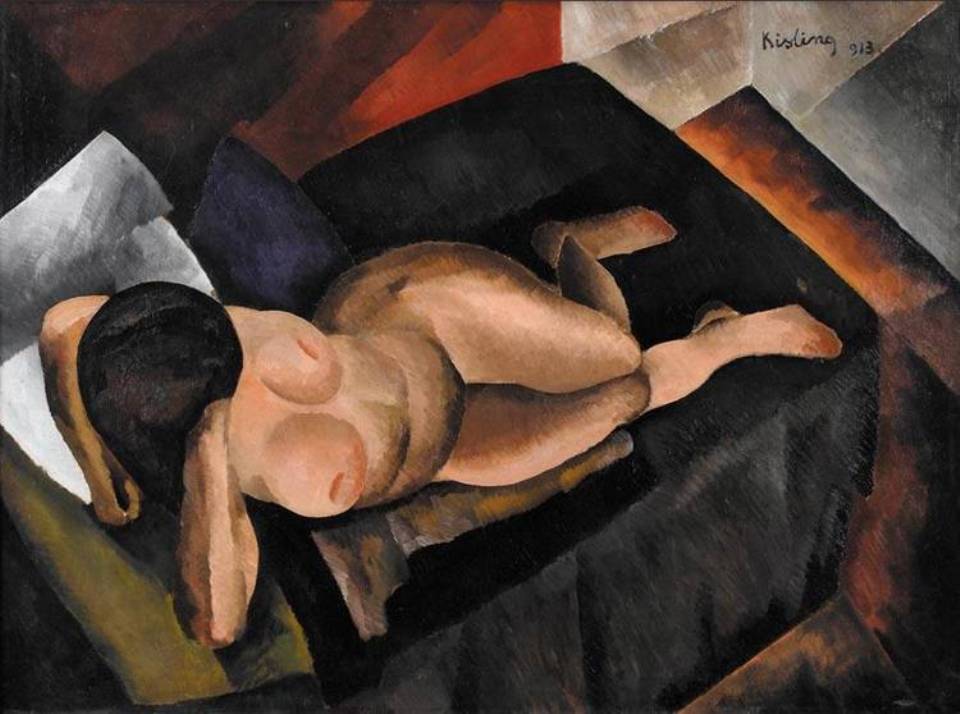
Moïse Kisling was a Polish-born French painter renowned for his contributions to modern art, particularly his highly stylized and evocative portraits. Born in Kraków in 1891, Kisling moved to Paris at the age of 19, quickly immersing himself in the vibrant artistic community of Montmartre and Montparnasse. His work, characterized by bold colors and dynamic compositions, spans a variety of themes, including landscapes, still lifes, and nudes, reflecting influences from Cubism and Post-Impressionism.
Kisling's artistry is celebrated for its unique blend of realism and abstraction, marked by a fluid, colorful style that evolved from his early influences, including Cezanne and Cubism. He was a central figure in the School of Paris, engaging with contemporaries such as Pablo Picasso, Georges Braque, and Amedeo Modigliani, the latter of whom he shared a close friendship and mutual artistic admiration. Modigliani's portraits of Kisling underscore their deep personal and professional bond. Notable works by Kisling include "La Sieste à Saint-Tropez," "Portrait du peintre (Autoportrait)," and "Le pêcheur," showcasing his versatility and skill in capturing the essence of his subjects.
During World War II, Kisling's Jewish heritage forced him to flee to the United States, where he continued to exhibit his work in New York City and California before returning to France after the war. His legacy is preserved in numerous public collections, including the Metropolitan Museum of Art, the National Gallery of Art, and the Brooklyn Museum, among others. This wide recognition attests to his significant impact on the development of modern art.
For collectors and experts in art and antiques, Kisling's work represents a pivotal intersection of cultural and artistic movements of the early 20th century. His paintings are not only visually stunning but also historically significant, embodying the spirit of an era marked by innovation and experimentation. The Musée du Petit Palais in Geneva holds a large collection of his works, offering a comprehensive overview of his artistic journey.
We invite enthusiasts and collectors to stay updated on new discoveries, sales, and auction events related to Moïse Kisling's work. Subscribing to updates ensures you won't miss the opportunity to engage with the rich legacy of this remarkable artist. This subscription is a gateway to exploring the vibrant world of Kisling's art, from his captivating portraits to his lush landscapes and still lifes, all of which continue to enchant and inspire.









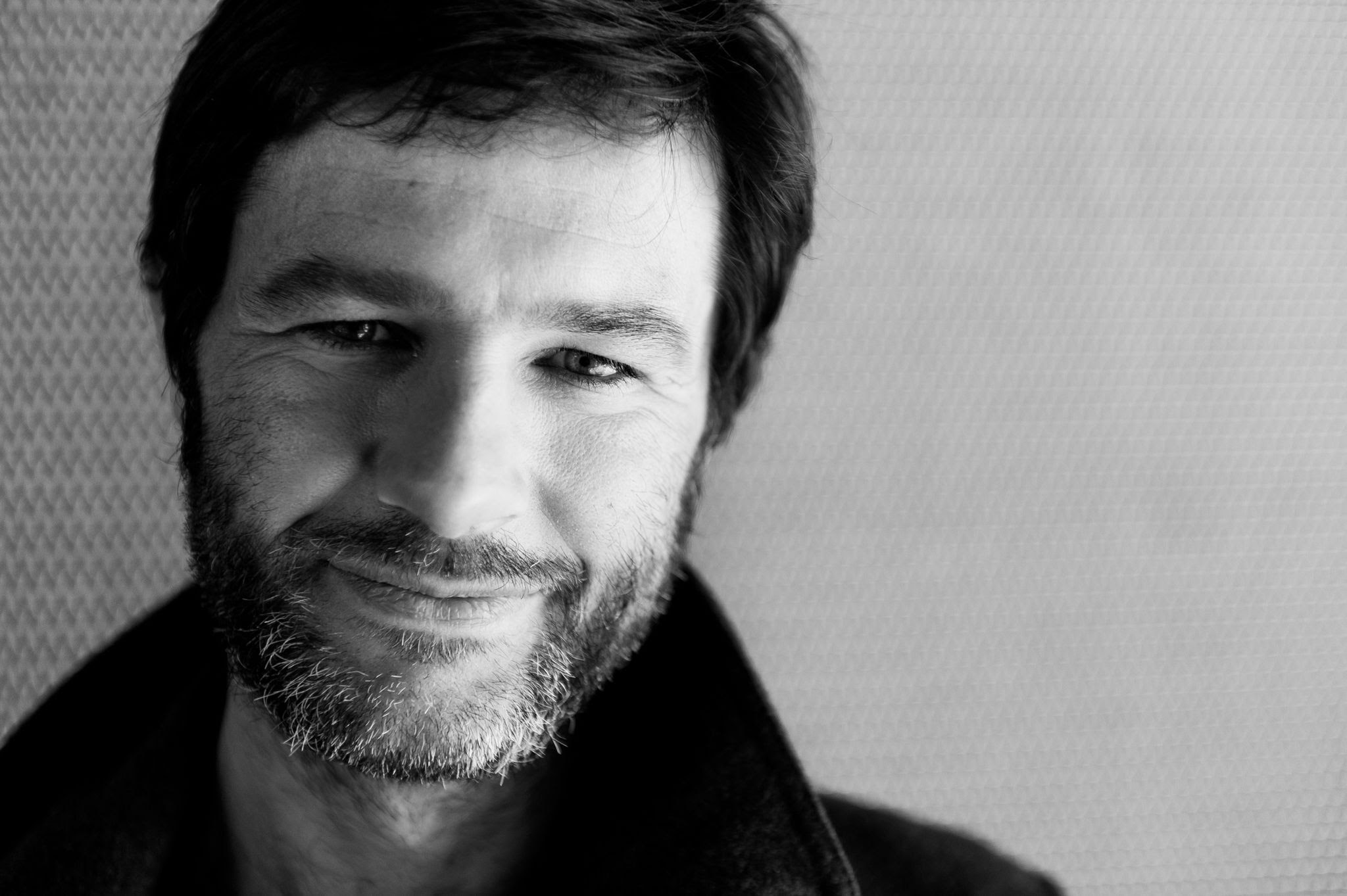
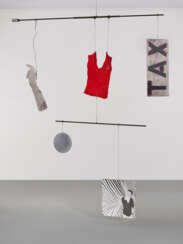
Wilhelm Sasnal is a Polish painter, photographer, poster artist, illustrator and filmmaker.
Sasnal graduated from the Academy of Fine Arts in Krakow, specializing in painting. Besides painting, he creates drawings in pencil and ink. The artist takes his subjects from everyday life, using images from media, propaganda and pop culture. Sasnal often paints from photographs and moves freely from figurative painting to abstraction.
Wilhelm Sasnal is considered one of the most prominent and internationally successful Polish contemporary artists.


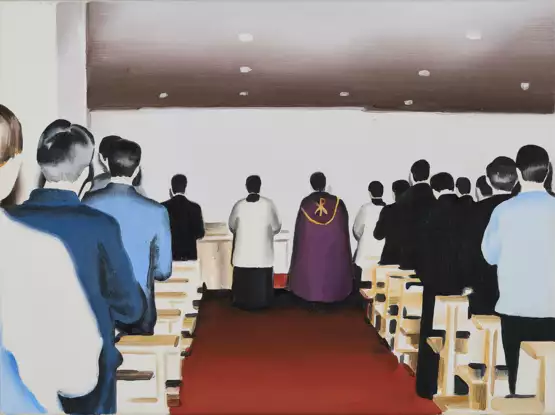
Marcin Maciejowski – is a contemporary Polish artist renowned for his humorous and candid observations of the everyday life. Painting from commercials, television series, newspapers, the internet, art history and his own experiences, Maciejowski is a keeper of our contemporary conditions.

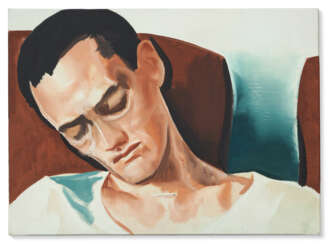

Wilhelm Sasnal is a Polish painter, photographer, poster artist, illustrator and filmmaker.
Sasnal graduated from the Academy of Fine Arts in Krakow, specializing in painting. Besides painting, he creates drawings in pencil and ink. The artist takes his subjects from everyday life, using images from media, propaganda and pop culture. Sasnal often paints from photographs and moves freely from figurative painting to abstraction.
Wilhelm Sasnal is considered one of the most prominent and internationally successful Polish contemporary artists.
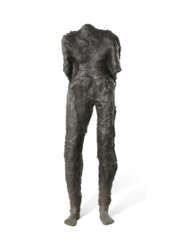

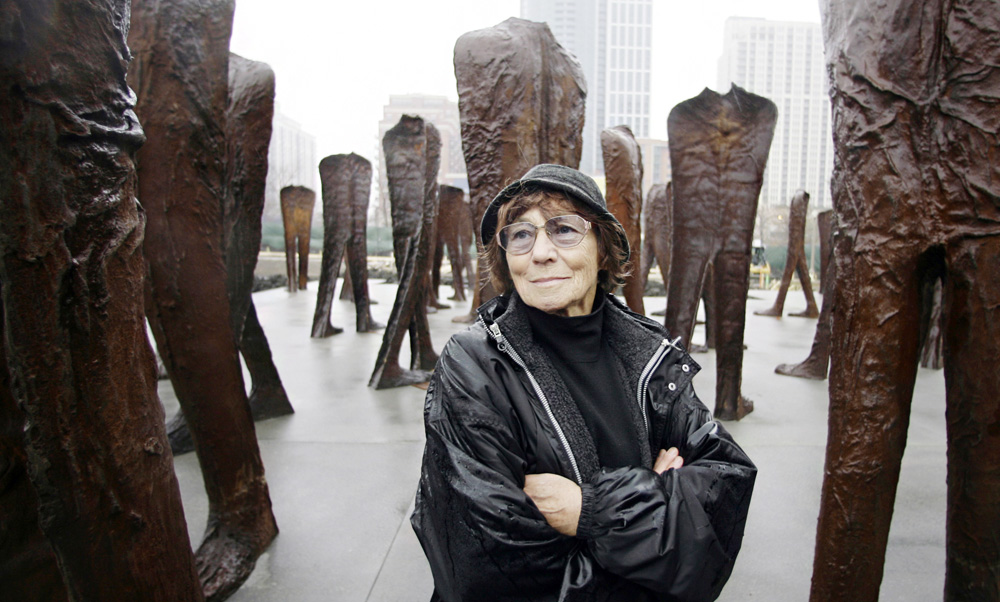
Magdalena Abakanowicz was a distinguished Polish artist, celebrated for her innovative use of textiles as a sculptural medium. Born on June 20, 1930, in Falenty, Poland, and passing away on April 20, 2017, in Warsaw, she carved out a significant place in the art world with her unique artistic expressions that often explored themes of crowd behavior, the trauma of war, and the individuality of the human condition.
Abakanowicz's education at the Academy of Fine Arts in Warsaw was a period of both artistic and personal growth, shaping her future works. During the 1960s, she began creating the "Abakans," large-scale textile sculptures that challenged conventional forms and expressed dynamic movement and vivid emotion. Her works often featured organic, tactile materials like burlap, resin, and wood, which added a profound depth and rawness to her sculptures.
Her sculptures are well-represented in major public installations and collections worldwide, including the National Museum in Wrocław, Poland, Grant Park in Chicago, and the National Gallery of Art Sculpture Garden in Washington, D.C. These pieces are not just art forms but are experiences, inviting viewers to explore deeper psychological and existential themes.
For those captivated by the profound impact and the stirring beauty of Magdalena Abakanowicz's work, subscribing for updates can provide regular insights and information on exhibitions and sales of her works at auctions. This is an excellent way to stay connected with the legacy of an artist who continuously redefined the boundaries of sculpture and installation art.