Marine art — Auction price
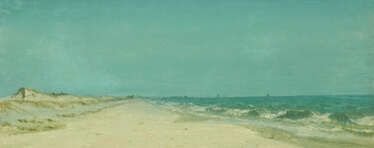

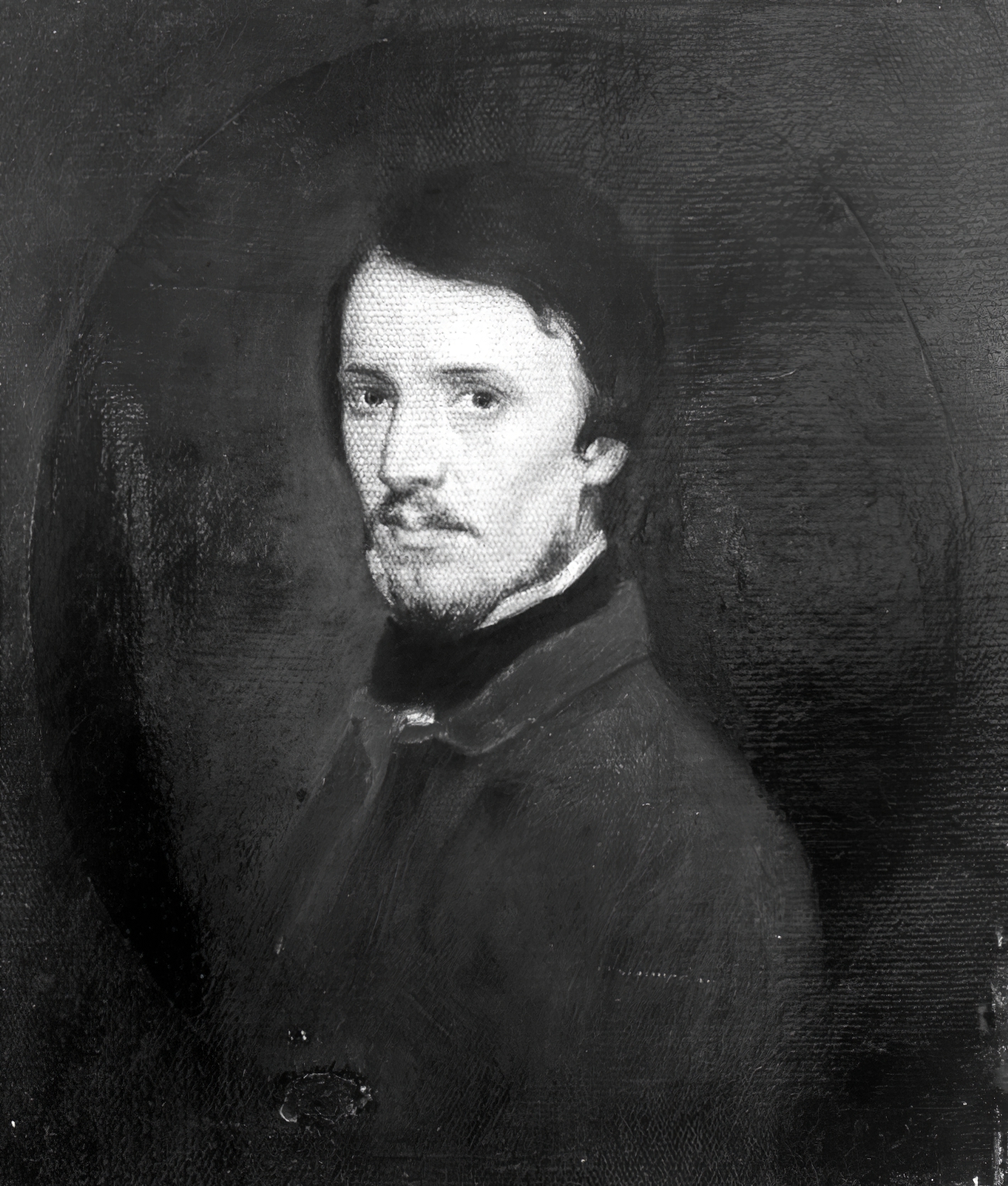
Sanford Robinson Gifford was an American landscape painter and a leading member of the second generation of Hudson River School artists. A highly-regarded practitioner of Luminism, his work was noted for its emphasis on light and soft atmospheric effects.
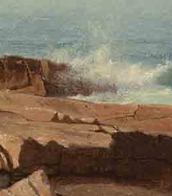
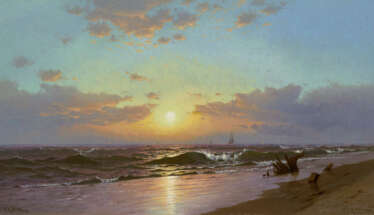

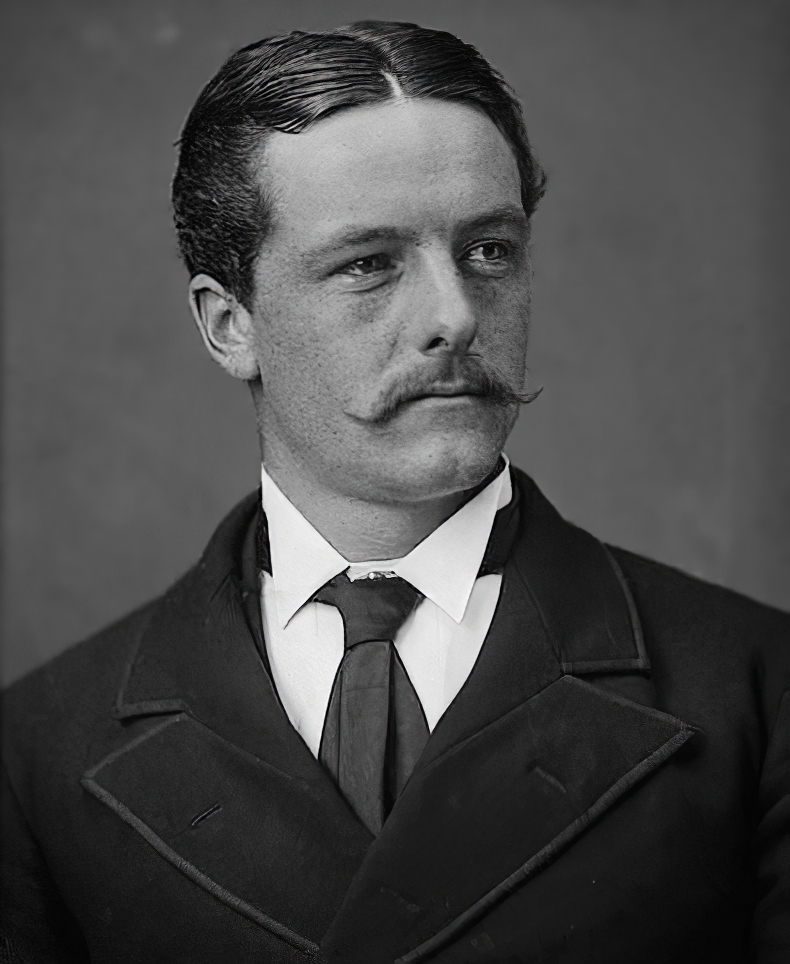
Francis Augustus Silva was an American Luminist painter of the Hudson River School. His specialty was marine scenes, particularly of the Atlantic coast, a genre in which he masterfully captured the subtle gradations of light in the coastal atmosphere. He focused on romantic scenes, avoiding depictions of seaside recreation, even when painting scenes at Coney Island, which was then already a popular recreational area.
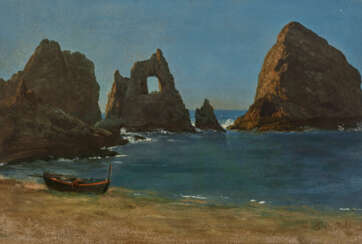

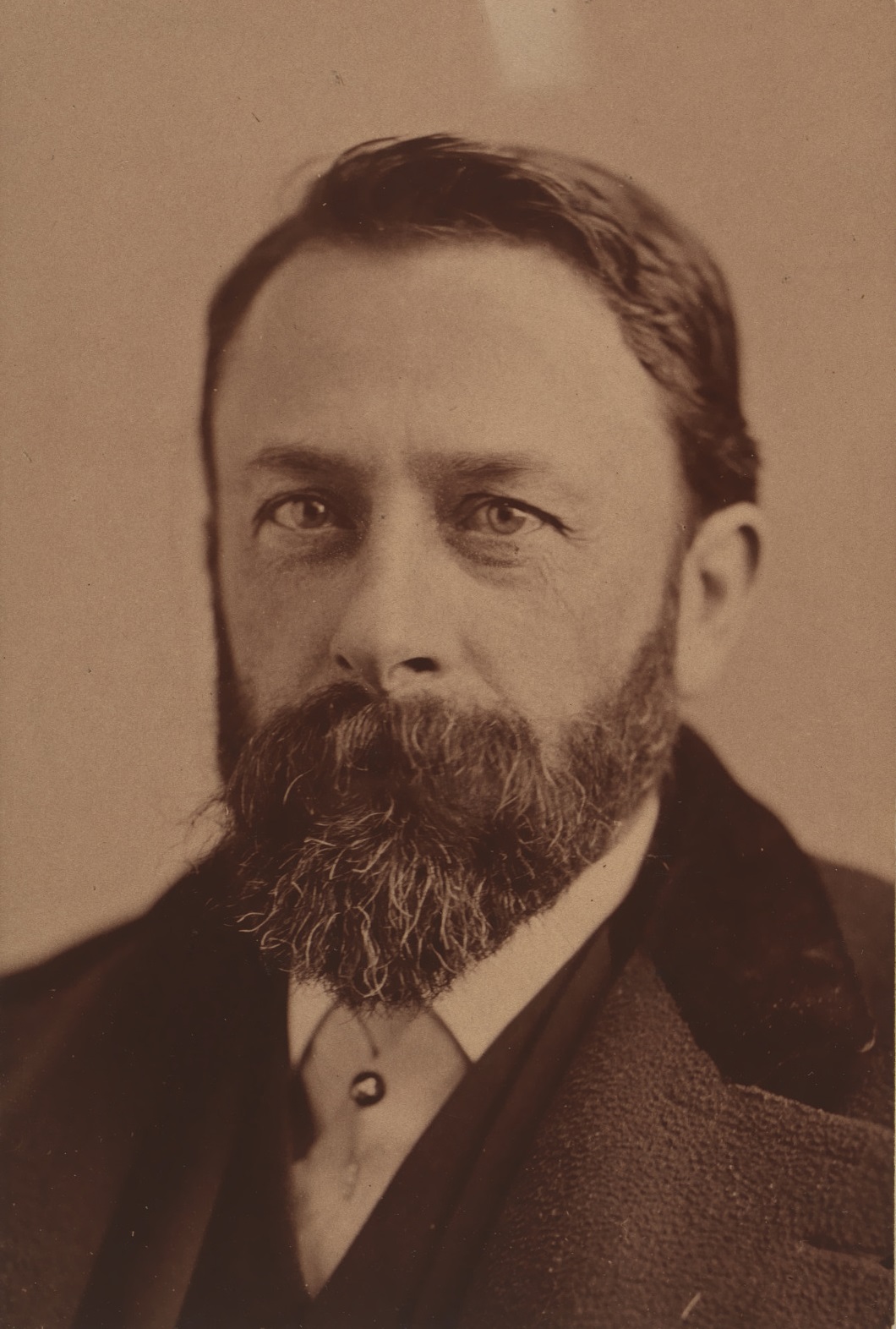
Albert Bierstadt, a German-American painter, became renowned for his expansive and romanticized landscapes of the American West. Born in Solingen, Germany, in 1830, Bierstadt moved to New Bedford, Massachusetts, at the age of two with his family. Largely self-taught, he initially worked as a drawing teacher before traveling to Europe to hone his skills. Bierstadt's European studies, particularly in Düsseldorf, greatly influenced his artistic style, equipping him with the techniques that he would later apply to his majestic depictions of the American wilderness.
Bierstadt's first major expedition to the West in 1859 marked the beginning of his lifelong fascination with the region. His works from this period, such as "The Rocky Mountains, Lander's Peak" (1863), captured the public imagination and established him as a leading figure in the Hudson River School. These paintings were celebrated for their detailed and idealized portrayal of the rugged landscapes and played a role in shaping the perception of the American West during a time of rapid territorial expansion and exploration.
Despite his success, Bierstadt's style fell out of favor towards the end of his career as tastes shifted towards realism and Impressionism. His later works, including "The Last of the Buffalo" (1888), were criticized for their perceived theatricality and excessive romanticism. Bierstadt's popularity waned, and he faced financial difficulties, but his legacy experienced a resurgence in the mid-20th century as interest in his technique and contributions to American art history grew.
For collectors and enthusiasts of American landscape painting, Bierstadt’s works offer a vivid, albeit embellished, glimpse into the 19th-century frontier spirit. His paintings are housed in major institutions like the Metropolitan Museum of Art and the National Gallery of Art, serving as testaments to his skill and vision.
To stay updated on exhibitions and sales related to Albert Bierstadt's works, consider signing up for alerts tailored to his artistic contributions. This subscription will keep you informed about new discoveries and auction events specifically linked to Bierstadt's enduring legacy.
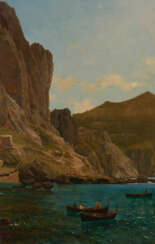

Albert Bierstadt, a German-American painter, became renowned for his expansive and romanticized landscapes of the American West. Born in Solingen, Germany, in 1830, Bierstadt moved to New Bedford, Massachusetts, at the age of two with his family. Largely self-taught, he initially worked as a drawing teacher before traveling to Europe to hone his skills. Bierstadt's European studies, particularly in Düsseldorf, greatly influenced his artistic style, equipping him with the techniques that he would later apply to his majestic depictions of the American wilderness.
Bierstadt's first major expedition to the West in 1859 marked the beginning of his lifelong fascination with the region. His works from this period, such as "The Rocky Mountains, Lander's Peak" (1863), captured the public imagination and established him as a leading figure in the Hudson River School. These paintings were celebrated for their detailed and idealized portrayal of the rugged landscapes and played a role in shaping the perception of the American West during a time of rapid territorial expansion and exploration.
Despite his success, Bierstadt's style fell out of favor towards the end of his career as tastes shifted towards realism and Impressionism. His later works, including "The Last of the Buffalo" (1888), were criticized for their perceived theatricality and excessive romanticism. Bierstadt's popularity waned, and he faced financial difficulties, but his legacy experienced a resurgence in the mid-20th century as interest in his technique and contributions to American art history grew.
For collectors and enthusiasts of American landscape painting, Bierstadt’s works offer a vivid, albeit embellished, glimpse into the 19th-century frontier spirit. His paintings are housed in major institutions like the Metropolitan Museum of Art and the National Gallery of Art, serving as testaments to his skill and vision.
To stay updated on exhibitions and sales related to Albert Bierstadt's works, consider signing up for alerts tailored to his artistic contributions. This subscription will keep you informed about new discoveries and auction events specifically linked to Bierstadt's enduring legacy.
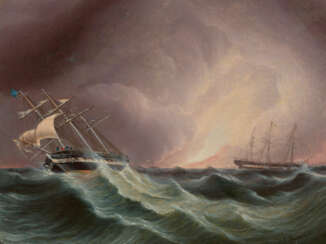

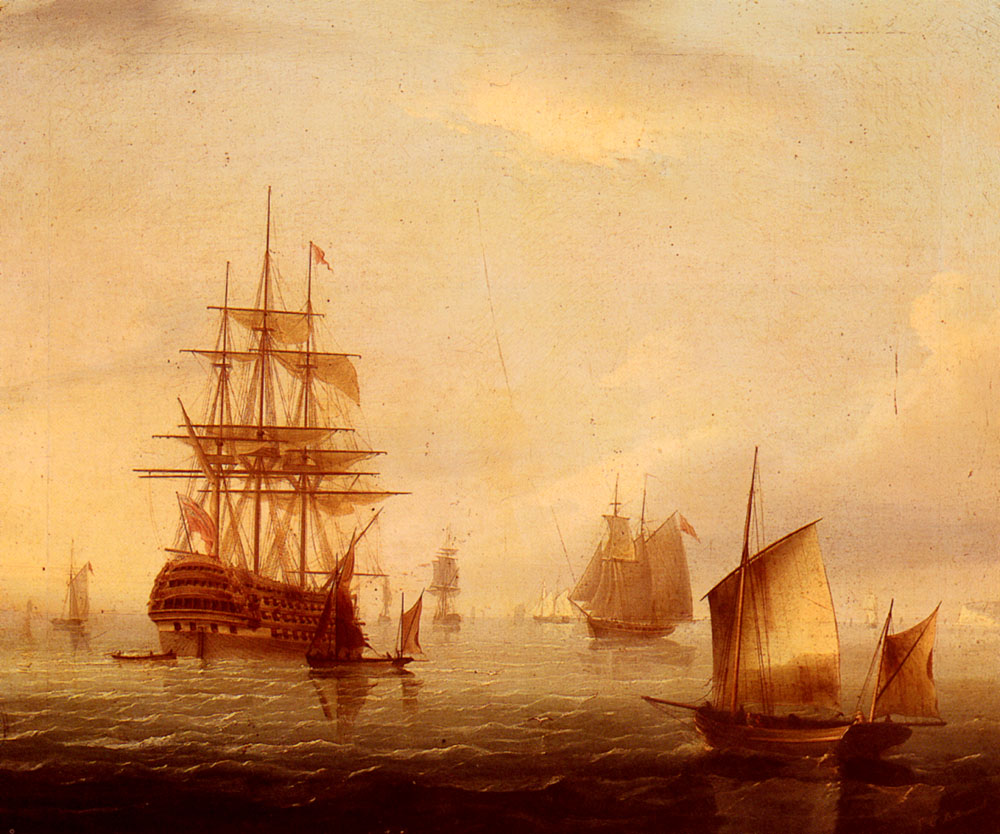
James Edward Buttersworth was an English painter who specialized in maritime art and is considered among the foremost ship portraitists in the United States of the nineteenth century. His paintings are particularly known for their meticulous detail, dramatic settings, and grace in movement.
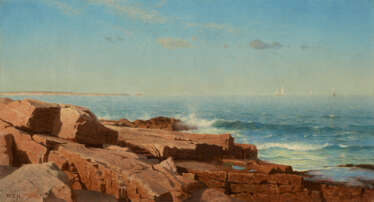

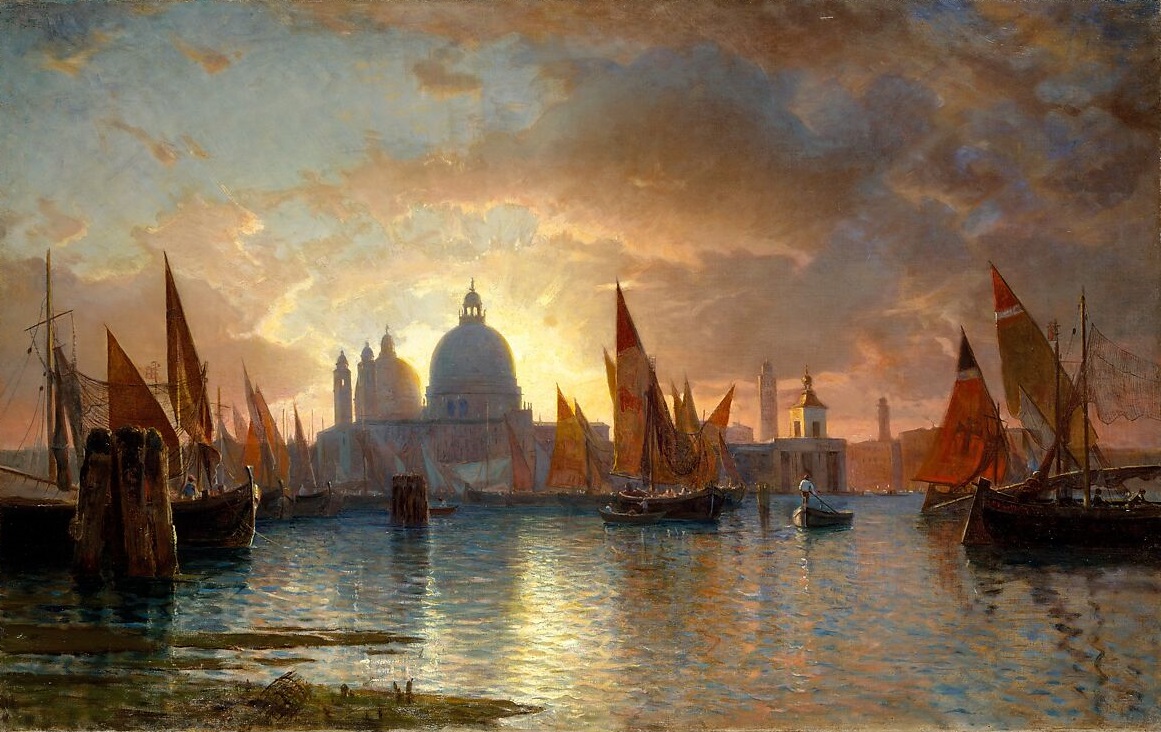
William Stanley Haseltine was an American painter and draftsman who was associated with the Düsseldorf school of painting, the Hudson River School and Luminism.

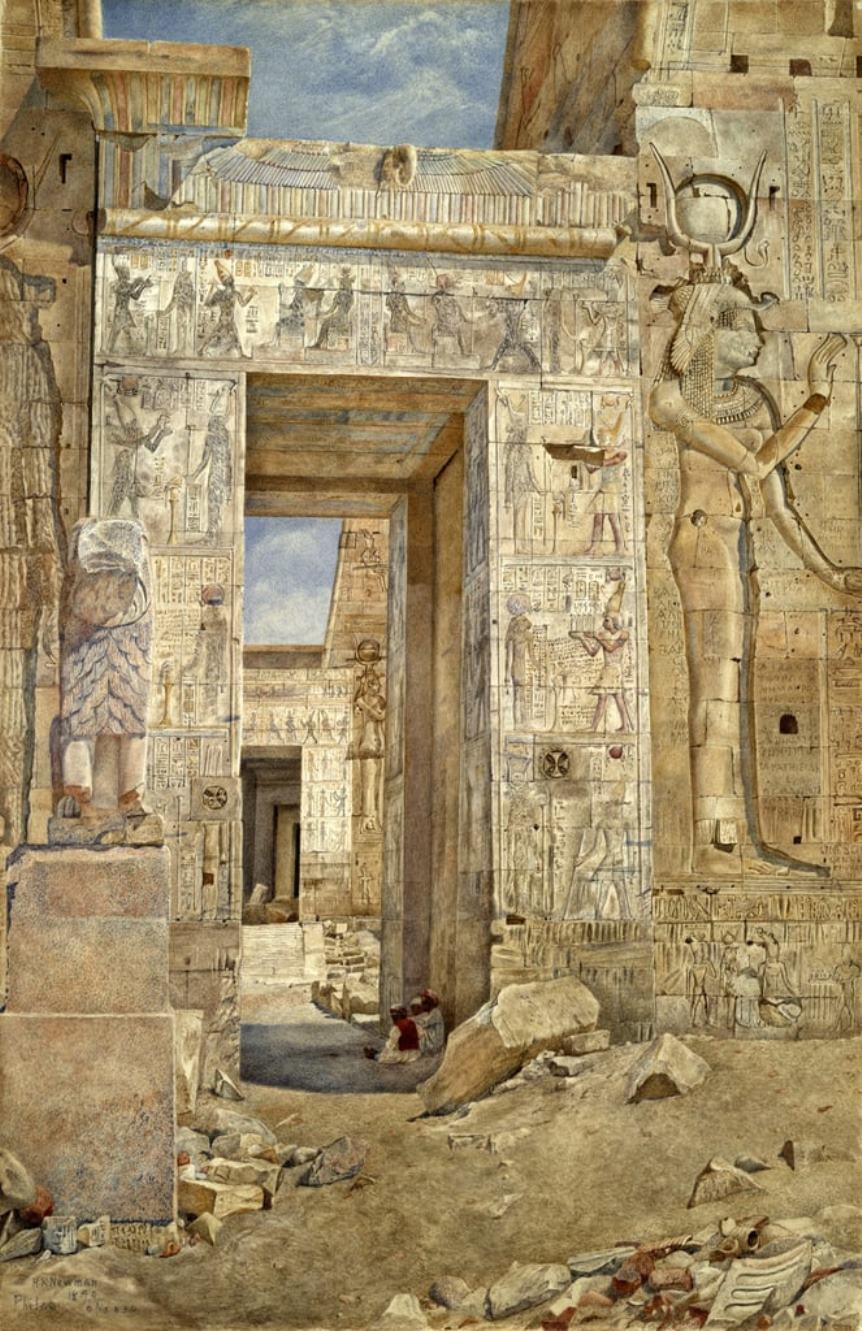
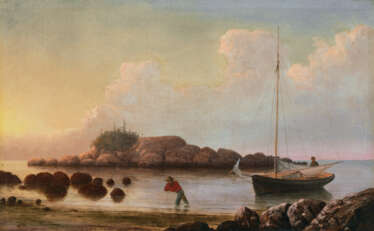

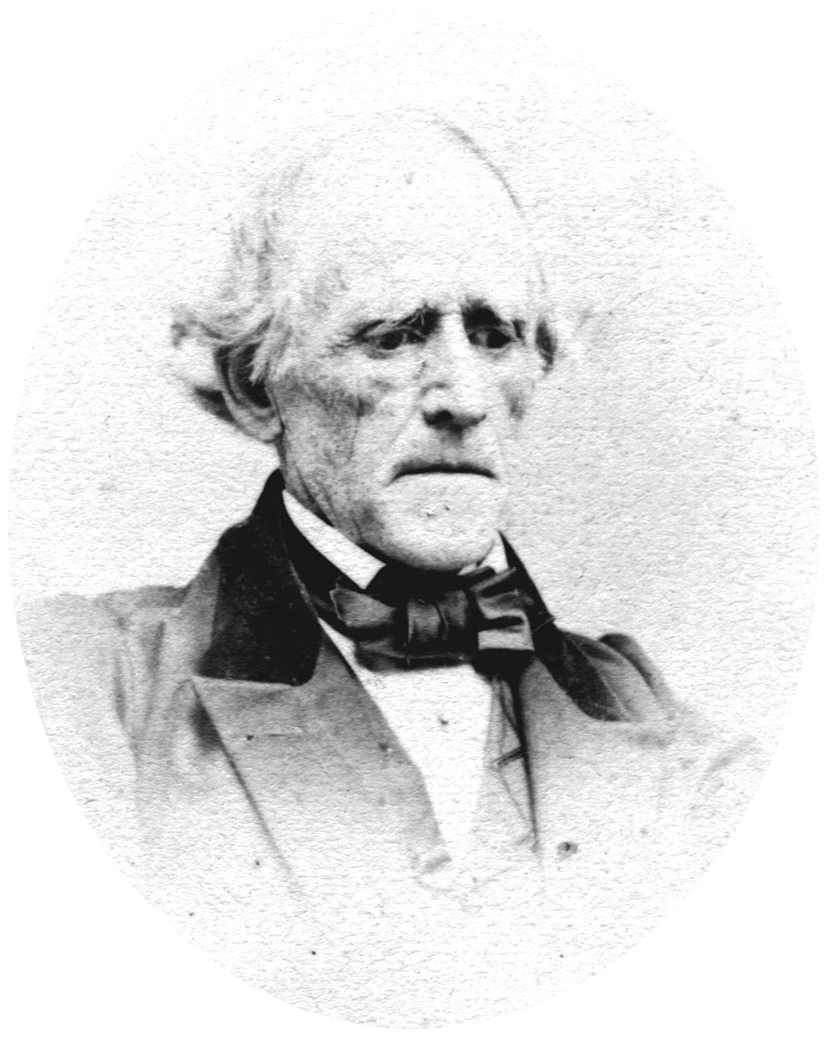
Fitz Henry Lane (born Nathaniel Rogers Lane) was an American painter and printmaker of a style that would later be called Luminism, for its use of pervasive light.
A contemporary of the Hudson River School, he enjoyed a reputation as America's premier painter of marine subjects during his lifetime, but fell into obscurity soon after his death with the rise of French Impressionism. Lane's work would be rediscovered in the 1930s by the art collector Maxim Karolik, after which his art steadily grew in popularity among private collectors and public institutions. His work can now command at auction prices ranging as high as three to five million dollars.
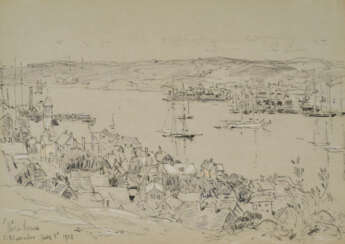

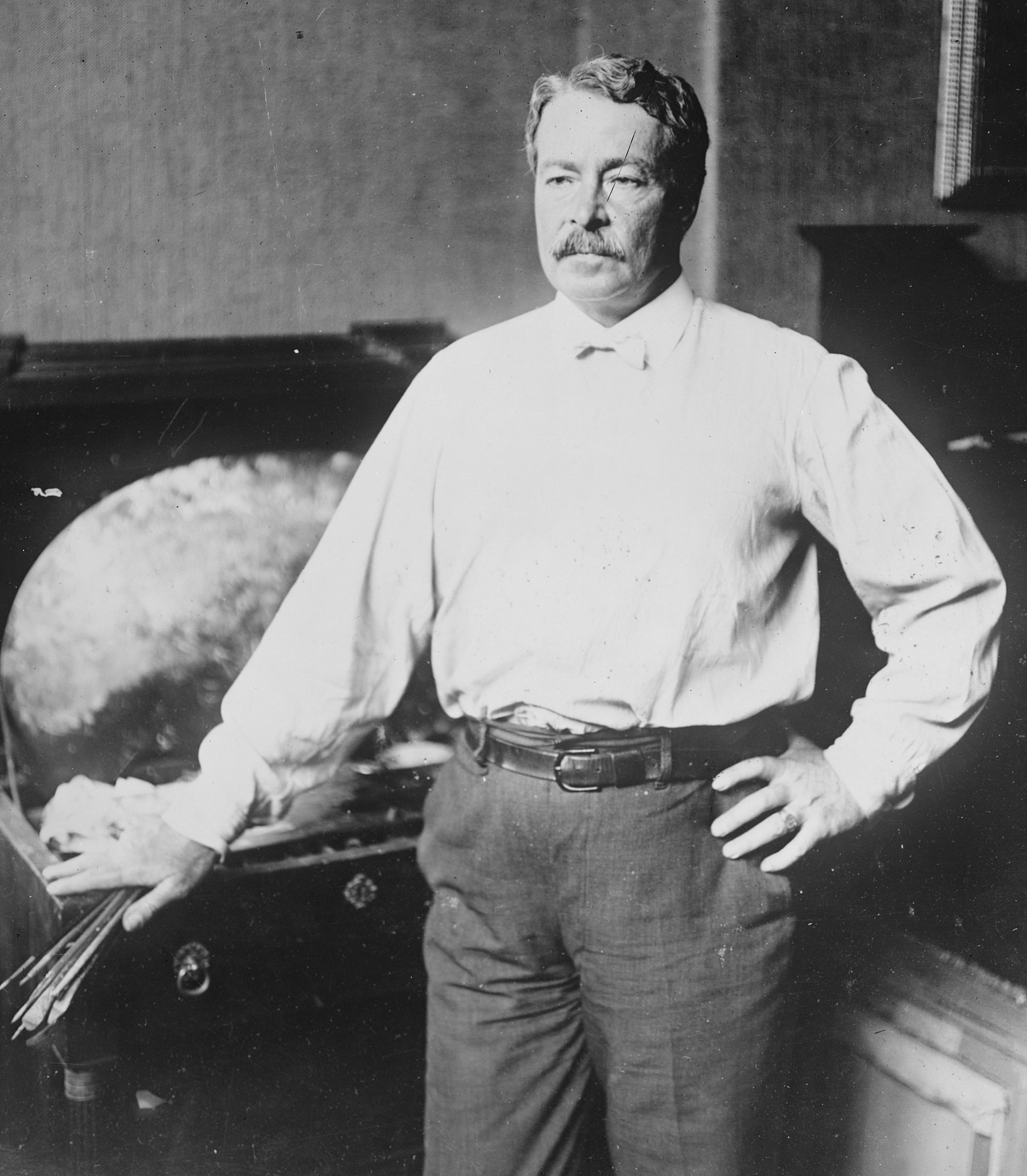
Frederick Childe Hassam was an American Impressionist painter, celebrated for his urban and coastal scenes. Born on October 17, 1859, in Dorchester, Massachusetts, Hassam was a pivotal figure in introducing French Impressionism to the American art scene. His prolific output includes over 3,000 works ranging from oils and watercolors to etchings and lithographs.
Hassam's technique was characterized by the use of light and vibrant colors, often focusing on bustling cityscapes and tranquil New England coastlines. He spent significant periods in Europe, particularly Paris, where he absorbed elements of the avant-garde styles of the time. Despite this, he often emphasized a connection to English landscape traditions over French ones.
Some of his most acclaimed works capture the essence of places like the Isles of Shoals in Maine and East Hampton in Long Island, where he later made his summer home. These settings often featured in his paintings, reflecting the picturesque and serene landscapes that contrasted with his urban subjects.
Hassam's legacy includes his influence on American collectors and institutions, helping to cultivate a taste for Impressionism in the United States. His works are held in major museums, including the Metropolitan Museum of Art and the Museum of Modern Art, ensuring his continued recognition as a key figure in American art history.
For those interested in exploring more about Hassam's life and works, signing up for updates on exhibitions and sales can provide valuable insights into his contributions to Impressionism. Subscribe for updates on new collections and auction events related to Frederick Childe Hassam's artworks.
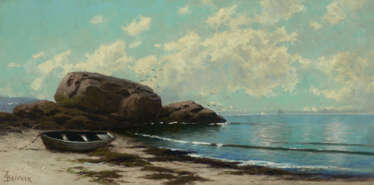

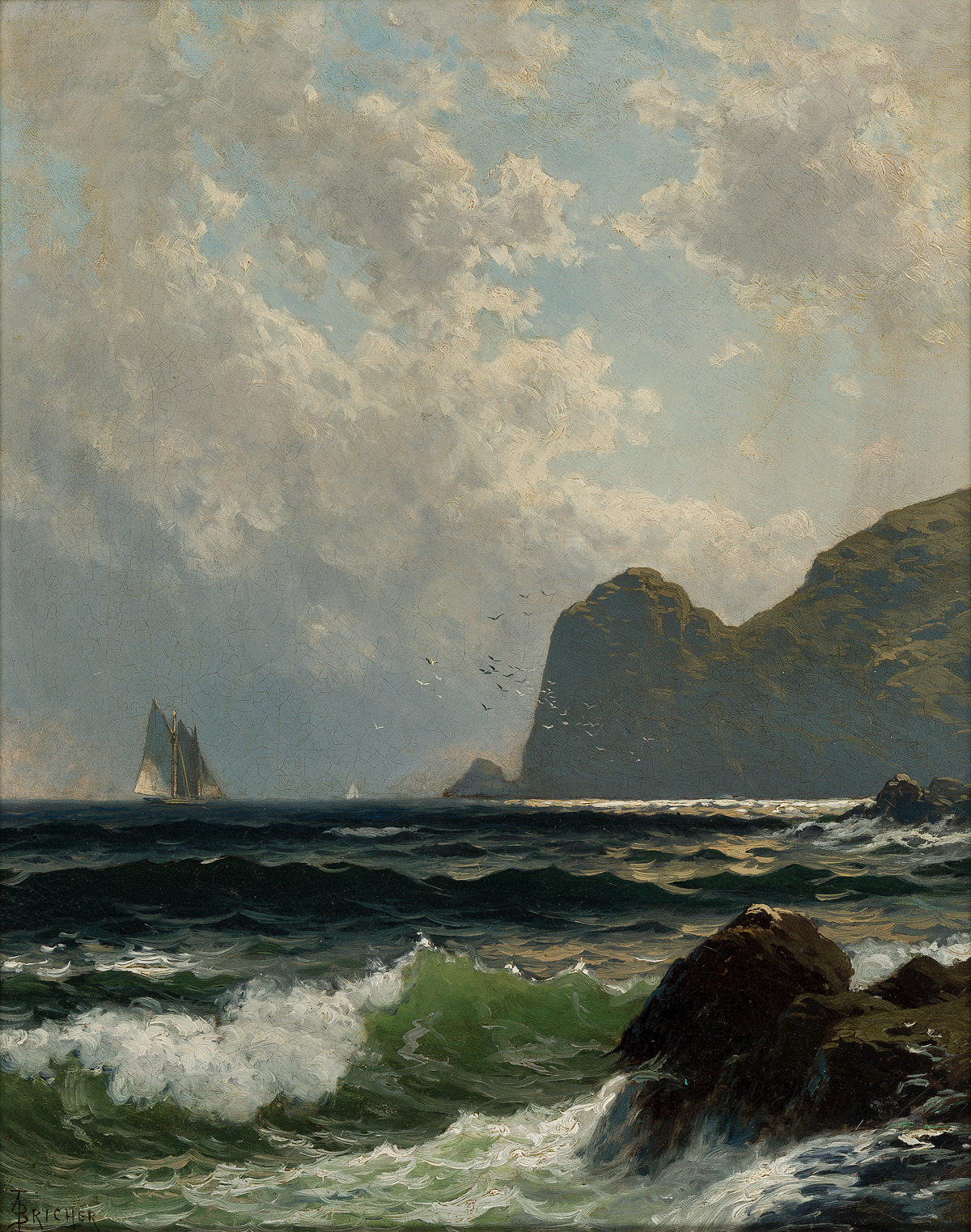
Alfred Thompson Bricher was a painter associated with White Mountain art and the Hudson River School.
In the 1870s, he primarily did maritime themed paintings, with attention to watercolor paintings of landscape, marine, and coastwise scenery. He often spent summers in Grand Manan, where he produced such notable works as Morning at Grand Manan (1878). In 1879, Bricher was elected into the National Academy of Design as an Associate member.

Francis Augustus Silva was an American Luminist painter of the Hudson River School. His specialty was marine scenes, particularly of the Atlantic coast, a genre in which he masterfully captured the subtle gradations of light in the coastal atmosphere. He focused on romantic scenes, avoiding depictions of seaside recreation, even when painting scenes at Coney Island, which was then already a popular recreational area.

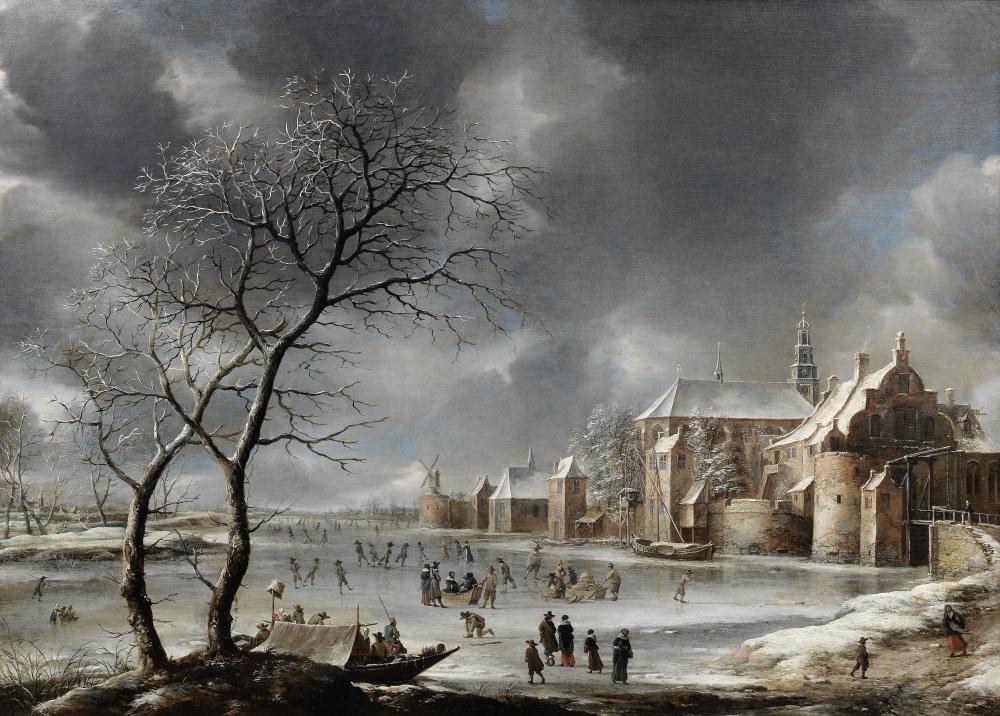
Jan Abrahamsz Beerstraaten was a Dutch painter of marine art and landscapes, particularly of events of the First Anglo-Dutch War and Dutch-Swedish War.
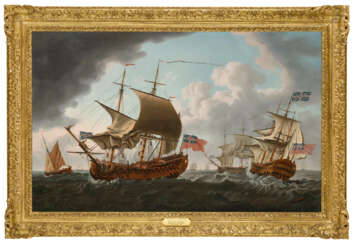

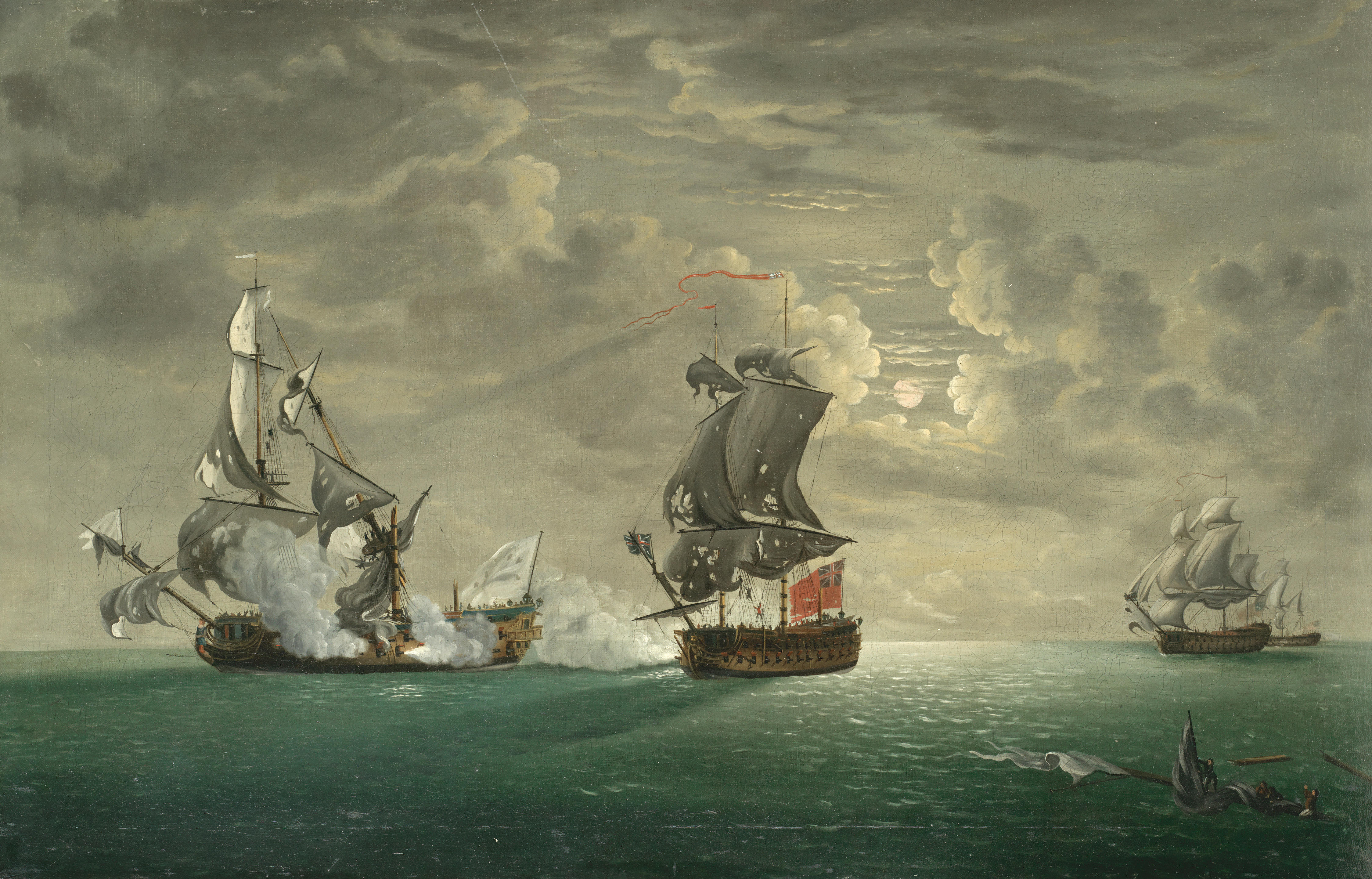
Francis Swaine was a British marine painter.
Francis Swaine was a popular artist of his time and regularly displayed works at the Society of Artists of Great Britain and the Free Society of Artists.

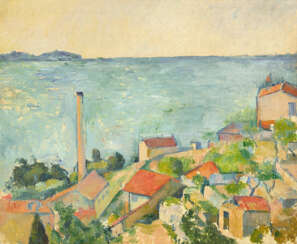

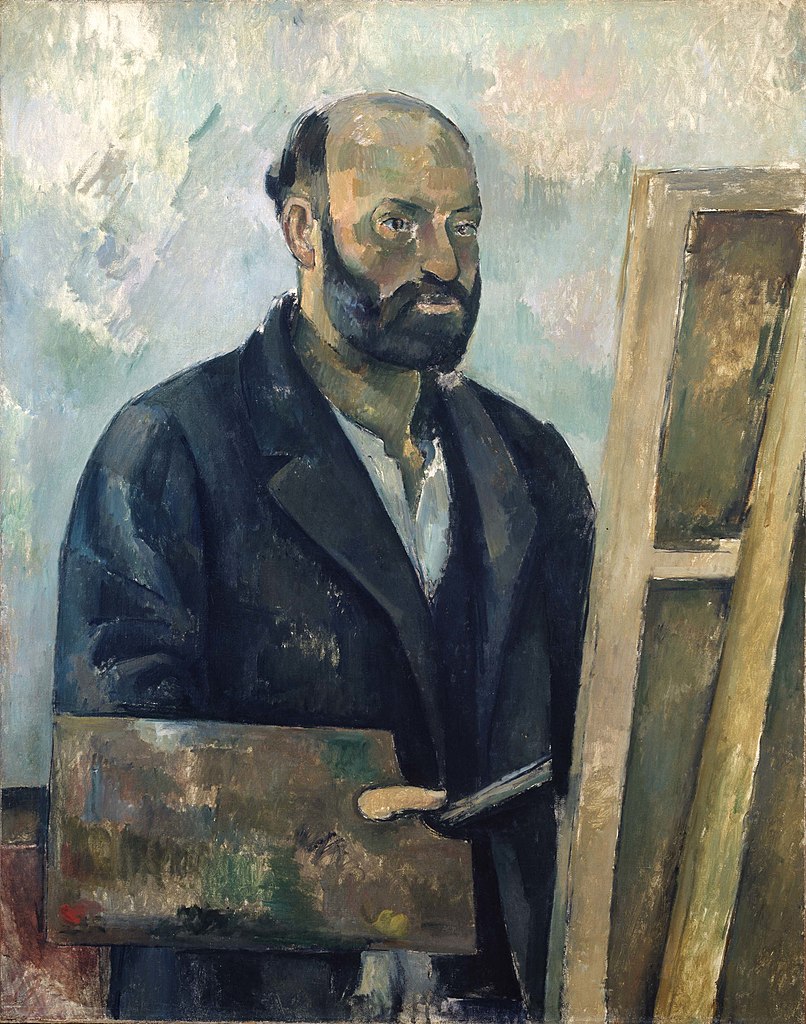
Paul Cézanne, a French Post-Impressionist painter, was pivotal in shaping the transition from 19th-century art to a new, revolutionary approach in the 20th century. His unique and exploratory brushstrokes, utilizing planes of color to form complex fields, made his work instantly recognizable and influential in the development of Cubism.
Cézanne’s early works, influenced by Romanticism and Realism, evolved into a groundbreaking artistic language. He challenged traditional perspective and academic art rules, focusing on objects' structural aspects and art's formal qualities. This approach led to a renewed emphasis on impressionistic color space and modulation principles.
His most notable works, like “Mont Sainte-Victoire,” “The Card Players,” and “The Bathers,” display his mastery in creating depth and dimension through color gradations. These paintings, initially met with skepticism, eventually cemented Cézanne’s reputation as a pioneering artist. His exhibitions, particularly the one-man show by dealer Ambroise Vollard in 1895, played a critical role in his recognition.
Cézanne’s impact on art history is profound, with greats like Henri Matisse and Pablo Picasso acknowledging him as a significant influence. His exploration of geometric forms and innovative use of light and color laid the groundwork for subsequent movements, particularly Cubism.
For collectors and art experts, Cézanne's works are more than just paintings; they are pivotal chapters in the narrative of modern art. His creations, bridging Impressionism and Cubism, continue to inspire and challenge contemporary artists.
To stay updated on new product sales and auction events related to Paul Cézanne, sign up for our updates. This subscription ensures you remain informed about the latest developments in the world of this revolutionary artist.
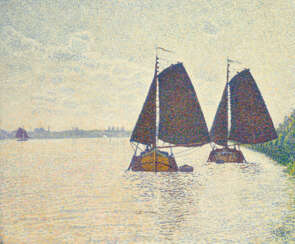

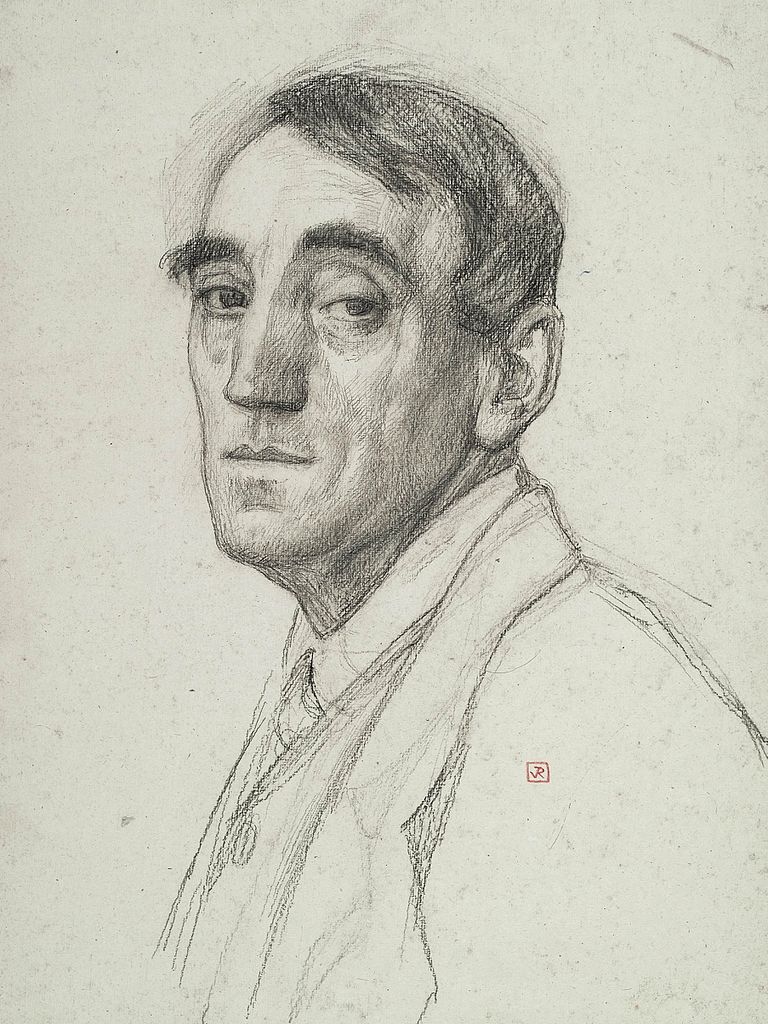
Théo van Rysselberghe, a prominent Belgian painter, was a key figure in the Neo-Impressionist movement, particularly known for his adoption of the pointillist technique. Born in Ghent, Belgium, in 1862, van Rysselberghe played a crucial role in the artistic circle Les XX, a group of avant-garde artists who sought to break away from traditional academic art norms. His early works displayed an Impressionist influence, which evolved significantly after he encountered Georges Seurat's pointillist masterpiece at an Impressionist exhibition in Paris in 1886.
Van Rysselberghe's career saw a significant shift after this encounter, as he embraced pointillism, a technique involving the application of small, distinct dots of color to form an image. His mastery in this style is evident in his landscapes and portraiture, where he employed vibrant colors and meticulous attention to light and detail. His work during this period is considered the pinnacle of his artistic achievements, showcasing his talent not only in landscapes but also in pointillist portraiture, a genre he significantly contributed to within the Neo-Impressionist movement.
Despite his success and contributions to pointillism, Théo van Rysselberghe eventually moved away from this technique around 1904, exploring other artistic expressions. Throughout his career, he remained an influential figure in the Belgian art scene, his works continuing to inspire and attract attention for their innovative approach and technical prowess.
For art collectors and enthusiasts, delving into Théo van Rysselberghe's oeuvre offers a fascinating glimpse into the evolution of Neo-Impressionism and pointillism, highlighting the artist's significant role in these movements. To stay updated on sales and auctions featuring van Rysselberghe's works, signing up for updates can provide exclusive insights into opportunities to acquire pieces by this remarkable artist.
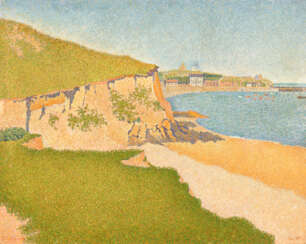


Paul Signac, a French Neo-Impressionist painter, played a pivotal role in the development of the Pointillist style alongside Georges Seurat. Born on November 11, 1863, in Paris, Signac's artistic journey was marked by significant collaborations and encounters, including meeting Vincent van Gogh and Toulouse Lautrec in Paris. His relationship with van Gogh was notably influential, as they painted together at Asnières-sur-Seine, focusing on river landscapes and cafés.
Signac was deeply invested in anarchist ideas, which he explored through his readings of Élisée Reclus, Kropotkin, and Jean Grave. His political leanings were also evident in his art, as seen in his 1893 painting, "In the Time of Harmony," which was initially titled "In the Time of Anarchy." This change was necessitated by the political repression of anarchists in France at the time.
A lover of sailing, Signac began traveling in 1892, which greatly influenced his art. He would sail to various ports, bringing back vibrant watercolors sketched from nature. These sketches later served as the basis for his larger studio canvases, which were composed of small, mosaic-like squares of color, differing from Seurat's tiny, variegated dots.
Signac's contribution to art extended beyond his own works. As president of the Société des Artistes Indépendants from 1908 until his death, he encouraged younger artists and exhibited controversial works of the Fauves and Cubists. He was notably the first patron to buy a painting by Henri Matisse, demonstrating his support for emerging artists.
In his personal life, Signac married Berthe Roblès on November 7, 1892, and his interactions with other artists, including Henri Matisse and André Derain, were instrumental in the evolution of Fauvism. Despite initially not admiring the Fauve style, Signac played a decisive role in its development.
Signac's impact on culture, art, and painting is undeniable. His works, found in various museums and galleries, continue to inspire art collectors and experts. For those interested in exploring Signac's contributions further, signing up for updates on new product sales and auction events related to Paul Signac is highly recommended. This subscription is an excellent way for collectors and art experts to stay informed about the latest developments and opportunities related to Signac's enduring legacy.
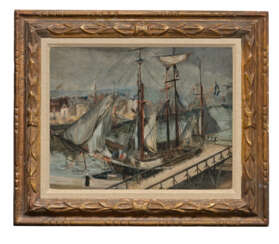


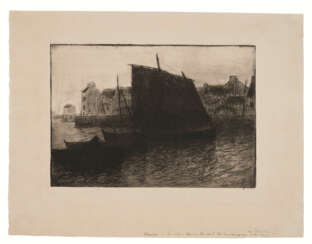

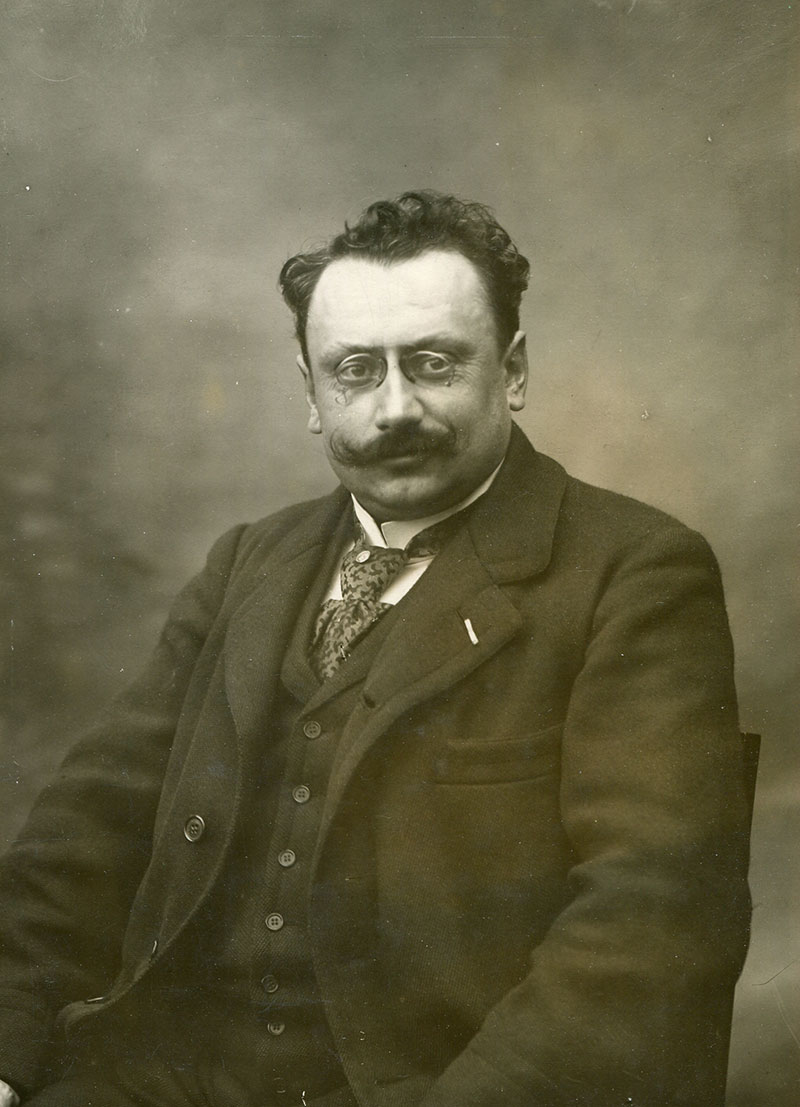
Maximilien Émile Louis Maufra was a French painter known for his landscapes and seascapes. He was born in Nantes, France, and began his artistic training at the École des Beaux-Arts in Nantes before moving to Paris to study under the painter Alexandre Cabanel.
Maufra was a member of the Pont-Aven School, a group of artists who gathered in the Brittany region of France in the late 19th century. He was also influenced by the Impressionist and Post-Impressionist movements, and his paintings are characterized by loose brushwork, bright colors, and a focus on capturing the effects of light and atmosphere.
Maufra's paintings often depict the rugged coastlines of Brittany, as well as the forests and countryside of Normandy. He was also known for his depictions of the ports and harbors of Brittany, which he often painted in a bold, colorful style.
Maufra exhibited his work at many important exhibitions, including the Salon des Indépendants and the Salon d'Automne in Paris. His work is represented in many important collections, including the Musée d'Orsay in Paris and the National Gallery of Art in Washington, D.C.