Marine art Plastic — Auction price
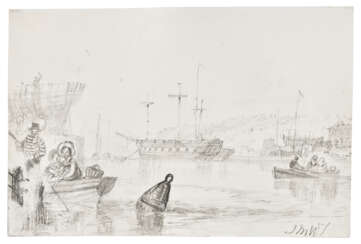


Joseph Mallord William Turner, a seminal figure in British painting, was born in 1775 and left an indelible mark on the Romantic movement. Known for his expressive coloration, imaginative landscapes, and turbulent marine paintings, Turner's work transcends the traditional boundaries of art to capture the sublime force of nature. His career was distinguished by early talent, evidenced by his acceptance into the Royal Academy at the young age of 14, and a prolific output that included over 2,000 paintings and 19,000 drawings and sketches.
William Turner's unique approach to landscape painting, characterized by dramatic skies and atmospheric effects, set a new standard for capturing mood and emotion on canvas. His innovative use of light and color influenced countless artists, elevating landscape painting to rival the status of history painting. Turner's legacy is also marked by his eccentricity and reclusiveness, traits that only added to the mystique surrounding his artistic genius.
Among his most famous works are "The Fighting Temeraire," symbolizing the passing of the old world, and "Rain, Steam and Speed," capturing the Industrial Revolution's impact. These paintings not only showcase William Turner's technical skill but also his philosophical engagement with the changing world around him.
For collectors and experts in art and antiques, William Turner's works represent the pinnacle of Romantic art, offering insight into the 19th-century aesthetic and philosophical landscape. His influence on subsequent generations of artists underscores his position as a pivotal figure in the history of Western art.
To stay informed about Joseph Mallord William Turner's works and related events, signing up for updates from reputable art institutions can provide valuable insights into new discoveries and auction events related to this master of the British landscape.

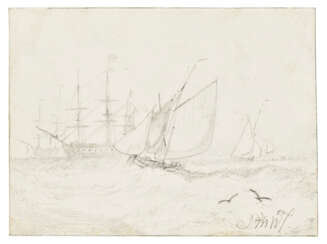

Joseph Mallord William Turner, a seminal figure in British painting, was born in 1775 and left an indelible mark on the Romantic movement. Known for his expressive coloration, imaginative landscapes, and turbulent marine paintings, Turner's work transcends the traditional boundaries of art to capture the sublime force of nature. His career was distinguished by early talent, evidenced by his acceptance into the Royal Academy at the young age of 14, and a prolific output that included over 2,000 paintings and 19,000 drawings and sketches.
William Turner's unique approach to landscape painting, characterized by dramatic skies and atmospheric effects, set a new standard for capturing mood and emotion on canvas. His innovative use of light and color influenced countless artists, elevating landscape painting to rival the status of history painting. Turner's legacy is also marked by his eccentricity and reclusiveness, traits that only added to the mystique surrounding his artistic genius.
Among his most famous works are "The Fighting Temeraire," symbolizing the passing of the old world, and "Rain, Steam and Speed," capturing the Industrial Revolution's impact. These paintings not only showcase William Turner's technical skill but also his philosophical engagement with the changing world around him.
For collectors and experts in art and antiques, William Turner's works represent the pinnacle of Romantic art, offering insight into the 19th-century aesthetic and philosophical landscape. His influence on subsequent generations of artists underscores his position as a pivotal figure in the history of Western art.
To stay informed about Joseph Mallord William Turner's works and related events, signing up for updates from reputable art institutions can provide valuable insights into new discoveries and auction events related to this master of the British landscape.



Paul Signac, a French Neo-Impressionist painter, played a pivotal role in the development of the Pointillist style alongside Georges Seurat. Born on November 11, 1863, in Paris, Signac's artistic journey was marked by significant collaborations and encounters, including meeting Vincent van Gogh and Toulouse Lautrec in Paris. His relationship with van Gogh was notably influential, as they painted together at Asnières-sur-Seine, focusing on river landscapes and cafés.
Signac was deeply invested in anarchist ideas, which he explored through his readings of Élisée Reclus, Kropotkin, and Jean Grave. His political leanings were also evident in his art, as seen in his 1893 painting, "In the Time of Harmony," which was initially titled "In the Time of Anarchy." This change was necessitated by the political repression of anarchists in France at the time.
A lover of sailing, Signac began traveling in 1892, which greatly influenced his art. He would sail to various ports, bringing back vibrant watercolors sketched from nature. These sketches later served as the basis for his larger studio canvases, which were composed of small, mosaic-like squares of color, differing from Seurat's tiny, variegated dots.
Signac's contribution to art extended beyond his own works. As president of the Société des Artistes Indépendants from 1908 until his death, he encouraged younger artists and exhibited controversial works of the Fauves and Cubists. He was notably the first patron to buy a painting by Henri Matisse, demonstrating his support for emerging artists.
In his personal life, Signac married Berthe Roblès on November 7, 1892, and his interactions with other artists, including Henri Matisse and André Derain, were instrumental in the evolution of Fauvism. Despite initially not admiring the Fauve style, Signac played a decisive role in its development.
Signac's impact on culture, art, and painting is undeniable. His works, found in various museums and galleries, continue to inspire art collectors and experts. For those interested in exploring Signac's contributions further, signing up for updates on new product sales and auction events related to Paul Signac is highly recommended. This subscription is an excellent way for collectors and art experts to stay informed about the latest developments and opportunities related to Signac's enduring legacy.
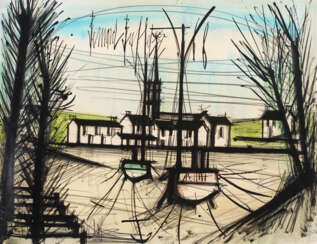

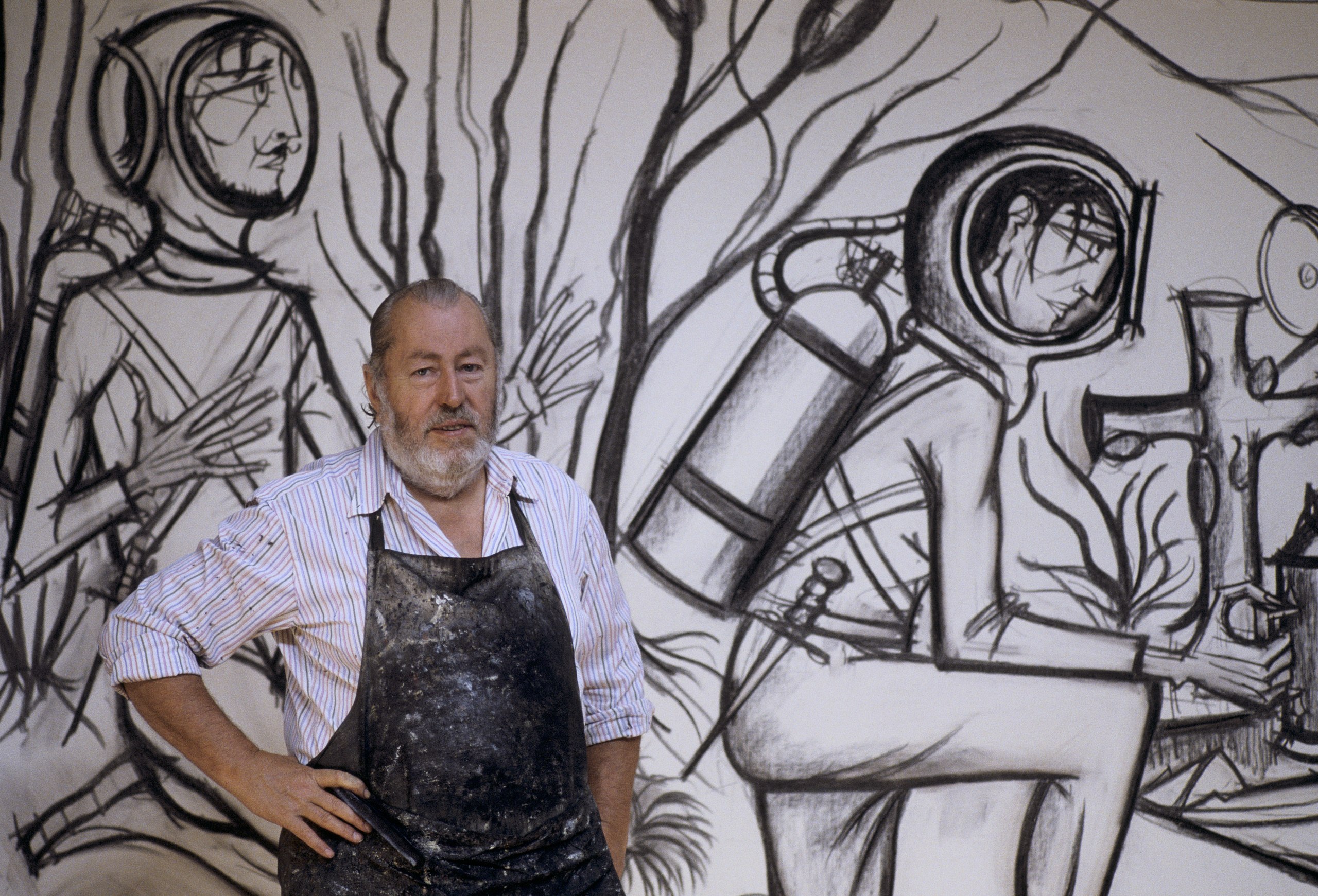
Bernard Buffet was a French artist renowned for his distinctive style of painting, printmaking, and sculpture. His work, characterized by expressive, angular lines and somber themes, has captivated collectors and art enthusiasts worldwide. Buffet's art, deeply influenced by the post-war period in France, reflects themes of despair, loneliness, and the human condition, often portrayed through his iconic clowns and desolate landscapes. His approach to art, marked by stark compositions and a vivid portrayal of existential angst, positioned him as a leading figure in the modern expressionist movement.
Buffet's career was meteoric from its onset; by his early twenties, he was celebrated alongside cultural icons of the time, earning him a spot among the "Fabulous Five" of post-war France. Despite his early acclaim, Buffet's later years were marked by controversy and a decline in popularity, as shifts in artistic trends and criticism over his lifestyle choices overshadowed his contributions. Nevertheless, his work remained prolific, with more than 8,000 paintings to his name, illustrating an unwavering commitment to his art until his tragic death in 1999.
Today, Bernard Buffet's legacy is undergoing a renaissance, with a renewed appreciation for his artistic achievements. Exhibitions and retrospectives across the globe, particularly in Japan and Europe, have reignited interest in his oeuvre, showcasing the enduring relevance of his work. Notably, the Bernard Buffet Museum in Japan, founded during his lifetime, stands as a testament to his impact and the global admiration for his art.
For collectors and experts in the field of art and antiques, Buffet's work offers a unique insight into the complexities of the human psyche and the existential dilemmas of the 20th century. His ability to evoke profound emotional responses through his distinctive visual language makes his work highly sought after in the art market today.
To stay informed about new product sales and auction events related to Bernard Buffet, we encourage you to sign up for updates. This subscription service is tailored specifically for enthusiasts keen on exploring the profound legacy of Bernard Buffet, ensuring you remain at the forefront of notable developments in the art world.
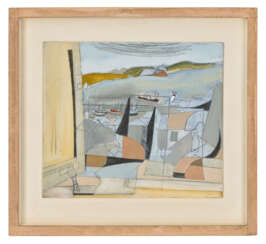

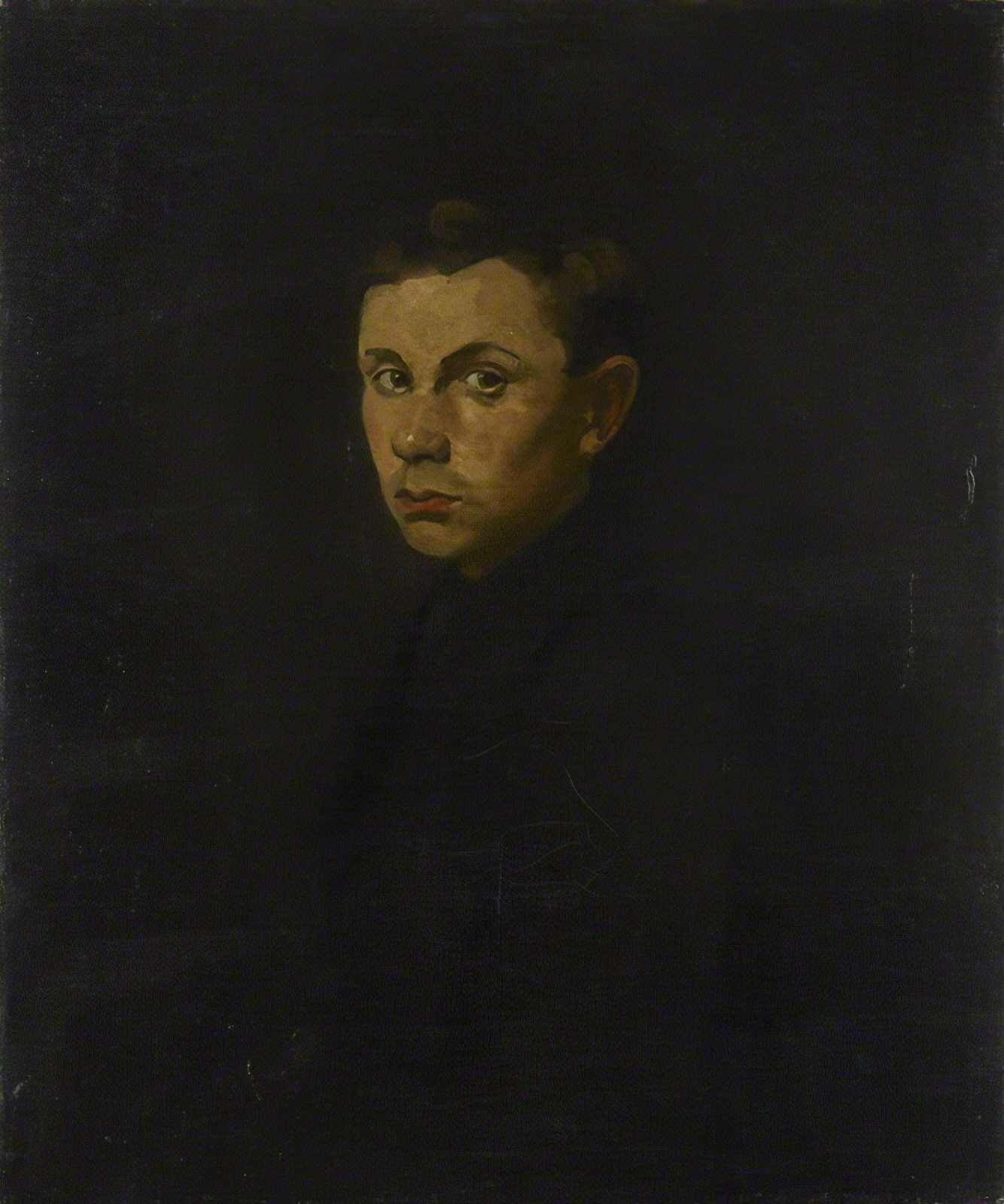
Ben Nicholson, an English artist, is celebrated for his significant contributions to abstract art. Born into an artistic family, Nicholson's work evolved from figurative art to embrace and lead in the development of abstract art in Britain. His early career was marked by experimentation with Cubism and interaction with influential artists like Barbara Hepworth, Henry Moore, Piet Mondrian, and Pablo Picasso, which profoundly shaped his artistic direction.
Nicholson's art is notable for its sensitive balance of tone and texture, employing dynamic and rhythmic lines that abstractly reference architectural forms and societal structures. His technique involved meticulous carving, painting, and the innovative use of color, especially in his later works where he explored the interplay of light and form to create poetic, abstract landscapes. His contributions were not just confined to his own practice; through collaborative projects and influential writings, he played a pivotal role in the discourse of modernist art, advocating for abstract art's broader appreciation.
Noteworthy pieces of Nicholson's work, including "March 1963 (Archimedes)" and "June 1961 (green goblet and blue square)," among others, are housed in prestigious collections like the Tate Gallery, Tate St Ives, Kettle's Yard Art Gallery in Cambridge, The Hepworth Wakefield, Pallant House Gallery in Chichester, and the Pier Arts Centre in Stromness, Orkney.
Nicholson's legacy as a pioneer of abstract art in the UK is secured through his innovative approaches and influential partnerships, which have left an indelible mark on the landscape of 20th-century art. His work continues to inspire and resonate, reflecting a deep understanding of the abstract's power to express the complexities of human experience and the natural world.
For collectors and experts in art and antiques interested in the pivotal movements of 20th-century art, Ben Nicholson's oeuvre offers a rich field of study and appreciation. To stay updated on new product sales and auction events related to Ben Nicholson's work, signing up for updates is a step towards deepening your understanding and appreciation of this key figure in modernist art.

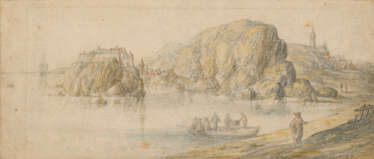

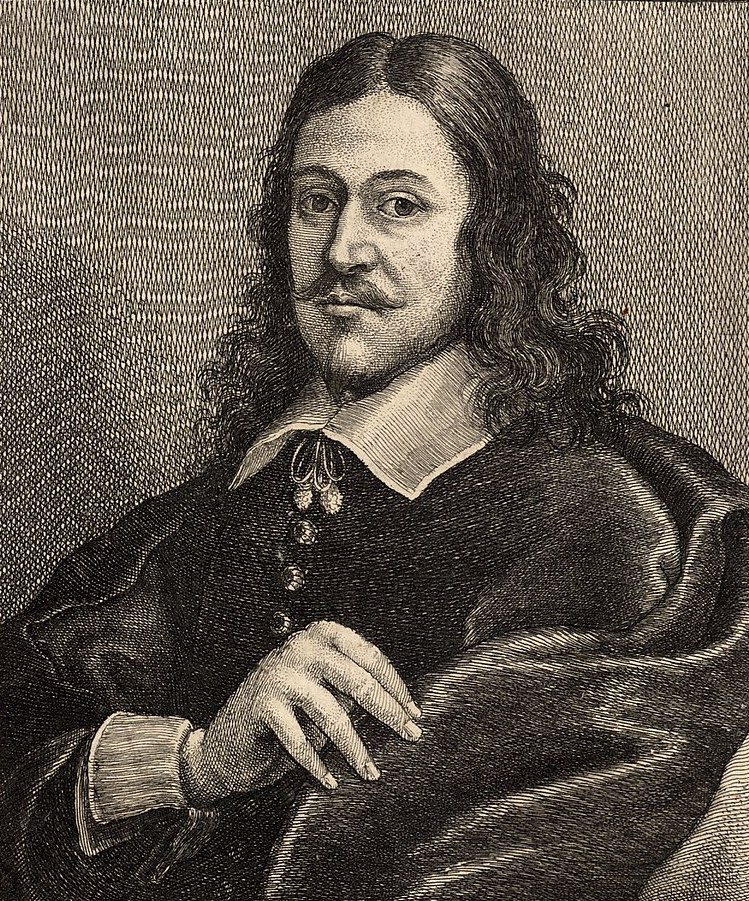
Bonaventura Peeters the Elder was a prominent Flemish painter, draughtsman, and etcher specializing in marine art during the 17th century. His extensive body of work encompassed marine battles, storms at sea, shipwrecks, and views of ships in rivers and harbours.
Peeters displayed a keen understanding of ships, capturing their intricate details. His earlier works exhibited tonal landscapes influenced by Dutch painting, while later pieces reflected vibrant colors inspired by Italian classicism. He skillfully depicted dramatic shipwrecks, serene ports, and intricate portrayals of ships. Many of his paintings depicted actual locations along the North Sea and the river Scheldt, while others showcased imagined scenes of far-away Mediterranean and Middle Eastern ports. Peeters also collaborated with family members and fellow artists, and his drawings and engravings were included in notable publications like Blaeu's Atlas Maior.
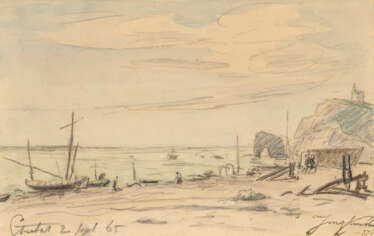

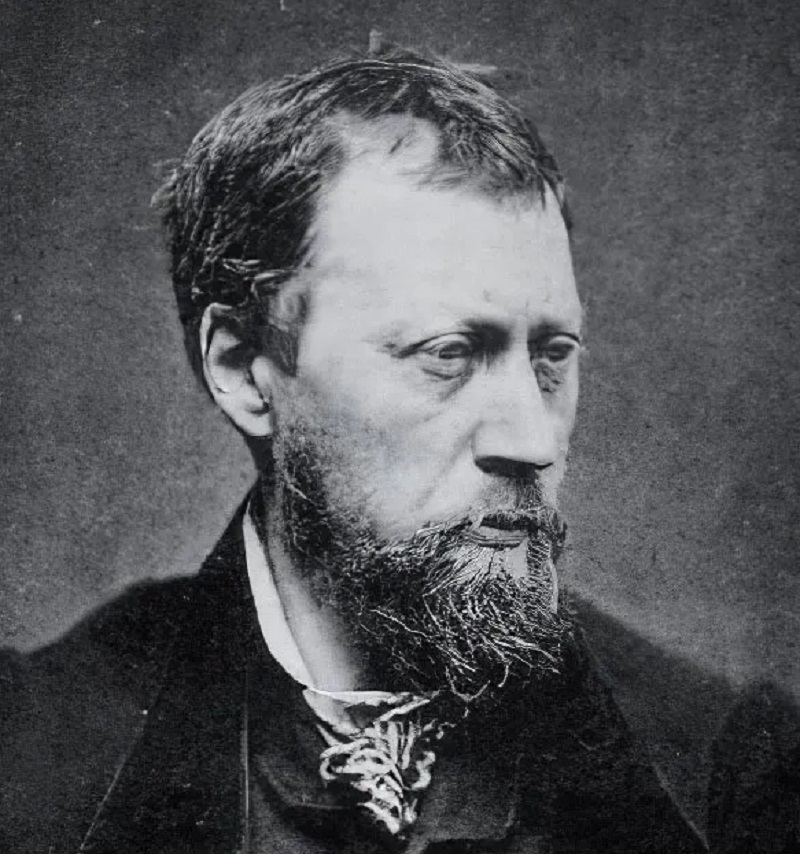
Johan Barthold Jongkind was a Dutch painter and printmaker. He painted marine landscapes in a free manner and is regarded as a forerunner of Impressionism.
Jongkind's most frequent subject was the marine landscape, which he painted both in the Netherlands and in France. Many of his works depict the Seine, particularly the area near Notre-Dame Cathedral. He painted watercolors out-of-doors, and used them as sketches for oil paintings made in his studio. His paintings are characterized by vigorous brushwork and strong contrasts. Like the 17th-century Dutch landscape painters of the Golden Age of Dutch painting, he typically composed his landscapes with a low horizon, allowing the sky to dominate.
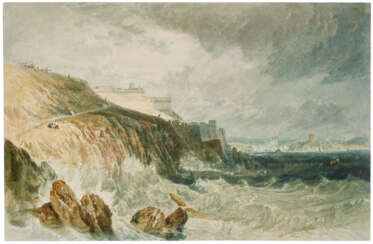

Joseph Mallord William Turner, a seminal figure in British painting, was born in 1775 and left an indelible mark on the Romantic movement. Known for his expressive coloration, imaginative landscapes, and turbulent marine paintings, Turner's work transcends the traditional boundaries of art to capture the sublime force of nature. His career was distinguished by early talent, evidenced by his acceptance into the Royal Academy at the young age of 14, and a prolific output that included over 2,000 paintings and 19,000 drawings and sketches.
William Turner's unique approach to landscape painting, characterized by dramatic skies and atmospheric effects, set a new standard for capturing mood and emotion on canvas. His innovative use of light and color influenced countless artists, elevating landscape painting to rival the status of history painting. Turner's legacy is also marked by his eccentricity and reclusiveness, traits that only added to the mystique surrounding his artistic genius.
Among his most famous works are "The Fighting Temeraire," symbolizing the passing of the old world, and "Rain, Steam and Speed," capturing the Industrial Revolution's impact. These paintings not only showcase William Turner's technical skill but also his philosophical engagement with the changing world around him.
For collectors and experts in art and antiques, William Turner's works represent the pinnacle of Romantic art, offering insight into the 19th-century aesthetic and philosophical landscape. His influence on subsequent generations of artists underscores his position as a pivotal figure in the history of Western art.
To stay informed about Joseph Mallord William Turner's works and related events, signing up for updates from reputable art institutions can provide valuable insights into new discoveries and auction events related to this master of the British landscape.
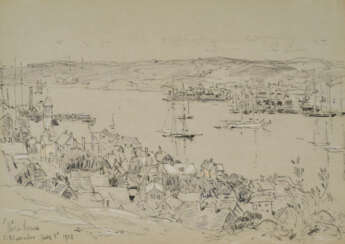

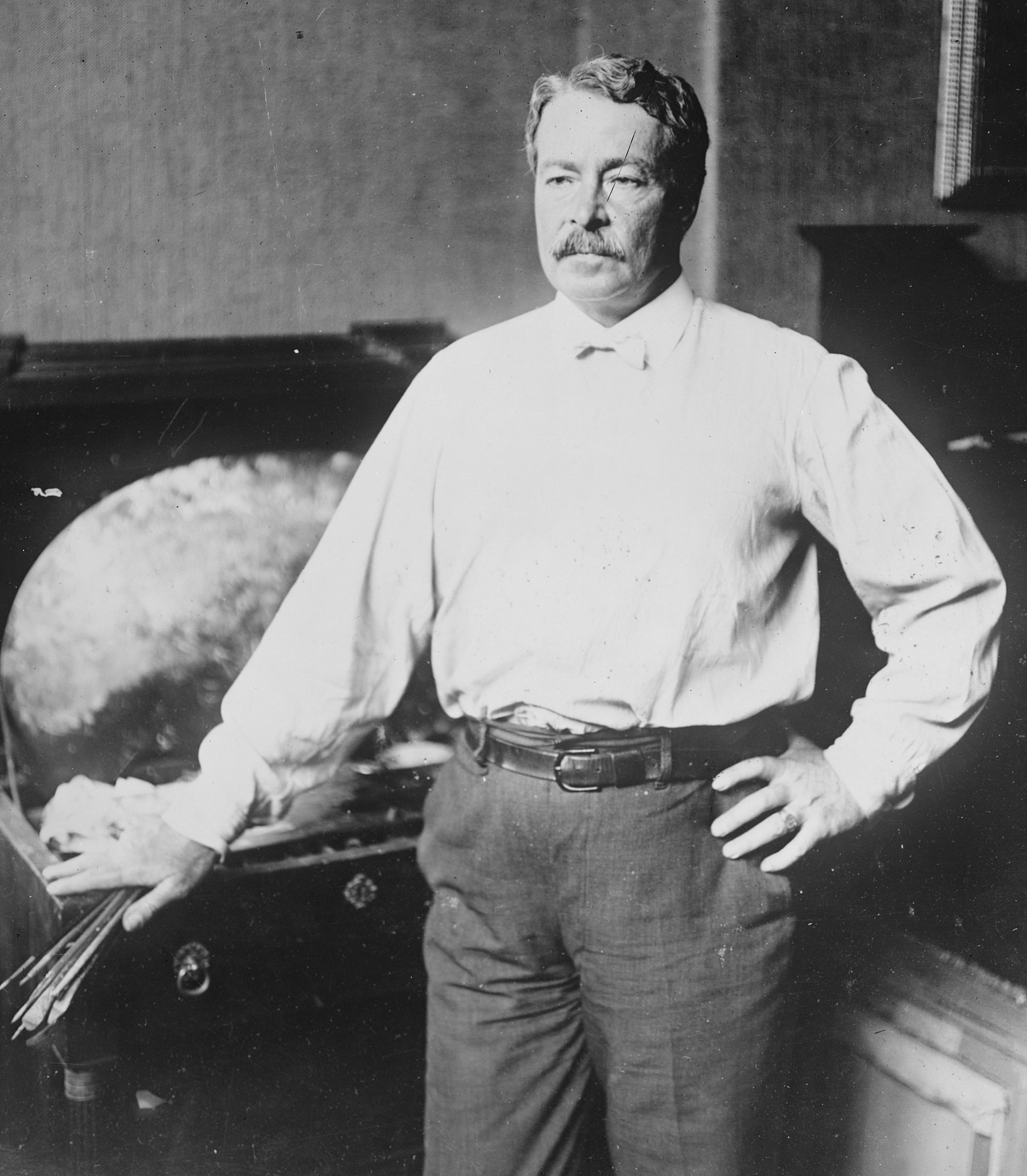
Frederick Childe Hassam was an American Impressionist painter, celebrated for his urban and coastal scenes. Born on October 17, 1859, in Dorchester, Massachusetts, Hassam was a pivotal figure in introducing French Impressionism to the American art scene. His prolific output includes over 3,000 works ranging from oils and watercolors to etchings and lithographs.
Hassam's technique was characterized by the use of light and vibrant colors, often focusing on bustling cityscapes and tranquil New England coastlines. He spent significant periods in Europe, particularly Paris, where he absorbed elements of the avant-garde styles of the time. Despite this, he often emphasized a connection to English landscape traditions over French ones.
Some of his most acclaimed works capture the essence of places like the Isles of Shoals in Maine and East Hampton in Long Island, where he later made his summer home. These settings often featured in his paintings, reflecting the picturesque and serene landscapes that contrasted with his urban subjects.
Hassam's legacy includes his influence on American collectors and institutions, helping to cultivate a taste for Impressionism in the United States. His works are held in major museums, including the Metropolitan Museum of Art and the Museum of Modern Art, ensuring his continued recognition as a key figure in American art history.
For those interested in exploring more about Hassam's life and works, signing up for updates on exhibitions and sales can provide valuable insights into his contributions to Impressionism. Subscribe for updates on new collections and auction events related to Frederick Childe Hassam's artworks.


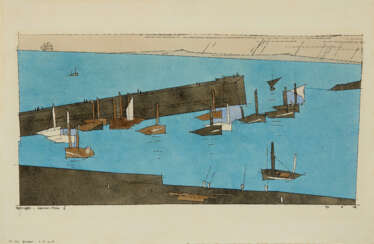

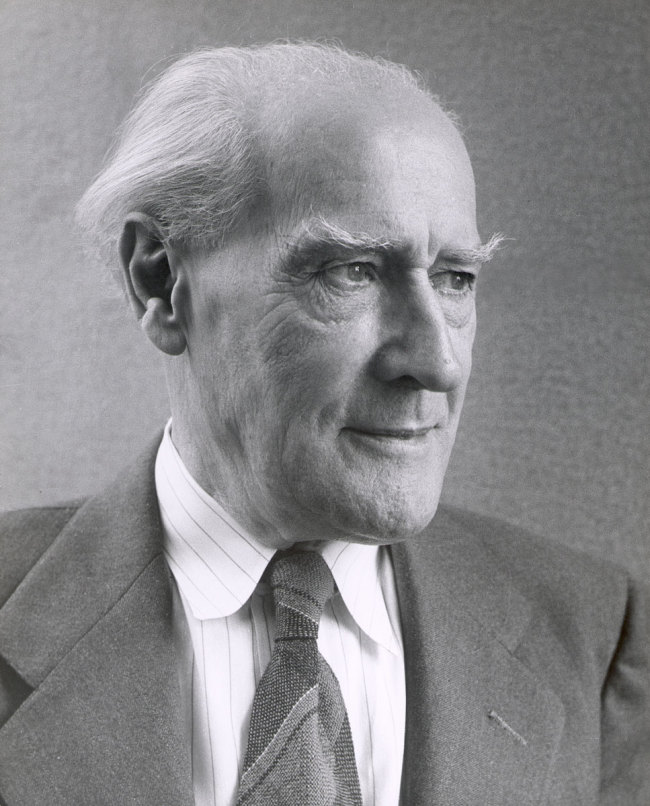
Lyonel Charles Adrian Feininger was an American-German artist renowned for his unique integration of Expressionism, Cubism, and Bauhaus principles. His body of work, which spans several critical decades in modernism's development, is celebrated for its distinctive blend of architectural and nautical motifs, articulated through planar shifts and jagged lines of Cubism, with a vibrant Orphist color palette.
Lyonel Feininger's journey as an artist began in earnest when he was 36, becoming a pivotal figure in various German expressionist groups and a founding member of the Bauhaus, where he led the printmaking workshop. His art, which also includes significant contributions to caricature and photography, explores the intricate relationship between humanity and industrialization, evident in his depictions of architectural and mechanized forms.
His work was subject to Nazi criticism, being labeled as "degenerate," which led to his return to the United States, where he continued to evolve his artistic style. Posthumously, Lyonel Feininger's art has been the focus of several retrospectives, and his pieces, like "Jesuits III," continue to fetch high figures at auctions, underscoring his lasting impact on the art world.
Notably, Lyonel Feininger's "Cathedral" woodcut, representing the Bauhaus's utopian vision, remains one of his most iconic works, symbolizing the integration of art and craftsmanship with its avant-garde yet traditional approach. His legacy is further carried by his sons, Andreas and T. Lux Feininger, who also made their marks in the arts.
For collectors and art and antiques experts, Feininger's work represents a fascinating intersection of various art movements and a testament to the enduring nature of expressive and innovative artistry. To stay updated on new product sales and auction events related to Lyonel Feininger, consider signing up for updates, ensuring you're informed about the latest opportunities to engage with his enduring legacy.
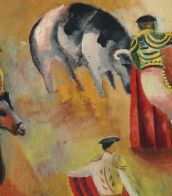
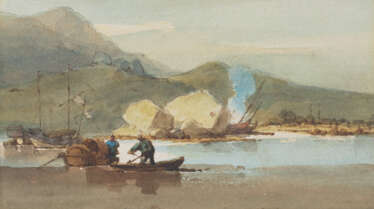

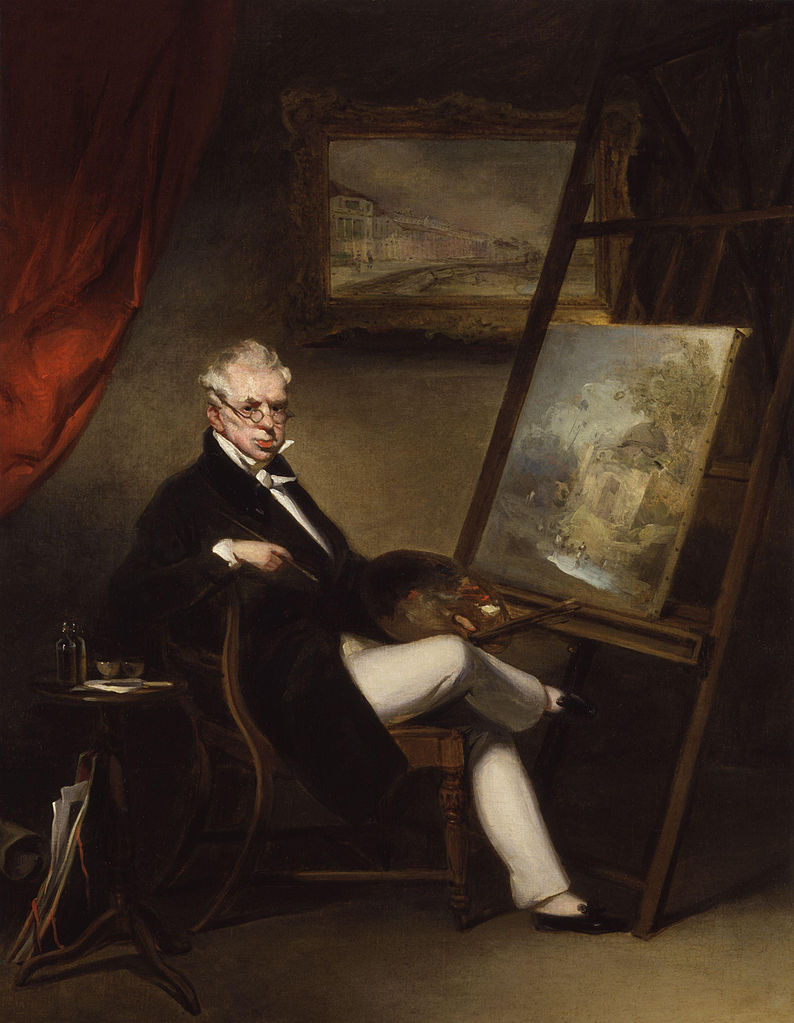
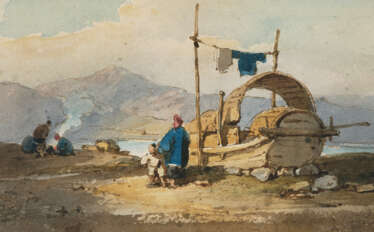
George Chinnery was a British painter best known for his work in India and China.
George studied at the Royal Academy schools, painting portraits and sketches, but in 1802, shortly after his marriage, trying to straighten out his family's financial situation, he traveled to India. In Calcutta, Chinnery became the leading artist of the British community in India. And in 1825 he went to China and lived in Macau for the rest of his life.
Chinnery painted portraits of Chinese and Western merchants, visiting sea captains and their families. Chinnery also painted landscapes (both in oil and watercolor) and made many vivid drawings of Macau residents of the time engaged in their daily activities. Among the heroes of his portraits are the Scottish opium merchants who patronized him. In addition to their artistic value, Chinnery's paintings also have historical value, as he was the only Western artist living in South China during the early to mid-19th century.
There are still many architectural sites in Macau recognizable from his sketches that have changed little since then. Today, Chinnery's paintings are in public and private collections around the world. The Macau Museum and the Macau Art Museum have a good selection of his work.

George Chinnery was a British painter best known for his work in India and China.
George studied at the Royal Academy schools, painting portraits and sketches, but in 1802, shortly after his marriage, trying to straighten out his family's financial situation, he traveled to India. In Calcutta, Chinnery became the leading artist of the British community in India. And in 1825 he went to China and lived in Macau for the rest of his life.
Chinnery painted portraits of Chinese and Western merchants, visiting sea captains and their families. Chinnery also painted landscapes (both in oil and watercolor) and made many vivid drawings of Macau residents of the time engaged in their daily activities. Among the heroes of his portraits are the Scottish opium merchants who patronized him. In addition to their artistic value, Chinnery's paintings also have historical value, as he was the only Western artist living in South China during the early to mid-19th century.
There are still many architectural sites in Macau recognizable from his sketches that have changed little since then. Today, Chinnery's paintings are in public and private collections around the world. The Macau Museum and the Macau Art Museum have a good selection of his work.


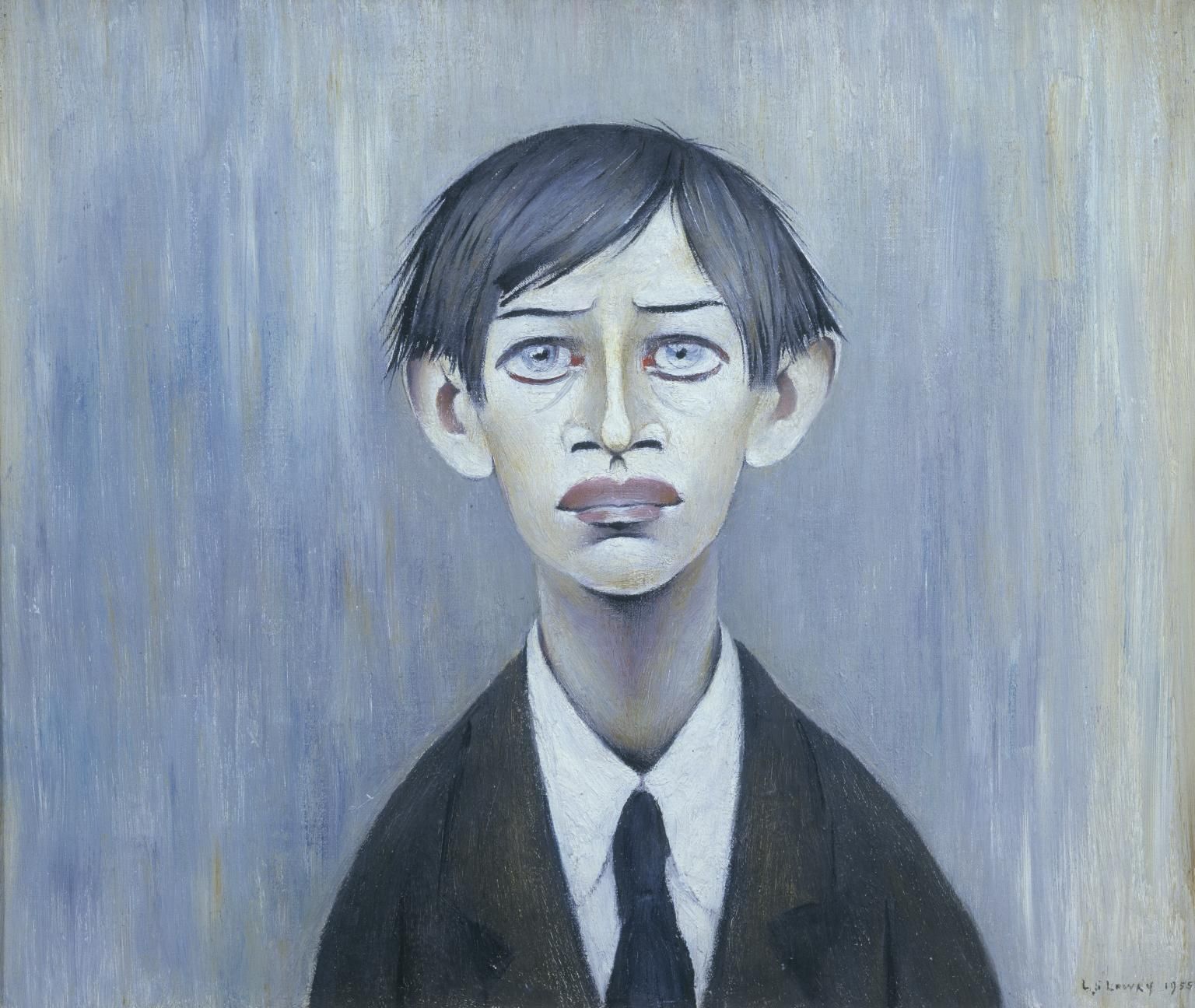
Laurence Stephen Lowry was an English artist. His drawings and paintings mainly depict Pendlebury, Lancashire (where he lived and worked for more than 40 years) as well as Salford and its vicinity.
Lowry is famous for painting scenes of life in the industrial districts of North West England in the mid-20th century. He developed a distinctive style of painting and is best known for his urban landscapes peopled with human figures, often referred to as "matchstick men". He painted mysterious unpopulated landscapes, brooding portraits and the unpublished "marionette" works, which were only found after his death.


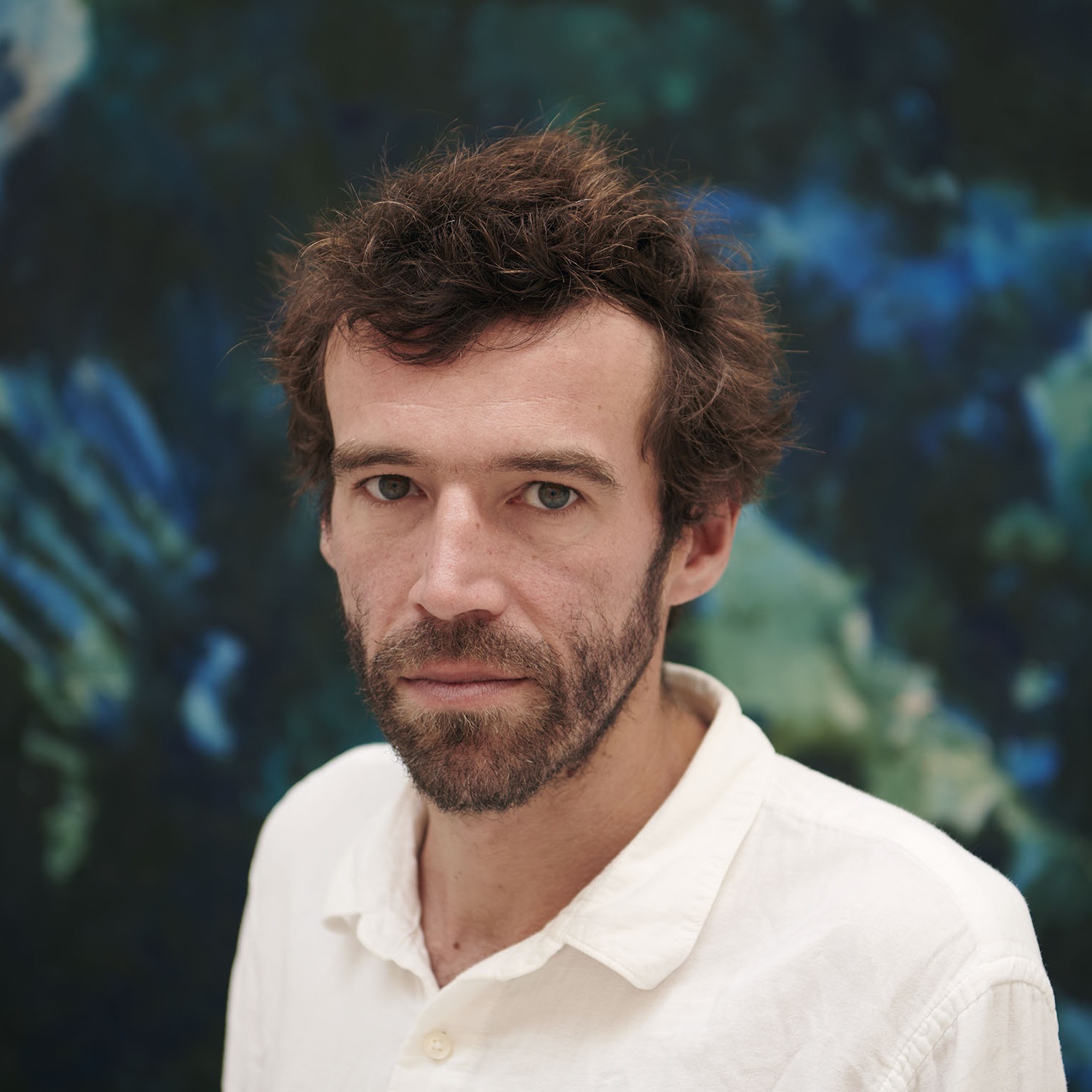
Harold Ancart is a Belgian painter and sculptor. He currently lives and works in New York City.
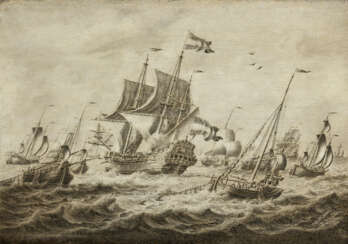

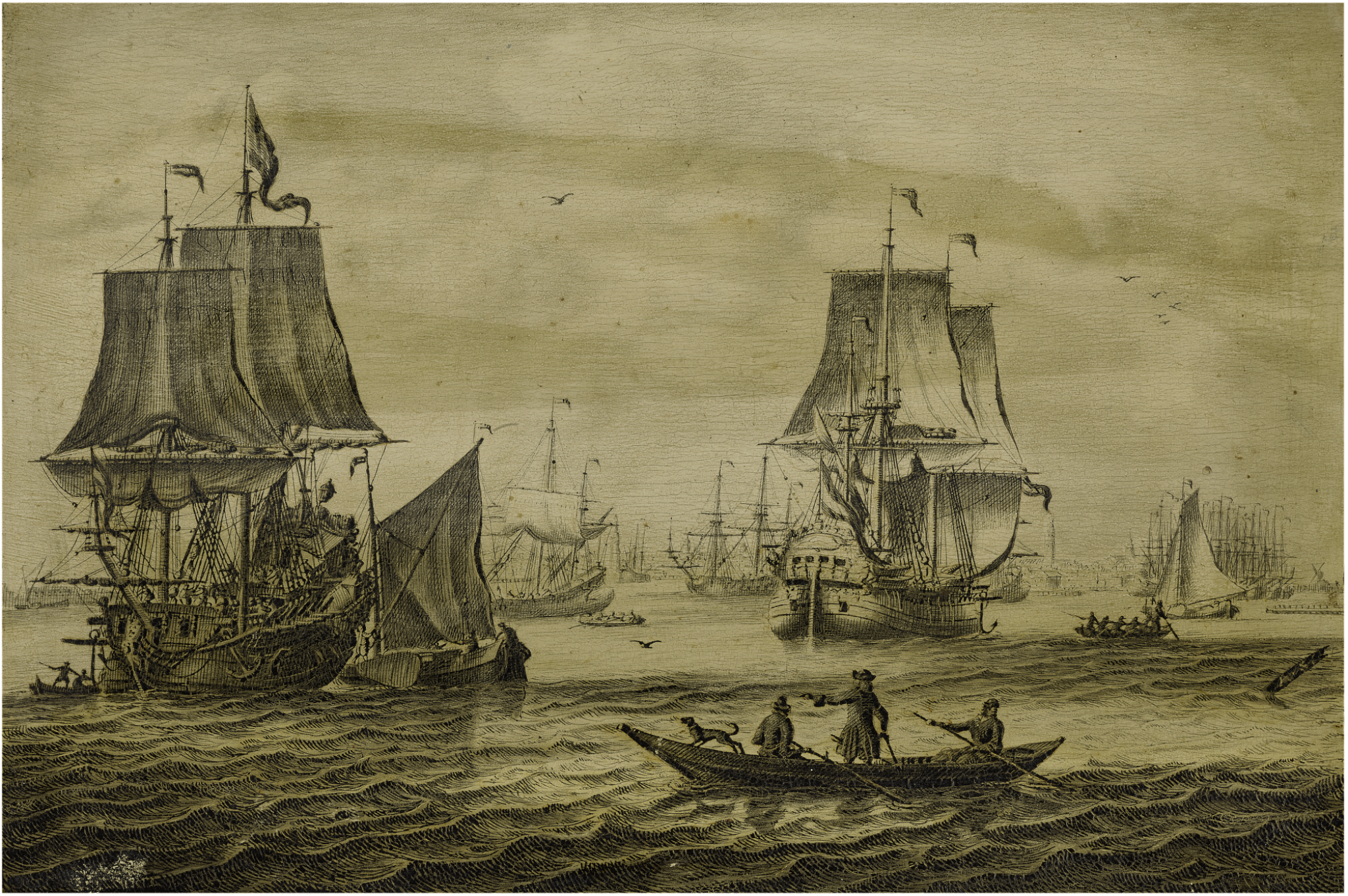
Adriaen van Salm was a notable Dutch draftsman and painter renowned for his marine art. His unique technique involved using a pen to apply India ink on cloth or pre-processed panels, creating detailed and vivid representations of the sea and its vessels. Van Salm was a multifaceted individual who, apart from his artistic endeavors, also engaged in teaching and later ventured into the drapery business. His contribution to the Guild of Saint Luke in Delft as a draughtsman member since 1706 underscores his recognition and respect in the artistic community.
Van Salm's legacy is further enriched by his influence on his son, Roelof van Salm, who not only followed in his father's footsteps by adopting the same intricate pen-painting technique but also specialized in similar thematic subjects, particularly ships and naval battles. This artistic tradition within the van Salm family highlights a shared dedication to capturing the essence of maritime life, which has been acknowledged and celebrated in various collections, including the marine painter Johannes Christiaan Schotel's collection.
Adriaen van Salm's works, including the expressive "Shipping on a Stormy Sea" and his detailed depictions of Dutch naval engagements and fleets, are cherished within maritime art collections. These pieces not only showcase his skill and creativity but also provide a window into the maritime culture and history of the Netherlands.
For collectors and experts in art and antiques, particularly those with an interest in maritime history and Dutch art, Adriaen van Salm's work represents a fascinating intersection of culture, history, and technical skill. His contributions to marine art, characterized by his unique ink on panel technique, continue to captivate and inspire appreciation for the richness of the Dutch maritime legacy.
To explore more about Adriaen van Salm's impactful work and stay informed about new discoveries or auction events related to his oeuvre, signing up for updates is a prudent step. This subscription is designed for enthusiasts keen on delving deeper into the fascinating world of maritime art and Dutch painting history, ensuring they remain abreast of relevant sales and scholarly insights.
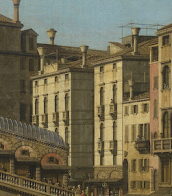
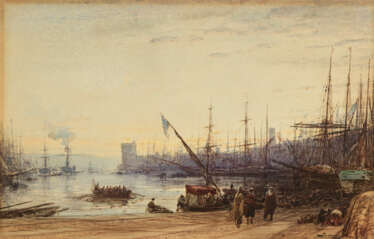

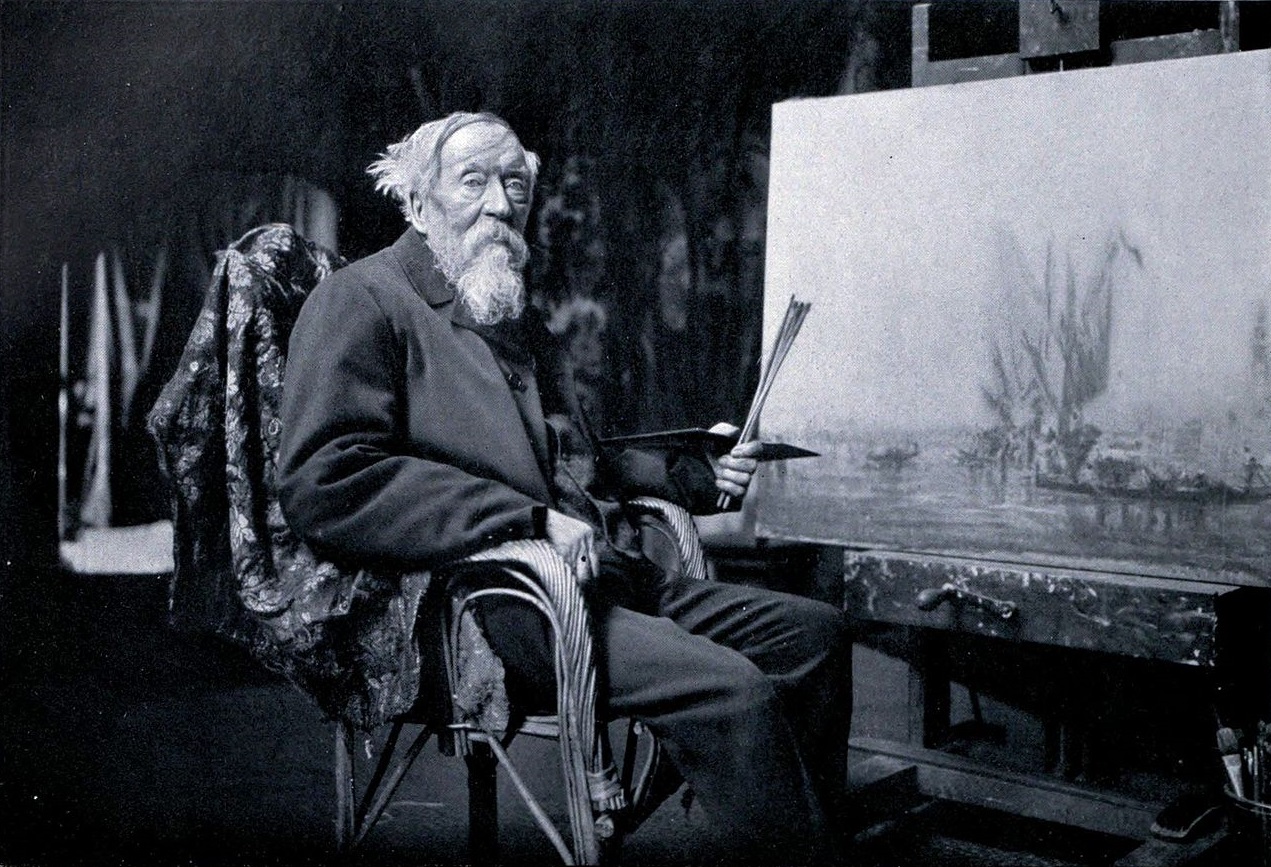
Félix-Francois Georges Philibert Ziem was a French painter in the style of the Barbizon School, who also produced some Orientalist works.