Minimalism — Auction price



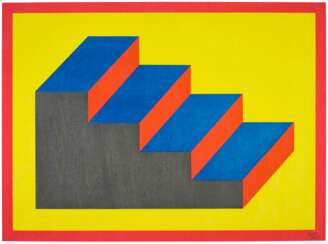

Sol LeWitt was an American artist linked to various movements, including conceptual art and minimalism.
LeWitt came to fame in the late 1960s with his wall drawings and «structures» (a term he preferred instead of «sculptures») but was prolific in a wide range of media including drawing, printmaking, photography, painting, installation, and artist's books.
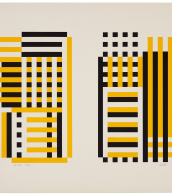

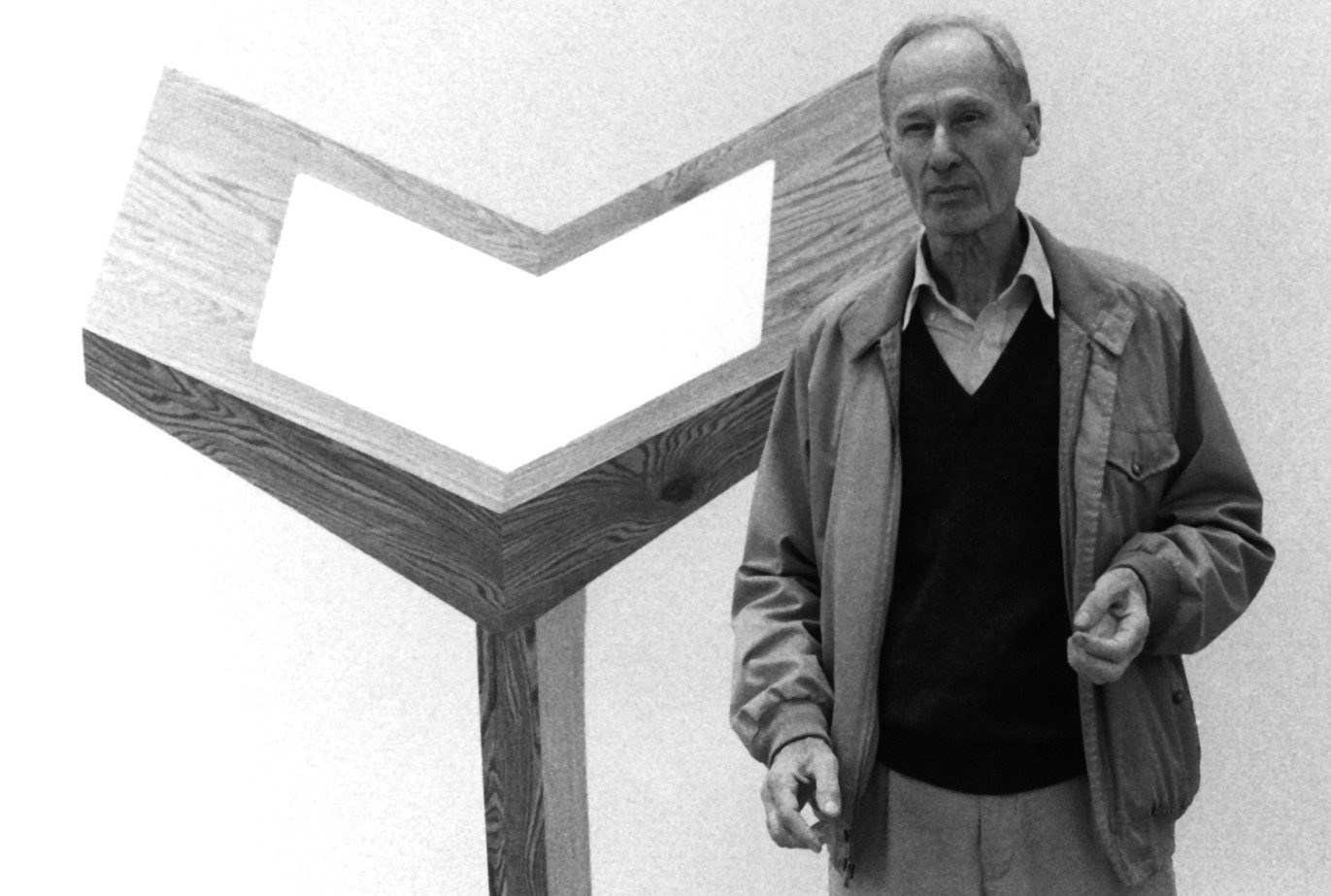
Richard Ernst Artschwager was an American painter, illustrator and sculptor. His work has associations with Pop Art, Conceptual art and Minimalism.







.jpg)
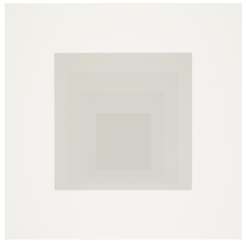
Josef Albers was a German-born artist and educator. The first living artist to be given a solo shows at MoMA and at the Metropolitan Museum of Art in New York, he taught at the Bauhaus and Black Mountain College, headed Yale University's department of design, and is considered one of the most influential teachers of the visual arts in the twentieth century.
As an artist, Albers worked in several disciplines, including photography, typography, murals and printmaking. He is best known for his work as an abstract painter and a theorist. His book Interaction of Color was published in 1963.
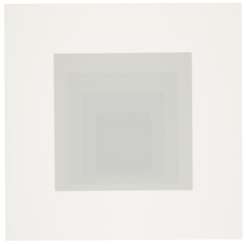

Josef Albers was a German-born artist and educator. The first living artist to be given a solo shows at MoMA and at the Metropolitan Museum of Art in New York, he taught at the Bauhaus and Black Mountain College, headed Yale University's department of design, and is considered one of the most influential teachers of the visual arts in the twentieth century.
As an artist, Albers worked in several disciplines, including photography, typography, murals and printmaking. He is best known for his work as an abstract painter and a theorist. His book Interaction of Color was published in 1963.


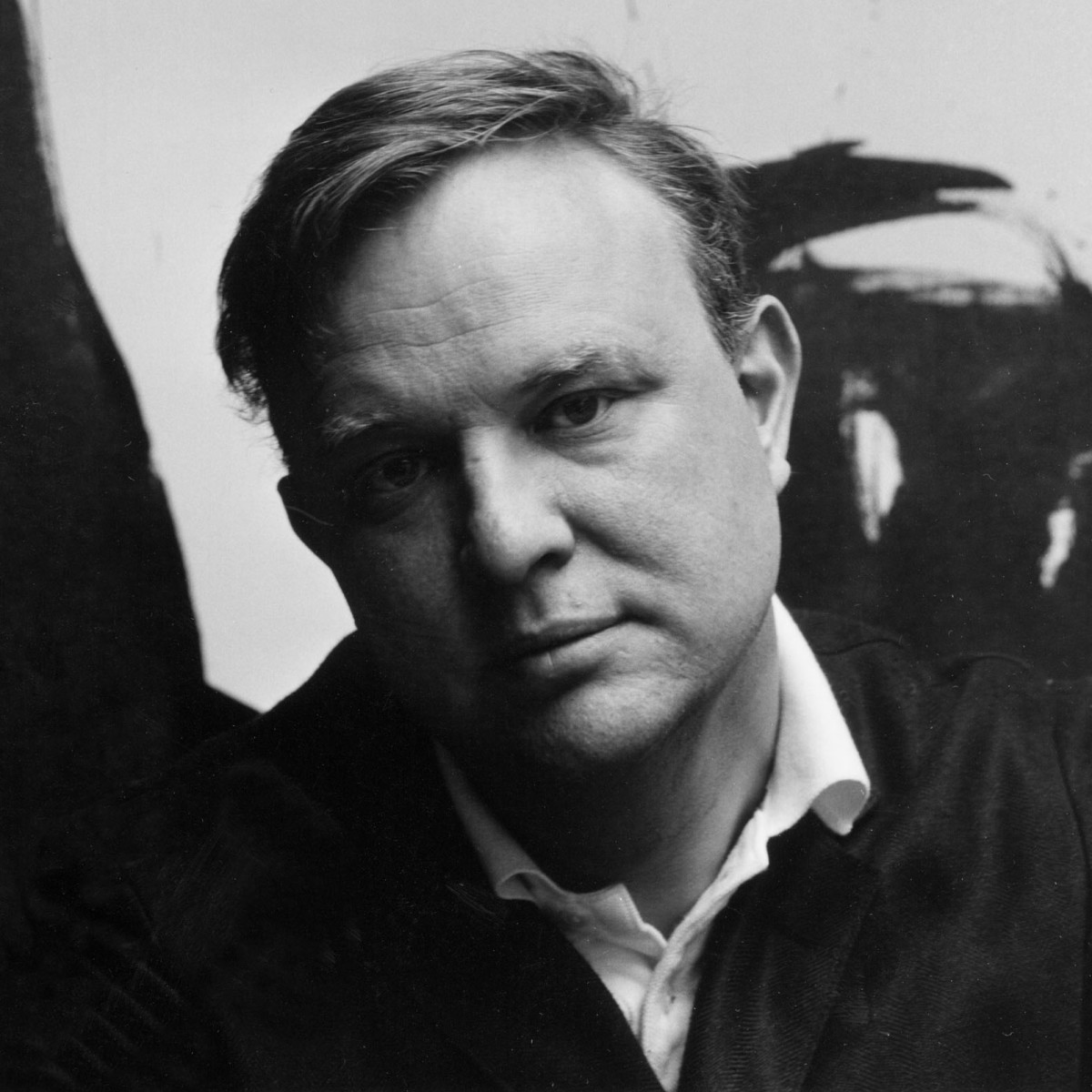
Robert Motherwell was an American artist and painter, renowned for his significant contributions to the Abstract Expressionism movement. Born in Aberdeen, Washington, in 1915, Motherwell's work is celebrated for its expressive use of form and color, which he utilized to convey deep emotional and philosophical themes. His approach to art was both intellectual and deeply personal, making him a pivotal figure in 20th-century art.
Motherwell's dedication to exploring the relationship between philosophy, literature, and visual art set him apart from his contemporaries. He was not just an artist but also an articulate spokesman for the Abstract Expressionist movement, emphasizing the importance of spontaneity and the expression of the subconscious. His series "Elegies to the Spanish Republic" is among his most famous works, exemplifying his skill in using black and white to evoke powerful emotions and reflections on human tragedy and resilience.
His art is held in high esteem worldwide, with pieces displayed in major museums and galleries, including the Museum of Modern Art (MoMA) in New York and the Tate Modern in London. Motherwell's ability to blend abstract elements with profound thematic content has made his work enduringly relevant to both collectors and scholars in the fields of art and antiques.
For those keen on delving deeper into the world of modern art and Abstract Expressionism, Robert Motherwell's oeuvre offers a rich vein of exploration. His works not only encapsulate the dynamism and innovation of mid-20th-century American art but also provide insight into the intellectual and emotional depths from which they sprang. To stay informed about new sales and auction events related to Robert Motherwell, sign up for our updates. This subscription is a gateway to the vibrant and evolving market of art collecting, ensuring you never miss an opportunity to engage with the legacy of this monumental artist.
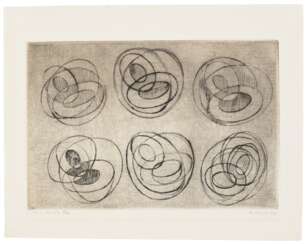

Josef Albers was a German-born artist and educator. The first living artist to be given a solo shows at MoMA and at the Metropolitan Museum of Art in New York, he taught at the Bauhaus and Black Mountain College, headed Yale University's department of design, and is considered one of the most influential teachers of the visual arts in the twentieth century.
As an artist, Albers worked in several disciplines, including photography, typography, murals and printmaking. He is best known for his work as an abstract painter and a theorist. His book Interaction of Color was published in 1963.


Josef Albers was a German-born artist and educator. The first living artist to be given a solo shows at MoMA and at the Metropolitan Museum of Art in New York, he taught at the Bauhaus and Black Mountain College, headed Yale University's department of design, and is considered one of the most influential teachers of the visual arts in the twentieth century.
As an artist, Albers worked in several disciplines, including photography, typography, murals and printmaking. He is best known for his work as an abstract painter and a theorist. His book Interaction of Color was published in 1963.
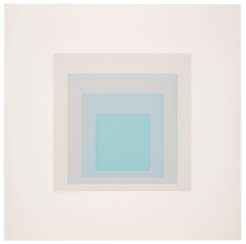

Josef Albers was a German-born artist and educator. The first living artist to be given a solo shows at MoMA and at the Metropolitan Museum of Art in New York, he taught at the Bauhaus and Black Mountain College, headed Yale University's department of design, and is considered one of the most influential teachers of the visual arts in the twentieth century.
As an artist, Albers worked in several disciplines, including photography, typography, murals and printmaking. He is best known for his work as an abstract painter and a theorist. His book Interaction of Color was published in 1963.
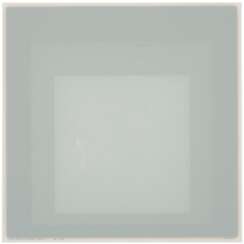

Josef Albers was a German-born artist and educator. The first living artist to be given a solo shows at MoMA and at the Metropolitan Museum of Art in New York, he taught at the Bauhaus and Black Mountain College, headed Yale University's department of design, and is considered one of the most influential teachers of the visual arts in the twentieth century.
As an artist, Albers worked in several disciplines, including photography, typography, murals and printmaking. He is best known for his work as an abstract painter and a theorist. His book Interaction of Color was published in 1963.





.jfif)
Donald Clarence Judd was an American artist associated with minimalism (a term he nonetheless stridently disavowed). In his work, Judd sought autonomy and clarity for the constructed object and the space created by it, ultimately achieving a rigorously democratic presentation without compositional hierarchy. He is generally considered the leading international exponent of "minimalism," and its most important theoretician through such writings as "Specific Objects" (1964). Judd voiced his unorthodox perception of minimalism in Arts Yearbook 8, where he says, "The new three dimensional work doesn't constitute a movement, school, or style. The common aspects are too general and too little common to define a movement. The differences are greater than the similarities."