

Romanticism — Auction price
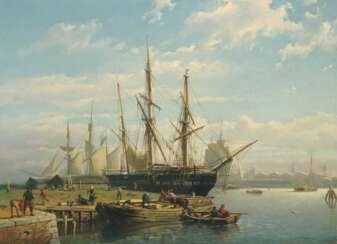

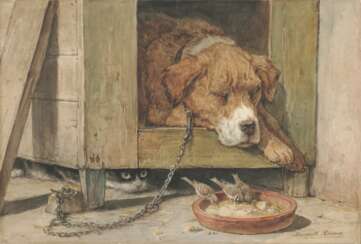

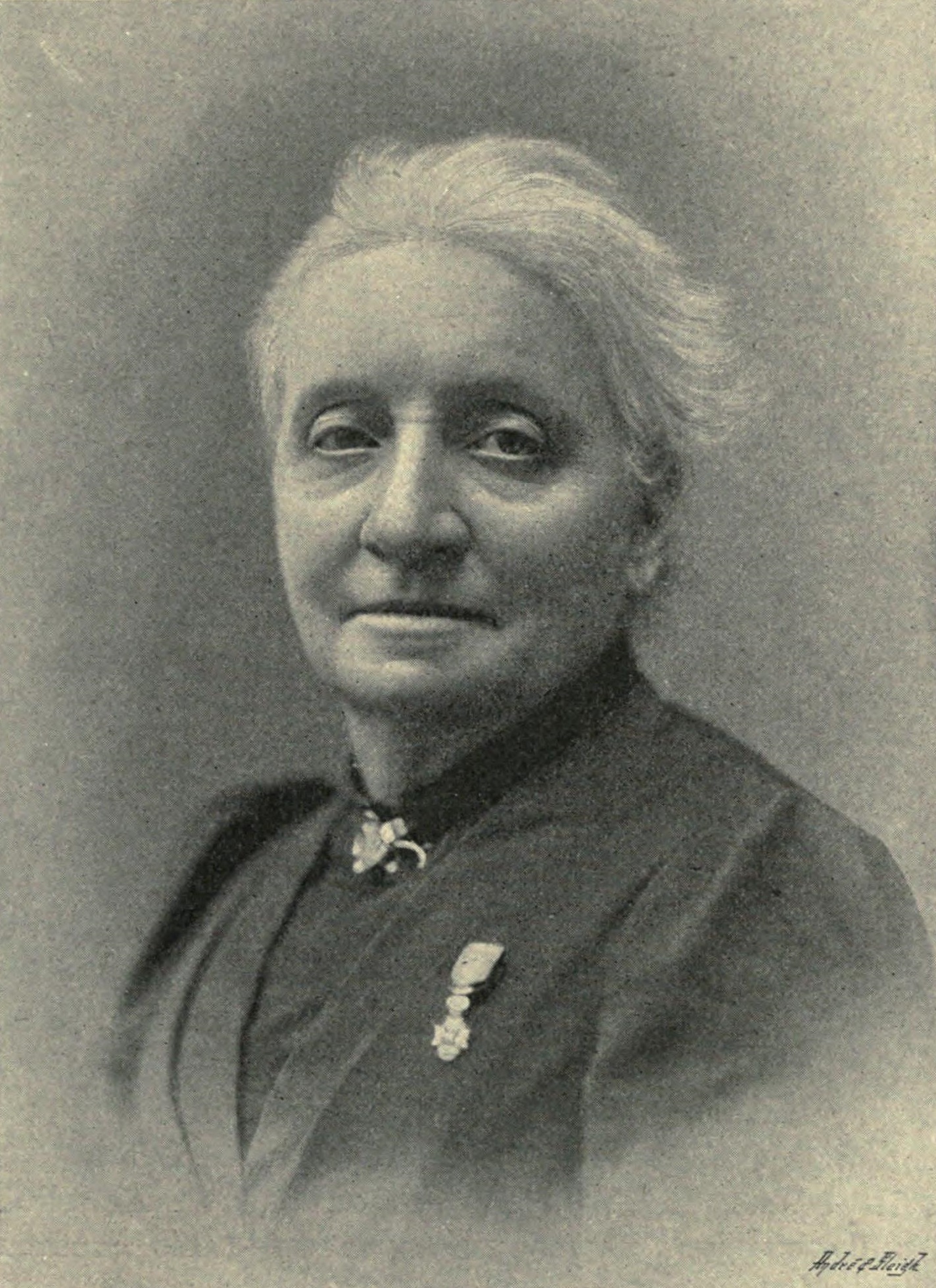
Henriette Ronner-Knip was a Dutch-Belgian artist celebrated for her detailed and emotive animal paintings, especially cats and dogs. Born into an artistic family in Amsterdam in 1821, Henriette's talent was evident early on, and she quickly became a prominent figure in the art world. Her father, a key influence in her life, helped hone her skills from a young age, emphasizing the dedication required for artistic success. Despite challenges, including her father's blindness and the responsibility of supporting her family, Henriette's resolve only strengthened.
After marrying Teiko Ronner in 1850, Henriette moved to Brussels, where she transitioned her focus predominantly to animals, capturing the essence and character of her subjects with remarkable precision. Her works, such as "The Death of a Friend," not only garnered acclaim but also reflected societal elements, like the reliance on dog sleds in the 19th century. Henriette's contributions were recognized with numerous accolades, and her legacy continued through her children, who also pursued artistic careers.
For collectors and art enthusiasts, Henriette Ronner-Knip's works offer a glimpse into the 19th-century life and a deep appreciation for animal portrayal in art. Her paintings, imbued with a blend of realism and romanticism, continue to resonate, reflecting her profound connection with her subjects and her exceptional skill in bringing them to life on canvas.
To stay updated on available pieces and auction events related to Henriette Ronner-Knip, signing up for updates can provide valuable insights and opportunities to acquire works by this distinguished artist.
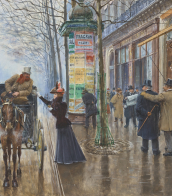


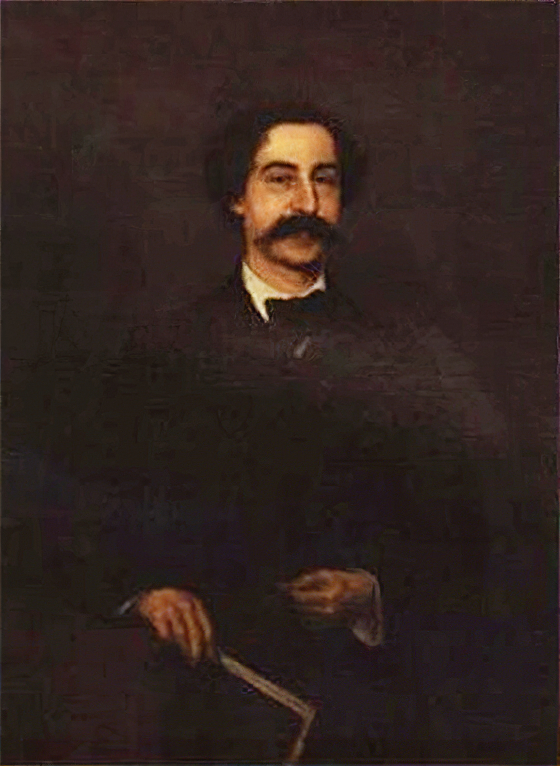
Jacques François Joseph Carabain was a Dutch-Belgian painter, known primarily for his scenes of cities and buildings in the Romantic-Realist style. He was especially interested in Medieval and Baroque structures, and was often attracted to busy market places.
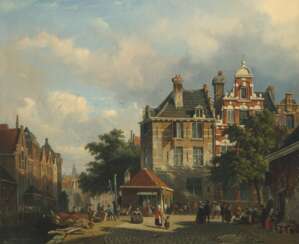

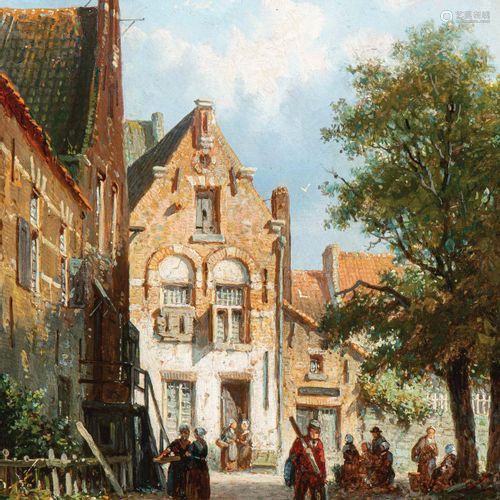


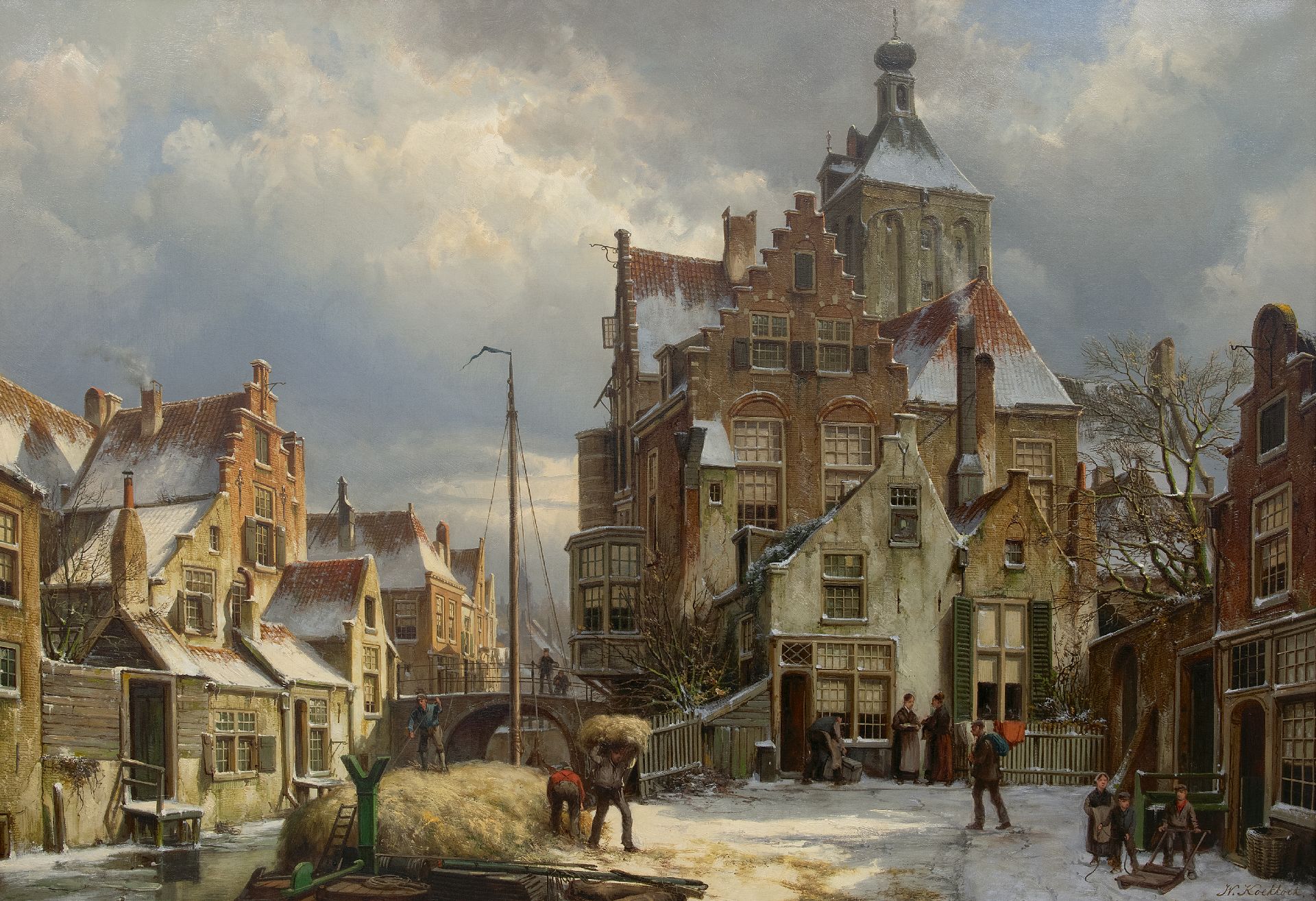
Willem Koekkoek was a Dutch painter of the urban landscape.
Following in the family tradition, his father gave all four brothers their first art lessons. Willem also received training as an architect, but practiced that profession for only a short time. It did, however, leave a lasting influence on his choice of subject matter.


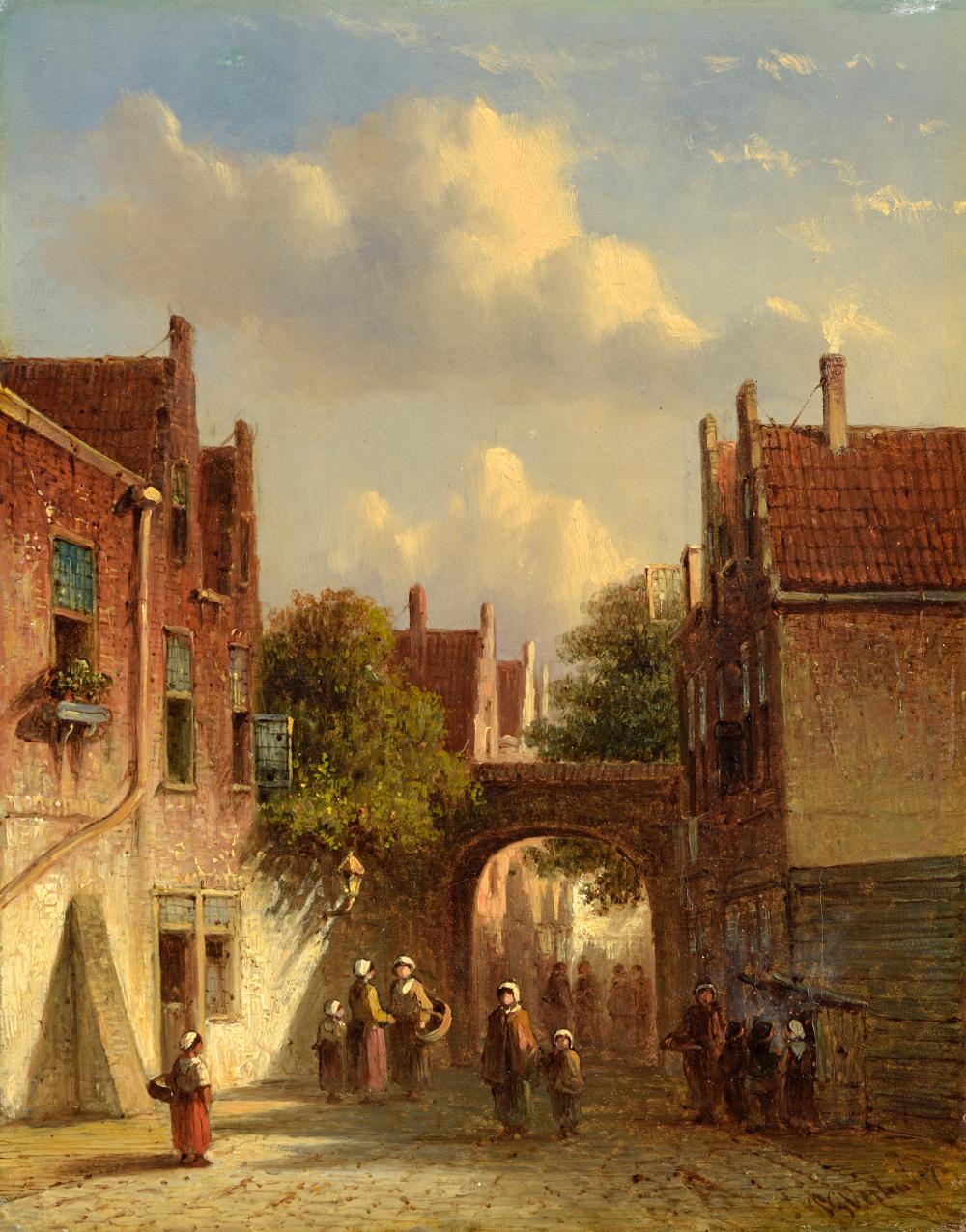
Pieter Gerardus Vertin is a Dutch landscape painter and graphic artist. He is known for his urban views.


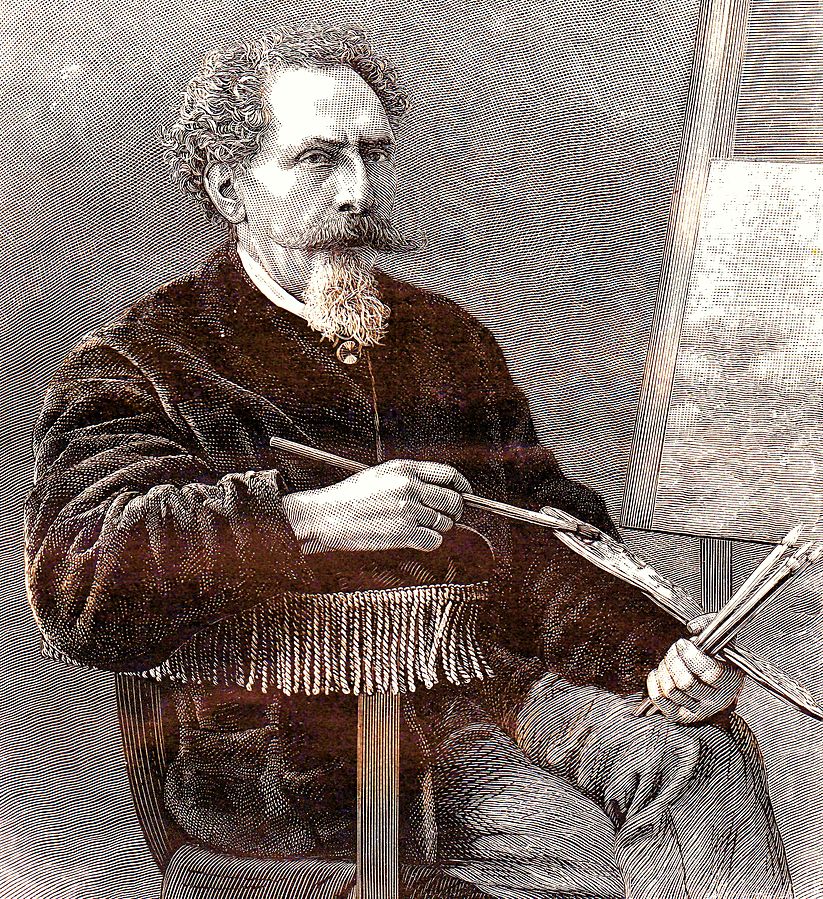

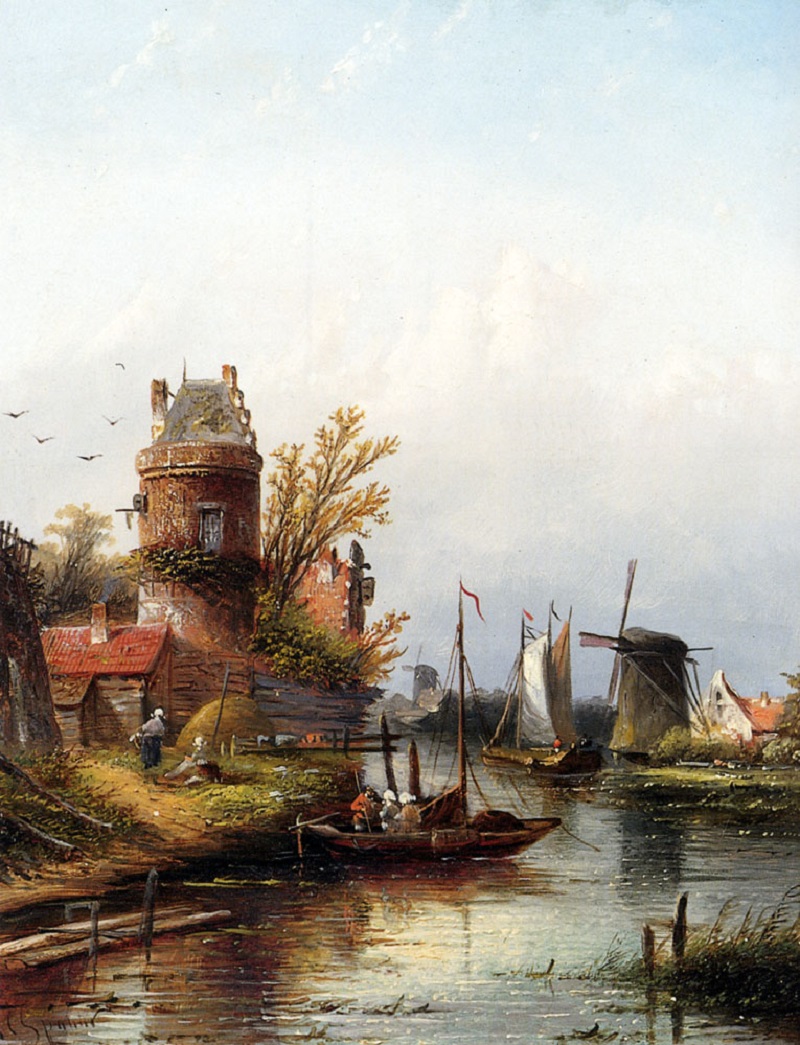
Jacob Jan Coenraad Spohler was a Dutch painter. He is known for his winter landscapes and cityscapes.
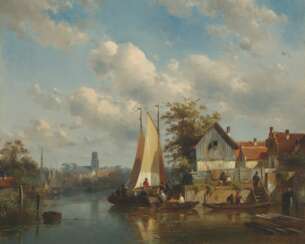

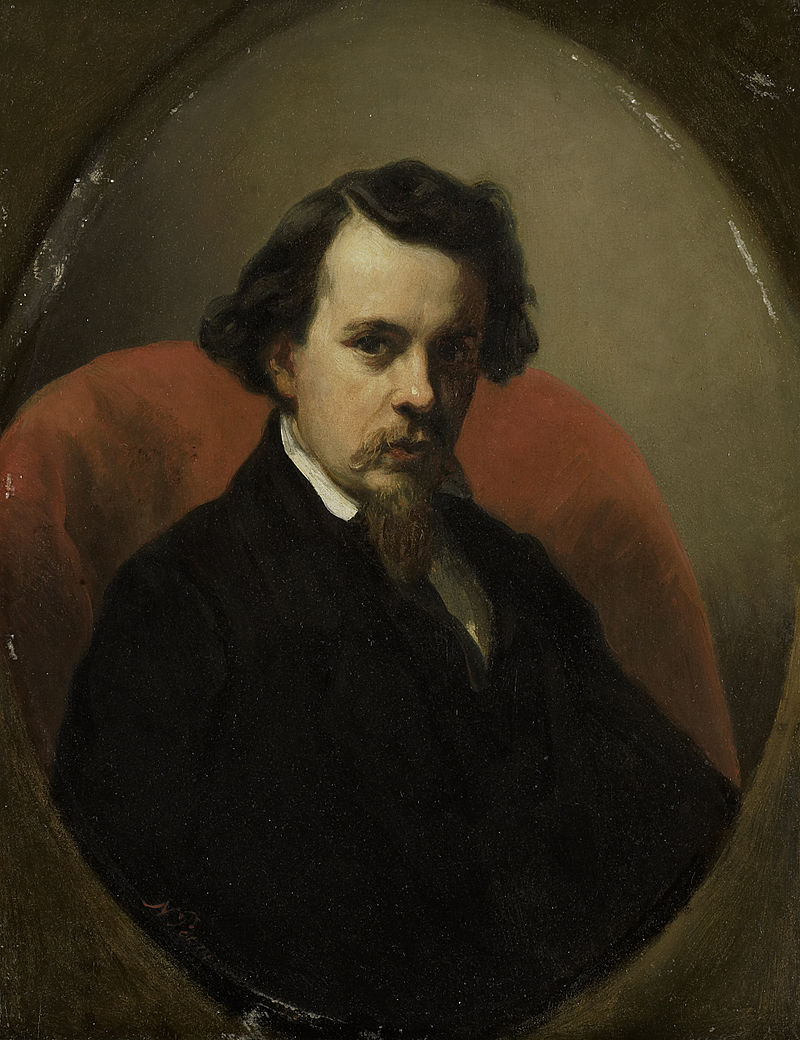
Charles Henri Joseph Leickert was a Belgian painter of Dutch landscapes. As a specialist in winter landscapes, he explored the nuances of the evening sky and the rosy-fingered dawn.
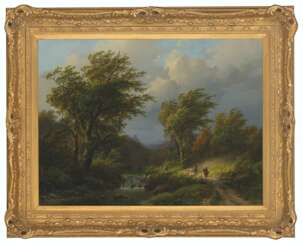

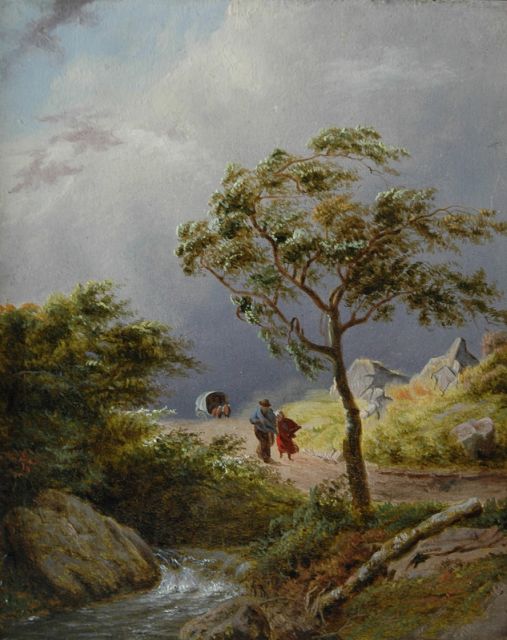
Johann Bernhard Klombeck was a landscape painter who belonged to the so-called Klever Romanticism. Klombeck showed his first exhibitions in his hometown of Kleve and in Nijmegen. Between 1843 and 1856 his works were shown i.a. shown at major exhibitions in Amsterdam, Rotterdam, The Hague, Dresden and Berlin. He found his motifs in the landscape of the Lower Rhine and the neighboring Netherlands. They were mostly romantically transfigured motifs with gnarled oaks or castle ruins as eye-catchers. Dramatic cloud formations also became his stylistic features.
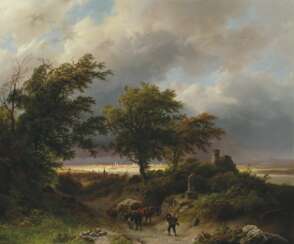

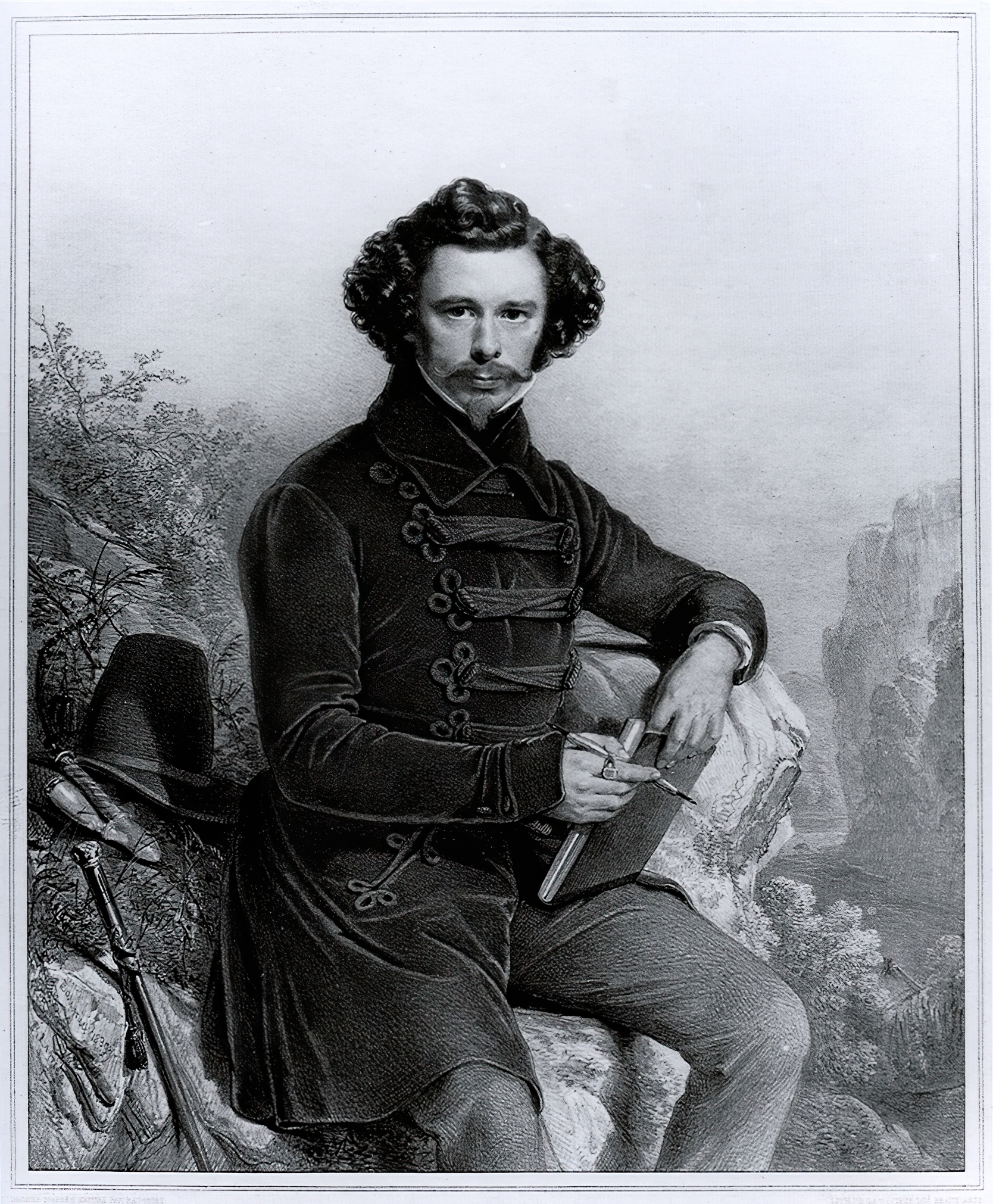
Barend Cornelis Koekkoek was a Dutch landscape artist and lithographer.


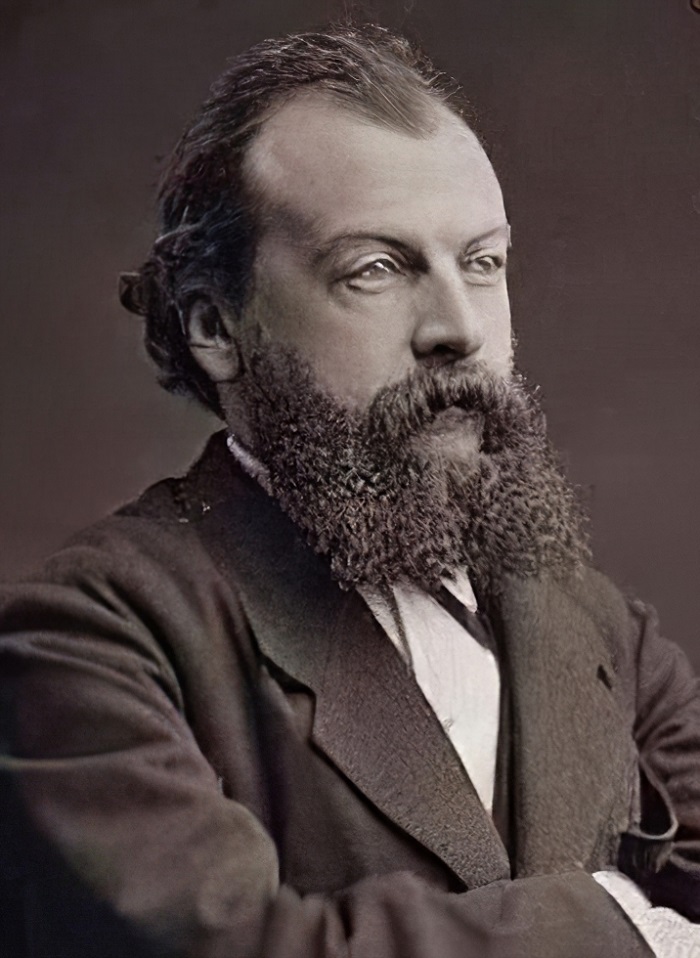
Philip Lodewijk Jacob Frederik Sadée was an artist who belonged to the Hague School.
Sadée travelled widely, painting in the Pas de Calais and traveling through France, Germany, Belgium, and Italy. Sadée exhibited in Amsterdam, Rotterdam, and The Hague in the years 1853-1903, and was elected to the Arte et Amicitiae in Amsterdam. He taught at the Academy in The Hague and numbered Hendrikus M. Horrix (1845-1923) amongst his pupils.


Philip Lodewijk Jacob Frederik Sadée was an artist who belonged to the Hague School.
Sadée travelled widely, painting in the Pas de Calais and traveling through France, Germany, Belgium, and Italy. Sadée exhibited in Amsterdam, Rotterdam, and The Hague in the years 1853-1903, and was elected to the Arte et Amicitiae in Amsterdam. He taught at the Academy in The Hague and numbered Hendrikus M. Horrix (1845-1923) amongst his pupils.
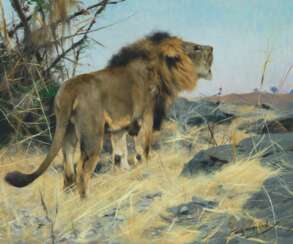

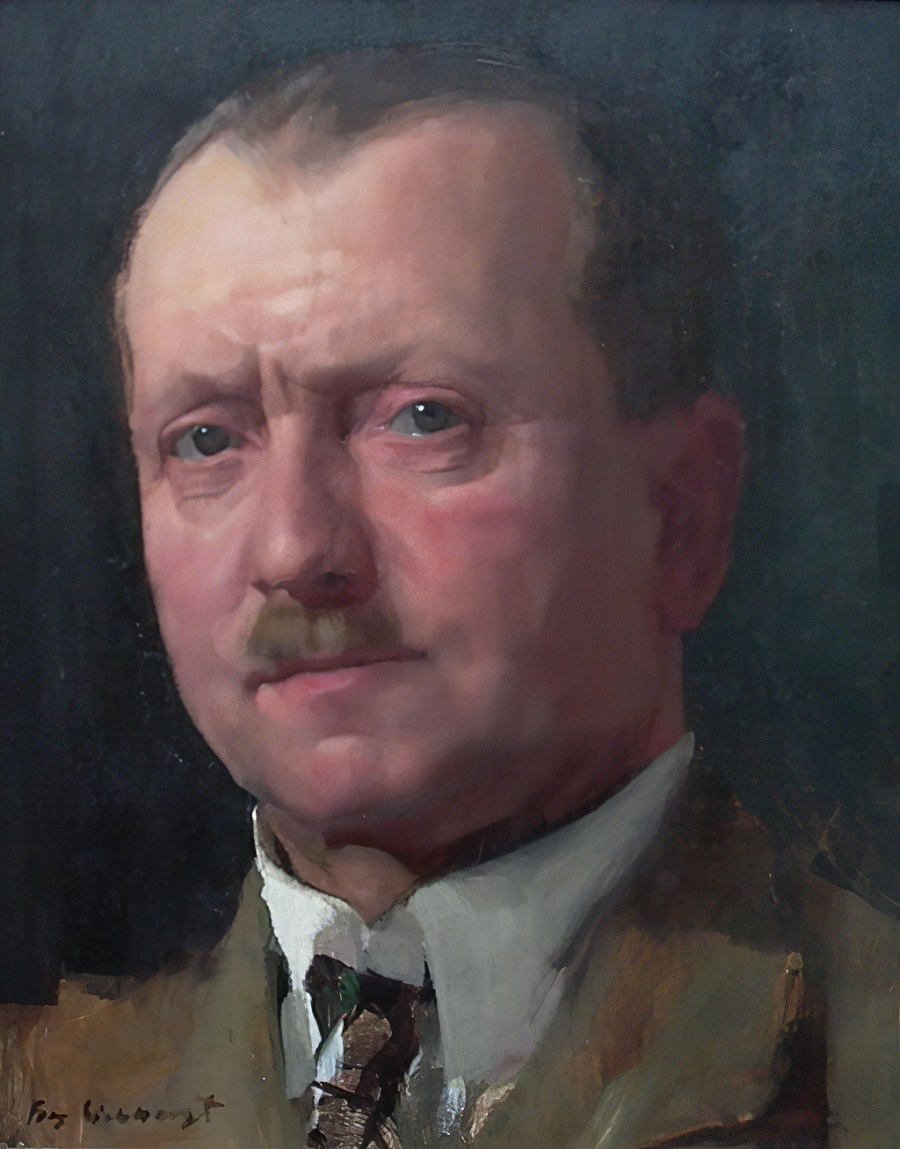
Friedrich Wilhelm Kuhnert was a German painter, author and illustrator, who specialized in animal images. After illustrating the books of Alfred Brehm, he travelled to German East Africa to observe animals in their habitat and produced numerous paintings that defined Africa for many Germans of the period.

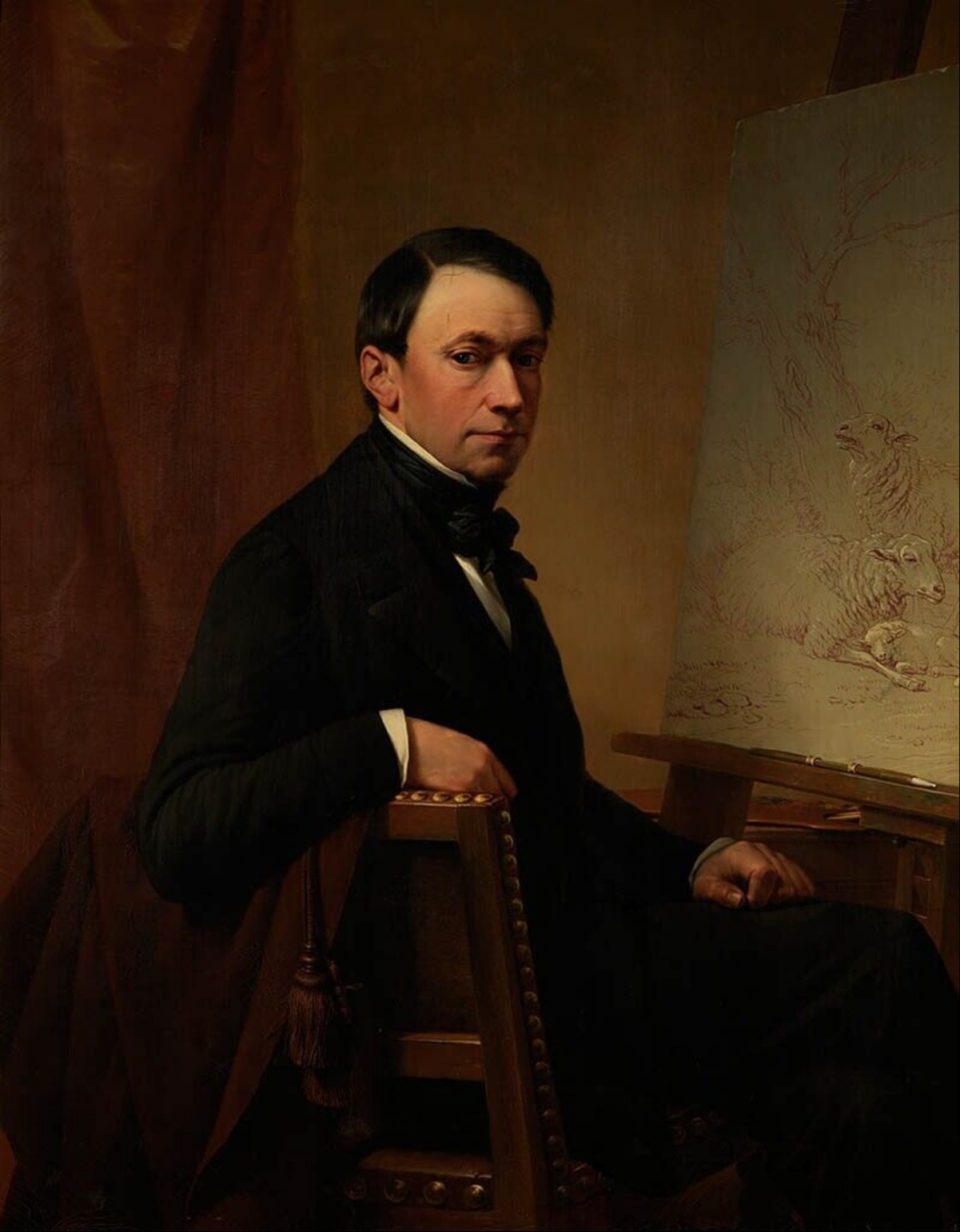
Eugène Joseph Verboeckhoven a Belgian painter, was born at Warneton in West Flanders. He was a painter, a sculptor, an etcher, an engraver, and a lithographer of animals, animated landscapes, and portraits.
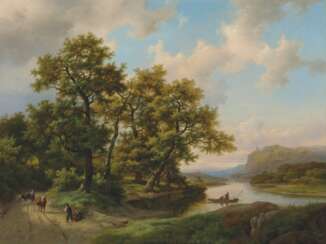

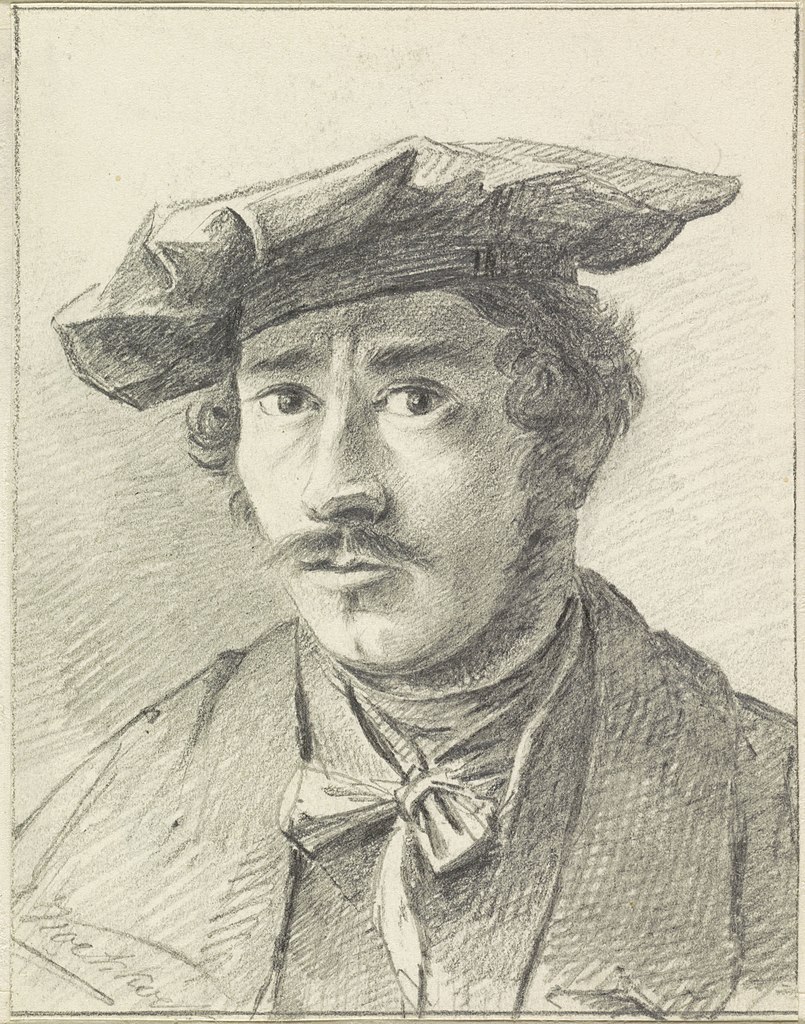
Marinus Adrianus Koekkoek was a 19th-century Dutch landscape and marine painter.
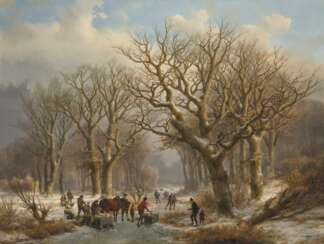

Eugène Joseph Verboeckhoven a Belgian painter, was born at Warneton in West Flanders. He was a painter, a sculptor, an etcher, an engraver, and a lithographer of animals, animated landscapes, and portraits.
Johann Bernhard Klombeck was a landscape painter who belonged to the so-called Klever Romanticism. Klombeck showed his first exhibitions in his hometown of Kleve and in Nijmegen. Between 1843 and 1856 his works were shown i.a. shown at major exhibitions in Amsterdam, Rotterdam, The Hague, Dresden and Berlin. He found his motifs in the landscape of the Lower Rhine and the neighboring Netherlands. They were mostly romantically transfigured motifs with gnarled oaks or castle ruins as eye-catchers. Dramatic cloud formations also became his stylistic features.


Charles Henri Joseph Leickert was a Belgian painter of Dutch landscapes. As a specialist in winter landscapes, he explored the nuances of the evening sky and the rosy-fingered dawn.
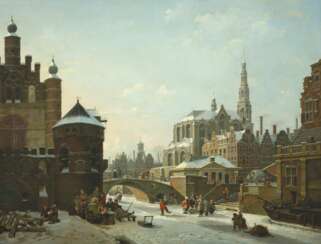

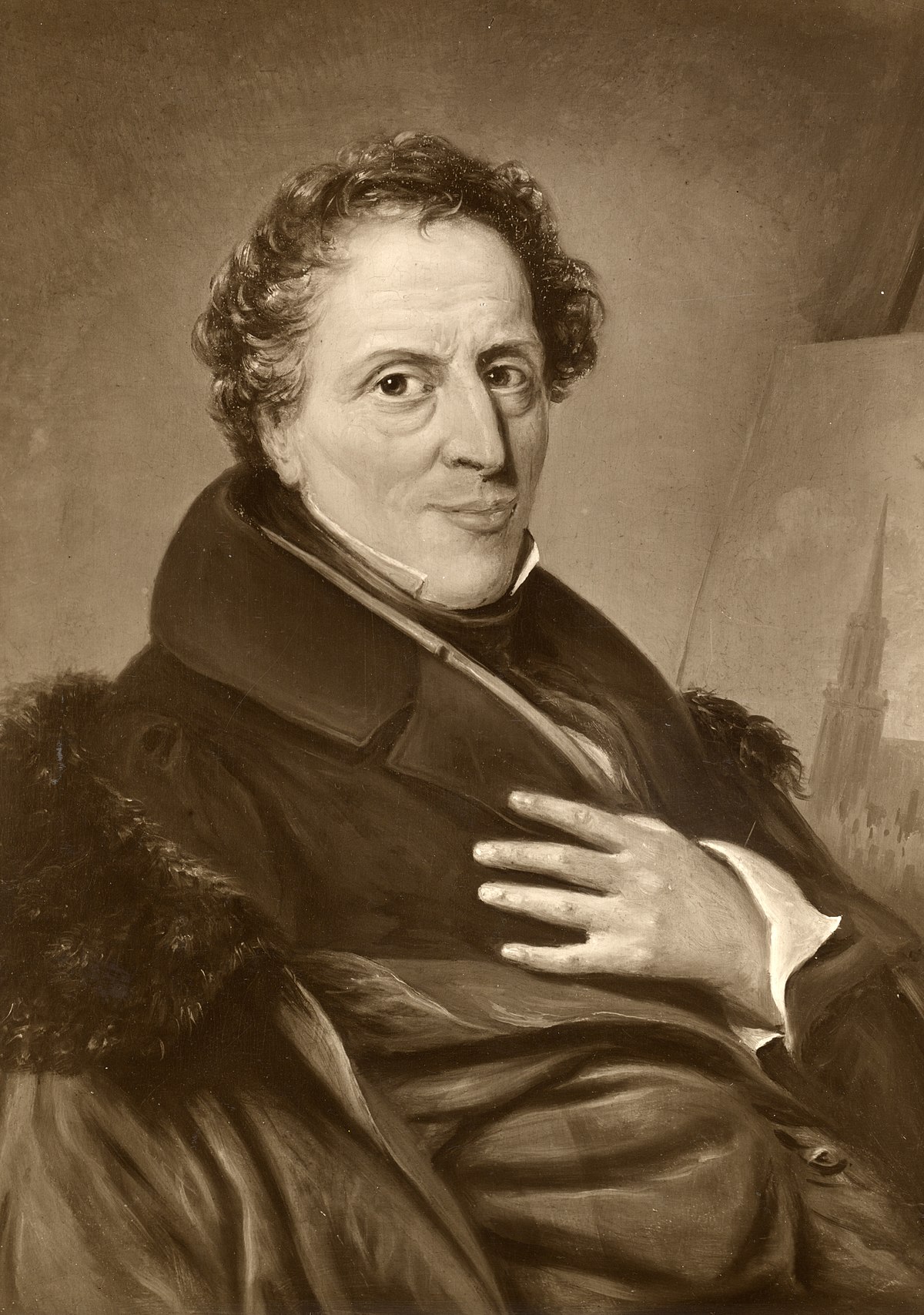
Jan Hendrik Verheyen was a Dutch landscape painter from the late 18th century to the first half of the 19th century. He specialised in urban architectural views.


Jacob Jan Coenraad Spohler was a Dutch painter. He is known for his winter landscapes and cityscapes.