

Pencil — Auction price
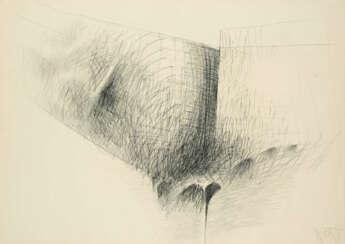


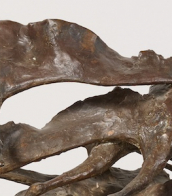
Bernhard Heiliger was a German artist. He was considered West Germany's foremost sculptor, and his large public artworks are a prominent presence in many German cities, especially Berlin.

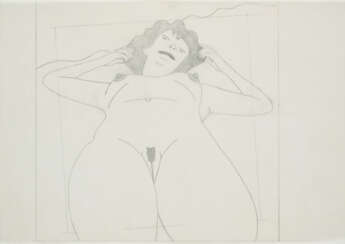


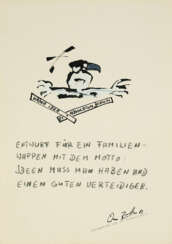
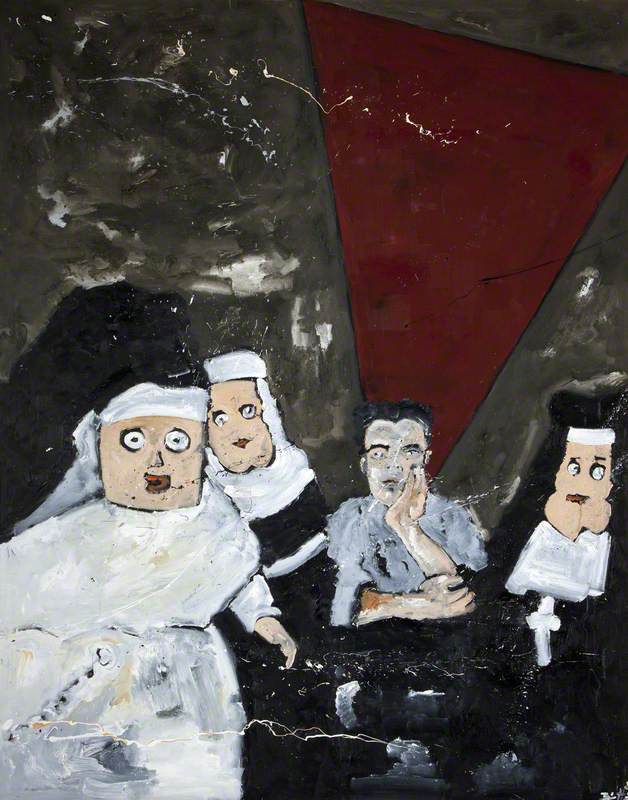
John Wesley was an American painter, known for idiosyncratic figurative works of eros and humor, rendered in a precise, hard-edged, deadpan style. Wesley's art largely remained true to artistic premises that he established in the 1960s: a comic-strip style of flat shapes, delicate black outline, a limited matte palette of saturated colors, and elegant, pared-down compositions. His characteristic subjects included cavorting nymphs, nudes, infants and animals, pastoral and historical scenes, and 1950s comic strip characters in humorously blasphemous, ambiguous scenarios of forbidden desire, rage or despair.
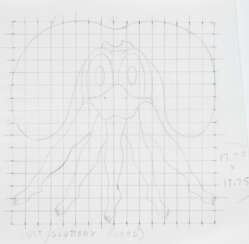

John Wesley was an American painter, known for idiosyncratic figurative works of eros and humor, rendered in a precise, hard-edged, deadpan style. Wesley's art largely remained true to artistic premises that he established in the 1960s: a comic-strip style of flat shapes, delicate black outline, a limited matte palette of saturated colors, and elegant, pared-down compositions. His characteristic subjects included cavorting nymphs, nudes, infants and animals, pastoral and historical scenes, and 1950s comic strip characters in humorously blasphemous, ambiguous scenarios of forbidden desire, rage or despair.
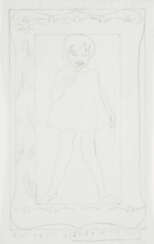

John Wesley was an American painter, known for idiosyncratic figurative works of eros and humor, rendered in a precise, hard-edged, deadpan style. Wesley's art largely remained true to artistic premises that he established in the 1960s: a comic-strip style of flat shapes, delicate black outline, a limited matte palette of saturated colors, and elegant, pared-down compositions. His characteristic subjects included cavorting nymphs, nudes, infants and animals, pastoral and historical scenes, and 1950s comic strip characters in humorously blasphemous, ambiguous scenarios of forbidden desire, rage or despair.
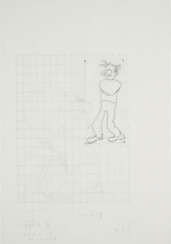

John Wesley was an American painter, known for idiosyncratic figurative works of eros and humor, rendered in a precise, hard-edged, deadpan style. Wesley's art largely remained true to artistic premises that he established in the 1960s: a comic-strip style of flat shapes, delicate black outline, a limited matte palette of saturated colors, and elegant, pared-down compositions. His characteristic subjects included cavorting nymphs, nudes, infants and animals, pastoral and historical scenes, and 1950s comic strip characters in humorously blasphemous, ambiguous scenarios of forbidden desire, rage or despair.
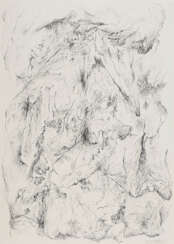


Bernard Schultze was a German painter who co-founded the Quadriga group of artists along with Karl Otto Götz and two other artists.

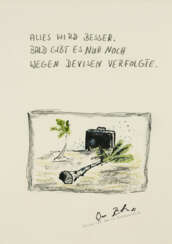


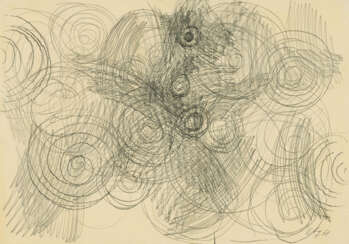

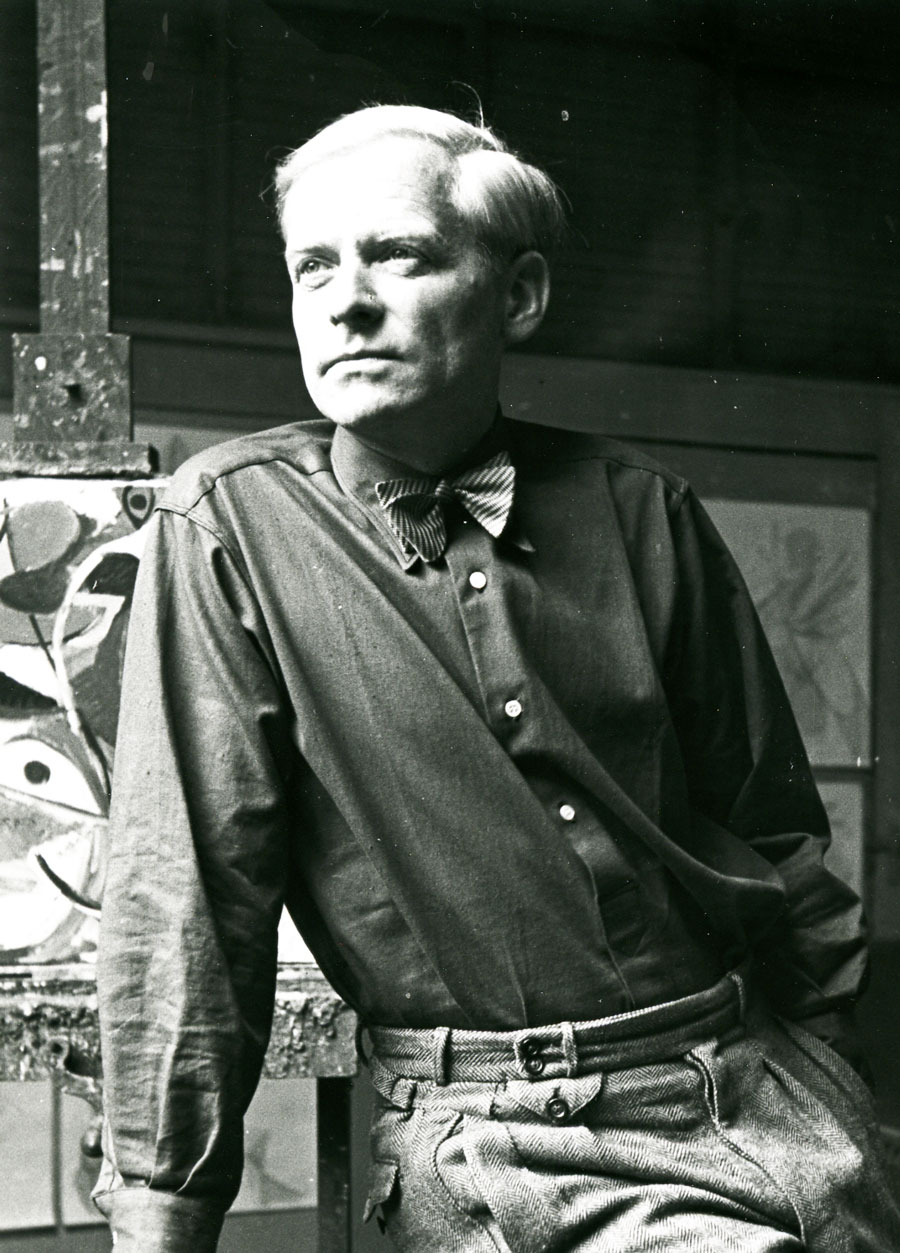
Ernst Wilhelm Nay was a German painter and graphic designer of classical modernism. He is considered one of the most important painters of German post-war art.
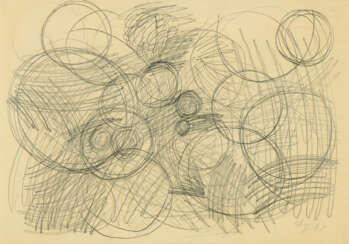

Ernst Wilhelm Nay was a German painter and graphic designer of classical modernism. He is considered one of the most important painters of German post-war art.


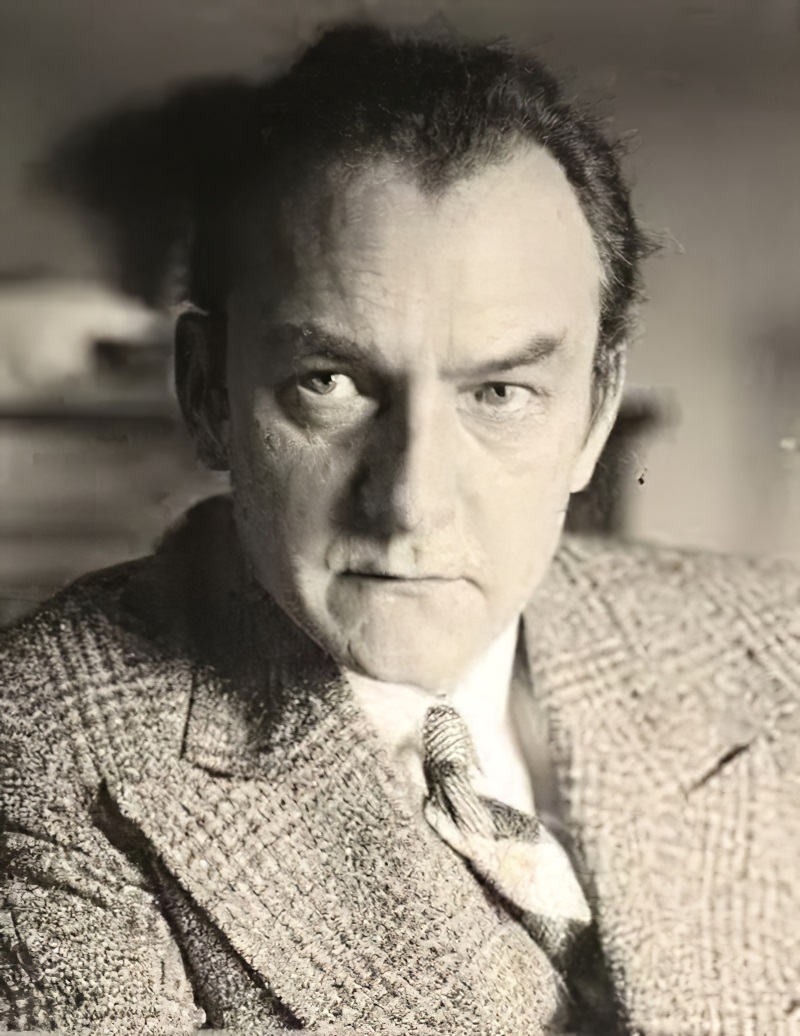
Franz Lenk was a German modernist painter.


Franz Lenk was a German modernist painter.
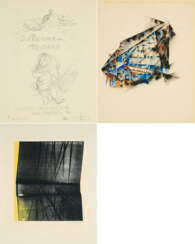



John Wesley was an American painter, known for idiosyncratic figurative works of eros and humor, rendered in a precise, hard-edged, deadpan style. Wesley's art largely remained true to artistic premises that he established in the 1960s: a comic-strip style of flat shapes, delicate black outline, a limited matte palette of saturated colors, and elegant, pared-down compositions. His characteristic subjects included cavorting nymphs, nudes, infants and animals, pastoral and historical scenes, and 1950s comic strip characters in humorously blasphemous, ambiguous scenarios of forbidden desire, rage or despair.
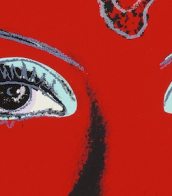


John Wesley was an American painter, known for idiosyncratic figurative works of eros and humor, rendered in a precise, hard-edged, deadpan style. Wesley's art largely remained true to artistic premises that he established in the 1960s: a comic-strip style of flat shapes, delicate black outline, a limited matte palette of saturated colors, and elegant, pared-down compositions. His characteristic subjects included cavorting nymphs, nudes, infants and animals, pastoral and historical scenes, and 1950s comic strip characters in humorously blasphemous, ambiguous scenarios of forbidden desire, rage or despair.


John Wesley was an American painter, known for idiosyncratic figurative works of eros and humor, rendered in a precise, hard-edged, deadpan style. Wesley's art largely remained true to artistic premises that he established in the 1960s: a comic-strip style of flat shapes, delicate black outline, a limited matte palette of saturated colors, and elegant, pared-down compositions. His characteristic subjects included cavorting nymphs, nudes, infants and animals, pastoral and historical scenes, and 1950s comic strip characters in humorously blasphemous, ambiguous scenarios of forbidden desire, rage or despair.
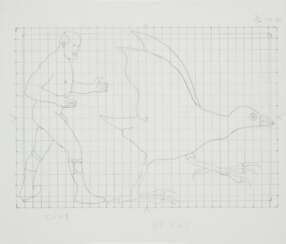

John Wesley was an American painter, known for idiosyncratic figurative works of eros and humor, rendered in a precise, hard-edged, deadpan style. Wesley's art largely remained true to artistic premises that he established in the 1960s: a comic-strip style of flat shapes, delicate black outline, a limited matte palette of saturated colors, and elegant, pared-down compositions. His characteristic subjects included cavorting nymphs, nudes, infants and animals, pastoral and historical scenes, and 1950s comic strip characters in humorously blasphemous, ambiguous scenarios of forbidden desire, rage or despair.


John Wesley was an American painter, known for idiosyncratic figurative works of eros and humor, rendered in a precise, hard-edged, deadpan style. Wesley's art largely remained true to artistic premises that he established in the 1960s: a comic-strip style of flat shapes, delicate black outline, a limited matte palette of saturated colors, and elegant, pared-down compositions. His characteristic subjects included cavorting nymphs, nudes, infants and animals, pastoral and historical scenes, and 1950s comic strip characters in humorously blasphemous, ambiguous scenarios of forbidden desire, rage or despair.