Pencil — Auction price


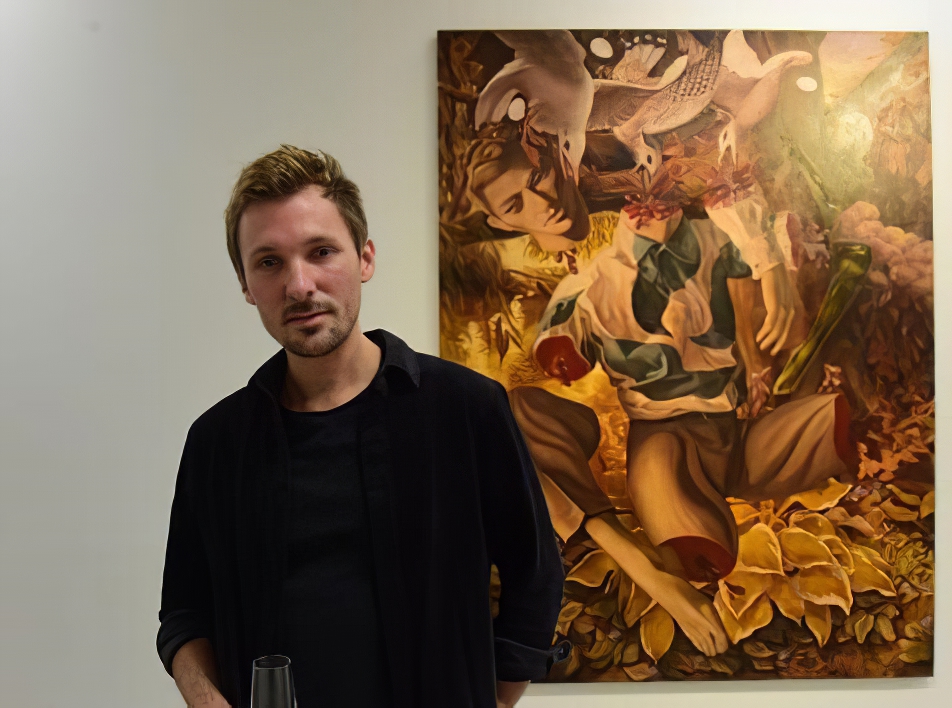
Dennis Scholl, a German painter and graphic artist, has carved a unique space in the contemporary art world. Scholl's journey into art began at the Academy of Fine Arts in Hamburg, where he studied under Franz Erhard Walter and Andreas Slominski. His early artistic explorations were predominantly in monochromatic pencil drawings, distinguishing himself from his contemporaries who were more inclined towards colorful painting.
Dennis Scholl's art invites viewers into a multilayered, enigmatic world. His works are populated with characters that range from the whimsical to the bizarre, each telling a story that is both intimate and elusive. The human figure is a recurring theme in his drawings, often presented in scenarios filled with conflicts and romances. These characters, sometimes drawn from literature and history, or purely from Scholl's imagination, contribute to the narrative depth of his work.
Over the years, Dennis Scholl's art has evolved significantly. His transition from monochrome to color began around 2015, adding a new dimension to his work. He skillfully moved from red chalk to pastels and crayons, eventually transitioning to oil paints in 2017. This evolution in his medium reflects his commitment to artistic growth and exploration.
Dennis Scholl's works have gained international recognition, being featured in numerous group and solo exhibitions across the globe, including in cities like New York, Brussels, Malmö, and London. His art has also found a place in private collections in Switzerland, North America, and Germany.
For collectors and art experts, Dennis Scholl represents an intriguing blend of traditional techniques and contemporary themes. His works are a testament to the enduring power of narrative in art, inviting viewers to delve into stories that are both familiar and mystifying.
Stay updated on Dennis Scholl's latest works and exhibition events by signing up for our newsletter. We provide straightforward information about upcoming sales and auctions featuring Scholl's art, ensuring you stay informed about this remarkable artist.


Dennis Scholl, a German painter and graphic artist, has carved a unique space in the contemporary art world. Scholl's journey into art began at the Academy of Fine Arts in Hamburg, where he studied under Franz Erhard Walter and Andreas Slominski. His early artistic explorations were predominantly in monochromatic pencil drawings, distinguishing himself from his contemporaries who were more inclined towards colorful painting.
Dennis Scholl's art invites viewers into a multilayered, enigmatic world. His works are populated with characters that range from the whimsical to the bizarre, each telling a story that is both intimate and elusive. The human figure is a recurring theme in his drawings, often presented in scenarios filled with conflicts and romances. These characters, sometimes drawn from literature and history, or purely from Scholl's imagination, contribute to the narrative depth of his work.
Over the years, Dennis Scholl's art has evolved significantly. His transition from monochrome to color began around 2015, adding a new dimension to his work. He skillfully moved from red chalk to pastels and crayons, eventually transitioning to oil paints in 2017. This evolution in his medium reflects his commitment to artistic growth and exploration.
Dennis Scholl's works have gained international recognition, being featured in numerous group and solo exhibitions across the globe, including in cities like New York, Brussels, Malmö, and London. His art has also found a place in private collections in Switzerland, North America, and Germany.
For collectors and art experts, Dennis Scholl represents an intriguing blend of traditional techniques and contemporary themes. His works are a testament to the enduring power of narrative in art, inviting viewers to delve into stories that are both familiar and mystifying.
Stay updated on Dennis Scholl's latest works and exhibition events by signing up for our newsletter. We provide straightforward information about upcoming sales and auctions featuring Scholl's art, ensuring you stay informed about this remarkable artist.


Dennis Scholl, a German painter and graphic artist, has carved a unique space in the contemporary art world. Scholl's journey into art began at the Academy of Fine Arts in Hamburg, where he studied under Franz Erhard Walter and Andreas Slominski. His early artistic explorations were predominantly in monochromatic pencil drawings, distinguishing himself from his contemporaries who were more inclined towards colorful painting.
Dennis Scholl's art invites viewers into a multilayered, enigmatic world. His works are populated with characters that range from the whimsical to the bizarre, each telling a story that is both intimate and elusive. The human figure is a recurring theme in his drawings, often presented in scenarios filled with conflicts and romances. These characters, sometimes drawn from literature and history, or purely from Scholl's imagination, contribute to the narrative depth of his work.
Over the years, Dennis Scholl's art has evolved significantly. His transition from monochrome to color began around 2015, adding a new dimension to his work. He skillfully moved from red chalk to pastels and crayons, eventually transitioning to oil paints in 2017. This evolution in his medium reflects his commitment to artistic growth and exploration.
Dennis Scholl's works have gained international recognition, being featured in numerous group and solo exhibitions across the globe, including in cities like New York, Brussels, Malmö, and London. His art has also found a place in private collections in Switzerland, North America, and Germany.
For collectors and art experts, Dennis Scholl represents an intriguing blend of traditional techniques and contemporary themes. His works are a testament to the enduring power of narrative in art, inviting viewers to delve into stories that are both familiar and mystifying.
Stay updated on Dennis Scholl's latest works and exhibition events by signing up for our newsletter. We provide straightforward information about upcoming sales and auctions featuring Scholl's art, ensuring you stay informed about this remarkable artist.


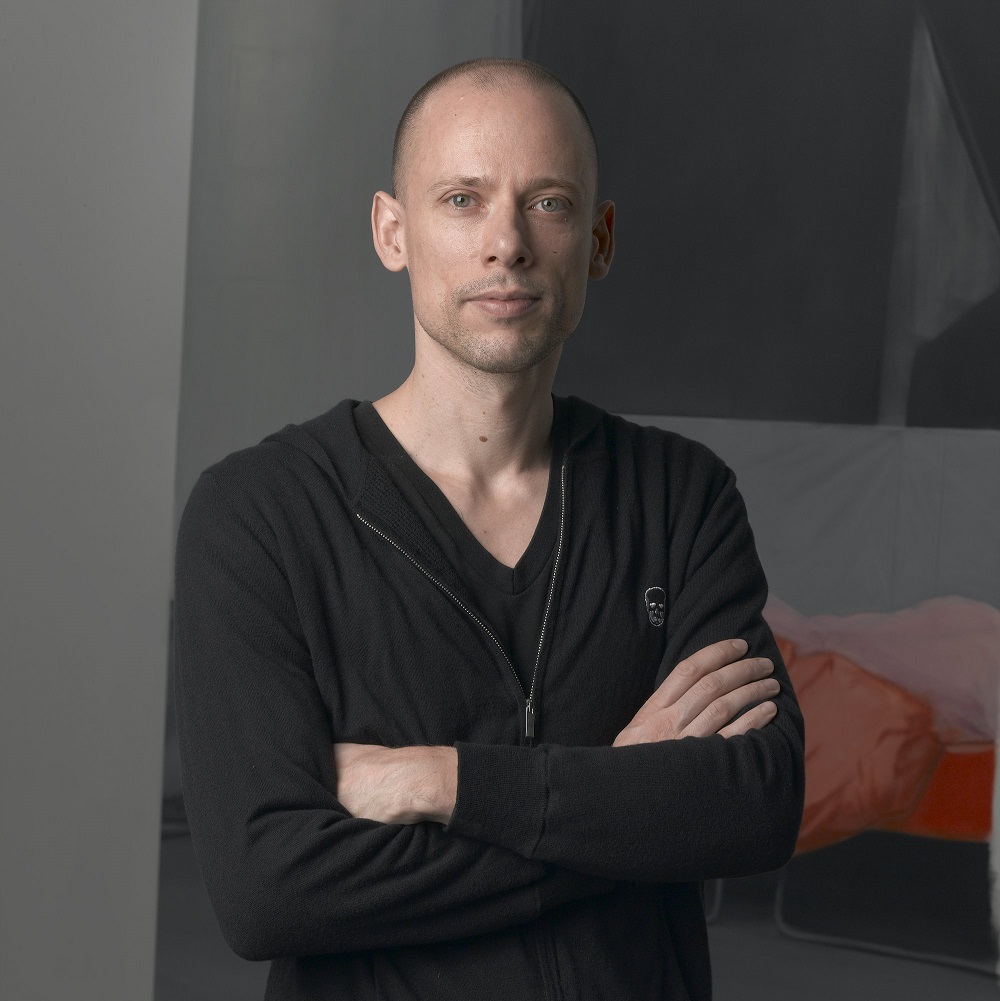
Tim Eitel is a German contemporary artist.
Tim Eitel's creative style remains realistic with elements of romanticism. Tim Eitel is one of the representatives of the "New School of Leipzig". His work is so faithful and close to the original that it could be presented as a colourful photograph.


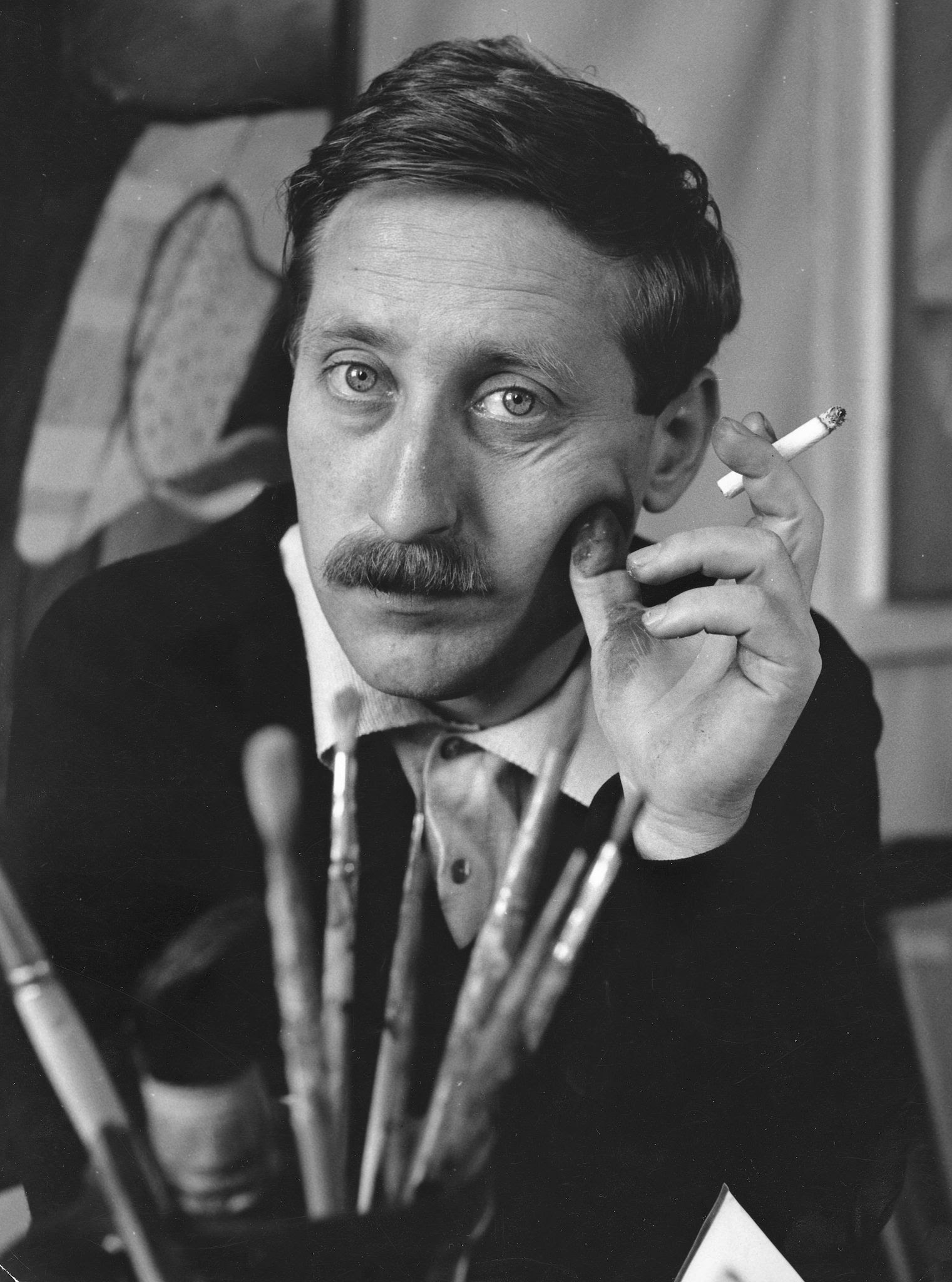
Horst Antes was a German painter, graphic artist and sculptor, a pioneer of the new figurative painting in Germany.
After studying at the Karlsruhe Academy of Fine Arts from 1957 to 1959, Antes taught there himself and later became a professor there.
Antes became known for the Kopffüßler (head-foot) image, which has been a recurring theme in his paintings, sculptures and graphic works since the early 1960s. Antes' work is represented in several major collections in Berlin, Hamburg, Cologne and elsewhere in Germany.


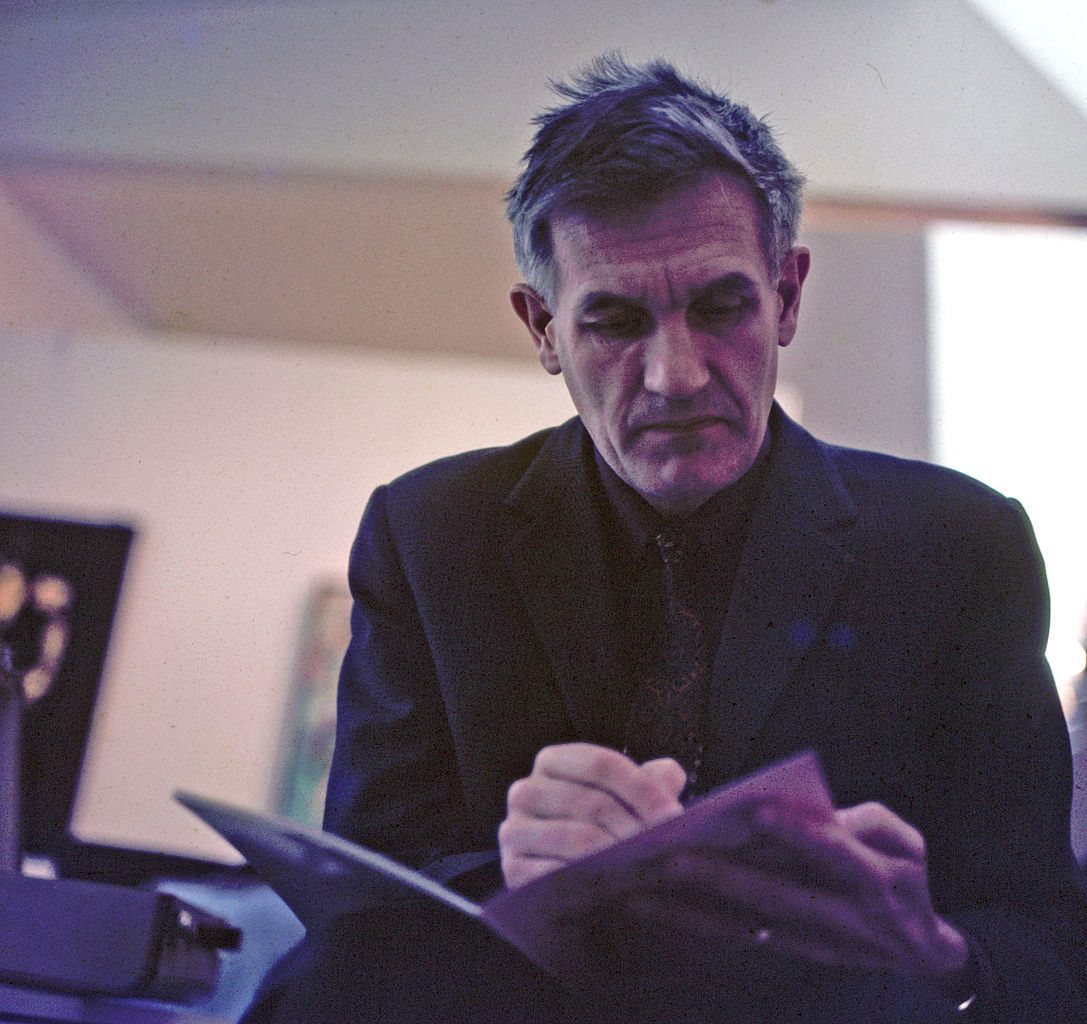
Bernard Schultze was a German painter who co-founded the Quadriga group of artists along with Karl Otto Götz and two other artists.


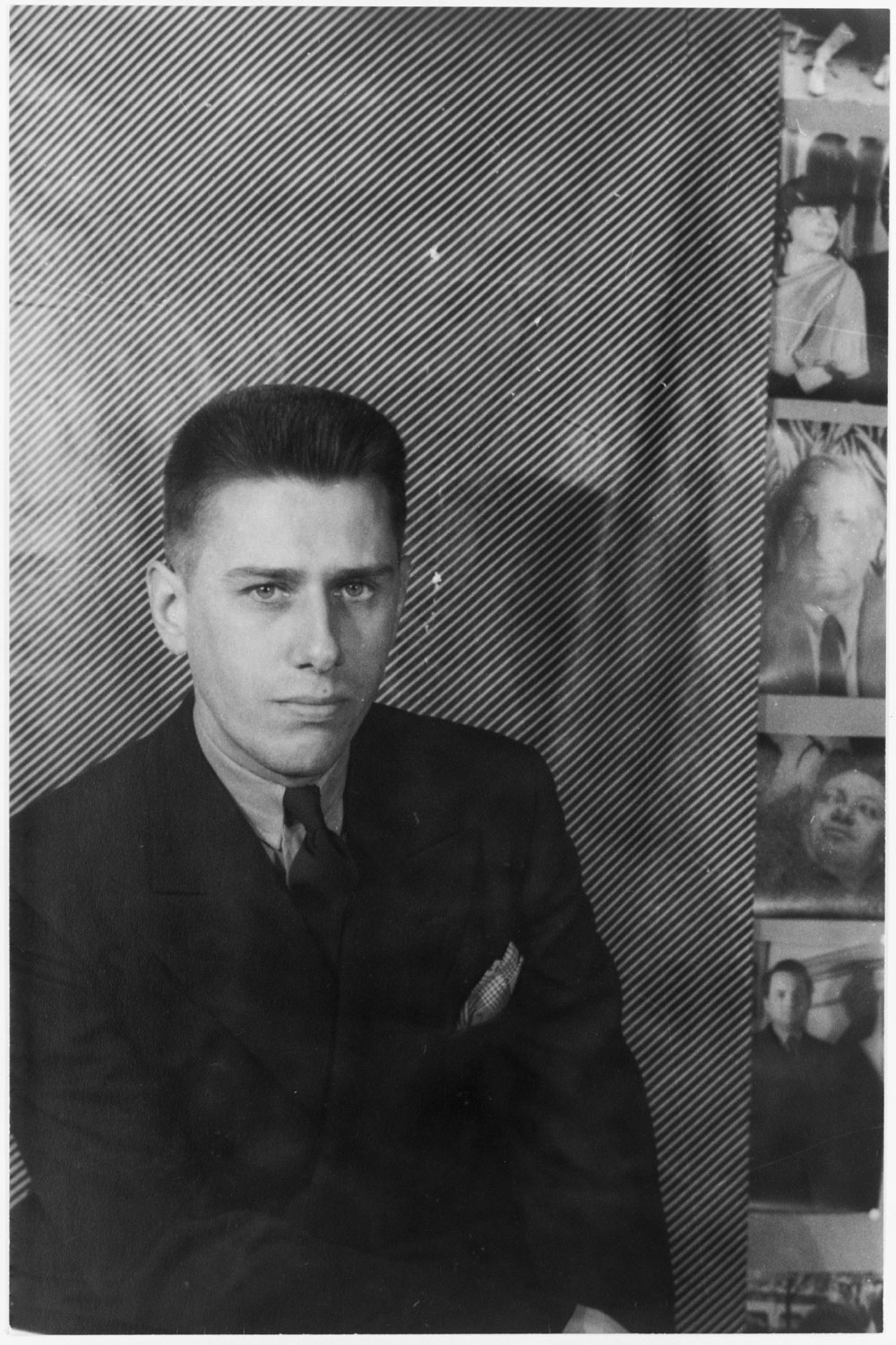


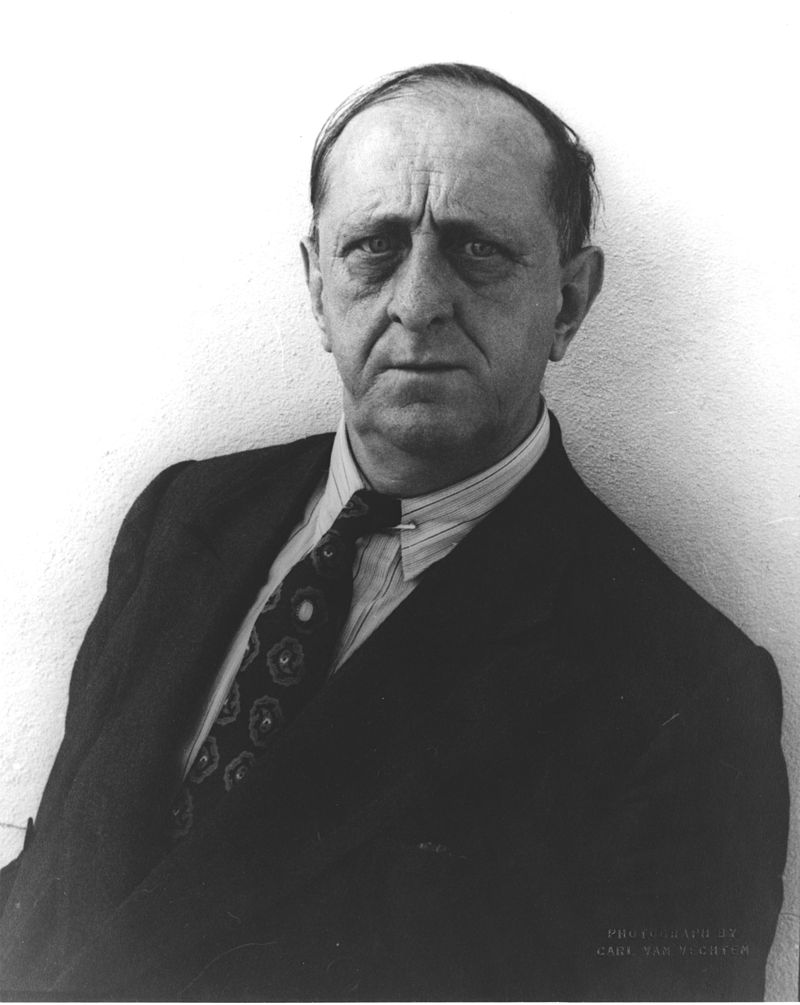
Marsden Hartley, real name Edmund Hartley, was an American artist and poet, one of the greatest representatives of classical modernism in the United States.



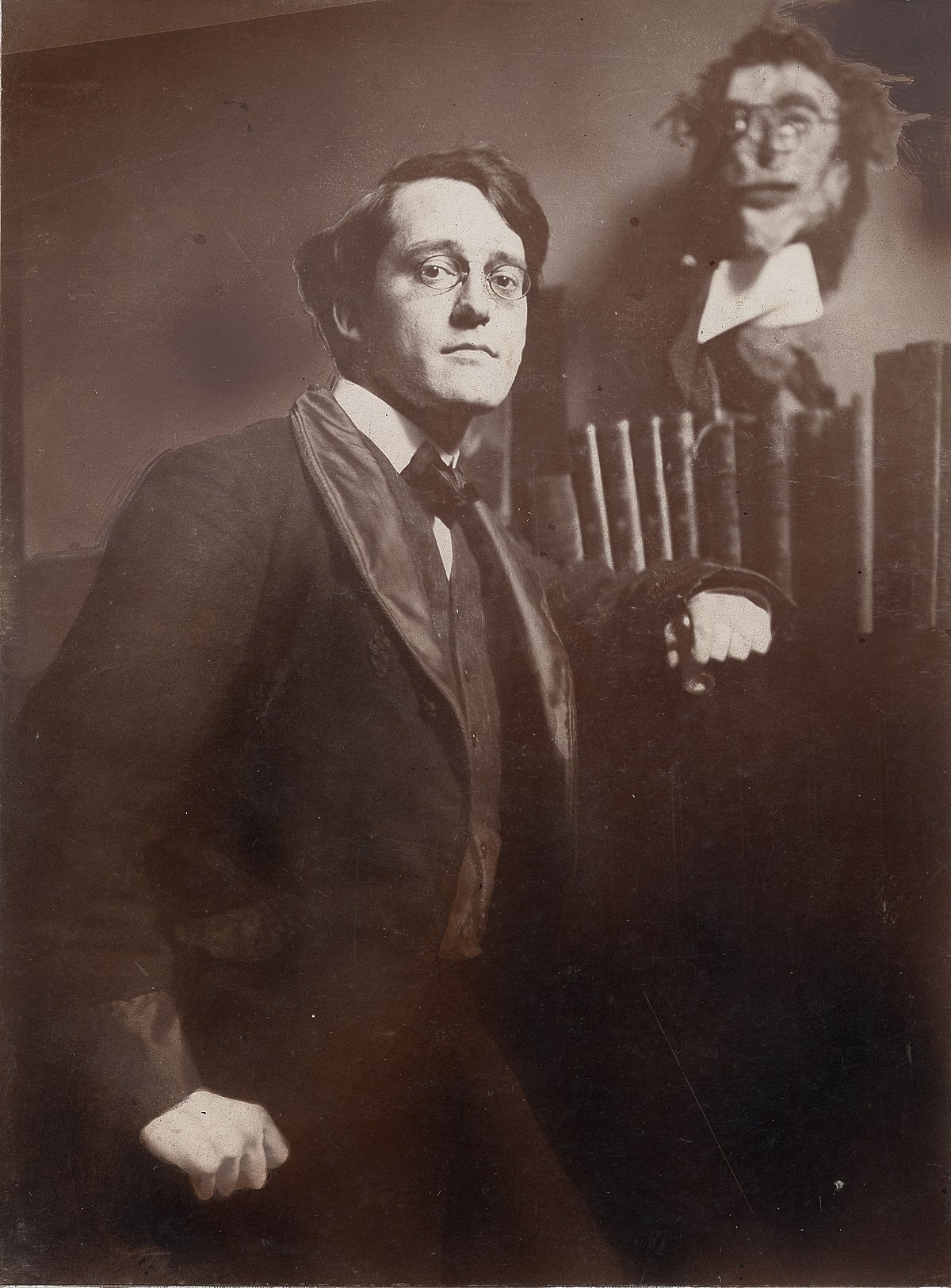
John French Sloan was an American impressionist painter, considered one of the founders of the Ashcan school of American art. He is best known for his urban, everyday genre scenes and his ability to capture the essence of New York City neighborhood life, which he observed from his studio window in Chelsea.


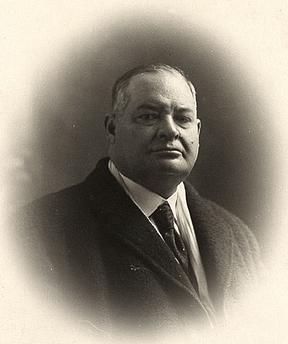
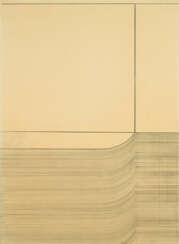

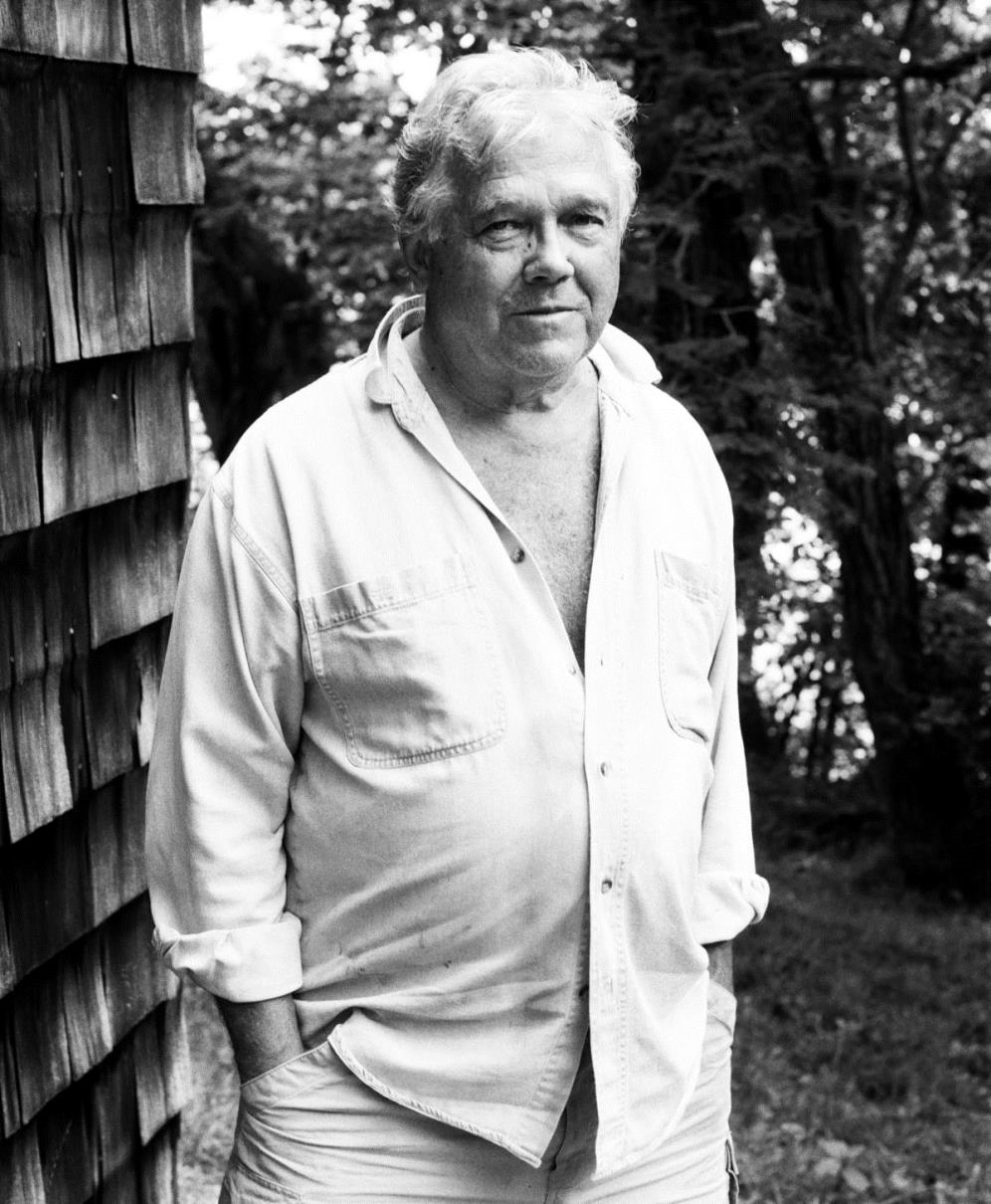
Gary Kuehn is an American artist who pioneered the Postminimal and Process Art movements of the 1960s. His work is known for its fluid use of materials that undermined the psychology of dominant Minimal Art practices.[16] Using a straightforward and reduced formal language, Kuehn subverts pure geometric forms with content-driven, metaphorical concepts. Although Kuehn works with a wide range of materials, the unifying theme throughout his discursive practices is a tension between forms as evident in his Black Paintings and Melt Pieces. In 1992 he received the Francis J. Greenburger Foundation Award.
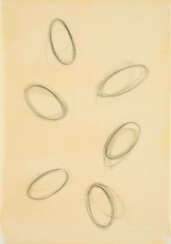

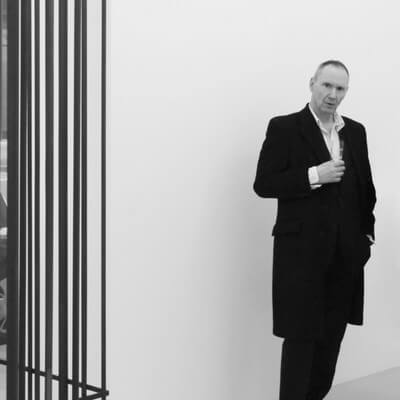
Hubert Kiecol is a German artist. He was a professor at the State Art Academy in Düsseldorf. Kiecol graduated from the Hamburg Art School in 1971 and from 1975 at the Hamburg University of Fine Arts. In 1984 he received a Mies van der Rohe grant and in 1985 an Annemarie and Will Grohmann grant. In 1991 he was awarded the Will Grohmann Prize by the Berlin Academy of Arts. In 1993 he was appointed professor at the Düsseldorf Art Academy. In 2000 he received the Wolfgang Hahn Prize for contemporary art from the Society for Modern Art at the Museum Ludwig in Cologne.
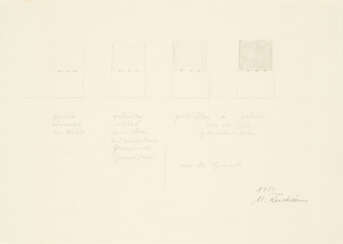

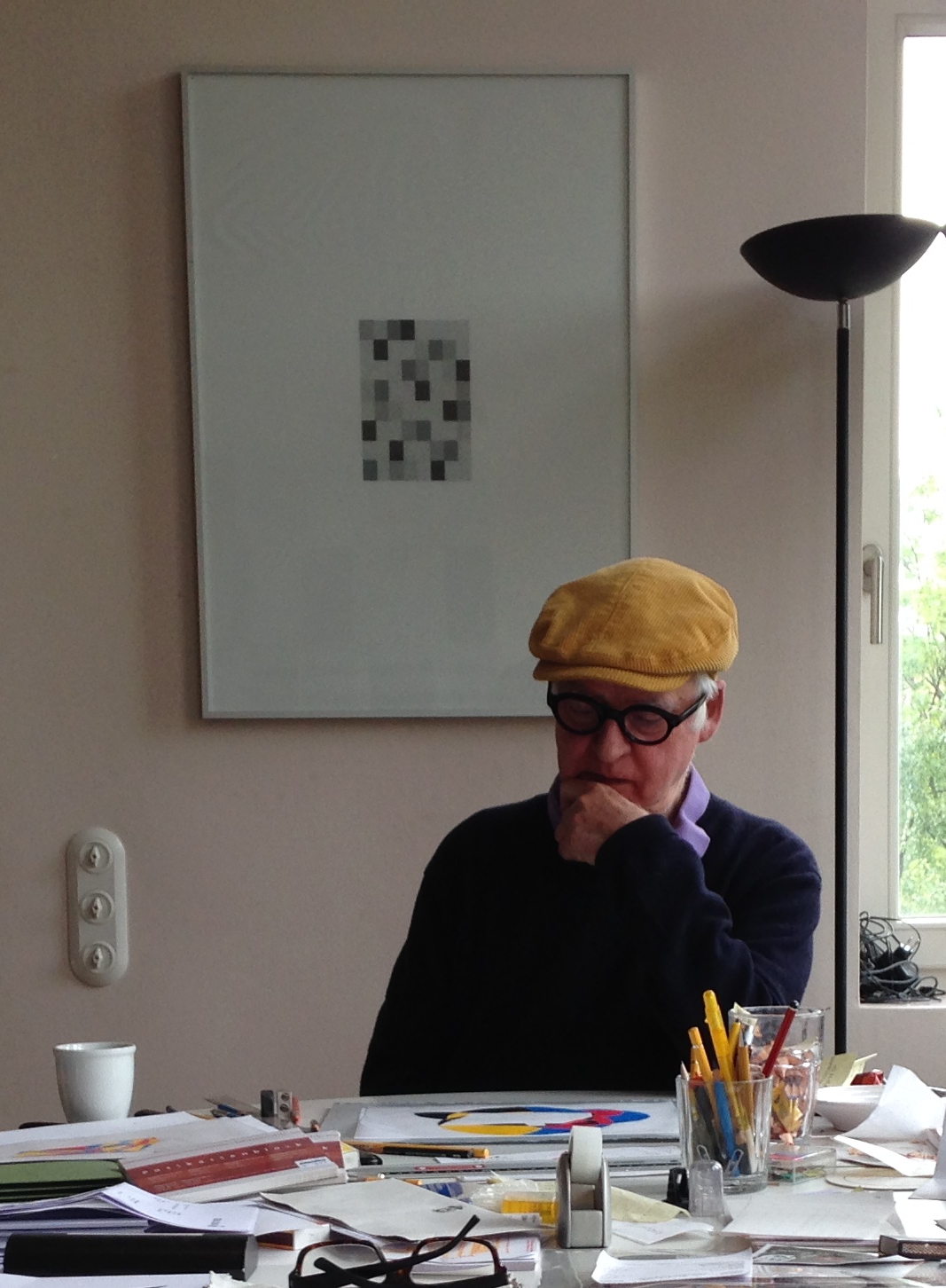
Ulrich Rückriem is a German sculptor known for his large-scale stone sculptures that are often displayed in public spaces. He studied at the Werkkunstschule Krefeld and the Kunstakademie Düsseldorf.
Rückriem's early work was influenced by the Minimalist movement, and he became known for creating abstract, geometric sculptures from raw stone blocks. He often works with granite, basalt, and other types of hard stone, using traditional carving techniques to shape and refine his forms.
In the 1970s, Rückriem began creating large-scale public installations, including his "Stone Alignments" series, which consists of rows of standing stones that evoke ancient megaliths and other prehistoric monuments. His work often engages with the natural environment, creating a dialogue between the man-made and the organic.
Rückriem has exhibited his work in museums and galleries around the world, including the Tate Gallery in London, the Solomon R. Guggenheim Museum in New York, and the Kunstmuseum Bonn in Germany. He has also received numerous awards and honors for his contributions to the field of sculpture, including the International Sculpture Prize in 1987 and the Praemium Imperiale in 2010.



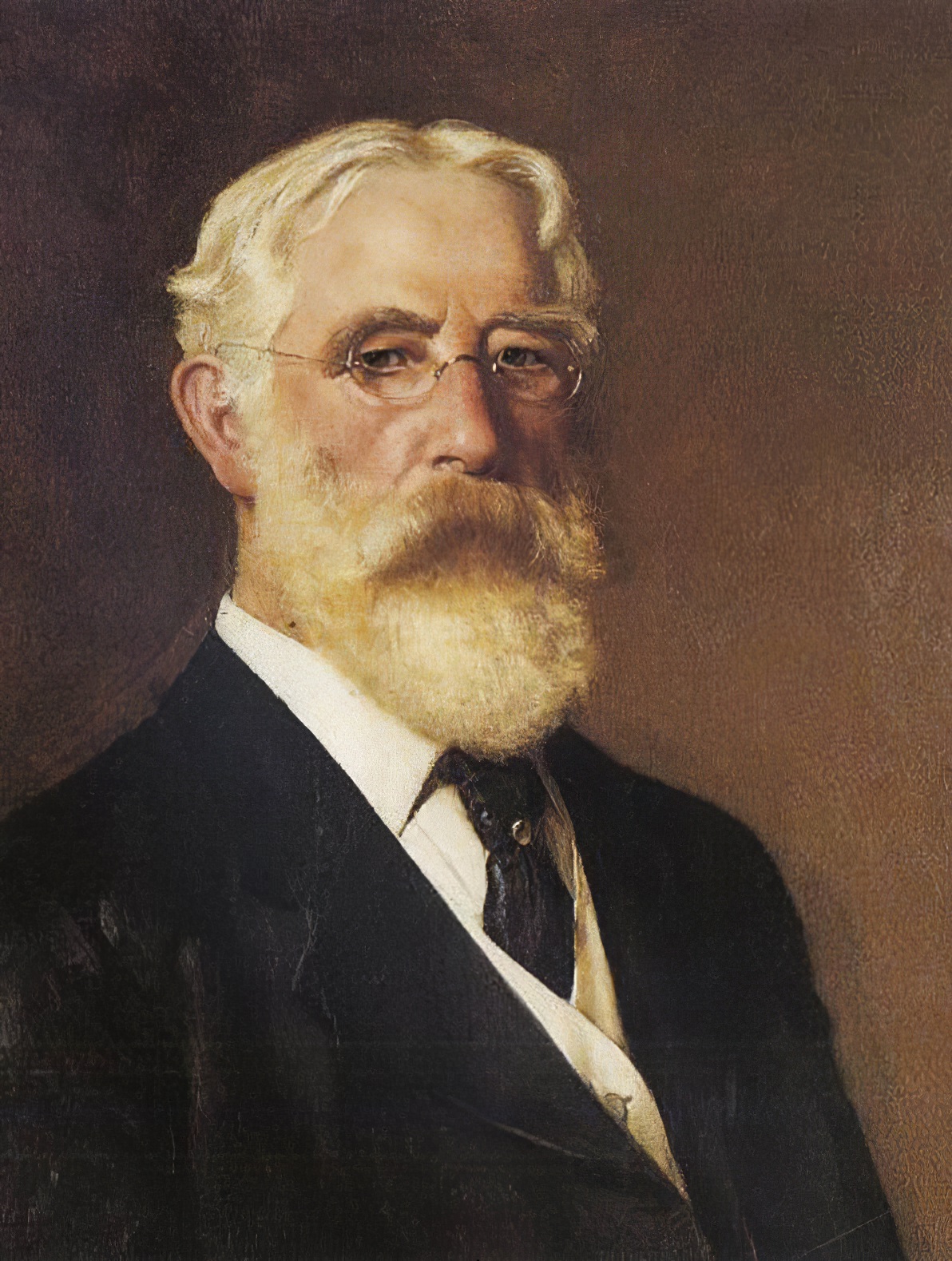
John George Brown was a British citizen and an American painter who specialized in genre scenes.



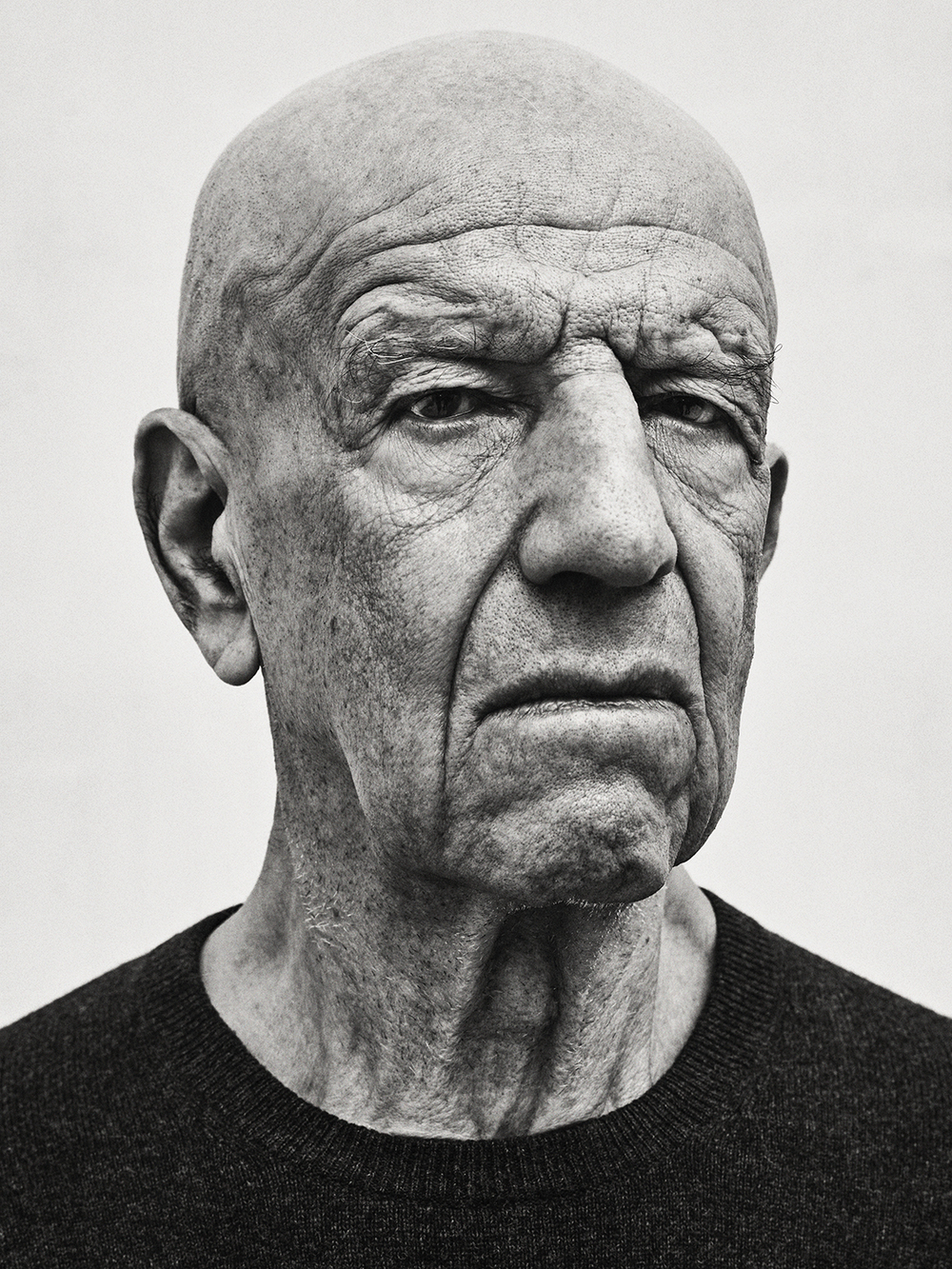
Alex Katz is an American figurative artist known for his paintings, sculptures, and prints.


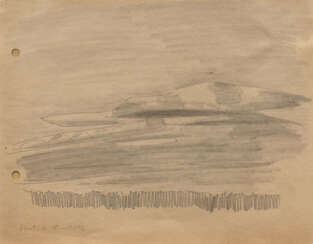

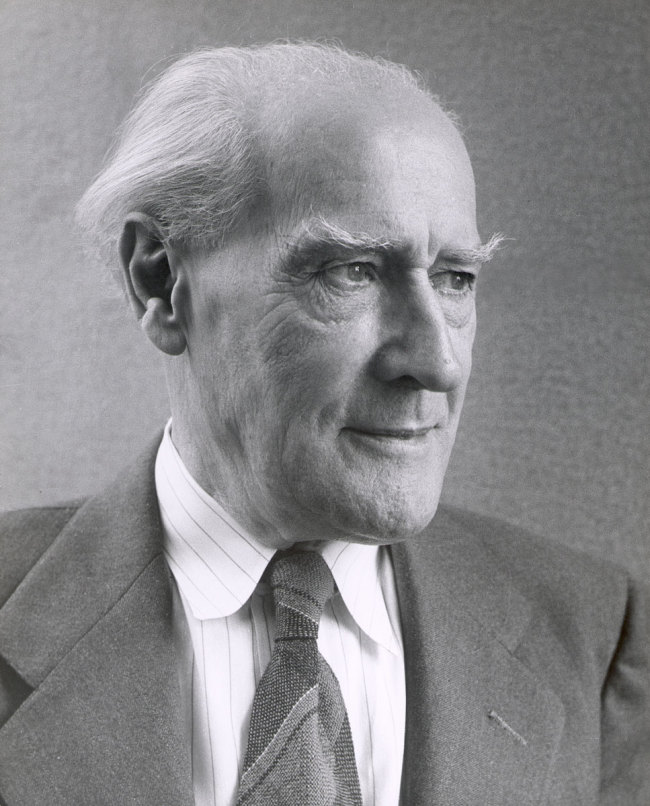
Lyonel Charles Adrian Feininger was an American-German artist renowned for his unique integration of Expressionism, Cubism, and Bauhaus principles. His body of work, which spans several critical decades in modernism's development, is celebrated for its distinctive blend of architectural and nautical motifs, articulated through planar shifts and jagged lines of Cubism, with a vibrant Orphist color palette.
Lyonel Feininger's journey as an artist began in earnest when he was 36, becoming a pivotal figure in various German expressionist groups and a founding member of the Bauhaus, where he led the printmaking workshop. His art, which also includes significant contributions to caricature and photography, explores the intricate relationship between humanity and industrialization, evident in his depictions of architectural and mechanized forms.
His work was subject to Nazi criticism, being labeled as "degenerate," which led to his return to the United States, where he continued to evolve his artistic style. Posthumously, Lyonel Feininger's art has been the focus of several retrospectives, and his pieces, like "Jesuits III," continue to fetch high figures at auctions, underscoring his lasting impact on the art world.
Notably, Lyonel Feininger's "Cathedral" woodcut, representing the Bauhaus's utopian vision, remains one of his most iconic works, symbolizing the integration of art and craftsmanship with its avant-garde yet traditional approach. His legacy is further carried by his sons, Andreas and T. Lux Feininger, who also made their marks in the arts.
For collectors and art and antiques experts, Feininger's work represents a fascinating intersection of various art movements and a testament to the enduring nature of expressive and innovative artistry. To stay updated on new product sales and auction events related to Lyonel Feininger, consider signing up for updates, ensuring you're informed about the latest opportunities to engage with his enduring legacy.
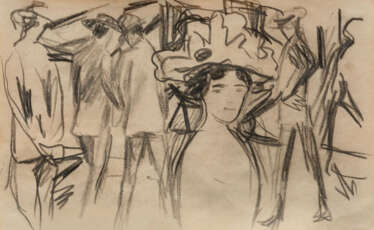

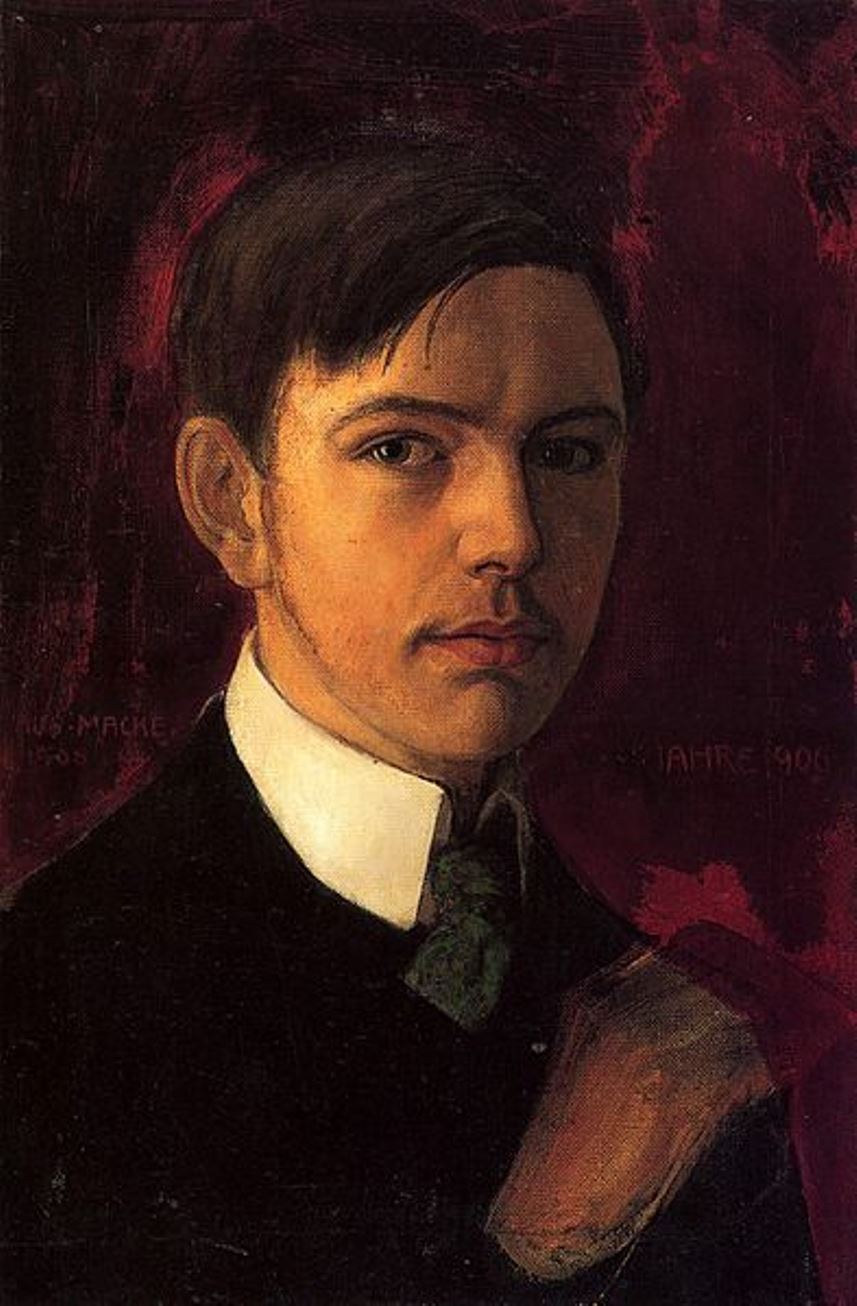
August Robert Ludwig Macke was an eminent German expressionist painter, founder and member of the Blue Rider association. His very colorful and individual style is today referred to as the Macke style, characterized by a harmonious combination of colors and the play of light effects. His favorite subjects of his works were sketches from the life of the city, as well as nature and man. The paintings of August Macke give an impression of joy and lightness.
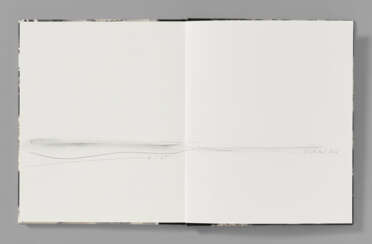

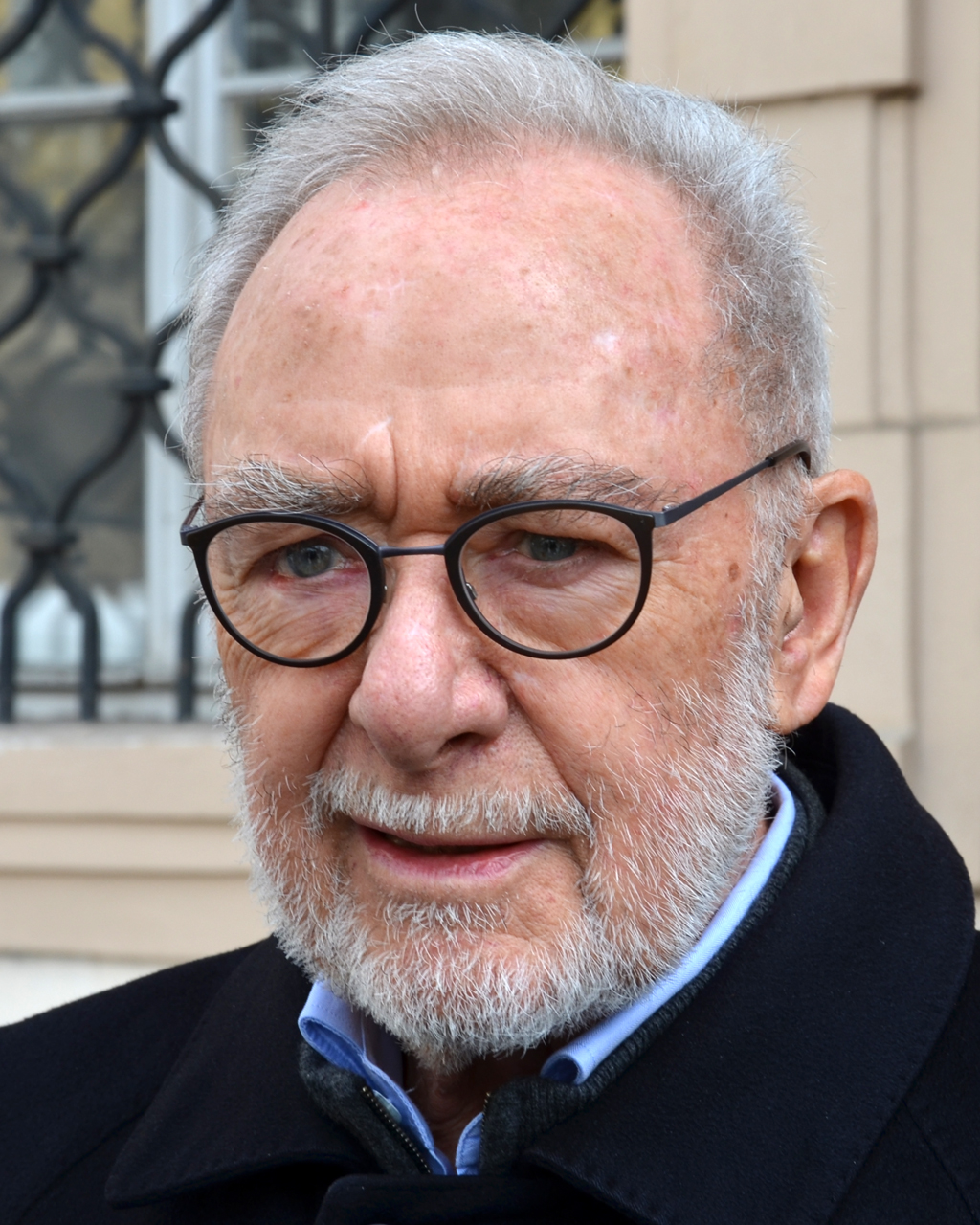
Gerhard Richter is a German visual artist. Richter has produced abstract as well as photorealistic paintings, and also photographs and glass pieces. He is widely regarded as one of the most important contemporary German artists and several of his works have set record prices at auction.
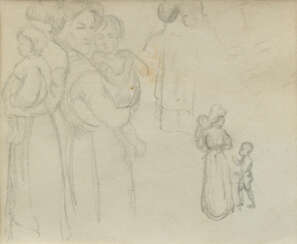

August Robert Ludwig Macke was an eminent German expressionist painter, founder and member of the Blue Rider association. His very colorful and individual style is today referred to as the Macke style, characterized by a harmonious combination of colors and the play of light effects. His favorite subjects of his works were sketches from the life of the city, as well as nature and man. The paintings of August Macke give an impression of joy and lightness.
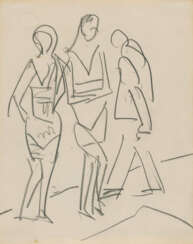

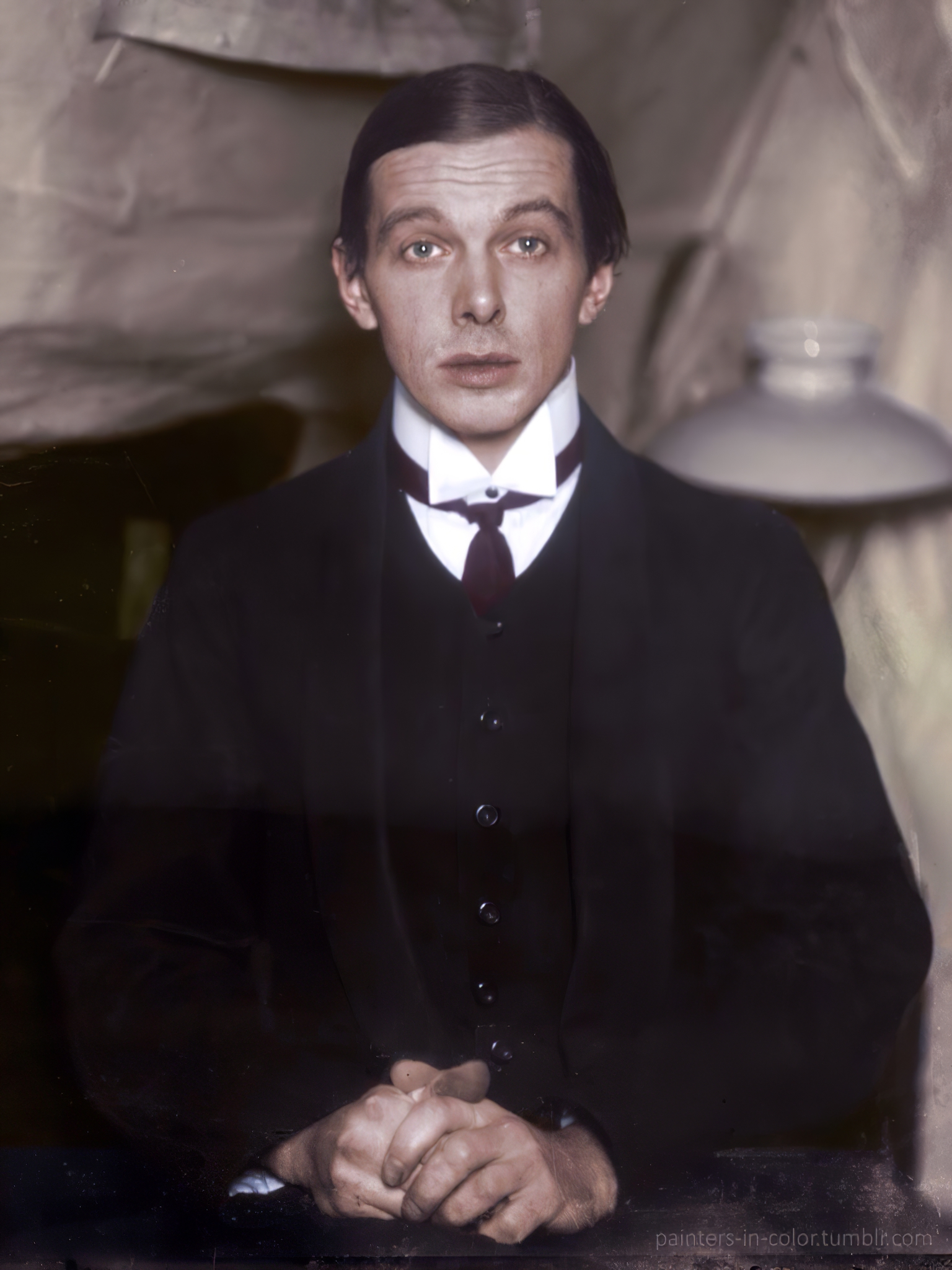
Ernst Ludwig Kirchner was a pivotal figure in the art world, known for his profound impact on 20th-century Expressionism. Born in Bavaria, Germany, on May 6, 1880, Kirchner's journey into art began with architecture studies before he found his true calling in painting and printmaking. In 1905, alongside fellow architecture students, he co-founded Die Brücke ("The Bridge"), a group that sought to revolutionize art by bridging the gap between traditional academic styles and modern artistic expression. This group was instrumental in the development of Expressionism, advocating for intense emotion conveyed through vivid colors and bold lines.
Kirchner's work, characterized by its expressive intensity and often exploring themes of urban life and the human psyche, reflects a deep engagement with the cultural and social upheavals of his time. Notably, his experiences during World War I, including a mental breakdown and subsequent discharge from military service, deeply influenced his art. Works like "Self-Portrait as a Soldier" (1915) poignantly encapsulate the personal and societal trauma of the era.
After the war, Kirchner sought solace in Davos, Switzerland, where the tranquil landscapes inspired a new direction in his work, showcasing a more serene and reflective approach. Despite his contributions to modern art, Kirchner's later years were marred by the Nazi regime's denunciation of his work as "degenerate," leading to the destruction and dispersal of many pieces. Tragically, this persecution contributed to his decision to end his life on June 15, 1938.
Kirchner's legacy is preserved through his influential body of work, from vivid urban scenes to tranquil landscapes, all marked by a distinctive, expressive style that continues to captivate art collectors and experts. His works are held in major museums worldwide, including the Museum of Modern Art in New York and the National Gallery of Art in Washington, underscoring his enduring influence on the art world.
For those interested in the profound impact of Ernst Ludwig Kirchner on modern art and Expressionism, subscribing to updates on new product sales and auction events related to his work can provide valuable insights. This subscription is an opportunity for collectors and art experts to stay informed about the availability of Kirchner's influential pieces and related events.
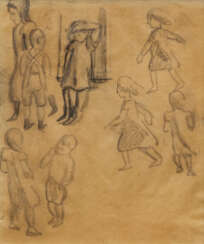

August Robert Ludwig Macke was an eminent German expressionist painter, founder and member of the Blue Rider association. His very colorful and individual style is today referred to as the Macke style, characterized by a harmonious combination of colors and the play of light effects. His favorite subjects of his works were sketches from the life of the city, as well as nature and man. The paintings of August Macke give an impression of joy and lightness.
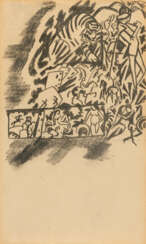

August Robert Ludwig Macke was an eminent German expressionist painter, founder and member of the Blue Rider association. His very colorful and individual style is today referred to as the Macke style, characterized by a harmonious combination of colors and the play of light effects. His favorite subjects of his works were sketches from the life of the city, as well as nature and man. The paintings of August Macke give an impression of joy and lightness.
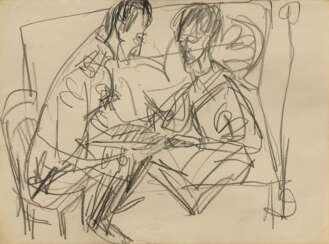

Ernst Ludwig Kirchner was a pivotal figure in the art world, known for his profound impact on 20th-century Expressionism. Born in Bavaria, Germany, on May 6, 1880, Kirchner's journey into art began with architecture studies before he found his true calling in painting and printmaking. In 1905, alongside fellow architecture students, he co-founded Die Brücke ("The Bridge"), a group that sought to revolutionize art by bridging the gap between traditional academic styles and modern artistic expression. This group was instrumental in the development of Expressionism, advocating for intense emotion conveyed through vivid colors and bold lines.
Kirchner's work, characterized by its expressive intensity and often exploring themes of urban life and the human psyche, reflects a deep engagement with the cultural and social upheavals of his time. Notably, his experiences during World War I, including a mental breakdown and subsequent discharge from military service, deeply influenced his art. Works like "Self-Portrait as a Soldier" (1915) poignantly encapsulate the personal and societal trauma of the era.
After the war, Kirchner sought solace in Davos, Switzerland, where the tranquil landscapes inspired a new direction in his work, showcasing a more serene and reflective approach. Despite his contributions to modern art, Kirchner's later years were marred by the Nazi regime's denunciation of his work as "degenerate," leading to the destruction and dispersal of many pieces. Tragically, this persecution contributed to his decision to end his life on June 15, 1938.
Kirchner's legacy is preserved through his influential body of work, from vivid urban scenes to tranquil landscapes, all marked by a distinctive, expressive style that continues to captivate art collectors and experts. His works are held in major museums worldwide, including the Museum of Modern Art in New York and the National Gallery of Art in Washington, underscoring his enduring influence on the art world.
For those interested in the profound impact of Ernst Ludwig Kirchner on modern art and Expressionism, subscribing to updates on new product sales and auction events related to his work can provide valuable insights. This subscription is an opportunity for collectors and art experts to stay informed about the availability of Kirchner's influential pieces and related events.
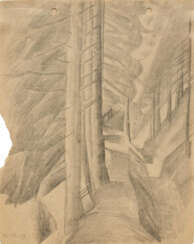

Lyonel Charles Adrian Feininger was an American-German artist renowned for his unique integration of Expressionism, Cubism, and Bauhaus principles. His body of work, which spans several critical decades in modernism's development, is celebrated for its distinctive blend of architectural and nautical motifs, articulated through planar shifts and jagged lines of Cubism, with a vibrant Orphist color palette.
Lyonel Feininger's journey as an artist began in earnest when he was 36, becoming a pivotal figure in various German expressionist groups and a founding member of the Bauhaus, where he led the printmaking workshop. His art, which also includes significant contributions to caricature and photography, explores the intricate relationship between humanity and industrialization, evident in his depictions of architectural and mechanized forms.
His work was subject to Nazi criticism, being labeled as "degenerate," which led to his return to the United States, where he continued to evolve his artistic style. Posthumously, Lyonel Feininger's art has been the focus of several retrospectives, and his pieces, like "Jesuits III," continue to fetch high figures at auctions, underscoring his lasting impact on the art world.
Notably, Lyonel Feininger's "Cathedral" woodcut, representing the Bauhaus's utopian vision, remains one of his most iconic works, symbolizing the integration of art and craftsmanship with its avant-garde yet traditional approach. His legacy is further carried by his sons, Andreas and T. Lux Feininger, who also made their marks in the arts.
For collectors and art and antiques experts, Feininger's work represents a fascinating intersection of various art movements and a testament to the enduring nature of expressive and innovative artistry. To stay updated on new product sales and auction events related to Lyonel Feininger, consider signing up for updates, ensuring you're informed about the latest opportunities to engage with his enduring legacy.
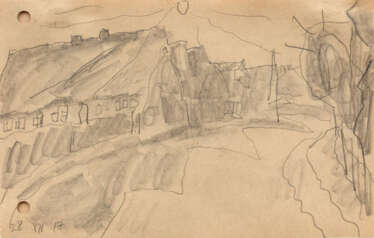

Lyonel Charles Adrian Feininger was an American-German artist renowned for his unique integration of Expressionism, Cubism, and Bauhaus principles. His body of work, which spans several critical decades in modernism's development, is celebrated for its distinctive blend of architectural and nautical motifs, articulated through planar shifts and jagged lines of Cubism, with a vibrant Orphist color palette.
Lyonel Feininger's journey as an artist began in earnest when he was 36, becoming a pivotal figure in various German expressionist groups and a founding member of the Bauhaus, where he led the printmaking workshop. His art, which also includes significant contributions to caricature and photography, explores the intricate relationship between humanity and industrialization, evident in his depictions of architectural and mechanized forms.
His work was subject to Nazi criticism, being labeled as "degenerate," which led to his return to the United States, where he continued to evolve his artistic style. Posthumously, Lyonel Feininger's art has been the focus of several retrospectives, and his pieces, like "Jesuits III," continue to fetch high figures at auctions, underscoring his lasting impact on the art world.
Notably, Lyonel Feininger's "Cathedral" woodcut, representing the Bauhaus's utopian vision, remains one of his most iconic works, symbolizing the integration of art and craftsmanship with its avant-garde yet traditional approach. His legacy is further carried by his sons, Andreas and T. Lux Feininger, who also made their marks in the arts.
For collectors and art and antiques experts, Feininger's work represents a fascinating intersection of various art movements and a testament to the enduring nature of expressive and innovative artistry. To stay updated on new product sales and auction events related to Lyonel Feininger, consider signing up for updates, ensuring you're informed about the latest opportunities to engage with his enduring legacy.
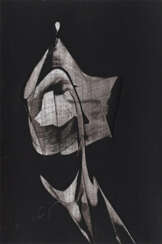

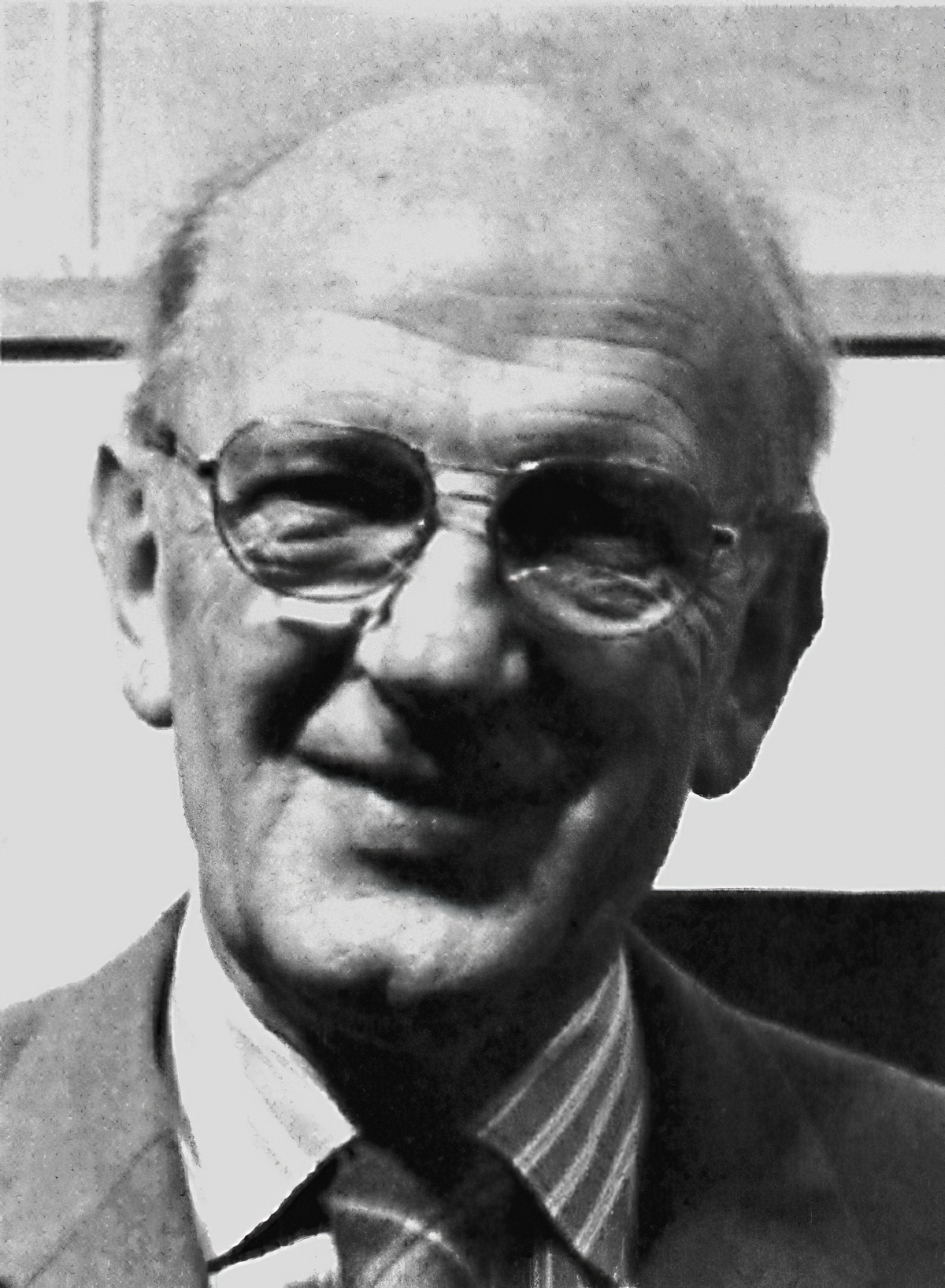
Georg Meistermann was a German painter and draftsman who was also famous for his stained glass windows in the whole of Europe.

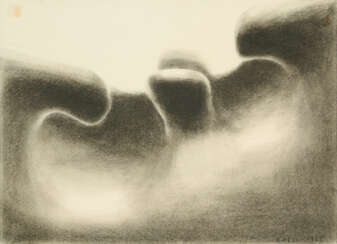

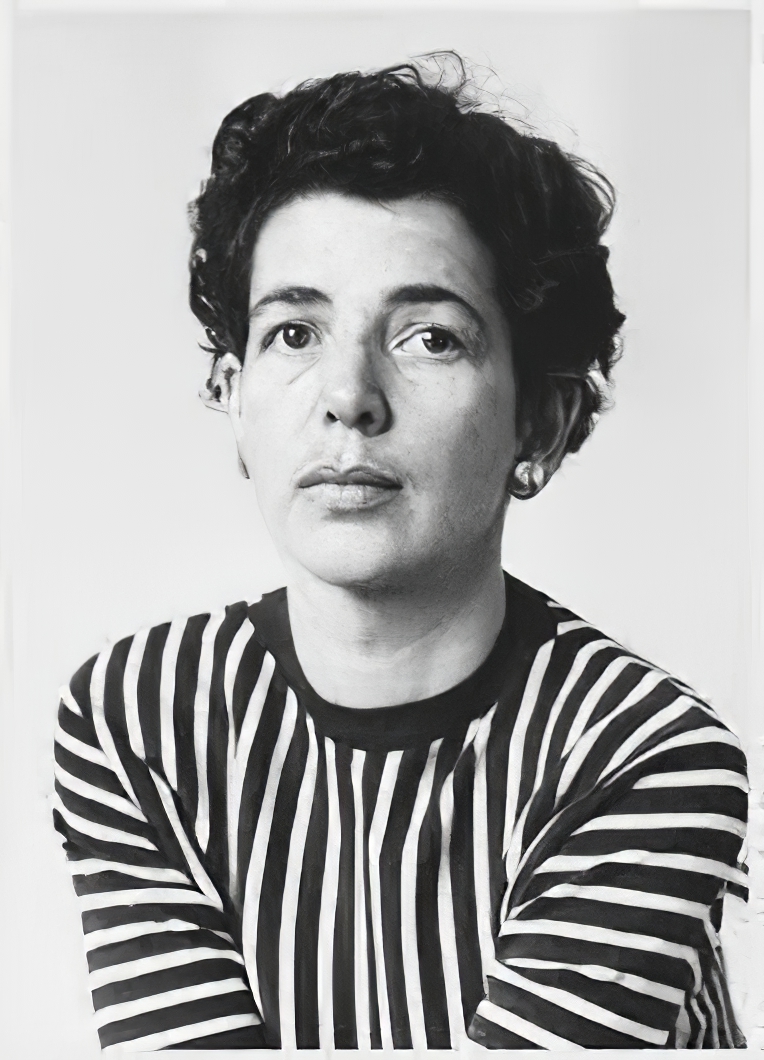
Brigitte Matschinsky-Denninghoff was a German artist who worked with her husband Martin. She is known for her monumental abstract sculptures.
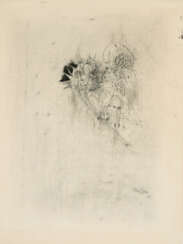

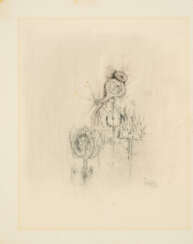

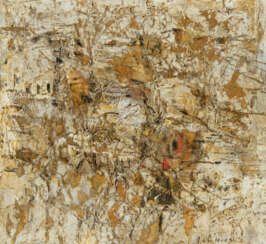

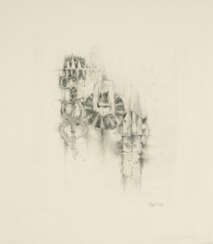



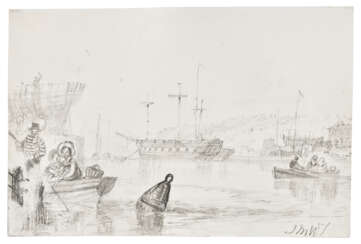


Joseph Mallord William Turner, a seminal figure in British painting, was born in 1775 and left an indelible mark on the Romantic movement. Known for his expressive coloration, imaginative landscapes, and turbulent marine paintings, Turner's work transcends the traditional boundaries of art to capture the sublime force of nature. His career was distinguished by early talent, evidenced by his acceptance into the Royal Academy at the young age of 14, and a prolific output that included over 2,000 paintings and 19,000 drawings and sketches.
William Turner's unique approach to landscape painting, characterized by dramatic skies and atmospheric effects, set a new standard for capturing mood and emotion on canvas. His innovative use of light and color influenced countless artists, elevating landscape painting to rival the status of history painting. Turner's legacy is also marked by his eccentricity and reclusiveness, traits that only added to the mystique surrounding his artistic genius.
Among his most famous works are "The Fighting Temeraire," symbolizing the passing of the old world, and "Rain, Steam and Speed," capturing the Industrial Revolution's impact. These paintings not only showcase William Turner's technical skill but also his philosophical engagement with the changing world around him.
For collectors and experts in art and antiques, William Turner's works represent the pinnacle of Romantic art, offering insight into the 19th-century aesthetic and philosophical landscape. His influence on subsequent generations of artists underscores his position as a pivotal figure in the history of Western art.
To stay informed about Joseph Mallord William Turner's works and related events, signing up for updates from reputable art institutions can provide valuable insights into new discoveries and auction events related to this master of the British landscape.
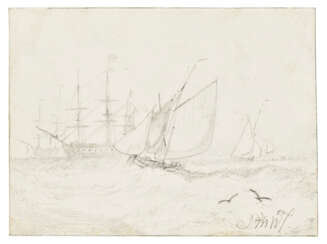

Joseph Mallord William Turner, a seminal figure in British painting, was born in 1775 and left an indelible mark on the Romantic movement. Known for his expressive coloration, imaginative landscapes, and turbulent marine paintings, Turner's work transcends the traditional boundaries of art to capture the sublime force of nature. His career was distinguished by early talent, evidenced by his acceptance into the Royal Academy at the young age of 14, and a prolific output that included over 2,000 paintings and 19,000 drawings and sketches.
William Turner's unique approach to landscape painting, characterized by dramatic skies and atmospheric effects, set a new standard for capturing mood and emotion on canvas. His innovative use of light and color influenced countless artists, elevating landscape painting to rival the status of history painting. Turner's legacy is also marked by his eccentricity and reclusiveness, traits that only added to the mystique surrounding his artistic genius.
Among his most famous works are "The Fighting Temeraire," symbolizing the passing of the old world, and "Rain, Steam and Speed," capturing the Industrial Revolution's impact. These paintings not only showcase William Turner's technical skill but also his philosophical engagement with the changing world around him.
For collectors and experts in art and antiques, William Turner's works represent the pinnacle of Romantic art, offering insight into the 19th-century aesthetic and philosophical landscape. His influence on subsequent generations of artists underscores his position as a pivotal figure in the history of Western art.
To stay informed about Joseph Mallord William Turner's works and related events, signing up for updates from reputable art institutions can provide valuable insights into new discoveries and auction events related to this master of the British landscape.


August Robert Ludwig Macke was an eminent German expressionist painter, founder and member of the Blue Rider association. His very colorful and individual style is today referred to as the Macke style, characterized by a harmonious combination of colors and the play of light effects. His favorite subjects of his works were sketches from the life of the city, as well as nature and man. The paintings of August Macke give an impression of joy and lightness.


Ernst Ludwig Kirchner was a pivotal figure in the art world, known for his profound impact on 20th-century Expressionism. Born in Bavaria, Germany, on May 6, 1880, Kirchner's journey into art began with architecture studies before he found his true calling in painting and printmaking. In 1905, alongside fellow architecture students, he co-founded Die Brücke ("The Bridge"), a group that sought to revolutionize art by bridging the gap between traditional academic styles and modern artistic expression. This group was instrumental in the development of Expressionism, advocating for intense emotion conveyed through vivid colors and bold lines.
Kirchner's work, characterized by its expressive intensity and often exploring themes of urban life and the human psyche, reflects a deep engagement with the cultural and social upheavals of his time. Notably, his experiences during World War I, including a mental breakdown and subsequent discharge from military service, deeply influenced his art. Works like "Self-Portrait as a Soldier" (1915) poignantly encapsulate the personal and societal trauma of the era.
After the war, Kirchner sought solace in Davos, Switzerland, where the tranquil landscapes inspired a new direction in his work, showcasing a more serene and reflective approach. Despite his contributions to modern art, Kirchner's later years were marred by the Nazi regime's denunciation of his work as "degenerate," leading to the destruction and dispersal of many pieces. Tragically, this persecution contributed to his decision to end his life on June 15, 1938.
Kirchner's legacy is preserved through his influential body of work, from vivid urban scenes to tranquil landscapes, all marked by a distinctive, expressive style that continues to captivate art collectors and experts. His works are held in major museums worldwide, including the Museum of Modern Art in New York and the National Gallery of Art in Washington, underscoring his enduring influence on the art world.
For those interested in the profound impact of Ernst Ludwig Kirchner on modern art and Expressionism, subscribing to updates on new product sales and auction events related to his work can provide valuable insights. This subscription is an opportunity for collectors and art experts to stay informed about the availability of Kirchner's influential pieces and related events.

.jpg)
Gerhard Marcks was a German artist, known primarily as a sculptor, but who is also known for his drawings, woodcuts, lithographs and ceramics.
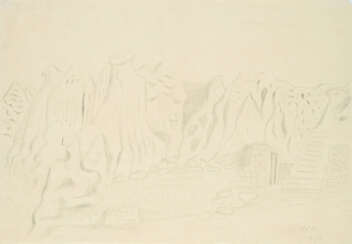

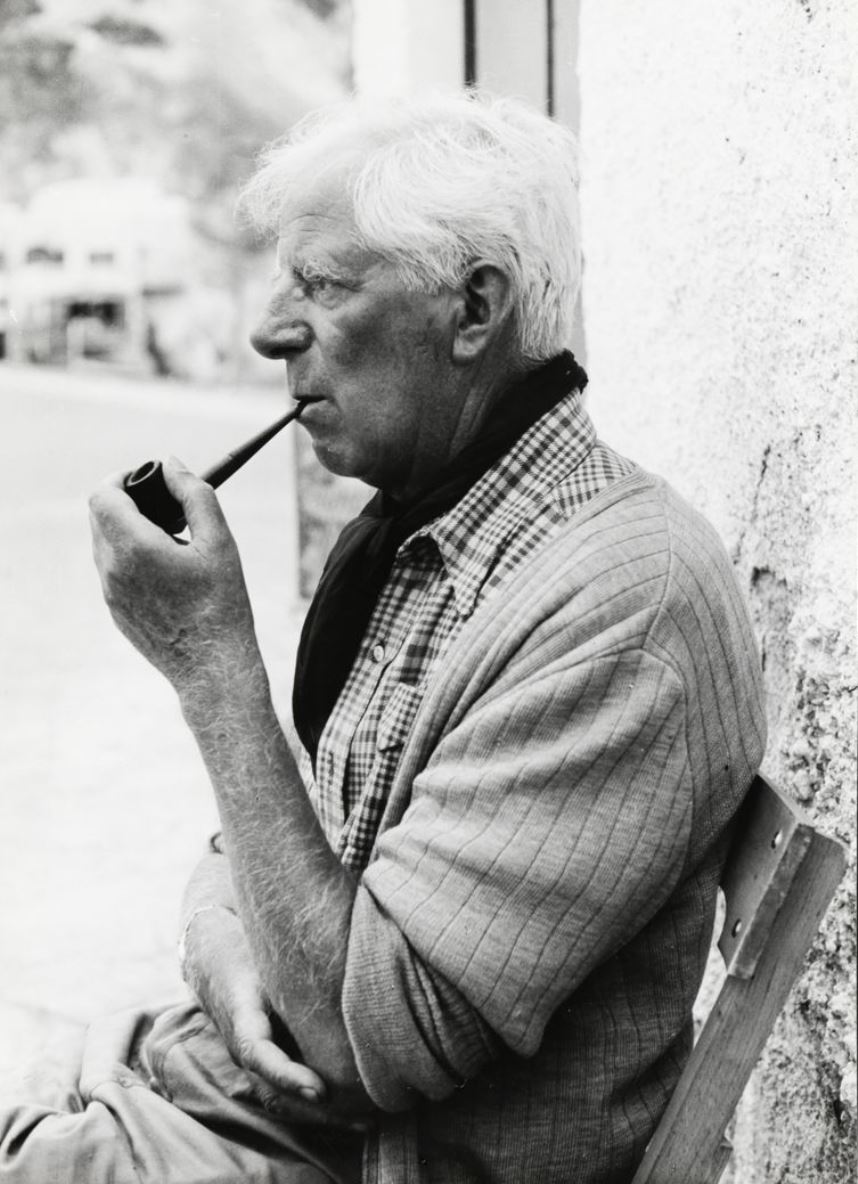
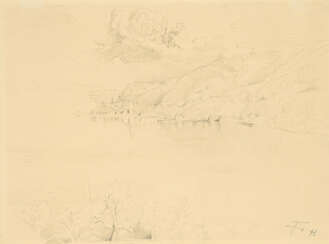
Werner Gilles was a German artist.
He was a member of the Bauhaus school of art and design. After arriving on the Italian island of Ischia in 1932, Gilles found inspiration for painting. In his oil paintings and watercolors, the artist depicts the cheerful and menacing aspects of this primitive landscape and captures its basic nature.

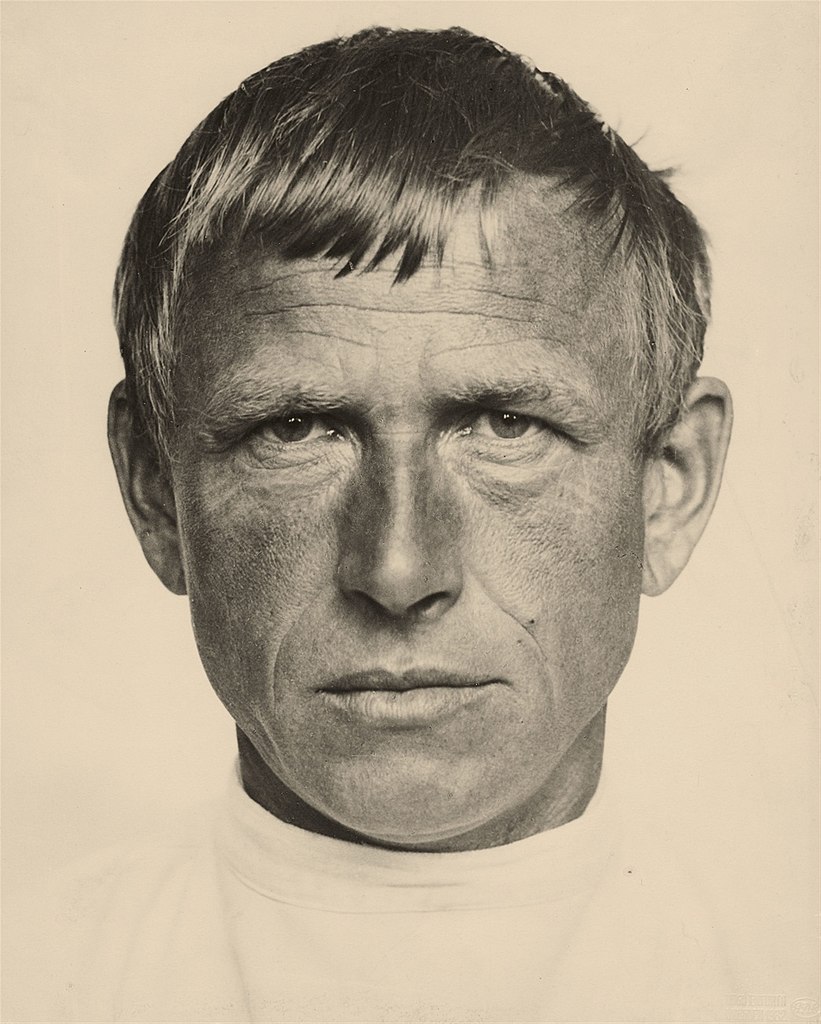
Wilhelm Heinrich Otto Dix was a German artist whose work stands as a stark, unyielding reflection of the societal tumult and trauma of the early 20th century. Born in 1891 in Untermhaus, Germany, Dix's early life was steeped in the arts, his ambition to become an artist nurtured by both familial influence and formal education in Dresden. His experiences as a soldier in World War I deeply influenced his artistic direction, leading him to vividly depict the horrors of war and the decay of the Weimar Republic with a brutal realism that became his signature style.
Dix's association with the Dada movement and the New Objectivity (Neue Sachlichkeit) further honed his critical, often cynical portrayal of post-war society. His works, such as "The Trench" and "War Cripples," expose the visceral aftermath of conflict, while his engagement with the Dadaists imbued his art with a disruptive, confrontational energy against societal norms and the art establishment.
Perhaps most notable is Dix's ability to capture the psychological depth and societal critiques through his portraits and landscapes, which ranged from the grotesque to the surreal. Paintings like "Portrait of the Journalist Sylvia von Harden" and the triptychs "Metropolis" and "War" are emblematic of his keen observation and stark depiction of the era's social and political unrest.
Despite facing significant adversity, including being labeled a degenerate artist by the Nazi regime and facing professional and personal setbacks, Dix's legacy as a painter and printmaker endures. His works are not only historical documents but also profound reflections on humanity, war, and society, resonating with collectors and art experts alike.
For enthusiasts of culture, art, and history, Dix's oeuvre offers an unflinching look into the human condition under the strain of societal and political upheaval. His contributions to painting and printmaking continue to be celebrated in museums and galleries worldwide, underscoring the enduring relevance of his work.
For those interested in exploring the profound depth and historical significance of Otto Dix's work, signing up for updates on new product sales and auction events related to his art can provide invaluable insights. This subscription is a gateway to staying informed about opportunities to engage with the tangible pieces of Dix's enduring legacy.
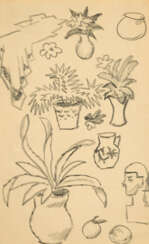

August Robert Ludwig Macke was an eminent German expressionist painter, founder and member of the Blue Rider association. His very colorful and individual style is today referred to as the Macke style, characterized by a harmonious combination of colors and the play of light effects. His favorite subjects of his works were sketches from the life of the city, as well as nature and man. The paintings of August Macke give an impression of joy and lightness.

August Robert Ludwig Macke was an eminent German expressionist painter, founder and member of the Blue Rider association. His very colorful and individual style is today referred to as the Macke style, characterized by a harmonious combination of colors and the play of light effects. His favorite subjects of his works were sketches from the life of the city, as well as nature and man. The paintings of August Macke give an impression of joy and lightness.
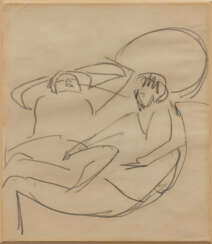

Ernst Ludwig Kirchner was a pivotal figure in the art world, known for his profound impact on 20th-century Expressionism. Born in Bavaria, Germany, on May 6, 1880, Kirchner's journey into art began with architecture studies before he found his true calling in painting and printmaking. In 1905, alongside fellow architecture students, he co-founded Die Brücke ("The Bridge"), a group that sought to revolutionize art by bridging the gap between traditional academic styles and modern artistic expression. This group was instrumental in the development of Expressionism, advocating for intense emotion conveyed through vivid colors and bold lines.
Kirchner's work, characterized by its expressive intensity and often exploring themes of urban life and the human psyche, reflects a deep engagement with the cultural and social upheavals of his time. Notably, his experiences during World War I, including a mental breakdown and subsequent discharge from military service, deeply influenced his art. Works like "Self-Portrait as a Soldier" (1915) poignantly encapsulate the personal and societal trauma of the era.
After the war, Kirchner sought solace in Davos, Switzerland, where the tranquil landscapes inspired a new direction in his work, showcasing a more serene and reflective approach. Despite his contributions to modern art, Kirchner's later years were marred by the Nazi regime's denunciation of his work as "degenerate," leading to the destruction and dispersal of many pieces. Tragically, this persecution contributed to his decision to end his life on June 15, 1938.
Kirchner's legacy is preserved through his influential body of work, from vivid urban scenes to tranquil landscapes, all marked by a distinctive, expressive style that continues to captivate art collectors and experts. His works are held in major museums worldwide, including the Museum of Modern Art in New York and the National Gallery of Art in Washington, underscoring his enduring influence on the art world.
For those interested in the profound impact of Ernst Ludwig Kirchner on modern art and Expressionism, subscribing to updates on new product sales and auction events related to his work can provide valuable insights. This subscription is an opportunity for collectors and art experts to stay informed about the availability of Kirchner's influential pieces and related events.
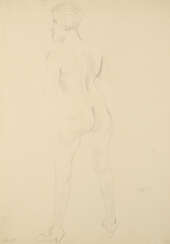

Wilhelm Heinrich Otto Dix was a German artist whose work stands as a stark, unyielding reflection of the societal tumult and trauma of the early 20th century. Born in 1891 in Untermhaus, Germany, Dix's early life was steeped in the arts, his ambition to become an artist nurtured by both familial influence and formal education in Dresden. His experiences as a soldier in World War I deeply influenced his artistic direction, leading him to vividly depict the horrors of war and the decay of the Weimar Republic with a brutal realism that became his signature style.
Dix's association with the Dada movement and the New Objectivity (Neue Sachlichkeit) further honed his critical, often cynical portrayal of post-war society. His works, such as "The Trench" and "War Cripples," expose the visceral aftermath of conflict, while his engagement with the Dadaists imbued his art with a disruptive, confrontational energy against societal norms and the art establishment.
Perhaps most notable is Dix's ability to capture the psychological depth and societal critiques through his portraits and landscapes, which ranged from the grotesque to the surreal. Paintings like "Portrait of the Journalist Sylvia von Harden" and the triptychs "Metropolis" and "War" are emblematic of his keen observation and stark depiction of the era's social and political unrest.
Despite facing significant adversity, including being labeled a degenerate artist by the Nazi regime and facing professional and personal setbacks, Dix's legacy as a painter and printmaker endures. His works are not only historical documents but also profound reflections on humanity, war, and society, resonating with collectors and art experts alike.
For enthusiasts of culture, art, and history, Dix's oeuvre offers an unflinching look into the human condition under the strain of societal and political upheaval. His contributions to painting and printmaking continue to be celebrated in museums and galleries worldwide, underscoring the enduring relevance of his work.
For those interested in exploring the profound depth and historical significance of Otto Dix's work, signing up for updates on new product sales and auction events related to his art can provide invaluable insights. This subscription is a gateway to staying informed about opportunities to engage with the tangible pieces of Dix's enduring legacy.


August Robert Ludwig Macke was an eminent German expressionist painter, founder and member of the Blue Rider association. His very colorful and individual style is today referred to as the Macke style, characterized by a harmonious combination of colors and the play of light effects. His favorite subjects of his works were sketches from the life of the city, as well as nature and man. The paintings of August Macke give an impression of joy and lightness.

.jpg)
Frida Kahlo de Rivera was a Mexican painter, renowned for her captivating self-portraits that blend realism and fantasy. Born Magdalena Carmen Frida Kahlo y Calderón on July 6, 1907, in Coyoacán, Mexico City, she is celebrated for her profound exploration of identity, postcolonialism, gender, and class within Mexican society. Kahlo's works are a fusion of naïve folk art style and surreal elements, deeply influenced by Mexican popular culture and her personal experiences of chronic pain and disability.
Despite facing numerous challenges, including polio in her childhood and a catastrophic bus accident at 18, Kahlo's resilience and passion for art were undeterred. Her marriage to the famous Mexican artist Diego Rivera was both a romantic and artistic alliance. Kahlo's paintings, such as "The Two Fridas" (1939) and "Self-Portrait with Thorn Necklace and Hummingbird" (1940), are not only masterpieces of visual art but also compelling narratives of her life's trials and triumphs.
Kahlo's artistry extended beyond the canvas, as she was actively involved in the Mexican Communist Party, and her home, La Casa Azul, is now the Frida Kahlo Museum, a place of homage for her admirers. Although her work was not as widely recognized during her lifetime, Kahlo's legacy has grown tremendously, making her an icon for various social movements and a beacon in the art world.
For collectors and art experts, the journey into Kahlo's world is both a dive into Mexican cultural heritage and an exploration of the profound human experience. If you're passionate about Frida Kahlo's work and want to stay informed about related product sales and auction events, sign up for our updates. This is not just a subscription; it's an invitation to celebrate and own a piece of art history.
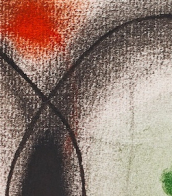
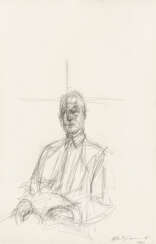

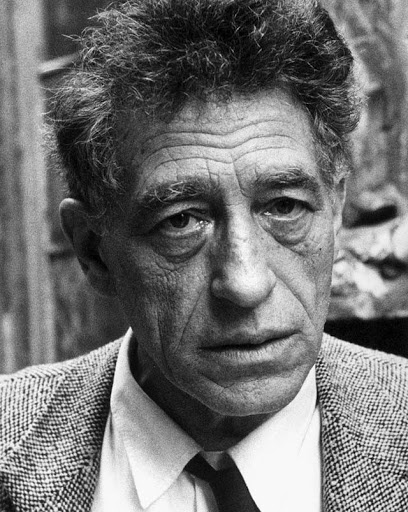
Alberto Giacometti was a Swiss sculptor, painter, draftsman, and printmaker, renowned for his distinctive elongated sculptures of solitary figures. Born in Borgonovo, Switzerland, in 1901, into a family of artists, Giacometti's talent was evident from an early age, encouraged by his father, Giovanni, a post-Impressionist painter, and his godfather, Cuno Amiet, a Fauvist painter. Moving to Paris in 1922 to study under the sculptor Antoine Bourdelle, Giacometti became a pivotal figure in Surrealism before focusing intensely on the human form, leading to his signature style of thin, elongated figures that evoke feelings of solitude and existential dread.
Giacometti's work spans several decades and various phases, including his early involvement with Surrealism and his later, more recognized existential and figurative sculptures. Notably, his sculptures, such as "Walking Man I" and "The Palace at 4 a.m.," reflect his unique view of reality and his relentless pursuit to capture the human essence. His approach was influenced by his associations with prominent figures of the art world, including Miró and Picasso, and intellectuals like Jean-Paul Sartre.
Despite facing challenges, including periods of self-doubt and the physical toll on his health, Giacometti's legacy as a master sculptor and artist remains influential. His works are celebrated worldwide and featured in major museums, such as the Museum of Modern Art in New York and the Tate Gallery in London, testament to his enduring impact on the art world.
Collectors and experts in art and antiques continue to revere Giacometti's work for its emotional depth and unique aesthetic. For those interested in the pioneering spirit of modern sculpture, Alberto Giacometti's oeuvre offers a profound exploration of the human condition and the artist's relentless pursuit of reality through art.
To stay updated on sales and auction events related to Alberto Giacometti's work, sign up for updates. This subscription is an excellent opportunity for collectors and enthusiasts to remain informed about new discoveries and opportunities related to Giacometti's enduring legacy.
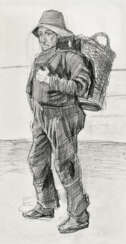

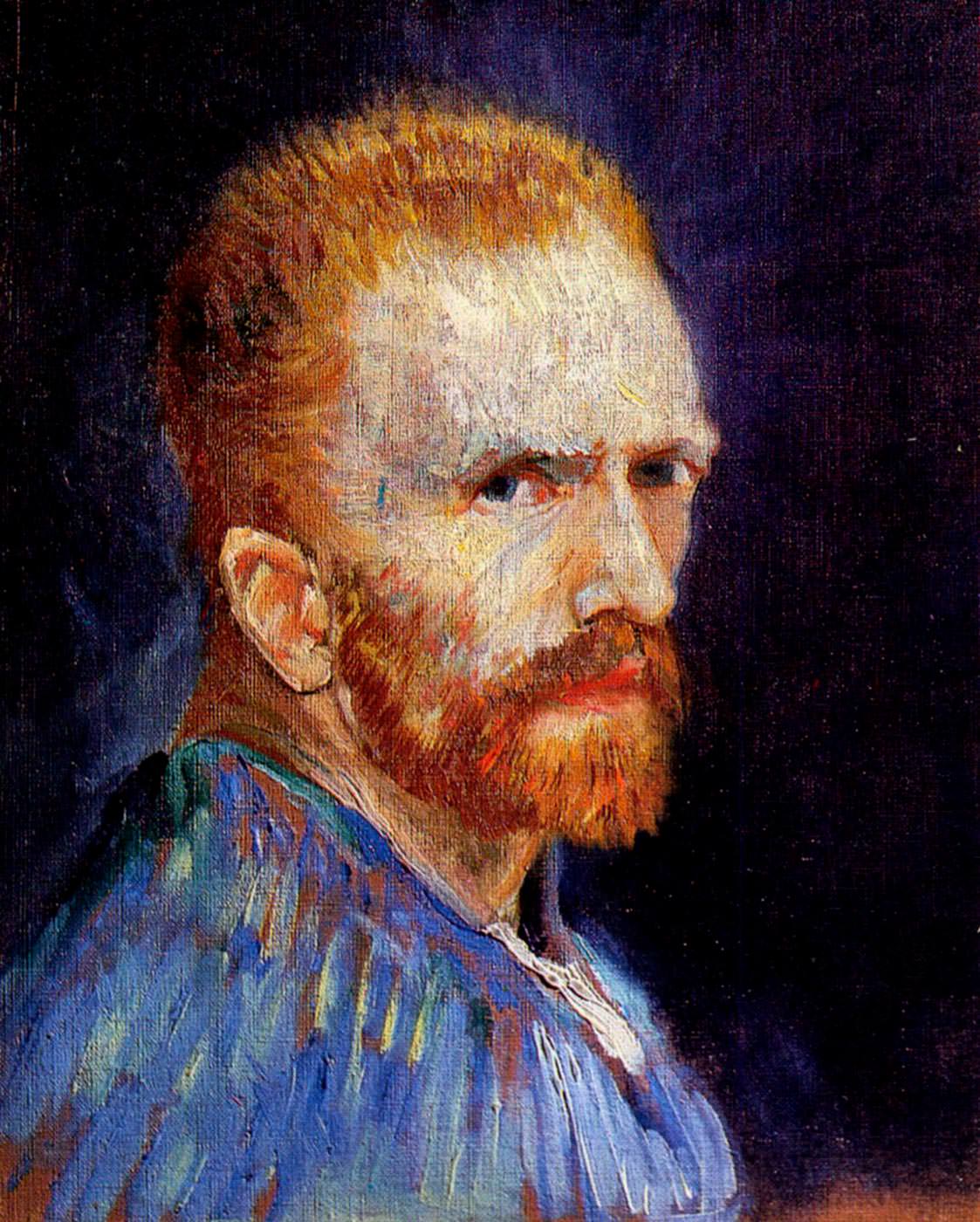
Vincent van Gogh, the Dutch Post-Impressionist painter, is recognized as one of the most influential figures in the history of Western art. Born on March 30, 1853, in Zundert, Netherlands, he lived a life marked by passionate artistry and personal hardship. Initially working as an art dealer and doing missionary work, Van Gogh turned to painting at the age of 27. His decision to pursue art, which at first was not seen as a sign of his extraordinary talent, led to a rapid transformation into a master known for his bold and harmonious color effects and simple but memorable compositions.
Van Gogh's creative career included a significant period of life in Paris, where he met Impressionist and Post-Impressionist painters who had a profound influence on his style. He became famous for creating some 2,100 works of art in just ten years, notable among them landscapes, still lifes, portraits and self-portraits. His art is characterized by vivid colors, dramatic brushwork, and expressive symbolism, which helped form the foundations of modern art. Despite his prolific output, only one of his paintings was sold during his lifetime.
Some of his famous works include Sunflowers, Bedroom at Arles, Starry Night, and Wheat Field with Crows. These works are notable for their innovative use of color and brushwork, demonstrating Van Gogh's ability to convey emotion and beauty in everyday objects.
Unfortunately, Van Gogh suffered from mental illness throughout his life, which led to his suicide at the age of 37. However, his legacy grew posthumously, with his work being widely recognized and displayed in major museums around the world, including the Van Gogh Museum in Amsterdam and the Art Institute of Chicago. Van Gogh's art, correspondence, and history continue to fascinate and inspire viewers, cementing his place as a key figure in art history.
For collectors and art experts, Van Gogh's works represent not only significant artistic achievements, but also epitomize the artist's intensely personal journey and contribution to the development of modern art.
To stay up-to-date on new releases, sales and auction events related to Vincent van Gogh, subscribe to our newsletter. This subscription will provide you with timely alerts to keep you informed of opportunities to acquire items related to this iconic artist.
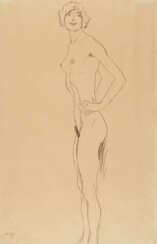

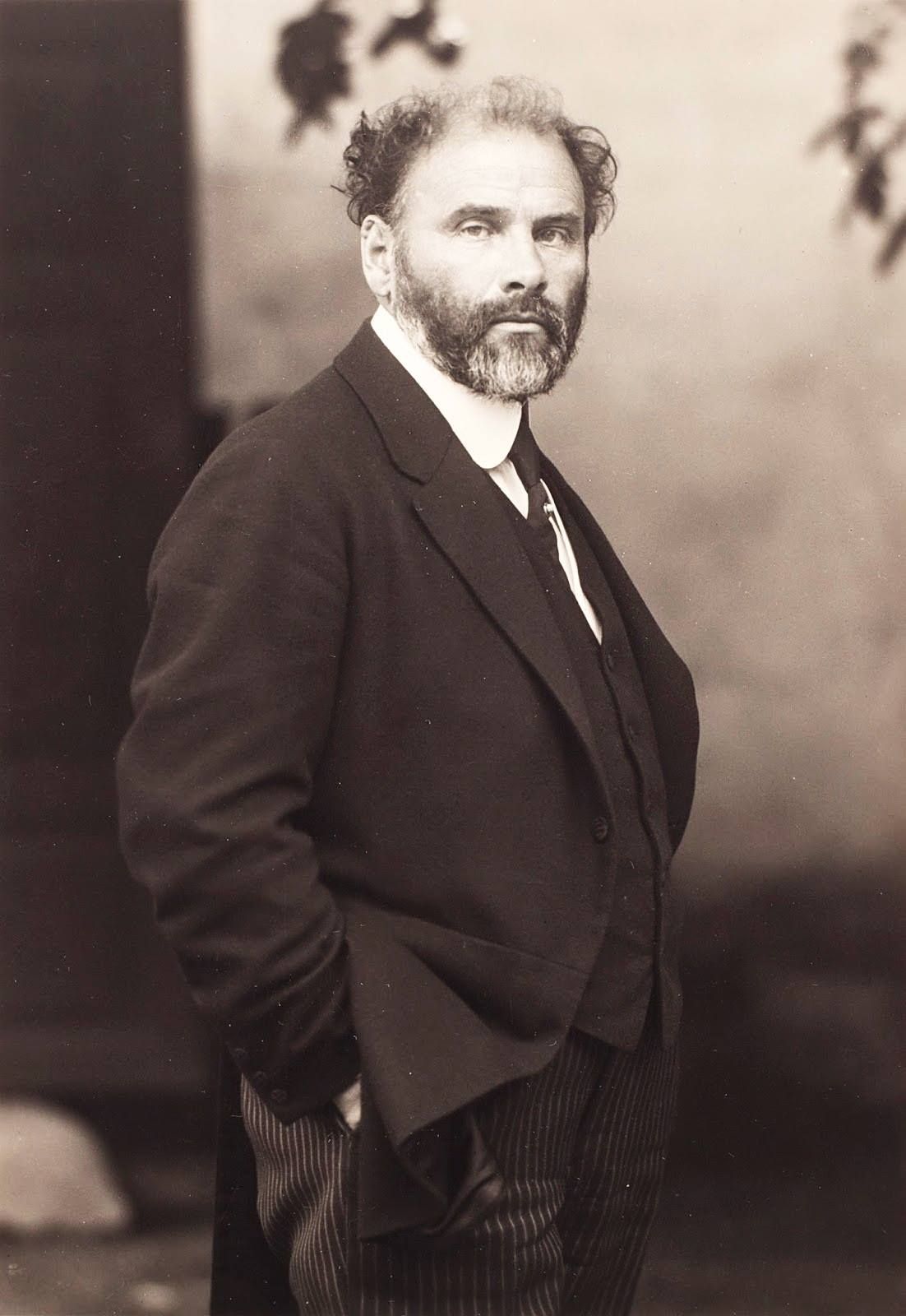
Gustav Klimt, an Austrian Symbolist painter, was a central figure in Vienna's Secession movement, known for his paintings, murals, sketches, and objets d'art. Born on July 14, 1862, in Baumgarten near Vienna, Klimt's early life was marked by financial hardship, but he showed artistic talent at a young age. He studied at Vienna's Kunstgewerbeschule, where he received a conservative education in architectural painting that influenced his early traditional works.
Klimt's path as an artist was evolutionary and controversial. Initially a successful painter of architectural decorations, his style evolved into a more personal and controversial form, especially after public criticism of his works for the Great Hall of the University of Vienna in 1900, which were deemed pornographic. This turning point led him to abandon public commissions and begin the so-called "golden period," characterized by the use of gold leaf in his work. Some of his most famous paintings, such as The Kiss and Portrait of Adele Bloch-Bauer I, which demonstrate a combination of Byzantine influence and modern symbolism, belong to this phase.
An important aspect of Klimt's career was his participation in the Vienna Secession, an art movement he co-founded in 1897. This movement, which had no manifesto, aimed to showcase unconventional artists and to bring foreign artistic influences to Vienna. Klimt was its first president and participated in the creation of the periodical Ver Sacrum.
Despite his artistic fame, Klimt led a relatively withdrawn lifestyle, often working alone and maintaining discreet personal relationships. Nevertheless, his legacy remains strong: his works fetch high prices at auction and continue to be celebrated for their innovative style and symbolic depth.
For collectors and art experts, Klimt's work represents a fascinating exploration of the evolution of Symbolism and Art Nouveau. His unique approach to form, color, and subject matter makes his work highly valued and constantly relevant in the art world.
If you are interested in keeping up to date with sales and auction events related to the works of Gustav Klimt, we recommend signing up for updates. This will ensure that you don't miss the opportunity to own a piece of this remarkable artist's history.
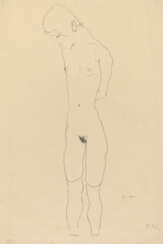

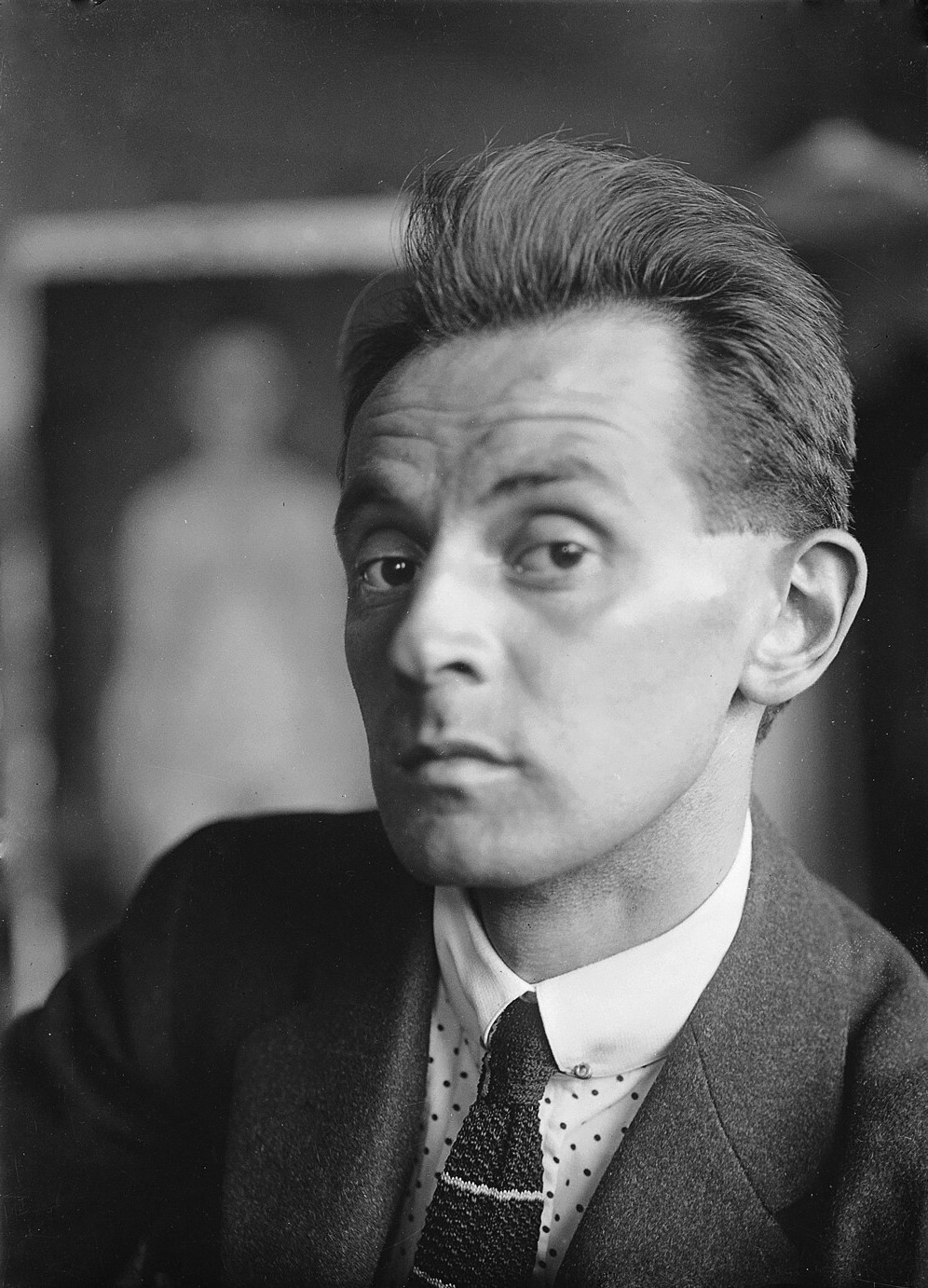
Egon Leo Adolf Ludwig Schiele, an Austrian Expressionist painter, is a figure whose work stands out for its raw intensity and exploration of sexuality, including a remarkable series of self-portraits that often featured nudity. Born in 1890 in Tulln, Lower Austria, Schiele's early life was marked by a fascination with trains and a troubled relationship with his family, especially following his father's death from syphilis when Schiele was just 15 years old. This event propelled him into the care of his uncle, who recognized Schiele's artistic talent despite his lack of interest in traditional academia, leading to Schiele's education at the Vienna Academy of Fine Arts.
Schiele's artistic journey was deeply influenced by his mentor Gustav Klimt, who introduced him to the Vienna Secession and the Wiener Werkstätte, enriching his art with elements of Art Nouveau and paving the way for his distinct style that evolved beyond the influence of his mentor. Schiele's art, characterized by its emotional and sexual honesty, utilized figural distortion to challenge conventional ideals of beauty, making his work groundbreaking for its time.
Throughout his career, Schiele focused on self-portraiture, the human body, and sexuality, often leading to controversy due to the explicit nature of his work. Despite his brief life, cut short by the Spanish flu in 1918 at the age of 28, Schiele's body of work left a lasting impact on the art world. His contributions are celebrated in numerous museums and galleries worldwide, with the Leopold Museum in Vienna housing the most extensive collection of his works, featuring over 43 paintings and 200 watercolors, drawings, and prints. Schiele's work remains influential, offering a stark, introspective look into the human condition and the existential crises of his time.
For collectors and experts in art and antiques, Schiele's work offers a profound exploration of expressionism, culture, and the avant-garde movements of early 20th-century Europe. His legacy is a testament to the power of art to challenge societal norms and to explore the depths of human emotion and sexuality.
To stay informed about new sales, auctions, and exhibitions related to Egon Leo Adolf Ludwig Schiele, consider signing up for updates. This subscription will ensure you're the first to know about opportunities to acquire pieces by this groundbreaking artist, enriching your collection with works that capture the essence of Viennese Modernism.
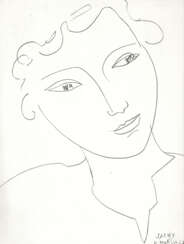

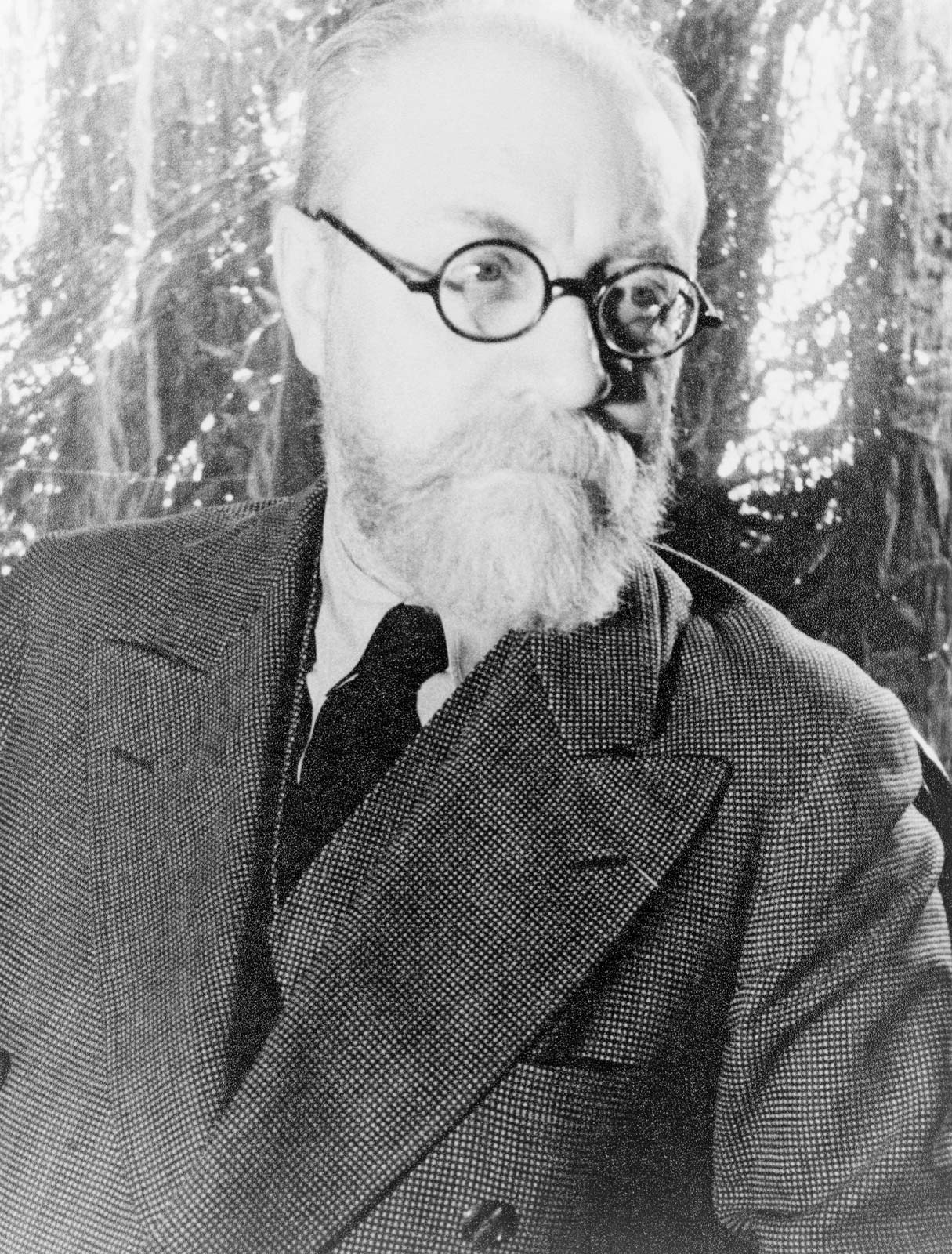
Henri Matisse, a renowned French visual artist, was celebrated for his vibrant use of color and fluid, original draughtsmanship. Born on December 31, 1869, in Le Cateau-Cambrésis, France, Matisse initially pursued a career in law before turning to art. He first began painting in 1889, a change inspired by convalescence art supplies his mother provided. This marked the beginning of a journey that would see him become a leading figure in modern art.
Matisse's career is notable for its stylistic evolution yet consistent aim to capture the "essential character of things." His early works, characterized by intense colorism, earned him recognition as one of the Fauves, or "wild beasts." The period from 1908 to 1913 was marked by significant developments, with works like "Reclining Odalisque" and "The Red Studio" showcasing his mastery in balance and serenity. In the 1920s, his style evolved to more relaxed forms, with a focus on light, color, and decorative patterns in paintings like his odalisque series.
Matisse's exploration of various mediums, including sculpture and paper collage, reflects his innovative spirit. His later years were dominated by cut paper collages, as health challenges limited his ability to paint. These works, alongside his bold drawings and sculptures, cemented his status as a pioneer in visual art.
For collectors and art experts, Matisse's work remains a testament to creative evolution and expressive use of color and form. His masterpieces can be found in prominent museums and galleries worldwide, continuing to inspire and fascinate art enthusiasts.
To stay updated on new product sales and auction events related to Henri Matisse's art, sign up for our updates. This subscription will keep you informed about opportunities to appreciate and acquire works connected to this iconic artist.
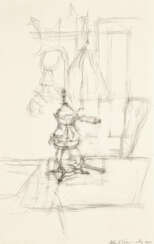

Alberto Giacometti was a Swiss sculptor, painter, draftsman, and printmaker, renowned for his distinctive elongated sculptures of solitary figures. Born in Borgonovo, Switzerland, in 1901, into a family of artists, Giacometti's talent was evident from an early age, encouraged by his father, Giovanni, a post-Impressionist painter, and his godfather, Cuno Amiet, a Fauvist painter. Moving to Paris in 1922 to study under the sculptor Antoine Bourdelle, Giacometti became a pivotal figure in Surrealism before focusing intensely on the human form, leading to his signature style of thin, elongated figures that evoke feelings of solitude and existential dread.
Giacometti's work spans several decades and various phases, including his early involvement with Surrealism and his later, more recognized existential and figurative sculptures. Notably, his sculptures, such as "Walking Man I" and "The Palace at 4 a.m.," reflect his unique view of reality and his relentless pursuit to capture the human essence. His approach was influenced by his associations with prominent figures of the art world, including Miró and Picasso, and intellectuals like Jean-Paul Sartre.
Despite facing challenges, including periods of self-doubt and the physical toll on his health, Giacometti's legacy as a master sculptor and artist remains influential. His works are celebrated worldwide and featured in major museums, such as the Museum of Modern Art in New York and the Tate Gallery in London, testament to his enduring impact on the art world.
Collectors and experts in art and antiques continue to revere Giacometti's work for its emotional depth and unique aesthetic. For those interested in the pioneering spirit of modern sculpture, Alberto Giacometti's oeuvre offers a profound exploration of the human condition and the artist's relentless pursuit of reality through art.
To stay updated on sales and auction events related to Alberto Giacometti's work, sign up for updates. This subscription is an excellent opportunity for collectors and enthusiasts to remain informed about new discoveries and opportunities related to Giacometti's enduring legacy.


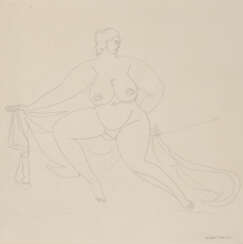

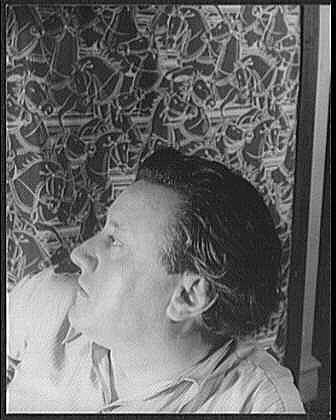
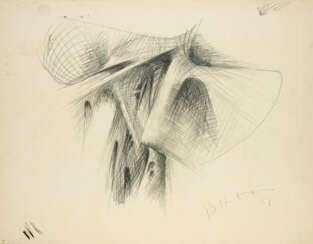

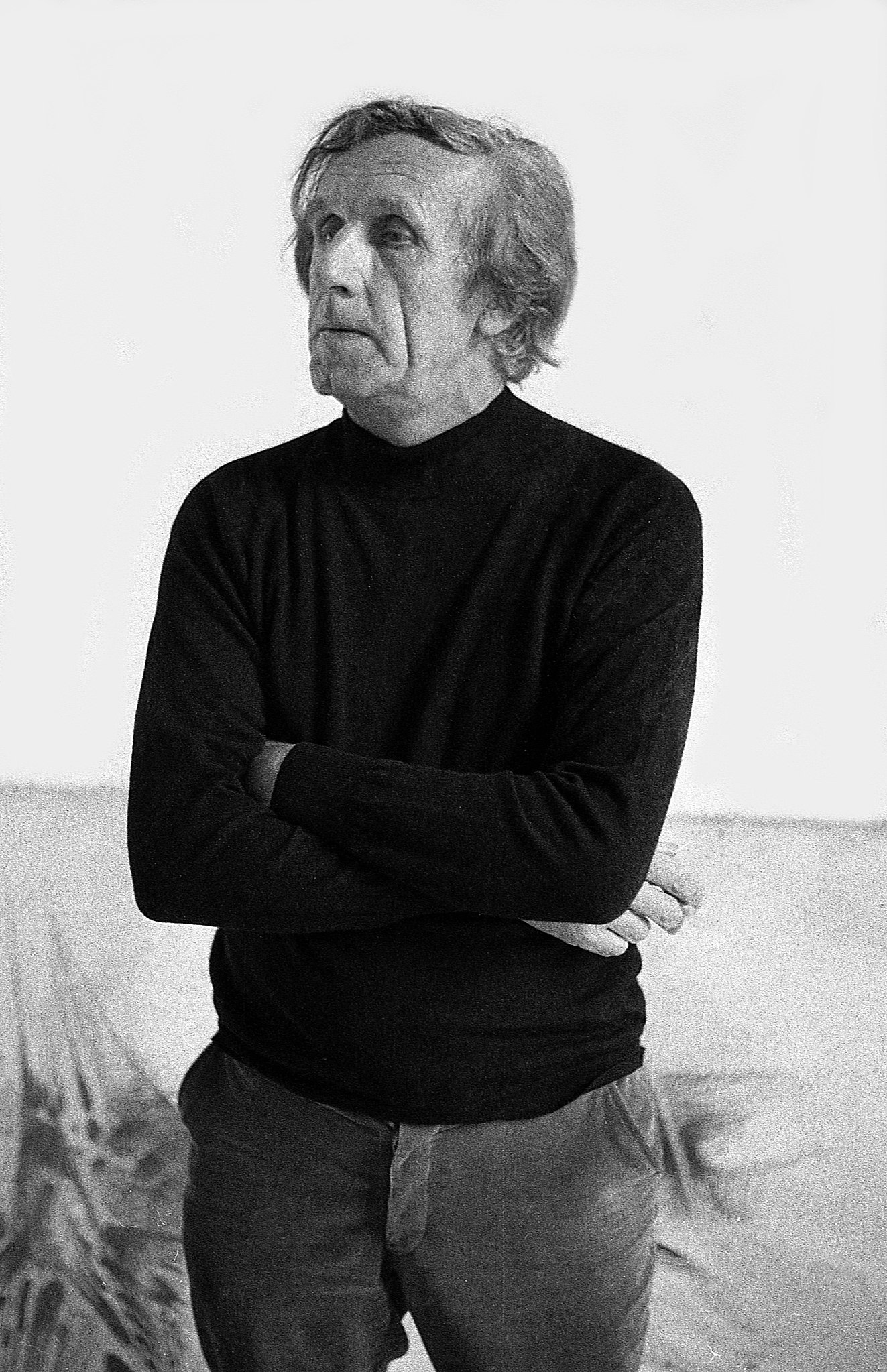
Bernhard Heiliger was a German artist. He was considered West Germany's foremost sculptor, and his large public artworks are a prominent presence in many German cities, especially Berlin.