Auction

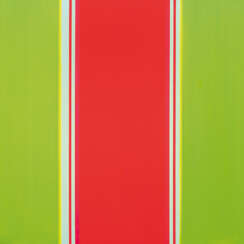

Günter Fruhtrunk was a German geometric abstract painter and printmaker whose work relates to op art.
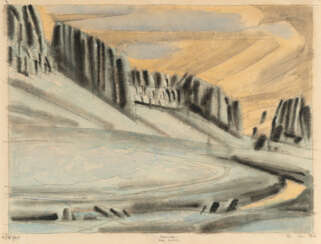

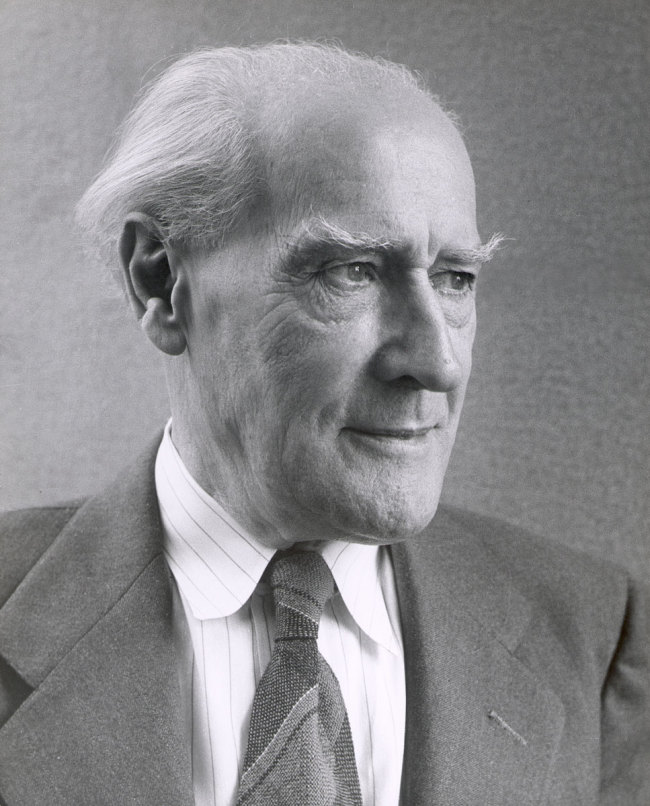
Lyonel Charles Adrian Feininger was an American-German artist renowned for his unique integration of Expressionism, Cubism, and Bauhaus principles. His body of work, which spans several critical decades in modernism's development, is celebrated for its distinctive blend of architectural and nautical motifs, articulated through planar shifts and jagged lines of Cubism, with a vibrant Orphist color palette.
Lyonel Feininger's journey as an artist began in earnest when he was 36, becoming a pivotal figure in various German expressionist groups and a founding member of the Bauhaus, where he led the printmaking workshop. His art, which also includes significant contributions to caricature and photography, explores the intricate relationship between humanity and industrialization, evident in his depictions of architectural and mechanized forms.
His work was subject to Nazi criticism, being labeled as "degenerate," which led to his return to the United States, where he continued to evolve his artistic style. Posthumously, Lyonel Feininger's art has been the focus of several retrospectives, and his pieces, like "Jesuits III," continue to fetch high figures at auctions, underscoring his lasting impact on the art world.
Notably, Lyonel Feininger's "Cathedral" woodcut, representing the Bauhaus's utopian vision, remains one of his most iconic works, symbolizing the integration of art and craftsmanship with its avant-garde yet traditional approach. His legacy is further carried by his sons, Andreas and T. Lux Feininger, who also made their marks in the arts.
For collectors and art and antiques experts, Feininger's work represents a fascinating intersection of various art movements and a testament to the enduring nature of expressive and innovative artistry. To stay updated on new product sales and auction events related to Lyonel Feininger, consider signing up for updates, ensuring you're informed about the latest opportunities to engage with his enduring legacy.
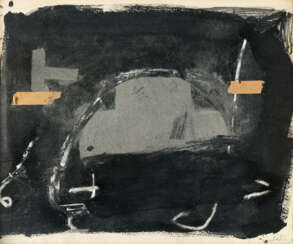


Antoni Tàpies i Puig, 1st Marquess of Tàpies was a Catalan Spanish painter, sculptor and art theorist, who became one of the most famous European artists of his generation.
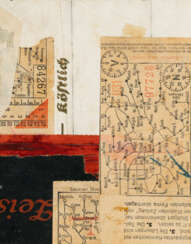

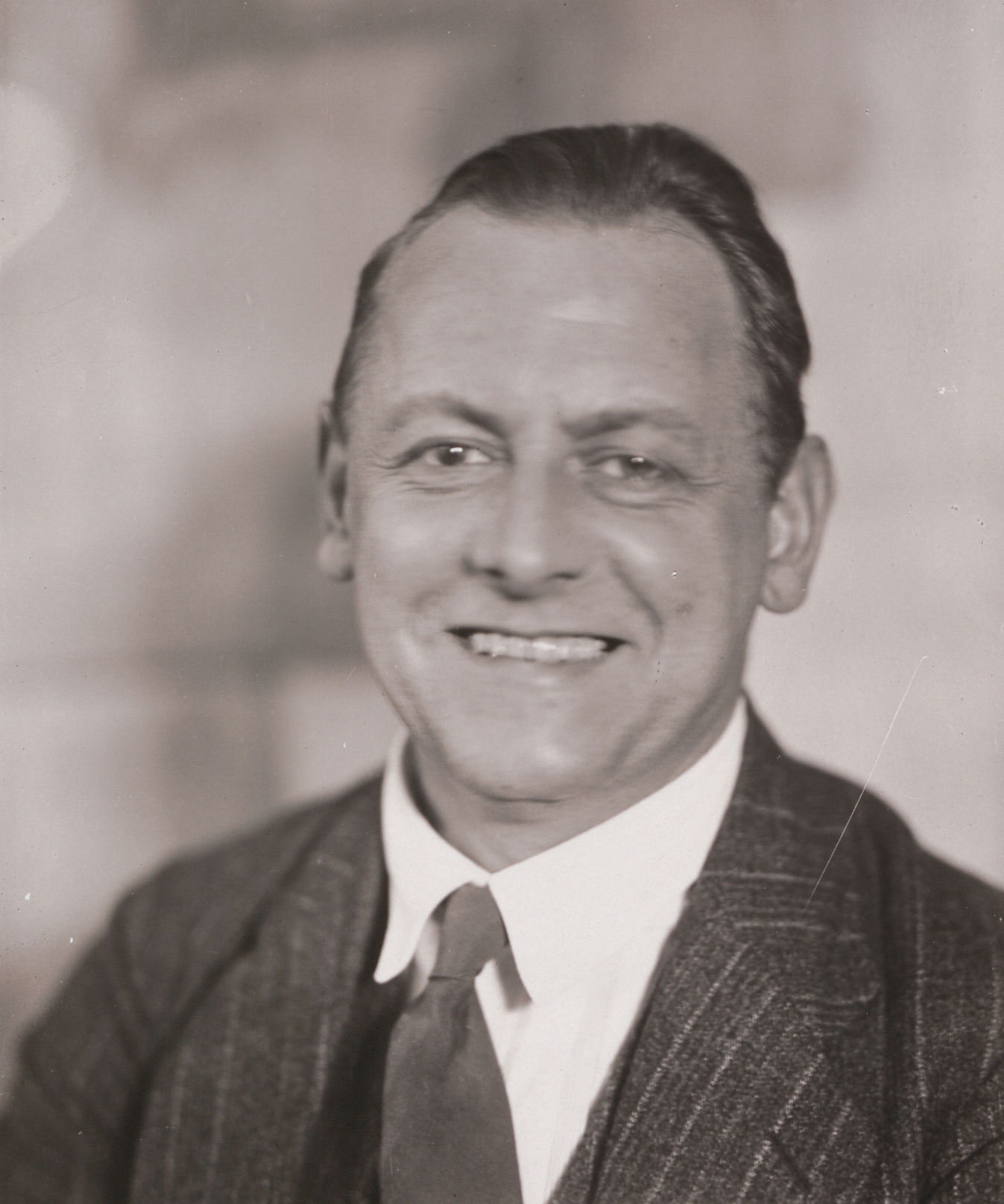
Kurt Schwitters (1887–1948) was a German artist renowned for his multifaceted contributions to modern art, encompassing painting, poetry, graphic design, and installation art. Born in Hanover, Germany, Schwitters developed a unique artistic vision that led to the creation of "Merz," a term he coined to describe his one-of-a-kind approach to art.
The concept of Merz originated from a fragment of the word "Kommerz" (commerce), which Schwitters incorporated into his early collages. This term came to represent his artistic philosophy, characterized by the assemblage of found objects and everyday materials into cohesive compositions. Through Merz, Schwitters sought to blur the boundaries between traditional art forms, integrating elements of Dadaism, Constructivism, and Surrealism.
One of Schwitters' most significant projects was the "Merzbau," an ambitious, evolving installation within his Hanover home. This project began around 1923 and transformed his living space into a labyrinthine structure filled with collages, sculptures, and found objects. The Merzbau was a physical manifestation of his Merz philosophy, embodying the synthesis of art and life. Unfortunately, the original Merzbau was destroyed during a British air raid in 1943.
In addition to his visual art, Schwitters made notable contributions to literature and sound art. His poem "An Anna Blume," published in 1919, is a seminal work that exemplifies his playful use of language and nonsensical style, aligning with the Dada movement's principles. Moreover, his "Ursonate," a sound poem composed between 1922 and 1932, showcases his innovative exploration of phonetic expression and rhythm, pushing the boundaries of traditional poetry.
The rise of the Nazi regime in Germany had a profound impact on Schwitters' life and work. Classified as a "degenerate" artist by the Nazis, he fled to Norway in 1937 to escape persecution. Following the German invasion of Norway in 1940, he sought refuge in the United Kingdom. During his internment at the Hutchinson Internment Camp on the Isle of Man, Schwitters continued to create art, producing over 200 works during his 16 months of confinement.
After his release, Schwitters settled in the Lake District of England, where he embarked on a new Merz construction known as the "Merzbarn." Although he was unable to complete this project due to his death in 1948, the Merzbarn stands as a testament to his unwavering commitment to his artistic vision. Today, Kurt Schwitters is celebrated as a pioneer of modern art, whose innovative techniques and ideas have left an indelible mark on the art world.
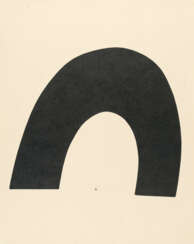

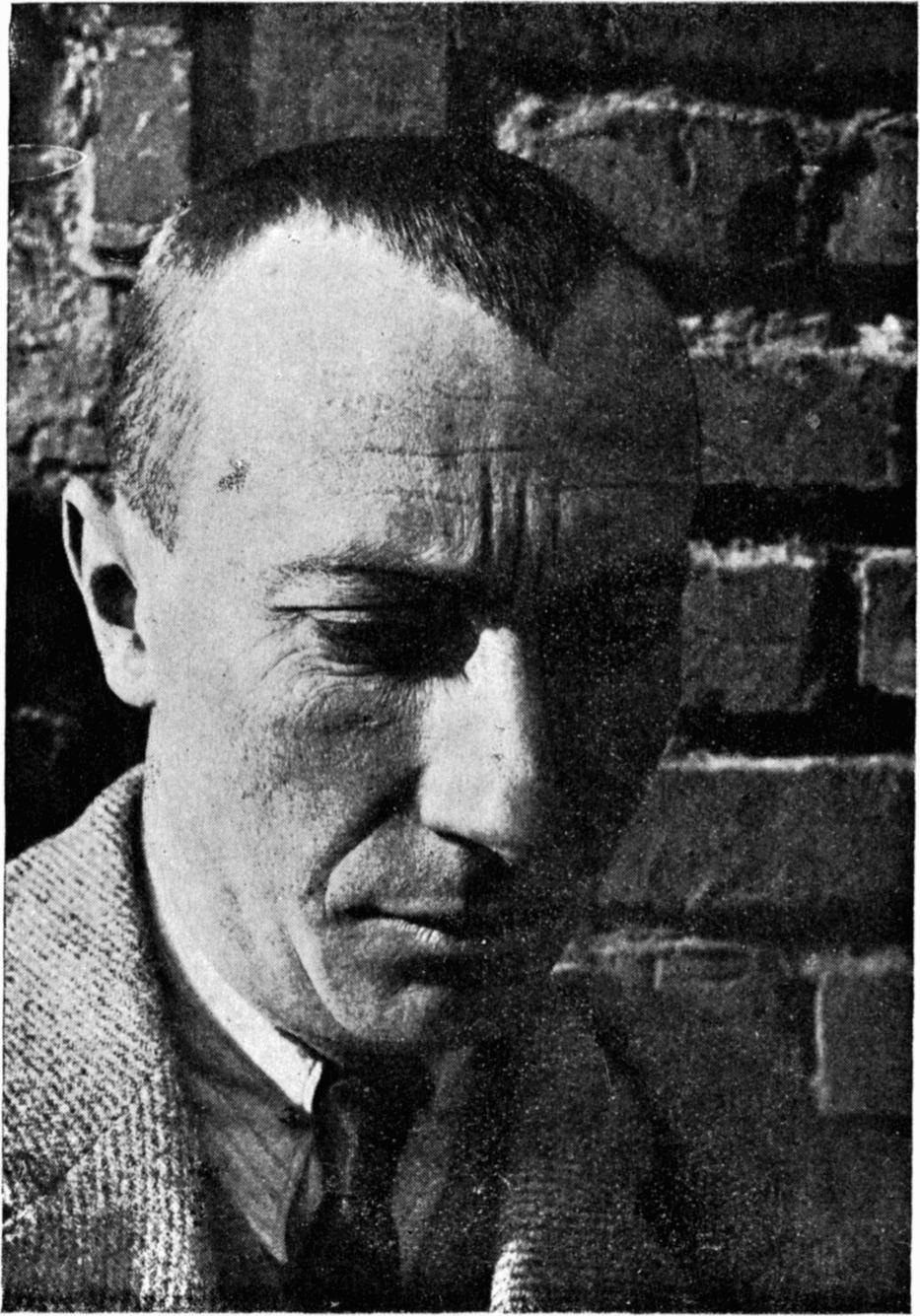
Jean Arp, born Hans Peter Wilhelm Arp, was a German and French poet, painter, graphic artist and sculptor. one of the founders of the Dada movement in Zurich.
Arp used abstract forms in his work and experimented with different materials such as wood, metal and stone. He was also known for his poetic works, in which he applied a method of randomly selecting words, called the "clutter method". Arp believed that this method helped him express his thoughts more precisely and originally. Arp's influence on the arts is still significant today.
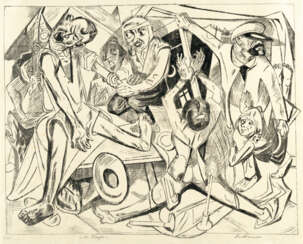

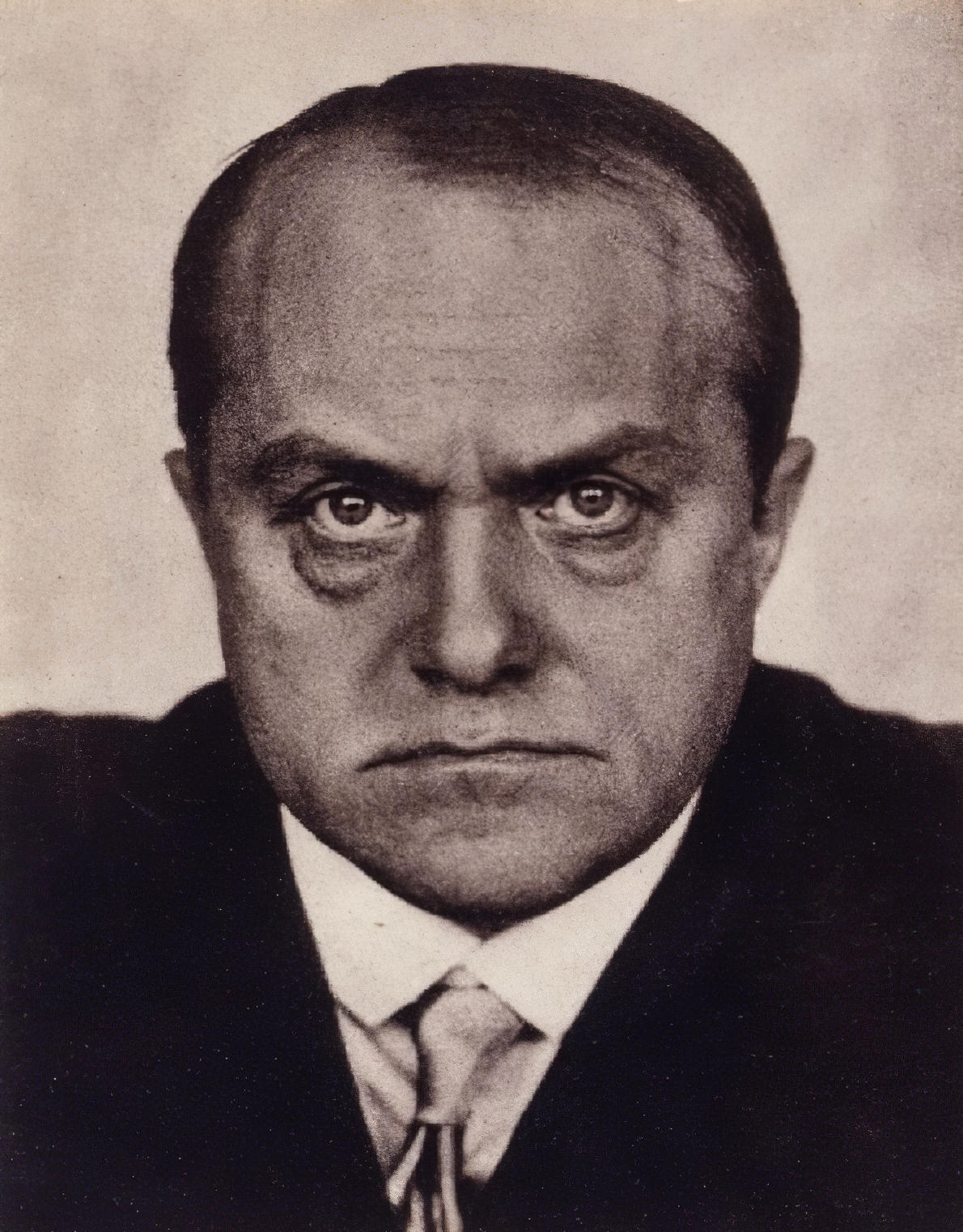
Max Beckmann, a German painter, printmaker, sculptor, and writer, stood out in the early 20th century for his profound contributions to modern art. Beckmann's career spanned a tumultuous period in history, deeply influencing his thematic and stylistic choices. Unlike many of his contemporaries who embraced non-representational painting, Max Beckmann persisted with and evolved the tradition of figurative painting, drawing inspiration from a wide array of artists spanning from Cézanne and Van Gogh to medieval masters like Bosch and Bruegel.
Max Beckmann's experiences, particularly those related to the World Wars, significantly shaped his work. Following Adolf Hitler's rise to power and the subsequent condemnation of modern art as "degenerate," Beckmann fled Germany, spending a decade in self-imposed exile in Amsterdam before eventually relocating to the United States. His art from this period, especially his large triptychs, is considered some of his most potent, offering a stark reflection on humanity and the chaos of the times.
One of Max Beckmann's most personally allegorical works, "Beginning" (1949), encapsulates his knack for blending real and imagined elements from his life to comment on the broader human condition. This piece, alongside others, underscores Beckmann's enduring fascination with the existential struggles modern society faces, teetering between desire and societal roles.
Max Beckmann's legacy is cemented not just by his unique approach to modernism but also by his influence on subsequent generations of artists, particularly in the United States, where he spent his final years teaching and working. Despite a path that often diverged from the mainstream narratives of art history, Beckmann's work continues to resonate, housed in prestigious institutions like The Museum of Modern Art and The Metropolitan Museum of Art in New York.
For collectors and experts in art and antiques, Max Beckmann's oeuvre offers a compelling exploration of 20th-century art and history. To stay informed about new discoveries, sales, and auction events related to Max Beckmann, consider signing up for updates. This subscription ensures access to the latest opportunities to engage with the work of one of modernism's most individual voices.

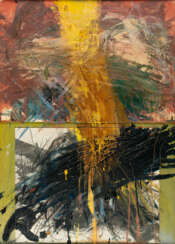

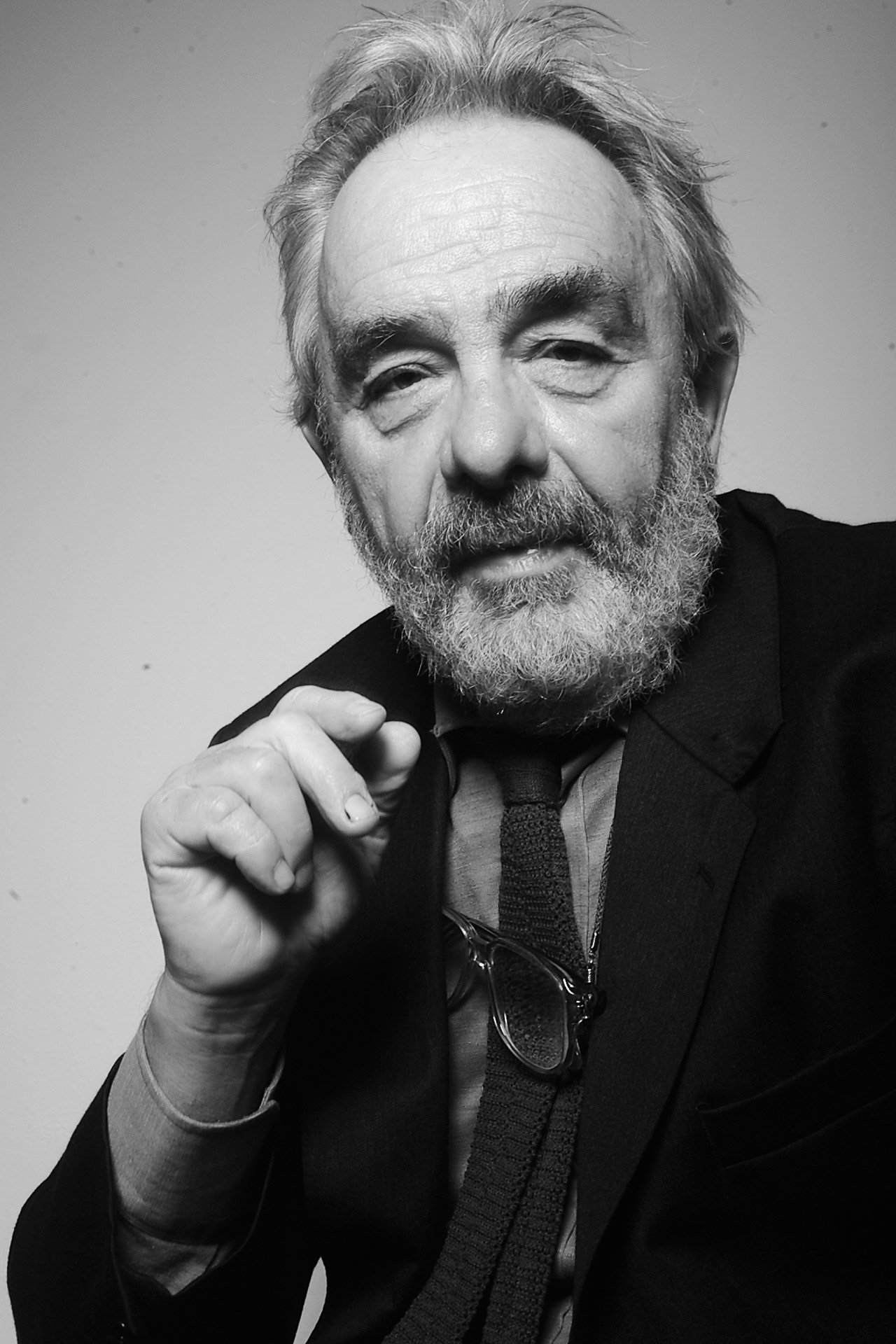
Arnulf Rainer is an Austrian artist who painted in the genre of informal abstract art.
From his early works the artist was inspired by the ideas of Surrealism. He also created works of art where he applied paint over photographs and works of other artists.
In the 1950s, Rainer painted a series of blindfold paintings in the technique of Surrealist automatism. In 1978 he received the Austrian Grand National Prize. Rainer has exhibited in New York, London, Vienna, Paris, Berlin and Munich. His works are in the collections of the Albertina, the Pompidou Center, the Stedelijk Museum, the Metropolitan Museum of Art and the Museum of Modern Art.
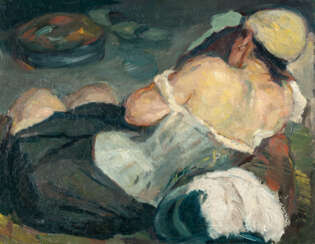

Max Beckmann, a German painter, printmaker, sculptor, and writer, stood out in the early 20th century for his profound contributions to modern art. Beckmann's career spanned a tumultuous period in history, deeply influencing his thematic and stylistic choices. Unlike many of his contemporaries who embraced non-representational painting, Max Beckmann persisted with and evolved the tradition of figurative painting, drawing inspiration from a wide array of artists spanning from Cézanne and Van Gogh to medieval masters like Bosch and Bruegel.
Max Beckmann's experiences, particularly those related to the World Wars, significantly shaped his work. Following Adolf Hitler's rise to power and the subsequent condemnation of modern art as "degenerate," Beckmann fled Germany, spending a decade in self-imposed exile in Amsterdam before eventually relocating to the United States. His art from this period, especially his large triptychs, is considered some of his most potent, offering a stark reflection on humanity and the chaos of the times.
One of Max Beckmann's most personally allegorical works, "Beginning" (1949), encapsulates his knack for blending real and imagined elements from his life to comment on the broader human condition. This piece, alongside others, underscores Beckmann's enduring fascination with the existential struggles modern society faces, teetering between desire and societal roles.
Max Beckmann's legacy is cemented not just by his unique approach to modernism but also by his influence on subsequent generations of artists, particularly in the United States, where he spent his final years teaching and working. Despite a path that often diverged from the mainstream narratives of art history, Beckmann's work continues to resonate, housed in prestigious institutions like The Museum of Modern Art and The Metropolitan Museum of Art in New York.
For collectors and experts in art and antiques, Max Beckmann's oeuvre offers a compelling exploration of 20th-century art and history. To stay informed about new discoveries, sales, and auction events related to Max Beckmann, consider signing up for updates. This subscription ensures access to the latest opportunities to engage with the work of one of modernism's most individual voices.
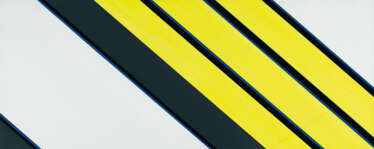

Günter Fruhtrunk was a German geometric abstract painter and printmaker whose work relates to op art.
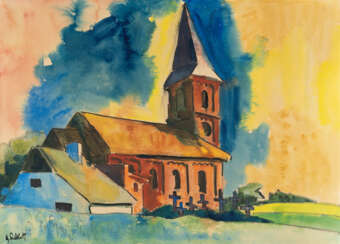

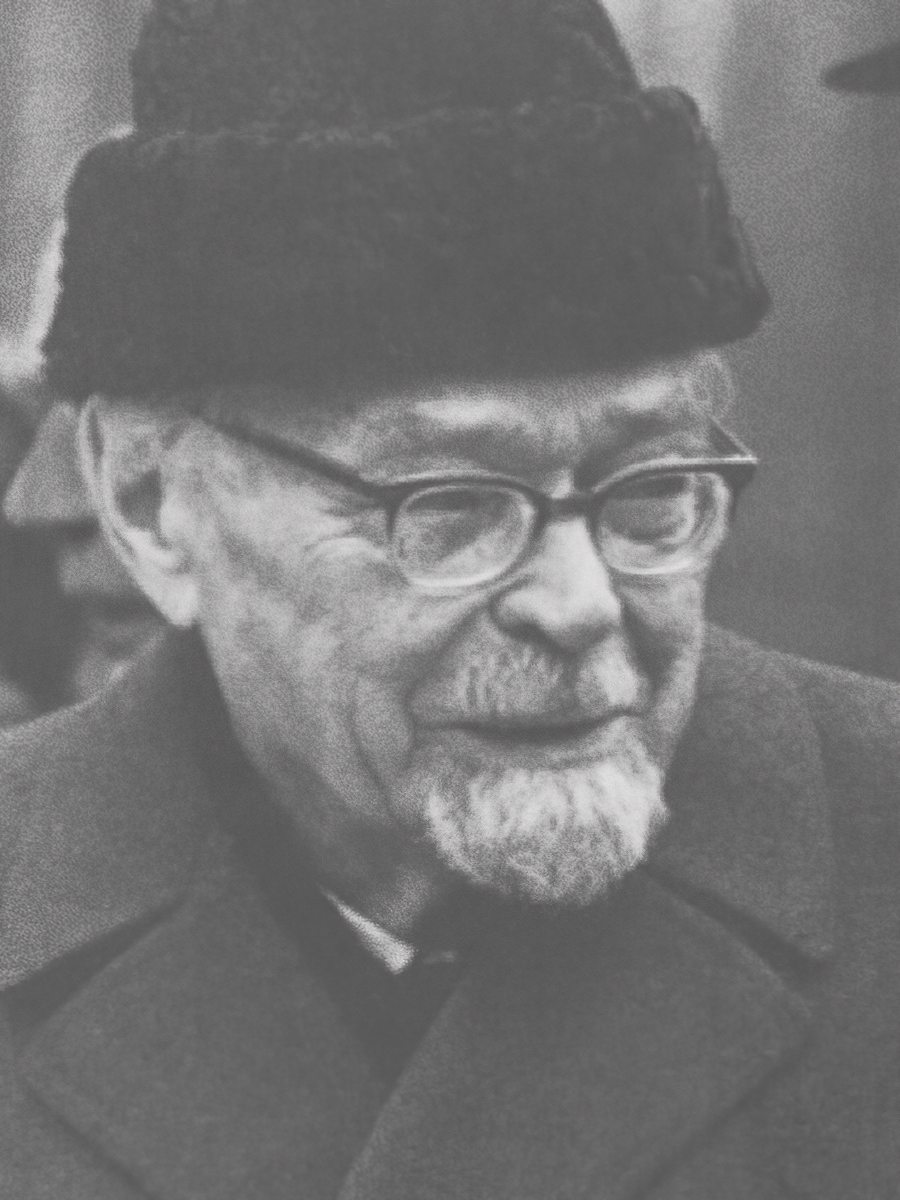
Karl Schmidt-Rottluff, a prominent figure in the German Expressionist movement, was not just an artist but a pioneer who significantly influenced the early 20th-century art scene. Born in Rottluff, Germany, in 1884, he later added his hometown's name to his surname, showcasing a deep connection to his roots. Schmidt-Rottluff was a founding member of the artist group Die Brücke, which played a critical role in the development of Expressionism in Germany. His works, characterized by bold colors and stark contrasts, were a departure from traditional artistic expressions and embraced a more emotional and subjective interpretation of reality.
Schmidt-Rottluff's contributions to art were not limited to painting; he was also a master printmaker, with a significant body of work comprising woodcuts, lithographs, and etchings. His artistic endeavors were marked by a fascination with the natural world, social issues, and an exploration of human emotion, themes that remained consistent throughout his career. Despite facing persecution during the Nazi regime, with many of his works labeled as "degenerate," Schmidt-Rottluff's resolve did not waver. In 1937, 608 of his paintings were seized, and by 1941, he was forbidden to paint. Yet, his legacy continued to grow post-World War II, and he was later honored with professorship at the University of Arts in Berlin-Charlottenburg in 1947, where he influenced a new generation of artists.
The value and impact of Schmidt-Rottluff's work are reflected in the presence of his pieces in prestigious collections worldwide, including the Museum of Modern Art, Neue Galerie, Los Angeles County Museum of Art, and many others. His works are celebrated for their emotional depth, innovative use of color, and ability to convey complex themes through simplified forms. Notably, some of his significant pieces have been subjects of restitution efforts, highlighting the historical importance and continued relevance of his work in the context of art history and cultural heritage.
For collectors and experts in art and antiques, Schmidt-Rottluff's oeuvre offers a profound insight into the evolution of Expressionism and the broader cultural and political narratives of the early 20th century. His works not only serve as a testament to his individual genius but also as a reflection of the tumultuous era that shaped them.
To stay informed about new discoveries, sales, and auction events related to Karl Schmidt-Rottluff's work, signing up for updates is highly recommended. This ensures that enthusiasts and collectors alike are always in the loop regarding opportunities to engage with and acquire pieces by this influential artist, ensuring his legacy continues to inspire and resonate with future generations.
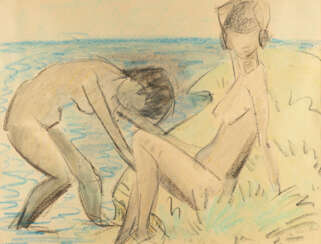

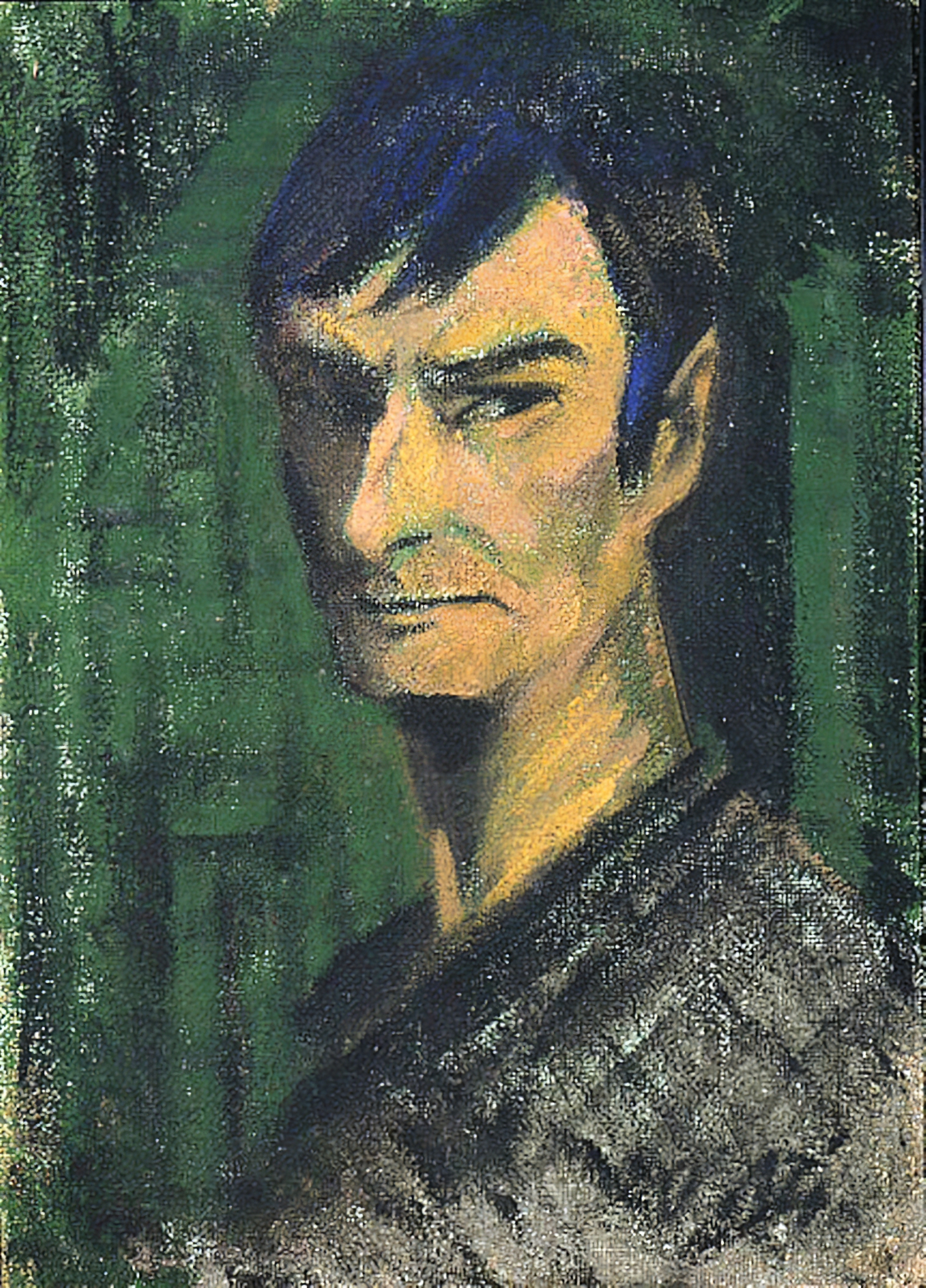
Otto Mueller was a German artist of the first third of the twentieth century. He is known as a painter, graphic artist and printmaker, a representative of German Expressionism, a member of the artists' group "Bridge".
Otto Mueller is considered one of the most lyrical German expressionist painters. His work reflected the unity of man and nature, characterized by simplification of forms, colors and contours. He became famous for his paintings of nude bodies and gypsy women, because of his fascination with which the artist was once nicknamed "Gypsy Mueller".
Mueller preferred to work in tempera on rough canvas, creating a matte surface. His artistic legacy includes 172 works, including lithographs, woodcuts and etchings.
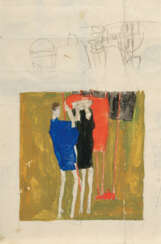

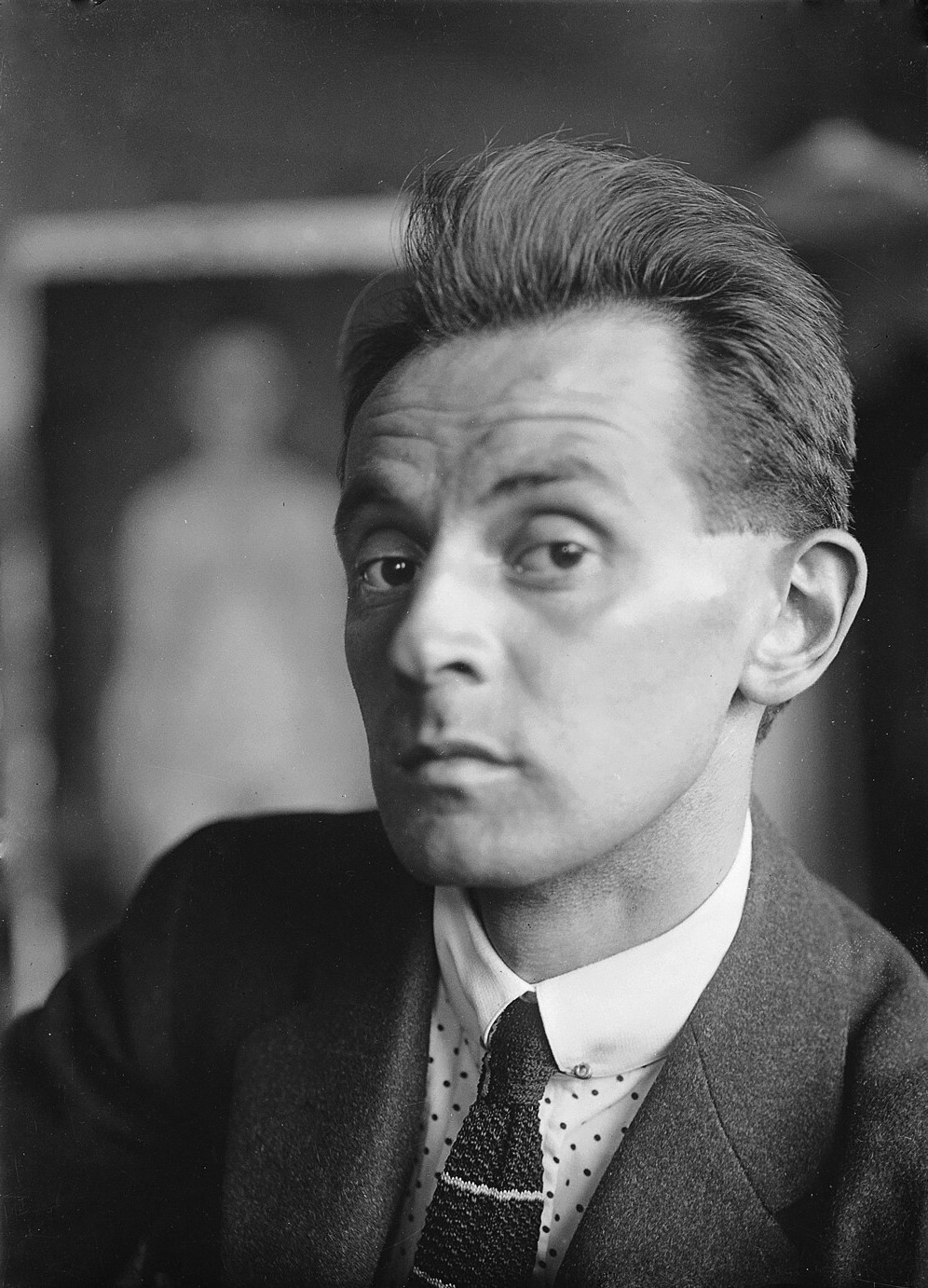
Egon Leo Adolf Ludwig Schiele, an Austrian Expressionist painter, is a figure whose work stands out for its raw intensity and exploration of sexuality, including a remarkable series of self-portraits that often featured nudity. Born in 1890 in Tulln, Lower Austria, Schiele's early life was marked by a fascination with trains and a troubled relationship with his family, especially following his father's death from syphilis when Schiele was just 15 years old. This event propelled him into the care of his uncle, who recognized Schiele's artistic talent despite his lack of interest in traditional academia, leading to Schiele's education at the Vienna Academy of Fine Arts.
Schiele's artistic journey was deeply influenced by his mentor Gustav Klimt, who introduced him to the Vienna Secession and the Wiener Werkstätte, enriching his art with elements of Art Nouveau and paving the way for his distinct style that evolved beyond the influence of his mentor. Schiele's art, characterized by its emotional and sexual honesty, utilized figural distortion to challenge conventional ideals of beauty, making his work groundbreaking for its time.
Throughout his career, Schiele focused on self-portraiture, the human body, and sexuality, often leading to controversy due to the explicit nature of his work. Despite his brief life, cut short by the Spanish flu in 1918 at the age of 28, Schiele's body of work left a lasting impact on the art world. His contributions are celebrated in numerous museums and galleries worldwide, with the Leopold Museum in Vienna housing the most extensive collection of his works, featuring over 43 paintings and 200 watercolors, drawings, and prints. Schiele's work remains influential, offering a stark, introspective look into the human condition and the existential crises of his time.
For collectors and experts in art and antiques, Schiele's work offers a profound exploration of expressionism, culture, and the avant-garde movements of early 20th-century Europe. His legacy is a testament to the power of art to challenge societal norms and to explore the depths of human emotion and sexuality.
To stay informed about new sales, auctions, and exhibitions related to Egon Leo Adolf Ludwig Schiele, consider signing up for updates. This subscription will ensure you're the first to know about opportunities to acquire pieces by this groundbreaking artist, enriching your collection with works that capture the essence of Viennese Modernism.
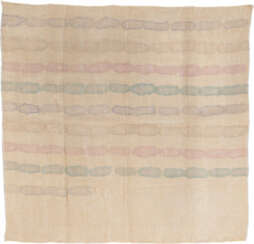

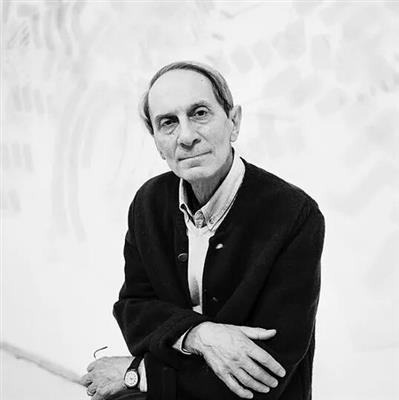
Giorgio Griffa is an Italian abstractionist painter.
He works in the style of abstract painting and paints with acrylics on canvas or even burlap, which are simply nailed to the wall. When folded, the paintings form folds, which Griffa considers the basis of his compositions.
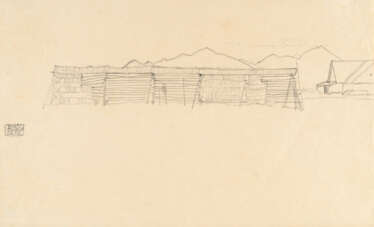

Egon Leo Adolf Ludwig Schiele, an Austrian Expressionist painter, is a figure whose work stands out for its raw intensity and exploration of sexuality, including a remarkable series of self-portraits that often featured nudity. Born in 1890 in Tulln, Lower Austria, Schiele's early life was marked by a fascination with trains and a troubled relationship with his family, especially following his father's death from syphilis when Schiele was just 15 years old. This event propelled him into the care of his uncle, who recognized Schiele's artistic talent despite his lack of interest in traditional academia, leading to Schiele's education at the Vienna Academy of Fine Arts.
Schiele's artistic journey was deeply influenced by his mentor Gustav Klimt, who introduced him to the Vienna Secession and the Wiener Werkstätte, enriching his art with elements of Art Nouveau and paving the way for his distinct style that evolved beyond the influence of his mentor. Schiele's art, characterized by its emotional and sexual honesty, utilized figural distortion to challenge conventional ideals of beauty, making his work groundbreaking for its time.
Throughout his career, Schiele focused on self-portraiture, the human body, and sexuality, often leading to controversy due to the explicit nature of his work. Despite his brief life, cut short by the Spanish flu in 1918 at the age of 28, Schiele's body of work left a lasting impact on the art world. His contributions are celebrated in numerous museums and galleries worldwide, with the Leopold Museum in Vienna housing the most extensive collection of his works, featuring over 43 paintings and 200 watercolors, drawings, and prints. Schiele's work remains influential, offering a stark, introspective look into the human condition and the existential crises of his time.
For collectors and experts in art and antiques, Schiele's work offers a profound exploration of expressionism, culture, and the avant-garde movements of early 20th-century Europe. His legacy is a testament to the power of art to challenge societal norms and to explore the depths of human emotion and sexuality.
To stay informed about new sales, auctions, and exhibitions related to Egon Leo Adolf Ludwig Schiele, consider signing up for updates. This subscription will ensure you're the first to know about opportunities to acquire pieces by this groundbreaking artist, enriching your collection with works that capture the essence of Viennese Modernism.


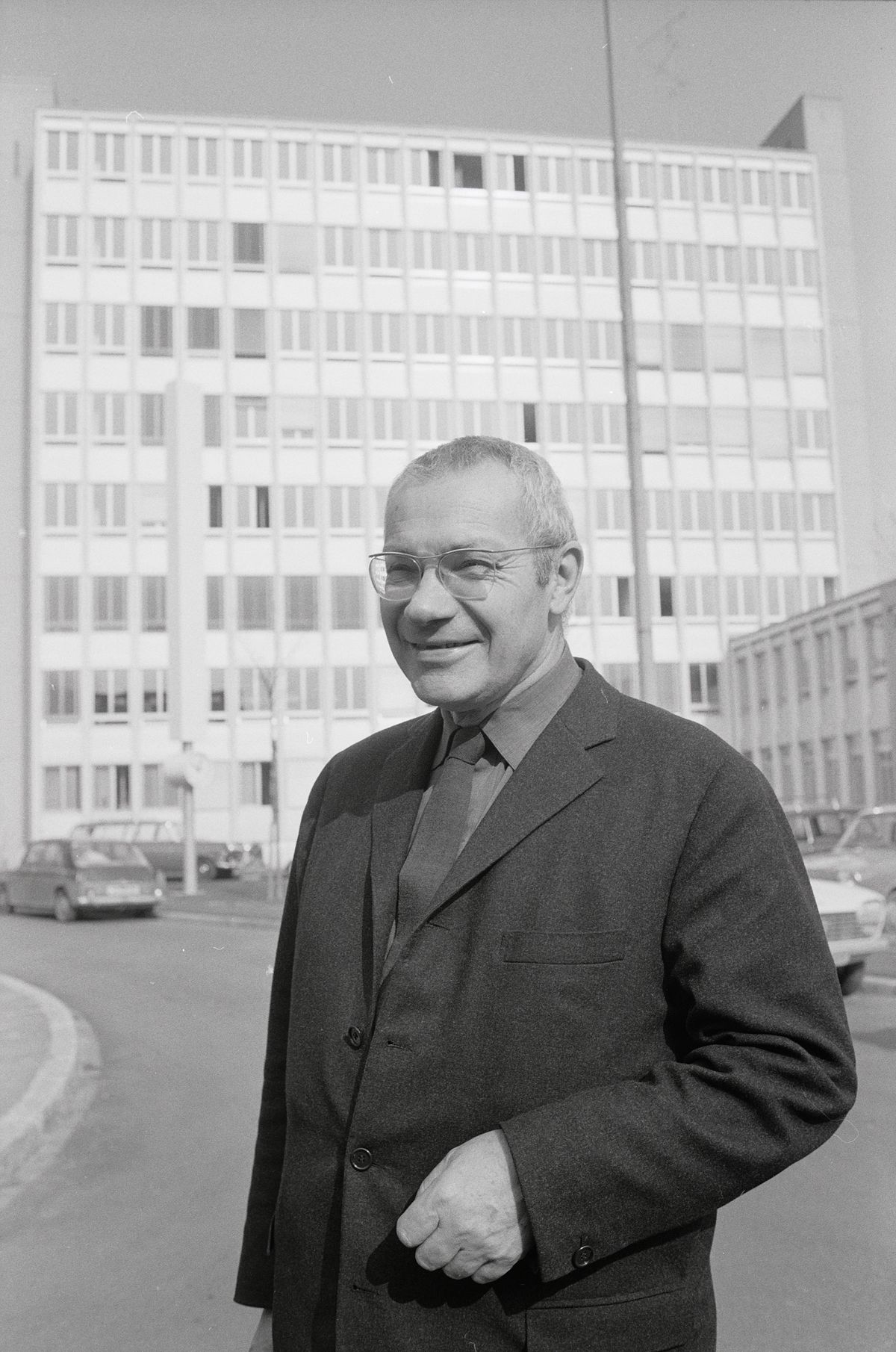
Max Bill, a Swiss artist, architect, painter, typeface designer, industrial designer, and graphic designer, emerged as a key figure in 20th-century art and design. Born in Winterthur, Switzerland, in 1908, Bill's education at the Bauhaus under luminaries like Wassily Kandinsky, Paul Klee, and Oskar Schlemmer profoundly influenced his multidisciplinary approach. His work spans from graphic design, where he was instrumental in shaping Swiss design from the 1950s, to product design with iconic creations like the Ulmer Hocker, a versatile stool designed in 1954.
Bill's contributions to concrete art and his role in founding the Ulm School of Design alongside Inge Aicher-Scholl and Otl Aicher in 1953, mark him as a pioneer who blurred the lines between art, design, and architecture. His theoretical writings and teaching at the Ulm School further underscored his commitment to integrating art with science, shaping a generation of designers and artists.
Noteworthy among his architectural works are his own house and studio built in Zurich-Höngg in the early 1930s and a series of public sculptures that challenge perceptions and engage public spaces in innovative ways. His legacy also includes influential roles in politics, contributions to the field of education, and the establishment of foundations to preserve his work and ideals.
Bill's extensive oeuvre, which also includes timepieces designed for Junghans and a multitude of sculptures, demonstrates his belief in the unity of form and function and the possibility of art to embody the principles of the new physics of the 20th century. His works are not only held in high regard for their aesthetic and functional qualities but also for their ability to convey complex theoretical ideas in tangible forms.
For collectors and experts in art and antiques, Max Bill remains a figure of immense importance, whose works continue to inspire and influence contemporary design and art practices. Sign up for updates related to Max Bill to stay informed about new product sales and auction events showcasing his remarkable contributions to modern art and design.


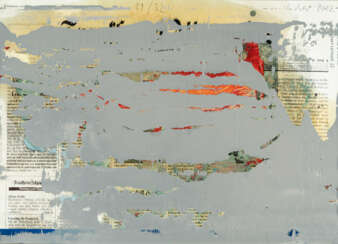

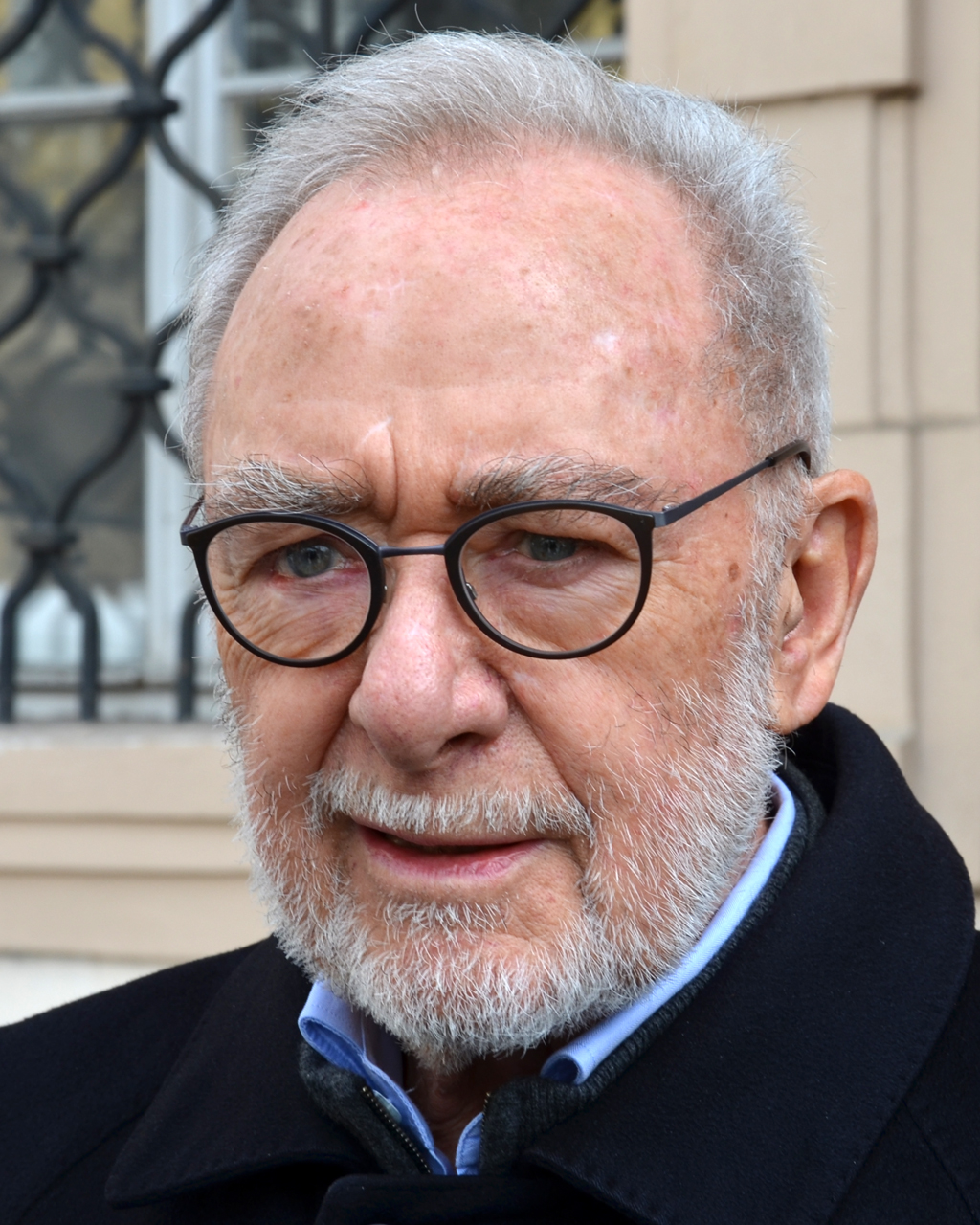
Gerhard Richter is a German visual artist. Richter has produced abstract as well as photorealistic paintings, and also photographs and glass pieces. He is widely regarded as one of the most important contemporary German artists and several of his works have set record prices at auction.
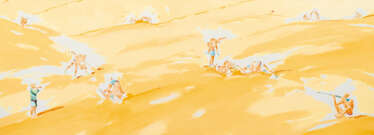

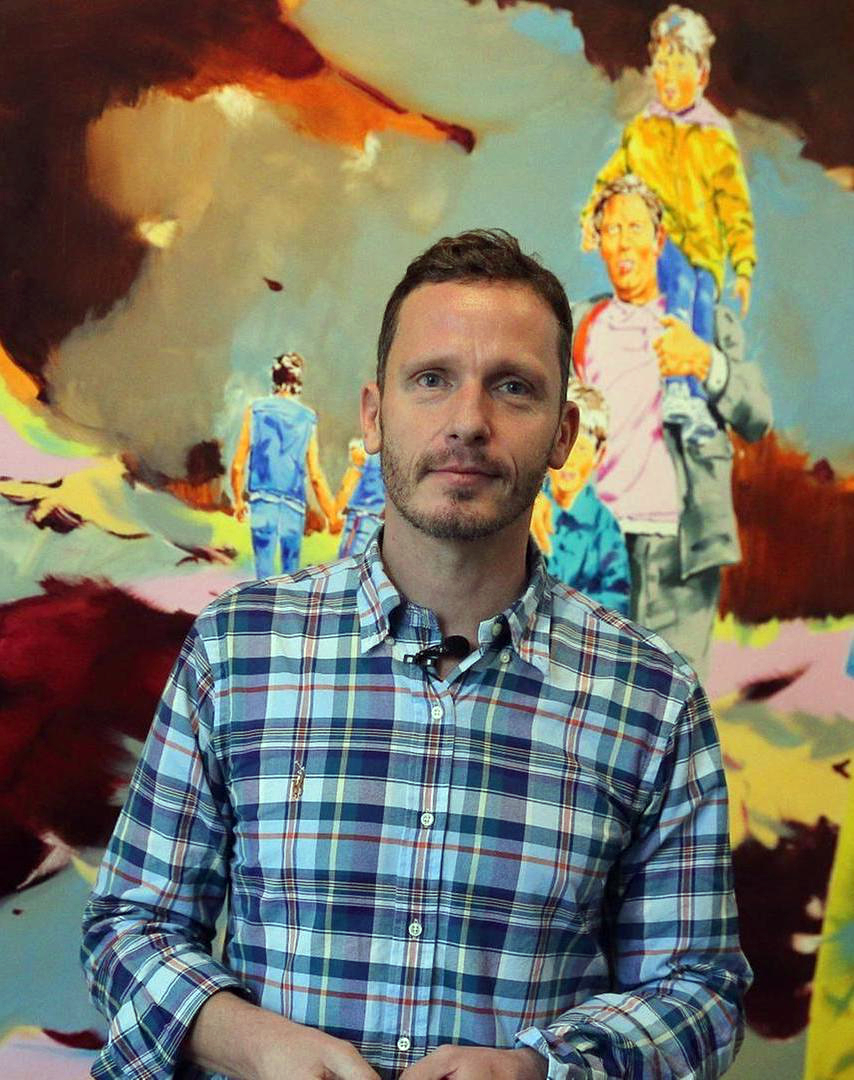
Norbert Bisky is a German artist based in Berlin. He is one of the most important representatives of a new figurative painting in the 21st century.

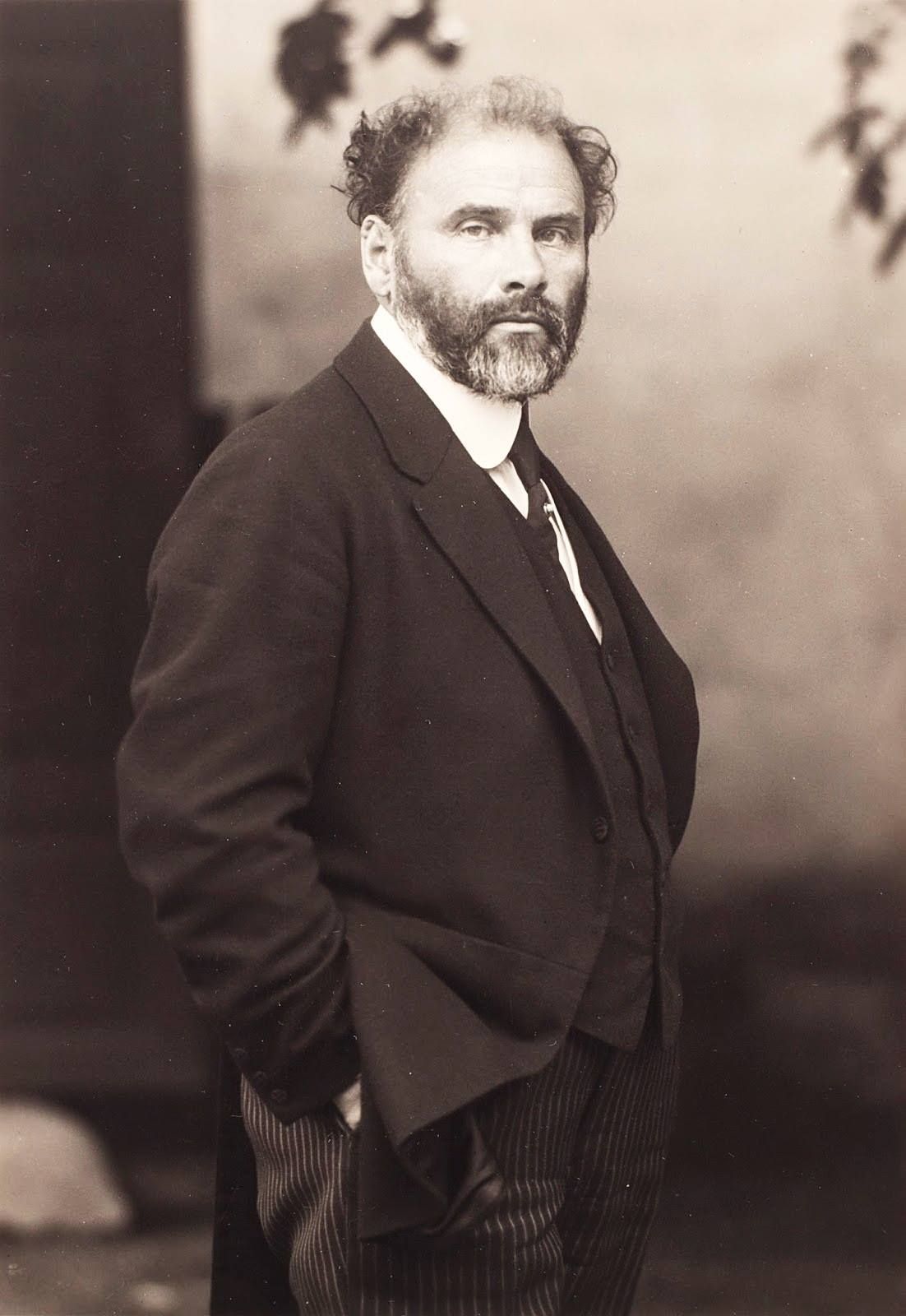
Gustav Klimt, an Austrian Symbolist painter, was a central figure in Vienna's Secession movement, known for his paintings, murals, sketches, and objets d'art. Born on July 14, 1862, in Baumgarten near Vienna, Klimt's early life was marked by financial hardship, but he showed artistic talent at a young age. He studied at Vienna's Kunstgewerbeschule, where he received a conservative education in architectural painting that influenced his early traditional works.
Klimt's path as an artist was evolutionary and controversial. Initially a successful painter of architectural decorations, his style evolved into a more personal and controversial form, especially after public criticism of his works for the Great Hall of the University of Vienna in 1900, which were deemed pornographic. This turning point led him to abandon public commissions and begin the so-called "golden period," characterized by the use of gold leaf in his work. Some of his most famous paintings, such as The Kiss and Portrait of Adele Bloch-Bauer I, which demonstrate a combination of Byzantine influence and modern symbolism, belong to this phase.
An important aspect of Klimt's career was his participation in the Vienna Secession, an art movement he co-founded in 1897. This movement, which had no manifesto, aimed to showcase unconventional artists and to bring foreign artistic influences to Vienna. Klimt was its first president and participated in the creation of the periodical Ver Sacrum.
Despite his artistic fame, Klimt led a relatively withdrawn lifestyle, often working alone and maintaining discreet personal relationships. Nevertheless, his legacy remains strong: his works fetch high prices at auction and continue to be celebrated for their innovative style and symbolic depth.
For collectors and art experts, Klimt's work represents a fascinating exploration of the evolution of Symbolism and Art Nouveau. His unique approach to form, color, and subject matter makes his work highly valued and constantly relevant in the art world.
If you are interested in keeping up to date with sales and auction events related to the works of Gustav Klimt, we recommend signing up for updates. This will ensure that you don't miss the opportunity to own a piece of this remarkable artist's history.

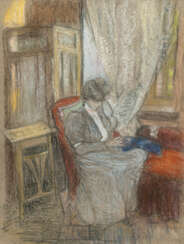

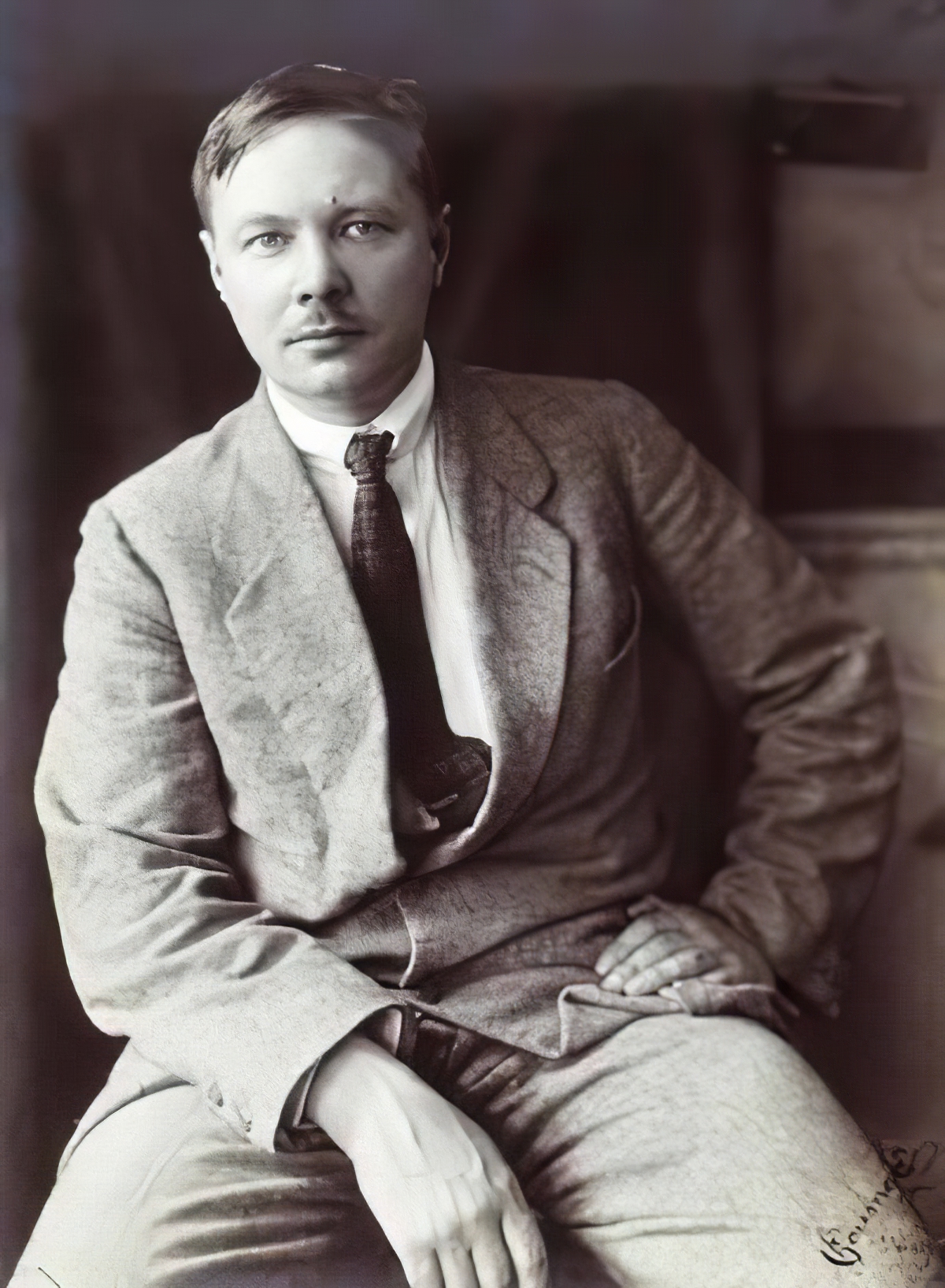
Mikhail Fyodorovich Larionov (Russian: Михаил Фёдорович Ларионов) was a distinguished Russian avant-garde artist, painter, and founder of the Rayonism movement, whose contributions significantly influenced early 20th-century modern art. Born in Tiraspol, then part of the Russian Empire, Larionov's pioneering spirit in both painting and stage design left an indelible mark on the realms of culture and art. His dedication to exploring new artistic techniques and expressions made him a central figure among Russian artists, pushing the boundaries of traditional painting and engaging in innovative artistic dialogues.
Larionov's artistry was not confined to a single genre; he was instrumental in the development of Russian avant-garde art, exploring and contributing to various movements such as Neo-Primitivism before founding Rayonism. This movement, which he developed alongside Natalia Goncharova, his lifelong partner and fellow artist, sought to express the dynamic interplay of light and color, breaking away from the conventional forms and perspectives of the time. Larionov's work in this area highlighted his belief in the power of abstract forms and the potential of art to capture the energy and rhythm of modern life.
His contributions are celebrated in major museums and galleries worldwide, with his works being pivotal in understanding the evolution of modern art. Notable works by Larionov are held in prestigious institutions such as the Russian Museum in St. Petersburg, the Tretyakov Gallery in Moscow, and the Museum of Modern Art in New York, underscoring his international recognition and the lasting impact of his artistic innovations.
For collectors and experts in art and antiques, Mikhail Fyodorovich Larionov's legacy offers a rich field of study and appreciation. His works not only embody the innovative spirit of early 20th-century art but also represent a bridge between Russian cultural heritage and the broader currents of European modernism. To stay informed about new product sales and auction events related to Mikhail Fyodorovich Larionov, we invite you to sign up for updates. This subscription is a valuable resource for enthusiasts keen to explore the depth and diversity of Larionov's contributions to modern art.
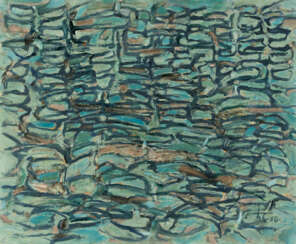

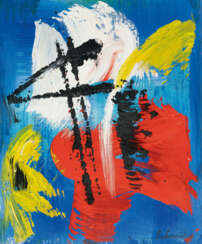

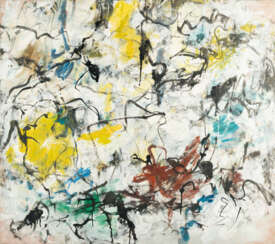

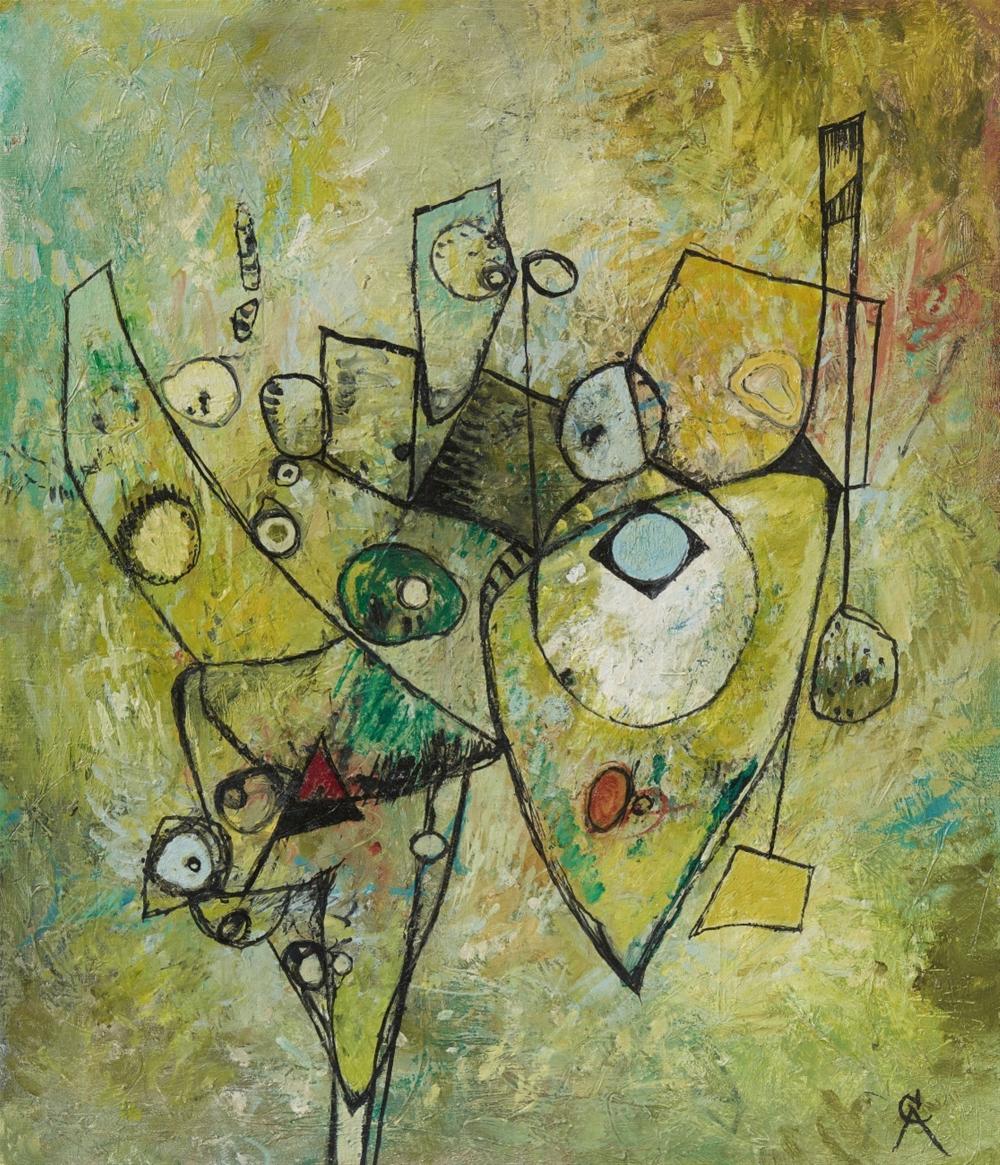
Rolf Cavael is a German abstractionist artist.
Cavael's work can be found in museums and collections throughout Europe and the United States.


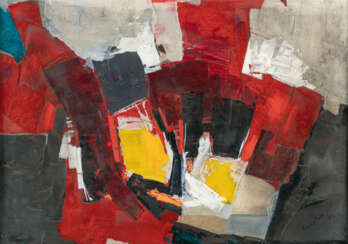

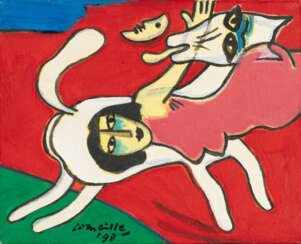

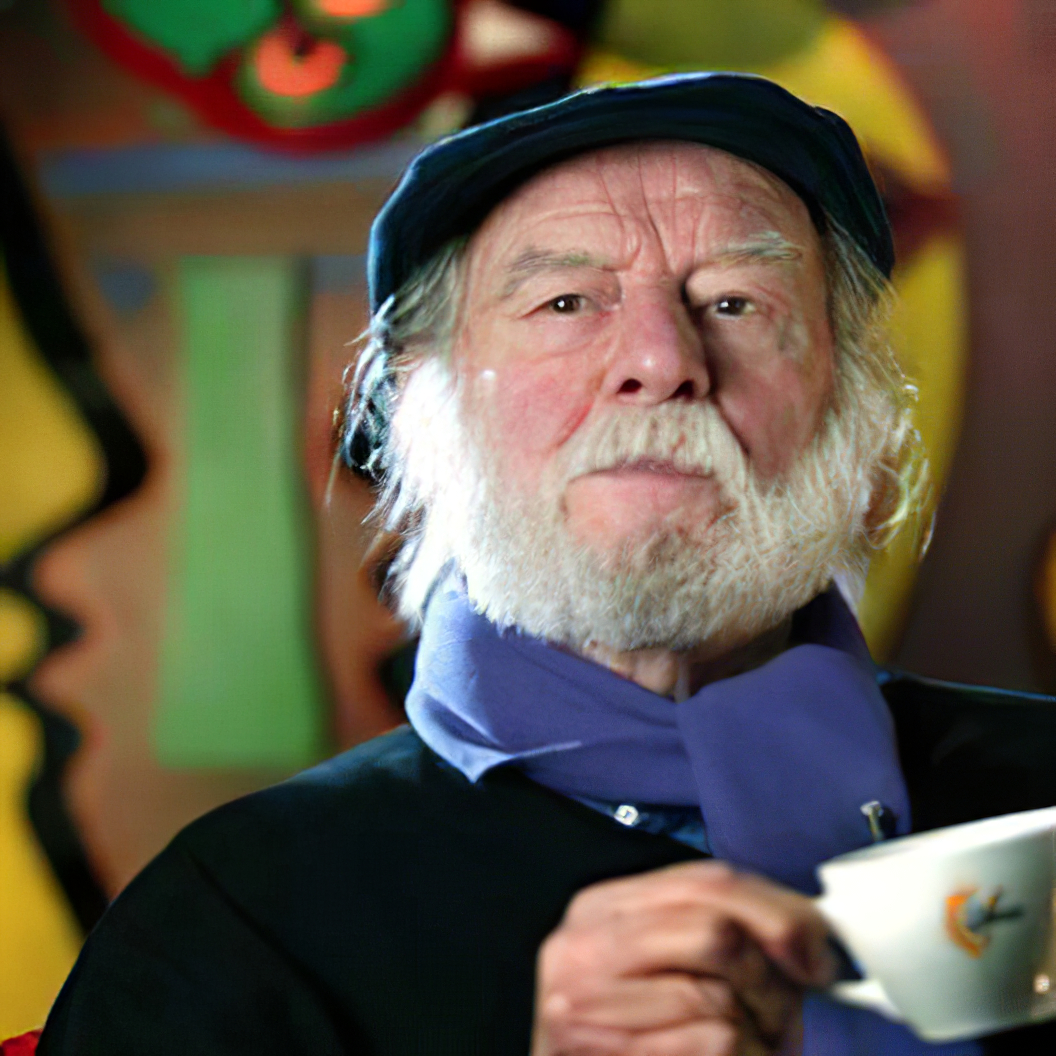
Corneille, born Cornelis Guillaume van Beverloo, was a Dutch painter, graphic artist, sculptor and photographer.
Corneille was one of the founders of the REFLEX movement and the COBRA group.