

Portrait — Auction


Jankel Adler was a Polish painter and printmaker.

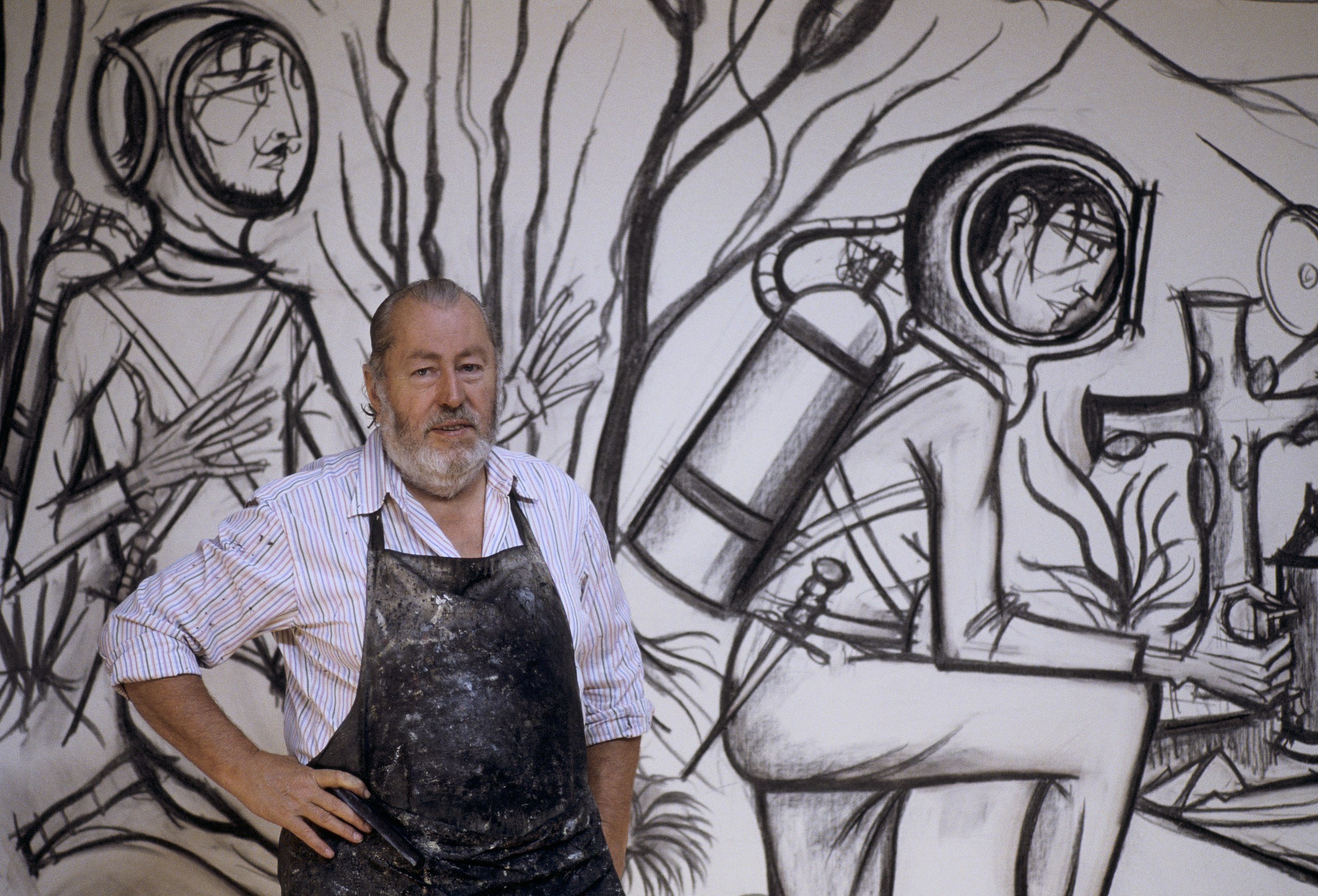
Bernard Buffet was a French artist renowned for his distinctive style of painting, printmaking, and sculpture. His work, characterized by expressive, angular lines and somber themes, has captivated collectors and art enthusiasts worldwide. Buffet's art, deeply influenced by the post-war period in France, reflects themes of despair, loneliness, and the human condition, often portrayed through his iconic clowns and desolate landscapes. His approach to art, marked by stark compositions and a vivid portrayal of existential angst, positioned him as a leading figure in the modern expressionist movement.
Buffet's career was meteoric from its onset; by his early twenties, he was celebrated alongside cultural icons of the time, earning him a spot among the "Fabulous Five" of post-war France. Despite his early acclaim, Buffet's later years were marked by controversy and a decline in popularity, as shifts in artistic trends and criticism over his lifestyle choices overshadowed his contributions. Nevertheless, his work remained prolific, with more than 8,000 paintings to his name, illustrating an unwavering commitment to his art until his tragic death in 1999.
Today, Bernard Buffet's legacy is undergoing a renaissance, with a renewed appreciation for his artistic achievements. Exhibitions and retrospectives across the globe, particularly in Japan and Europe, have reignited interest in his oeuvre, showcasing the enduring relevance of his work. Notably, the Bernard Buffet Museum in Japan, founded during his lifetime, stands as a testament to his impact and the global admiration for his art.
For collectors and experts in the field of art and antiques, Buffet's work offers a unique insight into the complexities of the human psyche and the existential dilemmas of the 20th century. His ability to evoke profound emotional responses through his distinctive visual language makes his work highly sought after in the art market today.
To stay informed about new product sales and auction events related to Bernard Buffet, we encourage you to sign up for updates. This subscription service is tailored specifically for enthusiasts keen on exploring the profound legacy of Bernard Buffet, ensuring you remain at the forefront of notable developments in the art world.


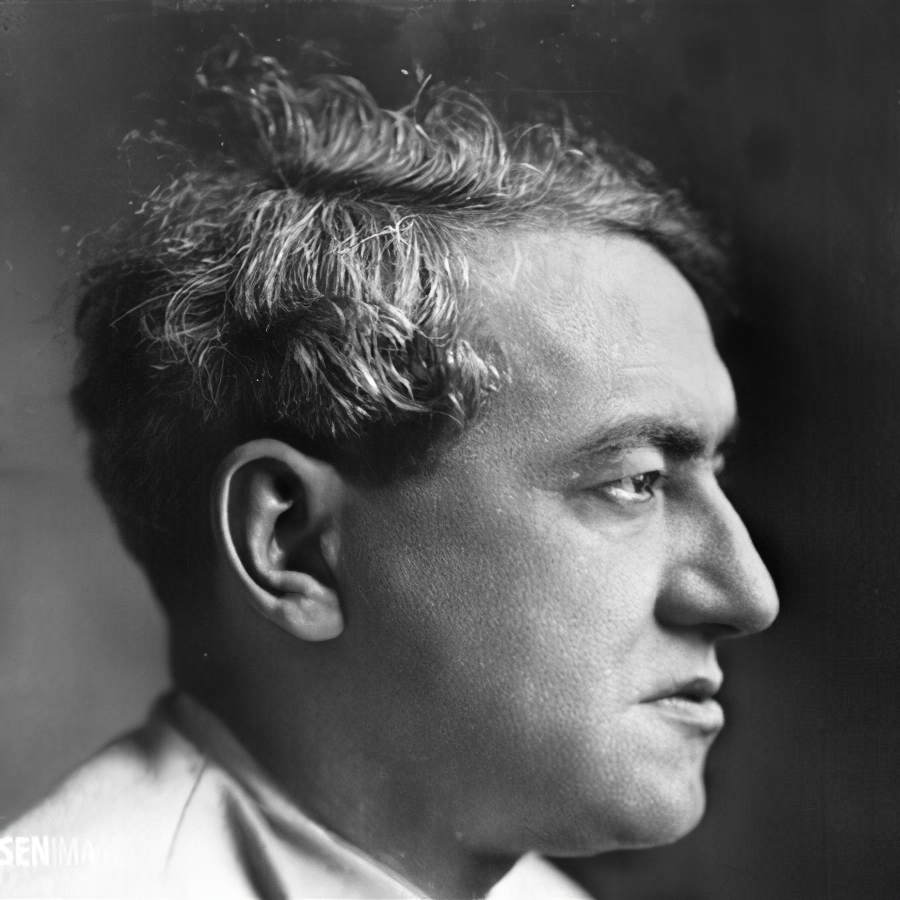
Jules Pascin, born Julius Mordecai Pincas, was a Bulgarian-born American painter and draftsman. He studied art in Vienna, Munich, and Paris, where he settled in 1905.
Pascin became known for his portraits and nudes, which often featured elongated figures and fluid lines. He was also noted for his use of watercolors and his depictions of Parisian nightlife, cafes, and brothels. His work was influenced by the Fauvists and the German Expressionists.
Pascin was a member of the Montparnasse artistic community in Paris, and he was friends with many of the leading artists and writers of the day, including Pablo Picasso, Henri Matisse, and Ernest Hemingway. He was married twice, but his personal life was marked by numerous affairs and a struggle with alcoholism.
His work is held in many major collections, including the Museum of Modern Art in New York and the Art Institute of Chicago.

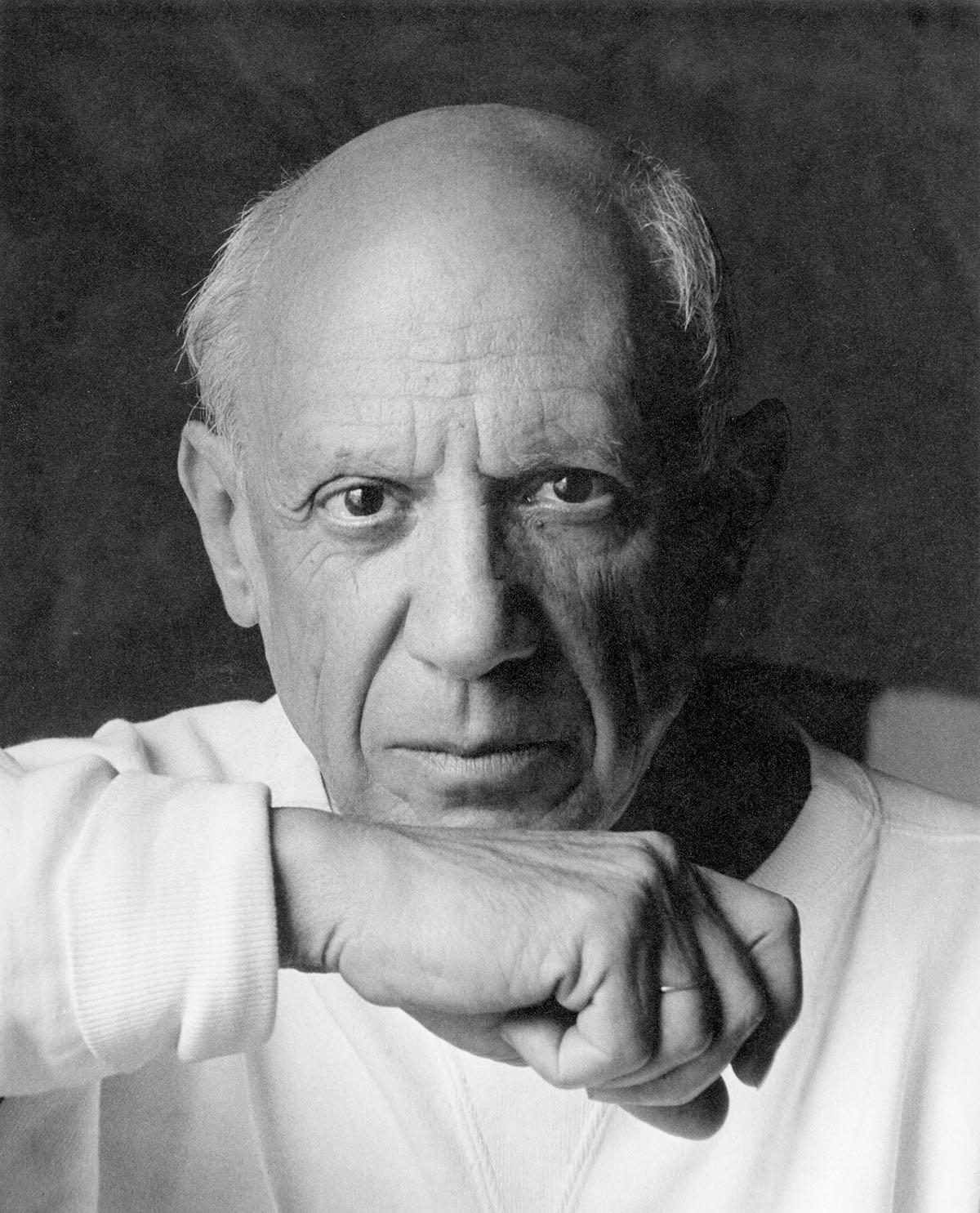
Pablo Ruiz Picasso, a Spanish artist renowned for his revolutionary contributions to the 20th-century art scene, is a figure that resonates profoundly with collectors and art experts. His unique blend of talents in painting, sculpture, printmaking, and ceramic art, infused with his time in France, positioned him as a pivotal character in modern art history.
Picasso's artistic journey was marked by distinct periods, each showcasing his evolving style and genius. His early years were characterized by the Blue Period (1901-1904), followed by the Rose Period (1904-1906), and then the African-influenced Period (1907-1909). Picasso's name is synonymous with Cubism, a movement he co-founded, which significantly altered artistic perspectives and methods. Works like "Les Demoiselles d'Avignon" (1907) and "Guernica" (1937) are emblematic of his cubist legacy, the latter being a poignant anti-war statement that remains influential.
His later years saw a return to more traditional styles, with neoclassical and surrealist influences becoming evident. Works from these phases reflect a deep engagement with mythological themes, as seen in "Faun with Stars" (1955), symbolizing his late-life romance with Jacqueline Roque, his second wife.
Picasso's prolific output and innovative spirit made him a legend in his own time, a status that only grew after his death. His works, housed in major museums and private collections worldwide, continue to captivate and inspire.
As a collector or expert in art and antiques, staying informed about Picasso's works, their auction events, and sales is essential. To stay updated on the latest developments and opportunities related to Pablo Picasso, sign up for our specialized updates. Rest assured, this subscription will focus solely on new product sales and auction events pertaining to Picasso's art, ensuring that you receive only the most relevant and valuable information.

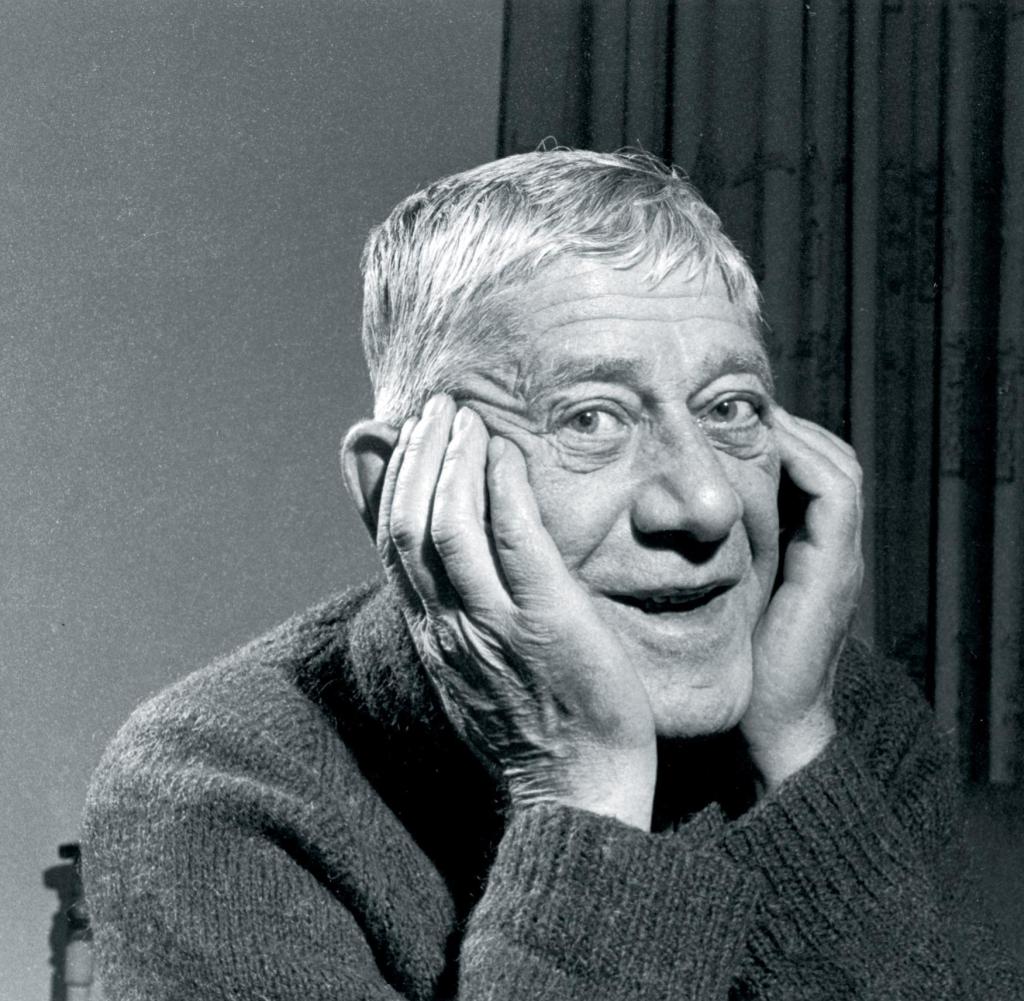
Oskar Kokoschka was an Austrian artist, poet, playwright, and teacher, renowned for his significant contributions to the Expressionist movement. Born on March 1, 1886, in Pöchlarn, Austria, Kokoschka's journey into the arts began against the backdrop of early 20th-century Vienna, a city vibrant with cultural ferment and avant-garde experimentation. Without formal training in painting, Kokoschka brought a unique perspective to his work, approaching the medium with a fresh, unencumbered eye that eschewed traditional methods in favor of intuitive, expressive techniques.
Kokoschka's early career was marked by an innovative approach to portraiture and landscape, characterized by intense expressionism and a deep psychological penetration of his subjects. His artistic philosophy was heavily influenced by 17th-century Czech humanist Jan Amos Comenius, from whom Kokoschka adopted the idea that learning and creativity flourish through sensory engagement and reasoning. This philosophy underpinned both his artistic output and his teaching methodology, which favored storytelling and the evocation of dramatic emotion over conventional art instruction.
Among Kokoschka's notable early works were his contributions to the Vienna Kunstschau and his involvement with the Wiener Werkstätte, which provided him opportunities to explore his artistic voice through various commissions, including postcards and illustrations for children's books. His autobiographical poem "Die träumenden Knaben" (The Dreaming Youths) and the related illustrations showcase his journey from Jugendstil to Expressionism, marking a pivotal moment in his career and in the development of modern art.
Kokoschka's tumultuous affair with Alma Mahler is well-documented, influencing some of his most acclaimed works, such as "The Bride of the Wind" (The Tempest), which vividly encapsulates their passionate, stormy relationship. This work, alongside others like "Portrait of a Young Girl" and "Knight Errant (Self-Portrait)", exemplifies Kokoschka's masterful use of color, form, and emotional intensity to convey complex psychological states and narratives.
Oskar Kokoschka's legacy as a pioneering figure in Expressionism is undisputed. His works continue to resonate with collectors and experts in art and antiques, not only for their aesthetic and emotional depth but also for their groundbreaking approach to visual storytelling and the exploration of the human condition. For those interested in the vibrant world of Expressionist art and the profound humanism of Kokoschka's oeuvre, signing up for updates on new product sales and auction events related to Oskar Kokoschka offers a unique opportunity to engage with the enduring impact of his work.

Pablo Ruiz Picasso, a Spanish artist renowned for his revolutionary contributions to the 20th-century art scene, is a figure that resonates profoundly with collectors and art experts. His unique blend of talents in painting, sculpture, printmaking, and ceramic art, infused with his time in France, positioned him as a pivotal character in modern art history.
Picasso's artistic journey was marked by distinct periods, each showcasing his evolving style and genius. His early years were characterized by the Blue Period (1901-1904), followed by the Rose Period (1904-1906), and then the African-influenced Period (1907-1909). Picasso's name is synonymous with Cubism, a movement he co-founded, which significantly altered artistic perspectives and methods. Works like "Les Demoiselles d'Avignon" (1907) and "Guernica" (1937) are emblematic of his cubist legacy, the latter being a poignant anti-war statement that remains influential.
His later years saw a return to more traditional styles, with neoclassical and surrealist influences becoming evident. Works from these phases reflect a deep engagement with mythological themes, as seen in "Faun with Stars" (1955), symbolizing his late-life romance with Jacqueline Roque, his second wife.
Picasso's prolific output and innovative spirit made him a legend in his own time, a status that only grew after his death. His works, housed in major museums and private collections worldwide, continue to captivate and inspire.
As a collector or expert in art and antiques, staying informed about Picasso's works, their auction events, and sales is essential. To stay updated on the latest developments and opportunities related to Pablo Picasso, sign up for our specialized updates. Rest assured, this subscription will focus solely on new product sales and auction events pertaining to Picasso's art, ensuring that you receive only the most relevant and valuable information.

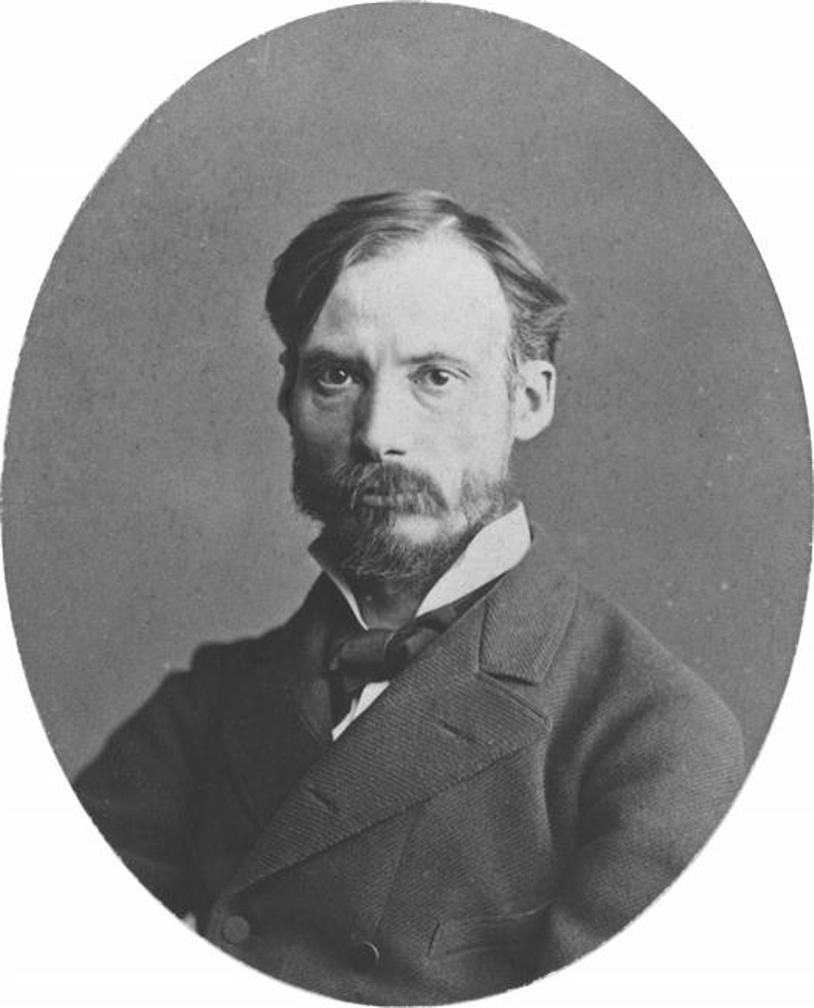
Pierre-Auguste Renoir was a French artist, celebrated as a pivotal figure in the development of the Impressionist movement. Born in Limoges, France, in 1841, Renoir's early experiences in Paris and his apprenticeship as a porcelain painter laid the foundation for his illustrious career in art. His transition to painting was marked by an early fascination with the play of light and color, which became a hallmark of his work. Renoir's paintings are renowned for their vibrant light and saturated color, often focusing on people in intimate and candid compositions. This focus on beauty and a particular affinity for capturing the sensuality of the female form distinguished his work from his contemporaries.
Renoir's contributions to Impressionism were significant, characterized by his use of bright colors and a technique that captured the movement and luminosity of the scene. His evolution as an artist saw him experimenting with a more linear and classical style, especially after his travels to Italy, where he was deeply influenced by the Renaissance masters. Despite facing personal challenges, including severe rheumatoid arthritis in his later years, Renoir's passion for painting never waned. His determination saw him adapting his painting technique to his physical limitations, ensuring that his creative output remained prolific until his death in 1919.
Among Renoir's notable works are "Bal du moulin de la Galette" (1876), "Luncheon of the Boating Party" (1880), and "Girls at the Piano" (1892). These masterpieces exemplify the essence of Impressionist art with their depiction of light, movement, and everyday life. Renoir's works are housed in prestigious museums around the world, serving as a testament to his enduring legacy in the realm of art.
For art collectors and experts, Renoir's oeuvre represents an essential segment of the Impressionist movement, offering insights into the evolution of modern art. His mastery in portraying the beauty of the moment and the depth of human emotion continues to captivate and inspire audiences worldwide.
If you are passionate about collecting or studying the works of Pierre-Auguste Renoir, we invite you to sign up for updates on new product sales and auction events related to this iconic artist. Stay informed about the opportunity to own a piece of art history and deepen your appreciation for the rich tapestry of culture and art that Renoir helped weave.

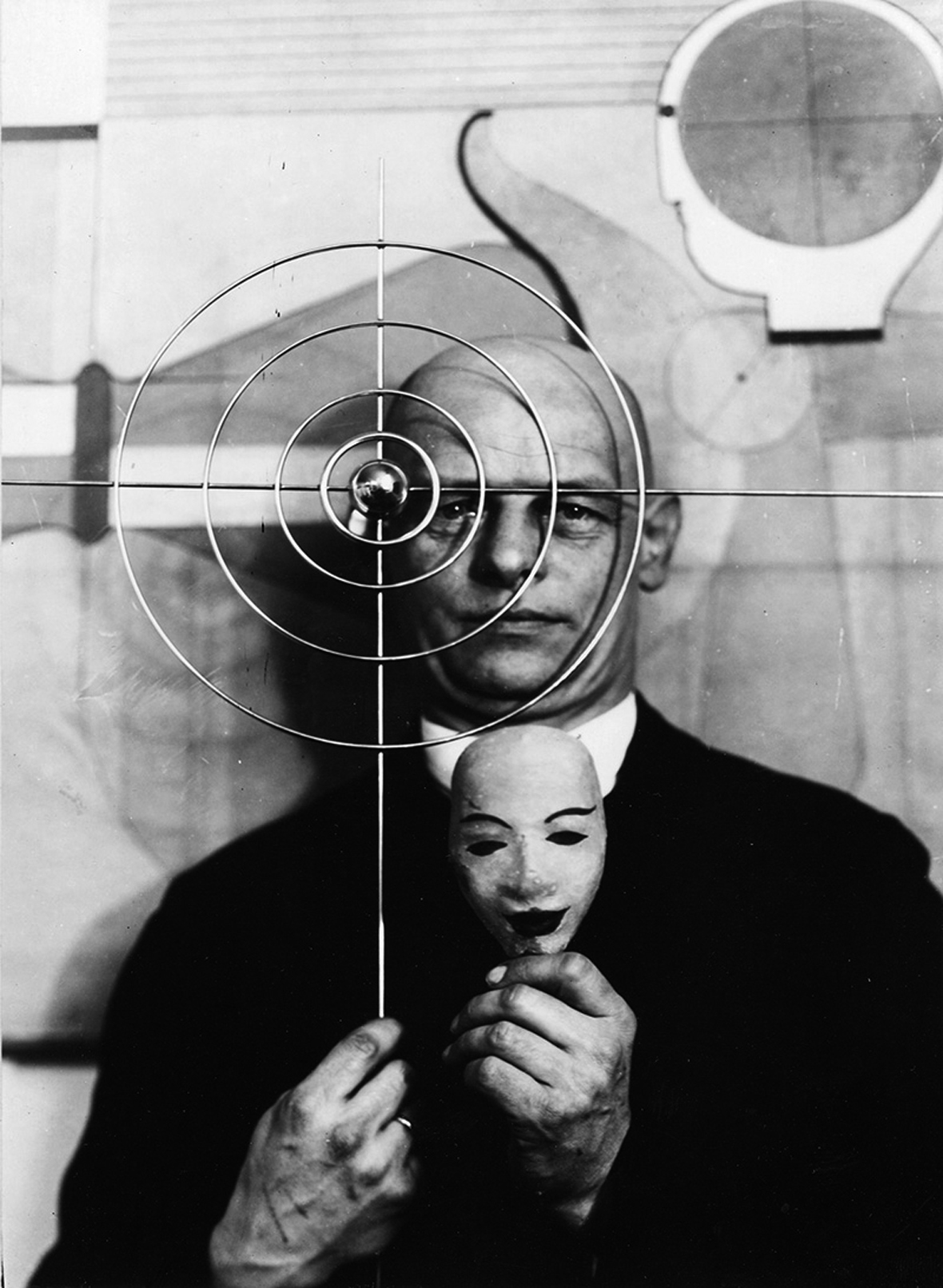
Oskar Schlemmer was a German artist, painter, sculptor, choreographer and designer, and was associated with the Bauhaus movement.
Schlemmer studied at the Kunstgewerbeschule in Stuttgart before becoming a student at the Bauhaus in Weimar in 1920. He taught at the Bauhaus from 1923 to 1929, and was the director of the theater workshop from 1924 to 1929. During this time, he developed a unique style that combined elements of sculpture, painting, and dance.
Schlemmer's work often explored the relationship between the human body and space, and he created a number of abstract figures and costumes for dance performances. He also created a series of sculptures and paintings that explored the idea of the "human condition" and the role of technology in society.
Schlemmer's work was considered controversial by the Nazis, who saw it as "degenerate art." He was forced to leave the Bauhaus in 1929, and his work was removed from public collections in Germany. Despite this, his work continued to be exhibited in Europe and the United States, and he is now considered one of the most important artists of the 20th century.

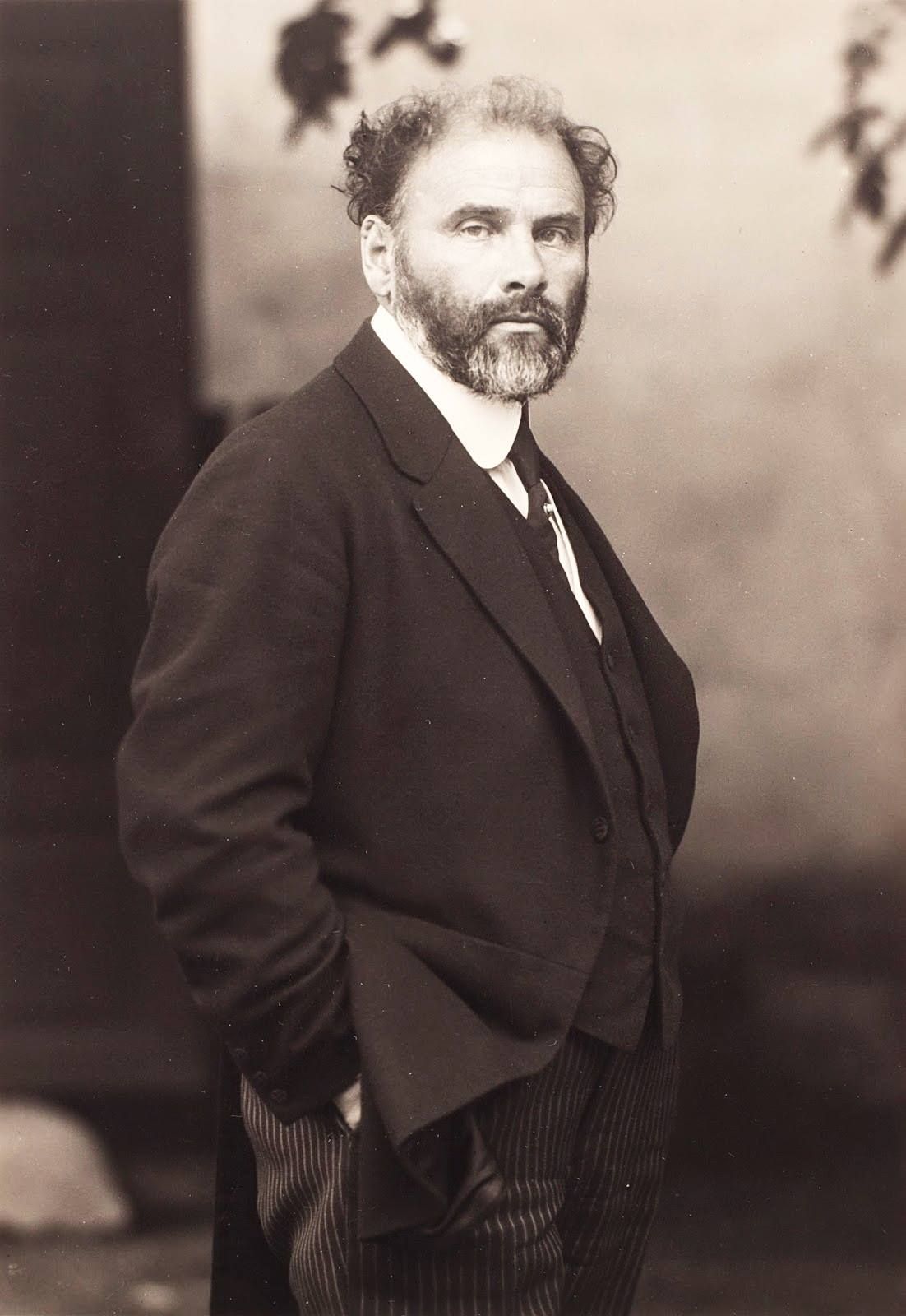
Gustav Klimt, an Austrian Symbolist painter, was a central figure in Vienna's Secession movement, known for his paintings, murals, sketches, and objets d'art. Born on July 14, 1862, in Baumgarten near Vienna, Klimt's early life was marked by financial hardship, but he showed artistic talent at a young age. He studied at Vienna's Kunstgewerbeschule, where he received a conservative education in architectural painting that influenced his early traditional works.
Klimt's path as an artist was evolutionary and controversial. Initially a successful painter of architectural decorations, his style evolved into a more personal and controversial form, especially after public criticism of his works for the Great Hall of the University of Vienna in 1900, which were deemed pornographic. This turning point led him to abandon public commissions and begin the so-called "golden period," characterized by the use of gold leaf in his work. Some of his most famous paintings, such as The Kiss and Portrait of Adele Bloch-Bauer I, which demonstrate a combination of Byzantine influence and modern symbolism, belong to this phase.
An important aspect of Klimt's career was his participation in the Vienna Secession, an art movement he co-founded in 1897. This movement, which had no manifesto, aimed to showcase unconventional artists and to bring foreign artistic influences to Vienna. Klimt was its first president and participated in the creation of the periodical Ver Sacrum.
Despite his artistic fame, Klimt led a relatively withdrawn lifestyle, often working alone and maintaining discreet personal relationships. Nevertheless, his legacy remains strong: his works fetch high prices at auction and continue to be celebrated for their innovative style and symbolic depth.
For collectors and art experts, Klimt's work represents a fascinating exploration of the evolution of Symbolism and Art Nouveau. His unique approach to form, color, and subject matter makes his work highly valued and constantly relevant in the art world.
If you are interested in keeping up to date with sales and auction events related to the works of Gustav Klimt, we recommend signing up for updates. This will ensure that you don't miss the opportunity to own a piece of this remarkable artist's history.

Bernard Buffet was a French artist renowned for his distinctive style of painting, printmaking, and sculpture. His work, characterized by expressive, angular lines and somber themes, has captivated collectors and art enthusiasts worldwide. Buffet's art, deeply influenced by the post-war period in France, reflects themes of despair, loneliness, and the human condition, often portrayed through his iconic clowns and desolate landscapes. His approach to art, marked by stark compositions and a vivid portrayal of existential angst, positioned him as a leading figure in the modern expressionist movement.
Buffet's career was meteoric from its onset; by his early twenties, he was celebrated alongside cultural icons of the time, earning him a spot among the "Fabulous Five" of post-war France. Despite his early acclaim, Buffet's later years were marked by controversy and a decline in popularity, as shifts in artistic trends and criticism over his lifestyle choices overshadowed his contributions. Nevertheless, his work remained prolific, with more than 8,000 paintings to his name, illustrating an unwavering commitment to his art until his tragic death in 1999.
Today, Bernard Buffet's legacy is undergoing a renaissance, with a renewed appreciation for his artistic achievements. Exhibitions and retrospectives across the globe, particularly in Japan and Europe, have reignited interest in his oeuvre, showcasing the enduring relevance of his work. Notably, the Bernard Buffet Museum in Japan, founded during his lifetime, stands as a testament to his impact and the global admiration for his art.
For collectors and experts in the field of art and antiques, Buffet's work offers a unique insight into the complexities of the human psyche and the existential dilemmas of the 20th century. His ability to evoke profound emotional responses through his distinctive visual language makes his work highly sought after in the art market today.
To stay informed about new product sales and auction events related to Bernard Buffet, we encourage you to sign up for updates. This subscription service is tailored specifically for enthusiasts keen on exploring the profound legacy of Bernard Buffet, ensuring you remain at the forefront of notable developments in the art world.

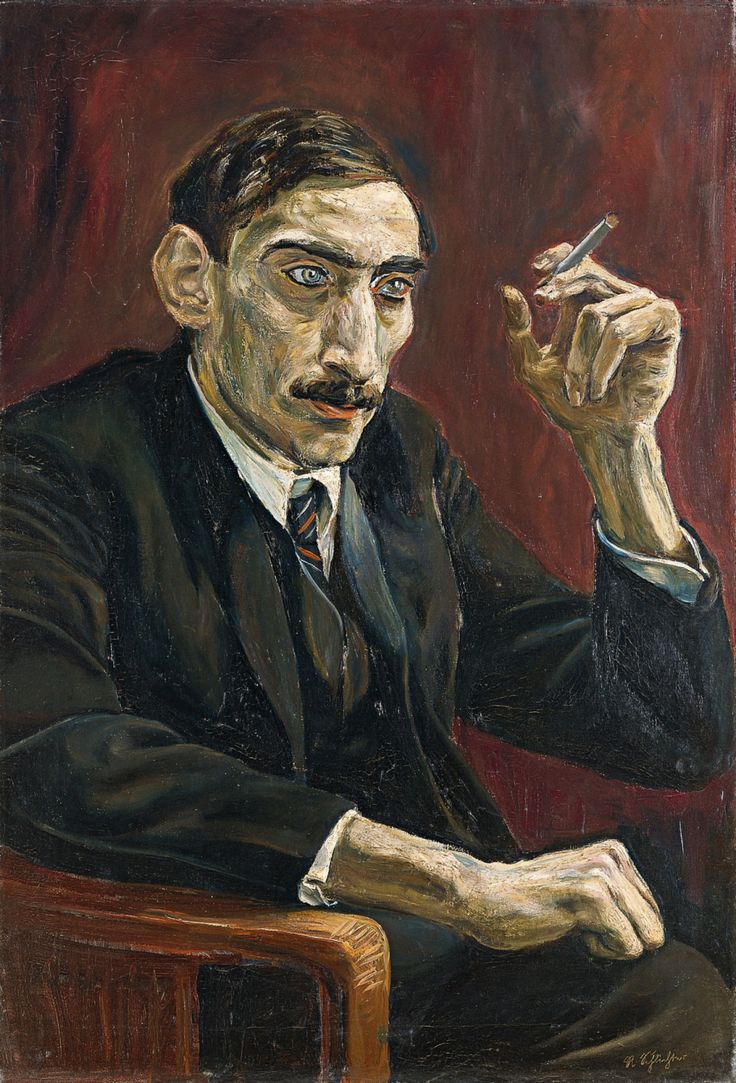
Rudolf Schlichter was a German painter and one of the most important representatives of the Neue Sachlichkeit (New Objectivity) movement.

Pierre-Auguste Renoir was a French artist, celebrated as a pivotal figure in the development of the Impressionist movement. Born in Limoges, France, in 1841, Renoir's early experiences in Paris and his apprenticeship as a porcelain painter laid the foundation for his illustrious career in art. His transition to painting was marked by an early fascination with the play of light and color, which became a hallmark of his work. Renoir's paintings are renowned for their vibrant light and saturated color, often focusing on people in intimate and candid compositions. This focus on beauty and a particular affinity for capturing the sensuality of the female form distinguished his work from his contemporaries.
Renoir's contributions to Impressionism were significant, characterized by his use of bright colors and a technique that captured the movement and luminosity of the scene. His evolution as an artist saw him experimenting with a more linear and classical style, especially after his travels to Italy, where he was deeply influenced by the Renaissance masters. Despite facing personal challenges, including severe rheumatoid arthritis in his later years, Renoir's passion for painting never waned. His determination saw him adapting his painting technique to his physical limitations, ensuring that his creative output remained prolific until his death in 1919.
Among Renoir's notable works are "Bal du moulin de la Galette" (1876), "Luncheon of the Boating Party" (1880), and "Girls at the Piano" (1892). These masterpieces exemplify the essence of Impressionist art with their depiction of light, movement, and everyday life. Renoir's works are housed in prestigious museums around the world, serving as a testament to his enduring legacy in the realm of art.
For art collectors and experts, Renoir's oeuvre represents an essential segment of the Impressionist movement, offering insights into the evolution of modern art. His mastery in portraying the beauty of the moment and the depth of human emotion continues to captivate and inspire audiences worldwide.
If you are passionate about collecting or studying the works of Pierre-Auguste Renoir, we invite you to sign up for updates on new product sales and auction events related to this iconic artist. Stay informed about the opportunity to own a piece of art history and deepen your appreciation for the rich tapestry of culture and art that Renoir helped weave.


Alexej Georgewitsch von Jawlensky (Russian: Алексе́й Гео́ргиевич Явле́нский), a prominent Russian painter active in Germany, is renowned for his significant contributions to the Expressionist movement. Born in Russia in 1864, Jawlensky's artistic journey led him to Germany, where his career flourished alongside contemporaries such as Wassily Kandinsky. His work is celebrated for its vibrant use of color and emotional depth, qualities that have established him as a key figure in modern art.
Jawlensky's art evolved through various phases, from early landscapes and portraits to his later, more abstract works. Perhaps most notable among these are his "Mystical Heads" and "Saviour's Faces" series, inspired by the spiritual iconography of his Russian heritage, and his "Abstract Heads," where he explored the synthesis of spiritual expression and modernist aesthetics. These series reflect Jawlensky's lifelong quest to capture the soul's essence through the human face, a theme that resonates throughout his oeuvre.
His legacy extends beyond his artistic output; Jawlensky's influence is evident in the formation of The Blue Four, a group that played a crucial role in promoting modern art in Europe and the United States. Despite facing severe arthritis in his later years, which eventually halted his ability to paint, Jawlensky's dedication to his craft remained unwavering. He dictated his memoirs, ensuring his artistic philosophies and insights were preserved for future generations.
Jawlensky's works are held in high esteem and are featured in prestigious collections worldwide, including the Museum Wiesbaden, which boasts the most extensive collection of his works in Europe. His contributions to art have been recognized posthumously through significant sales at auction and the establishment of the Jawlensky Award, which honors contemporary artists' achievements in his memory.
For collectors and art and antiques experts, Jawlensky's work offers a profound insight into the evolution of Expressionism and the enduring power of the visual arts to convey deep emotional and spiritual truths. His life and work continue to inspire and influence, a testament to his significant impact on the art world.
For those interested in exploring the depths of Expressionist art and the legacy of Alexej Georgewitsch von Jawlensky, staying informed about upcoming sales and auction events related to his work is invaluable. Signing up for updates can provide access to the latest opportunities to engage with his impactful and beautiful creations.

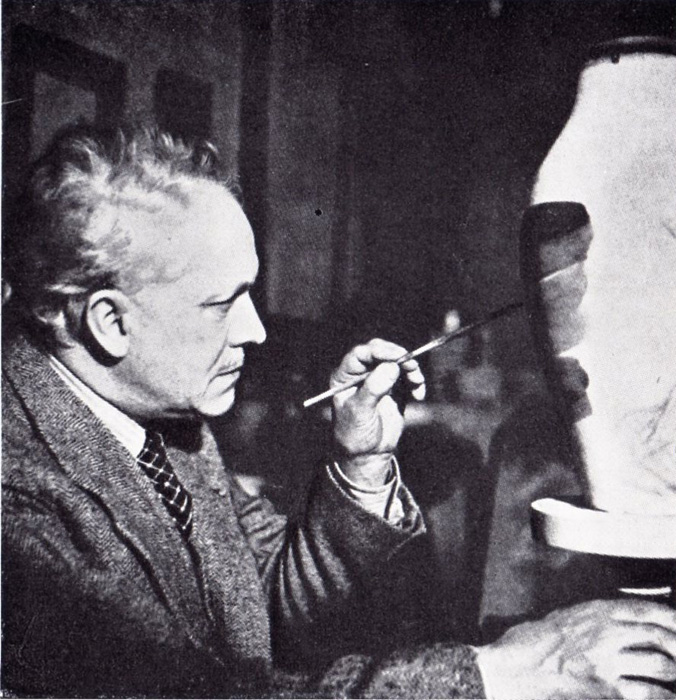
Raoul Dufy, a renowned French artist, is celebrated for his vibrant and decorative style, which left a significant mark in the realms of Fauvism and Post-Impressionism. Born in 1877 in Le Havre, France, Dufy's artistic journey was profoundly influenced by Henri Matisse's Fauvist work "Luxe, Calme et Volupté," which he encountered at the Salon des Indépendants in 1905. This experience steered him towards Fauvism, a style that emphasized bold contours and bright colors.
Dufy's artistic evolution saw him briefly embrace Cubism around 1920, after which he developed a unique approach. This approach, often referred to as stenographic, was characterized by skeletal structures, foreshortened perspectives, and the use of thin, quickly applied washes of color. His works, known for their cheerful and fashionably decorative nature, often depicted scenes of leisure like yachting, the French Riviera, and chic parties, capturing the essence of the period's optimism.
In addition to his painting, Dufy was also a commercial artist, illustrator, and designer, contributing significantly to textile design and public murals. His large-scale public art commissions combined modern and allegorical subjects with exuberant outlines and intense colors, showcasing a modernist take on traditional mural work. Notable works by Dufy include "The Regatta," "The Harvester," and the monumental "The Electricity Fairy," a large mural commissioned for the 1937 World's Fair in Paris.
His works are housed in prestigious public collections worldwide, including the Art Institute of Chicago, the Musée d'Art Moderne de Paris, and the National Gallery of Art in Washington, D.C. Despite his artistic achievements, Dufy's focus on decorative art and the lack of engagement with wider social concerns has led to a varied critical reception of his work. Nonetheless, his contribution to 20th-century art, particularly in popularizing a vibrant and illustrative style, remains undisputed.
If Raoul Dufy's artistry captivates you and you wish to stay informed about the latest artworks, exhibitions, and auction events related to this remarkable artist, we invite you to sign up for our updates. By subscribing, you'll receive timely notifications about new pieces for sale and upcoming auctions. This is a wonderful opportunity for collectors and art enthusiasts to enhance their appreciation and possibly their collections of Dufy's work. Stay connected with the world of art and don't miss any chance to acquire unique pieces by this celebrated artist.

Jules Pascin, born Julius Mordecai Pincas, was a Bulgarian-born American painter and draftsman. He studied art in Vienna, Munich, and Paris, where he settled in 1905.
Pascin became known for his portraits and nudes, which often featured elongated figures and fluid lines. He was also noted for his use of watercolors and his depictions of Parisian nightlife, cafes, and brothels. His work was influenced by the Fauvists and the German Expressionists.
Pascin was a member of the Montparnasse artistic community in Paris, and he was friends with many of the leading artists and writers of the day, including Pablo Picasso, Henri Matisse, and Ernest Hemingway. He was married twice, but his personal life was marked by numerous affairs and a struggle with alcoholism.
His work is held in many major collections, including the Museum of Modern Art in New York and the Art Institute of Chicago.

.jfif)
Camille Pissarro, a Danish-French artist, was a linchpin of the Impressionist and Neo-Impressionist movements. Born in 1830 on the island of St. Thomas, Pissarro's Jewish-Portuguese heritage and upbringing in the Danish West Indies infused his work with a unique perspective. He is celebrated for his depictions of rural and urban French life, particularly his landscapes that eschew artifice, highlighting the simple beauty of the natural world and the dignity of common people.
Pissarro's influence on the art world was profound. Not only was he a central figure in the Impressionist movement, helping to organize the collective's exhibitions, but he also mentored future Post-Impressionist masters like Cézanne, Gauguin, and van Gogh. His colleagues revered him for his wisdom, balance, and warmhearted nature. Pissarro's dedication to the Impressionist ethos was unparalleled; he was the only artist to exhibit in all eight Paris Impressionist exhibitions from 1874 to 1886.
Among his notable works, Pissarro's 'Hay Harvest at Eragny' (1887) exemplifies his shift towards Neo-Impressionism. This piece, housed at the Van Gogh Museum in Amsterdam, showcases his exploration of tonal values and pointillism. Another poignant work, 'Jeanne Holding a Fan', captures the fragile beauty of his young daughter during her illness, and is a testament to his ability to convey deep personal emotion through art. This work is displayed at The Ashmolean Museum in Oxford.
For art collectors and enthusiasts, Pissarro's works remain a testament to the transformative power of Impressionism and its impact on modern art. His paintings, characterized by their revolutionary depictions of everyday life and nature, continue to be celebrated in major museums around the world.
To stay informed about upcoming sales and auction events featuring works by Camille Pissarro, sign up for our updates. This subscription is an opportunity for collectors and art experts to connect with the enduring legacy of one of Impressionism's pivotal figures.