

Germany — buy now














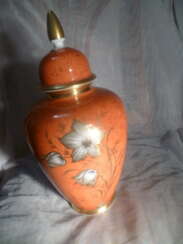

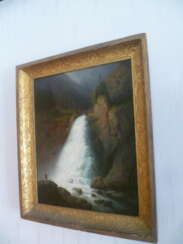

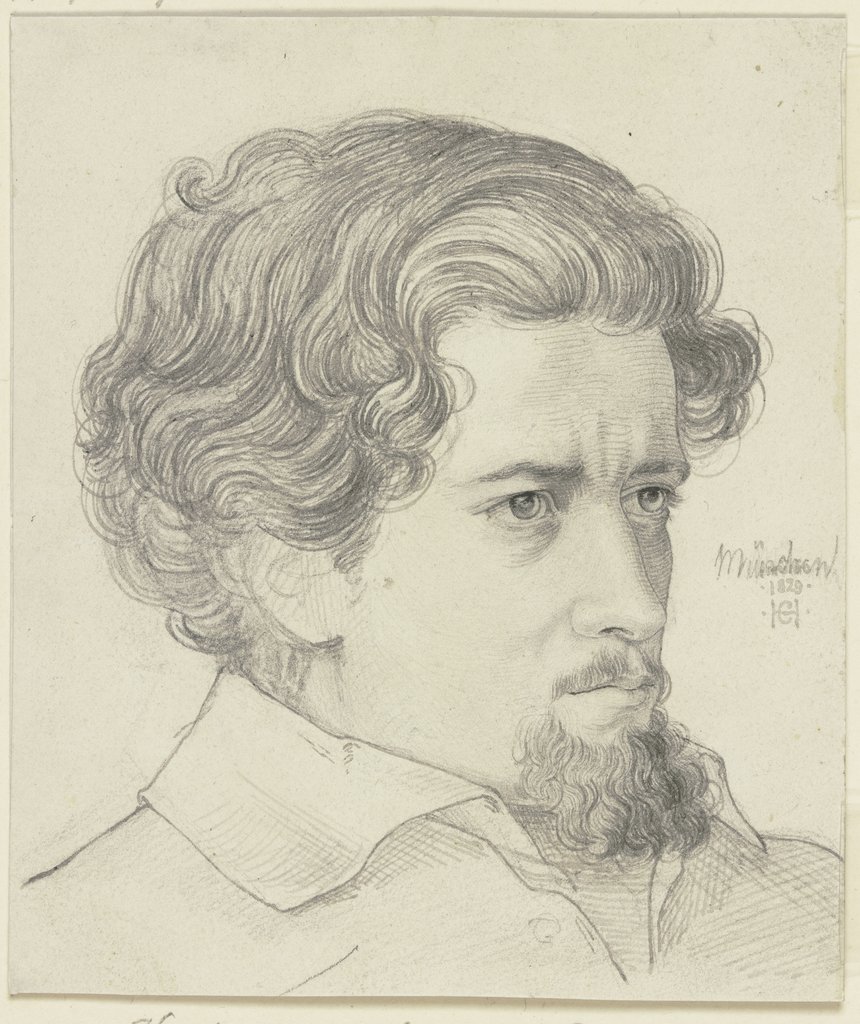
Kaspar Heinrich Merz was a Swiss draftsman and copper and steel engraver. From 1821, with the help of "a few patrons", he was "apprenticed" to the copper engraver Johann Jakob Lips in Zurich for four years. He also worked as an engraver for the magazine Historical Entertainment. Merz had also acquired a reputation for his color engravings, some of which he created over years of individual work.
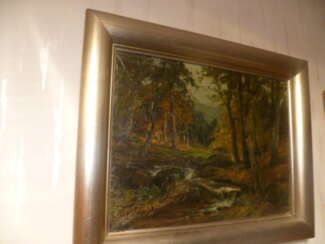









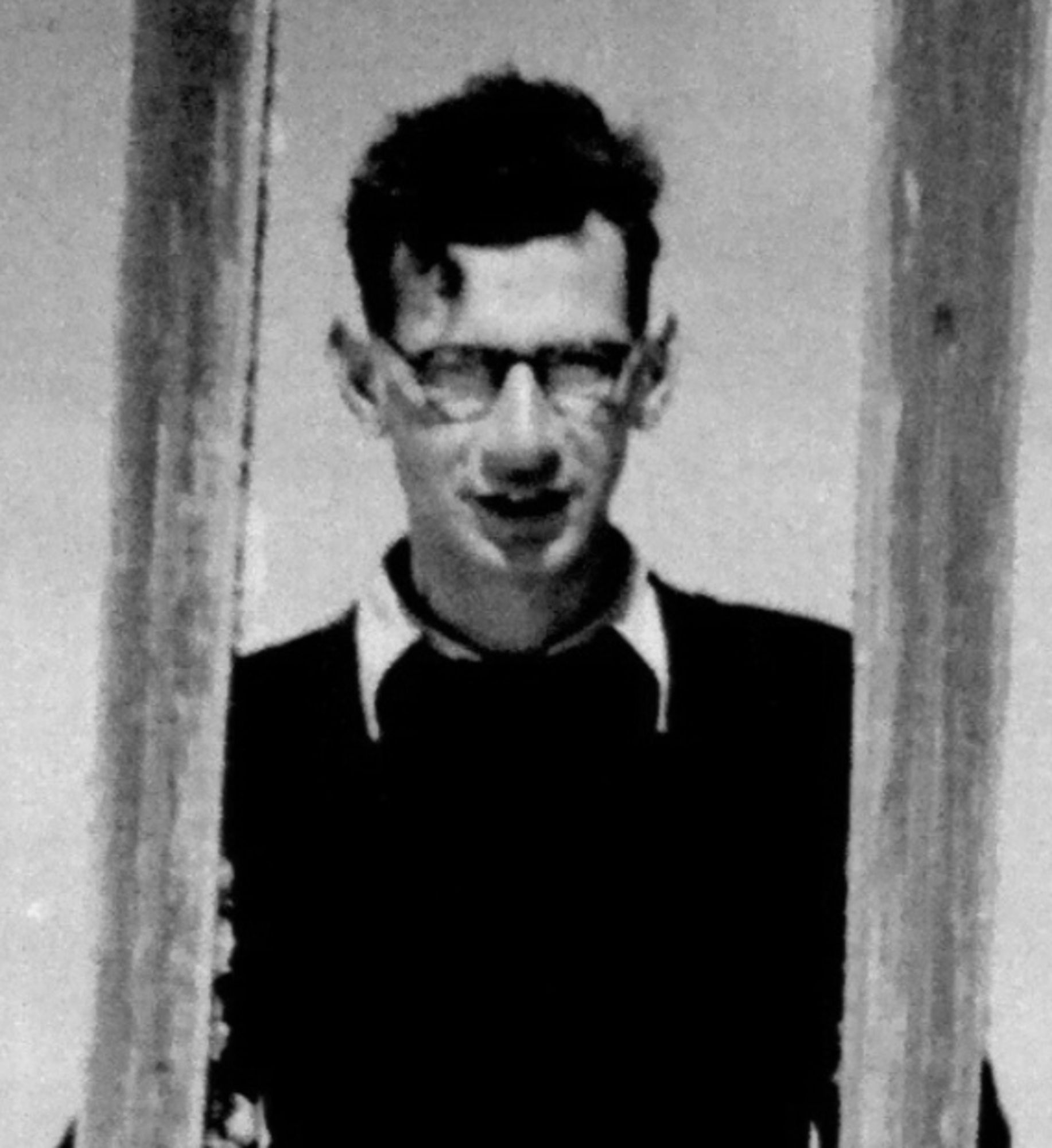
Rudolf Grossmann (German: Rudolf Grossmann, or Großmann), full name Rudolf Wilhelm Walther Grossmann, was a German painter, draftsman, illustrator and graphic artist.
Born into an artistic family, Grossmann began his education in painting and printmaking at the Düsseldorf Academy before continuing his studies in Paris with Lucien Simon and Pouleroz. Among his best-known works are various portrait drawings of celebrities, notably those published in the satirical periodical Simplicissimus; he was also known for his book illustrations. Grossmann began publishing his prints in 1905, and many major publishers in Germany and France commissioned his work. He later concentrated on figurative works and urban scenes, which showed the influence of Cézanne and Pasquin.
From 1928 until Hitler's Nazi Party came to power, Grossmann taught at the Berlin Royal School of Art and was a member of the Berlin Secession and the Deutsche Kunstlerbund. In 1934, his work, like that of many of his colleagues, was stigmatized as degenerate and confiscated by the Nazi government, and he was disbarred from practicing his profession. He soon left for Freiberg im Beisgau, where he died on November 28, 1941.



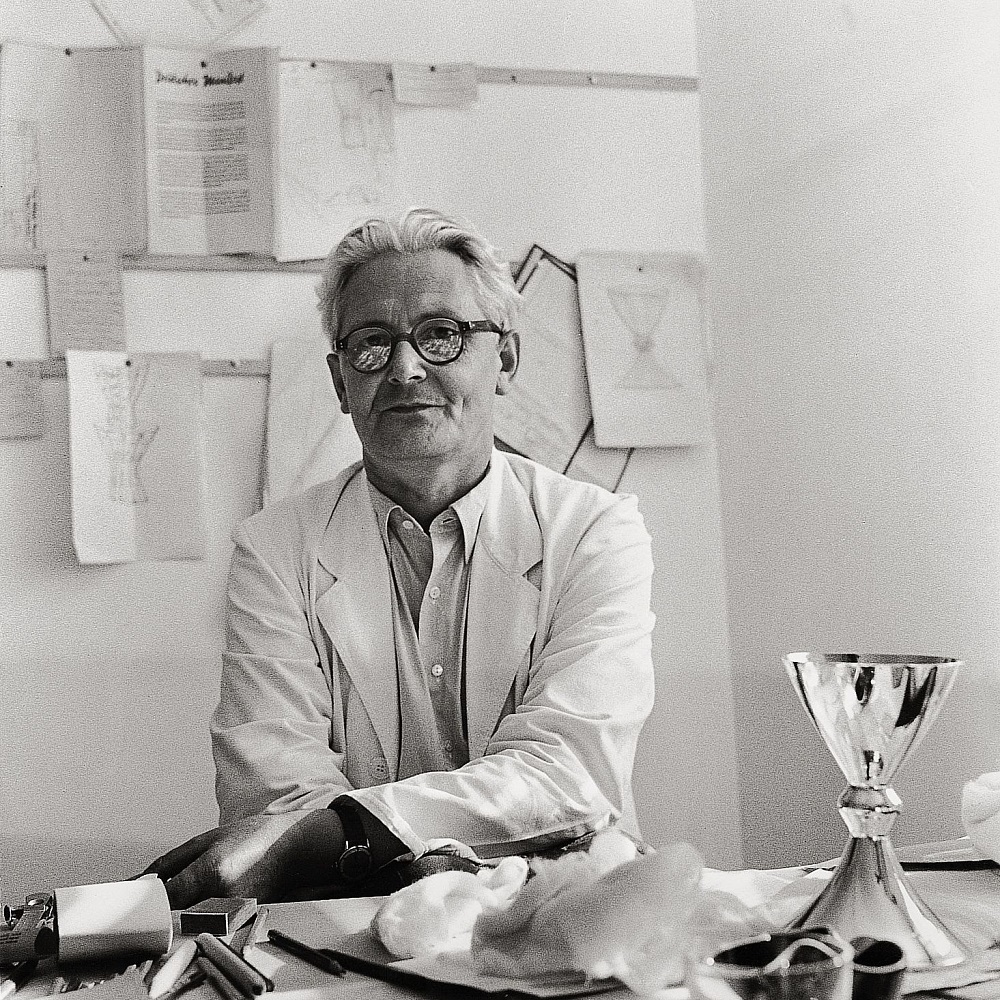
Wilhelm Wagenfeld was a German industrial designer and former student of the Bauhaus art school. He designed glass and metal works for the Jenaer Glaswerk Schott & Gen., the Vereinigte Lausitzer Glaswerke in Weißwasser, Rosenthal, Braun GmbH and WMF. Some of his designs are still produced to this day.


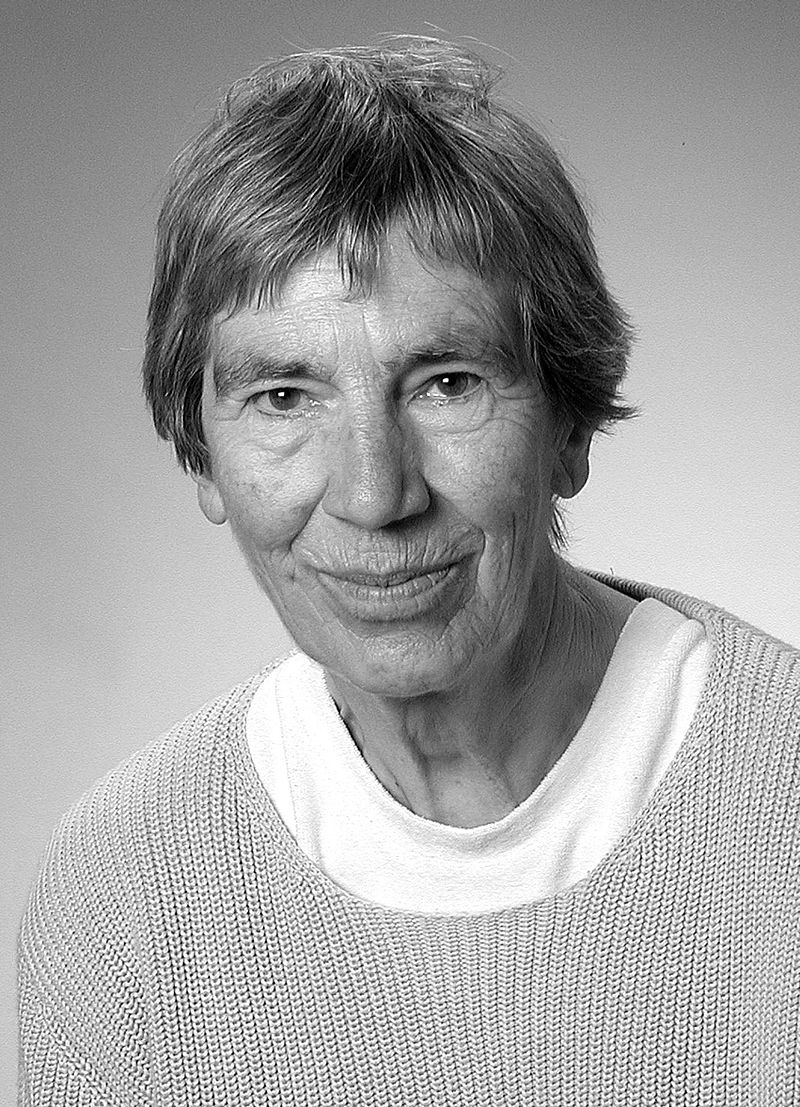
Beate Kuhn is a German ceramic sculptor.
She had an unprecedented influence on the development of German ceramics after the war, when in the mid-1960s she abandoned utilitarian ceramics in favor of free art.
After graduating from the Werkkunstschule in Wiesbaden, she founded her own workshop in Düdelsheim in 1957, developing a style that was already unmistakably her own. Here Beate Kuhn's sculptures were created from individual hand-carved and chiseled elements, which she assembled into a coherent whole. She transferred this stylistic principle of stringing geometric bodies to her designs of large-scale ceramic fountains. The artist's characteristic work can be found in every outstanding collection. The enormous number of prizes awarded to her underscores the recognition and appreciation she has enjoyed.

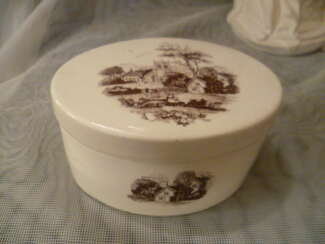

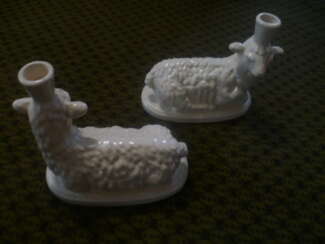





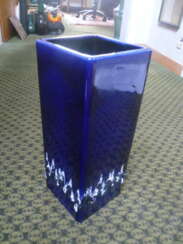

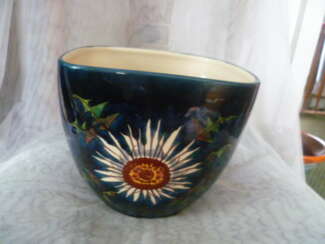

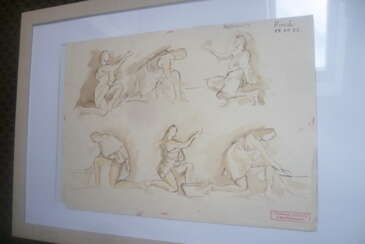

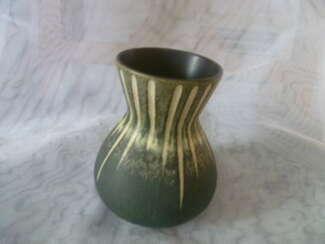

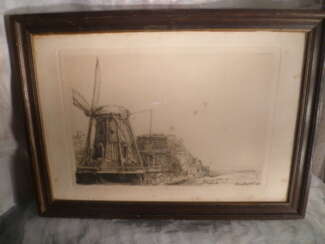


Rembrandt Harmenszoon van Rijn, a Dutch Baroque painter and printmaker, was born on July 15, 1606, in Leiden, Netherlands, and died on October 4, 1669, in Amsterdam. He is celebrated as one of the greatest storytellers in art history, acclaimed for his adept portrayal of human emotions and dramatic narratives. Rembrandt's extensive oeuvre includes portraits, self-portraits, landscapes, genre scenes, allegorical, historical, and biblical themes, as well as animal studies. His artistry shined during the Dutch Golden Age, a period marked by cultural and scientific achievements in the Netherlands.
Rembrandt's education in art began around the age of 10 when he left the Latin School in Leiden to train as an artist. He apprenticed with artists like Jacob van Swanenburg and Pieter Lastman, mastering various aspects of painting. He opened his own studio in Leiden around 1624 or 1625, sharing it with his colleague Jan Lievens. By 1631, he had moved to Amsterdam, where he achieved significant success and trained many important Dutch painters.
Among Rembrandt's notable works are "The Anatomy Lesson of Dr. Nicolaes Tulp" (1632), "The Night Watch" (1642), and "The Syndics of the Amsterdam Drapers’ Guild" (1662). He was also renowned for his self-portraits, creating around 80 over his lifetime, more than any other artist until the 20th century. These self-portraits were not just artistic endeavors but also experiments with facial expressions and lighting effects. Additionally, Rembrandt was a master etcher, transforming etching from a reproductive technique into an art form.
Rembrandt's painting style is characterized by its dramatic use of light and shadow, known as chiaroscuro. His ability to depict materials realistically was unparalleled; his portrayal of metals and fabrics was so lifelike that they appeared to glow and be tangible. He was also known for his impasto technique, applying paint thickly to the canvas, adding a three-dimensional quality to his works.
Despite his artistic prowess, Rembrandt faced financial difficulties and personal tragedies throughout his life. He declared bankruptcy in 1656, a downfall attributed partly to his extensive collection of art objects and curiosities. His masterpieces, however, continued to garner appreciation and influence generations of artists that followed.
For collectors and experts in art and antiques, Rembrandt's works represent a pinnacle of artistic achievement in the Dutch Golden Age. His mastery in portraying the human condition and his innovative techniques in painting and etching make his works highly prized and influential in the art world.
To stay updated on new product sales and auction events related to Rembrandt van Rijn, sign up for our updates. This subscription service is dedicated exclusively to news and events concerning works related to this unparalleled master of the Dutch Golden Age.