

Brescia School
Brescia School
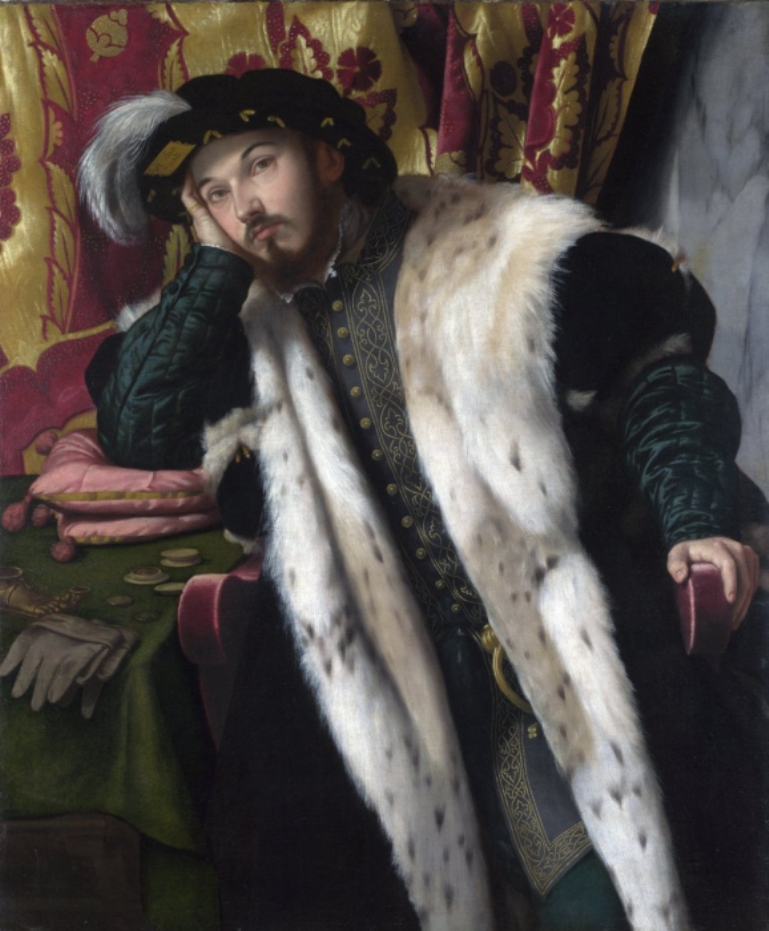
The Brescian School, an influential art movement, originated in the vibrant city of Brescia, Italy, during the Renaissance. This school is known for its unique contributions to Italian art, especially in the 15th century. The founder of this movement was Vincenzo Foppa, who moved to Brescia in 1489 and remained there until his death around 1515. Foppa's work was strongly influenced by Renaissance innovations, especially Leonardo da Vinci, but he retained an "archaizing" style. His outstanding works, such as the Pala della Mercanzia and the Nativity of Jesus in Chiesanuova, demonstrate a reworking of artistic language, combining traditional elements with Renaissance innovations.
Another key figure of the Brescian School was Floriano Ferramola, who was highly influential in the early sixteenth century. His works, especially his frescoes, were widely distributed in various monasteries and noble palaces in Brescia. Ferramola's narrative style and use of chromatic tones had a significant influence on the next generation of artists, including Moretto.
The Brescian school also extended its influence to musical instruments, especially violin making. Gaspar Bertolotti, born in 1540, was a prominent figure in this aspect of the Brescian School. He was known for his variety of stringed instruments, from the zither to the cello. His workshop, active and flourishing, contributed significantly to the heritage of the craft of stringed instrument making in Brescia.
Brescia's rich cultural heritage confirms its status as a UNESCO World Heritage Site. The city and its province are home to historic treasures such as the Vittoriale degli Itali, the Gabriele D'Annunzio House Museum and the city's two remarkable cathedrals.
For collectors, auctioneers and experts in art and antiques, understanding the contributions of the Brescia school opens a window into a crucial period of Italian Renaissance art and toolmaking craftsmanship. If you are interested in keeping up to date with all sales, auctions and events, sign up for our updates.
| Country: | Europe, Italy |
|---|---|
| Start of the period: | XVI century |
| End of the period: | XVII century |

