

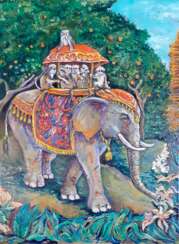



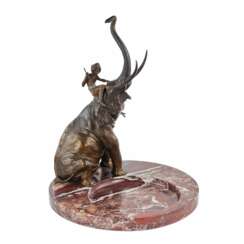

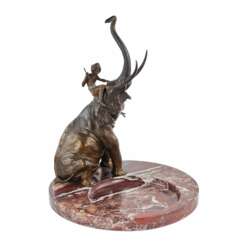




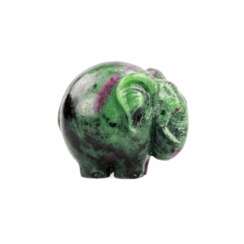


éléphant


Ulrich Rückriem is a German sculptor known for his large-scale stone sculptures that are often displayed in public spaces. He studied at the Werkkunstschule Krefeld and the Kunstakademie Düsseldorf.
Rückriem's early work was influenced by the Minimalist movement, and he became known for creating abstract, geometric sculptures from raw stone blocks. He often works with granite, basalt, and other types of hard stone, using traditional carving techniques to shape and refine his forms.
In the 1970s, Rückriem began creating large-scale public installations, including his "Stone Alignments" series, which consists of rows of standing stones that evoke ancient megaliths and other prehistoric monuments. His work often engages with the natural environment, creating a dialogue between the man-made and the organic.
Rückriem has exhibited his work in museums and galleries around the world, including the Tate Gallery in London, the Solomon R. Guggenheim Museum in New York, and the Kunstmuseum Bonn in Germany. He has also received numerous awards and honors for his contributions to the field of sculpture, including the International Sculpture Prize in 1987 and the Praemium Imperiale in 2010.


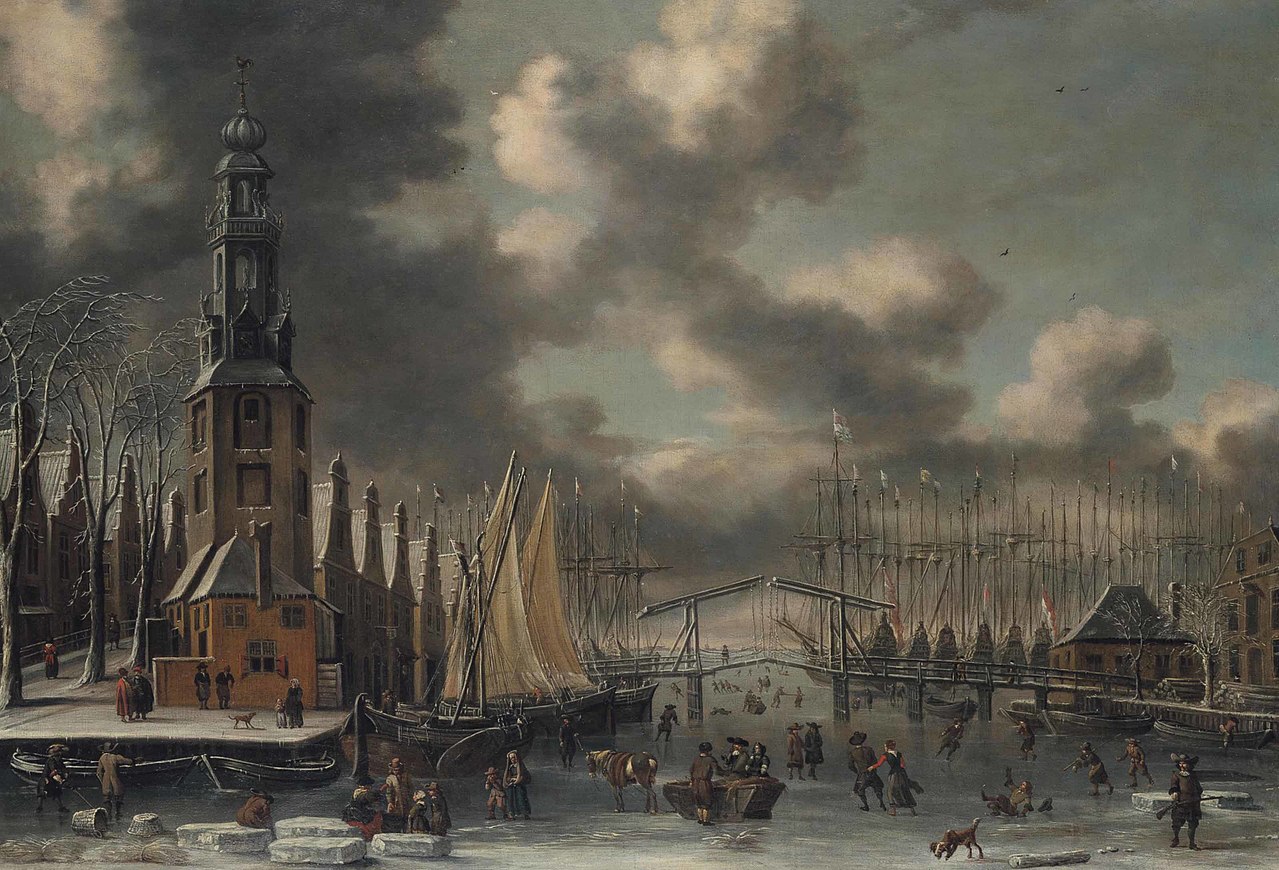
Thomas Heeremans was a Dutch painter and art dealer. He is known for his landscapes of winter scenes, cityscapes, harbor scenes, beach views, river views and village scenes. He was influenced by Klaes Molenaer, a slightly older painter also from Haarlem.


Heinz Werner was a German painter, graphic artist and porcelain artist. He lived and worked in Coswig and Meissen in Saxony.
Together with Ludwig Zepner and Peter Strang, he founded the Collective Artistic Development Department of the Meissen Manufactory.
Heinz Werner designed around 100 modern Meissen décors, including such popular ones as 1001 Nights, Midsummer Night's Dream, Blue Orchid on Branch and Hunter's Latin. Heinz Werner also created numerous unique pieces for the Meissen manufactory. There are several murals made of Meissen porcelain by the artist on and in public buildings. He mastered all artistic techniques. In addition to working with porcelain as a material, he especially cultivated watercolour, chalk and painting with oil and acrylic paints.