119 Items by auctions and galleries:
child & children


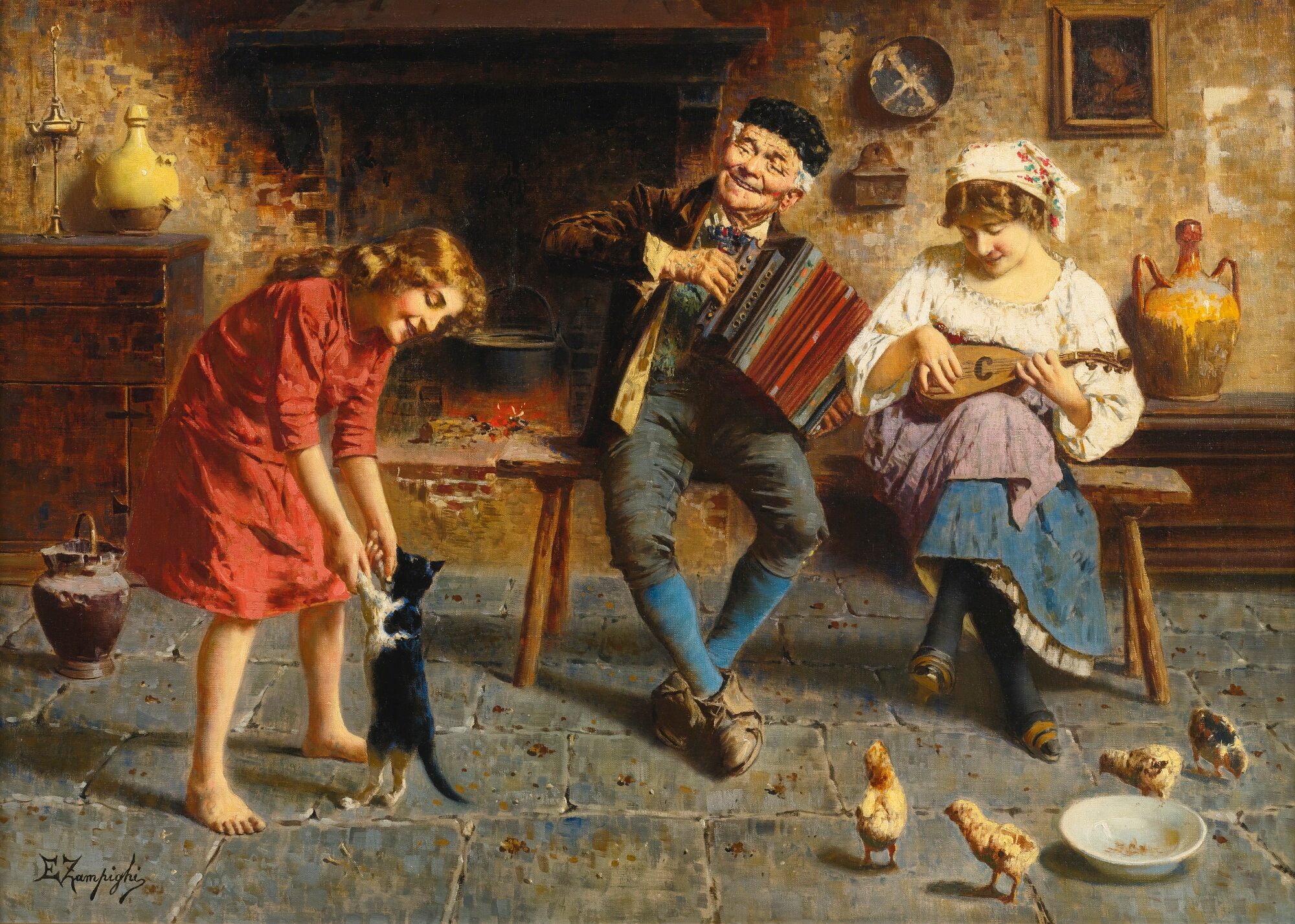




Фарфор, роспись. Германия, Гоебель,
Tatjana Jansberga (b. 1967)  Shop Jansberga Tatjana
Tatjana Jansberga
18.11.1967
Germany
Здравствуйте! В 2003 году, по семейным обстоятельствам, переехала из Риги (Латвия) в Дюссельдорф. Пишу картины на заказ, этим и зарабатываю. Работы находятся в частных собраниях Латвии, Германии, ЮАР
Участвовала на Ярмарке искусств «ArtExpoSPb 2015» Санкт-Петербург.
Участвовала на Ярмарке искусств "Hildener Künstlermarkt" Хилден, Германия, 2016.
Участвовала в выставке "Italian Style" PALAZZO VERSACE, DUBAI 2016.
Участвовала на Ярмарке искусств c "Hildener Künstlermarkt" Хилден, Германия, 2018.
Artist shop
Jansberga Tatjana
Germany
Number of products: 19


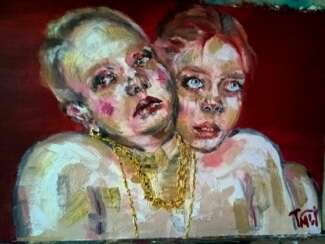

Мировоззрение
Maryna Horbatyuk (b. 2001)  Shop Horbatyuk Maryna
Maryna Horbatyuk
22.06.2001
Ukraine
Мне 19, рисованием увлекалась с детства, но не было возможности посещать художественную школу. Активно рисую уже год. Хочу продать некоторые работы, чтоб заработать на холсты и краски
Artist shop
Horbatyuk Maryna
Ukraine
Number of products: 5
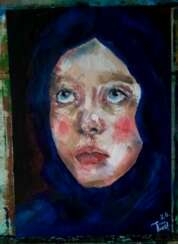

Молитва
Maryna Horbatyuk (b. 2001)
Shop Horbatyuk Maryna
Maryna Horbatyuk
22.06.2001
Ukraine
Мне 19, рисованием увлекалась с детства, но не было возможности посещать художественную школу. Активно рисую уже год. Хочу продать некоторые работы, чтоб заработать на холсты и краски
Artist shop
Horbatyuk Maryna
Ukraine
Number of products: 5
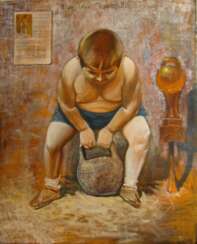





Бурлюк и птица Хо
Igor Komornyy (b. 1962) 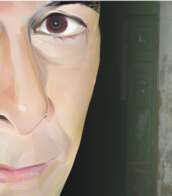 Shop Komornyy Igor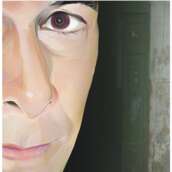
Igor Komornyy
22.11.1962
Russia
Я родился в 1962 году в морском порту Владивосток, который находится на берегу Тихого океана и окружен Японским морем со всех сторон.
В 1980 году окончил среднюю школу. Посетил художественную студию. В 1981 году поступил во Владивостокское художественное училище.. После службы в морской авиации с 1984 по 1989 год продолжил обучение в художественном училище.
В 2001 год начал самостоятельно изучать различные графические программы Corel DRAW / 3 ds MAX / Photoshop и другие.
Работал дизайнером. С 1994 по 1998 год директор компании «Кром-дизайн».
В 2001 открыл частную рекламную компанию до 2008 года, занимался рекламой.
Последние несколько лет я занимаюсь только изобразительным искусством. Живопись / графика.
Выставки:
В 1994 году участвовал в «Региональной молодежной выставке».
В 2001 году штат Северная Каролина выставил работы в США в Гринсборо в Veiw на галереях Elm. Две работы из серии Megacity были приобретены частным коллектором.
2015 год участвовал в Региональной выставке 155 лет во Владивостоке. Работа «Деньги» приводится в каталоге выставки.
2015 год участвовал в рождественской городской выставке в Приморском каравайском фонде союза художников. Работы приводятся в каталоге.
В 2016 году участие в выставке 156 лет во Владивостоке. В каталоге приводится работа «Бурлюк и птица Хуо».
В 2016 участвовал в «Осенней региональной выставке».
В 2016 году участие в Фестивале изобразительных искусств «Мир за зеркалом». В Дальневосточном федеральном университете на острове «Русский».
В 2016 году участие в региональной выставке «Искусство графики» в Приморском региональном офисе «Союз художников России». В каталоге приводится работа «Капитализация пространства».
Я загружаю работы в различные федеральные интернет-сайты.
С конца 2016 года начал отправлять работы в Интернете для участия в различных международных выставках и конкурсах
Artist shop
Komornyy Igor
Russia
Number of products: 8


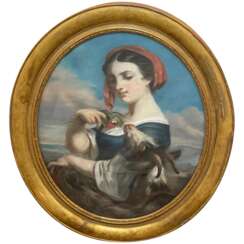

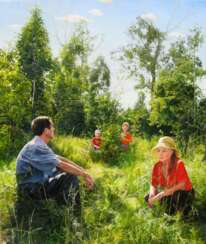






Lot 1314 Hubert Salentin. Grandmother's Birthday
Hubert Zalentin (1822 - 1910) 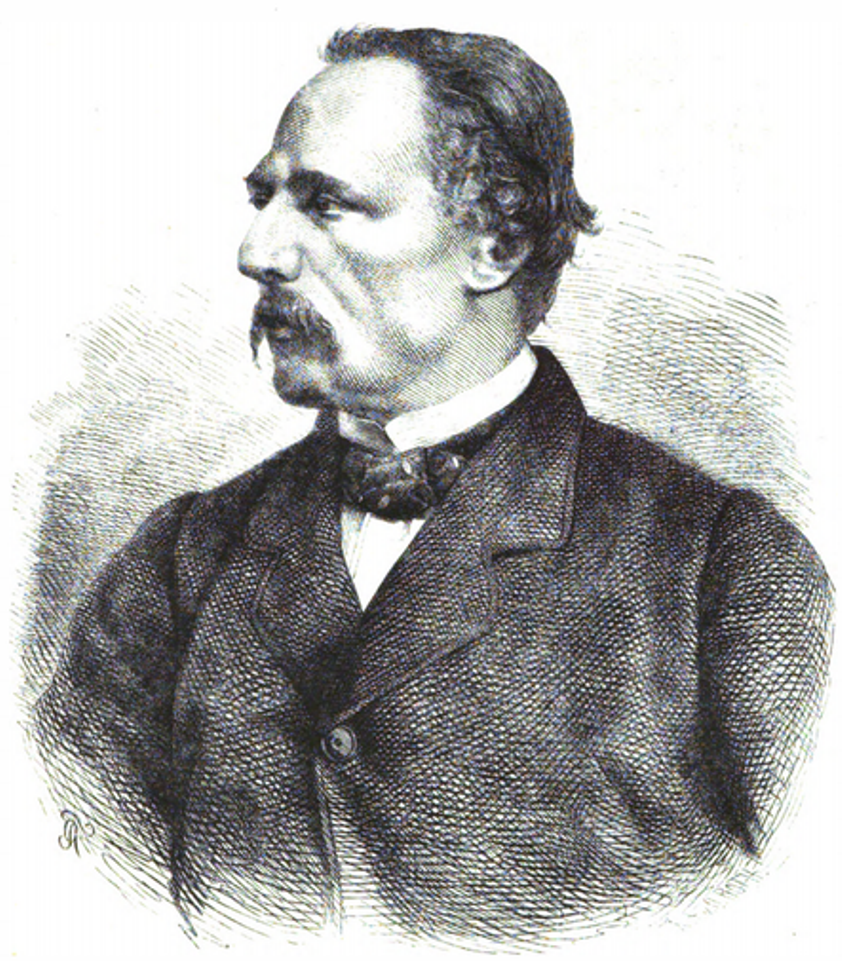 A548: Fine Art
Hubert Zalentin
15.01.1822 - 07.07.1910
Germany
Hubert Salentin was a German genre painter.
He studied painting at the Düsseldorf Academy of Art. Salentin became famous for his interesting paintings depicting scenes from rural life in West Germany, often with children and in nature.
VAN HAM Kunstauktionen GmbH
A548: Fine Art
Date: 22.05.2026 15:00 UTC +02:00
Number of lots in the catalog: 193