ernst, max

Max Pechstein, a German Expressionist painter and printmaker, was a significant figure in the art world known for his vibrant use of color and dynamic compositions. Born in Zwickau in 1881, Pechstein's journey into the realms of expressionism began with his training as a decorator's apprentice before moving to Dresden to further his studies at the Kunstgewerbeschule. His career took a pivotal turn in 1906 when he met Erich Heckel and joined the Die Brücke group, alongside other notable artists such as Ernst Ludwig Kirchner and Karl Schmidt-Rottluff, which marked the beginning of his foray into revolutionary art and expressionism.
Pechstein's art was not just confined to painting; he was also a master printmaker, with a prolific output that included 421 lithographs, 315 woodcuts and linocuts, and 165 intaglio prints, predominantly etchings. His works often depicted scenes from nature, social gatherings, and elements of primitive art, reflecting his interest in the raw and unrefined aspects of culture and humanity. This diverse body of work was recognized for its bold innovation and unique perspective, which significantly contributed to the expressionist movement.
The Nazis' rise to power in 1933 had a profound impact on Pechstein's career. His works were deemed degenerate, and he faced severe repression, including the removal of 326 of his paintings from German museums and his dismissal from his teaching position at the Preussische Akademie der Künste. Despite these challenges, Pechstein's legacy endured, and after World War II, he was reinstated to his teaching post and received numerous accolades for his contributions to art.
Pechstein's works are held in high esteem in museums and galleries worldwide. Notably, his etchings, which depicted the grim realities of war, are housed in the Imperial War Museum in London, showcasing his ability to convey profound emotional and psychological experiences through art. Additionally, his painting "Summer in Nidden," which captures the idyllic beauty of the Baltic coast, is part of the collection at the Museo Nacional Thyssen-Bornemisza in Madrid, illustrating his love for natural landscapes and vibrant, expressive use of color.
For collectors and experts in art and antiques, Hermann Max Pechstein's works offer a fascinating glimpse into the early 20th-century expressionist movement, characterized by a bold exploration of color, form, and social commentary. His contributions to modern art are invaluable, providing insight into the cultural and historical context of his time.
To stay informed about new product sales and auction events related to Hermann Max Pechstein, we invite you to sign up for updates. This subscription will ensure that you are the first to know about opportunities to acquire works by this influential artist, allowing you to add to your collection of significant expressionist art.


Max Liebermann was a German painter and printmaker, and one of the leading proponents of Impressionism in Germany and continental Europe. In addition to his activity as an artist, he also assembled an important collection of French Impressionist works.


Ernst Fuchs was an Austrian painter, draftsman, printmaker, sculptor, architect, stage designer, composer, poet, and one of the founders of the Vienna School of Fantastic Realism. In 1972, he acquired the derelict Otto Wagner Villa in Hütteldorf, which he restored and transformed. The villa was inaugurated as the Ernst Fuchs Museum in 1988.

.jpg)
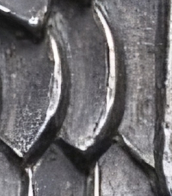
Max Ernst was a pivotal figure in the 20th-century art world, whose work transcended the boundaries of nationality and genre to leave an indelible mark on culture, art, sculpture, and painting. Born in Germany on April 2, 1891, and later becoming a naturalized American and French citizen, Ernst's career was a testament to his relentless innovation and creativity. Known primarily as an artist and painter, Ernst was a founding member of the Dada movement in Cologne before becoming a major proponent of Surrealism in Paris. His early encounters with the works of Pablo Picasso, Vincent van Gogh, and Paul Gauguin at the Sonderbund exhibition in 1912 deeply influenced his artistic direction, infusing it with elements of Cubism and Expressionism. Despite his lack of formal artistic training, Ernst's experimentation with techniques such as collage and frottage showcased his unique ability to blend the absurd with the sublime, making him a central figure in the artistic avant-garde of his time.
Ernst's work is notable for its exploration of the unconscious, using dreamlike imagery and symbolic figures to critique societal norms and delve into the chaos of the human psyche. His experiences in World War I profoundly impacted his worldview, leading to a deep skepticism of Western culture and an enduring search for meaning through art. This is evident in works such as "Europe After the Rain II," which reflects the devastation of war and "The Fireside Angel," inspired by the political turmoil of the Spanish Civil War, showcasing his ability to address contemporary issues through a surreal lens.
Ernst's contributions to art are preserved in major museums and galleries worldwide, including the Tate in the United Kingdom and the Museum of Modern Art in New York. His sculptures, paintings, and collages continue to be celebrated for their innovative techniques and imaginative scope, marking him as a revolutionary figure in modern art. Among his most significant works are "Ubu Imperator," "The Elephant Celebes," and "The Virgin Spanking the Christ Child before Three Witnesses," each reflecting his mastery over a diversity of mediums and themes.
For collectors and experts in art and antiques, Max Ernst remains a symbol of artistic freedom and exploration. His ability to navigate through various artistic movements while maintaining a distinct, innovative voice is a testament to his enduring legacy in the art world. To stay updated on new product sales and auction events related to Max Ernst, signing up for updates is a valuable opportunity for those deeply invested in the nuances of modern and surreal art.
.jpg)
Max Ernst was a pivotal figure in the 20th-century art world, whose work transcended the boundaries of nationality and genre to leave an indelible mark on culture, art, sculpture, and painting. Born in Germany on April 2, 1891, and later becoming a naturalized American and French citizen, Ernst's career was a testament to his relentless innovation and creativity. Known primarily as an artist and painter, Ernst was a founding member of the Dada movement in Cologne before becoming a major proponent of Surrealism in Paris. His early encounters with the works of Pablo Picasso, Vincent van Gogh, and Paul Gauguin at the Sonderbund exhibition in 1912 deeply influenced his artistic direction, infusing it with elements of Cubism and Expressionism. Despite his lack of formal artistic training, Ernst's experimentation with techniques such as collage and frottage showcased his unique ability to blend the absurd with the sublime, making him a central figure in the artistic avant-garde of his time.
Ernst's work is notable for its exploration of the unconscious, using dreamlike imagery and symbolic figures to critique societal norms and delve into the chaos of the human psyche. His experiences in World War I profoundly impacted his worldview, leading to a deep skepticism of Western culture and an enduring search for meaning through art. This is evident in works such as "Europe After the Rain II," which reflects the devastation of war and "The Fireside Angel," inspired by the political turmoil of the Spanish Civil War, showcasing his ability to address contemporary issues through a surreal lens.
Ernst's contributions to art are preserved in major museums and galleries worldwide, including the Tate in the United Kingdom and the Museum of Modern Art in New York. His sculptures, paintings, and collages continue to be celebrated for their innovative techniques and imaginative scope, marking him as a revolutionary figure in modern art. Among his most significant works are "Ubu Imperator," "The Elephant Celebes," and "The Virgin Spanking the Christ Child before Three Witnesses," each reflecting his mastery over a diversity of mediums and themes.
For collectors and experts in art and antiques, Max Ernst remains a symbol of artistic freedom and exploration. His ability to navigate through various artistic movements while maintaining a distinct, innovative voice is a testament to his enduring legacy in the art world. To stay updated on new product sales and auction events related to Max Ernst, signing up for updates is a valuable opportunity for those deeply invested in the nuances of modern and surreal art.

.jpg)
Max Ernst was a pivotal figure in the 20th-century art world, whose work transcended the boundaries of nationality and genre to leave an indelible mark on culture, art, sculpture, and painting. Born in Germany on April 2, 1891, and later becoming a naturalized American and French citizen, Ernst's career was a testament to his relentless innovation and creativity. Known primarily as an artist and painter, Ernst was a founding member of the Dada movement in Cologne before becoming a major proponent of Surrealism in Paris. His early encounters with the works of Pablo Picasso, Vincent van Gogh, and Paul Gauguin at the Sonderbund exhibition in 1912 deeply influenced his artistic direction, infusing it with elements of Cubism and Expressionism. Despite his lack of formal artistic training, Ernst's experimentation with techniques such as collage and frottage showcased his unique ability to blend the absurd with the sublime, making him a central figure in the artistic avant-garde of his time.
Ernst's work is notable for its exploration of the unconscious, using dreamlike imagery and symbolic figures to critique societal norms and delve into the chaos of the human psyche. His experiences in World War I profoundly impacted his worldview, leading to a deep skepticism of Western culture and an enduring search for meaning through art. This is evident in works such as "Europe After the Rain II," which reflects the devastation of war and "The Fireside Angel," inspired by the political turmoil of the Spanish Civil War, showcasing his ability to address contemporary issues through a surreal lens.
Ernst's contributions to art are preserved in major museums and galleries worldwide, including the Tate in the United Kingdom and the Museum of Modern Art in New York. His sculptures, paintings, and collages continue to be celebrated for their innovative techniques and imaginative scope, marking him as a revolutionary figure in modern art. Among his most significant works are "Ubu Imperator," "The Elephant Celebes," and "The Virgin Spanking the Christ Child before Three Witnesses," each reflecting his mastery over a diversity of mediums and themes.
For collectors and experts in art and antiques, Max Ernst remains a symbol of artistic freedom and exploration. His ability to navigate through various artistic movements while maintaining a distinct, innovative voice is a testament to his enduring legacy in the art world. To stay updated on new product sales and auction events related to Max Ernst, signing up for updates is a valuable opportunity for those deeply invested in the nuances of modern and surreal art.



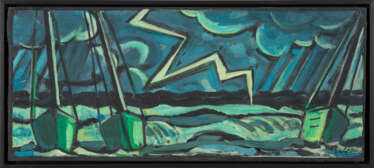
Paul Kother was a German expressionist painter.


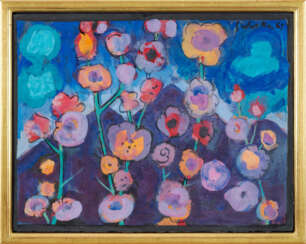
Paul Kother was a German expressionist painter.


Konrad Klapheck is a German painter and graphic artist whose style of painting combines features of Surrealism and Pop art.