













house


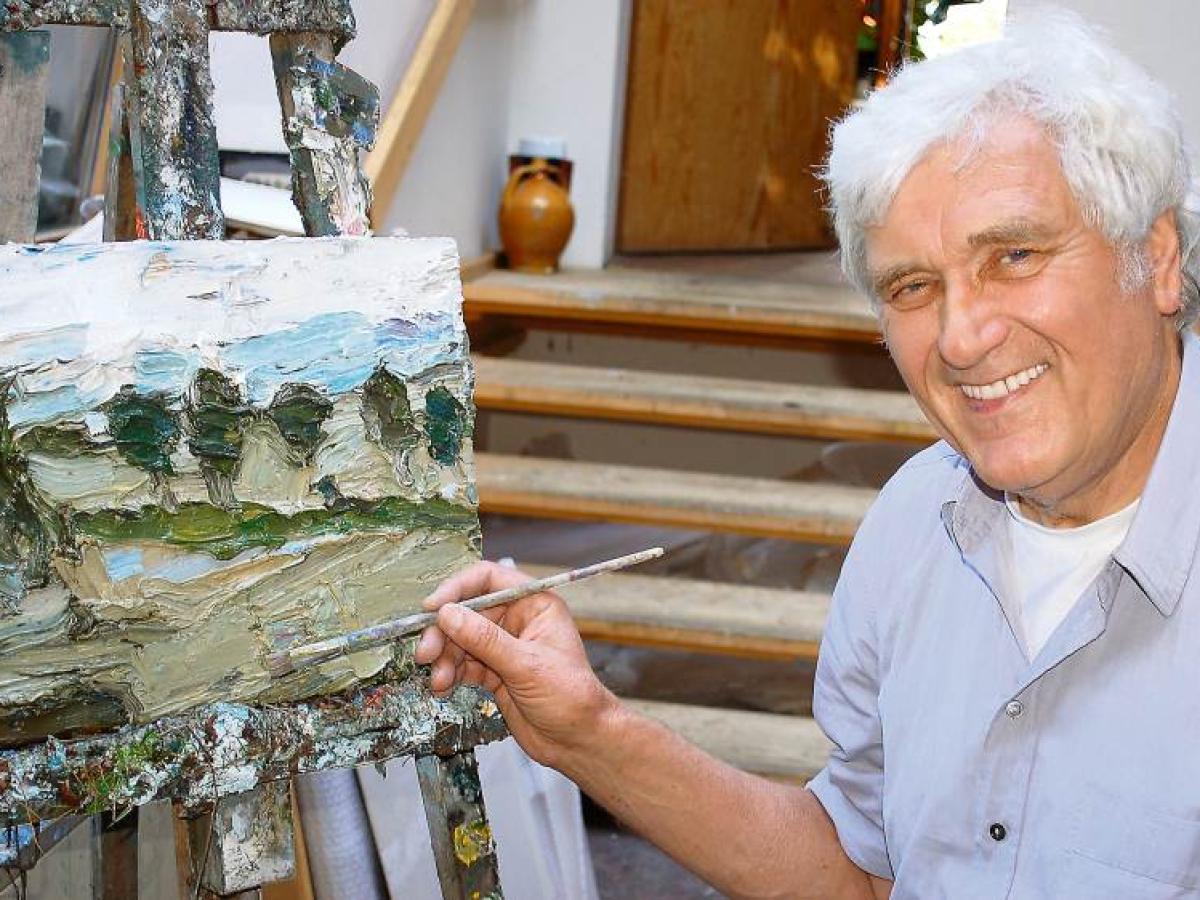
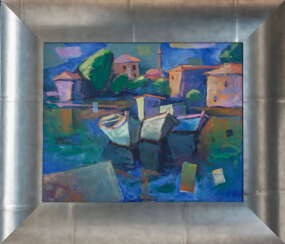
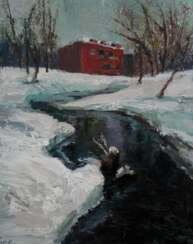
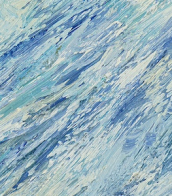
Jens Hausmann, a German painter, is renowned for his distinctive approach to painting, where architecture plays a central role, yet it's not the essence of his work. His paintings explore the nuanced relationship between architectural forms and the natural world, often depicting buildings and landscapes intertwined in a complex dance of culture and nature. Hausmann's work is characterized by a constructivist approach, where the real and the constructed realities blend seamlessly, creating scenarios that challenge the viewer's perception of space and environment.
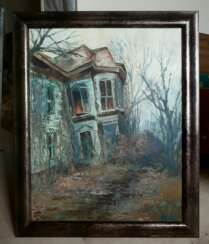
Jens Hausmann's art is deeply influenced by modernism, yet it critiques its principles by showcasing buildings in emotionally arctic modernism being slowly reclaimed by nature. This juxtaposition reflects a critical view of modernist ideologies, suggesting a reevaluation of our relationship with the built environment and the natural world. His paintings don't just depict scenes; they invite viewers into a contemplative space where the boundaries between the interior and exterior blur, prompting reflections on the human condition and our impact on the planet.
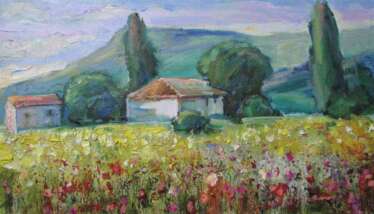
His works are a testament to the complex interplay between humanity and nature, where even the most remote natural landscapes bear the marks of human activity. The artificiality of the colors in his landscapes and the absence of human figures underscore the theme of nature being "culturally contaminated" in the Anthropocene era. Jens Hausmann's paintings are not only visually striking but also intellectually stimulating, inviting viewers to ponder the deeper meanings and implications of his depicted scenarios.
For collectors and experts in art and antiques, Jens Hausmann's work offers a unique blend of architectural precision and philosophical depth, making his paintings highly sought after in both European and Brazilian art scenes. His ability to weave together elements of architecture, nature, and human influence creates a visually and conceptually rich tapestry that speaks to a wide audience.
To stay informed about Jens Hausmann's latest works and exhibitions, signing up for updates is highly recommended. This subscription will ensure that you are among the first to know about new sales and auction events related to his work, providing exclusive insights into the evolving world of contemporary art.


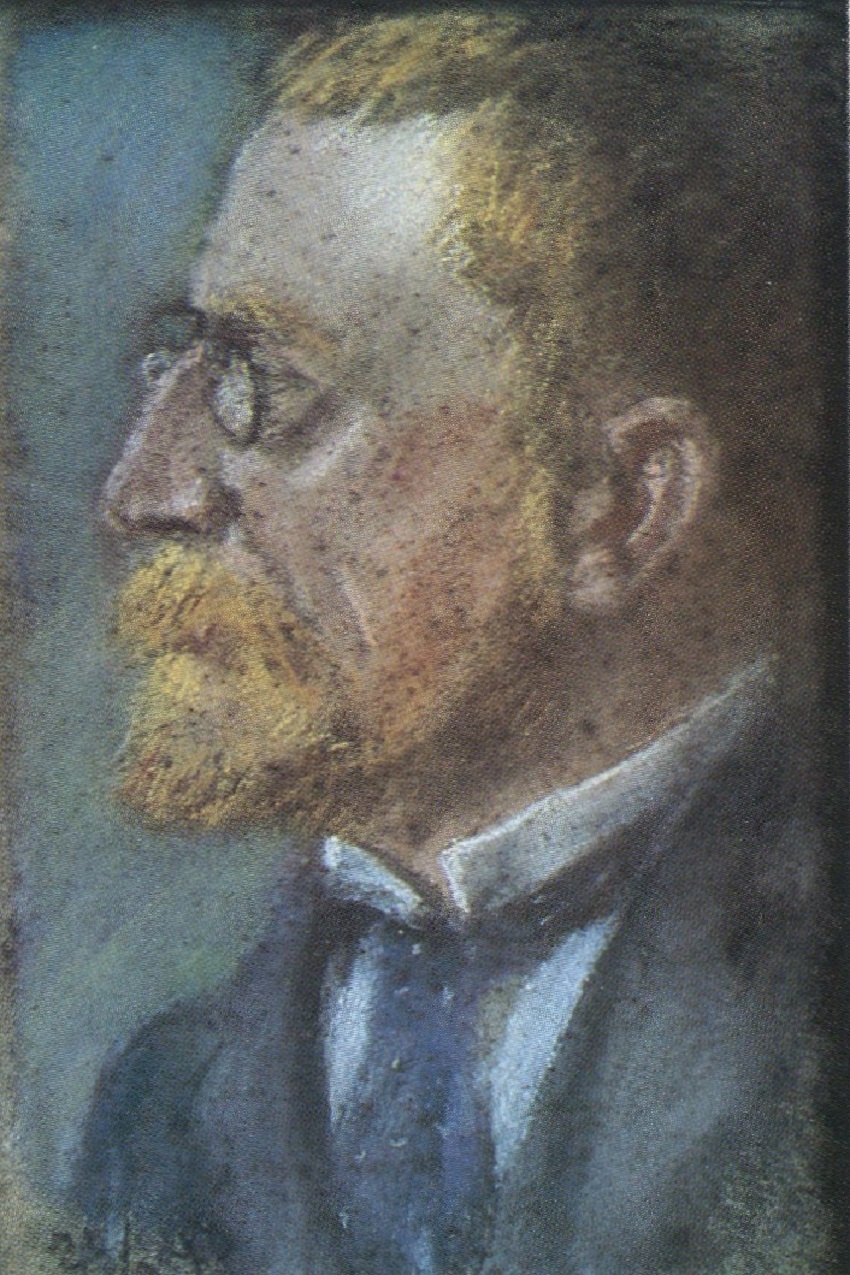
Max Pechstein, a German Expressionist painter and printmaker, was a significant figure in the art world known for his vibrant use of color and dynamic compositions. Born in Zwickau in 1881, Pechstein's journey into the realms of expressionism began with his training as a decorator's apprentice before moving to Dresden to further his studies at the Kunstgewerbeschule. His career took a pivotal turn in 1906 when he met Erich Heckel and joined the Die Brücke group, alongside other notable artists such as Ernst Ludwig Kirchner and Karl Schmidt-Rottluff, which marked the beginning of his foray into revolutionary art and expressionism.
Pechstein's art was not just confined to painting; he was also a master printmaker, with a prolific output that included 421 lithographs, 315 woodcuts and linocuts, and 165 intaglio prints, predominantly etchings. His works often depicted scenes from nature, social gatherings, and elements of primitive art, reflecting his interest in the raw and unrefined aspects of culture and humanity. This diverse body of work was recognized for its bold innovation and unique perspective, which significantly contributed to the expressionist movement.
The Nazis' rise to power in 1933 had a profound impact on Pechstein's career. His works were deemed degenerate, and he faced severe repression, including the removal of 326 of his paintings from German museums and his dismissal from his teaching position at the Preussische Akademie der Künste. Despite these challenges, Pechstein's legacy endured, and after World War II, he was reinstated to his teaching post and received numerous accolades for his contributions to art.
Pechstein's works are held in high esteem in museums and galleries worldwide. Notably, his etchings, which depicted the grim realities of war, are housed in the Imperial War Museum in London, showcasing his ability to convey profound emotional and psychological experiences through art. Additionally, his painting "Summer in Nidden," which captures the idyllic beauty of the Baltic coast, is part of the collection at the Museo Nacional Thyssen-Bornemisza in Madrid, illustrating his love for natural landscapes and vibrant, expressive use of color.
For collectors and experts in art and antiques, Hermann Max Pechstein's works offer a fascinating glimpse into the early 20th-century expressionist movement, characterized by a bold exploration of color, form, and social commentary. His contributions to modern art are invaluable, providing insight into the cultural and historical context of his time.
To stay informed about new product sales and auction events related to Hermann Max Pechstein, we invite you to sign up for updates. This subscription will ensure that you are the first to know about opportunities to acquire works by this influential artist, allowing you to add to your collection of significant expressionist art.


Hubert Kiecol is a German artist. He was a professor at the State Art Academy in Düsseldorf. Kiecol graduated from the Hamburg Art School in 1971 and from 1975 at the Hamburg University of Fine Arts. In 1984 he received a Mies van der Rohe grant and in 1985 an Annemarie and Will Grohmann grant. In 1991 he was awarded the Will Grohmann Prize by the Berlin Academy of Arts. In 1993 he was appointed professor at the Düsseldorf Art Academy. In 2000 he received the Wolfgang Hahn Prize for contemporary art from the Society for Modern Art at the Museum Ludwig in Cologne.