

kohle










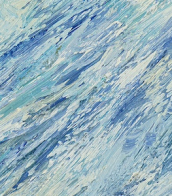


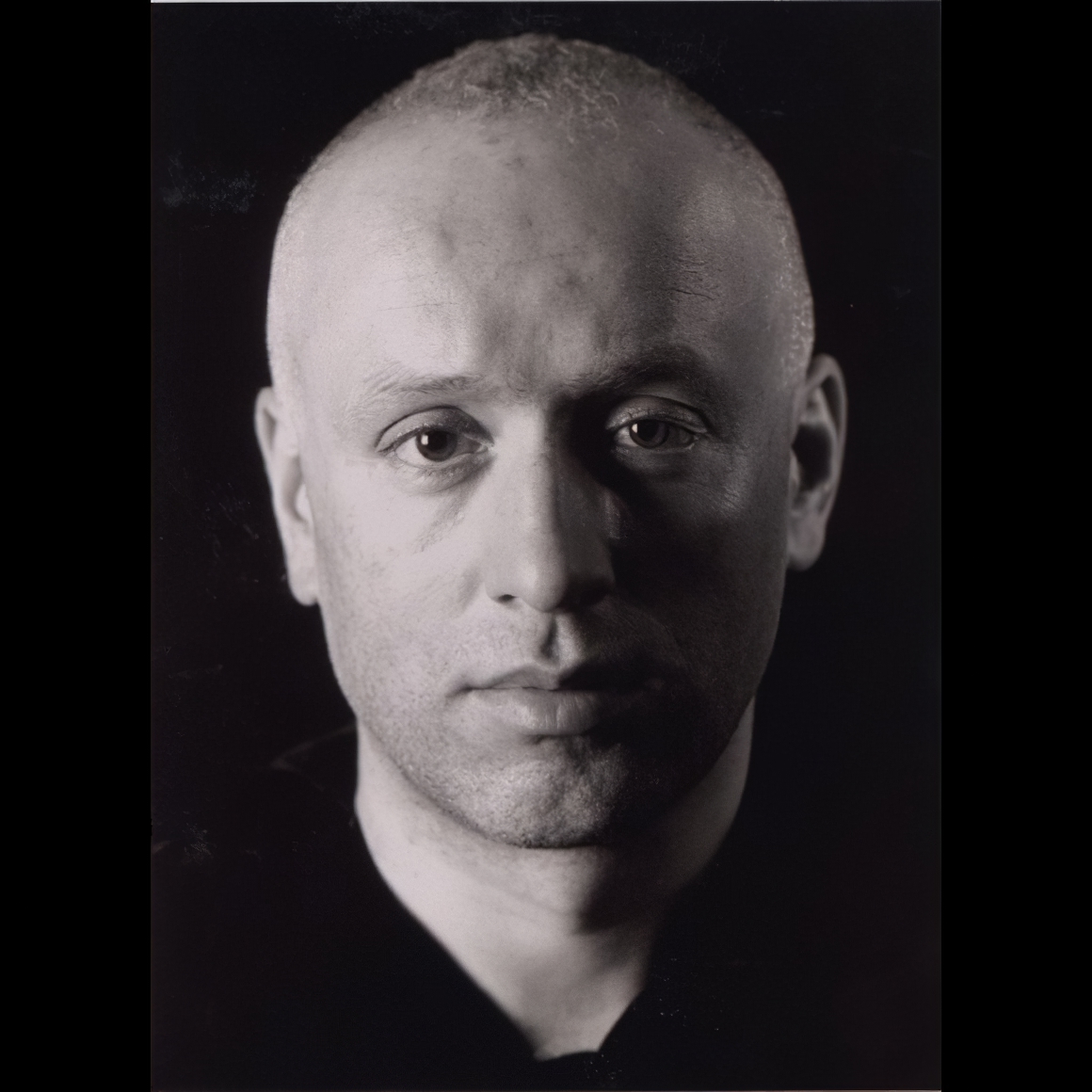
Jiří Georg Dokoupil is a Czech-German painter and graphic artist. He was founding-member of the German artist group Mülheimer Freiheit and the Junge Wilde Art movement, which arose in the late 1970s and early 1980s.







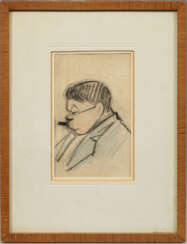

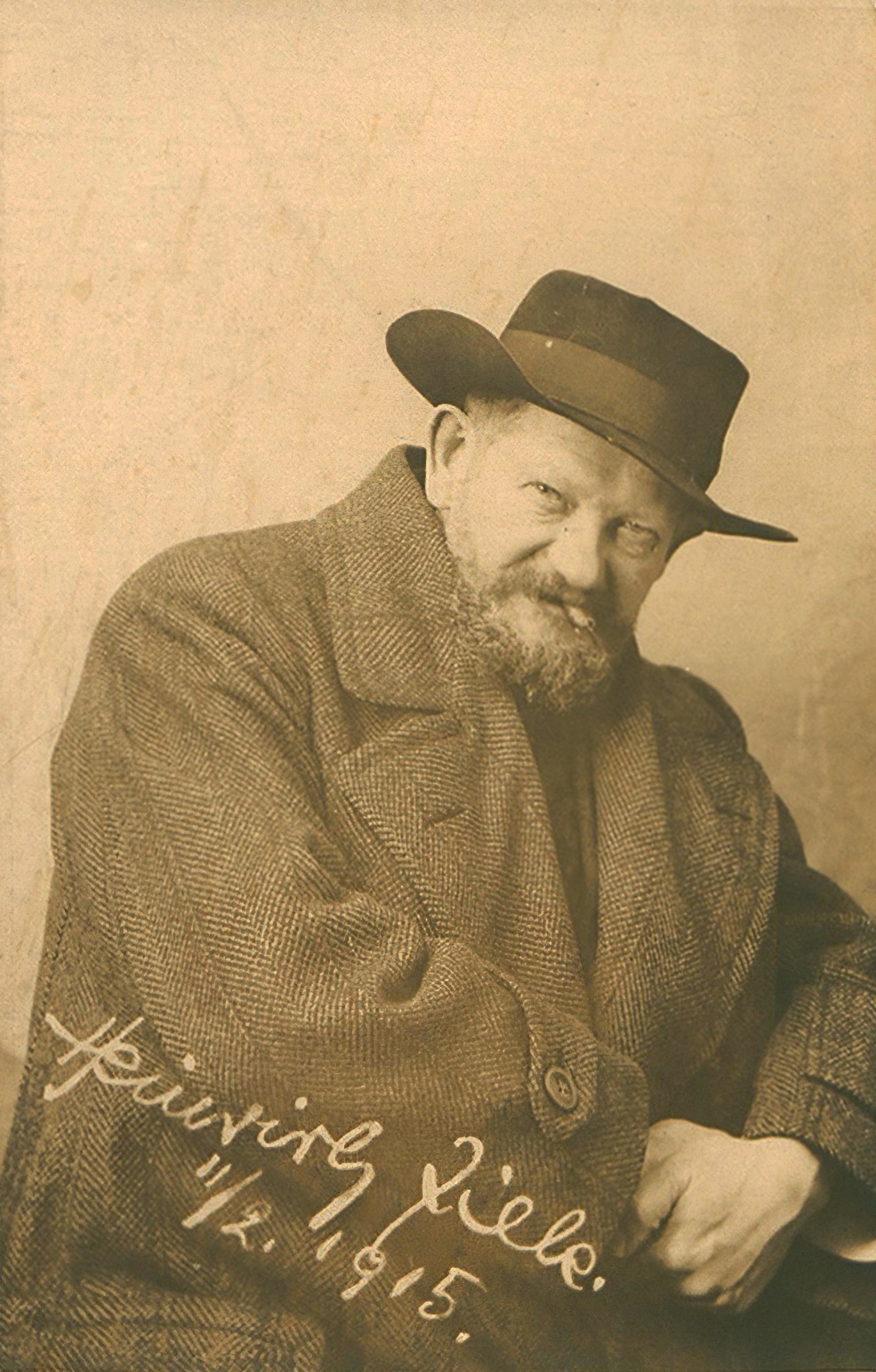
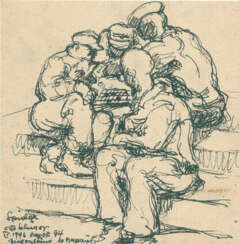
Heinrich Rudolf Zille was a German illustrator, caricaturist, lithographer and photographer.

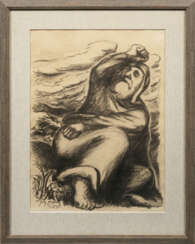

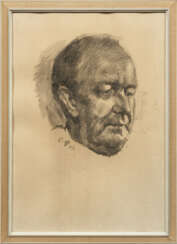

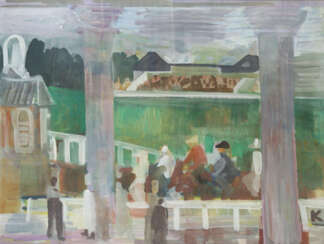



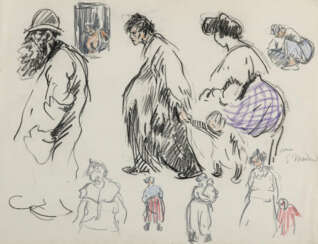



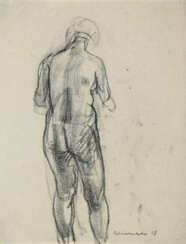






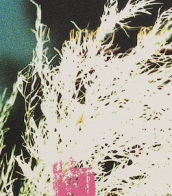
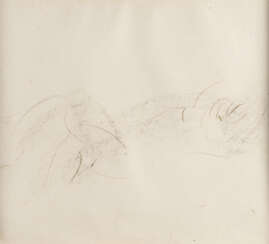

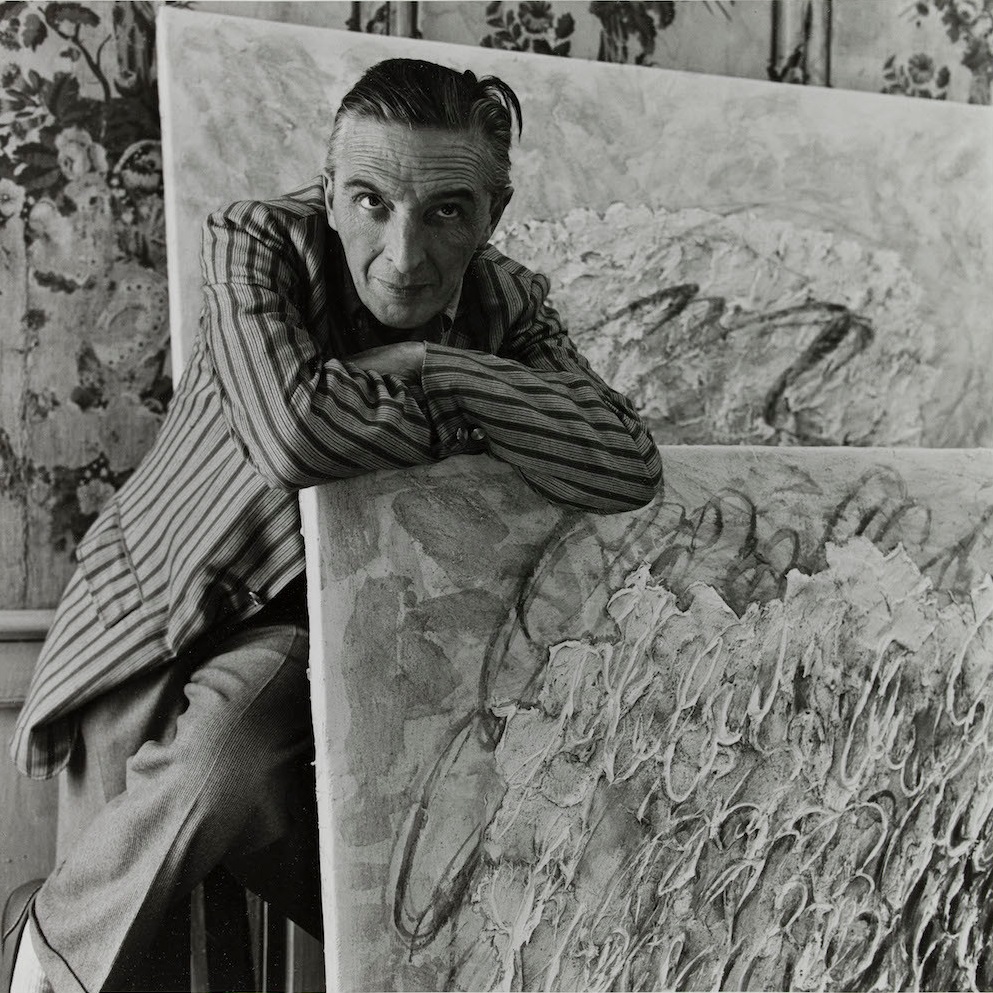
Jean Fautrier was a French painter and sculptor associated with the Art Informel and Tachisme movements. He initially studied architecture before turning to painting in the early 1920s.
Fautrier's early work was influenced by Cubism and Surrealism, but he eventually developed a more abstract style characterized by thick impasto and expressive brushwork. He often used unconventional materials, such as asphalt, sand, and tar, to create textured surfaces that conveyed a sense of materiality.
During World War II, Fautrier was active in the French Resistance and went into hiding to avoid arrest by the Nazis. His experiences during the war had a profound impact on his work, which became darker and more introspective. He began to create what he called "Hostage" paintings, which depicted anonymous faces and figures that were both haunting and vulnerable.
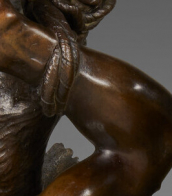
After the war, Fautrier continued to explore themes of violence, trauma, and decay in his art. He created a series of "Otages" (Hostages) sculptures that were made from casts of human limbs and torsos. These works were highly controversial and provoked strong reactions from critics and the public alike.
Fautrier's influence on the development of Art Informel and Tachisme was significant, and he is regarded as one of the key figures of the movement. His work is represented in many major museums and collections around the world, including the Centre Georges Pompidou in Paris and the Museum of Modern Art in New York.
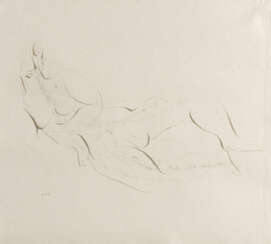

Jean Fautrier was a French painter and sculptor associated with the Art Informel and Tachisme movements. He initially studied architecture before turning to painting in the early 1920s.
Fautrier's early work was influenced by Cubism and Surrealism, but he eventually developed a more abstract style characterized by thick impasto and expressive brushwork. He often used unconventional materials, such as asphalt, sand, and tar, to create textured surfaces that conveyed a sense of materiality.
During World War II, Fautrier was active in the French Resistance and went into hiding to avoid arrest by the Nazis. His experiences during the war had a profound impact on his work, which became darker and more introspective. He began to create what he called "Hostage" paintings, which depicted anonymous faces and figures that were both haunting and vulnerable.
After the war, Fautrier continued to explore themes of violence, trauma, and decay in his art. He created a series of "Otages" (Hostages) sculptures that were made from casts of human limbs and torsos. These works were highly controversial and provoked strong reactions from critics and the public alike.
Fautrier's influence on the development of Art Informel and Tachisme was significant, and he is regarded as one of the key figures of the movement. His work is represented in many major museums and collections around the world, including the Centre Georges Pompidou in Paris and the Museum of Modern Art in New York.


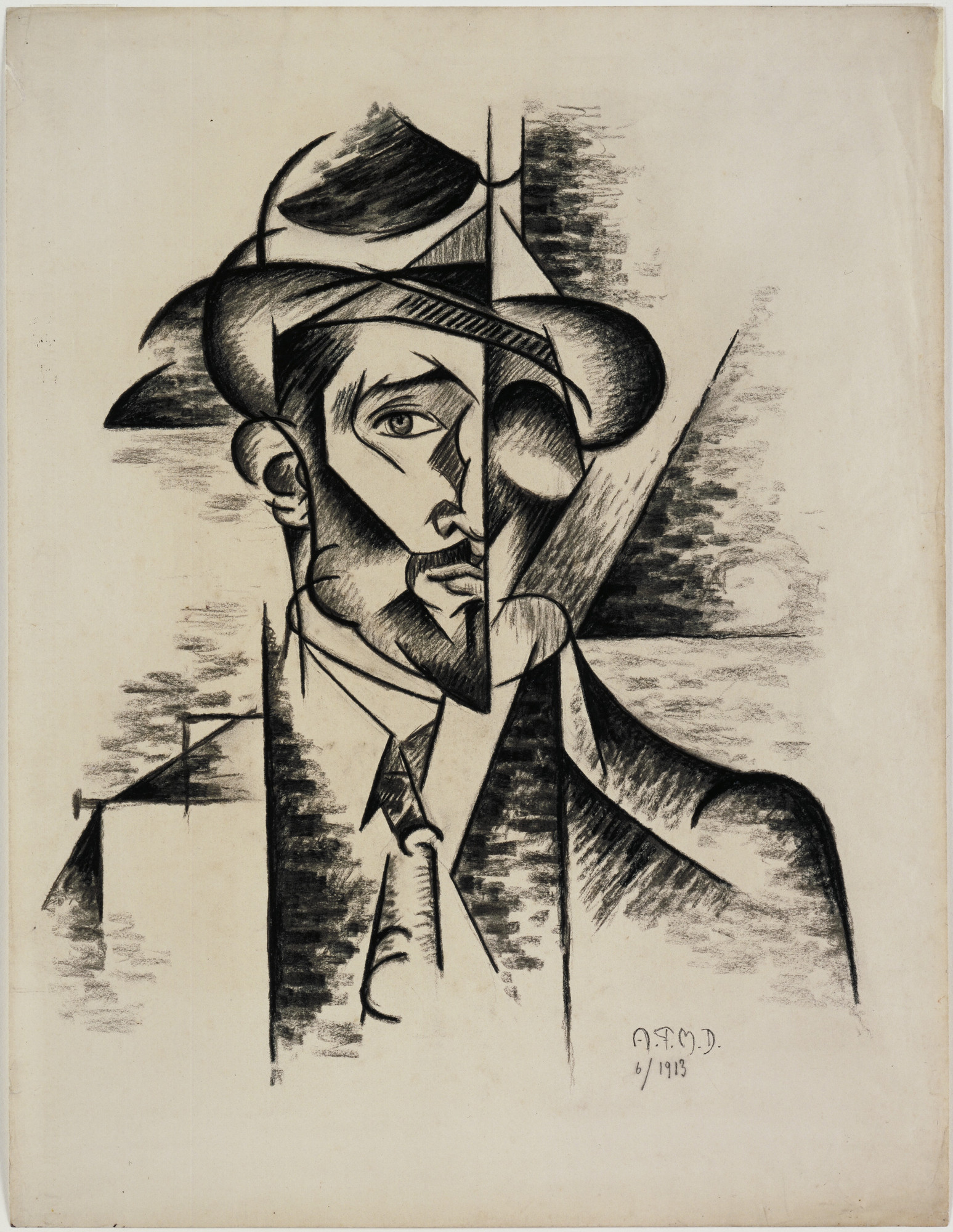
Felix del Marle is a French artist and designer associated with the avant-garde movements of the early 20th century, in particular Orphism and De Stijl. Originally influenced by Cubism, he later adopted the principles of Orphism, a movement founded by Robert Delaunay and characterised by the use of bright colours and geometric shapes to create abstract compositions.
Felix del Marle explored the dynamic interaction of colours and shapes to evoke a sense of rhythm and movement. His works often feature overlapping planes, bold colour contrasts and a sense of optical vibrancy.
Felix del Marle was also a significant influence on the De Stijl movement, which sought to reduce art to its basic geometric elements and colours. He collaborated with Piet Mondrian and Theo van Doesburg.
In addition to painting, del Marle pursued industrial and graphic design, applying his principles to furniture, textiles and typography. He believed in the integration of art into everyday life and the synthesis of artistic disciplines.