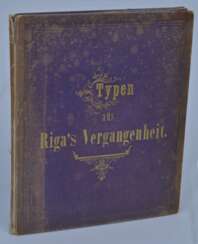
manuscripts























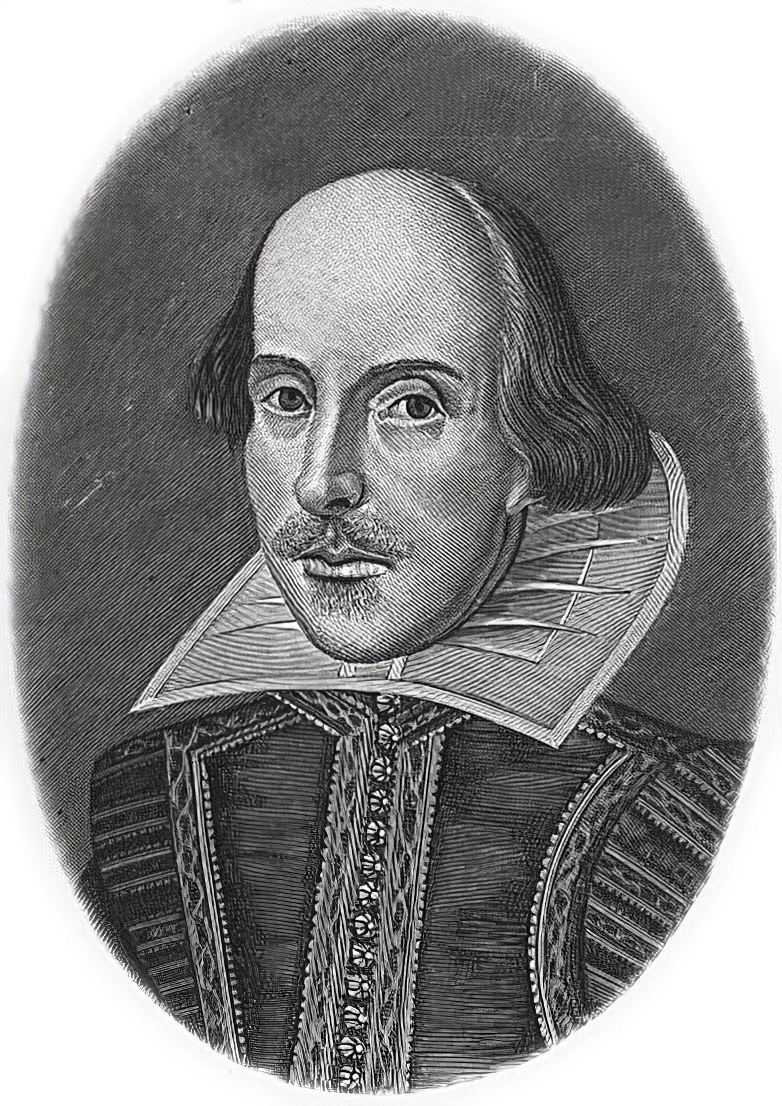
William Shakespeare was a British poet and playwright and writer.
William's father, John Shakespeare, was a merchant and official in Stratford. There are reports that he was a sailor for a time before joining a theater company in London. Beginning in the 1590s, Shakespeare began writing plays, and in 1593 he published a poem, Venus and Adonis, which became popular. He dedicated it to the Duke of Southampton, who was a philanthropist and patron of talent, and soon his business was booming.
From 1592 to 1600 Shakespeare wrote his dramas and romantic comedies "Richard III", "The Taming of the Shrew", "Romeo and Juliet", "A Midsummer Night's Dream" and "The Merchant of Venice", as well as the comedies "Much Ado About Nothing", "Twelfth Night" and the tragedy "Julius Caesar". The playwright's business was so successful that he even bought a large house in Stratford. In 1599, Shakespeare became one of the owners, playwright and actor of the new theater "Globe". In 1603 King James took Shakespeare's troupe under his direct patronage. In the mature period, the great playwright turned to tragedies, there were "Hamlet", "Othello", "King Lear", "Macbeth" and others.
Although in the 19th century researchers had some doubts about the authorship of many of these works, William Shakespeare is considered the greatest English playwright, one of the best playwrights in the world. His plays have been translated into all major languages and to this day form the basis of the world theatrical repertoire, most of them have been screened many times. According to the Guinness Book of Records, Shakespeare remains the world's best-selling playwright, and his plays and poems have sold more than 4 billion copies in the nearly 400 years since his death.







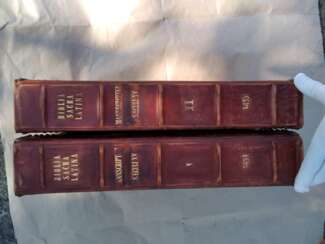

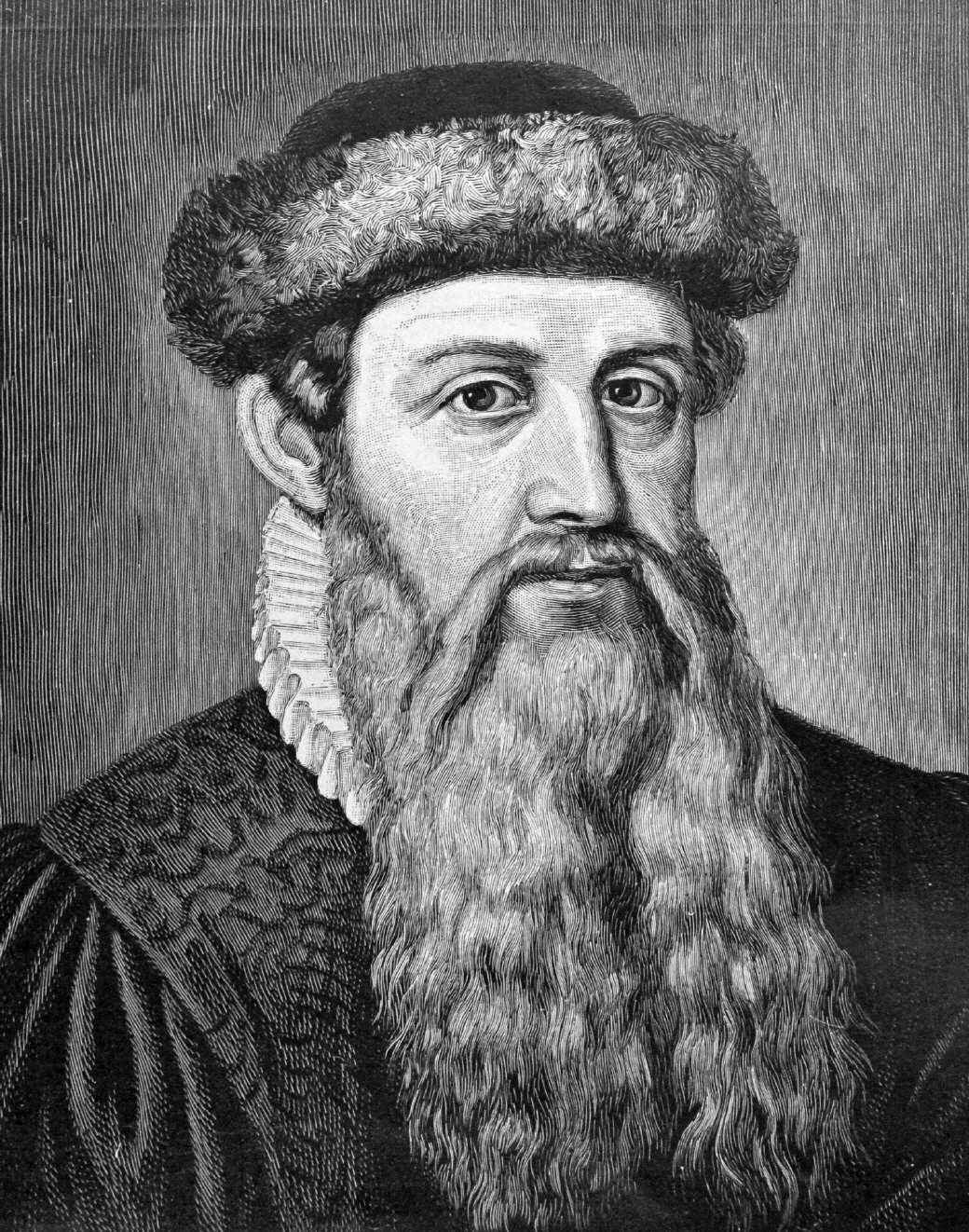
Johannes Gensfleisch zur Laden zum Gutenberg was a German inventor and craftsman who introduced letterpress printing to Europe with his movable-type printing press. Though not the first of its kind, earlier designs were restricted to East Asia, and Gutenberg's version was the first to spread across the world. His work led to an information revolution and the unprecedented mass-spread of literature throughout Europe. It also had a direct impact on the development of the Renaissance, Reformation and humanist movement.
His many contributions to printing include the invention of a process for mass-producing movable type; the use of oil-based ink for printing books; adjustable molds; mechanical movable type; and the use of a wooden printing press similar to the agricultural screw presses of the period. Gutenberg's method for making type is traditionally considered to have included a type metal alloy and a hand mould for casting type. The alloy was a mixture of lead, tin, and antimony that melted at a relatively low temperature for faster and more economical casting, cast well, and created a durable type. His major work, the Gutenberg Bible, was the first printed version of the Bible and has been acclaimed for its high aesthetic and technical quality.