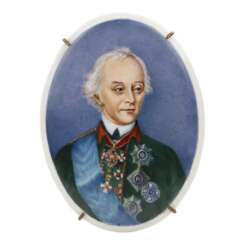
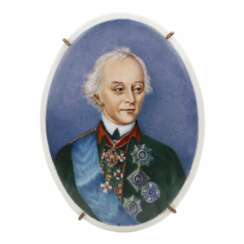
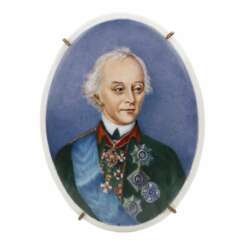
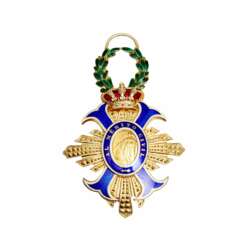
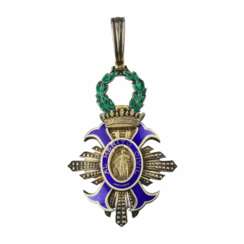
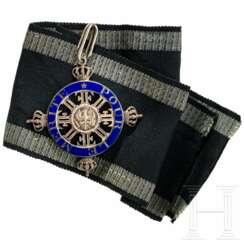
order for merit



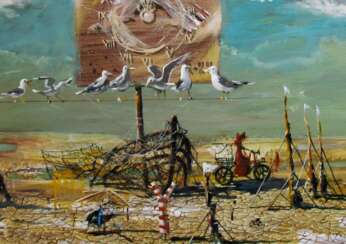

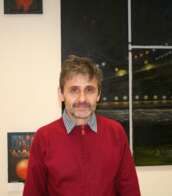














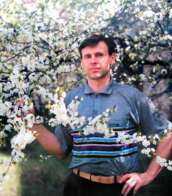


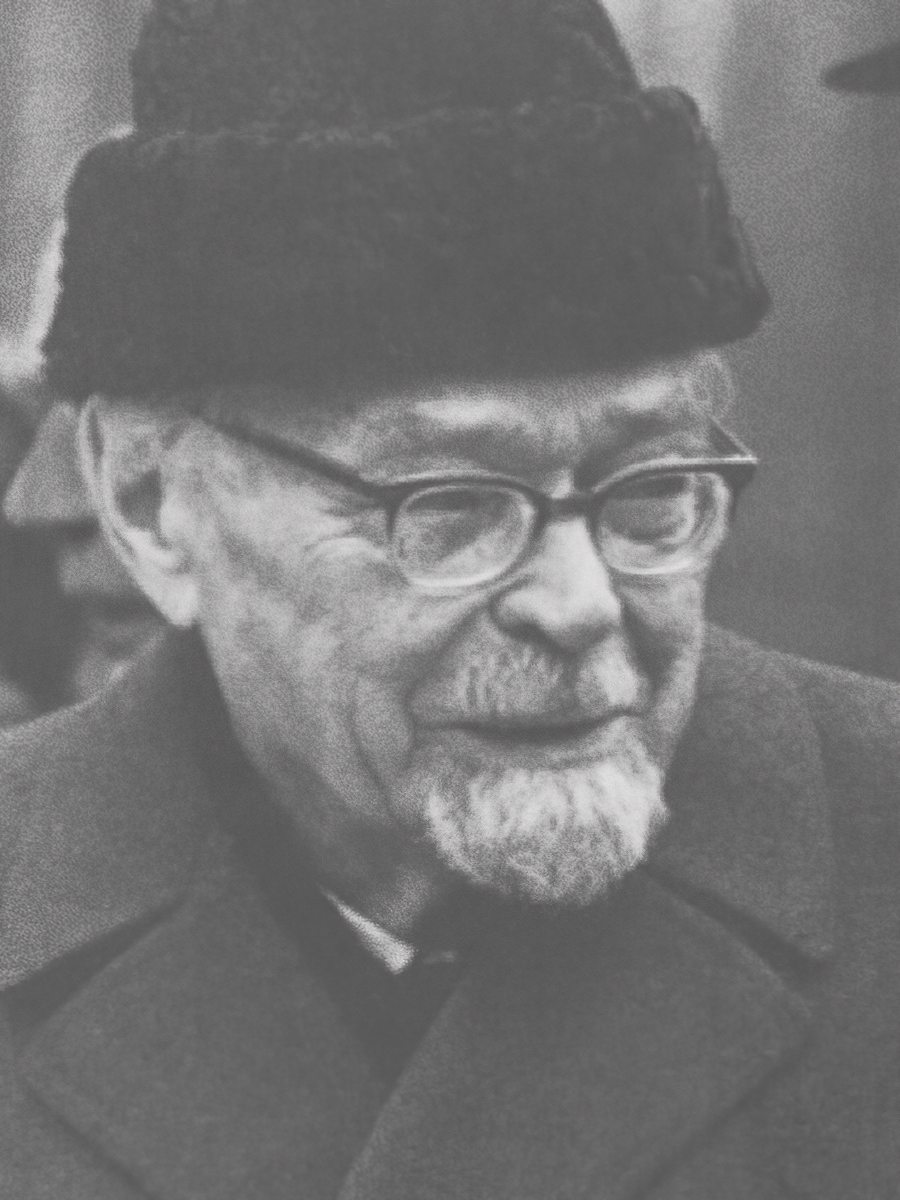
Karl Schmidt-Rottluff, a prominent figure in the German Expressionist movement, was not just an artist but a pioneer who significantly influenced the early 20th-century art scene. Born in Rottluff, Germany, in 1884, he later added his hometown's name to his surname, showcasing a deep connection to his roots. Schmidt-Rottluff was a founding member of the artist group Die Brücke, which played a critical role in the development of Expressionism in Germany. His works, characterized by bold colors and stark contrasts, were a departure from traditional artistic expressions and embraced a more emotional and subjective interpretation of reality.
Schmidt-Rottluff's contributions to art were not limited to painting; he was also a master printmaker, with a significant body of work comprising woodcuts, lithographs, and etchings. His artistic endeavors were marked by a fascination with the natural world, social issues, and an exploration of human emotion, themes that remained consistent throughout his career. Despite facing persecution during the Nazi regime, with many of his works labeled as "degenerate," Schmidt-Rottluff's resolve did not waver. In 1937, 608 of his paintings were seized, and by 1941, he was forbidden to paint. Yet, his legacy continued to grow post-World War II, and he was later honored with professorship at the University of Arts in Berlin-Charlottenburg in 1947, where he influenced a new generation of artists.
The value and impact of Schmidt-Rottluff's work are reflected in the presence of his pieces in prestigious collections worldwide, including the Museum of Modern Art, Neue Galerie, Los Angeles County Museum of Art, and many others. His works are celebrated for their emotional depth, innovative use of color, and ability to convey complex themes through simplified forms. Notably, some of his significant pieces have been subjects of restitution efforts, highlighting the historical importance and continued relevance of his work in the context of art history and cultural heritage.
For collectors and experts in art and antiques, Schmidt-Rottluff's oeuvre offers a profound insight into the evolution of Expressionism and the broader cultural and political narratives of the early 20th century. His works not only serve as a testament to his individual genius but also as a reflection of the tumultuous era that shaped them.
To stay informed about new discoveries, sales, and auction events related to Karl Schmidt-Rottluff's work, signing up for updates is highly recommended. This ensures that enthusiasts and collectors alike are always in the loop regarding opportunities to engage with and acquire pieces by this influential artist, ensuring his legacy continues to inspire and resonate with future generations.


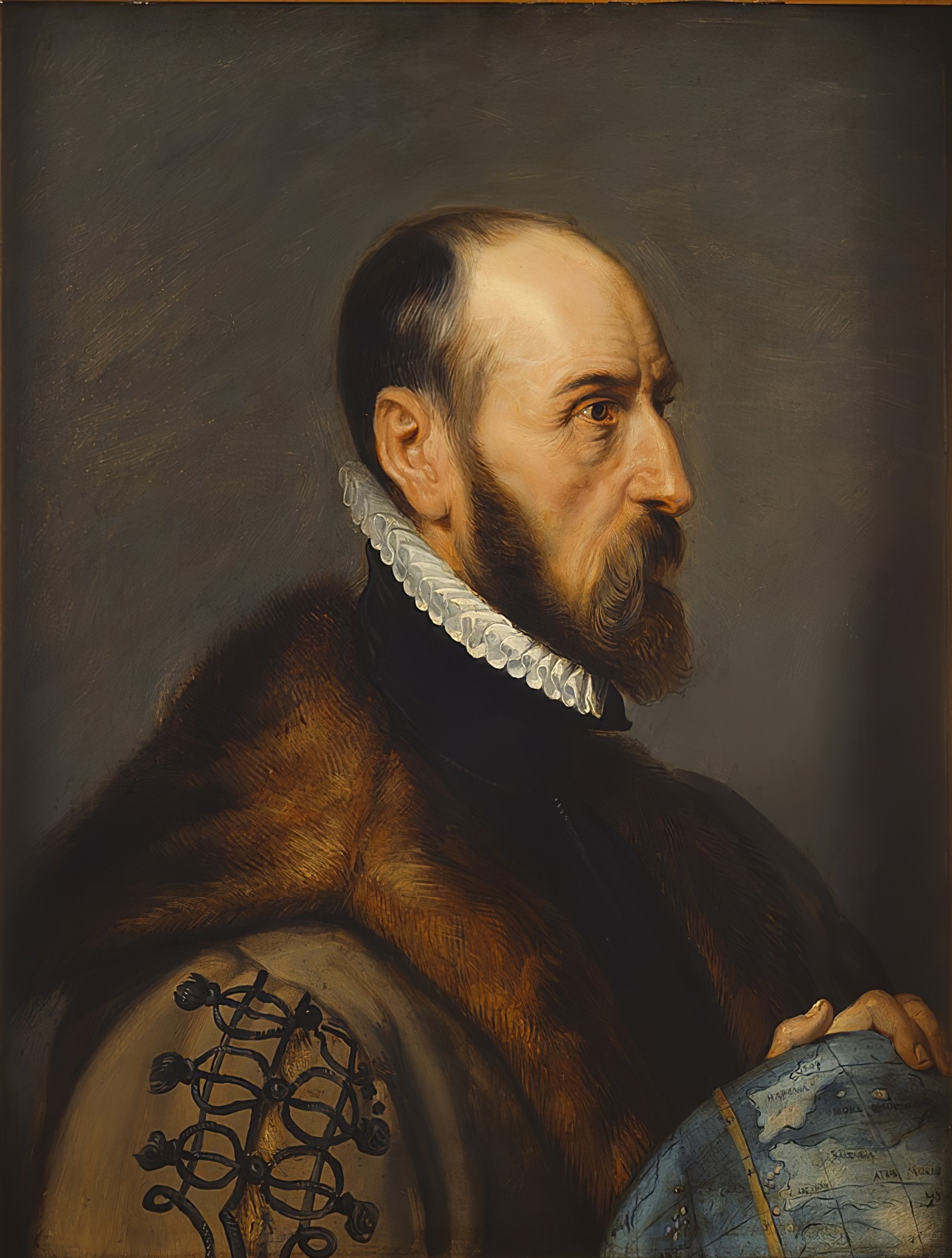
Abraham Ortelius (Ortels) was a Brabantian cartographer, geographer, and cosmographer. He is recognized as the creator of the first modern atlas, the Theatrum Orbis Terrarum (Theatre of the World). Along with Gemma Frisius and Gerardus Mercator, Ortelius is generally considered one of the founders of the Netherlandish school of cartography and geography. He was a notable figure of this school in its golden age (approximately 1570s–1670s) and an important geographer of Spain during the age of discovery. The publication of his atlas in 1570 is often considered as the official beginning of the Golden Age of Netherlandish cartography. He was the first person proposing that the continents were joined before drifting to their present positions. Beginning as a map-engraver, in 1547 he entered the Antwerp Guild of Saint Luke as an illuminator of maps. In 1560 when travelling with Mercator to Trier, Lorraine, and Poitiers, he seems to have been attracted, largely by Mercator's influence, towards the career of a scientific geographer. In 1564 he published his first map, Typus Orbis Terrarum, an eight-leaved wall map of the world. On 20 May 1570, Gilles Coppens de Diest at Antwerp issued Ortelius's Theatrum Orbis Terrarum, the "first modern atlas" (of 53 maps).
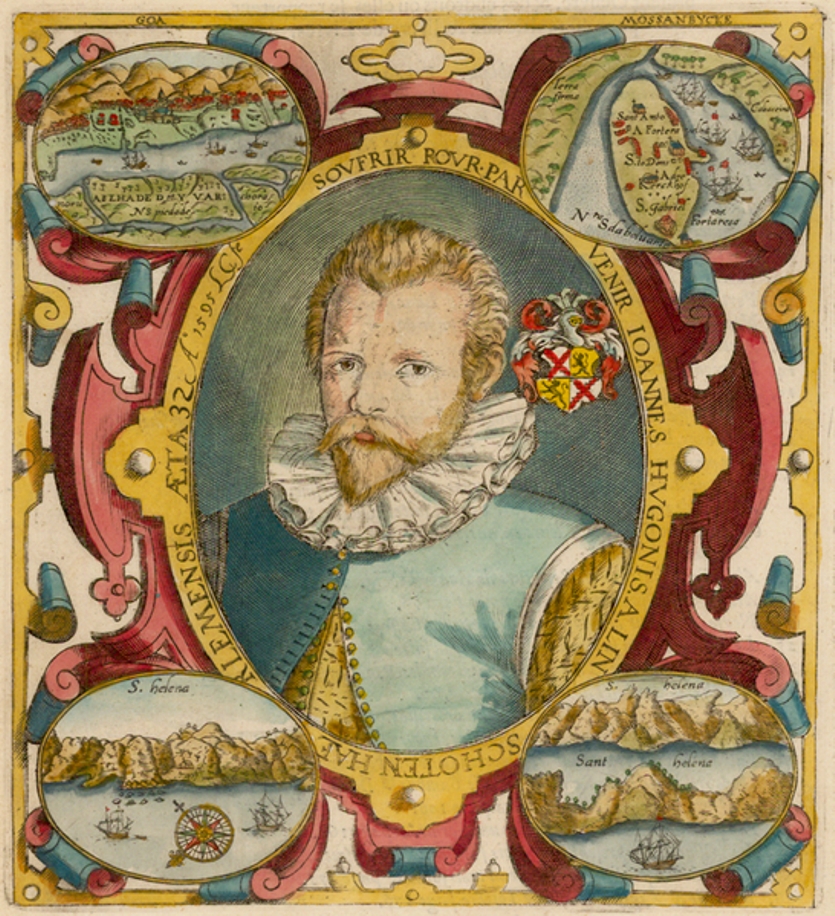
![Gesta Proxime Per Portugalenses in India, Ethiopia, & Aliis Orie[n]talibus Terris.](/assets/image/picture_5228543/82b01/ba73a4cdb9c4a4da2069c398e6bf37cd1769094000jpg__fix_374_244.jpeg)
![Gesta Proxime Per Portugalenses in India, Ethiopia, & Aliis Orie[n]talibus Terris.](https://veryimportantlot.com/assets/image/picture_5228543/82b01/ba73a4cdb9c4a4da2069c398e6bf37cd1769094000jpg__fix_374_244.jpeg)