ours






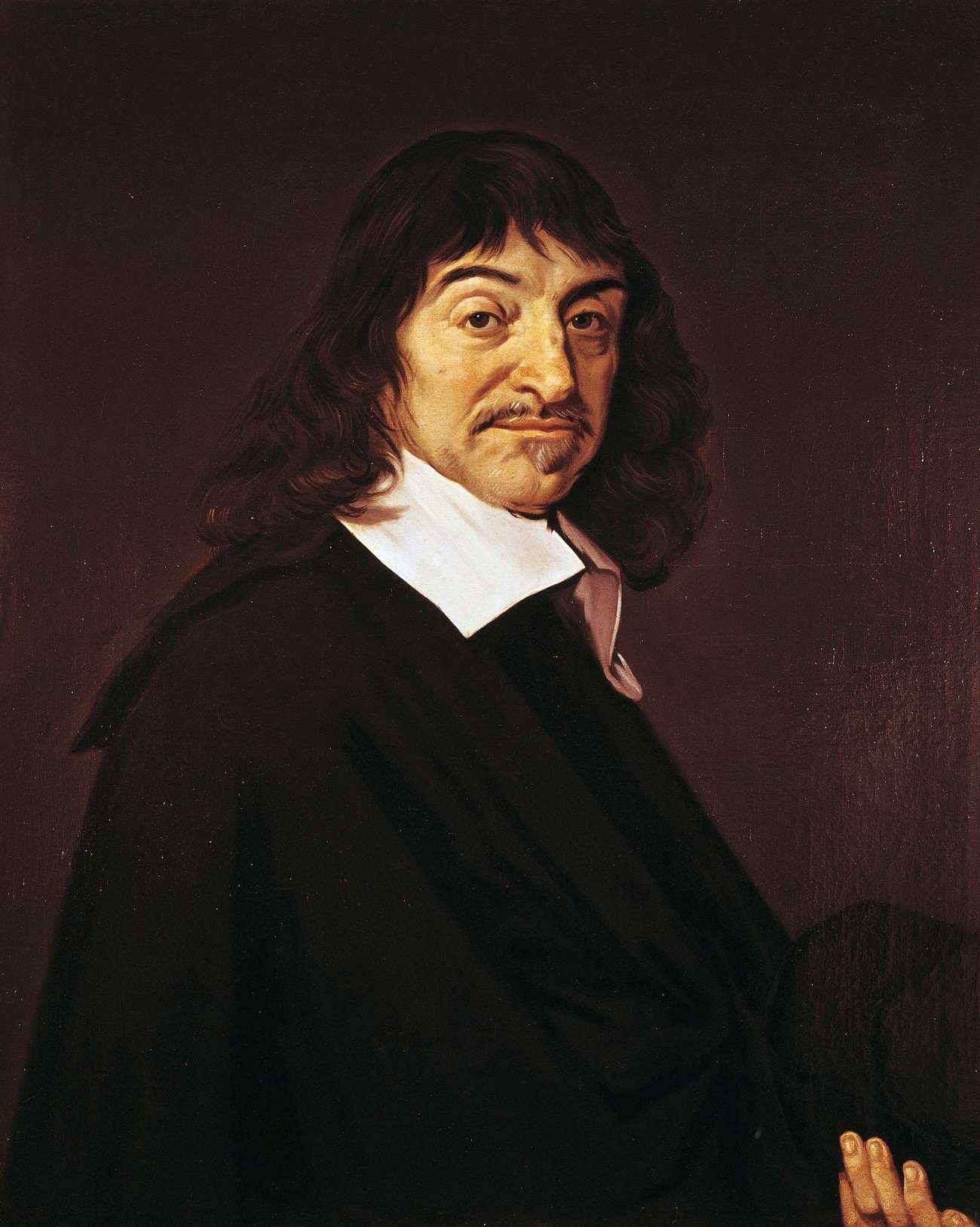
René Descartes was a French philosopher, mathematician, and natural scientist who is considered the founder of modern philosophy.
Descartes was a very versatile scientist: besides numerous philosophical reflections, he wrote works on optics, meteorology and geometry. Contemporaries noted his extensive knowledge in many sciences. Descartes owns the famous saying "I think, therefore I exist" (best known in the Latin formulation "Cogito, ergo sum", although it was originally written in French: "Je pense, donc je suis").
He developed a metaphysical dualism that radically distinguished between mind, whose essence is thought, and matter, whose essence is extension in three dimensions. Descartes' metaphysics is rationalistic, based on the postulation of innate ideas of mind, matter, and God, but his physics and physiology, based on sense experience, are mechanistic and empirical.
Unlike his scientific predecessors, who felt a holy awe at the incomprehensibility of the divine essence of the universe, Descartes admired the ability of the human mind to understand the cosmos and to generate happiness itself, and rejected the view that human beings were inherently unhappy and sinful. He believed that it was inappropriate to pray to God to change the state of things and the world; it was much more productive to change oneself.
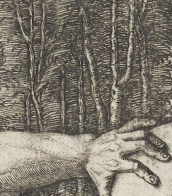


René Descartes was a French philosopher, mathematician, and natural scientist who is considered the founder of modern philosophy.
Descartes was a very versatile scientist: besides numerous philosophical reflections, he wrote works on optics, meteorology and geometry. Contemporaries noted his extensive knowledge in many sciences. Descartes owns the famous saying "I think, therefore I exist" (best known in the Latin formulation "Cogito, ergo sum", although it was originally written in French: "Je pense, donc je suis").
He developed a metaphysical dualism that radically distinguished between mind, whose essence is thought, and matter, whose essence is extension in three dimensions. Descartes' metaphysics is rationalistic, based on the postulation of innate ideas of mind, matter, and God, but his physics and physiology, based on sense experience, are mechanistic and empirical.
Unlike his scientific predecessors, who felt a holy awe at the incomprehensibility of the divine essence of the universe, Descartes admired the ability of the human mind to understand the cosmos and to generate happiness itself, and rejected the view that human beings were inherently unhappy and sinful. He believed that it was inappropriate to pray to God to change the state of things and the world; it was much more productive to change oneself.

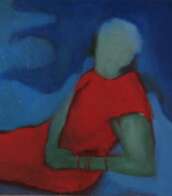





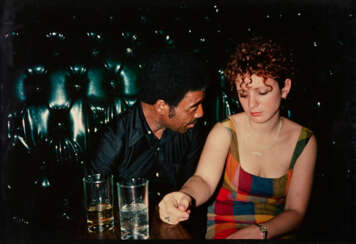

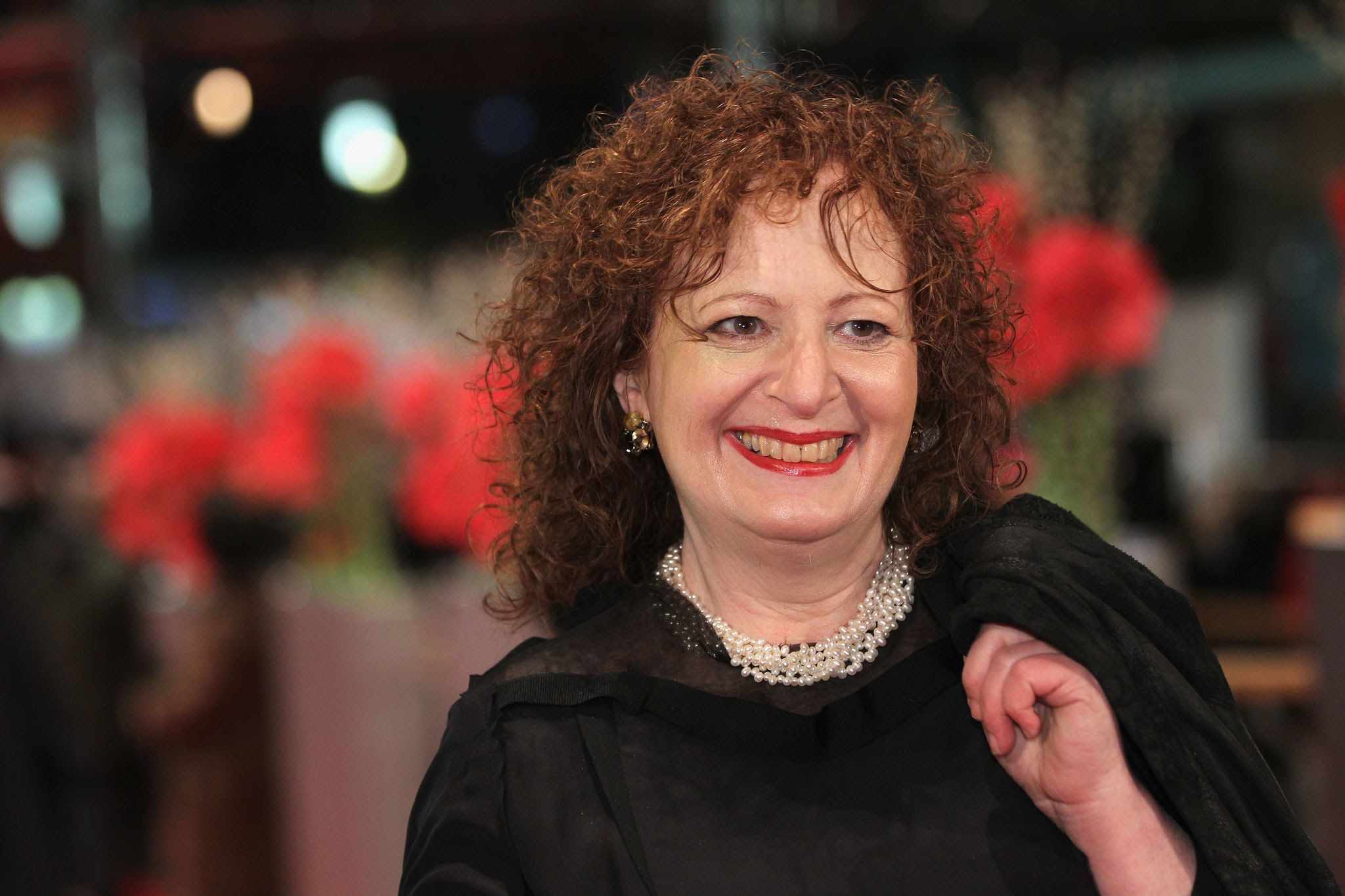
Nan Goldin is an acclaimed American photographer renowned for her profound visual narratives that delve into her personal world, marked by themes of addiction, sexuality, and intimate relationships. Born in Washington, D.C., in 1953, Goldin's journey into photography began in the early 1970s, capturing the lives of those around her, forming a "substitute family" amid a backdrop of drugs, sex, and violence.
One of Goldin's most celebrated works, "The Ballad of Sexual Dependency" (1986), is a raw and intimate portrayal of her "tribe," documenting their lives through the late 70s and early 80s in New York City. This work, initially presented as a slideshow, captures moments of love, sexuality, and domestic life, transcending into a poignant narrative of the era's challenges, particularly the AIDS crisis.
Throughout her career, Goldin's photography has continued to evolve, exploring various themes and mediums, including film. Her work, deeply personal and often autobiographical, challenges conventional perceptions of beauty, identity, and relationships, offering a window into the complexities of human connection and the essence of her subjects.
Goldin's influence extends beyond the art world, with her activism, particularly against the opioid crisis, marking another significant chapter in her journey. Her profound empathy and commitment to portraying the raw, unfiltered realities of life resonate through her extensive body of work, which continues to be celebrated in exhibitions and collections globally.
For art collectors and enthusiasts, Goldin's work offers not just aesthetic value but also deep emotional and historical resonance. To stay informed about Nan Goldin's works and related updates, signing up for newsletters from prominent galleries or her exhibitions could provide valuable insights and opportunities for engagement with her art.
















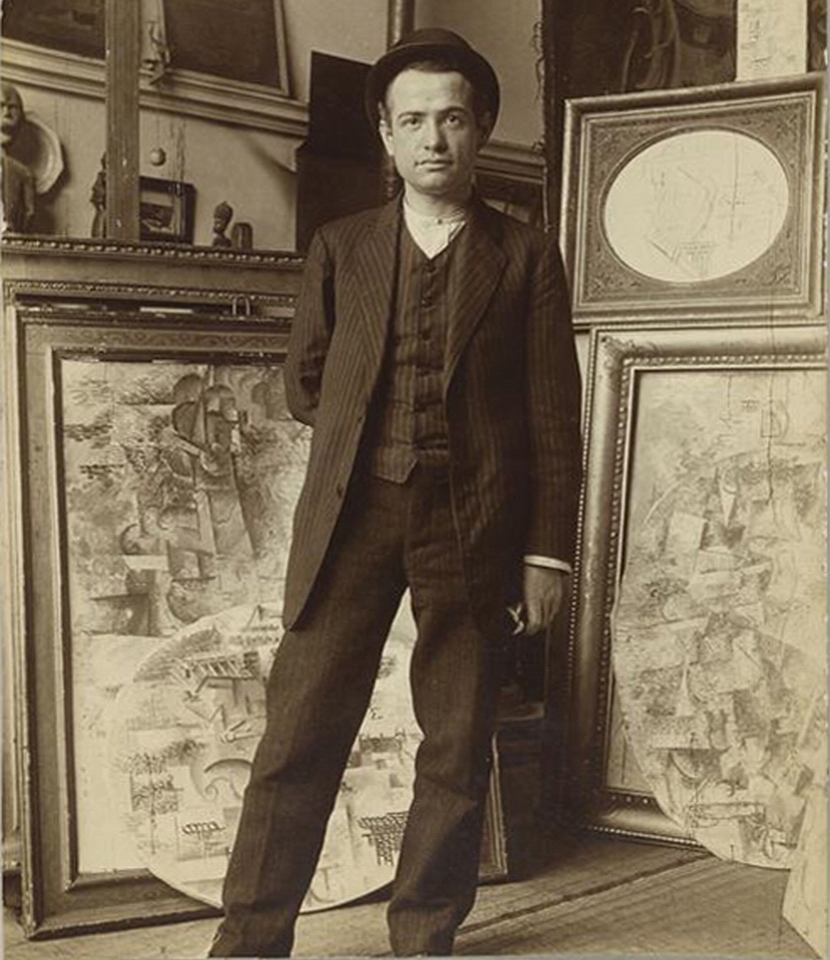
Auguste Herbin was a French painter, celebrated for his contributions to modern art, particularly within the realms of Cubism and abstract painting. Born on April 29, 1882, in Quiévy, Nord, France, Herbin's artistic journey took a significant turn after he moved to Paris in 1903. Initially influenced by Impressionism and Post-Impressionism, his style evolved significantly after 1909 when he became acquainted with Cubism, a movement that significantly influenced his work thereafter. By 1917, Herbin was fully immersed in creating abstract compositions, pioneering a unique blend of geometric abstraction that became his signature style. His abstract work, characterized by simple geometric shapes and vivid, unmodulated colors, adhered to a personal theory of art he detailed in his 1949 book, "L'Art non-figuratif, non-objectif".
Herbin's influence extended beyond his paintings; he was a co-founder of the groups Abstraction-Création and Salon des Réalités Nouvelles, advocating for non-figurative abstract art. Despite facing a significant challenge in 1953, when he became paralyzed on the right side and had to adapt by painting with his left hand, Herbin continued to create art until his passing on January 31, 1960, in Paris. His unfinished work, themed around the word "Fin," marks the poignant end of his prolific career.
Today, Herbin's works are housed in prestigious public collections worldwide, including the Museum de Fundatie in Zwolle, The Netherlands; Kröller-Müller Museum in Otterlo, The Netherlands; National Galleries of Scotland; Matisse Museum in Le Cateau-Cambrésis, France; and the KUNSTEN Museum of Modern Art Aalborg in Denmark, among others. These institutions celebrate Herbin's legacy, showcasing his innovative approach to abstract art that continues to inspire artists and collectors alike.
For enthusiasts and collectors interested in modern art and the evolution of abstract painting, Auguste Herbin's works offer a rich exploration of geometric abstraction and its theoretical underpinnings. Sign up for updates on new product sales and auction events related to Auguste Herbin, and delve deeper into the vibrant world of one of France's pioneering abstract artists.