paintings 15th -18th century




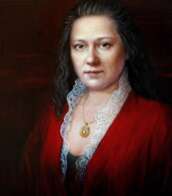
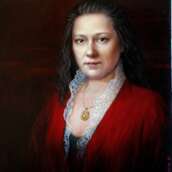


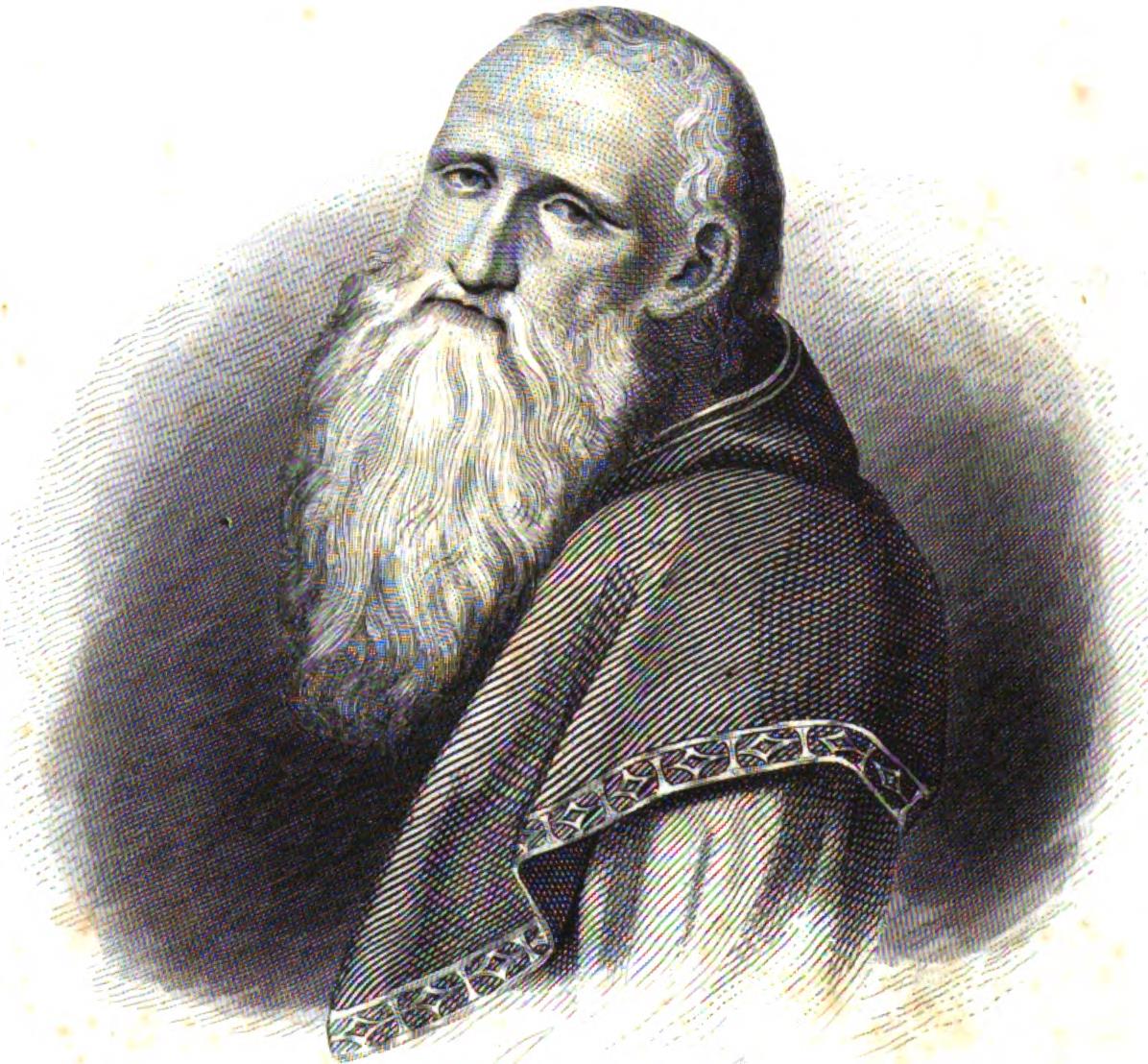
Bernardino Luini, born in Runo, Lombardy around 1481, remains a significant figure in the 16th-century Lombard school of painting. A key member of the Milanese second Leonardo movement, he, along with Cesare da Sesto and Giampietrino Francesco Melzi, contributed to the essence of this artistic era. Luini's journey into art was accompanied by his marriage to Margherita Lomazzo in 1510. Among their four sons, Giovan Pietro and Aurelio followed their father's footsteps, becoming painters themselves. Influenced profoundly by Raphael's work, Melozzo da Forlì, and Leonardo da Vinci, Luini skillfully blended Leonardo's techniques with his own innovations. His Salome with the Beheading of John the Baptist (Uffizi) draws inspiration from Leonardo's La Scapigliata, while his Holy Family with the Infant John (Prado) echoes Leonardo's lost original sketch of affectionate children.
Luini's artistic journey began with the disputed but noteworthy Madonna with the Child and Two Saints (1507), now exhibited in Paris's Musée Jacquemart-André. One of his remarkable works, Madonna della Buonanotte, can be found in the Chiaravalle Milanese monastery. This painting held a unique purpose – after evening prayers, passing monks would be greeted by the artwork, offering them a peaceful night's rest. In later years, Luini's focus shifted to fresco painting. Notably, his captivating depictions of the Crucifixion in Lugano's Santa Maria degli Angioli church and the small-scale Crucifixion in San Nazario in Dino, a subdivision of Sonvico, are celebrated masterpieces that showcase his skill.
Bernardino Luini's legacy endures as a testament to his mastery of Lombard Renaissance art. His fusion of Leonardo's influence with his own creative brilliance left an indelible mark on the artistic landscape of the 16th century, making him an integral part of the Milanese second Leonardo movement.


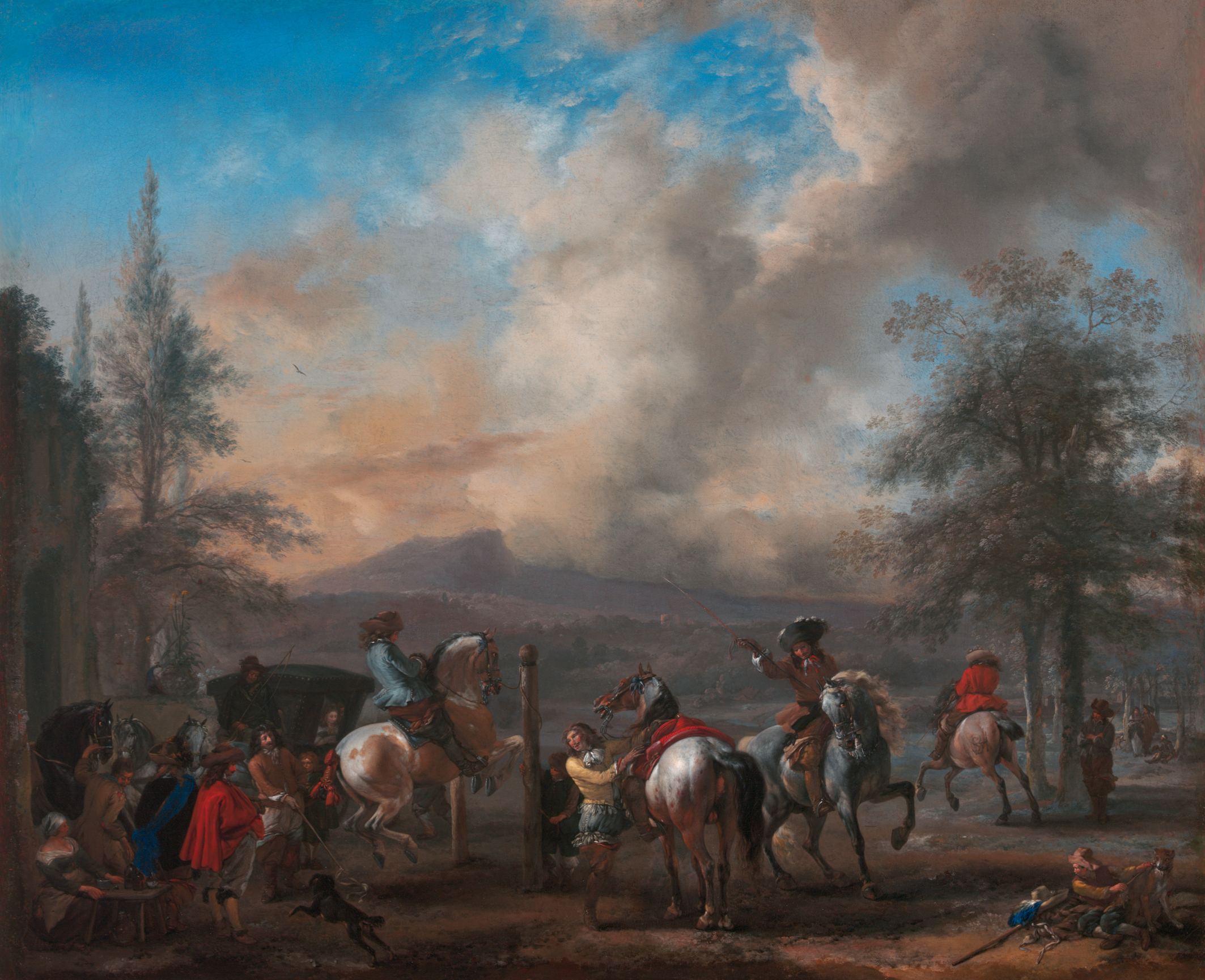
Philips Wouwerman was a distinguished Dutch painter. Renowned for his equestrian scenes, landscapes, and battle depictions, Wouwerman's work embodies the richness of the Dutch Golden Age of painting. He initially trained under his father, Paulus Wouwerman, and possibly with the celebrated artist Frans Hals, showcasing a deep engagement with the artistic milieu of Haarlem.
Wouwerman's career is marked by a prolific output, with about 570 of his works confidently attributed to him today. His oeuvre was once thought to include up to 1200 pieces, a testament to his influence and the extensive body of followers and imitators he inspired across Europe. His brothers, Jan and Pieter Wouwerman, were also painters who are sometimes confused with Philips due to their stylistic similarities.
Philips Wouwerman's paintings are celebrated for their dynamic composition and intricate detail, particularly his treatment of horses which has been a subject of admiration across centuries. His landscapes often feature Italianate settings, despite no concrete evidence suggesting he ever visited Italy. His style was notably influenced by Pieter van Laer, another Haarlem artist with a significant Italian experience, from whom Wouwerman might have acquired sketches and studies.
For art collectors and experts, Wouwerman's work provides a fascinating glimpse into 17th-century Dutch culture, offering scenes filled with vibrancy and life that capture the viewer's imagination. His paintings can be found in prestigious museums worldwide, including the Rijksmuseum in Amsterdam, The National Gallery in London, and the Kunsthistorisches Museum in Vienna, showcasing his widespread acclaim and the enduring legacy of his art.
For those interested in exploring the captivating world of Philips Wouwerman and staying informed about new discoveries, sales, and auction events related to his work, signing up for updates is highly recommended. This ensures access to the latest information and opportunities related to one of the Dutch Golden Age's most versatile and prolific artists.


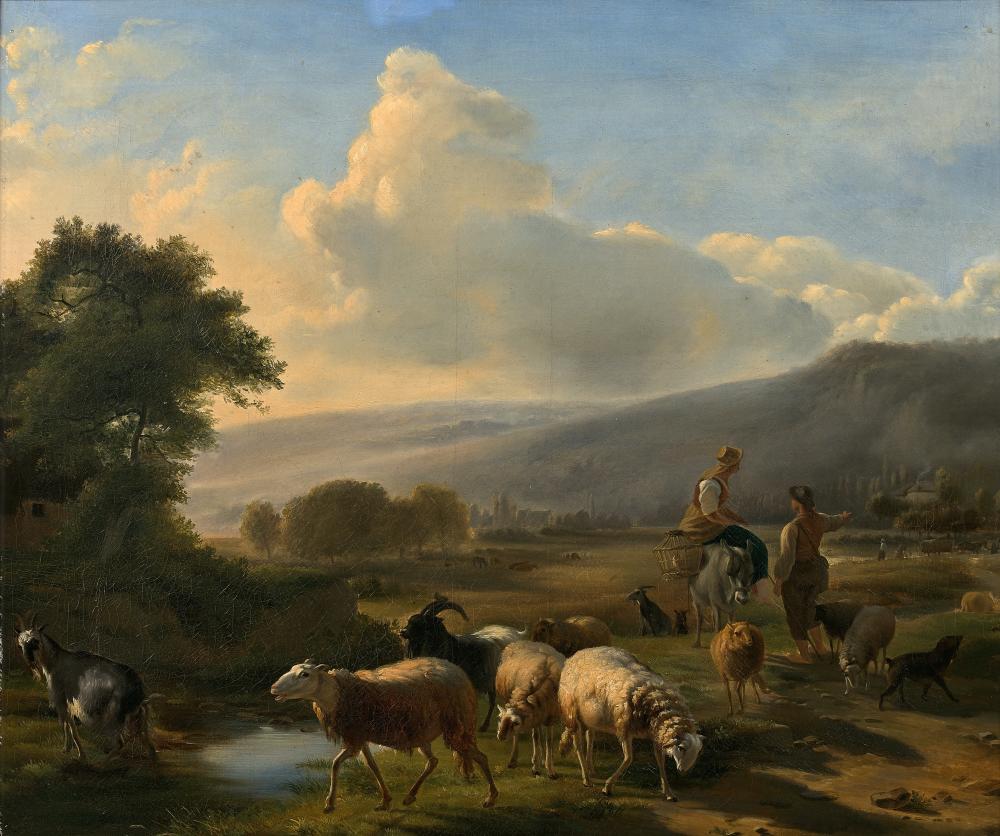
Balthasar Paul Ommeganck was a distinguished Flemish painter, born in Antwerp, Belgium, in 1755. He garnered acclaim for his unique approach to landscape painting, blending realism with an idealized portrayal of nature. Ommeganck's work is characterized by detailed observation of nature, a sure line, and subtle use of color. His favorite subjects were undulating landscapes, often featuring grazing animals like cows, sheep, and goats.
Balthasar Paul Ommeganck's talent was not confined to painting alone; he was also a skilled draughtsman and dabbled in sculpture, producing some clay models of sheep and cows. His main contribution to art was combining the light found in Dutch Italianate painters' work from the 17th century with meticulous observation of nature, finding a synthesis between realism and an idealized representation of nature.
In 1799, Balthasar Paul Ommeganck's landscape painting won the first prize in Paris, a competition he had not intended to enter but was submitted to by a friend. His success extended beyond the borders of Belgium, as he became a member of several academies, including those in Amsterdam, Brussels, Ghent, Munich, and Vienna. In 1809, he was recognized as a corresponding member of the Institut de France.
Despite his death in 1826, Balthasar Paul Ommeganck's style continued to influence landscape painting in the 18th and early 19th centuries. However, later art critics have sometimes viewed his adherence to classic tradition and preference for the picturesque and conventional as a form of 'hopeless traditionalism'.
For collectors and enthusiasts of art and antiques, Balthasar Paul Ommeganck's works represent a significant period in the history of landscape painting. His paintings, with their fusion of realistic detail and atmospheric beauty, are a testament to his skill and vision.
To keep abreast of the latest news, sales, and auction events related to Balthasar Paul Ommeganck's art, consider subscribing to our updates. This service ensures you stay informed about opportunities to delve deeper into the works of this notable landscape artist.