

philosophy





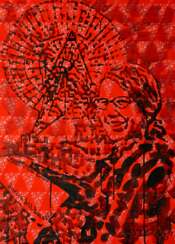

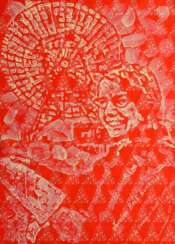

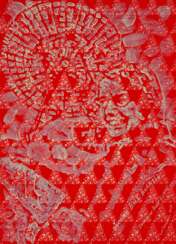



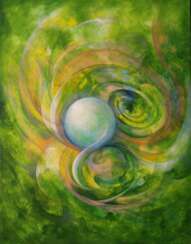








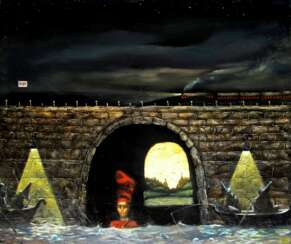

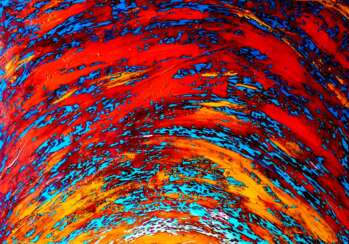

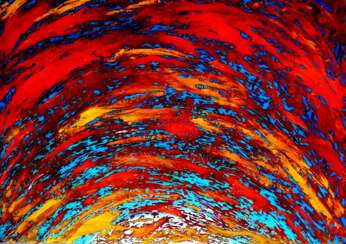



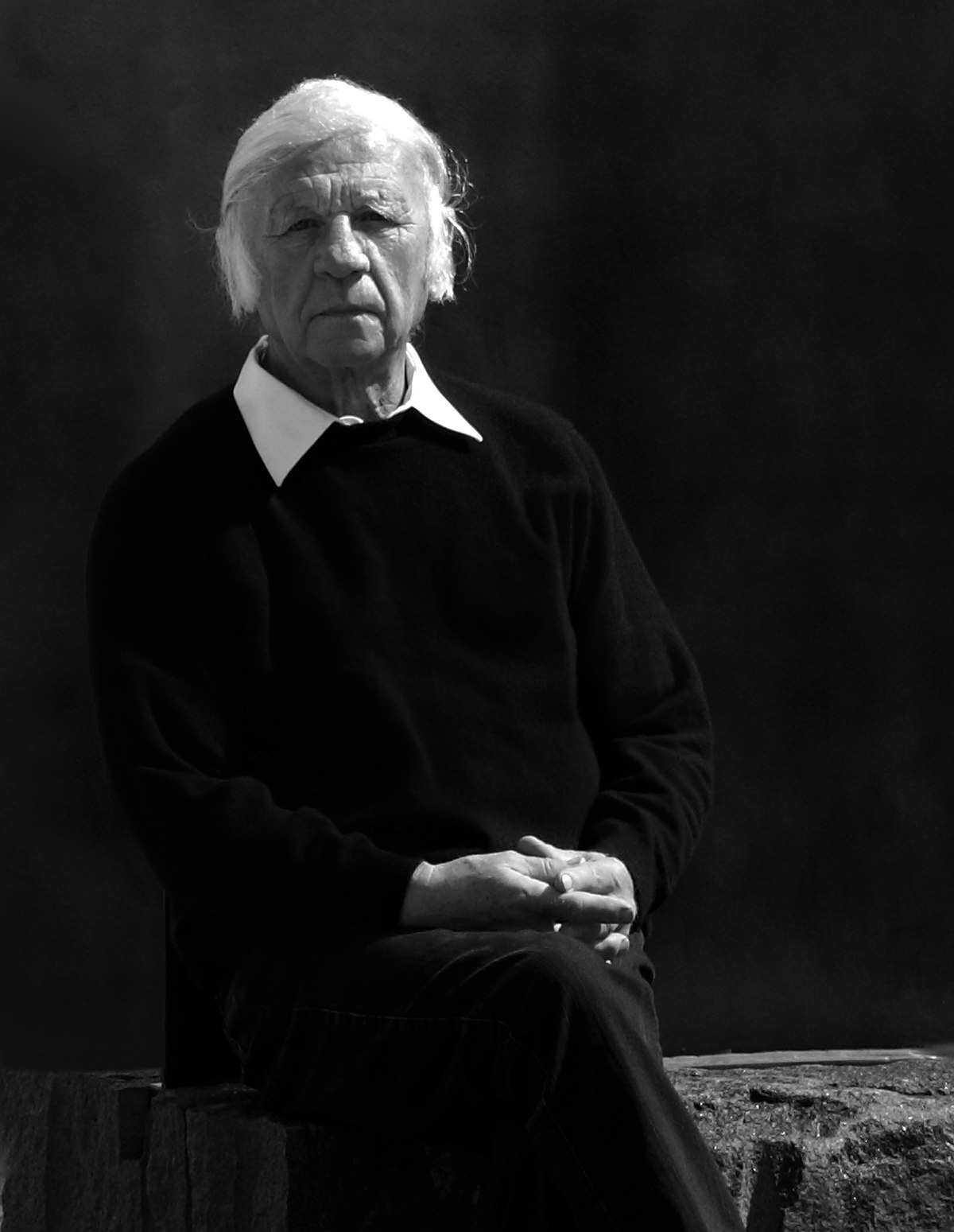
Heinz Mack is a German artist. Together with Otto Piene he founded the ZERO movement in 1957. He exhibited works at documenta in 1964 and 1977 and he represented Germany at the 1970 Venice Biennale. He is best known for his contributions to op art, light art and kinetic art.


Heinz Mack is a German artist. Together with Otto Piene he founded the ZERO movement in 1957. He exhibited works at documenta in 1964 and 1977 and he represented Germany at the 1970 Venice Biennale. He is best known for his contributions to op art, light art and kinetic art.


Heinz Mack is a German artist. Together with Otto Piene he founded the ZERO movement in 1957. He exhibited works at documenta in 1964 and 1977 and he represented Germany at the 1970 Venice Biennale. He is best known for his contributions to op art, light art and kinetic art.


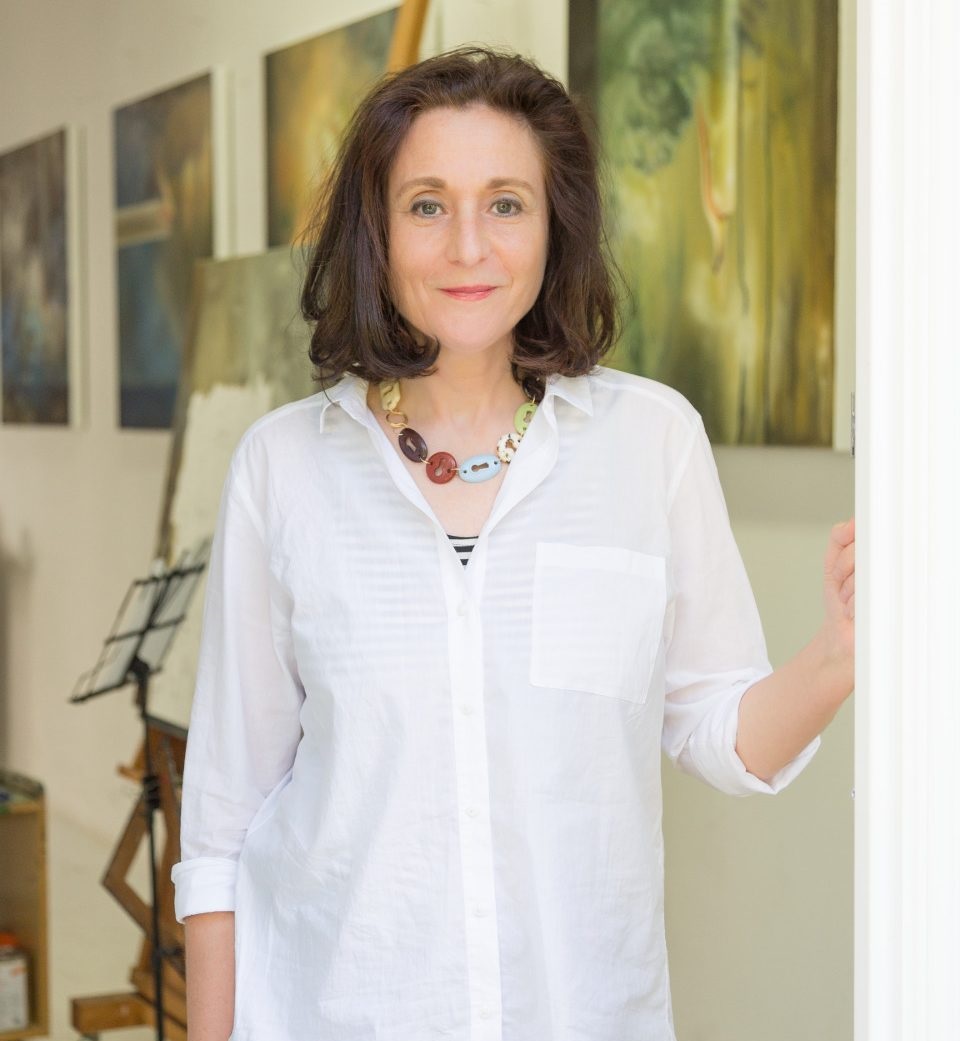
Karin Kneffel is one of Europe's most outstanding contemporary artists.





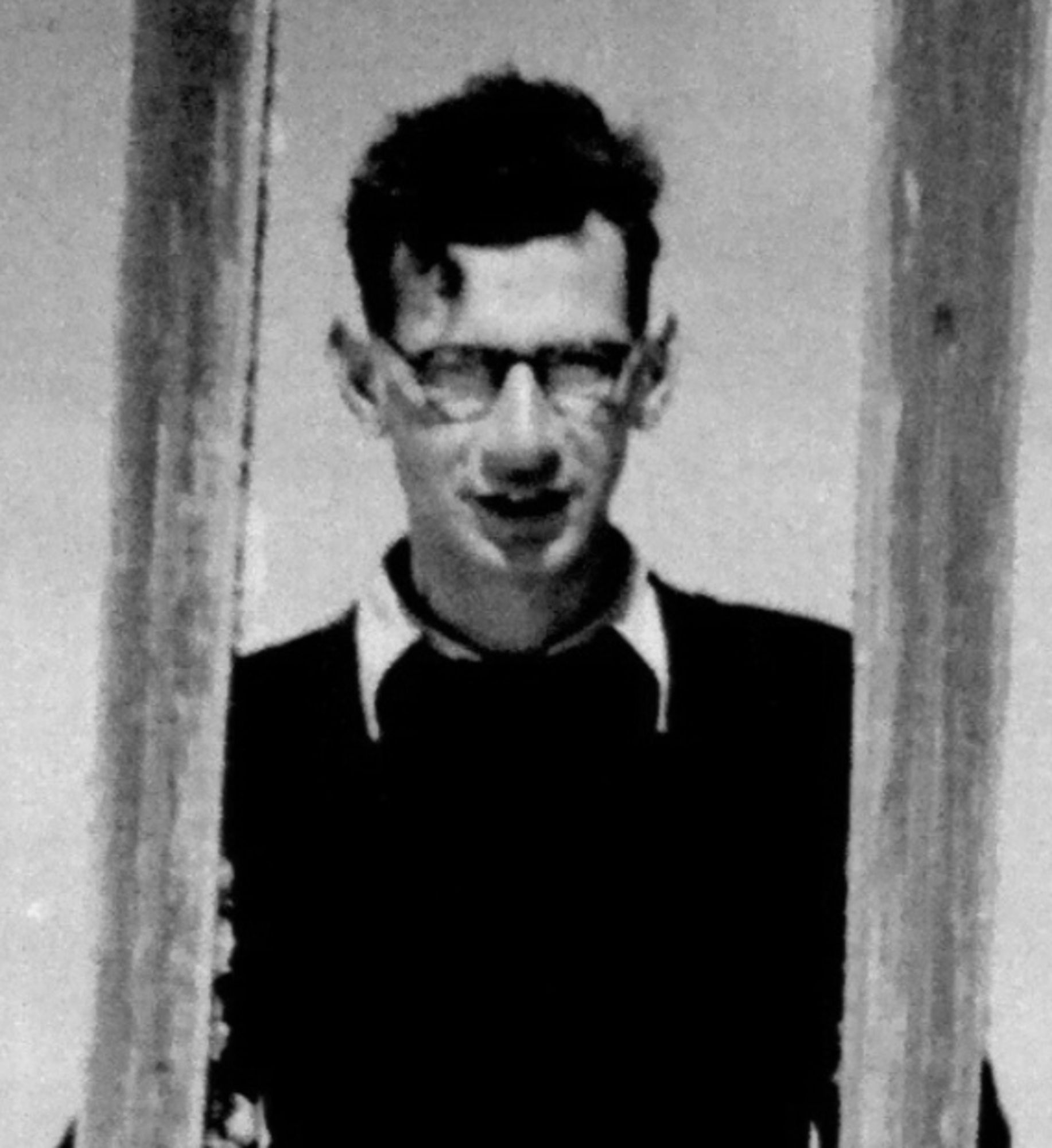
Rudolf Grossmann (German: Rudolf Grossmann, or Großmann), full name Rudolf Wilhelm Walther Grossmann, was a German painter, draftsman, illustrator and graphic artist.
Born into an artistic family, Grossmann began his education in painting and printmaking at the Düsseldorf Academy before continuing his studies in Paris with Lucien Simon and Pouleroz. Among his best-known works are various portrait drawings of celebrities, notably those published in the satirical periodical Simplicissimus; he was also known for his book illustrations. Grossmann began publishing his prints in 1905, and many major publishers in Germany and France commissioned his work. He later concentrated on figurative works and urban scenes, which showed the influence of Cézanne and Pasquin.
From 1928 until Hitler's Nazi Party came to power, Grossmann taught at the Berlin Royal School of Art and was a member of the Berlin Secession and the Deutsche Kunstlerbund. In 1934, his work, like that of many of his colleagues, was stigmatized as degenerate and confiscated by the Nazi government, and he was disbarred from practicing his profession. He soon left for Freiberg im Beisgau, where he died on November 28, 1941.

Rudolf Grossmann (German: Rudolf Grossmann, or Großmann), full name Rudolf Wilhelm Walther Grossmann, was a German painter, draftsman, illustrator and graphic artist.
Born into an artistic family, Grossmann began his education in painting and printmaking at the Düsseldorf Academy before continuing his studies in Paris with Lucien Simon and Pouleroz. Among his best-known works are various portrait drawings of celebrities, notably those published in the satirical periodical Simplicissimus; he was also known for his book illustrations. Grossmann began publishing his prints in 1905, and many major publishers in Germany and France commissioned his work. He later concentrated on figurative works and urban scenes, which showed the influence of Cézanne and Pasquin.
From 1928 until Hitler's Nazi Party came to power, Grossmann taught at the Berlin Royal School of Art and was a member of the Berlin Secession and the Deutsche Kunstlerbund. In 1934, his work, like that of many of his colleagues, was stigmatized as degenerate and confiscated by the Nazi government, and he was disbarred from practicing his profession. He soon left for Freiberg im Beisgau, where he died on November 28, 1941.


