poland










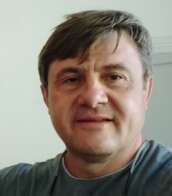










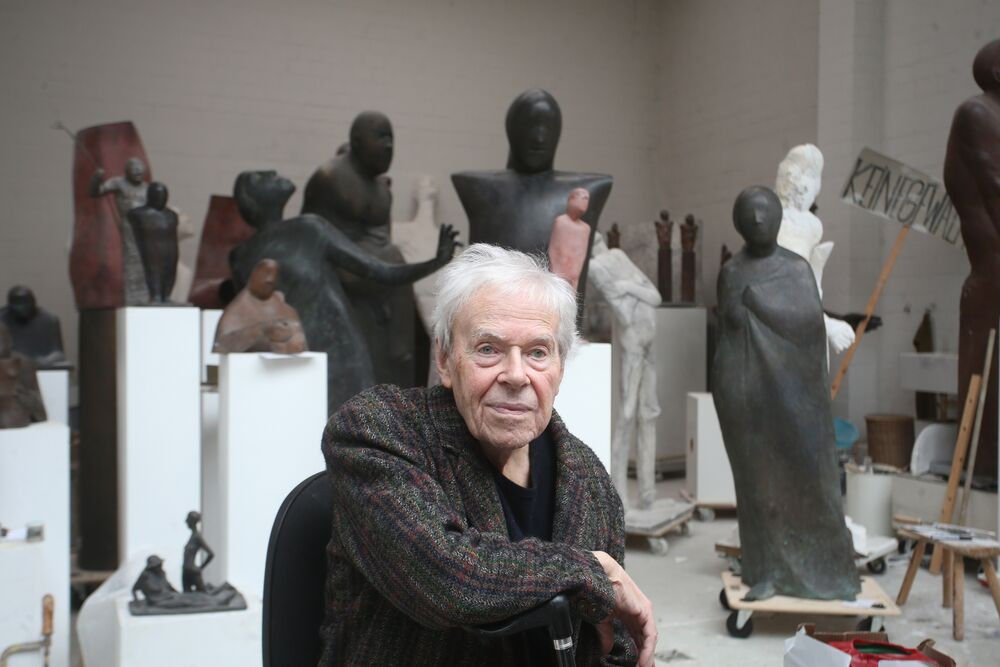
Waldemar Otto is a German sculptor of Polish descent.
Otto studied sculpture at the Academy of Fine Arts in Berlin, won the 1957 Grosse Berliner Kunstausst Prize, lived with his family in the United States, and moved to Bremen in 1973, accepting a professorship at the University of the Arts. He founded the Bremer School of Sculpture there and then moved to Worpswede.
Waldemar Otto practiced figurative sculpture in the form of torsos, creating his figurative human images in wood, granite, bronze and cast stone. Many of his works can be seen in public spaces in various German cities.



Waldemar Otto is a German sculptor of Polish descent.
Otto studied sculpture at the Academy of Fine Arts in Berlin, won the 1957 Grosse Berliner Kunstausst Prize, lived with his family in the United States, and moved to Bremen in 1973, accepting a professorship at the University of the Arts. He founded the Bremer School of Sculpture there and then moved to Worpswede.
Waldemar Otto practiced figurative sculpture in the form of torsos, creating his figurative human images in wood, granite, bronze and cast stone. Many of his works can be seen in public spaces in various German cities.


Waldemar Otto is a German sculptor of Polish descent.
Otto studied sculpture at the Academy of Fine Arts in Berlin, won the 1957 Grosse Berliner Kunstausst Prize, lived with his family in the United States, and moved to Bremen in 1973, accepting a professorship at the University of the Arts. He founded the Bremer School of Sculpture there and then moved to Worpswede.
Waldemar Otto practiced figurative sculpture in the form of torsos, creating his figurative human images in wood, granite, bronze and cast stone. Many of his works can be seen in public spaces in various German cities.


Waldemar Otto is a German sculptor of Polish descent.
Otto studied sculpture at the Academy of Fine Arts in Berlin, won the 1957 Grosse Berliner Kunstausst Prize, lived with his family in the United States, and moved to Bremen in 1973, accepting a professorship at the University of the Arts. He founded the Bremer School of Sculpture there and then moved to Worpswede.
Waldemar Otto practiced figurative sculpture in the form of torsos, creating his figurative human images in wood, granite, bronze and cast stone. Many of his works can be seen in public spaces in various German cities.