rahmen (63












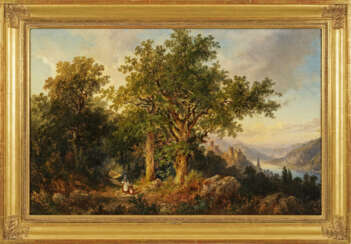













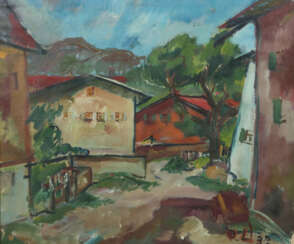

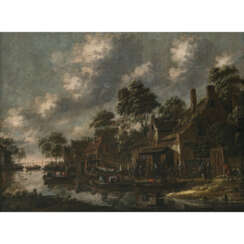

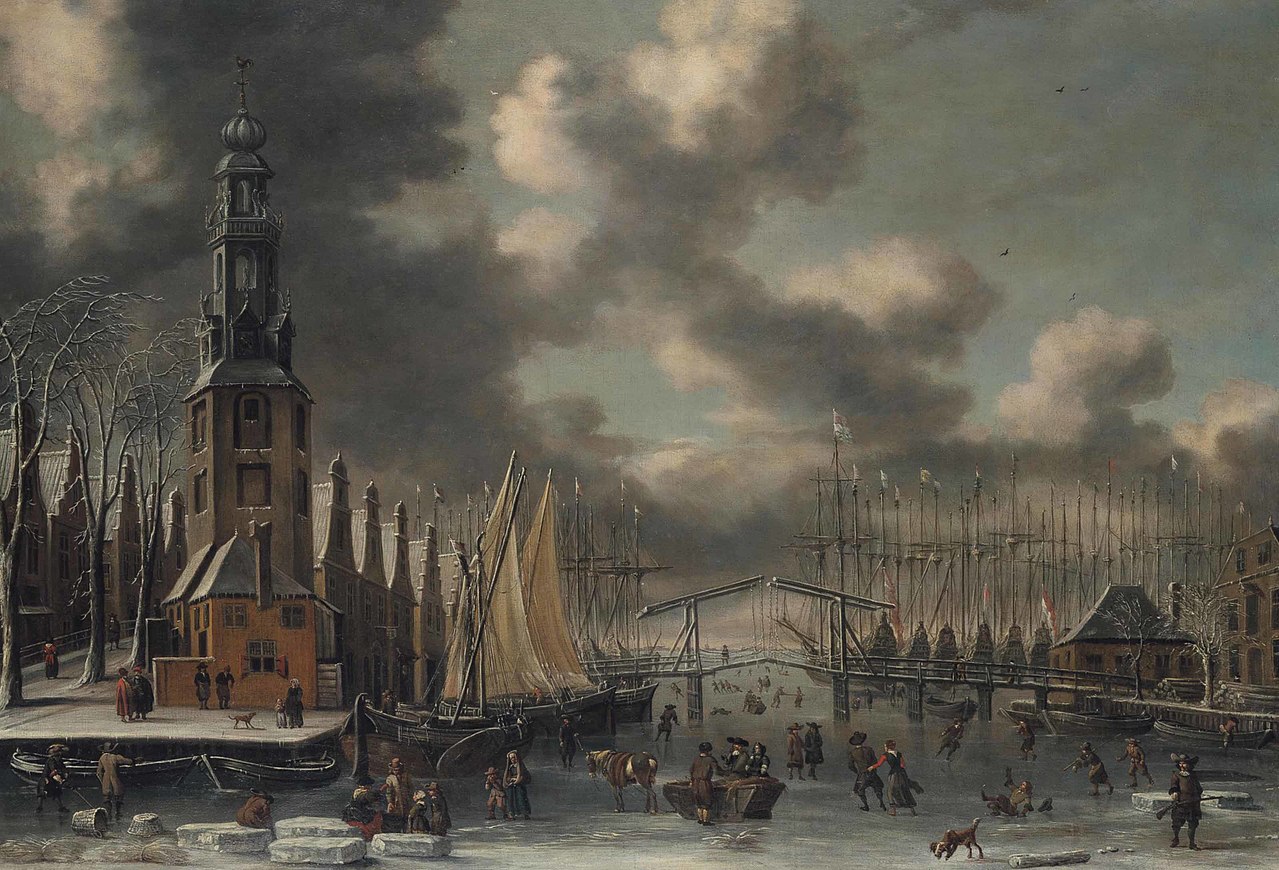
Thomas Heeremans was a Dutch painter and art dealer. He is known for his landscapes of winter scenes, cityscapes, harbor scenes, beach views, river views and village scenes. He was influenced by Klaes Molenaer, a slightly older painter also from Haarlem.



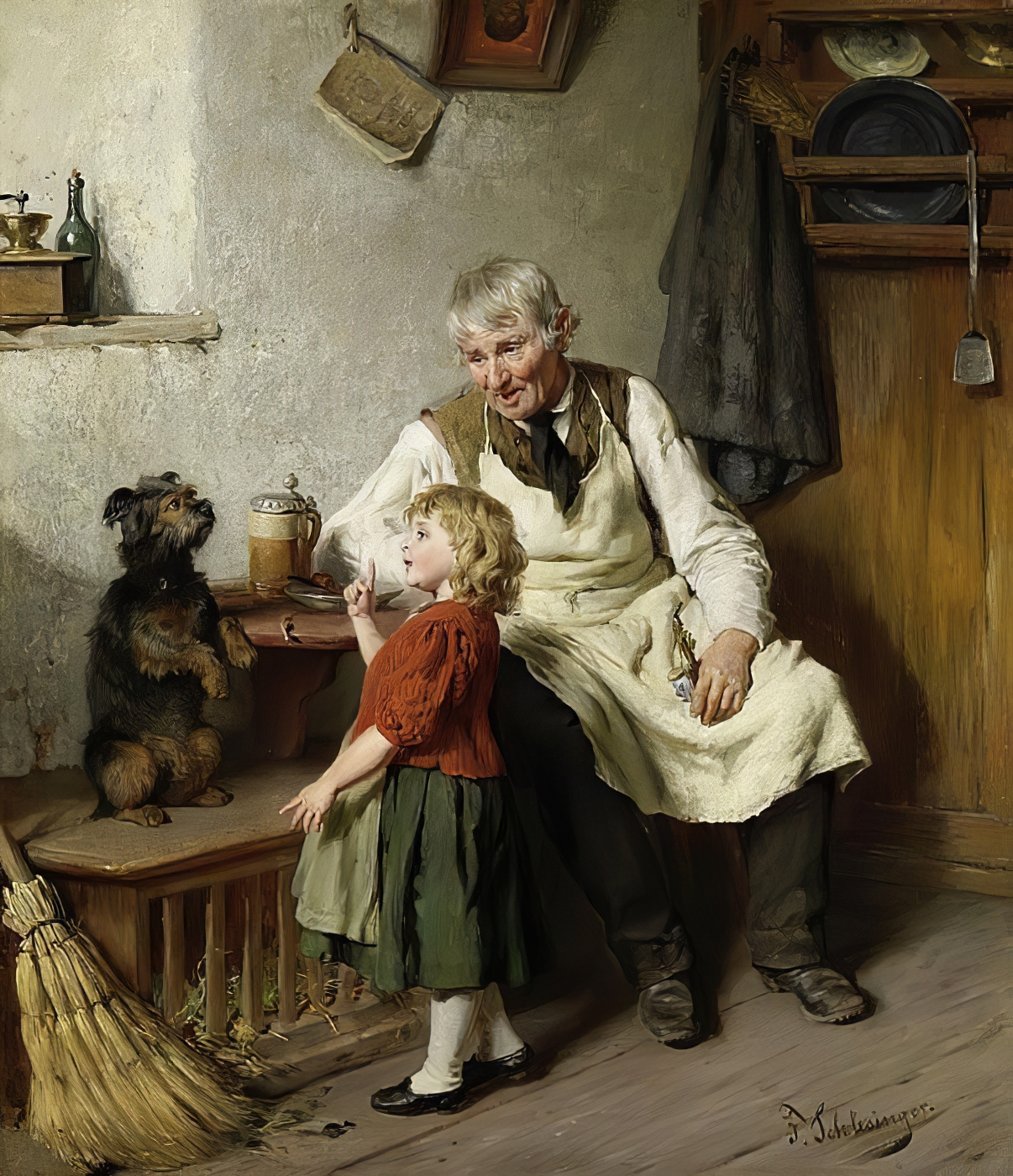
Felix Schlesinger was a German painter and illustrator. He studied figurative painting in Antwerp and in 1850 and 1851 at the Düsseldorf Academy of Arts.
Felix Schlesinger is the author of genre paintings and portraits. One of the most famous painters of children's themes, which was very popular all over the world in the 19th century.

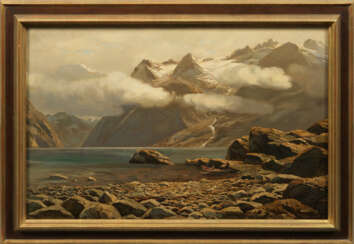

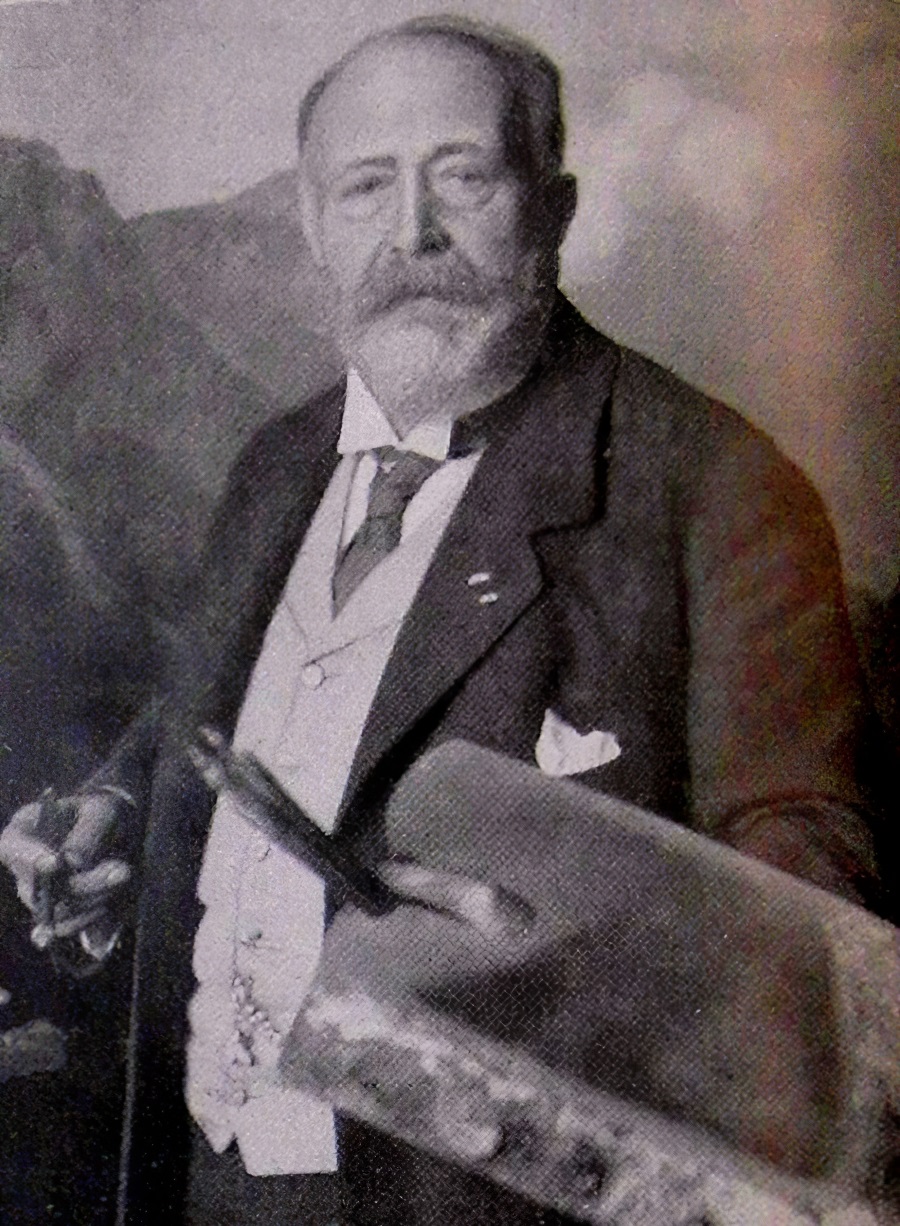
Karl Paul Themistokles von Eckenbrecher was a German landscape and marine painter, in the late Romantic style.


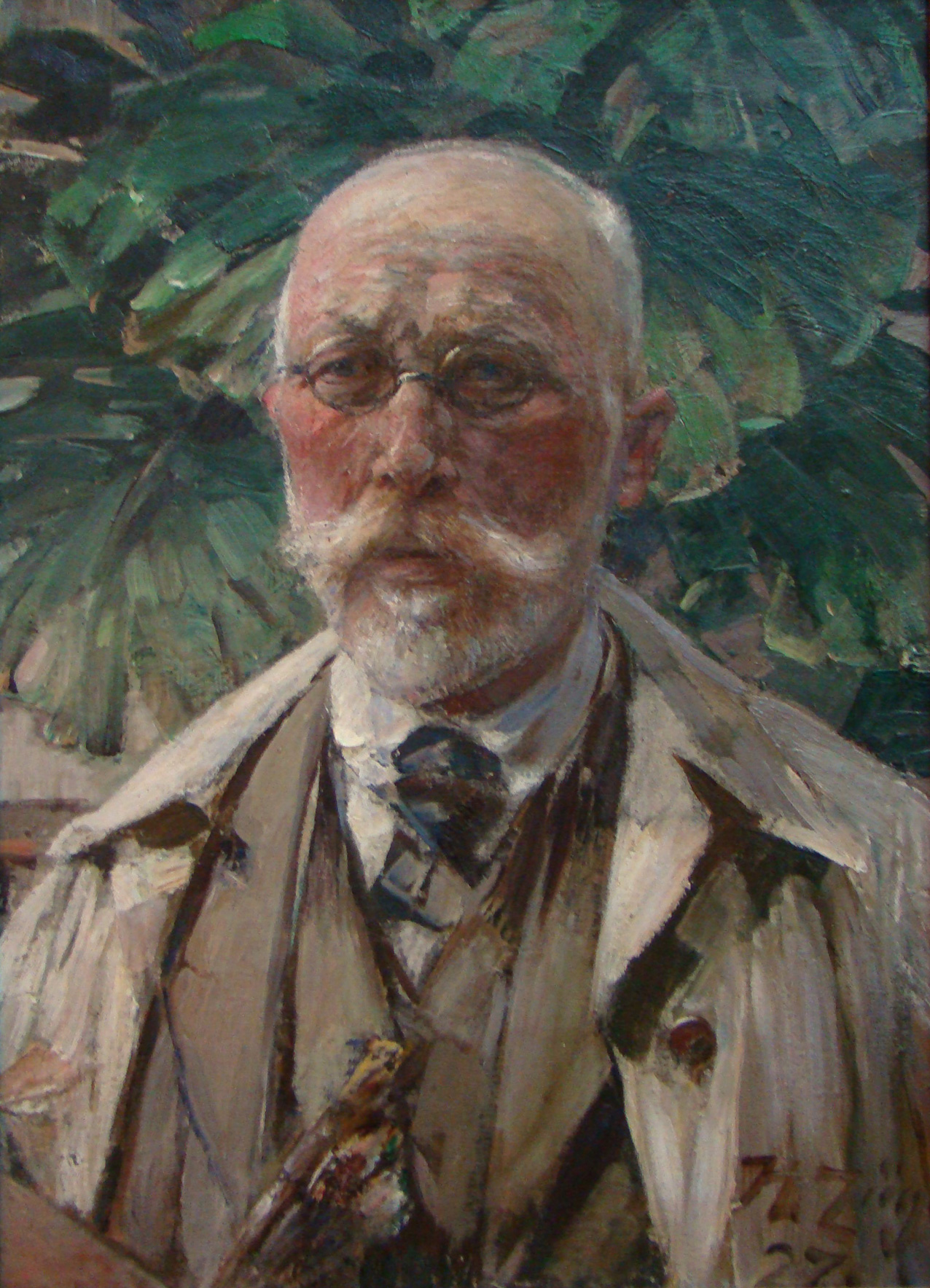
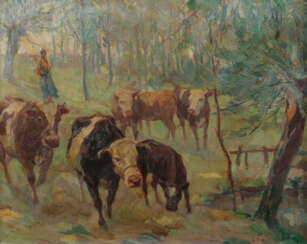
Heinrich Johann von Zügel was a German painter of the late nineteenth century and the first half of the twentieth century. He is known as a painter who specialized in depicting farm animals in dramatic and humorous situations.
Von Zügel invested more than 40 years in the subject of "Hard Labor," depicting mostly the work of oxen. By creating 24 versions of this subject, the artist demonstrated the evolution of his skill from realistic detailing to cubic and monumental interpretation. Von Zügel also created light impressionist paintings, including a self-portrait at the age of 77. In addition to animals, he also painted portraits and cityscapes.


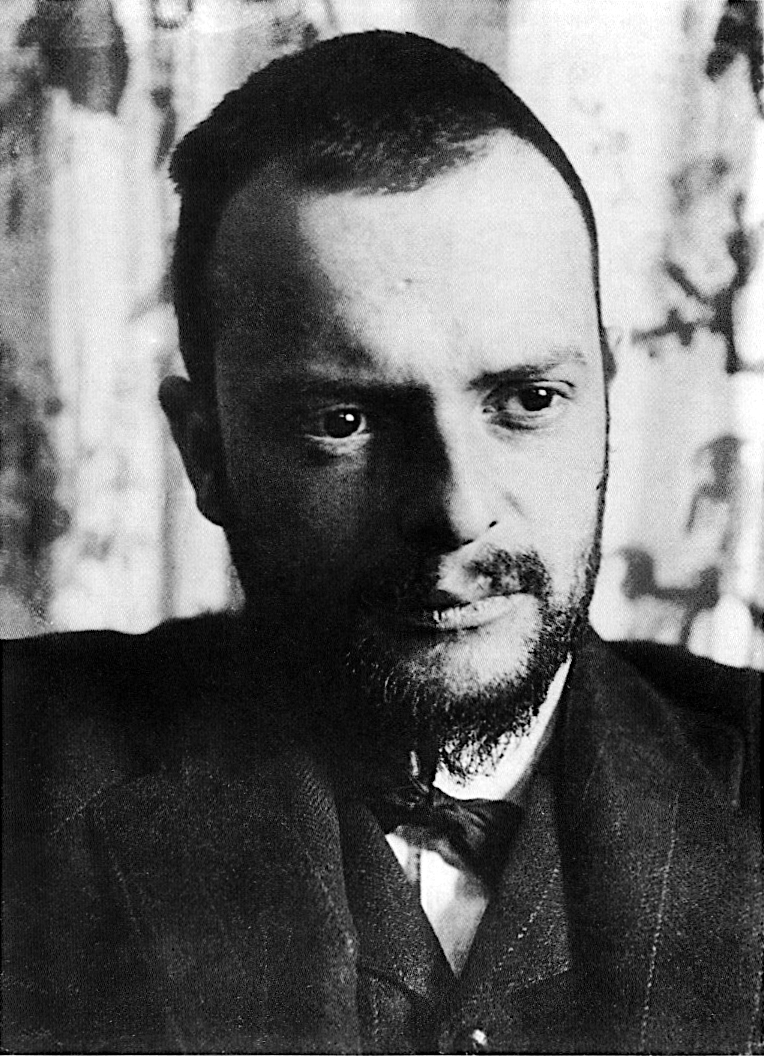
Paul Klee, a Swiss-born German artist, was renowned for his unique contribution to the art world, blending elements from expressionism, cubism, and surrealism. Born on December 18, 1879, in Münchenbuchsee, Switzerland, Klee was the second child of a German music teacher and a Swiss singer. Despite early musical talent, Klee pursued visual arts, influenced by a dissatisfaction with the state of modern music and a desire for creative freedom.
Klee's artistic journey began in earnest after he decided against a career in music, despite his exceptional skills with the violin. His education at the Academy of Fine Arts in Munich under the guidance of Heinrich Knirr and Franz von Stuck was crucial in shaping his artistic direction. Although he struggled with color initially, Klee later became a master of color theory, a transition marked by his transformative visit to Tunisia in 1914. This trip was a pivotal moment, leading Klee to declare, "Color and I are one. I am a painter".
Throughout his career, Klee's work was characterized by a profound sense of experimentation and innovation. He explored the boundaries of abstract art, drawing inspiration from his vast interests, including literature, music, and his own theories on art and aesthetics. His lectures on form and design theory at the Bauhaus, where he taught alongside luminaries like Wassily Kandinsky, are considered as seminal to modern art as Leonardo da Vinci's treatises were to the Renaissance.
Klee's art is celebrated for its intricacy, humor, and the ability to express complex themes through seemingly simplistic and childlike forms. His notable works, such as "Twittering Machine" (1922) and "Highway and Byways" (1928), showcase his skill in using color, shape, and line to evoke depth and emotion.
For collectors and art and antiques experts, Klee's legacy is a testament to the power of innovation and the search for personal expression within the avant-garde movements of the 20th century. His works, housed in prestigious museums and galleries around the world, continue to inspire and intrigue.
If you're passionate about art and wish to stay informed about new discoveries and sales related to Paul Klee's works, consider signing up for updates. This subscription will ensure you're alerted to upcoming auction events and product sales, allowing you to deepen your collection and appreciation of this remarkable artist's legacy.