skulpturen/plastiken










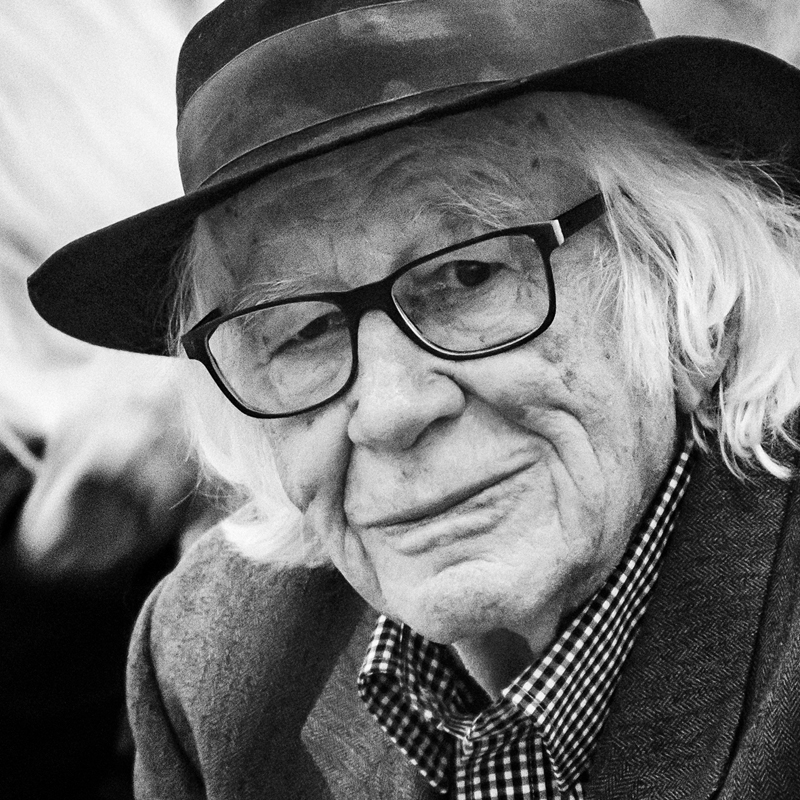
Fritz Koenig was a prominent German sculptor, recognized for his influential works in the 20th century. He studied art at the Academy of Fine Arts in Munich after World War II and later, in 1951, expanded his education in Paris on a scholarship. Koenig gained international fame, particularly for his monumental bronze sculpture, "The Sphere," originally located at the World Trade Center in New York City.
"The Sphere" became a symbol of resilience after surviving the 9/11 attacks, albeit with damage. Initially placed in Battery Park as an interim memorial, it now resides in Liberty Park, serving as a poignant reminder of endurance amidst devastation. Koenig's work delves into themes of human and animal existence, exploring the tensions between religiosity and mythology, and the fragile nature of life.
Throughout his career, Koenig participated in significant exhibitions like the Biennale in Venice and documenta in Kassel, and his works are displayed in permanent collections, such as the Hofberg Sculpture Museum in Landshut. Koenig's artistic legacy continues to inspire, embodying a deep contemplation of humanity's place in the world and the enduring spirit of art in the face of tragedy.
If you're intrigued by the artistic journey and significant works of Fritz Koenig, and wish to delve deeper into his contributions to modern sculpture, consider subscribing for updates. This subscription will keep you informed about exhibitions, sales of Koenig's works, and insightful articles that explore his artistic legacy. Stay connected to the world of art and ensure you don't miss out on the opportunity to learn more about this influential sculptor's impact on contemporary art.


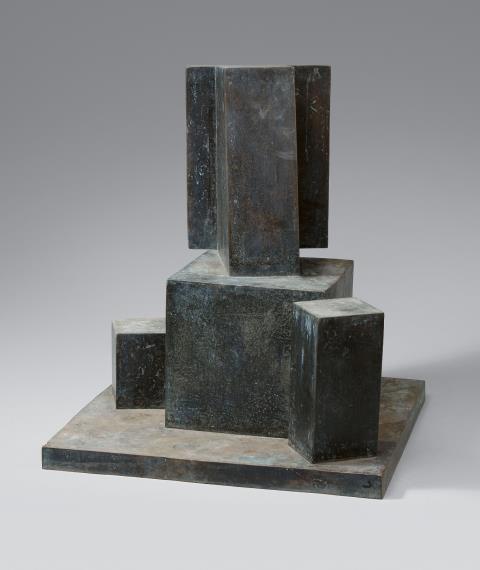
Anton Hiller was a Bavarian sculptor and painter. He grew up in a Catholic farming family in Sigmaringendorf, Hohenzollern. Hiller then studied sculpture at the Academy of Fine Arts Munich under Hermann Hahn (1868–1945), graduating in 1923 and worked later as a freelance sculptor in Munich from 1923, executing commissions for the Bavarian State Gallery and the Municipal Gallery.
From 1946 to 1961, Hiller served as a professor of sculpture at the Academy of Fine Arts Munich, becoming one of the leading representatives of the Munich School of Sculpture in the third quarter of the 20th century. Hiller was a member of the German Artists' Association from 1952 to 1960.


Anton Hiller was a Bavarian sculptor and painter. He grew up in a Catholic farming family in Sigmaringendorf, Hohenzollern. Hiller then studied sculpture at the Academy of Fine Arts Munich under Hermann Hahn (1868–1945), graduating in 1923 and worked later as a freelance sculptor in Munich from 1923, executing commissions for the Bavarian State Gallery and the Municipal Gallery.
From 1946 to 1961, Hiller served as a professor of sculpture at the Academy of Fine Arts Munich, becoming one of the leading representatives of the Munich School of Sculpture in the third quarter of the 20th century. Hiller was a member of the German Artists' Association from 1952 to 1960.