skulpturen u. bronzen








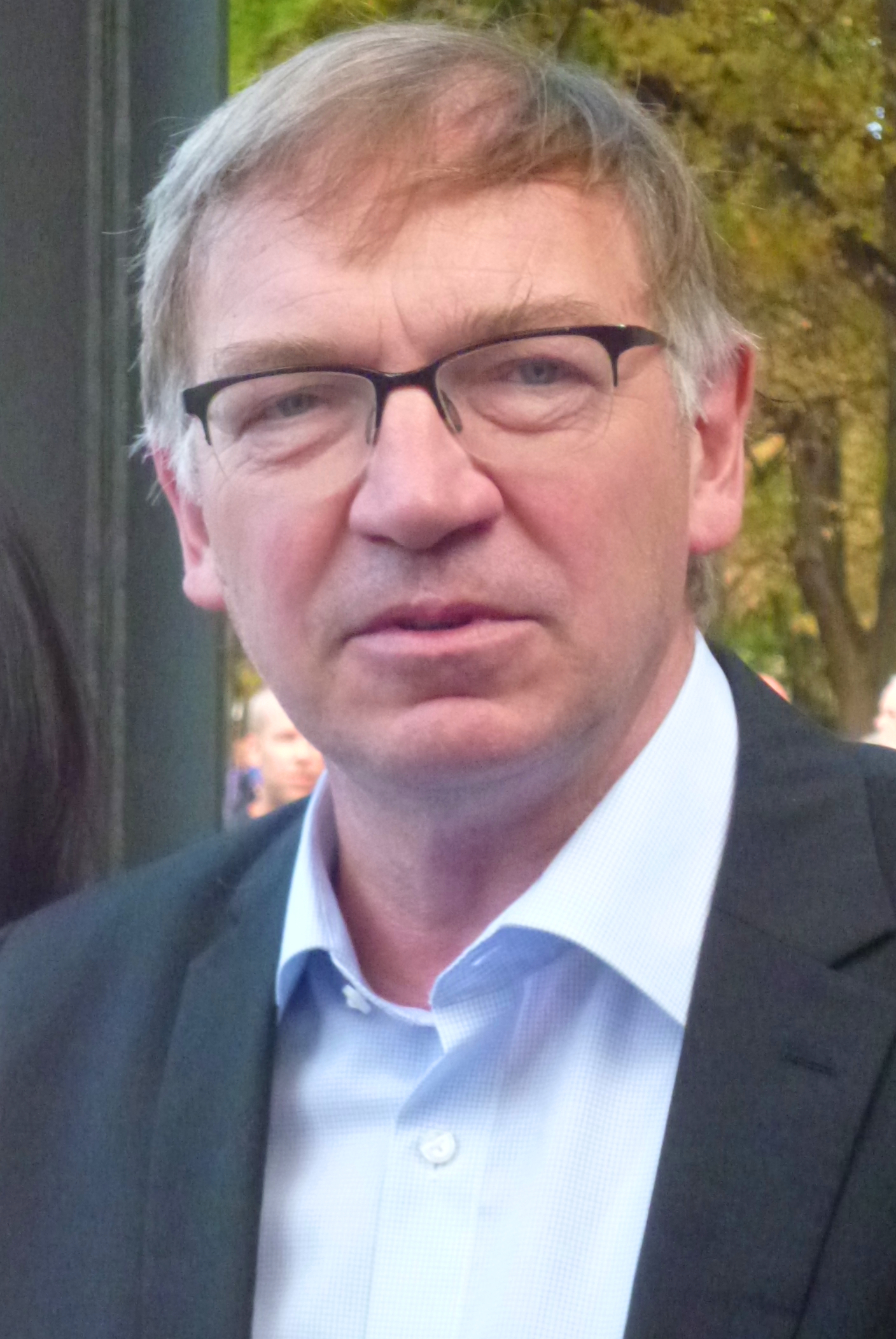
Stephan Balkenhol is a German artist known for his sculptures capturing the human form. Based in France and Germany, he specializes in wood sculptures, reliefs, drawings, and graphic techniques like lithography, woodcuts, and stencils. His distinct style features roughly carved and vibrantly painted wooden sculptures, often depicting people, animals, and architecture.
Balkenhol's subjects lack emotions, often gazing into emptiness, resulting in a distant and enigmatic aura. Wood is his primary medium, with softer woods allowing precise facial details while maintaining imperfections like chips, knots, and tool marks. The artist adds paint as a finishing touch, accentuating anatomy and vitality. The textured surfaces beneath the paint layer amplify the sense of life in Balkenhol's works.


Stephan Balkenhol is a German artist known for his sculptures capturing the human form. Based in France and Germany, he specializes in wood sculptures, reliefs, drawings, and graphic techniques like lithography, woodcuts, and stencils. His distinct style features roughly carved and vibrantly painted wooden sculptures, often depicting people, animals, and architecture.
Balkenhol's subjects lack emotions, often gazing into emptiness, resulting in a distant and enigmatic aura. Wood is his primary medium, with softer woods allowing precise facial details while maintaining imperfections like chips, knots, and tool marks. The artist adds paint as a finishing touch, accentuating anatomy and vitality. The textured surfaces beneath the paint layer amplify the sense of life in Balkenhol's works.


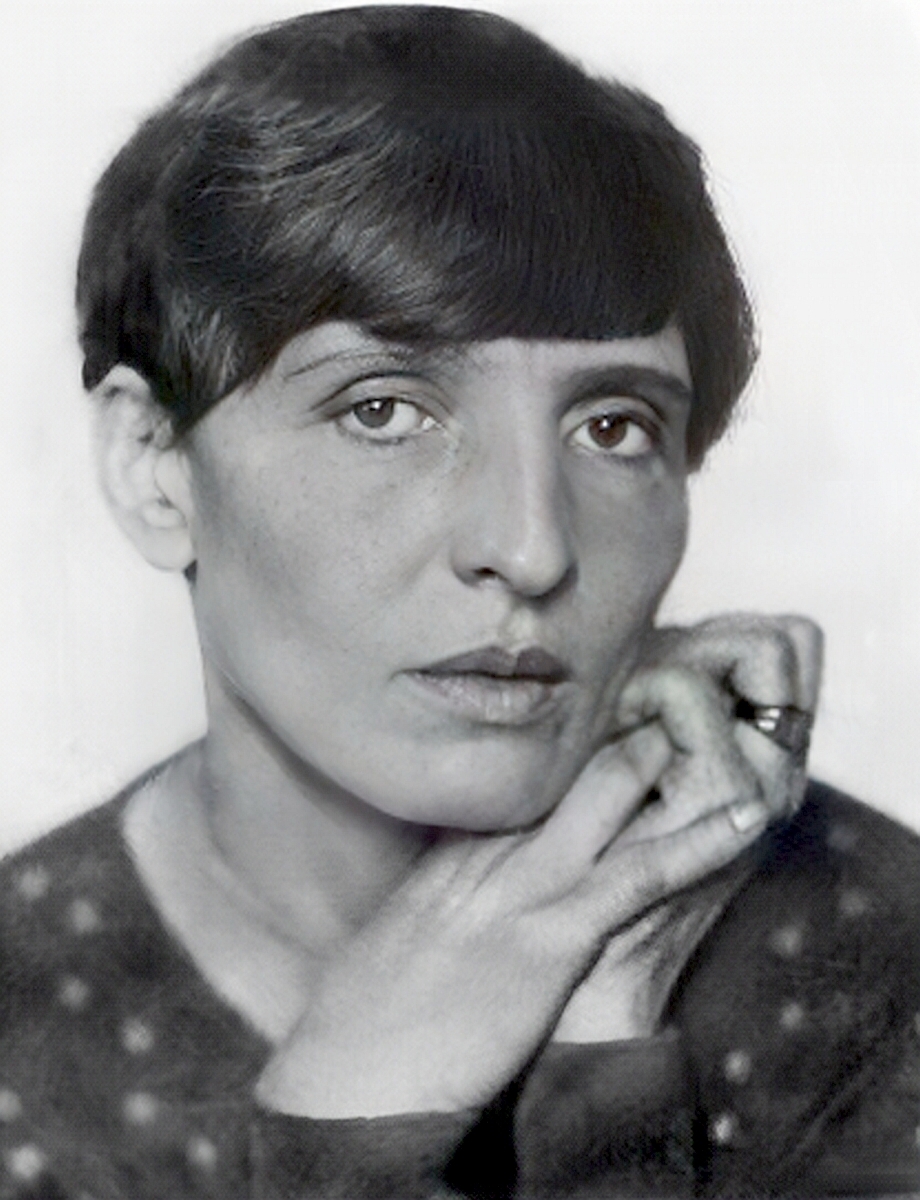
Renée Sintenis was a German sculptor, medallist, and graphic artist who worked in Berlin. She created mainly small-sized animal sculptures, female nudes, portraits, and sports statuettes. She is especially known for her Berlin Bear sculptures, which was used as the design for the Berlinale's top flim award, the Golden Bear.


.jpg)
Ernst Heinrich Barlach was a German expressionist sculptor, medallist, printmaker and writer. Although he was a supporter of the war in the years leading to World War I, his participation in the war made him change his position, and he is mostly known for his sculptures protesting against the war. This created many conflicts during the rise of the Nazi Party, when most of his works were confiscated as degenerate art. Stylistically, his literary and artistic work would fall between the categories of twentieth-century Realism and Expressionism.


.jpg)
Gerhard Marcks was a German artist, known primarily as a sculptor, but who is also known for his drawings, woodcuts, lithographs and ceramics.


Gerhard Marcks was a German artist, known primarily as a sculptor, but who is also known for his drawings, woodcuts, lithographs and ceramics.


Gerhard Marcks was a German artist, known primarily as a sculptor, but who is also known for his drawings, woodcuts, lithographs and ceramics.


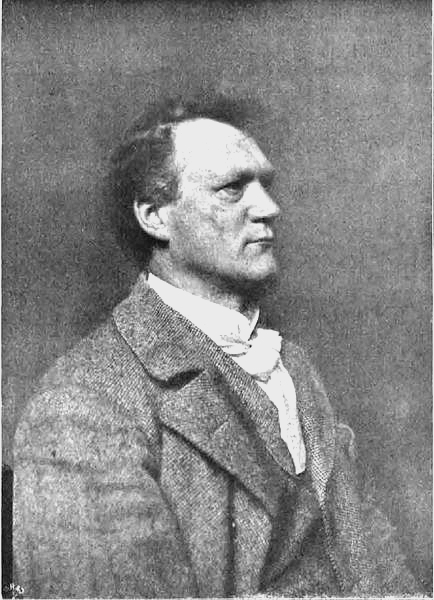


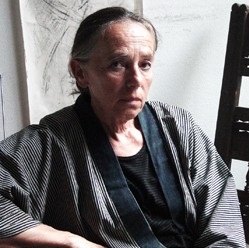


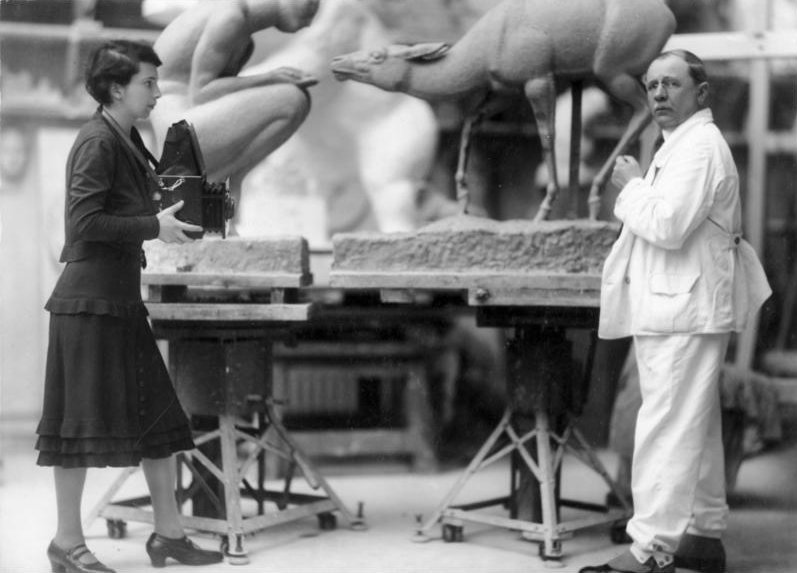
Hugo Lederer was a German sculptor and medallist. He lived and worked in Berlin during the reign of Kaiser Wilhelm II and the first German democracy. His most famous work is the monumental monument to Bismarck in Hamburg (1902-1906).
Hugo Lederer always stood on the side of upper-class modernism and opposed the anti-bourgeois left-wing or popular art scene. Initially he was still following Reinhold Begas and his neo-Baroque style, the Gründerzeit art movement favoured by Kaiser Wilhelm II and despised by many intellectuals of the time.


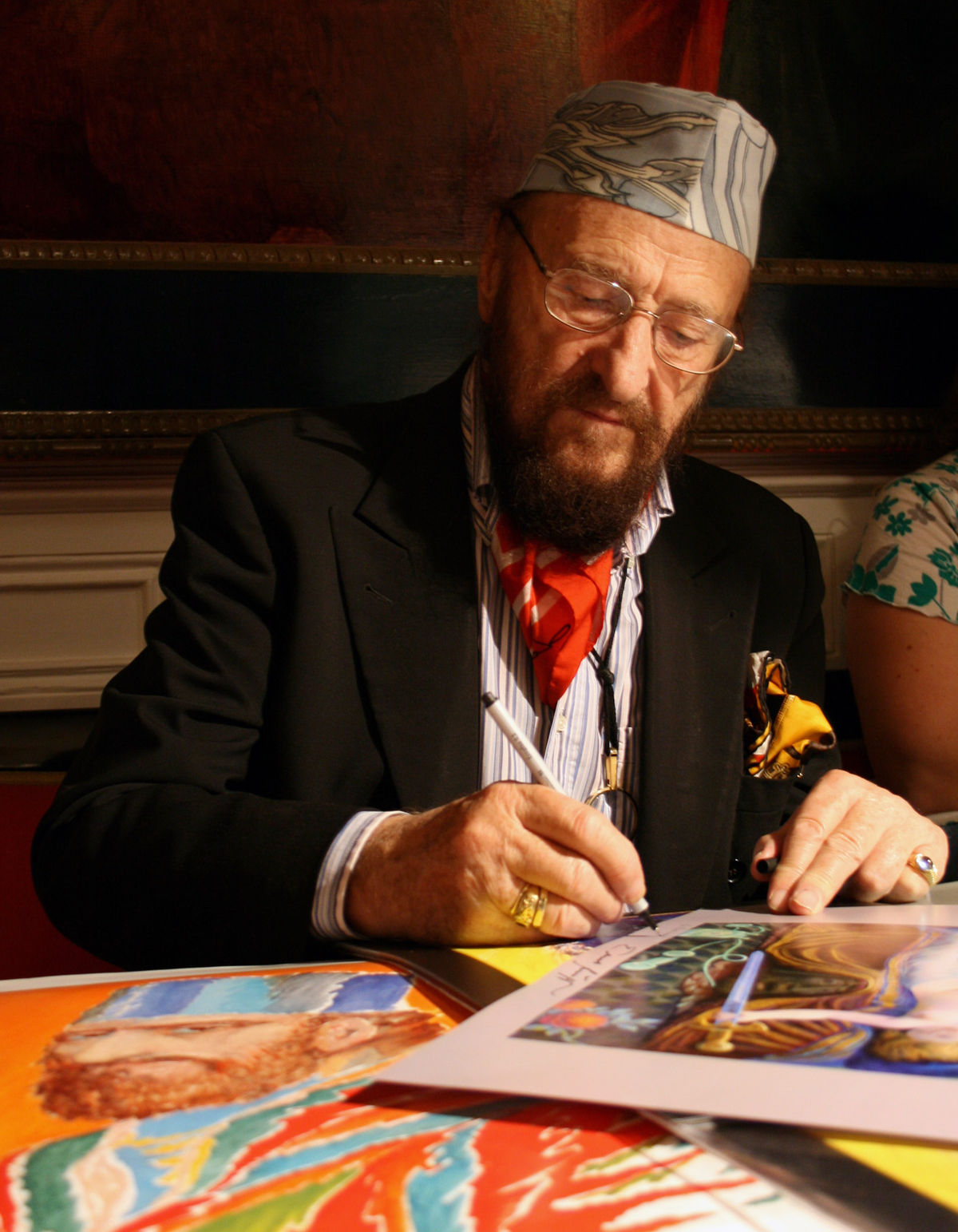
Ernst Fuchs was an Austrian painter, draftsman, printmaker, sculptor, architect, stage designer, composer, poet, and one of the founders of the Vienna School of Fantastic Realism. In 1972, he acquired the derelict Otto Wagner Villa in Hütteldorf, which he restored and transformed. The villa was inaugurated as the Ernst Fuchs Museum in 1988.


Ernst Fuchs was an Austrian painter, draftsman, printmaker, sculptor, architect, stage designer, composer, poet, and one of the founders of the Vienna School of Fantastic Realism. In 1972, he acquired the derelict Otto Wagner Villa in Hütteldorf, which he restored and transformed. The villa was inaugurated as the Ernst Fuchs Museum in 1988.


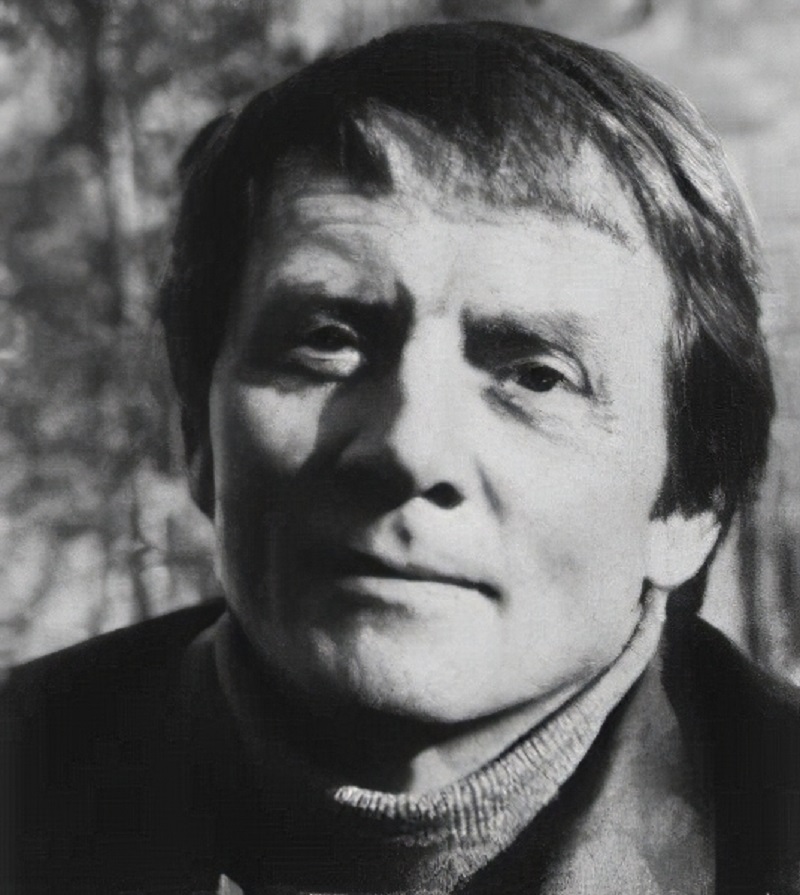
Fritz Fleer is a German painter and sculptor. He studied at the Hamburg University of Fine Arts in the class of Edwin Paul Scharf.
As independent artist, Fritz Fleer has been creating works for urban planning since the 1950s; in Hamburg he was commissioned for 17 sculptures by the municipal housing company SAGA.


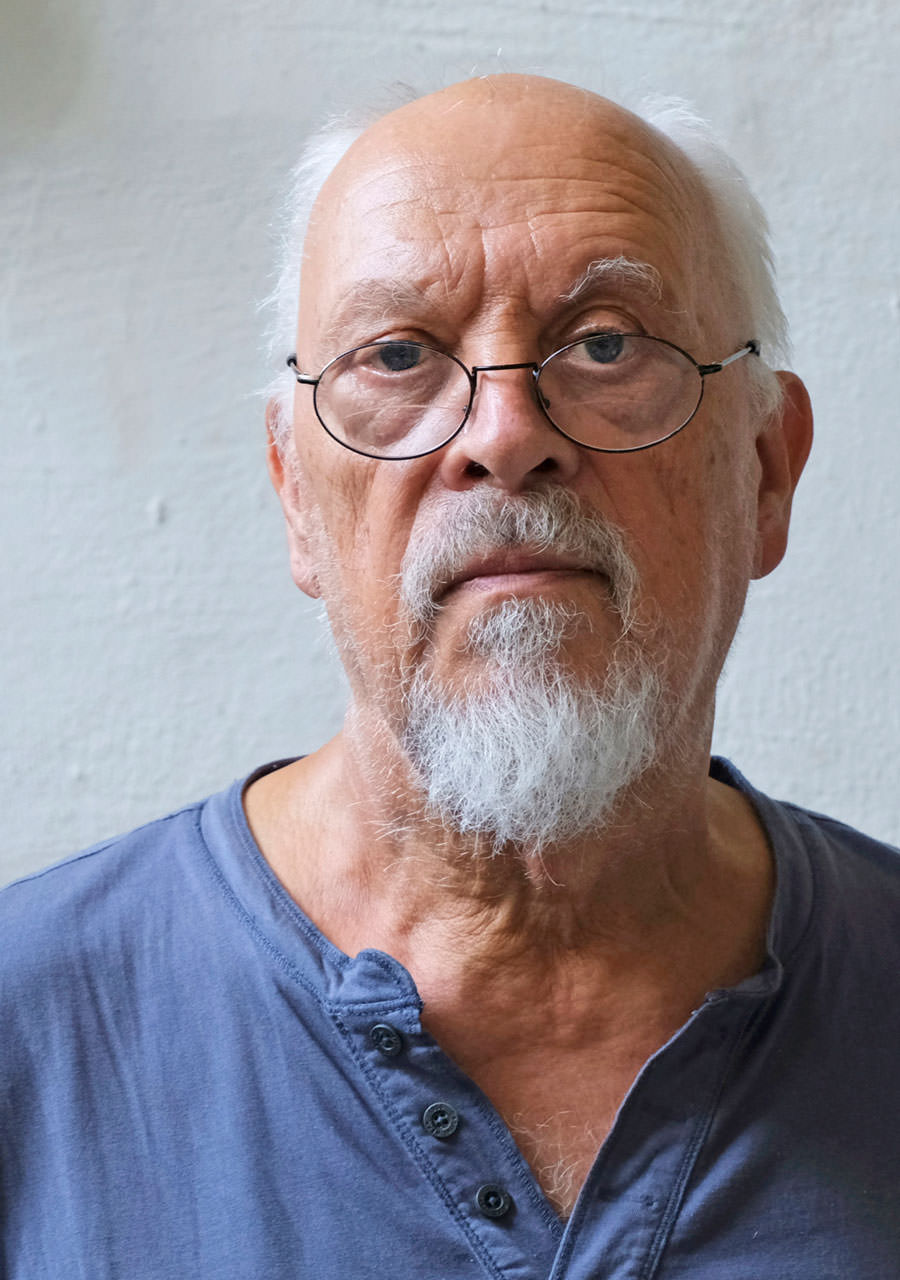
Karl Ulrich Nuss is a German artist and sculptor who creates large-scale bronze compositions.
His father was the sculptor Fritz Nuss (1907-1999), Karl Ulrich Nuss continued his work and developed an unmistakable design style that characterizes all his sculptures. They depict single people, couples, families, as well as new fantastical creations from the animal kingdom. These works can be seen in public spaces in Bochum, Frankfurt/Main and Stuttgart.


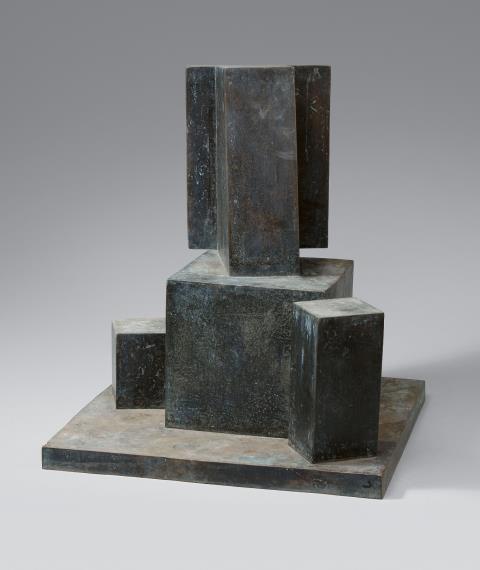
Anton Hiller was a Bavarian sculptor and painter. He grew up in a Catholic farming family in Sigmaringendorf, Hohenzollern. Hiller then studied sculpture at the Academy of Fine Arts Munich under Hermann Hahn (1868–1945), graduating in 1923 and worked later as a freelance sculptor in Munich from 1923, executing commissions for the Bavarian State Gallery and the Municipal Gallery.
From 1946 to 1961, Hiller served as a professor of sculpture at the Academy of Fine Arts Munich, becoming one of the leading representatives of the Munich School of Sculpture in the third quarter of the 20th century. Hiller was a member of the German Artists' Association from 1952 to 1960.


Anton Hiller was a Bavarian sculptor and painter. He grew up in a Catholic farming family in Sigmaringendorf, Hohenzollern. Hiller then studied sculpture at the Academy of Fine Arts Munich under Hermann Hahn (1868–1945), graduating in 1923 and worked later as a freelance sculptor in Munich from 1923, executing commissions for the Bavarian State Gallery and the Municipal Gallery.
From 1946 to 1961, Hiller served as a professor of sculpture at the Academy of Fine Arts Munich, becoming one of the leading representatives of the Munich School of Sculpture in the third quarter of the 20th century. Hiller was a member of the German Artists' Association from 1952 to 1960.


Anton Hiller was a Bavarian sculptor and painter. He grew up in a Catholic farming family in Sigmaringendorf, Hohenzollern. Hiller then studied sculpture at the Academy of Fine Arts Munich under Hermann Hahn (1868–1945), graduating in 1923 and worked later as a freelance sculptor in Munich from 1923, executing commissions for the Bavarian State Gallery and the Municipal Gallery.
From 1946 to 1961, Hiller served as a professor of sculpture at the Academy of Fine Arts Munich, becoming one of the leading representatives of the Munich School of Sculpture in the third quarter of the 20th century. Hiller was a member of the German Artists' Association from 1952 to 1960.