

586 Items by auctions and galleries:
suit













Lot 5456 Konsul Weber - a Uniform ensemble of a diplomat
A106us: A US Lifetime Headgear Collection and other Imperial and WW II Collectibles 
Hermann Historica
A106us: A US Lifetime Headgear Collection and other Imperial and WW II Collectibles
Date: 08.11.2025 14:00 UTC +02:00
Number of lots in the catalog: 511
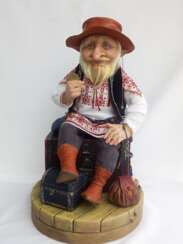

Скарбник (Skarbnik, Kladenets, Money Brownie)
Anastasiya Adamovich (b. 1982) 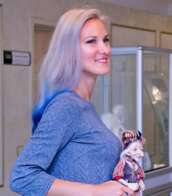 Shop Adamovich Anastasiya
Anastasiya Adamovich
09.06.1982
Poland
Профессионально занимаюсь созданием художественных интерьерных кукол 12 лет. Работаю с полимерной запекаемой глиной в технике лепка. Также в работе использую разнообразный текстиль, шерсть козы, кожу, дерево, металл, акрил и многое другое. Стараюсь, чтобы у каждой куклы был свой характер и история - в этом помогают индивидуально подобранные аксессуары моего же исполнения, тщательный колористический подбор. Мои работы часто изобилуют мелкими деталями, но они также нужны для "чтения" персонажа. Мне близки сказочные литературные герои, интересны мифологические персонажи. И главное для меня, чтобы мои работы дарили улыбку тем, кто их созерцает :)
Я мои работы принимали участие в международных художественных, дизайнерских и кукольных выставках в Беларуси, России, Украине, Литве, Эстонии, Польше, Чехии. Также у меня за плечами несколько персональных выставок в художественных музеях Минска. Мои куклы находятся в частных коллекциях Европы, России, Израиля, США и Канады.
Artist shop
Adamovich Anastasiya
Poland
Number of products: 8
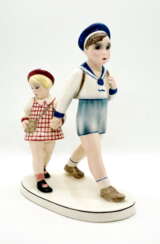

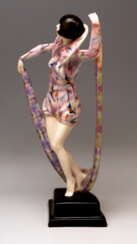
Goldscheider Vienna Group Schoolkids by Claire Weiss, circa 1935
Klára Herczeg (1906 - 1997) 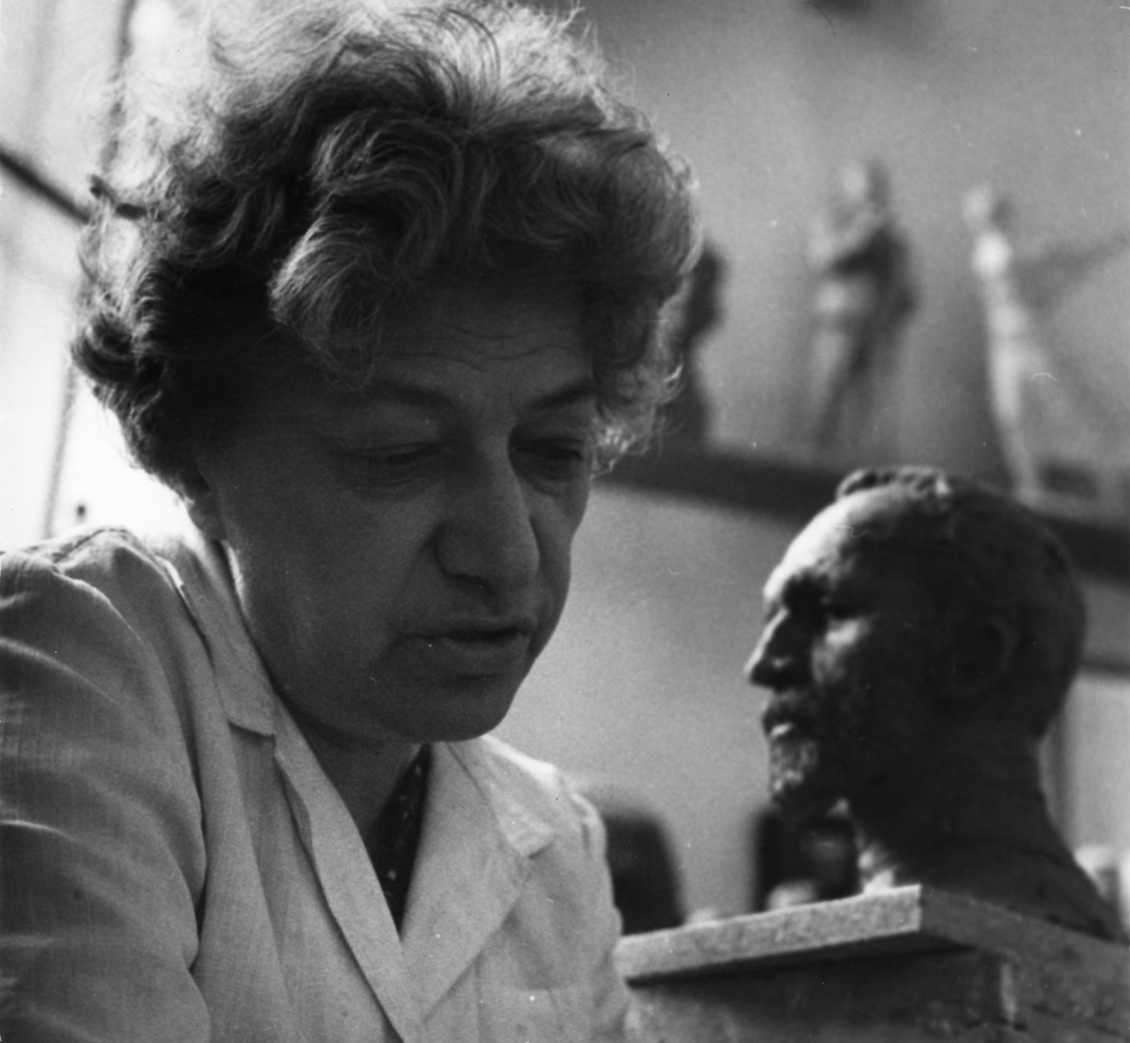 Shop city-antik
Klára Herczeg
13.10.1906 - 06.08.1997
Klára Herczeg, also known as Claire Weiss, was a Hungarian sculptor. She established the Klára Herczeg Prize, awarded annually by the Young Artists Foundation. Her works have been exhibited since 1925, including at the 1937 Paris World Exhibition and the 1939 New York World's Fair. Approximately 30 of her sculptures are housed in Budapest and other Hungarian museums, while her works are also displayed internationally, such as at the Albrecht-Dürer-Haus in Nuremberg.
Interestingly, Herczeg´s porcelain and ceramic figures created between 1930 and 1940 were never showcased or acknowledged in exhibitions, but they periodically appear in art auctions and antique markets. It is documented that she designed over 200 figures.
Shop
city-antik
Austria
Number of products: 116
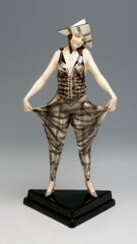




Silence
Ekaterina Zhuchenko RedHeadKat (b. 1979)  Shop Zhuchenko RedHeadKat Ekaterina
Ekaterina Zhuchenko RedHeadKat
12.08.1979
Byelorussia
EN/RU
.
My name is Ekaterina Zhuchenko, creative pseudonym RedHeadKat.
I have been an artist from an early age. Dad's sketchbook was the greatest treasure. Then I had not dreamed of writing yet
oil. A large set of watercolors in a white plastic box was often secretly taken from the shelf for my
naive art. The thick squirrel brush gave an unforgettable tactile sensation.
But I was able to forget about it "becoming an adult".
I am grateful to the people who helped me return everything. At some point, I realized that I couldn’t stop it. The same set of watercolors, already replenished with new shades. It
became my frequent joy. And oil painting is my discovery and a way to restore connection with my family and father.
.
1996-1999: Minsk Technological College. Fashion designer with a course in painting and acaemic drawing, in-depth study of fashion illustration
2020 to the present day: studying painting in the Graphics studio, Minsk
2021 course of painting with a palette knife at the St. Petersburg School of Oil Painting
Меня зовут Жученко Екатерина, творческий псевдоним RedHeadKat
Я была художником с малых лет. Папин этюдник был самой большой сокровищницей, хоть я тогда и не мечтала писать маслом. Большой набор акварельных красок в белой пласт-
ковой коробке часто в тайне был взят с полки для моего наивного детского искусства, а толстая кисть-белка дарила незабываемые тактильные ощущения.
Но я смогла забыть об этом "став взрослой".
Я благодарна людям, которые помогли мне всё вернуть. В какой-то момент я поняла, что не писть я уже не смогу. Тот самый набор акварели, уже пополненный новыми оттенками, стал моей частой радостью. А живопись маслом — моим способом восстановления связи с родом и отцом.
.
.
.
Artist shop
Zhuchenko RedHeadKat Ekaterina
Byelorussia
Number of products: 21
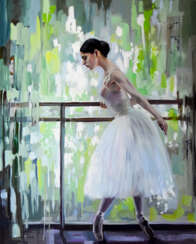

Ballerina, the spring classes
Serghei Ghetiu (b. 1976)  Shop Ghetiu Serghei
Serghei Ghetiu
01.01.1976
Lithuania
Serghei Ghetiu says:
Art for me is primarily emotions, which I get in the process of work. As far as I remember myself back in my early childhood, I loved to visualize my feelings and moods that is why I paint everything without selecting one direction, since there are many things in this world that I want to capture in my paintings, whether people, nature or still lives. My love of detail does not complicate this perception at all, and my many years of experience in painting allows me to work quickly, without much searching, to solve the tasks in the painting. My paintings reflect my state of mind and emotions that is why they are so bright and saturated with detail.
Education
1986 - 1991
School of Arts, Soroca, Moldova
Exhibitions
1990 Exhibition of young Talents in the House of Culture, Soroca, Moldova
2002 Gallery of Arts of Chisinau, landscapes of Moldova
Artist shop
Ghetiu Serghei
Lithuania
Number of products: 4
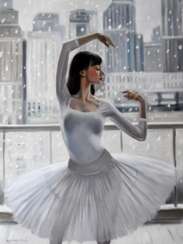

Ballerina, the winter dance
Serghei Ghetiu (b. 1976)
Shop Ghetiu Serghei
Serghei Ghetiu
01.01.1976
Lithuania
Serghei Ghetiu says:
Art for me is primarily emotions, which I get in the process of work. As far as I remember myself back in my early childhood, I loved to visualize my feelings and moods that is why I paint everything without selecting one direction, since there are many things in this world that I want to capture in my paintings, whether people, nature or still lives. My love of detail does not complicate this perception at all, and my many years of experience in painting allows me to work quickly, without much searching, to solve the tasks in the painting. My paintings reflect my state of mind and emotions that is why they are so bright and saturated with detail.
Education
1986 - 1991
School of Arts, Soroca, Moldova
Exhibitions
1990 Exhibition of young Talents in the House of Culture, Soroca, Moldova
2002 Gallery of Arts of Chisinau, landscapes of Moldova
Artist shop
Ghetiu Serghei
Lithuania
Number of products: 4
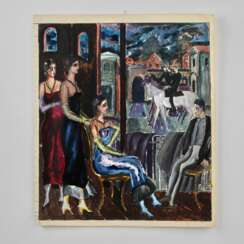

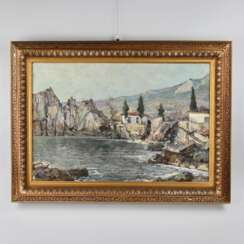

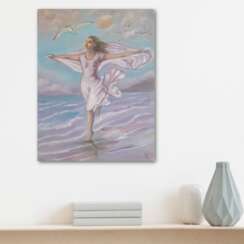


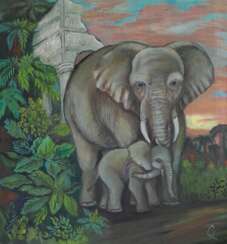

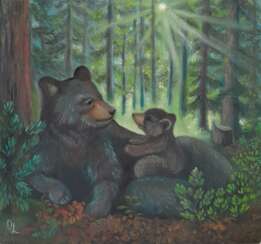







SUNRISE SAN GIULIANO TERME, ITALY
Ekaterina Zhuchenko RedHeadKat (b. 1979)
Shop Zhuchenko RedHeadKat Ekaterina
Ekaterina Zhuchenko RedHeadKat
12.08.1979
Byelorussia
EN/RU
.
My name is Ekaterina Zhuchenko, creative pseudonym RedHeadKat.
I have been an artist from an early age. Dad's sketchbook was the greatest treasure. Then I had not dreamed of writing yet
oil. A large set of watercolors in a white plastic box was often secretly taken from the shelf for my
naive art. The thick squirrel brush gave an unforgettable tactile sensation.
But I was able to forget about it "becoming an adult".
I am grateful to the people who helped me return everything. At some point, I realized that I couldn’t stop it. The same set of watercolors, already replenished with new shades. It
became my frequent joy. And oil painting is my discovery and a way to restore connection with my family and father.
.
1996-1999: Minsk Technological College. Fashion designer with a course in painting and acaemic drawing, in-depth study of fashion illustration
2020 to the present day: studying painting in the Graphics studio, Minsk
2021 course of painting with a palette knife at the St. Petersburg School of Oil Painting
Меня зовут Жученко Екатерина, творческий псевдоним RedHeadKat
Я была художником с малых лет. Папин этюдник был самой большой сокровищницей, хоть я тогда и не мечтала писать маслом. Большой набор акварельных красок в белой пласт-
ковой коробке часто в тайне был взят с полки для моего наивного детского искусства, а толстая кисть-белка дарила незабываемые тактильные ощущения.
Но я смогла забыть об этом "став взрослой".
Я благодарна людям, которые помогли мне всё вернуть. В какой-то момент я поняла, что не писть я уже не смогу. Тот самый набор акварели, уже пополненный новыми оттенками, стал моей частой радостью. А живопись маслом — моим способом восстановления связи с родом и отцом.
.
.
.
Artist shop
Zhuchenko RedHeadKat Ekaterina
Byelorussia
Number of products: 21