

vienna school
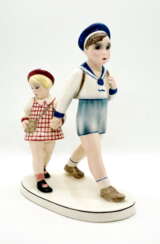

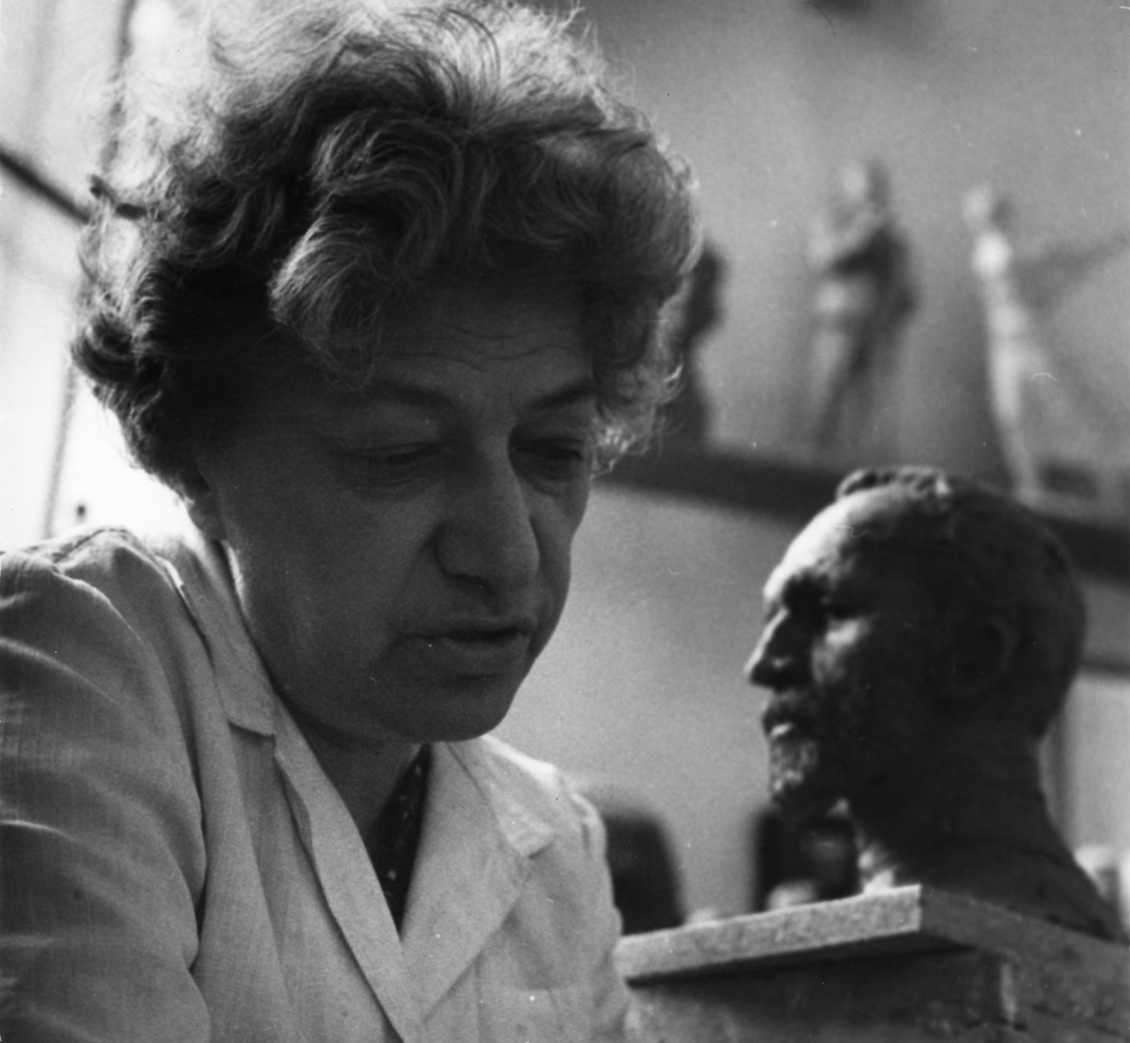
Klára Herczeg, also known as Claire Weiss, was a Hungarian sculptor. She established the Klára Herczeg Prize, awarded annually by the Young Artists Foundation. Her works have been exhibited since 1925, including at the 1937 Paris World Exhibition and the 1939 New York World's Fair. Approximately 30 of her sculptures are housed in Budapest and other Hungarian museums, while her works are also displayed internationally, such as at the Albrecht-Dürer-Haus in Nuremberg.
Interestingly, Herczeg´s porcelain and ceramic figures created between 1930 and 1940 were never showcased or acknowledged in exhibitions, but they periodically appear in art auctions and antique markets. It is documented that she designed over 200 figures.



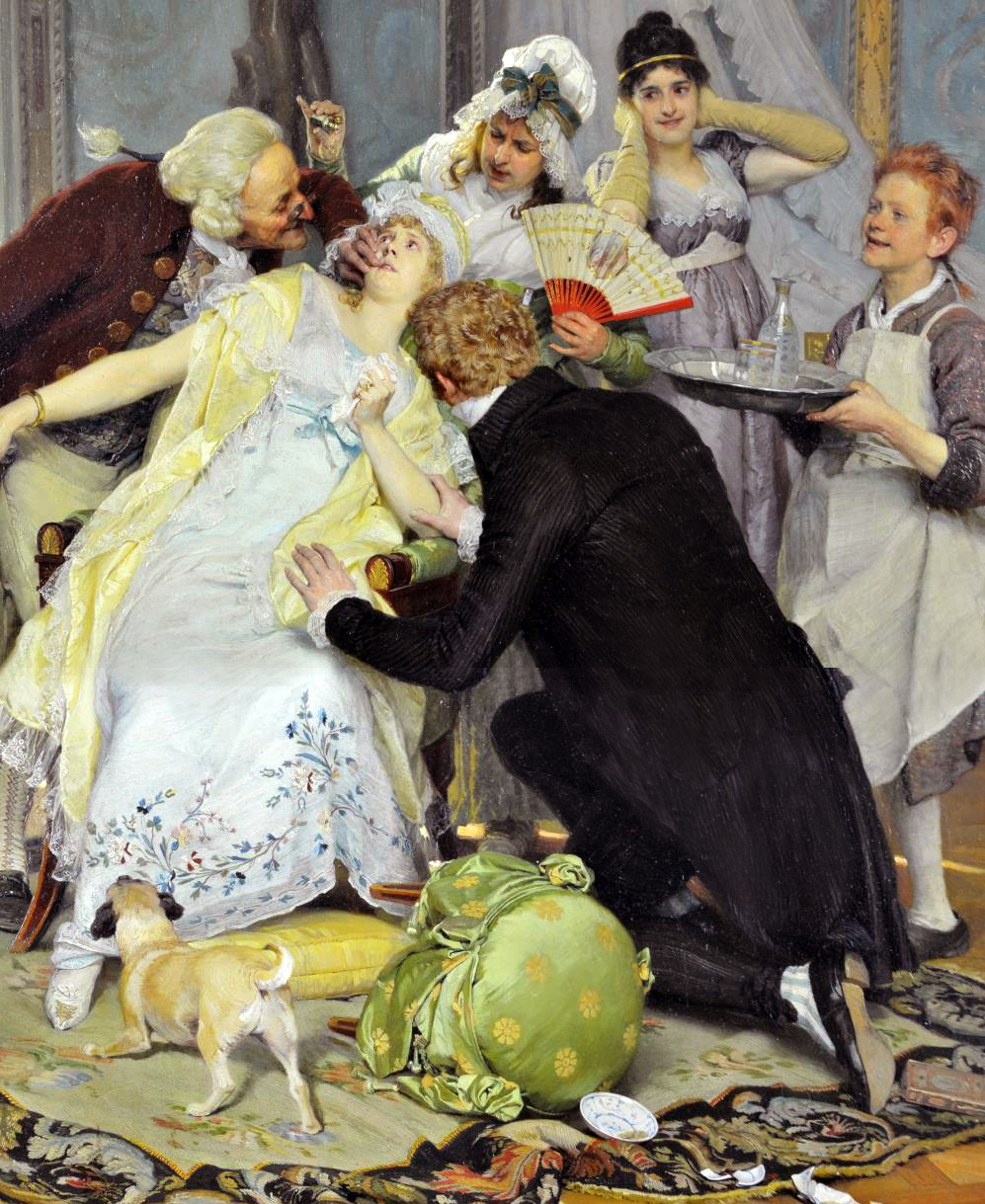


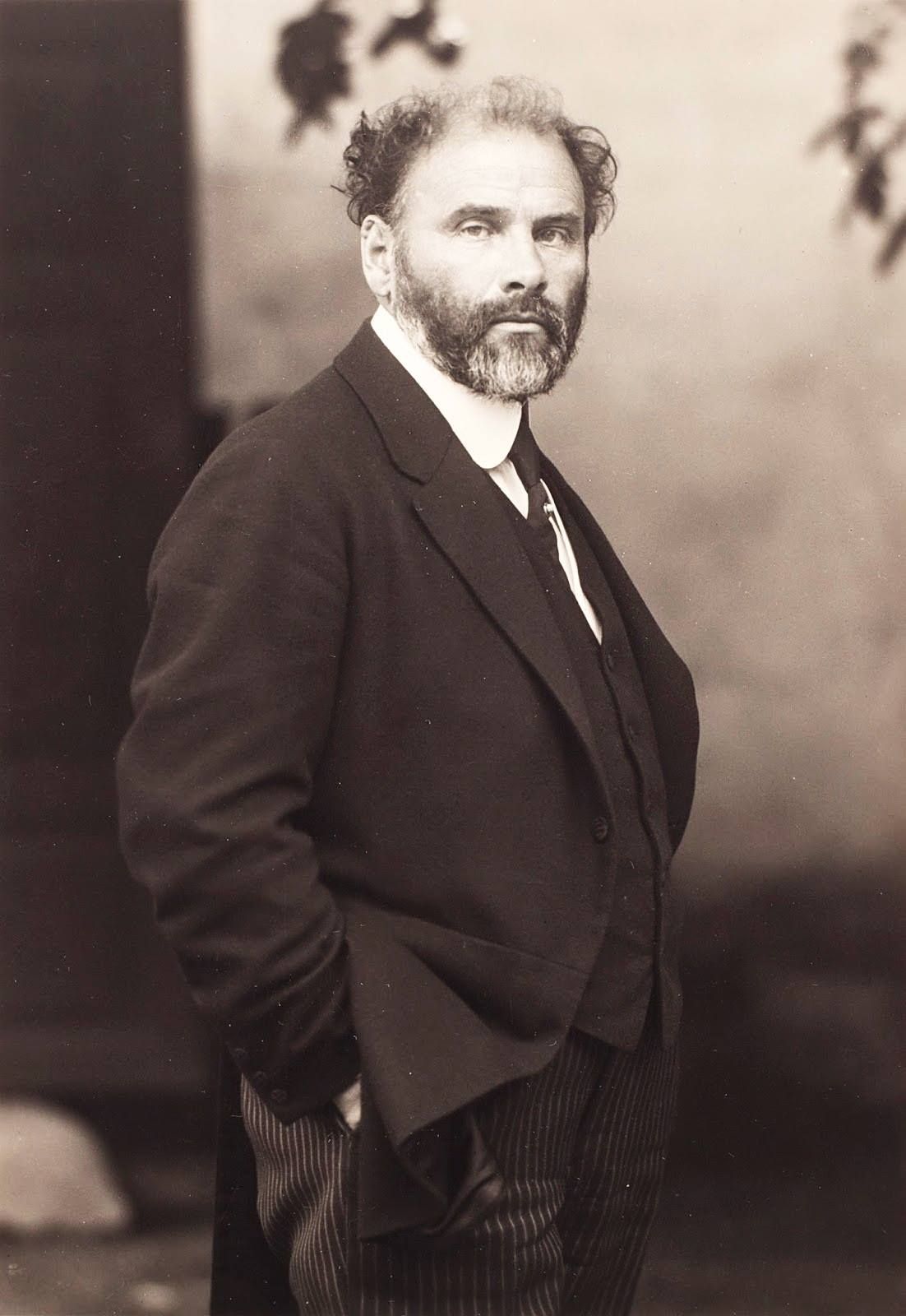
Gustav Klimt, an Austrian Symbolist painter, was a central figure in Vienna's Secession movement, known for his paintings, murals, sketches, and objets d'art. Born on July 14, 1862, in Baumgarten near Vienna, Klimt's early life was marked by financial hardship, but he showed artistic talent at a young age. He studied at Vienna's Kunstgewerbeschule, where he received a conservative education in architectural painting that influenced his early traditional works.
Klimt's path as an artist was evolutionary and controversial. Initially a successful painter of architectural decorations, his style evolved into a more personal and controversial form, especially after public criticism of his works for the Great Hall of the University of Vienna in 1900, which were deemed pornographic. This turning point led him to abandon public commissions and begin the so-called "golden period," characterized by the use of gold leaf in his work. Some of his most famous paintings, such as The Kiss and Portrait of Adele Bloch-Bauer I, which demonstrate a combination of Byzantine influence and modern symbolism, belong to this phase.
An important aspect of Klimt's career was his participation in the Vienna Secession, an art movement he co-founded in 1897. This movement, which had no manifesto, aimed to showcase unconventional artists and to bring foreign artistic influences to Vienna. Klimt was its first president and participated in the creation of the periodical Ver Sacrum.
Despite his artistic fame, Klimt led a relatively withdrawn lifestyle, often working alone and maintaining discreet personal relationships. Nevertheless, his legacy remains strong: his works fetch high prices at auction and continue to be celebrated for their innovative style and symbolic depth.
For collectors and art experts, Klimt's work represents a fascinating exploration of the evolution of Symbolism and Art Nouveau. His unique approach to form, color, and subject matter makes his work highly valued and constantly relevant in the art world.
If you are interested in keeping up to date with sales and auction events related to the works of Gustav Klimt, we recommend signing up for updates. This will ensure that you don't miss the opportunity to own a piece of this remarkable artist's history.


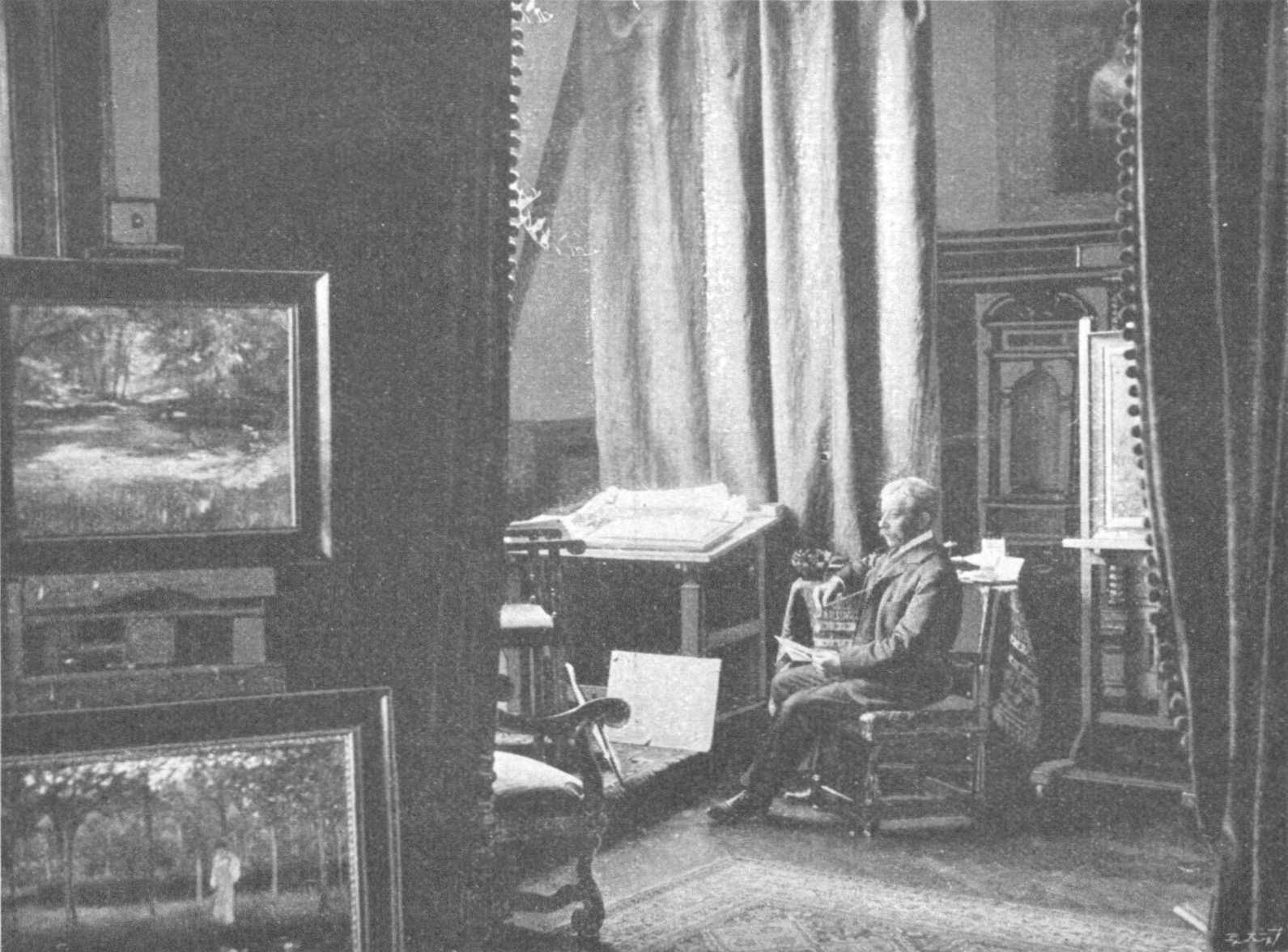


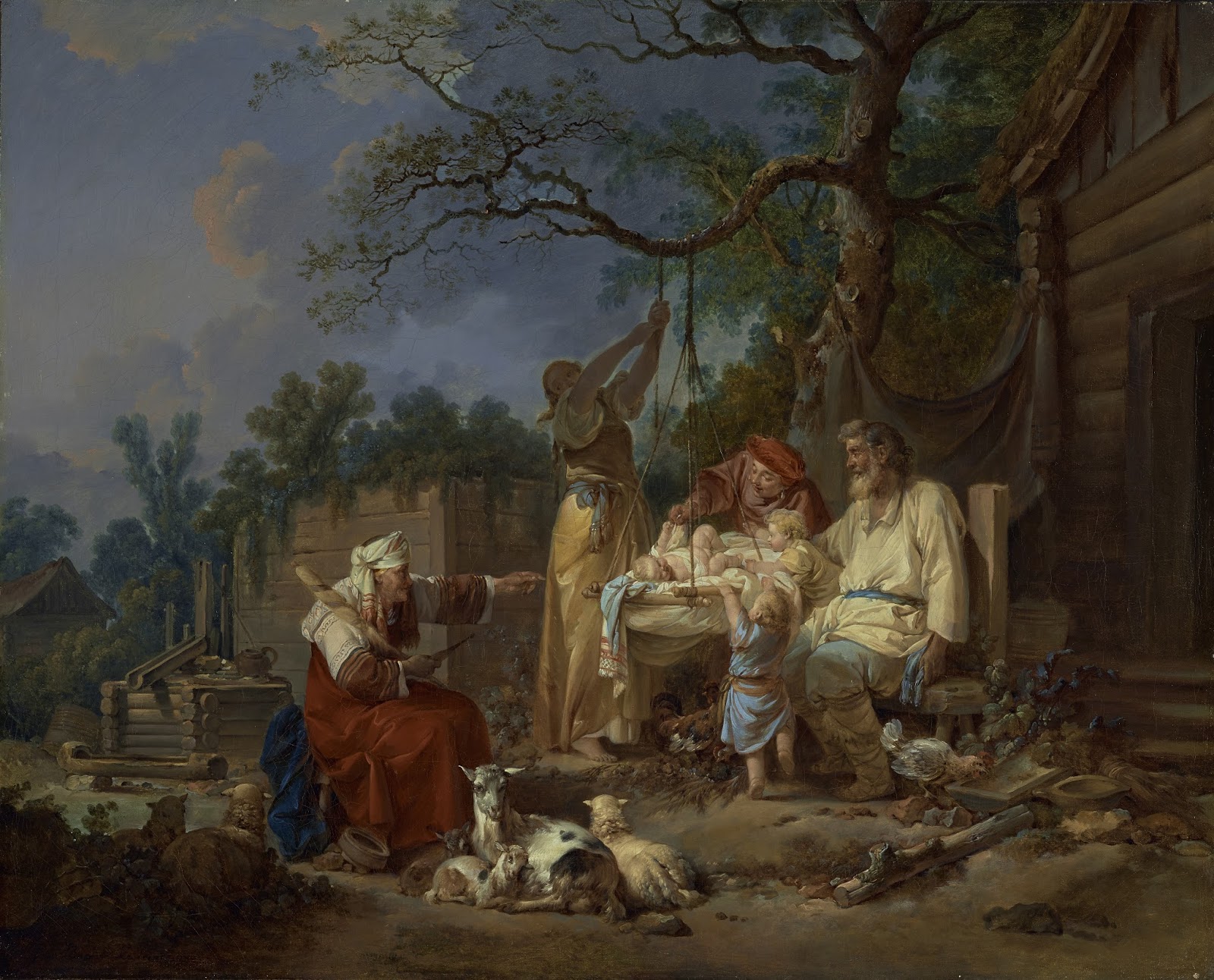
Jean-Baptiste Le Prince was an important French etcher and painter.


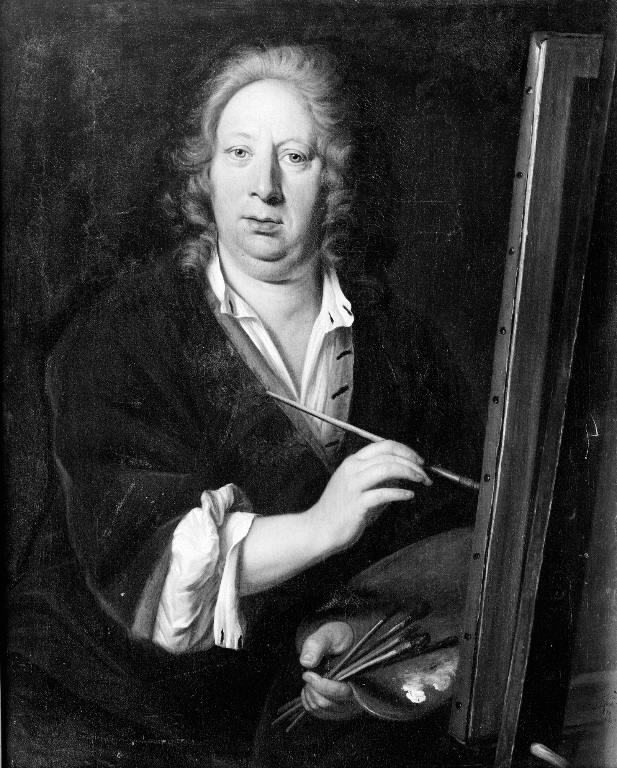
Franz Werner von Tamm, known as Dapper, was a German Baroque painter. One of the most famous masters of German still life in the late 17th and early 18th centuries.
Franz Werner von Tamm studied painting in Italy in the studio of Carlo Maratta. In 1701 he was invited to Vienna as court painter to Emperor Leopold I, where he remained until his death.
He painted with a soft brush live and dead poultry as well as flowers and animals, rather decoratively with an immediate mood.


Franz Werner von Tamm, known as Dapper, was a German Baroque painter. One of the most famous masters of German still life in the late 17th and early 18th centuries.
Franz Werner von Tamm studied painting in Italy in the studio of Carlo Maratta. In 1701 he was invited to Vienna as court painter to Emperor Leopold I, where he remained until his death.
He painted with a soft brush live and dead poultry as well as flowers and animals, rather decoratively with an immediate mood.


Franz Werner von Tamm, known as Dapper, was a German Baroque painter. One of the most famous masters of German still life in the late 17th and early 18th centuries.
Franz Werner von Tamm studied painting in Italy in the studio of Carlo Maratta. In 1701 he was invited to Vienna as court painter to Emperor Leopold I, where he remained until his death.
He painted with a soft brush live and dead poultry as well as flowers and animals, rather decoratively with an immediate mood.