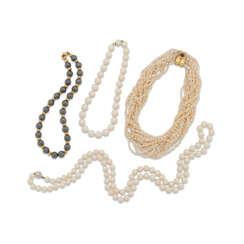
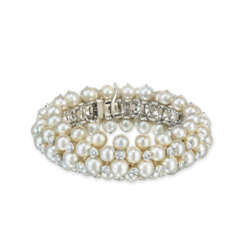
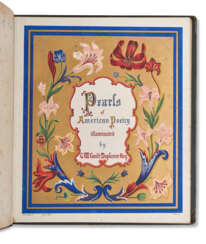
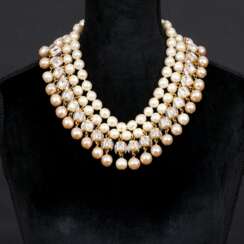
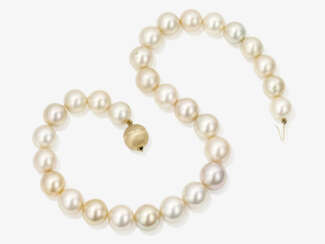
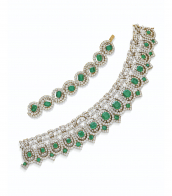
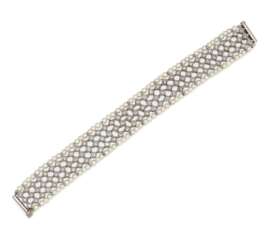
pearls &amp






























































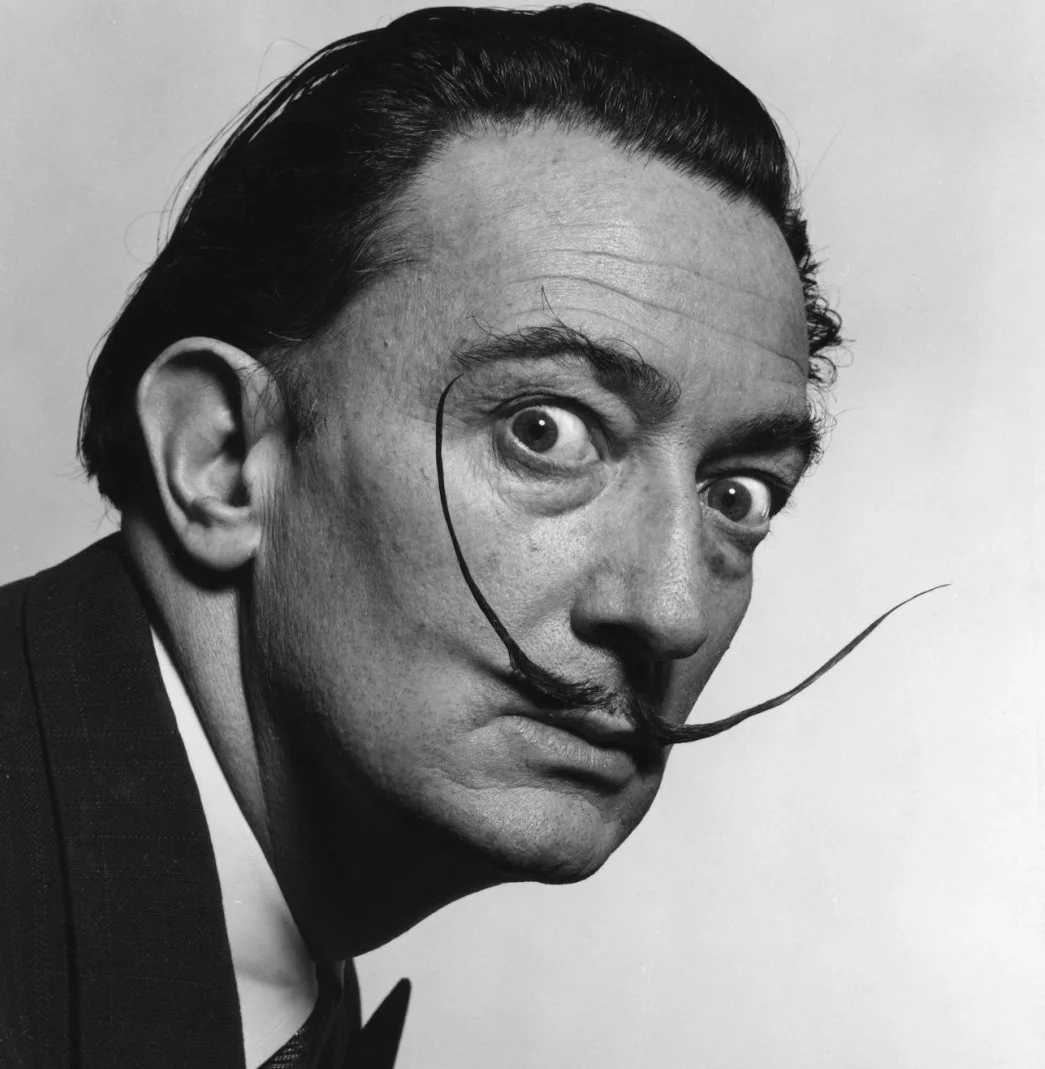
Salvador Dalí, a Spanish Surrealist painter and printmaker, is celebrated for his vivid and imaginative works that delve into subconscious imagery. Born on May 11, 1904, in Figueres, Catalonia, Spain, Dalí's early exposure to Impressionism and Renaissance masters significantly influenced his artistic development. His education in fine arts in Madrid further shaped his style, leading him to experiment with Cubism and avant-garde movements. In the late 1920s, Dalí embraced Surrealism, joining the Surrealist group in 1929 and rapidly becoming one of its most prominent figures.
Dalí's most famous work, "The Persistence of Memory," completed in 1931, epitomizes the Surrealist movement with its iconic melting clocks symbolizing the fluidity of time. His artistic repertoire was diverse, including painting, graphic arts, film, sculpture, design, and photography, often incorporating themes of dreams, the subconscious, sexuality, religion, and science. Despite his remarkable artistic contributions, Dalí's eccentric and flamboyant public persona often overshadowed his work. He faced criticism for his public support of the Francoist regime and the authenticity of some of his late works.
Dalí's legacy is preserved in major museums, notably the Dalí Theatre-Museum in Figueres and the Salvador Dalí Museum in St. Petersburg, Florida. These institutions showcase his extensive and varied body of work, illustrating his profound impact on Surrealism, pop art, and contemporary artists.
If you're captivated by the surreal world of Salvador Dalí and want to stay informed about new sales and auction events featuring his works, sign up for our updates. Our service is tailored specifically for art collectors and experts, providing timely information and insights into the vibrant market of Dalí's art. Remember, this subscription is focused solely on bringing you the latest in product sales and auction events related to Salvador Dalí. Don't miss out on the opportunity to enrich your collection with pieces from one of the most influential surrealists of all time. Sign up now and be the first to know about these exclusive events.










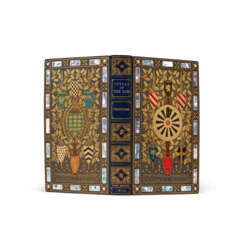




















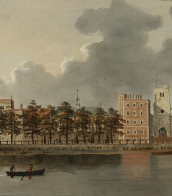
![SANGORSKI & SUTCLIFFE (binders)—[DE QUINCEY, Thomas (1785-1859)]](/assets/image/picture_4084642/4f0e9/6rob5ou442z5tlktv7vclrpcmm4k0mfjzphbc87amm92vipqaxxdkx74gou4kq1719907695jpg__fix_374_244.jpeg)
![SANGORSKI & SUTCLIFFE (binders)—[DE QUINCEY, Thomas (1785-1859)]](https://veryimportantlot.com/assets/image/picture_4084642/4f0e9/6rob5ou442z5tlktv7vclrpcmm4k0mfjzphbc87amm92vipqaxxdkx74gou4kq1719907695jpg__fix_374_244.jpeg)










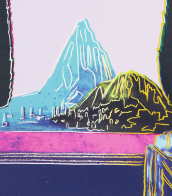


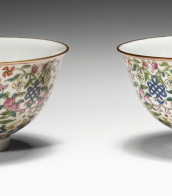
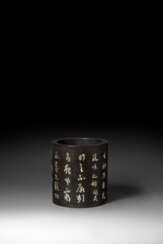

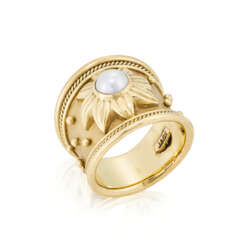




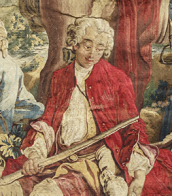
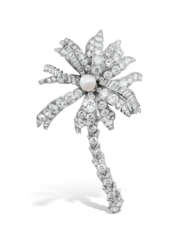

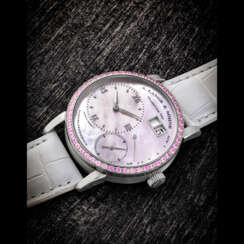



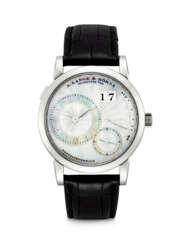














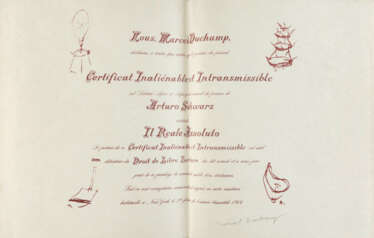

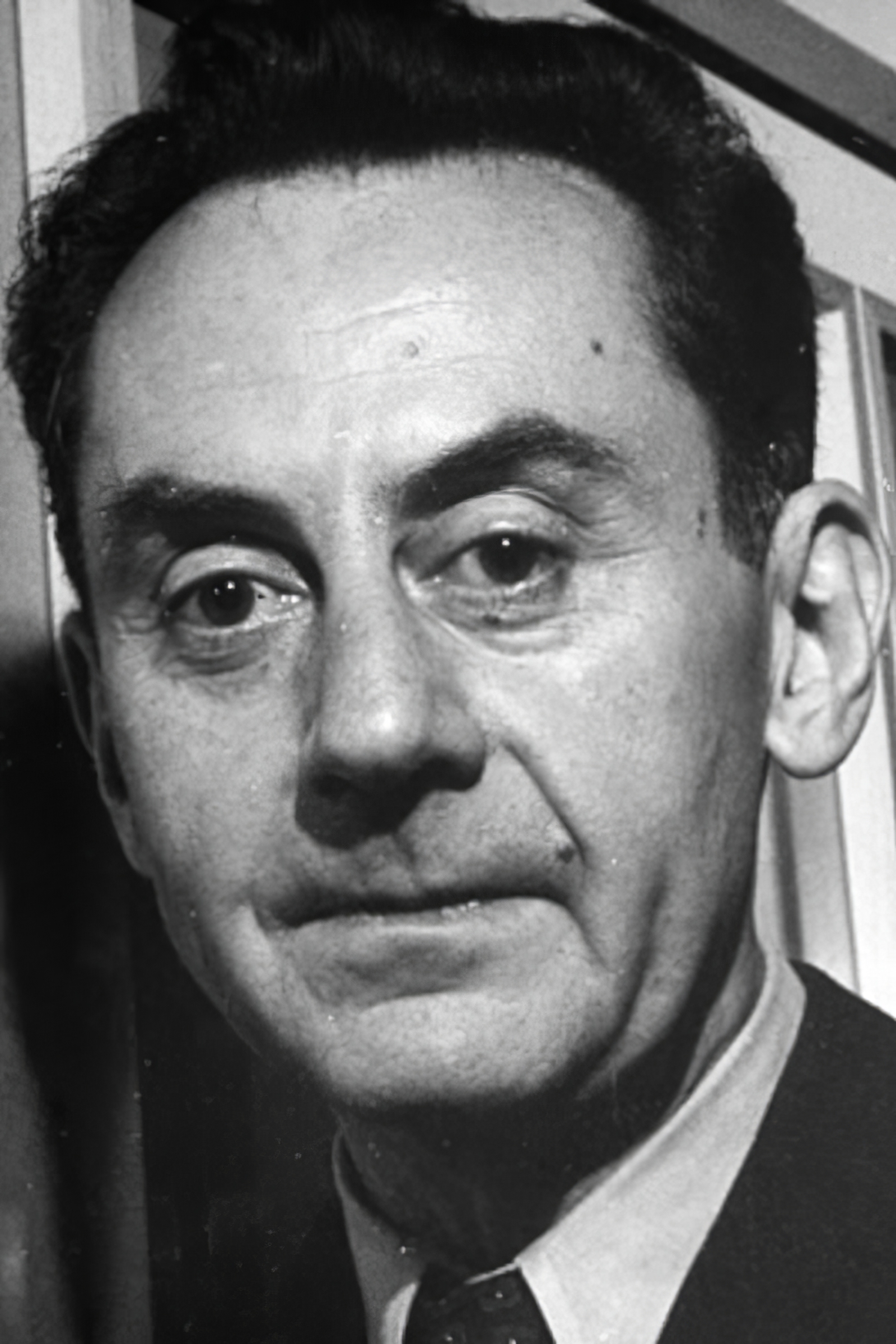
Man Ray, born Emmanuel Radnitzky, was an American visual artist who played a significant role in the Dada and Surrealist movements. His pioneering efforts in photography, alongside his work in painting and sculpture, have cemented his place as a major figure in modern art. Known for his innovative techniques and the ability to convey complex ideas through simple, striking visuals, Man Ray's contribution to the art world is profound.
Throughout his career, Man Ray was celebrated for his avant-garde approach and his ability to transcend traditional boundaries between different artistic mediums. His photography, characterized by experimental techniques such as solarization and rayographs (cameraless photographs), challenged conventional perceptions of photography as merely a means of representation. These artistic innovations made him a central figure in both Parisian and American art circles.
Man Ray's works are housed in some of the world's most prestigious museums and galleries, including the Museum of Modern Art in New York and the Centre Pompidou in Paris. His pieces, such as "Le Violon d'Ingres" and "Noire et Blanche," are iconic images that continue to influence artists today. His ability to blend the abstract with the realistic, and the humorous with the serious, has left a lasting legacy in the world of art.
For collectors and experts in art and antiques, the work of Man Ray offers a glimpse into the revolutionary changes that shaped the visual arts in the 20th century. His unique perspective and pioneering techniques continue to inspire and challenge those interested in the boundaries of creativity and expression.
If you're passionate about the avant-garde, or simply wish to explore the fascinating world of Man Ray further, sign up for our updates. You'll receive alerts on new product sales and auction events related to Man Ray, ensuring you never miss an opportunity to engage with the legacy of this extraordinary artist.




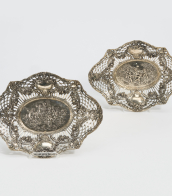
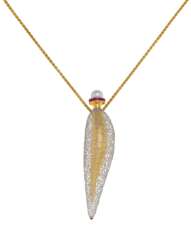

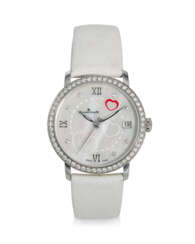








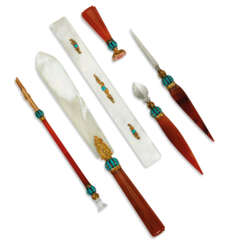



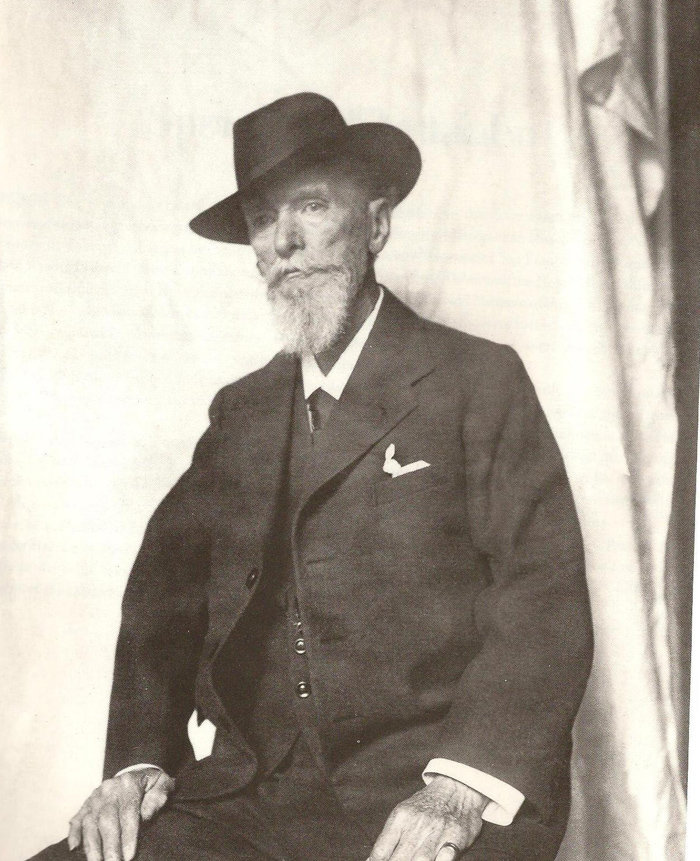
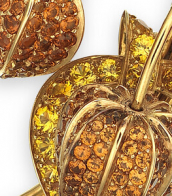
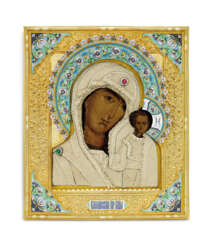
Carl Fabergé (Russian: Карл Гу́ставович Фаберже́) was a 19th- and 20th-century Russian jeweler, entrepreneur, and artist of German descent. He ran a family jewelry company for almost 50 years, which became world-famous for its products - Easter eggs made of precious metals, stones, and enamel.
Carl Fabergé met the Russian Emperor Alexander III at the All-Russian Exhibition in Moscow in 1882, which was a landmark event in the jeweler's career. The emperor ordered an Easter egg from the master for his wife, which the empress loved. From this moment on Fabergé, who became the jeweller to the Court, became responsible for the annual production of Easter eggs for the imperial court. Members of the imperial family also ordered jewelry from Fabergé for their many European relatives. This turned the Fabergé family company into one of the leaders of the world jewelry market.
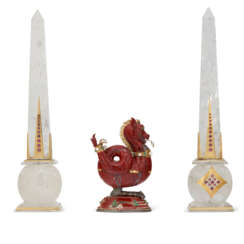
Fabergé produced not only high-end jewelry products, but also items for the average buyer. In 2005, at Sotheby's in New York, several stone figurines were sold for $850,000 to $1,800,000.