1187

















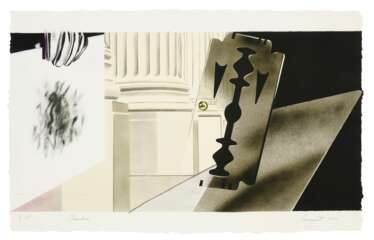

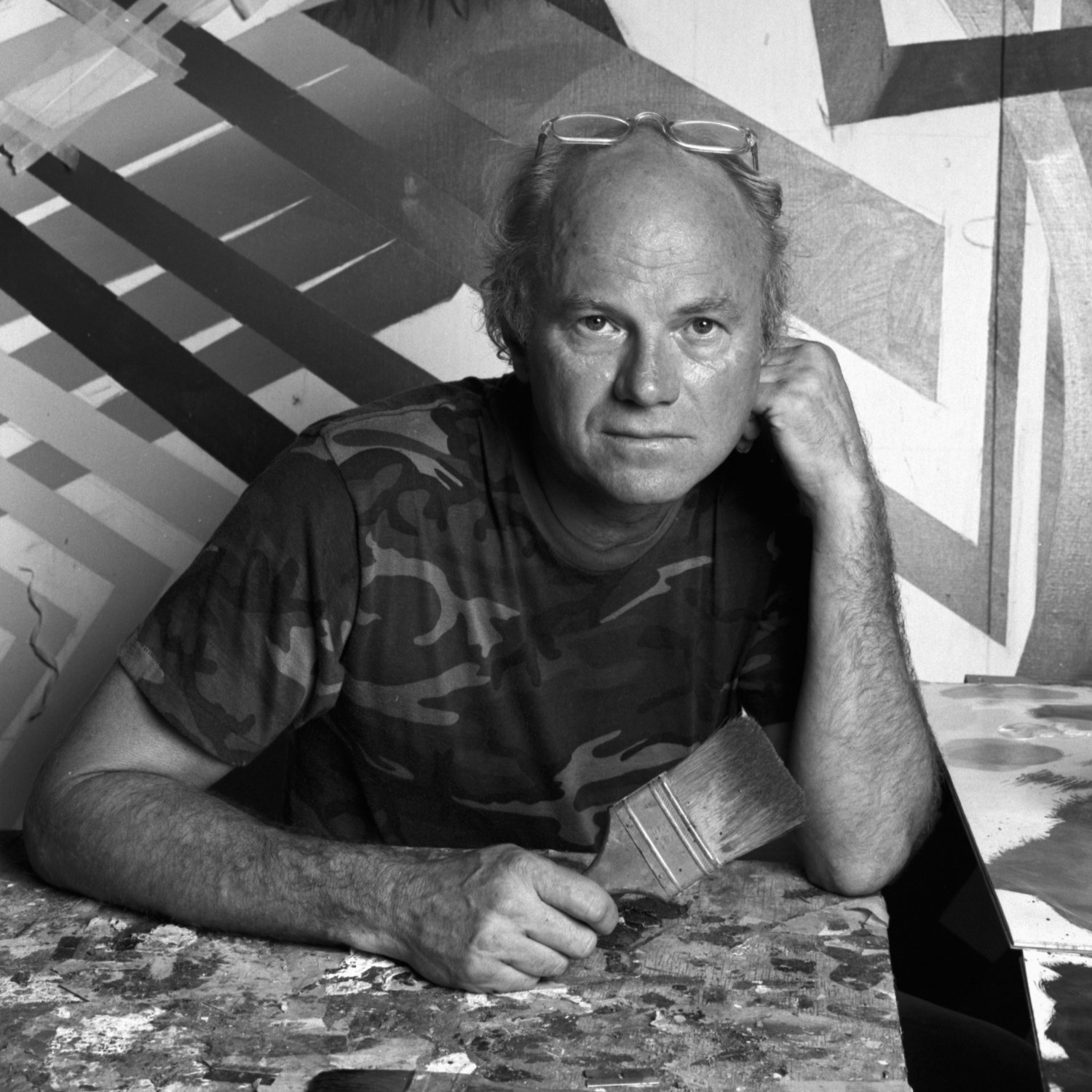
James Rosenquist was a towering figure in the American art scene, best known for his pivotal role in defining the Pop Art movement. Born in North Dakota, Rosenquist transformed his early experiences as a billboard painter into a revolutionary art form that blurred the lines between commercial and fine art. His unique approach to painting, characterized by the use of fragmented and juxtaposed imagery, mirrored the bombardment of mass media and advertising in American culture. This technique not only challenged traditional perceptions of art but also reflected the artist's critique of the consumerist society.
Rosenquist's most famous work, "F-111," an ambitious 86-foot-long mural, exemplifies his innovative style. Displayed at the Museum of Modern Art in New York, this piece encapsulates the essence of Pop Art by combining consumer goods, military imagery, and a fighter plane. The artwork serves as a powerful commentary on the military-industrial complex and the pervasive influence of advertising on American life. Another notable piece, "Stowaway Peers Out of the Speed of Light," showcases Rosenquist's later exploration into abstract expressionism, depicting a chaotic yet captivating vision of motion and light.
Throughout his career, Rosenquist's work remained deeply influential, earning him a place in prominent collections and museums worldwide. His ability to merge commercial techniques with fine art not only elevated his status as an artist but also left an indelible mark on the art world. Rosenquist's legacy continues to inspire artists and collectors alike, challenging them to see beyond the surface of everyday imagery.
For collectors and experts in art and antiques, James Rosenquist's work represents a pivotal moment in the history of modern art, where the lines between commercial and fine art were not just blurred but beautifully intertwined. To stay updated on new product sales and auction events related to James Rosenquist, we invite you to sign up for our updates. This subscription is your gateway to the evolving world of art collecting, where the legacy of innovators like Rosenquist continues to influence the market and inspire new generations of artists and collectors.








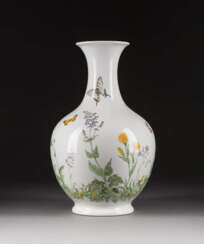






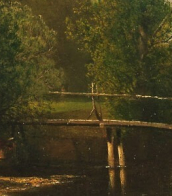
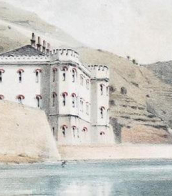



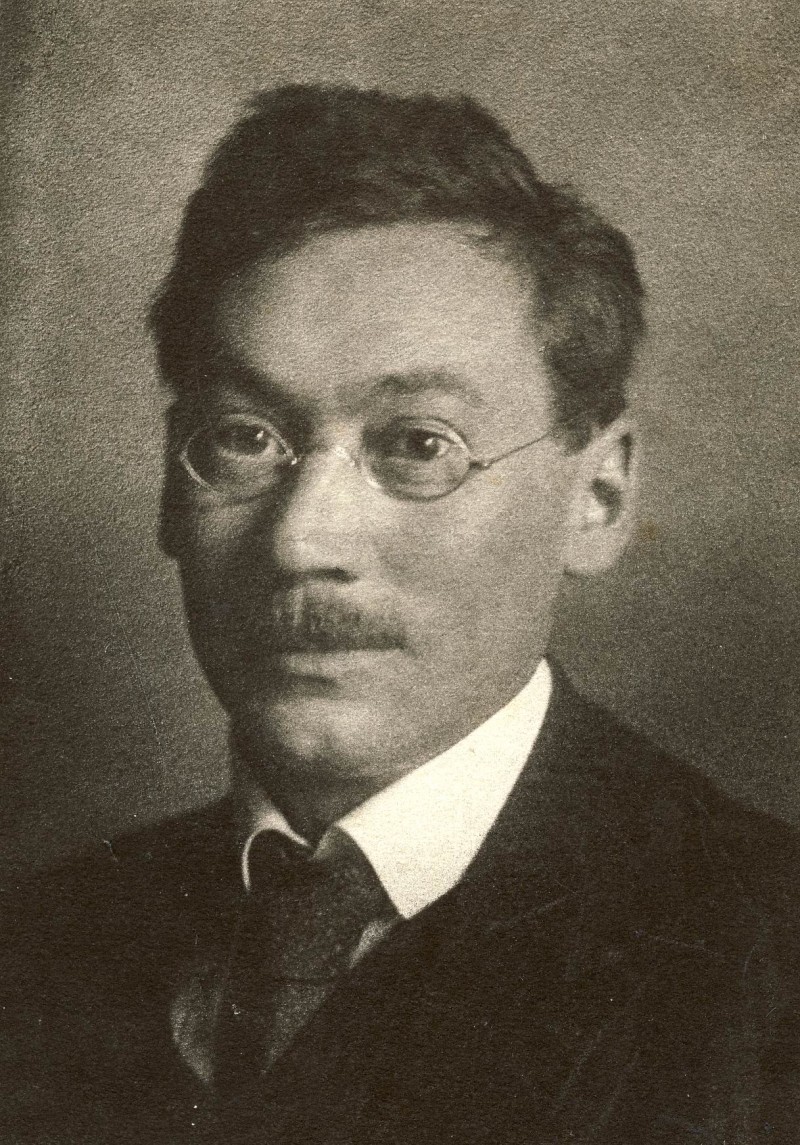
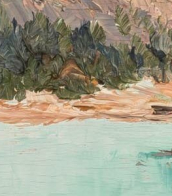
Rudolf Sieck was a German landscape painter and illustrator.
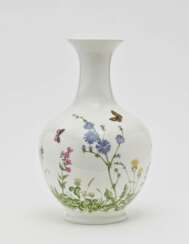
He studied at the Munich School of Applied Arts, making landscape and architectural drawings. Sieck collaborated with the magazine "Jugend", and also illustrated editions of works by Guy de Maupassant, Emile Zola and other classics. In 1906 Rudolf Sieck worked as a designer for the Nymphenburg porcelain factory, and in 1913 he moved to Pinswang near Prin and became a member of the Die Welle artists' association. Here numerous landscape paintings were created, mostly in a colorful graphic style.
Rudolf Sieck was a member of the Association of German Artists, a member of the New Munich Secession from 1914 and participated in the exhibitions of the Glass Palace. From 1937 to 1941, some of Sieck's landscape paintings were purchased by the highest members of the German government at art exhibitions in Munich.





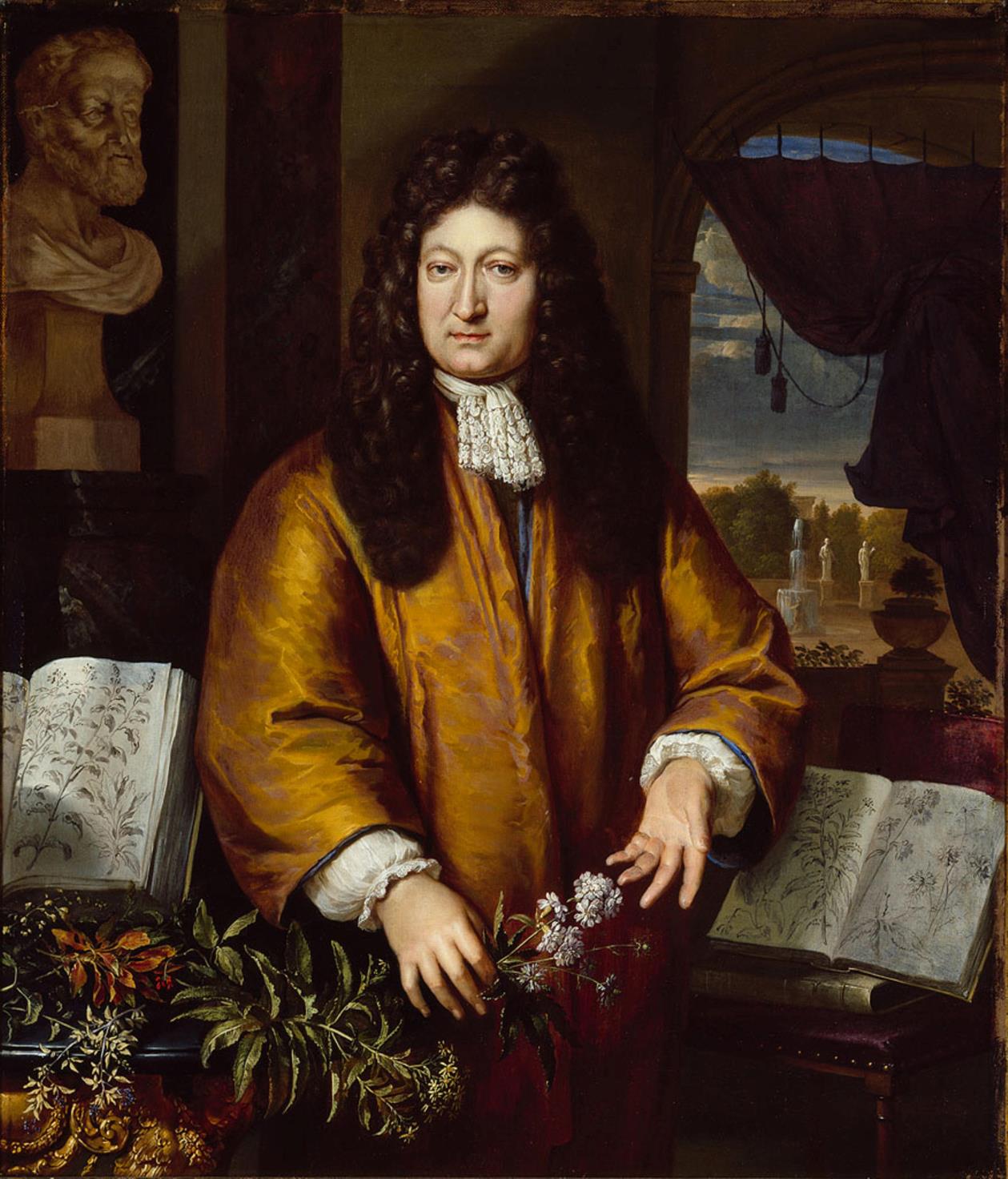
Jan Commelin (Dutch: Jan Commelin or Jan Commelijn), also Johannes Commelin, was a Dutch botanist.
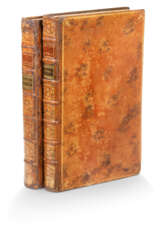
Jan Commelin is the son of the historian Isaac Commelin. He was a professor of botany and director of the Amsterdam Botanical Gardens. Jan Commelin wrote many scientific works on botany, notably compiling the first volume of descriptions of East and West Indian plants. The second volume was written by Jan's nephew, the botanist Caspar Kommelin, who expanded the earlier descriptions and added notes on African plants.
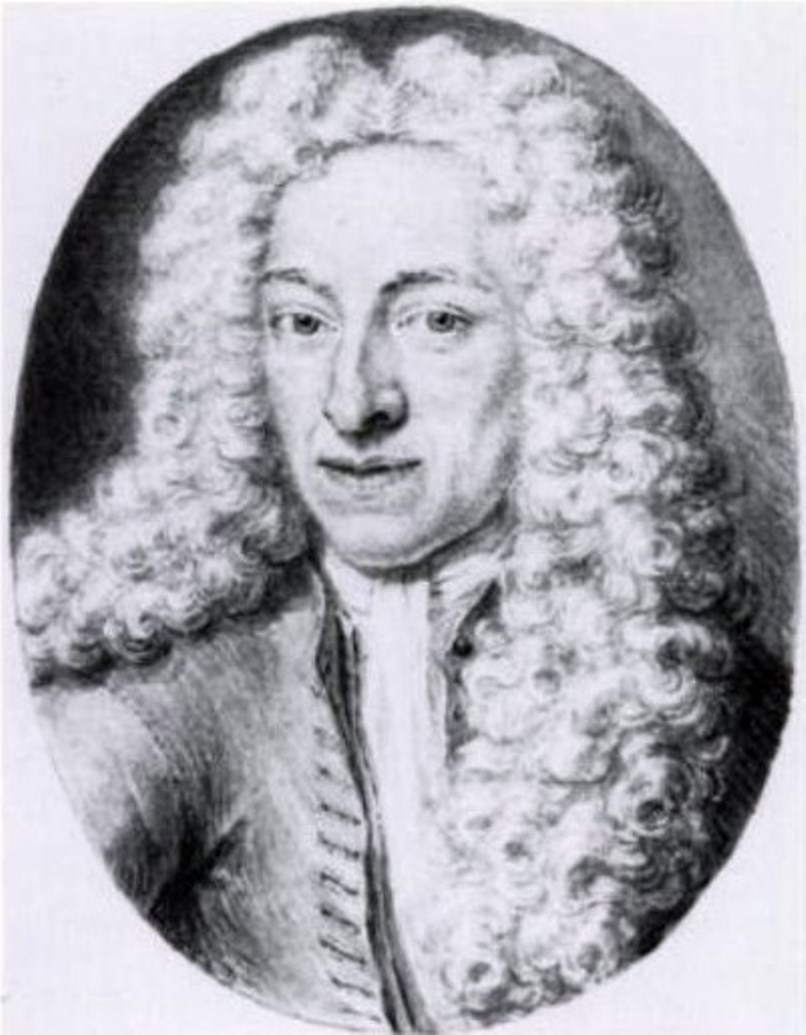
Caspar Commelin was a Dutch botanist and mycologist.
Caspar Commelin was trained as a medical doctor, practiced botanical science and worked on books that were left unfinished due to the death of his uncle, botanist Jan Commelin. Caspar was mainly interested in exotic plants.




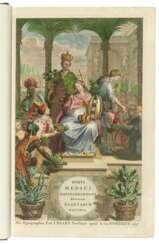

Jan Commelin (Dutch: Jan Commelin or Jan Commelijn), also Johannes Commelin, was a Dutch botanist.
Jan Commelin is the son of the historian Isaac Commelin. He was a professor of botany and director of the Amsterdam Botanical Gardens. Jan Commelin wrote many scientific works on botany, notably compiling the first volume of descriptions of East and West Indian plants. The second volume was written by Jan's nephew, the botanist Caspar Kommelin, who expanded the earlier descriptions and added notes on African plants.
Caspar Commelin was a Dutch botanist and mycologist.
Caspar Commelin was trained as a medical doctor, practiced botanical science and worked on books that were left unfinished due to the death of his uncle, botanist Jan Commelin. Caspar was mainly interested in exotic plants.