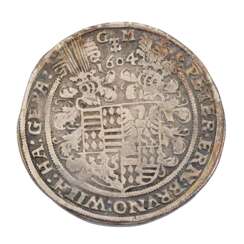
1604

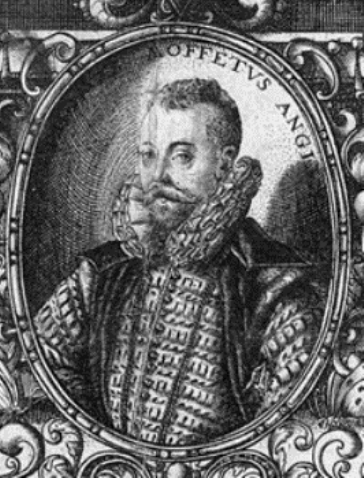
Thomas Moffet was a British naturalist-naturalist and physician.
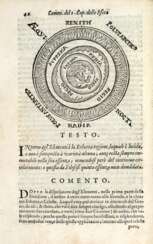
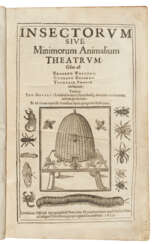
After receiving his MD degree in 1580, Thomas Moffet studied the anatomy of the mulberry silkworm in Italy, then returned to England to study arthropods in general, especially spiders. He edited and expanded the work Insectorum sive Minimorum Animalium Theatrum ("Insect Theater"), an illustrated guide to the classification and life of insects.
Moffet was also an ardent supporter of the Paracelsian system of medicine.
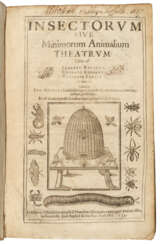

Thomas Moffet was a British naturalist-naturalist and physician.
After receiving his MD degree in 1580, Thomas Moffet studied the anatomy of the mulberry silkworm in Italy, then returned to England to study arthropods in general, especially spiders. He edited and expanded the work Insectorum sive Minimorum Animalium Theatrum ("Insect Theater"), an illustrated guide to the classification and life of insects.
Moffet was also an ardent supporter of the Paracelsian system of medicine.
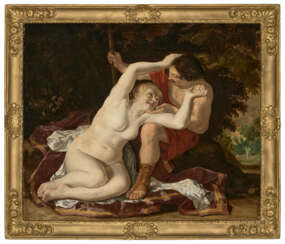

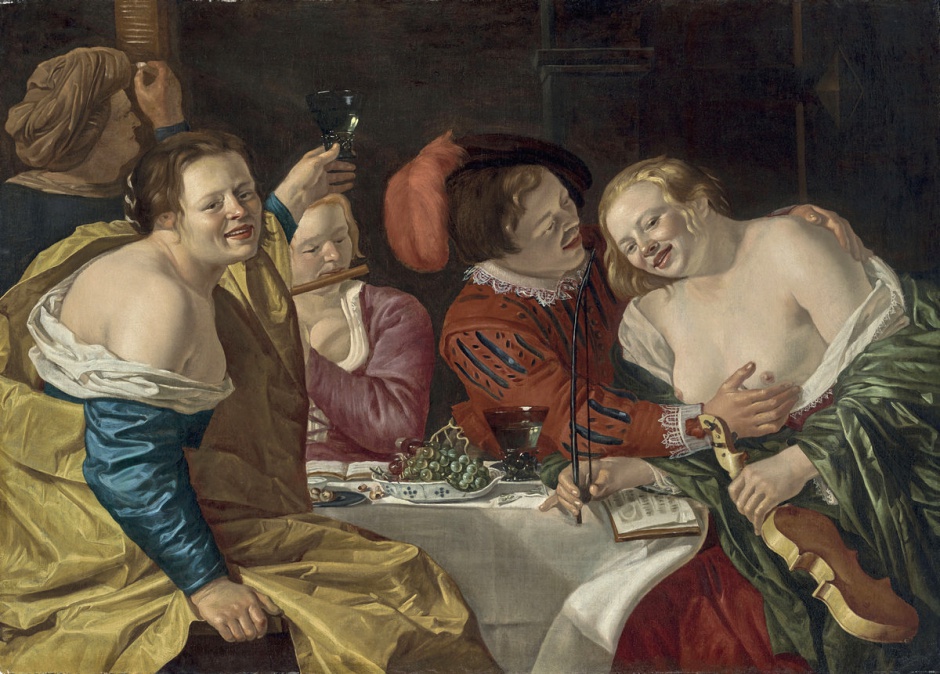
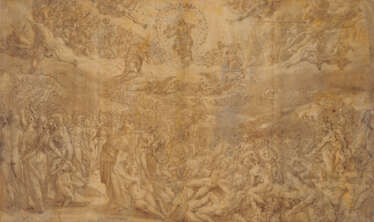
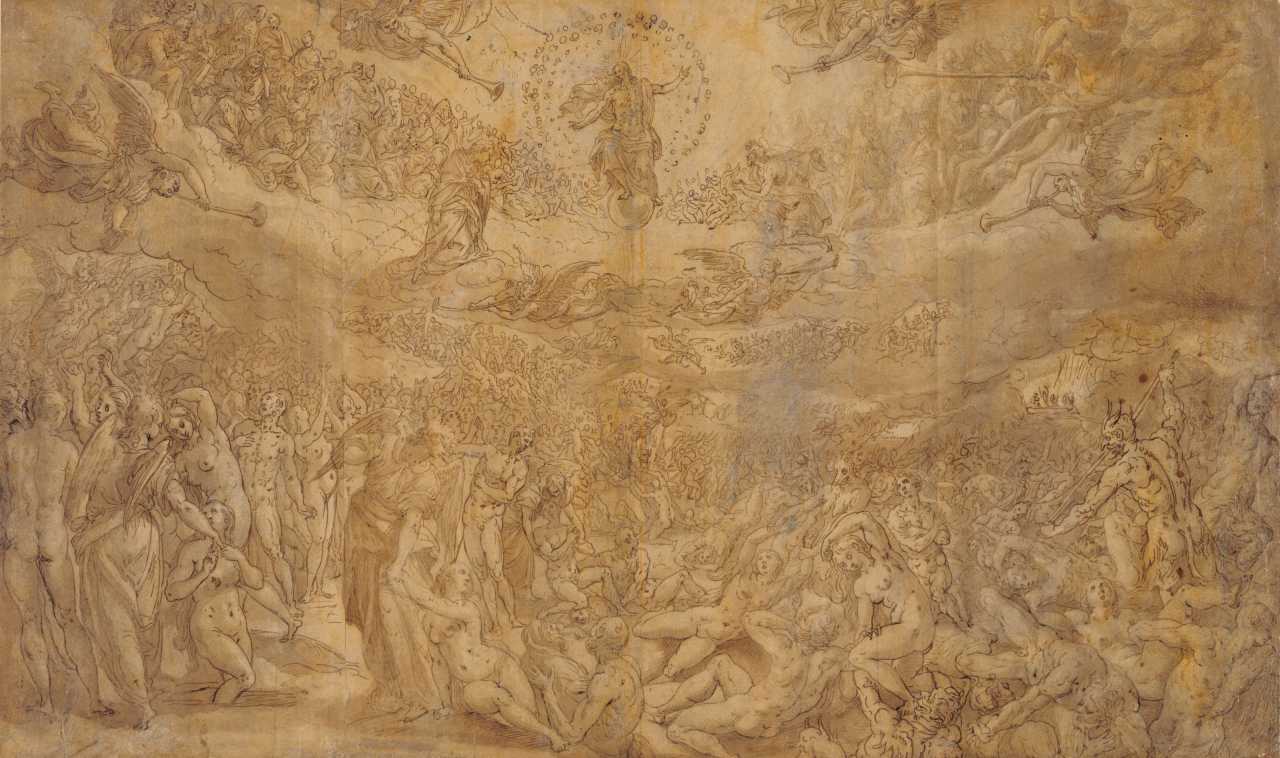
Christiaen Gillisz. van Couwenbergh was a Dutch Golden Age artist. He specialised in large historical allegories as wall decorations, often life-size. He also made drawings for tapestries.

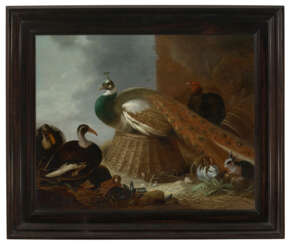

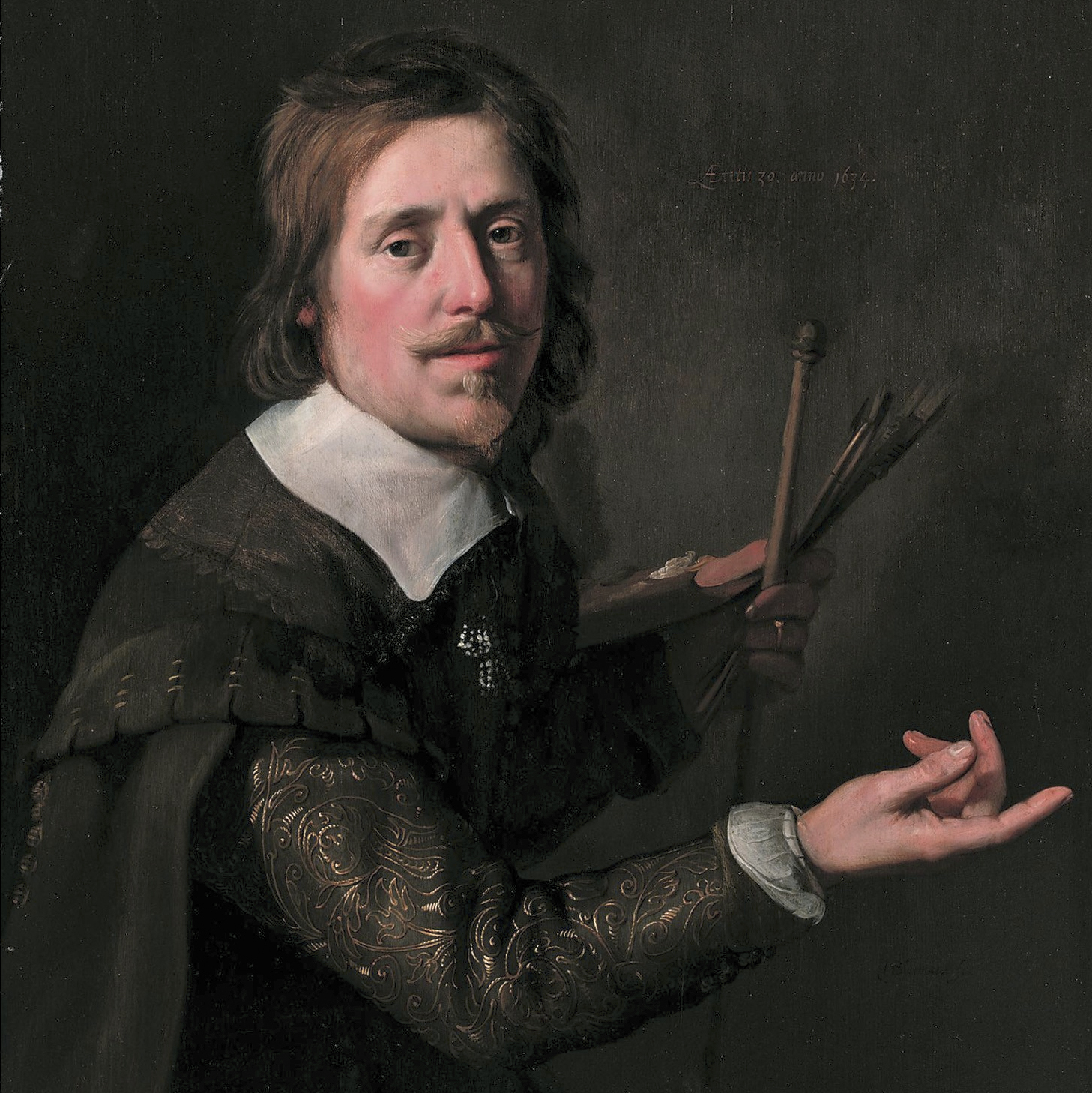
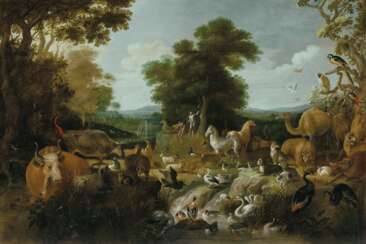
Gijsbert d'Hondecoeter was a Dutch landscape and animalier painter.
Hondecoeter belonged to a family of painters. His father was Gillis d'Hondecoeter and his son was Melchior d'Hondecoeter. Hondecoeter primarily painted works of barnyard fowl. Some of his works can be found at the Rijksmuseum Amsterdam. He became a member of the Guild of St. Luke in Utrecht in 1629. After he died in 1653, his brother-in-law and artist Jan Baptist Weenix continued the training of his son Melchior.
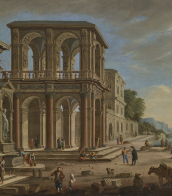
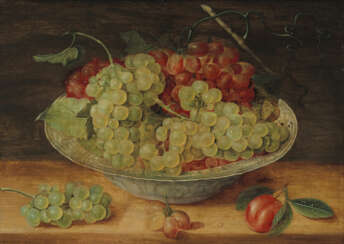

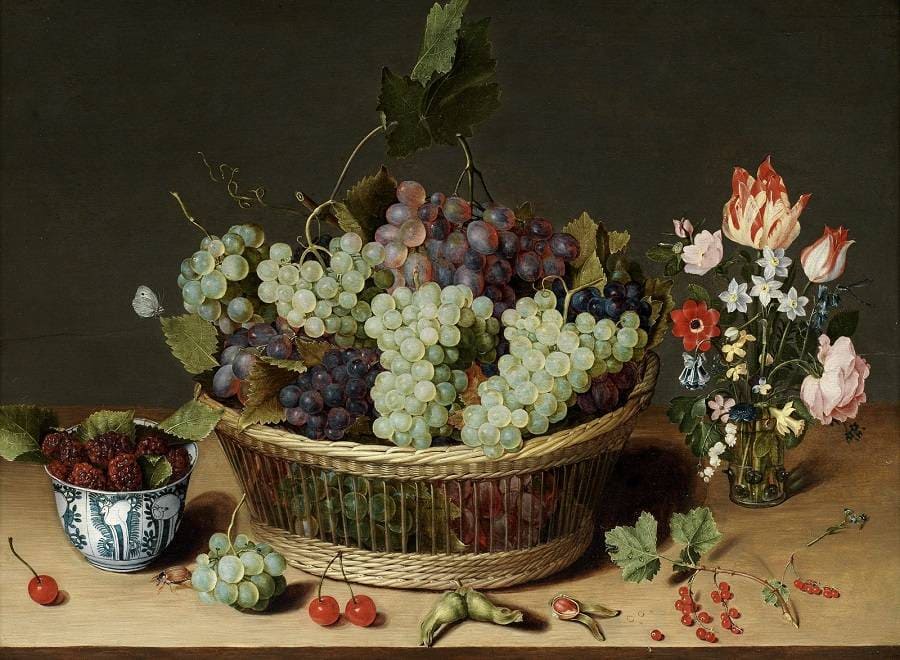
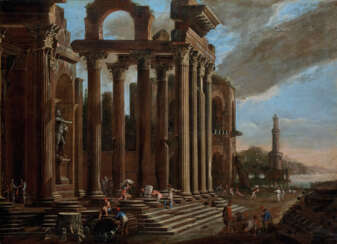

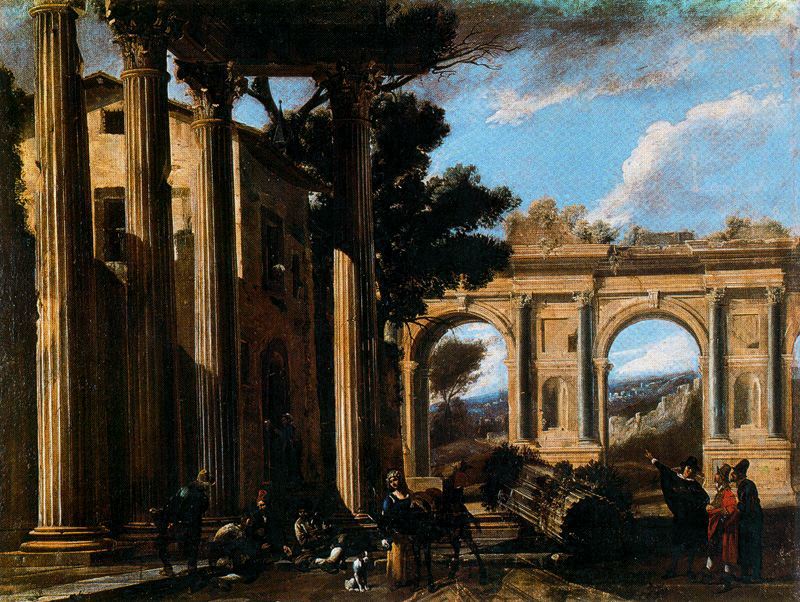
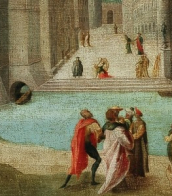
Viviano Codazzi, an Italian painter, was renowned for his architectural paintings, capricci, and vedute, particularly active during the Baroque period. His works, which blend architectural precision with imaginative landscapes, gained significant popularity in mid-17th century Rome, appealing to a shift in art patronage dynamics. Codazzi's paintings, often set in a landscape context, include ruins, idealized architecture, or fanciful scenes, showcasing his mastery in linear perspective and a deep understanding of antique aesthetics.
Viviano Codazzi's artistry was not confined to painting alone; he collaborated with figure painters like Michelangelo Cerquozzi and Domenico Gargiulo, adding vibrancy and life to his architectural canvases. His paintings like "The Nativity in an ancient ruin" and "St. Peter's Basilica" from 1636 illustrate his ability to merge topographical accuracy with artistic creativity. Codazzi's influence extended beyond his lifetime, with his sons and other artists following in his footsteps, contributing to the legacy of architectural painting in the Baroque era.
His works are held in high esteem and are part of collections in prestigious institutions such as the Prado, Uffizi, and Galleria Spada. For collectors and art enthusiasts, Viviano Codazzi's paintings offer a glimpse into the architectural and artistic sensibilities of the 17th century, making them valuable pieces in the realms of art and antiques.
For those interested in exploring and perhaps acquiring pieces of Viviano Codazzi's enduring legacy, staying updated on new sales and auction events is crucial. Signing up for updates can provide invaluable insights into opportunities to own a piece of this architectural painting heritage.








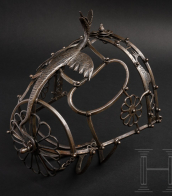


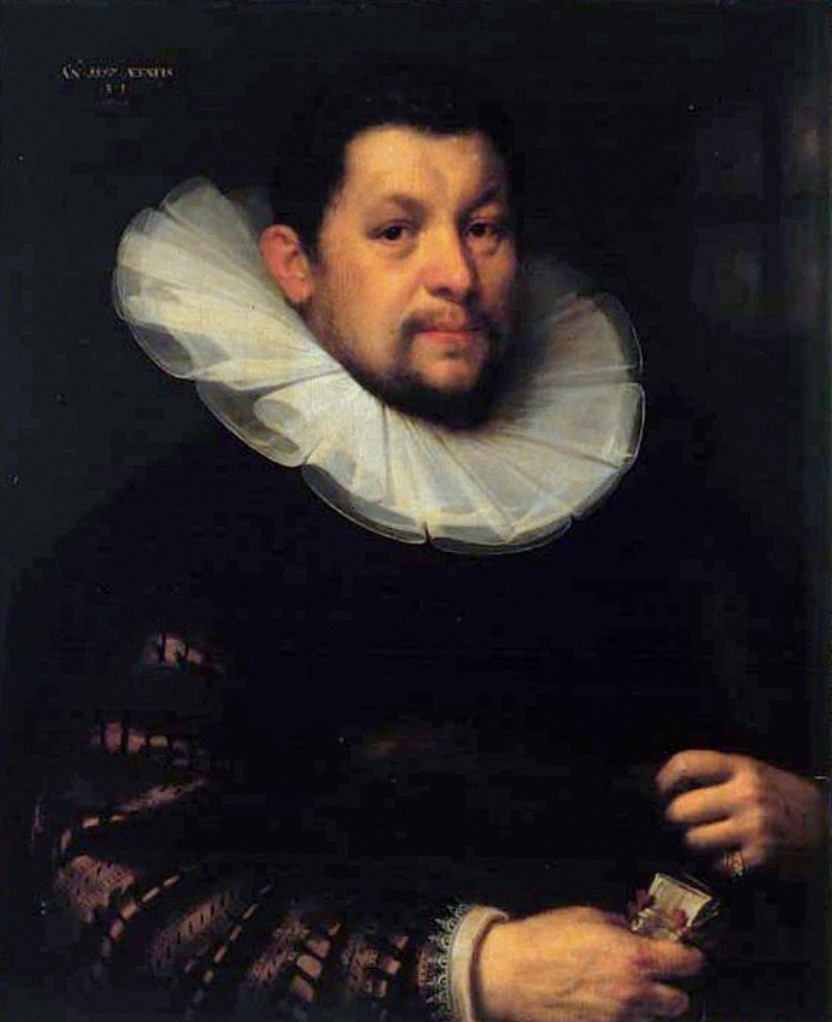
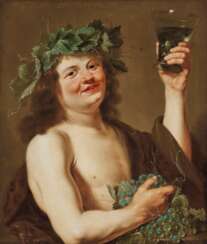
Gortzius Geldorp was a Flemish Renaissance painter who painted mainly portraits, including group portraits, and historical scenes. The painter Georg Geldorp was his son, who worked in England.
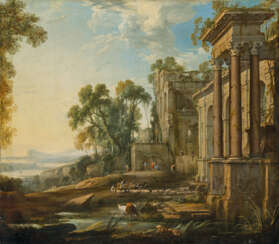

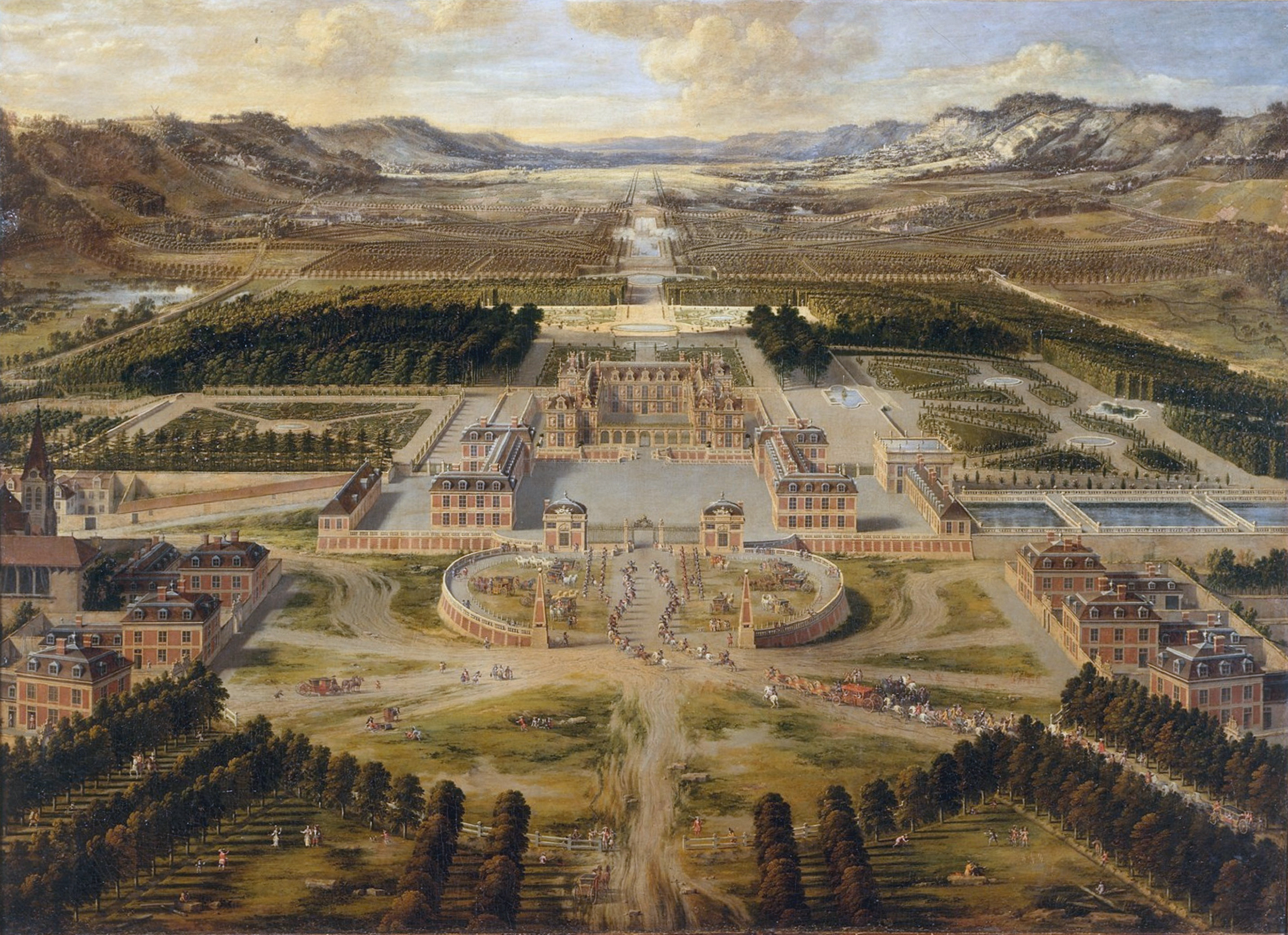
Pierre Patel was a French painter. He primarily painted landscapes.
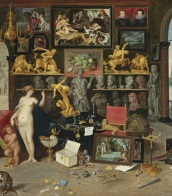
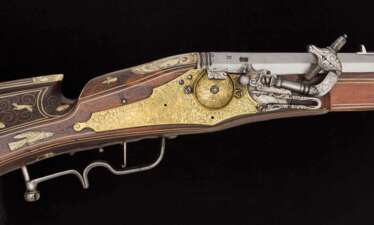






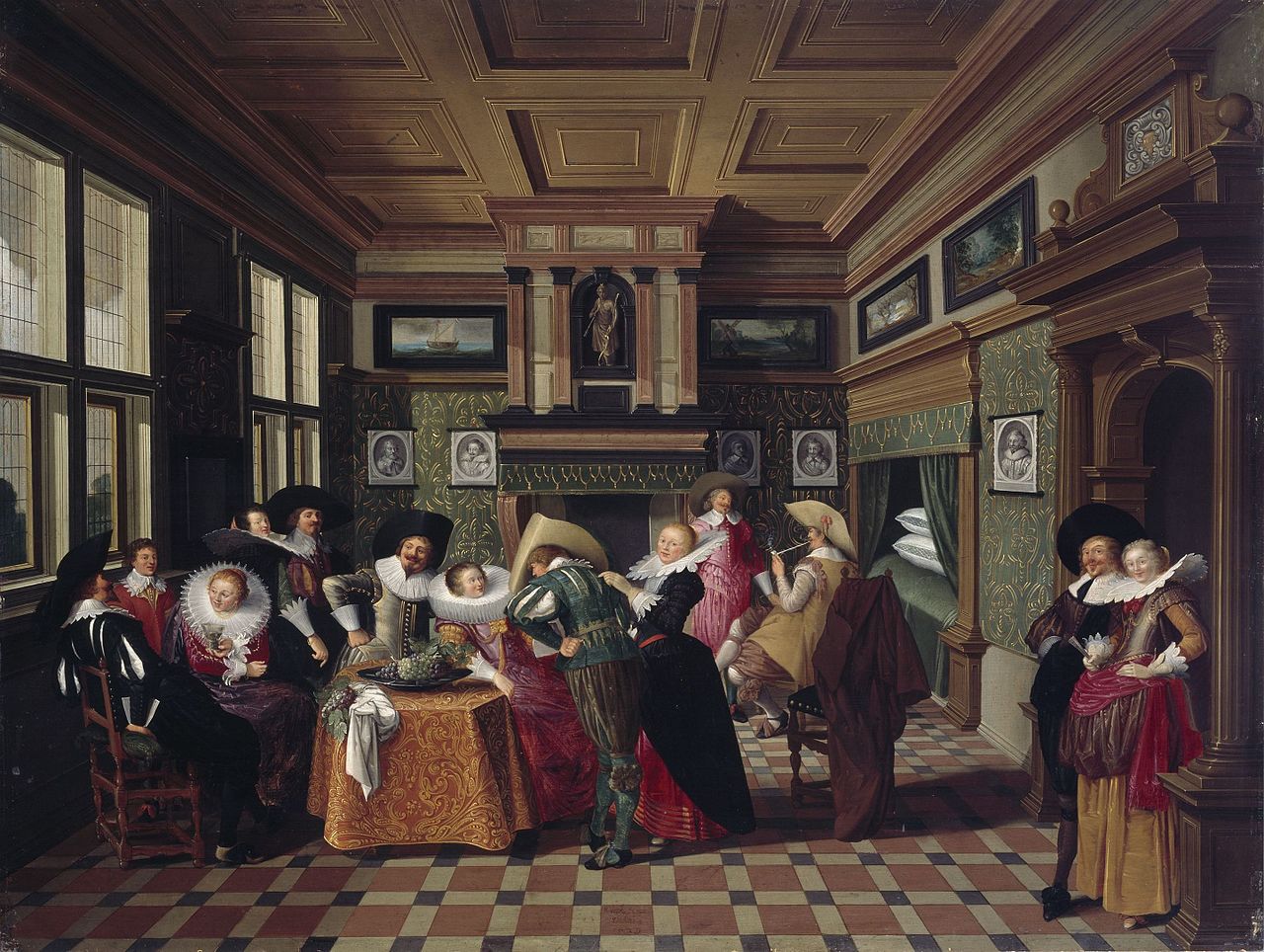
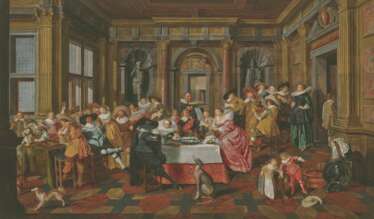
Dirck van Delen or Dirck Christiaensz van Delen was a Dutch painter who specialized exclusively in architectural paintings, principally depicting palace perspectives and church interiors.