1714


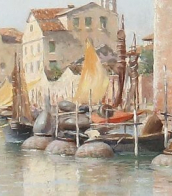
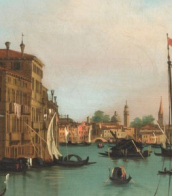
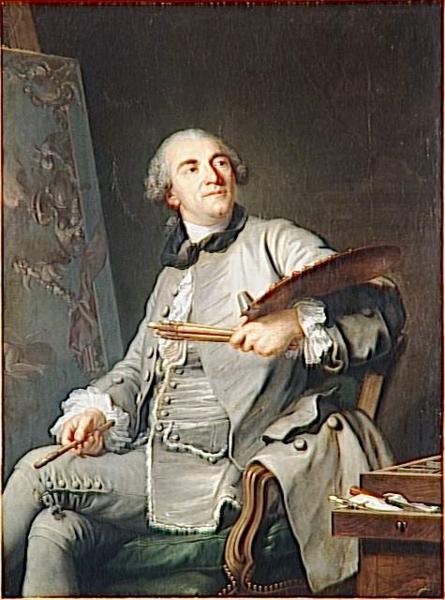
Claude Joseph Vernet was a French painter.
Vernet's work draws on natural themes, but in a way that is neither sentimental or emotive. The overall effect of his style is wholly decorative.
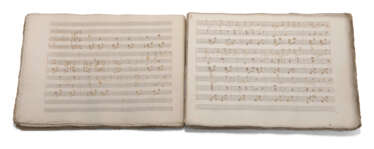

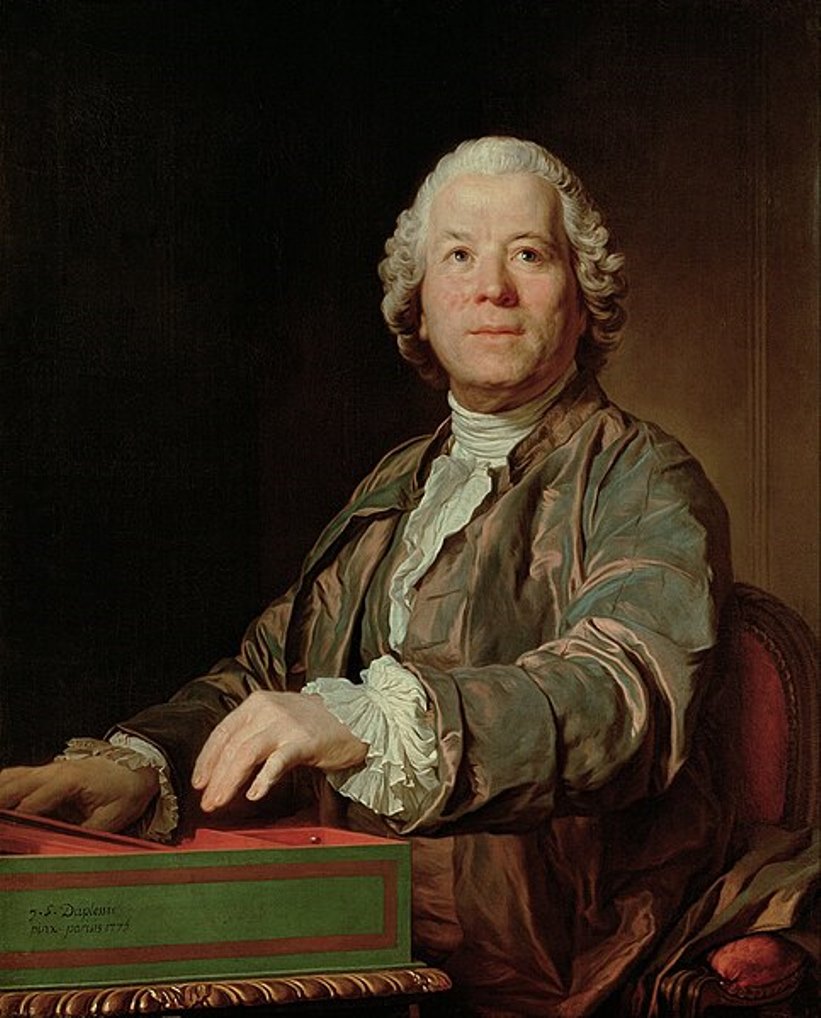
Christoph Willibald Gluck was a German classical composer and reformer of the opera genre.
Christoph showed a talent for music early on, playing violin and cello, leaving home and studying music with various teachers in Prague, Vienna and Milan. In 1741, Gluck had his first significant success with his first opera, Artasers, at the Milan theater. In 1745 Gluck, by then already well known as an opera composer, was invited to England, but in 1750 he settled in Vienna, where he lived for the rest of his life. While in Paris in 1773-79, he won the favor of Louis XVI's wife Marie Antoinette.
Christoph Gluck played a historic role in the formation of a new operatic style, becoming the main reformer in the transition from baroque to classical opera.
During his career, Christoph Gluck composed about 40 operas. Of these, his first "reformist" opera was Orpheus and Eurydice, staged in Vienna in 1762. Next were "Alceste" (1767), "Parida et Helena" (1770), "Iphigenia in Aulida" (1774), a French version of "Orpheus" (1774), and "Iphigenia in Tauris" (1779). He also wrote five ballets, of which Don Giovanni (1761) was one of the first successful action ballets.
Gluck spent the last eight years of his life in Vienna, continuing to work tirelessly. During these years he met several times with Wolfgang Mozart, who by then had already become a bright star.
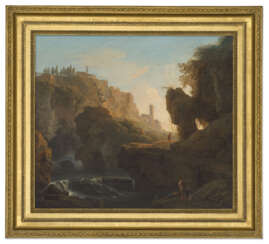

Claude Joseph Vernet was a French painter.
Vernet's work draws on natural themes, but in a way that is neither sentimental or emotive. The overall effect of his style is wholly decorative.
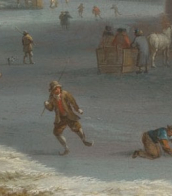
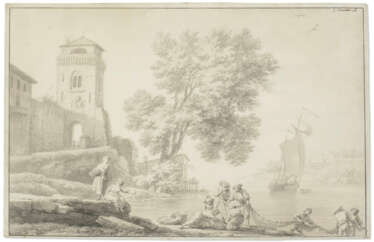

Claude Joseph Vernet was a French painter.
Vernet's work draws on natural themes, but in a way that is neither sentimental or emotive. The overall effect of his style is wholly decorative.

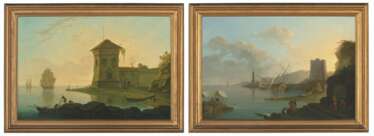

Claude Joseph Vernet was a French painter.
Vernet's work draws on natural themes, but in a way that is neither sentimental or emotive. The overall effect of his style is wholly decorative.
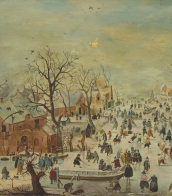


Claude Joseph Vernet was a French painter.
Vernet's work draws on natural themes, but in a way that is neither sentimental or emotive. The overall effect of his style is wholly decorative.

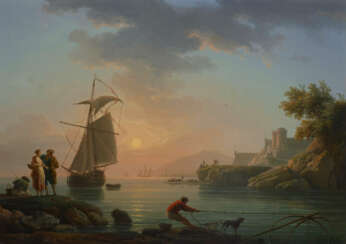

Claude Joseph Vernet was a French painter.
Vernet's work draws on natural themes, but in a way that is neither sentimental or emotive. The overall effect of his style is wholly decorative.
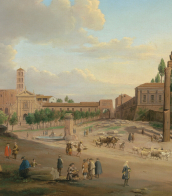
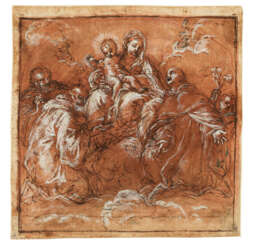

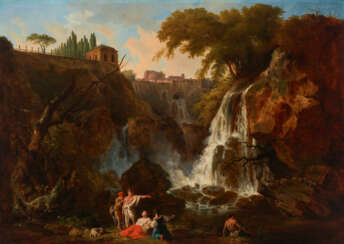

Claude Joseph Vernet was a French painter.
Vernet's work draws on natural themes, but in a way that is neither sentimental or emotive. The overall effect of his style is wholly decorative.

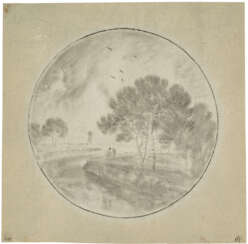


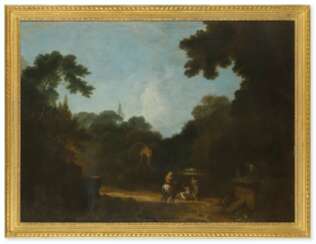
Richard Wilson was an influential Welsh landscape painter, who worked in Britain and Italy. With George Lambert he is recognised as a pioneer in British art of landscape for its own sake and was described in the Welsh Academy Encyclopedia of Wales as the "most distinguished painter Wales has ever produced and the first to appreciate the aesthetic possibilities of his country". In December 1768 Wilson became one of the founder-members of the Royal Academy. A catalogue raisonné of the artist's work compiled by Paul Spencer-Longhurst is published by the Paul Mellon Centre for Studies in British Art.


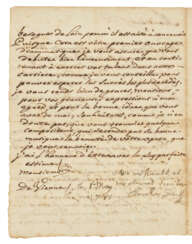

Christoph Willibald Gluck was a German classical composer and reformer of the opera genre.
Christoph showed a talent for music early on, playing violin and cello, leaving home and studying music with various teachers in Prague, Vienna and Milan. In 1741, Gluck had his first significant success with his first opera, Artasers, at the Milan theater. In 1745 Gluck, by then already well known as an opera composer, was invited to England, but in 1750 he settled in Vienna, where he lived for the rest of his life. While in Paris in 1773-79, he won the favor of Louis XVI's wife Marie Antoinette.
Christoph Gluck played a historic role in the formation of a new operatic style, becoming the main reformer in the transition from baroque to classical opera.
During his career, Christoph Gluck composed about 40 operas. Of these, his first "reformist" opera was Orpheus and Eurydice, staged in Vienna in 1762. Next were "Alceste" (1767), "Parida et Helena" (1770), "Iphigenia in Aulida" (1774), a French version of "Orpheus" (1774), and "Iphigenia in Tauris" (1779). He also wrote five ballets, of which Don Giovanni (1761) was one of the first successful action ballets.
Gluck spent the last eight years of his life in Vienna, continuing to work tirelessly. During these years he met several times with Wolfgang Mozart, who by then had already become a bright star.

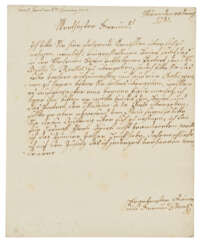

Christoph Willibald Gluck was a German classical composer and reformer of the opera genre.
Christoph showed a talent for music early on, playing violin and cello, leaving home and studying music with various teachers in Prague, Vienna and Milan. In 1741, Gluck had his first significant success with his first opera, Artasers, at the Milan theater. In 1745 Gluck, by then already well known as an opera composer, was invited to England, but in 1750 he settled in Vienna, where he lived for the rest of his life. While in Paris in 1773-79, he won the favor of Louis XVI's wife Marie Antoinette.
Christoph Gluck played a historic role in the formation of a new operatic style, becoming the main reformer in the transition from baroque to classical opera.
During his career, Christoph Gluck composed about 40 operas. Of these, his first "reformist" opera was Orpheus and Eurydice, staged in Vienna in 1762. Next were "Alceste" (1767), "Parida et Helena" (1770), "Iphigenia in Aulida" (1774), a French version of "Orpheus" (1774), and "Iphigenia in Tauris" (1779). He also wrote five ballets, of which Don Giovanni (1761) was one of the first successful action ballets.
Gluck spent the last eight years of his life in Vienna, continuing to work tirelessly. During these years he met several times with Wolfgang Mozart, who by then had already become a bright star.